

I used to walk past the inverted leg press machine at the gym without giving it a second thought.
Big mistake. Once I understood how it worked and what it could do for my legs, I wished I had started sooner. Now I want to save you that time.
This article breaks down how the machine works, what features to look for, and where to buy one.
I’ll help you skip the confusion and make a confident buying decision.
Let’s get into it.
What Is an Inverted Leg Press Machine?
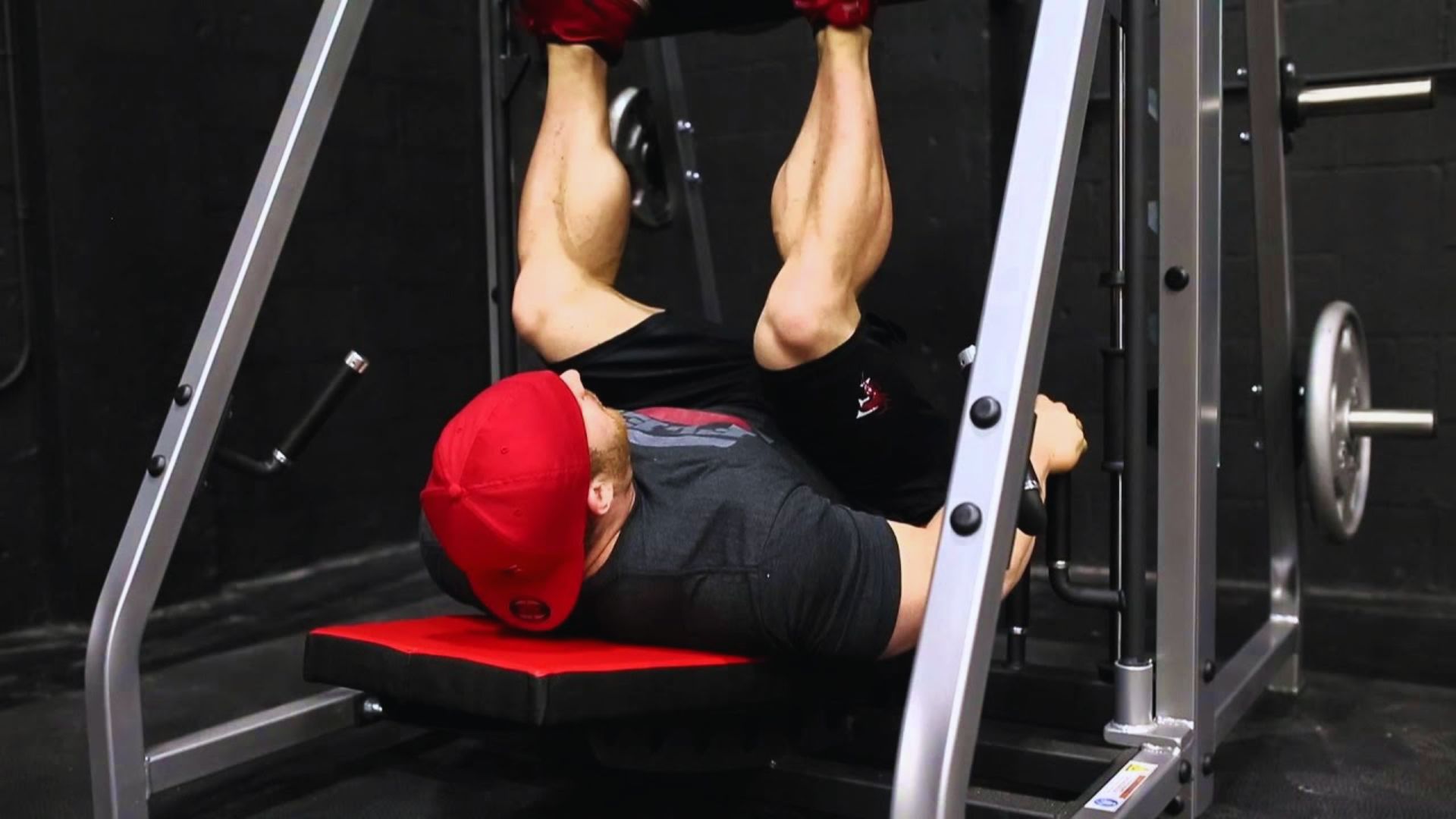
An inverted leg press machine is a strength training tool that lets you press weight using your legs while lying at an angle.
Instead of sitting upright like a standard leg press, your body is positioned on a slanted pad. You push a weighted carriage away from your body with your feet.
This targets your quads, hamstrings, and glutes. It’s popular in commercial gyms and serious home setups.
The design puts less pressure on your lower back compared to some other machines. It’s built for heavy loads and repeated use.
Key Features of an Inverted Leg Press Machine
Knowing what features to look for helps you pick a machine that lasts and performs well from day one.
Heavy-Duty Steel Construction
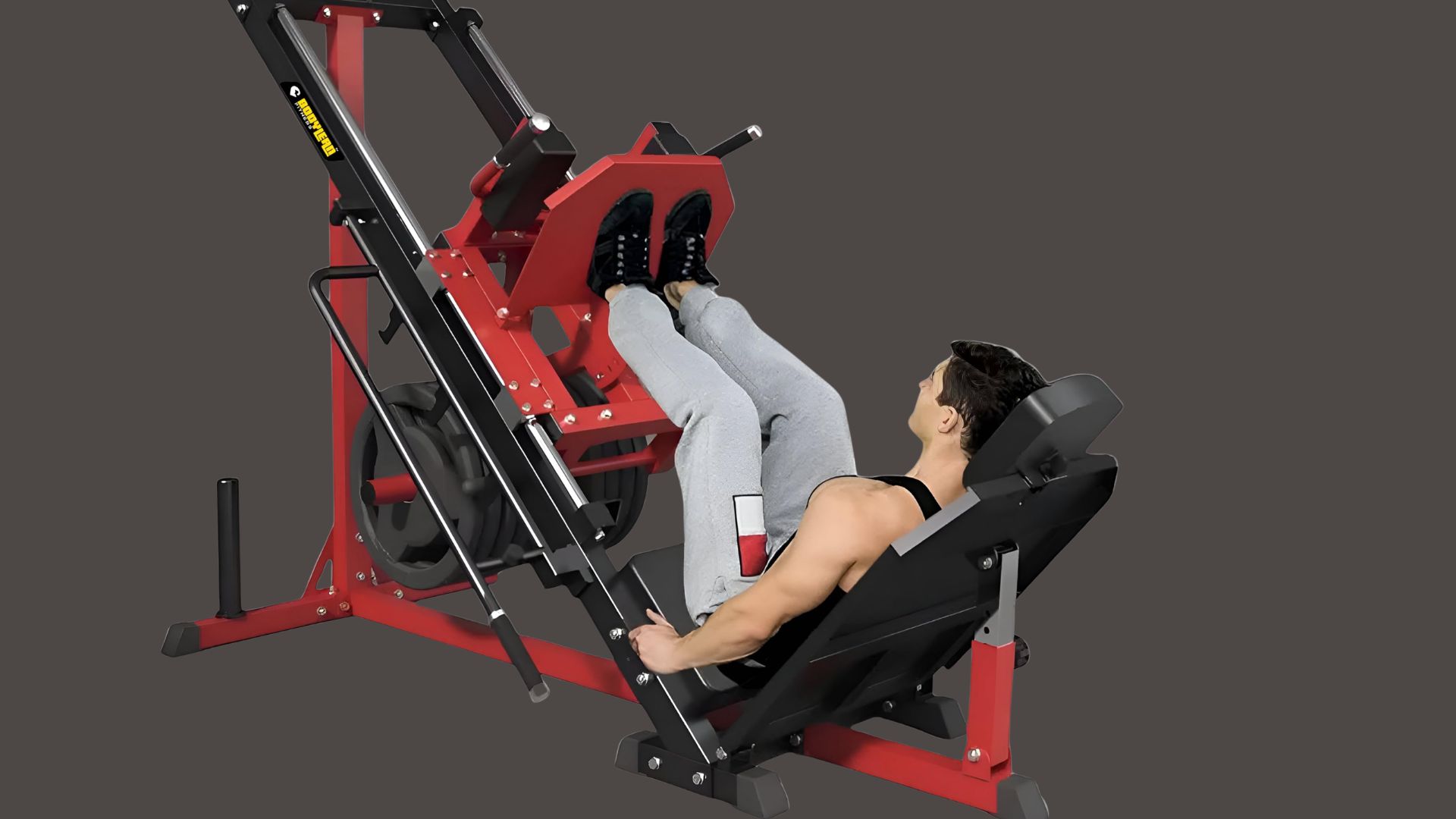
The frame is the backbone of any leg press machine. A heavy-duty steel build means it can handle serious weight without flexing or wobbling.
I always check the steel gauge before anything else. Thicker steel equals longer life. Most commercial-grade machines use 11-gauge or higher steel.
This keeps the frame solid under repeated heavy loads. It also reduces noise and vibration during use, which matters more than people think.
Large Non-Skid Foot Plate
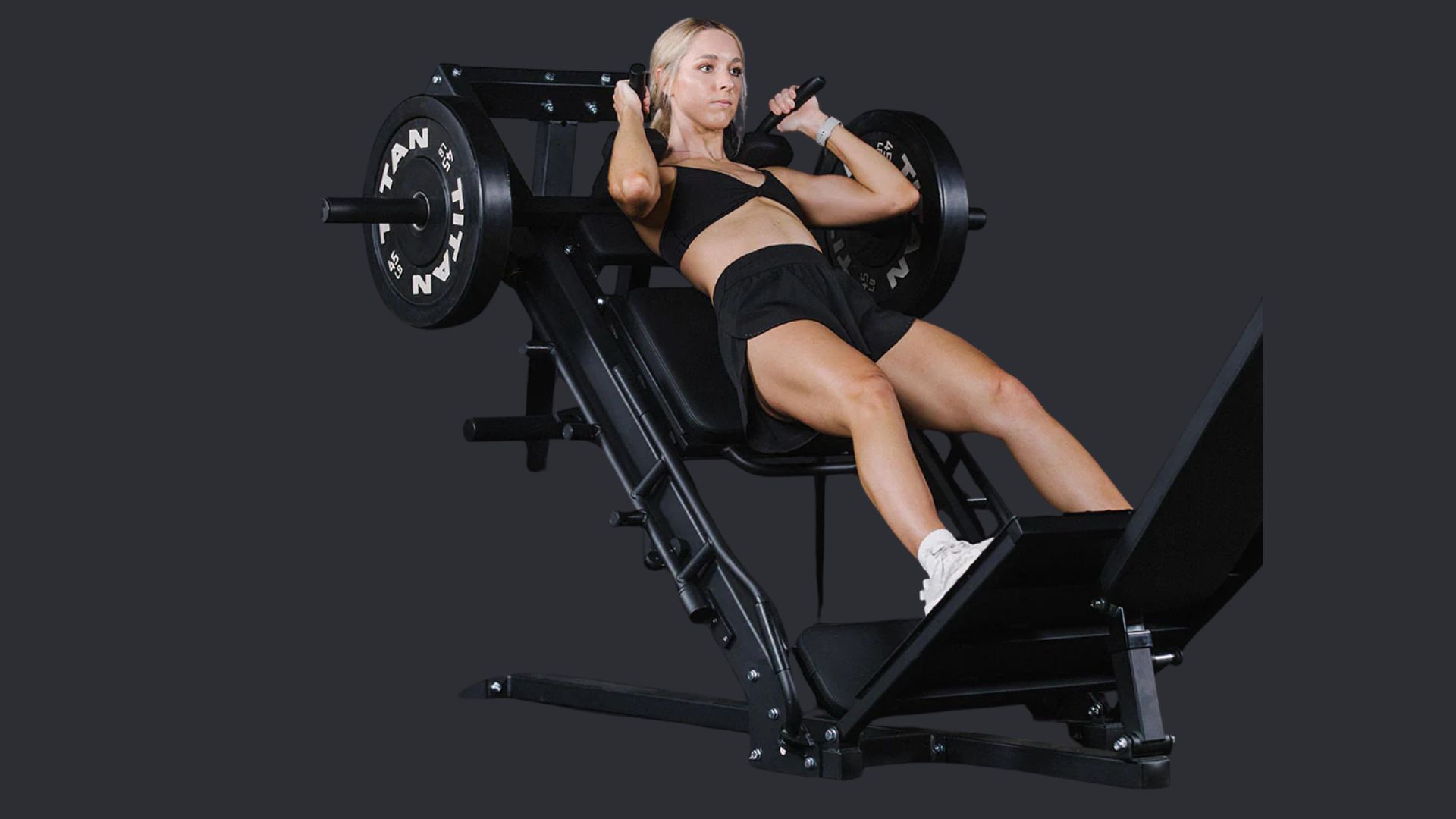
The foot plate is where your push actually happens. A large, non-skid surface gives you a stable base for each rep.
Your feet won’t slip, even when you’re pushing through heavy sets. The size matters too. A wider plate lets you adjust your foot position for different muscle targets.
Look for textured or rubberized surfaces. They grip well and hold up over time without cracking or peeling after regular use.
Safety Lock-Out Mechanism
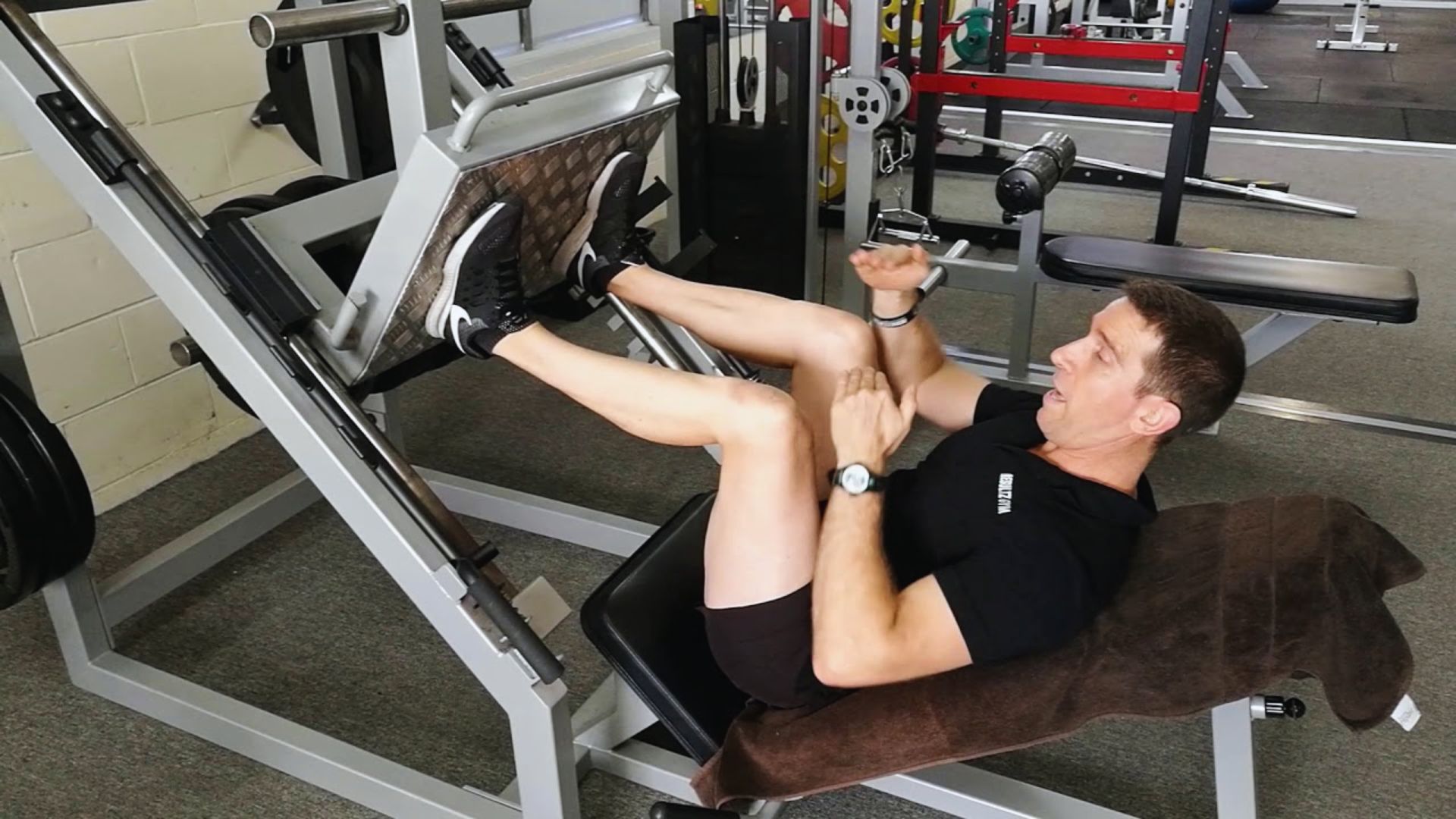
This is the feature that keeps you safe when things get hard. A safety lock-out lets you stop the carriage at a set point.
If you can’t complete a rep, the lock holds the weight in place. You don’t need a spotter to use it safely. I always test the lock before any heavy set.
It should engage smoothly and hold firm. A machine without a reliable lock-out is a risk I wouldn’t take, especially training alone.
Weight Plate Storage
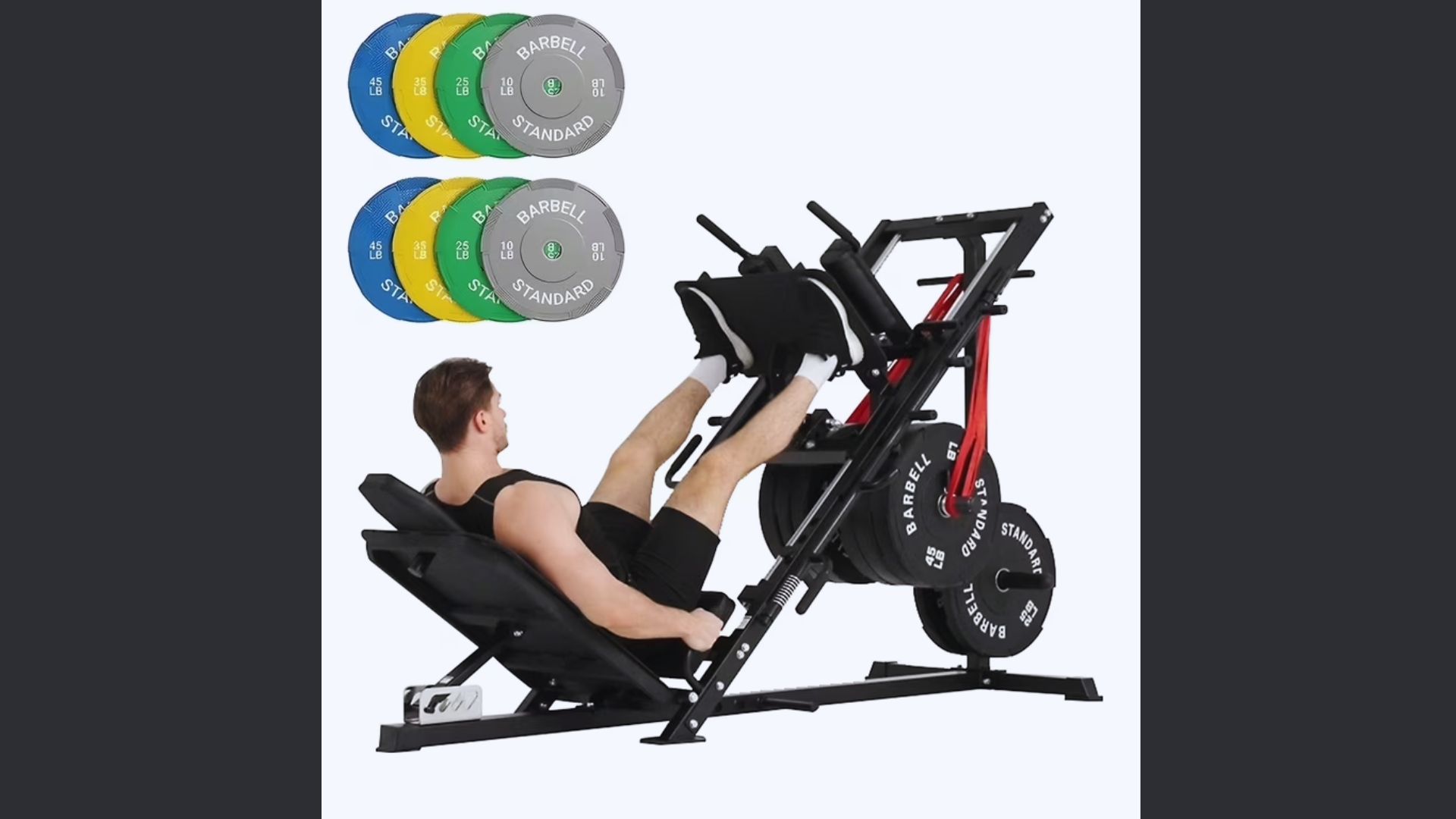
Having storage pegs on the machine keeps your workout space cleaner and safer. You load and unload plates right at the machine.
No walking across the gym floor with heavy plates. Most inverted leg press machines have two to four storage horns. Some have more.
Check the peg length and weight capacity before buying. Longer pegs hold more plates. It’s a small detail, but it makes your training sessions smoother and faster to set up.
Durable Powder Coat Finish
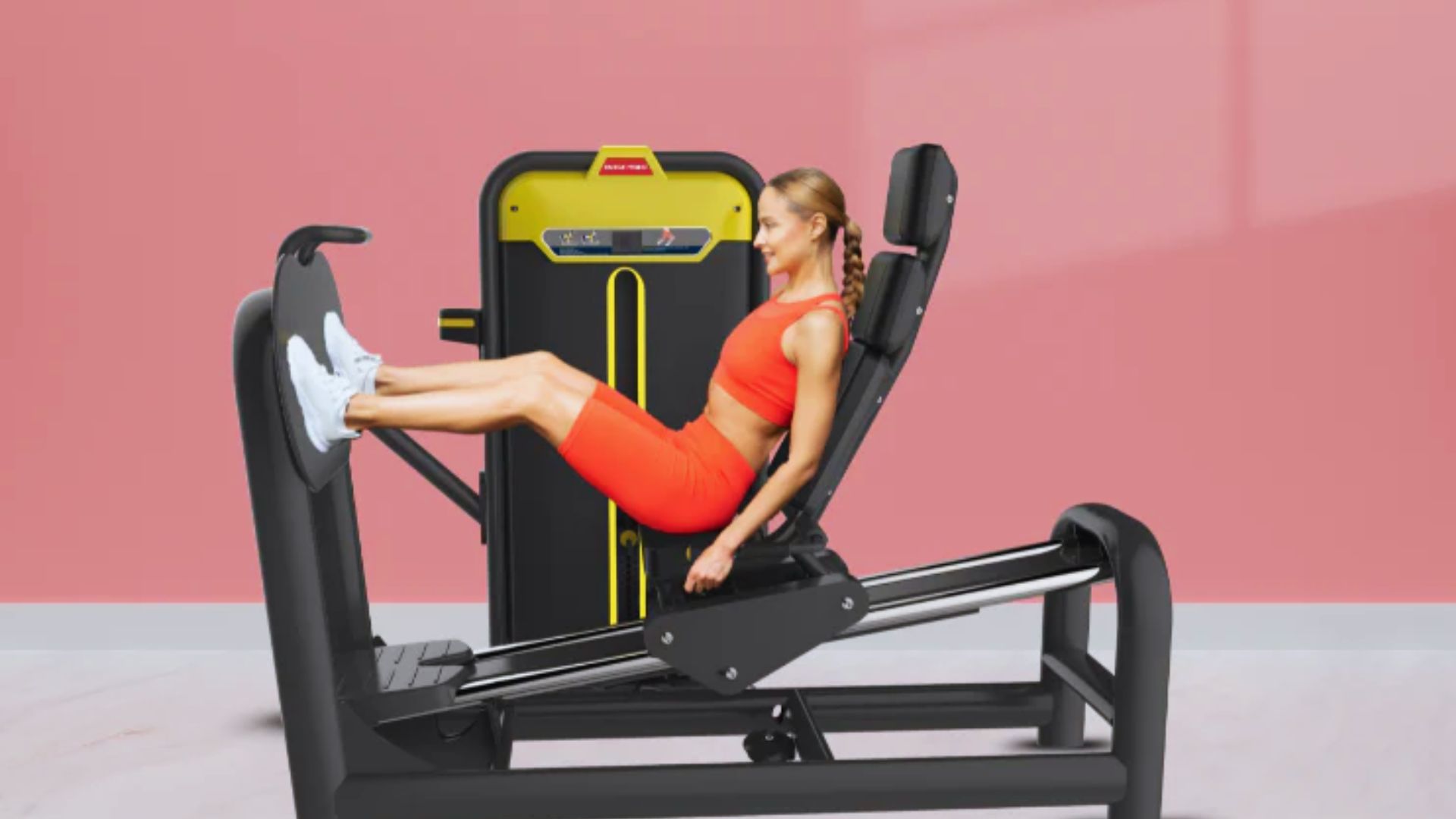
The finish on a machine tells you a lot about how long it will last. A powder coat finish protects the steel from rust, scratches, and chips.
It also gives the machine a clean, solid look. Cheap paint peels fast, especially in gyms with moisture or sweat exposure. A quality powder coat bonds to the metal at a deeper level.
It handles daily contact and cleaning without fading. It’s a good sign the manufacturer paid attention to the details.
Inverted Leg Press Technical Specifications
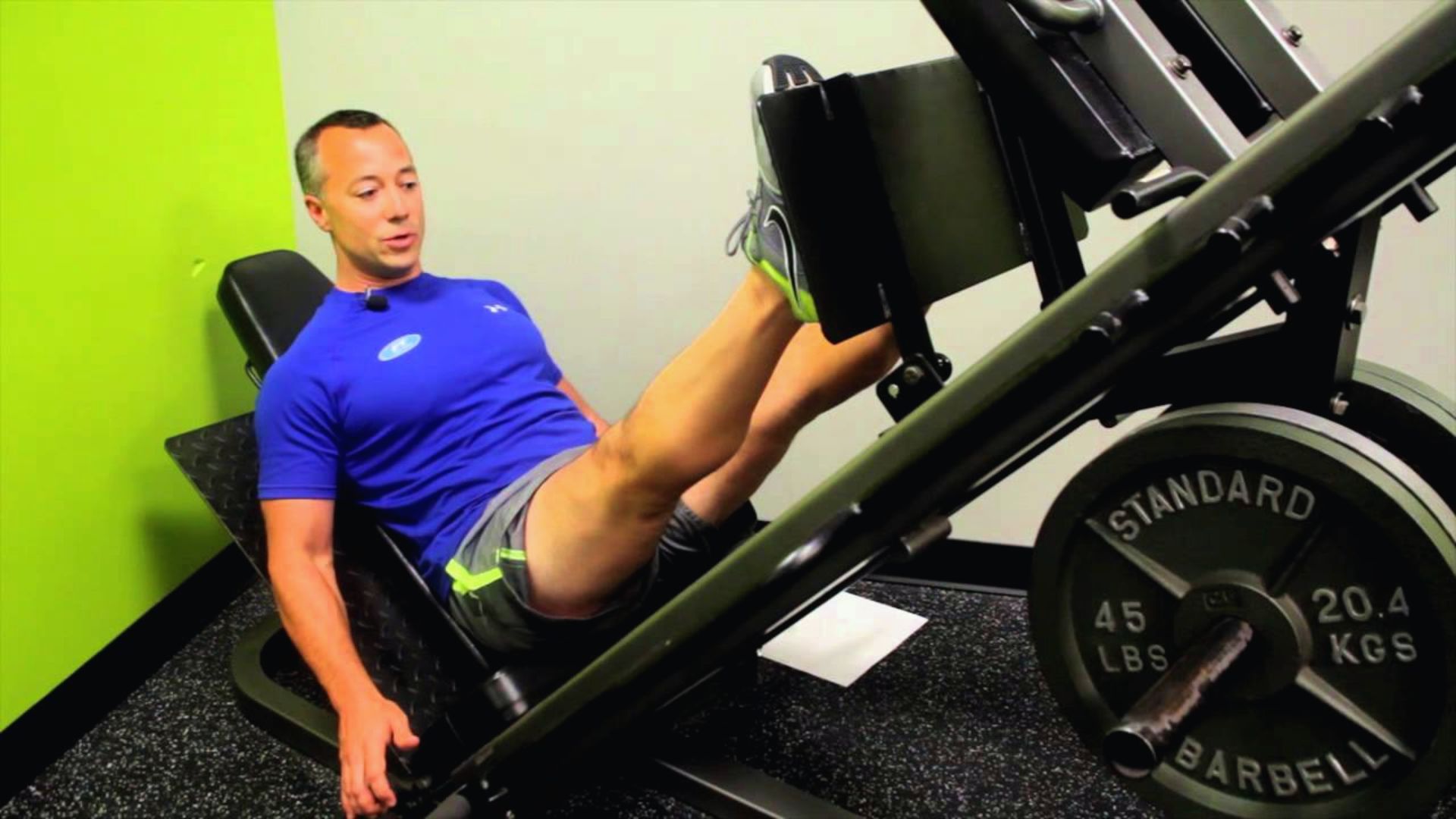
These specs tell you exactly what you’re getting under the hood, so there are no surprises after delivery.
Frame Construction and Materials
Most quality inverted leg press machines use heavy-gauge steel tubing, often 2×3 or 3×3 inch rectangular steel. The welds should be clean and consistent.
Some machines include reinforced connection points at high-stress areas. This matters when you’re loading hundreds of pounds. Always check the listed weight capacity.
A solid frame should handle at least 1,000 lbs of total load. Anything less may not be worth the investment for serious lifters.
Foot Plate Design
The foot plate should be large enough to support various foot positions. Standard plates run around 18×18 inches or larger. Angles matter too.
Most are set between 45 and 60 degrees. Some machines allow slight adjustments. The surface should be non-slip and firm. Rubber or textured steel both work well.
Check the mounting bolts on the plate. Loose hardware on the foot plate is a common weak point and should be tightened regularly after use.
Upholstery Quality
The back pad and seat take a beating over time. Quality machines use thick, high-density foam covered in durable vinyl. The stitching should be tight and even.
Cheap upholstery tears within months. I’ve seen machines with nice frames ruined by poor padding. Look for double-stitched seams and vinyl rated for gym use.
Some brands offer replacement pads, which is a good sign they expect the machine to last long enough to need them eventually.
Safety Features
Beyond the lock-out mechanism, look for other safety details. This includes stable base feet with floor protectors, smooth carriage rails without sharp edges, and clear weight capacity labels.
Some machines include secondary safety pins or catches. Check that the carriage moves in a straight line with no lateral wobble.
Side play in the rails causes uneven loading and puts stress on your knees. A safe machine should feel controlled at every point of the movement.
Storage Capabilities
Storage capacity varies by model. Entry-level machines may have two weight horns. Commercial models often have four or more. Check the length of each horn and the diameter.
Standard Olympic plates fit a 2-inch diameter peg. Some machines have angled pegs that make loading and unloading easier.
If you train with a lot of plates, storage capacity matters more than it sounds. Running out of space mid-session is frustrating and slows your workout down significantly.
Purchasing Options for Inverted Leg Press Machines
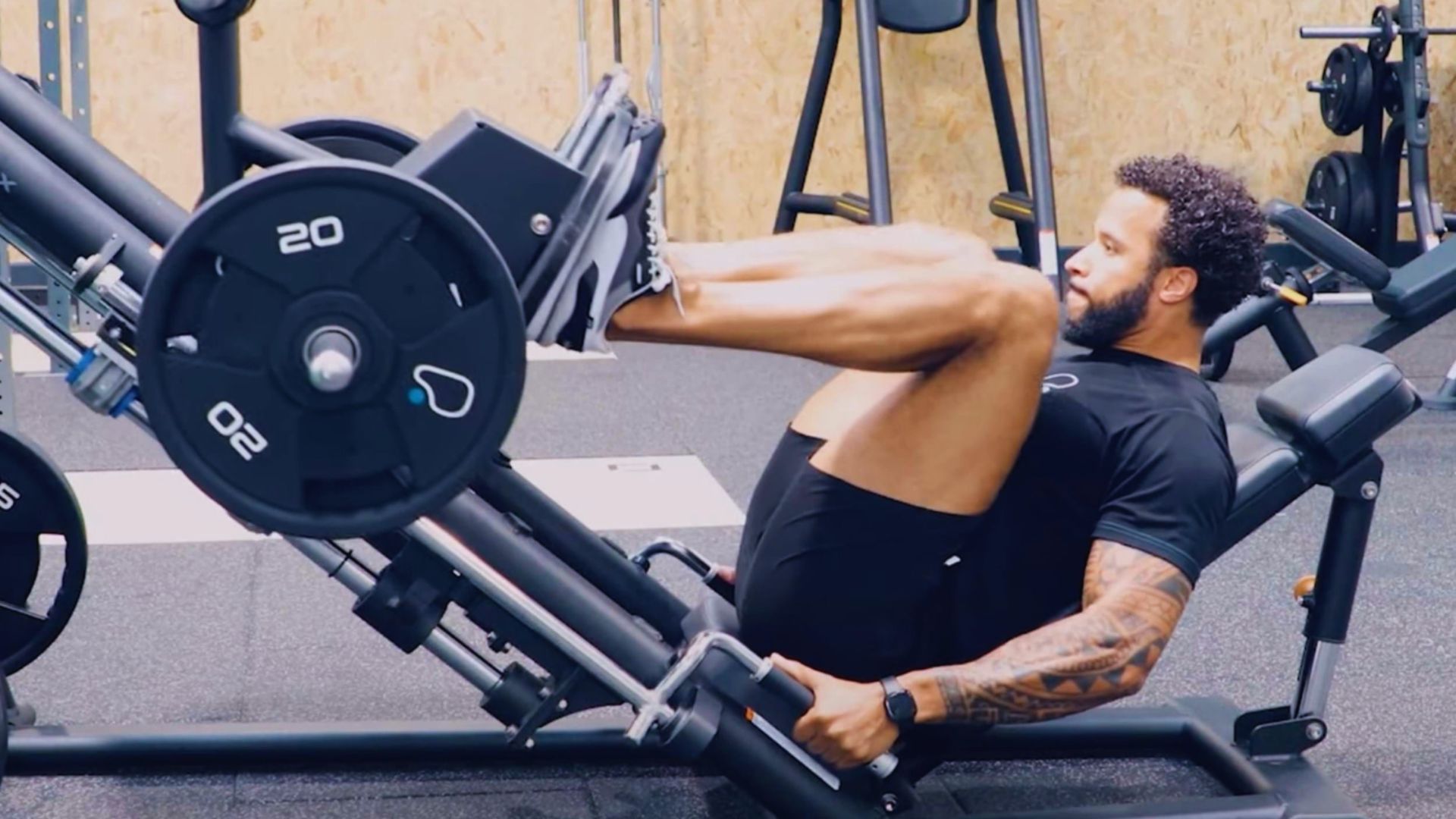
There are several ways to buy, and the right option depends on your budget, scale, and specific needs.
Commercial Equipment Suppliers
Commercial suppliers are the most reliable source for heavy-duty machines. They carry brands built for gym use and stand behind their products.
Most offer warranties, delivery, and installation services. I recommend going through a certified supplier if you’re outfitting a full gym.
You get access to product specialists who can answer your questions and help compare models.
Prices are higher than online marketplaces, but the product quality and support are usually worth it.
Request a Custom Quote
If you need a machine with specific dimensions, colors, or weight capacities, a custom quote is the way to go.
Many manufacturers offer this option for gyms, rehab centers, and large training facilities. You can request modified upholstery, custom branding, or adjusted footplate angles.
The process usually involves a phone call or form submission. Lead times vary, but the result is a machine built to your specs. It costs more but fits your space and needs precisely.
Bulk Purchase Options
Buying multiple machines at once opens the door to significant discounts. Most commercial suppliers offer bulk pricing for orders of three or more units.
This makes sense for gym owners, schools, and fitness facilities. Ask for volume pricing upfront before committing.
Some suppliers also include free shipping or extended warranties on bulk orders. Always confirm delivery logistics for large orders.
Getting five machines delivered requires planning, especially for locations with limited loading dock access or tight elevator clearances.
Things to Consider Before Buying
Before spending money on an inverted leg press, these four areas will help you make the right call.
- Budget and Pricing: Entry-level machines start around $500, commercial models can exceed $3,000.
- Space Requirements: Most machines need at least 8×6 feet of clear floor space.
- Build Quality and Durability: Check steel gauge, weld quality, and frame warranty before buying.
- Safety and Comfort Features: Look for lock-out systems, non-slip foot plates, and padded back support.
- Weight Capacity: Make sure the machine supports at least 1,000 lbs for safe, heavy training.
Take your time with this decision. The right machine will serve you for years without issues.
Conclusion
I once stood in a gym staring at an inverted leg press with zero clue what to look for. That confusion pushed me to write this.
Now you know the features, the specs, and where to buy. No more guessing.
Pick the right machine and put it to work. Your legs will notice the difference fast.
If this helped, drop a comment below or share it with a friend. I’d love to hear which machine you go with.
Frequently Asked Questions
What weight capacity should an inverted leg press machine have?
Look for at least 1,000 lbs total load capacity for safe, heavy training.
Is an inverted leg press better than a standard leg press?
It depends on your goals, but it tends to be easier on the lower back.
How much space does an inverted leg press machine need?
You’ll need at least 8×6 feet of clear floor space.
Can I use an inverted leg press machine at home?
Yes, as long as you have the space and the right budget for it.
How long do inverted leg press machines typically last?
A well-built machine can last 10 to 20 years with basic upkeep.


