

I walked up to the trap bar at a new gym, loaded it the same way I always did, and my first pull felt completely off. Too light. Turns out that bar weighed 55 lbs, not 45 lbs like I had assumed.
That one mistake threw off my entire session and made me realize how little most lifters actually know about this.
If you have ever wondered how much does a trap bar weigh and why nobody seems to give a straight answer, you are not alone.
This is one of the most debated topics in lifting communities and the real answer is far more complicated than most people expect.
What you find out next might change how you have been tracking your lifts all along.
What Lifters Commonly Report About Trap Bar Weight (General Overview)
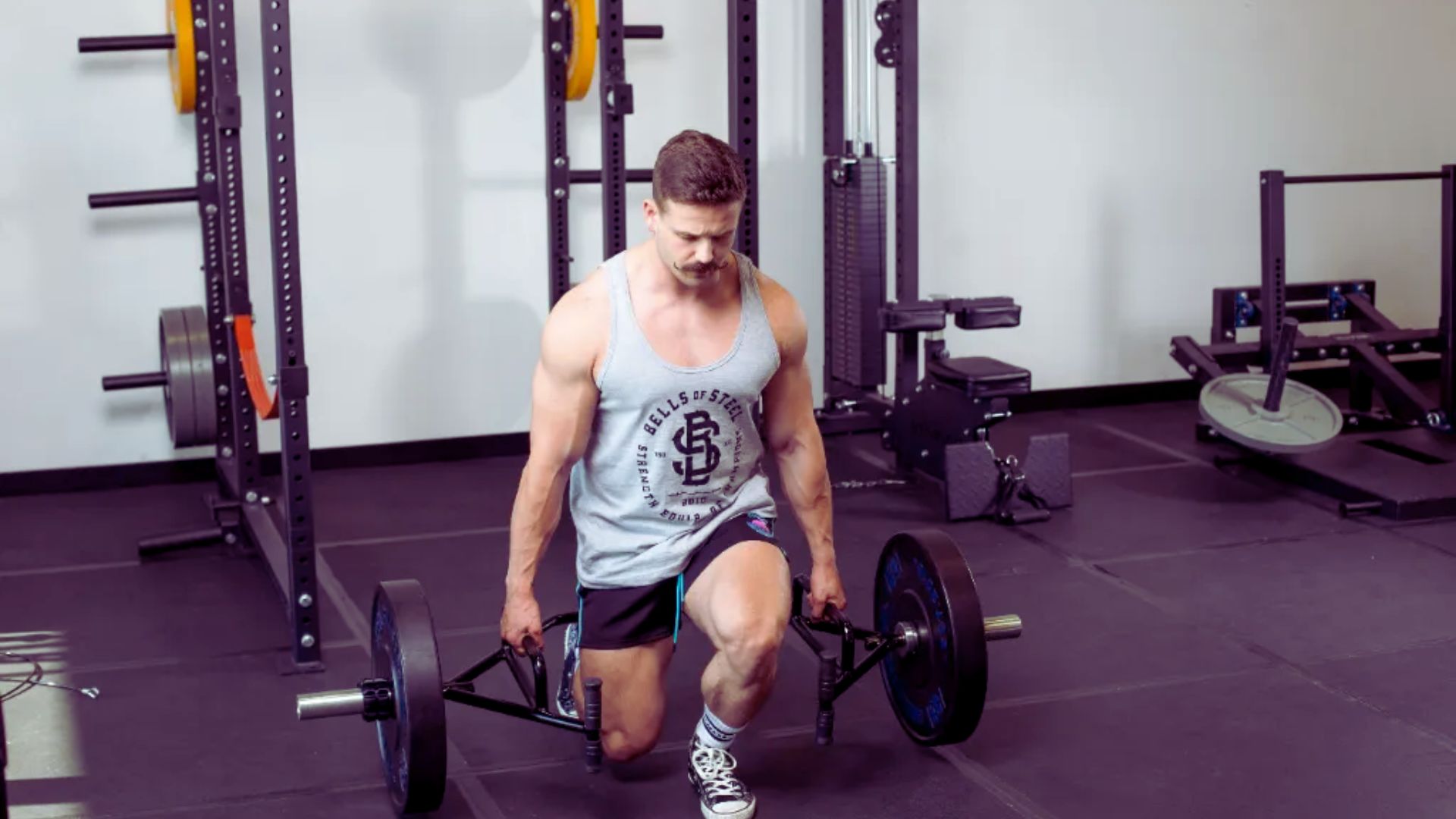
Most standard trap bars fall somewhere between 45 lbs and 70 lbs, which is roughly 20 to 32 kg. That is a wide range for a piece of equipment most people assume is standardized.
The confusion usually starts because lifters are used to the 45 lb standard barbell. They walk up to a trap bar and assume the same number applies. It often does not.
Some heavy-duty or specialty trap bars go well above 80 lbs. These are less common in commercial gyms but do show up in powerlifting facilities and high-end training centers.
On the lighter end, beginner-friendly and rehabilitation trap bars exist that weigh significantly less than 45 lbs. These are built for controlled training environments, not heavy loading.
Why Trap Bar Weight Is Not Always the Same
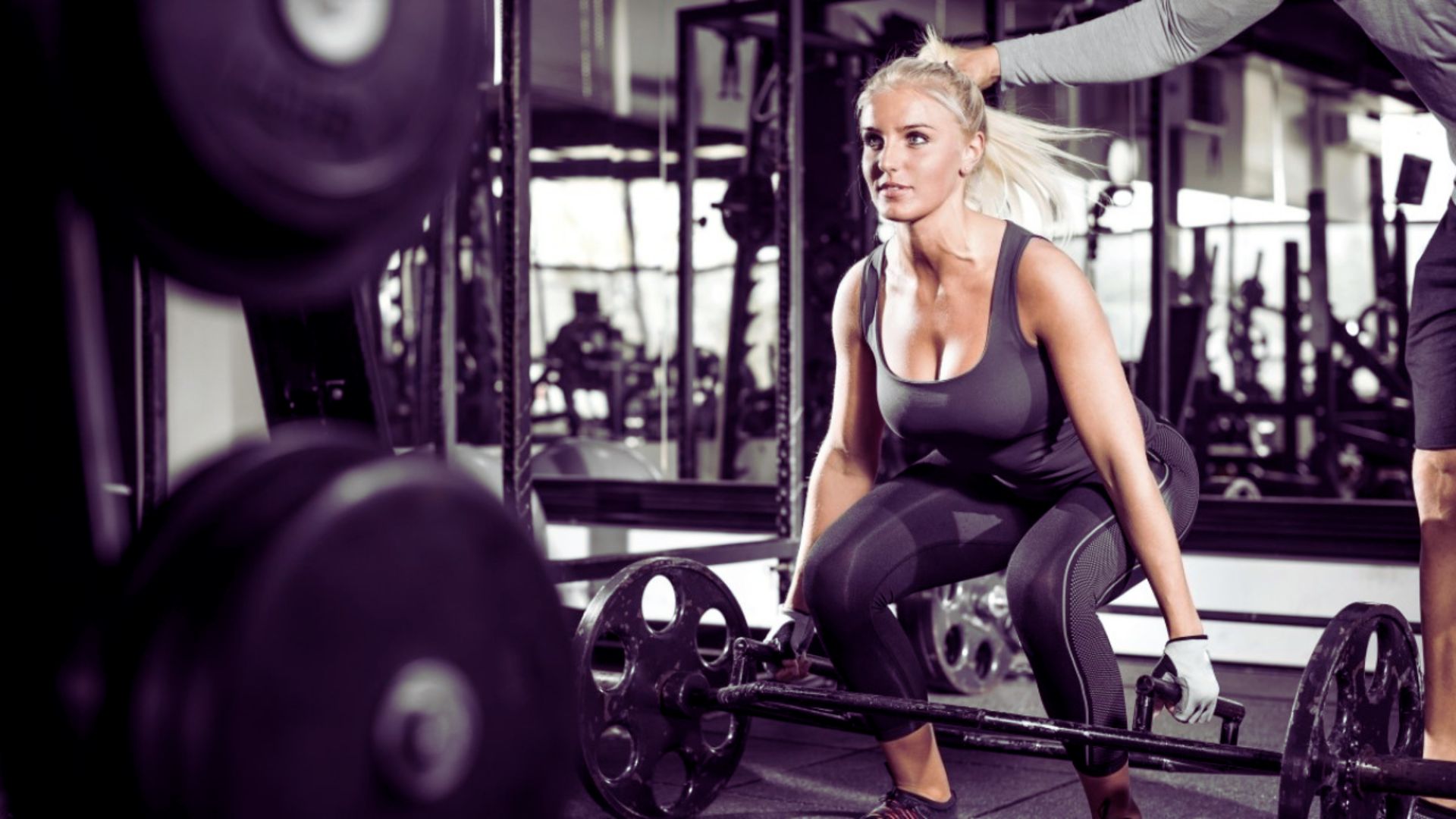
Trap bar weight varies more than most people realize, and the reasons go beyond just brand differences. Design choices, intended use, and manufacturing standards all play a role in the final number on the scale.
Design Differences
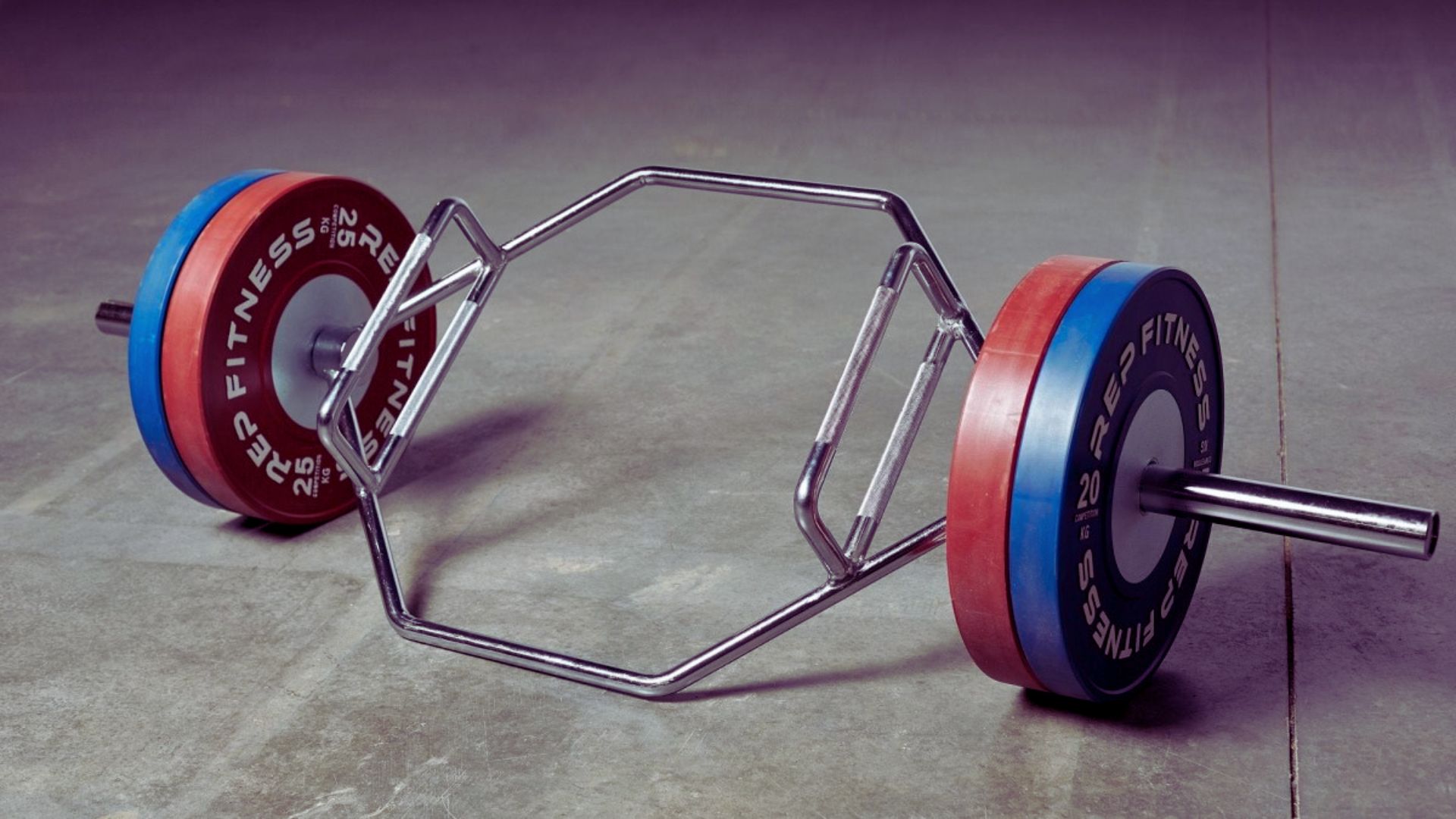
The hex or diamond shape of a trap bar requires more steel than a straight barbell. More material means more weight before a single plate is added.
Handle height also adds to the total. High-handle trap bars have extra frame structure that a standard bar simply does not have.
Frame thickness matters too. A heavier gauge steel bar built for heavy powerlifting loads will weigh noticeably more than a lighter version built for general gym use.
Brand and Manufacturing Differences
Commercial gym equipment is often built to different specs than home gym gear. Commercial bars are usually heavier because they are designed to handle daily high-volume use.
Home gym trap bars from budget brands can weigh as little as 44 lbs. Premium brands targeting serious lifters often produce bars in the 60 to 75 lb range.
There is no governing body that sets a universal weight standard for trap bars. Each manufacturer decides based on their own design priorities and target customer.
Specialty Trap Bars
Powerlifting trap bars are built for maximum load capacity and tend to be heavier by design. Rehabilitation bars are the opposite, built light to reduce total load for injured or recovering athletes.
Olympic-style trap bars follow sleeve dimensions compatible with standard weight plates but still vary in total frame weight. The sleeve length and material choice both affect the final number.
This is exactly why gym members keep asking how much does a trap bar weigh even after getting an answer. Each gym seems to have a different version and none of them weigh the same.
What the Fitness Community Says (Forum and Social Media Insights)
Spend five minutes on any fitness forum and you will find threads where lifters are genuinely surprised by what their trap bar actually weighs. This is one of the most searched and debated topics in strength training communities.
Reddit threads on this topic regularly show answers ranging from 44 lbs all the way to 75 lbs. Users from different countries and gym types report completely different numbers even when describing what looks like the same bar.
One common theme stands out across forums. Many lifters discover mid-session that their trap bar is heavier than they thought. Phrases like "my gym's trap bar is 55 lbs, not 45 lbs" come up repeatedly in these discussions.
Commercial gyms tend to use heavier hex bars because they are built for durability and high use. Private or boutique gyms sometimes have lighter specialty bars that catch lifters off guard in the other direction.
The community is split on how much this matters day to day. Some lifters track bar weight precisely for progressive overload and competition prep. Others ignore it entirely and focus only on how the lift feels.
Community confusion around this question is one of the primary reasons people search how much does a trap bar weigh in the first place.
How to Check the Actual Weight of Your Trap Bar
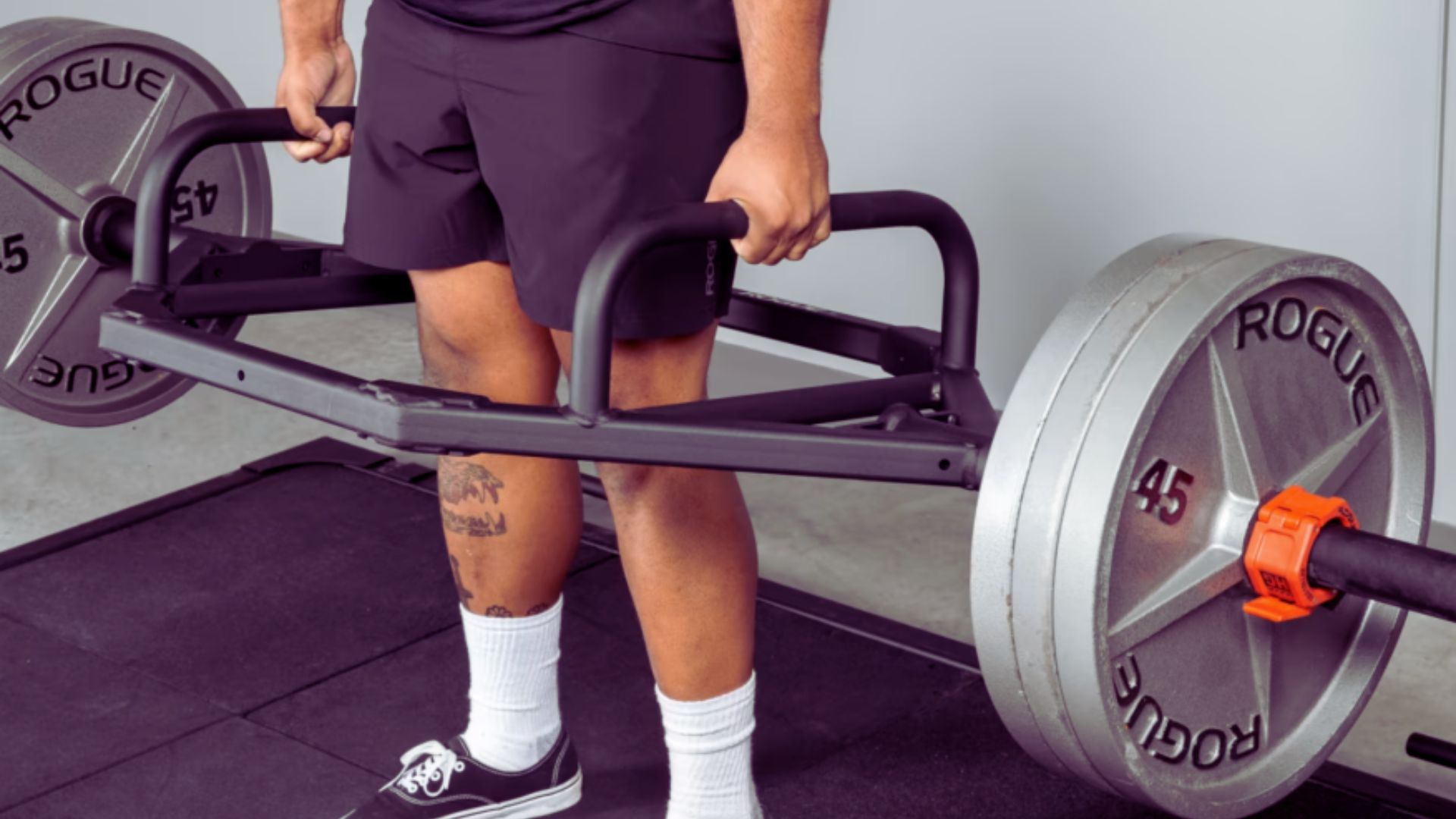
The most straightforward way is to look for a manufacturer label or engraved marking on the bar itself. Many quality bars have the weight stamped directly onto the frame or sleeve.
If you cannot find a marking, check the gym's equipment inventory list. Most commercial gyms keep records of their equipment specs and staff can usually pull that information up quickly.
No label and no staff available? Use a floor scale. Rest one end of the bar on the scale, note the reading, then do the same for the other end. Add both numbers together for the total bar weight.
Asking a trainer or gym staff member is always a reliable option. Most gym staff know their equipment well and can give you an accurate number in seconds.
Does Trap Bar Weight Actually Matter in Training?

For beginners, bar weight is less critical than building proper form and movement patterns. Getting the lift right matters far more than hitting an exact total load number in the early stages.
For intermediate and advanced lifters, bar weight absolutely affects total load calculations. If you are tracking progressive overload or preparing for competition, knowing the exact bar weight is not optional.
Trap bar deadlifts are already popular in strength training communities because they reduce spinal stress compared to conventional deadlifts. This makes them a go-to choice for many athletes who still need to track load carefully.
This is where many lifters revisit the question: how much does a trap bar weigh? Because once you are serious about tracking strength gains, assuming the wrong number throws off months of data.
Some lifters weigh their bar once and never think about it again. Others log it every session. Both approaches have merit depending on where you are in your training.
Common Misconceptions About Trap Bar Weight
A few myths around trap bar weight keep circulating in gyms and online spaces. They are easy to believe but worth addressing directly before they affect your training.
- "All trap bars weigh 45 lbs." This is the most common assumption and it is simply not accurate. Most trap bars are heavier than a standard barbell, not the same.
- "Bar weight does not matter at all." This is partially true for casual training but becomes increasingly important as you progress and start tracking numbers seriously.
- "A heavier bar means a better workout." Not necessarily. Bar weight does not determine training quality. Programming, consistency, and form do.
- "The weight listed online is what your gym bar weighs." Product listings are for that specific model. Your gym may use a different brand or version with a different weight entirely.
- "You can always eyeball it." Trap bars look similar across brands but weight differences of 10 to 20 lbs between them are common. Eyeballing leads to consistent miscalculations.
The fix is simple. Check your specific bar once and write it down. That single step removes all the guesswork for every session going forward.
Conclusion
Most lifters never bother checking and just guess. That guessing quietly throws off months of progress without them ever realizing it.
Now that you know how much does a trap bar weigh is not a fixed number, you have an edge most people in your gym do not.
Go check your bar this week. Weigh it, note it down, and start tracking from an accurate number. One small step with a big payoff. Have you checked yours yet?
Drop the number in the comments below and let others know what your gym is working with. Share this with your training crew too.
Frequently Asked Questions
How Much Does a Trap Bar Weigh in Most Gyms?
Most trap bars in commercial gyms weigh between 45 and 70 lbs depending on the design and brand. Always check the specific bar at your gym rather than assuming a standard number.
Is Trap Bar Heavier Than a Regular Barbell?
Not always, but many trap bars are slightly heavier than a standard 45 lb barbell. The extra frame structure and handle design add weight that a straight bar does not have.
Why Do Different Gyms Have Different Trap Bar Weights?
Because brands, designs, and intended uses vary widely across manufacturers. There is no universal weight standard that all trap bar producers follow.
Does Trap Bar Weight Include the Handles?
Yes, the total weight includes the full frame, handles, and sleeves. Everything you lift before adding plates is counted in the bar weight.
Should I Count Trap Bar Weight in My Lifts?
Yes, especially if you are tracking strength progression accurately over time. Ignoring bar weight leads to miscalculated totals that make progress harder to measure.


