

Hip pain when sitting is more common than most people think. I know this because I spent months ignoring that dull ache in my hip every time I sat at my desk for hours, and it only got worse.
This blog covers the real causes of hip pain when sitting, who is most at risk, and what you can actually do about it.
You will find simple treatments for quick relief, effective exercises for long-term recovery, and prevention tips that actually work.
I have worked with people dealing with this exact issue for years, so trust me when I say relief is possible. Let us get into it.
What Causes Hip Pain When Sitting
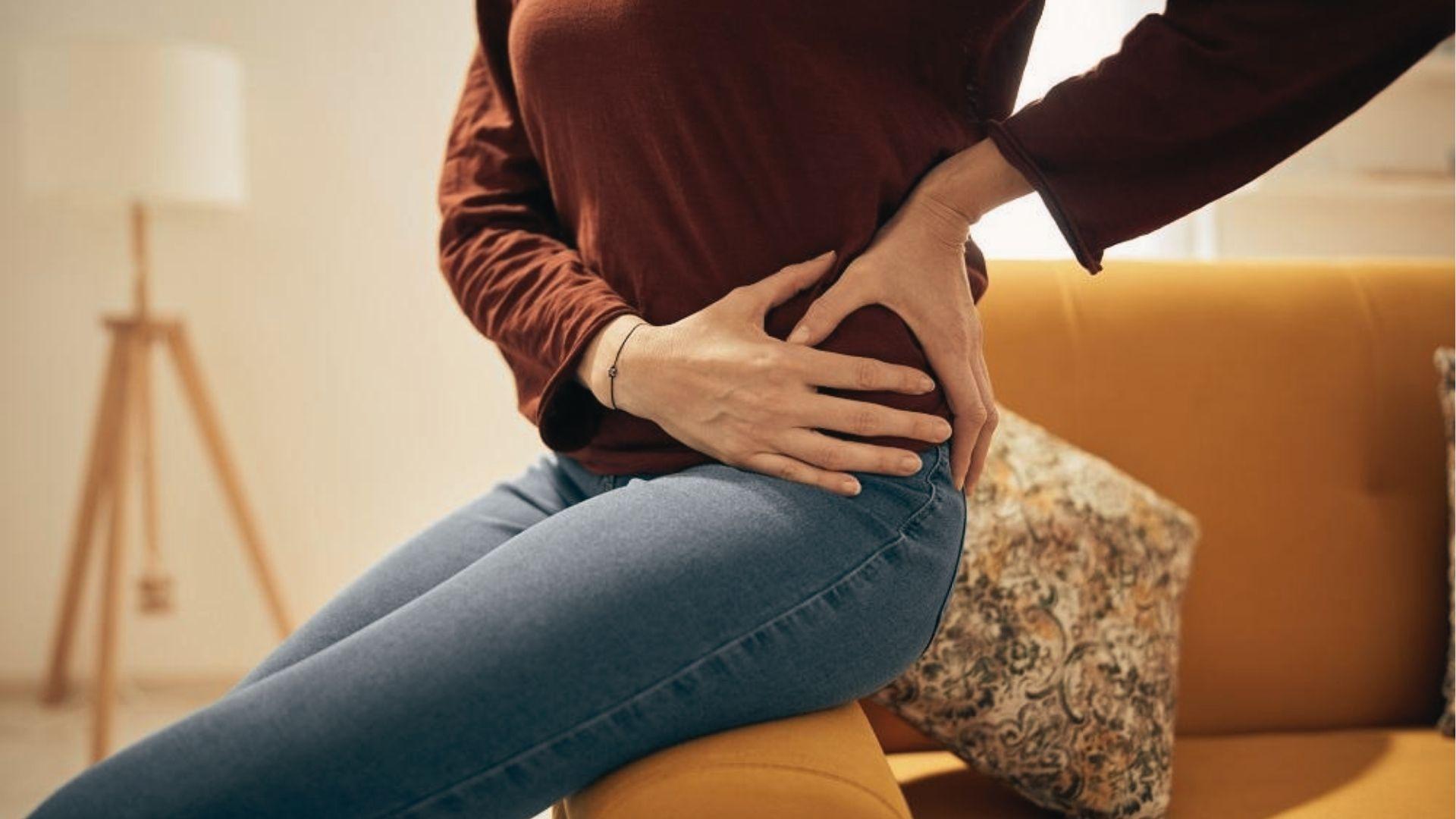
When you sit for long hours, your hip flexors stay shortened and become tight over time. This tightness pulls on the hip joint, causing pain when you stand or move.
Weak glutes add extra pressure on the joint, and a weak core makes it harder for your pelvis to stay stable.
This forces surrounding muscles to overwork. Slouching shifts your pelvis out of alignment, creating uneven stress on one side.
Staying still too long also slows blood circulation, reducing oxygen to the joint and causing stiffness.
On top of that, sitting puts direct compression on the hip. Hard chairs or poor seating only make it worse the longer you stay seated.
Symptoms of Hip Pain When Sitting Down
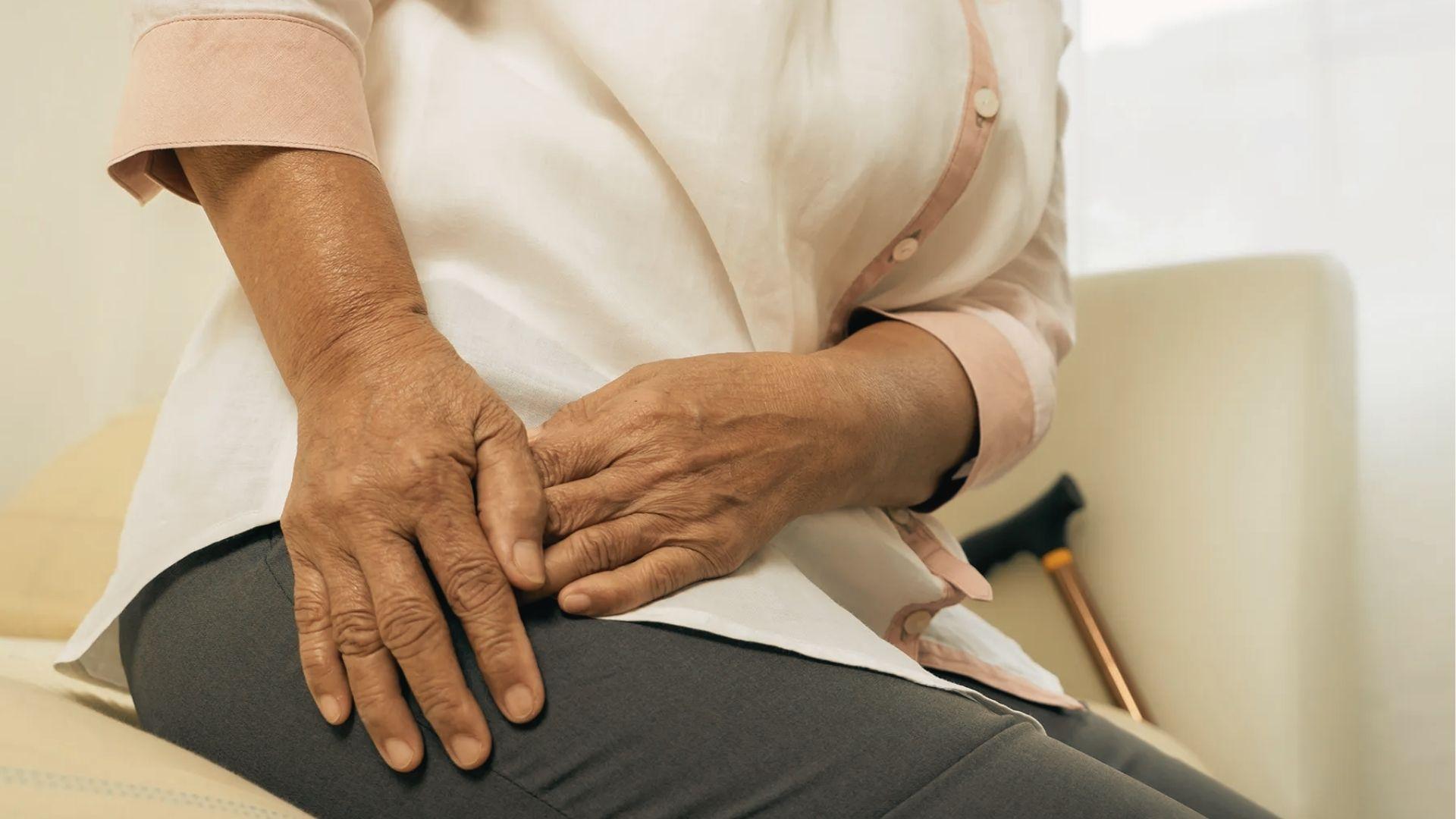
Knowing the symptoms helps you catch the problem early before it gets more serious.
Stiffness After Prolonged Sitting
Your hip feels locked or hard to move after sitting for a while. This stiffness usually eases after a few steps but can return quickly if you sit again without moving.
Sharp, Dull, or Deep Aching Hip Pain
The type of pain matters. A sharp pain may point to a muscle strain or impingement. A deep ache could mean joint inflammation.
Dull pain that lingers often comes from tight muscles or poor posture.
Clicking, Popping, or Snapping Sensations
A snapping sound in the hip is called snapping hip syndrome. It happens when a tendon moves over a bony part of the joint. It is often harmless but can become painful if ignored.
Pain Radiating to Thigh, Groin, or Lower Back
Hip pain does not always stay in one place. It can travel down to the thigh, into the groin, or up toward the lower back.
This kind of spreading pain often means a nerve or joint issue needs attention.
Reduced Range of Motion After Inactivity
You may notice that your hip feels stiff and limited after sitting still. Simple movements like crossing your legs or bending become harder.
This is a clear sign that your hip needs stretching and movement.
How to Treat Hip Pain When Sitting (Quick Relief Methods)

Simple and smart treatment methods can bring real comfort without needing any equipment or medication.
Ice Therapy for Inflammation and Sharp Pain
Apply an ice pack to the sore hip for 15 to 20 minutes. Do this a few times a day after a new injury or flare-up.
Ice slows down inflammation and numbs the area to reduce sharp pain.
Heat Therapy for Stiffness and Muscle Tightness
Use a heating pad on the hip for muscle stiffness or long-term soreness. Heat relaxes tight muscles and improves blood flow.
Do not use heat right after an injury as it can make swelling worse.
Seated Hip Flexor and Hamstring Stretches
Sit on the edge of your chair. Straighten one leg out in front of you and gently lean forward. Hold for 20 to 30 seconds.
This stretches the hip flexors and hamstrings without needing to get on the floor.
Figure-4 Stretch for Glutes and Piriformis Release
Sit up straight. Cross one ankle over the opposite knee. Gently press down on the raised knee and lean forward slightly.
This stretch targets the glute and piriformis muscle, which are often tight in people with hip pain.
Taking Movement Breaks every 30 to 60 Minutes
Set a timer and stand up every 30 to 60 minutes. Walk around for a minute or two.
This simple habit prevents the hip joint from stiffening and keeps blood flowing through the muscles.
Exercises to Fix Hip Pain When Sitting (Long-Term Recovery)
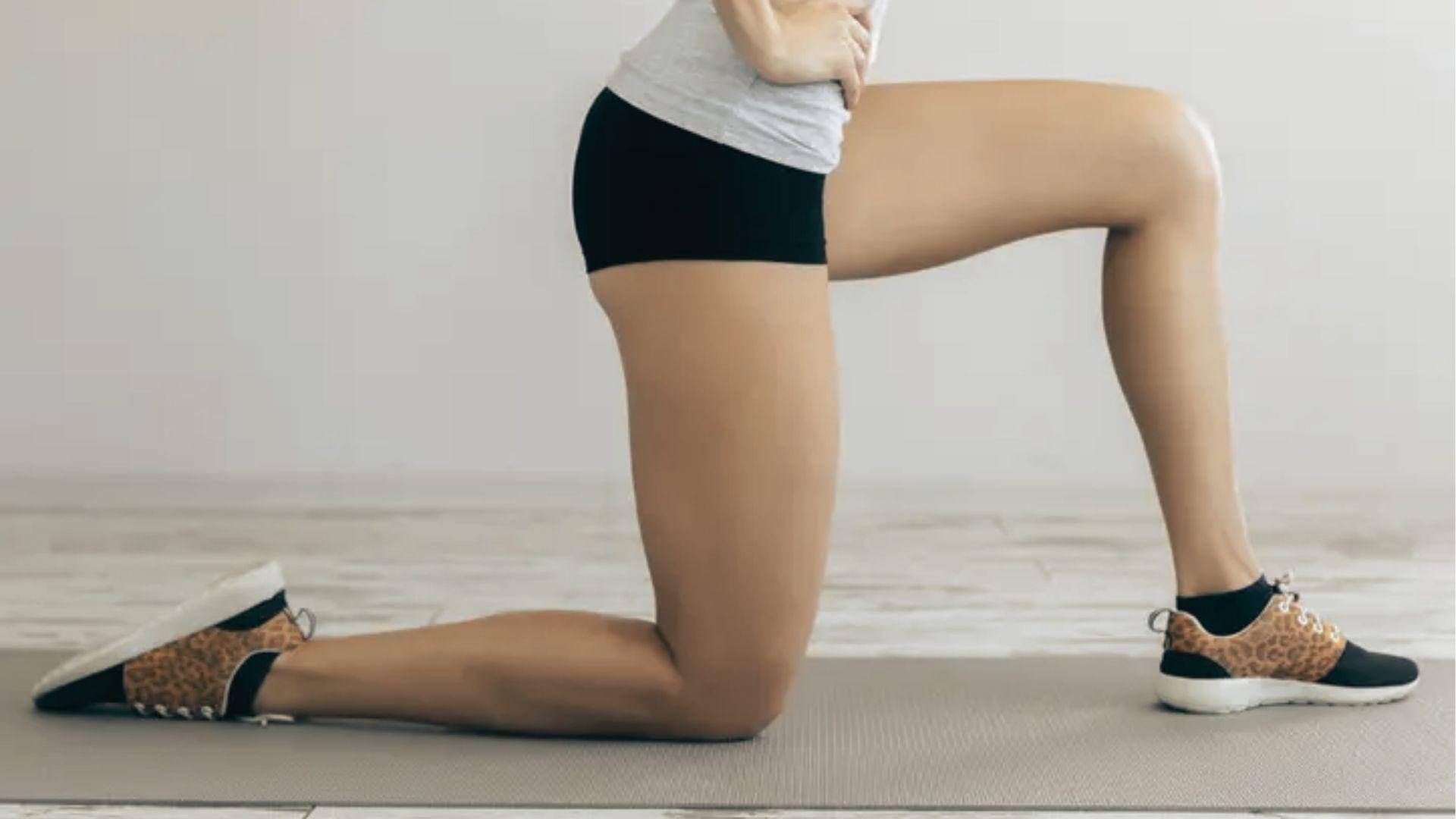
Building strength around the hip is the best long-term solution for lasting pain relief.
Glute Bridges to Strengthen Hip Support Muscles
Lie on your back with your knees bent. Press through your heels and lift your hips off the floor.
Hold for two seconds at the top and lower slowly. Glute bridges activate the glutes and take pressure off the hip joint.
Pelvic Tilts for Core and Pelvic Stability
Lie flat on your back. Gently press your lower back into the floor by tightening your core. Hold for five seconds and release.
Pelvic tilts build core control and help your pelvis stay in a neutral position.
Standing Hip Flexor Stretch for Mobility Improvement
Step one foot forward into a lunge position. Lower your back knee toward the floor.
Push your hips slightly forward and hold for 30 seconds. This stretch opens the hip flexors that tighten from long sitting sessions.
Foam Rolling for Hips, Glutes, and Thighs
Use a foam roller on your outer hip, glutes, and thighs. Slowly roll back and forth over tight spots.
Pause on sore areas for 10 to 15 seconds. Foam rolling breaks up muscle tension and improves flexibility over time.
Core Strengthening Exercises (Planks and Stability Work)
A strong core supports the pelvis and reduces strain on the hip. Start with short plank holds of 20 to 30 seconds.
Add side planks and stability exercises as you get stronger. Core work is often the missing piece in hip pain recovery.
Tips For How to Treat Hip Pain When Sitting
Simple, effective ways to ease hip pain fast and get back to feeling comfortable.
- Apply ice for sharp pain or heat for stiffness and tight muscles
- Do seated hip flexor and figure-4 stretches to release tension
- Stand up and move around every 30 to 60 minutes
- Set up your chair so your hips and knees are at a 90° angle
- Strengthen your glutes and core to support your hips long term
Conclusion
Hip pain when sitting does not have to be part of your daily life. I used to dread long work days because of that constant ache, but small changes made a real difference for me.
Start with posture, add movement breaks, and build strength over time.
The earlier you act, the better your chances of avoiding long-term problems. If this guide helped you, share it with someone who needs it.
Drop a comment below and tell me what worked for you. You deserve to sit comfortably again.
Frequently Asked Questions
Why does my hip hurt when sitting or sitting down?
Hip pain when sitting is usually caused by tight hip flexors, weak glutes, poor posture, or increased joint pressure. Long hours of sitting without movement make these problems worse over time.
Why do I have right hip pain when sitting?
Right hip pain when sitting often comes from a muscle imbalance or habit of leaning to one side. A tight piriformis or hip flexor on the right side is another common cause.
Can hip pain occur when sitting or lying down?
Yes. Hip pain in both positions usually points to inflammation in the joint or surrounding tissue. Conditions like bursitis and arthritis can cause discomfort no matter what position you are in.
What is the fastest way to relieve hip pain from sitting?
Stand up, stretch your hip flexors, and apply ice or heat depending on the type of pain. Taking a short walk and doing a figure-4 stretch can bring quick relief within minutes.
How long does hip pain from sitting take to go away?
Mild hip pain from sitting can improve within a few days with stretching and movement breaks. If the pain has been there for weeks or is getting worse, consult a physiotherapist for a proper plan.


