
If you want bigger, stronger biceps, the dumbbell supinated curl is one move you should not skip. I have been training for years, and this curl has stayed on my arm day every single week.
In this article, I will cover what it is, the muscles it works, how to do it correctly, common mistakes, variations, and alternatives.
You will walk away with a clear plan you can use right away. This guide is built to solve your biceps training problems, step by step.
Let’s get started.
What Is a Dumbbell Supinated Curl?

A dumbbell supinated curl is a biceps exercise where your palms face forward throughout the entire movement. This is called a supinated grip, and it’s what makes this curl different from most other curl variations.
To understand it better, there are three main grip types used in curling. The supinated grip has your palms facing forward or upward. The neutral grip keeps your palms facing each other, like in a hammer curl. The pronated grip flips your palms to face downward.
Out of all three, the supinated grip places the biceps in its strongest and most active position. This means more muscle fibers get recruited with every rep. It sounds simple, and it is. But that simplicity is exactly what makes it so effective.
Muscles Worked
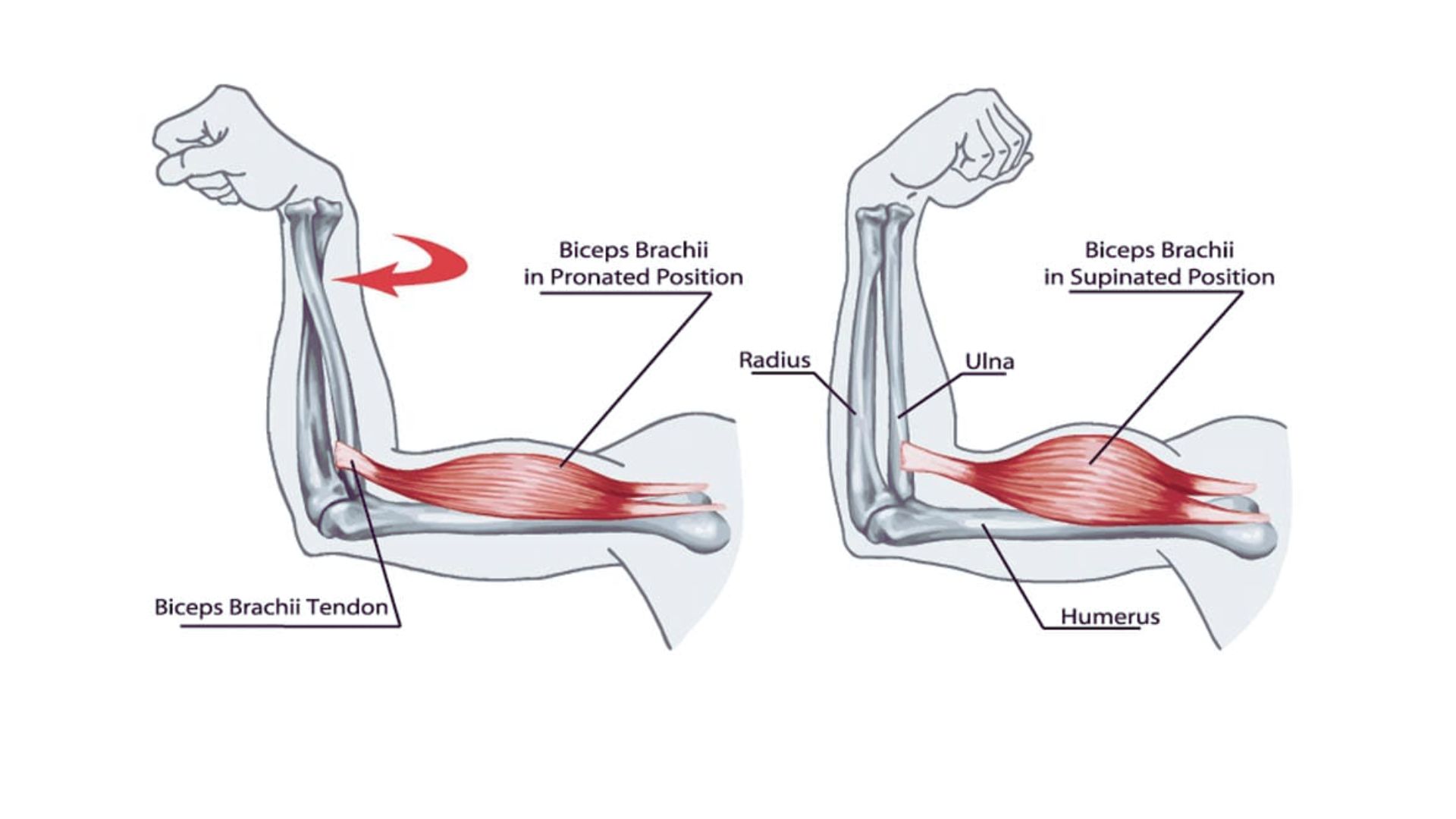
Know which muscles are activated so you can train with better focus and intent.
The dumbbell supinated curl is not just a biceps move. It hits several muscles at once.
Primary Muscles: The biceps brachii is the main muscle targeted.
It has two heads: the long head and the short head. The supinated grip works both heads well, especially when you fully supinate at the top of the curl.
Secondary Muscles: The brachialis sits beneath the biceps and adds thickness to the upper arm. The brachioradialis runs along the forearm and assists during the movement.
Stabilizers: Your core and upper back muscles work quietly in the background to keep your posture steady throughout each rep.
How to Perform the Dumbbell Supinated Curl (Step-by-Step Tutorial)
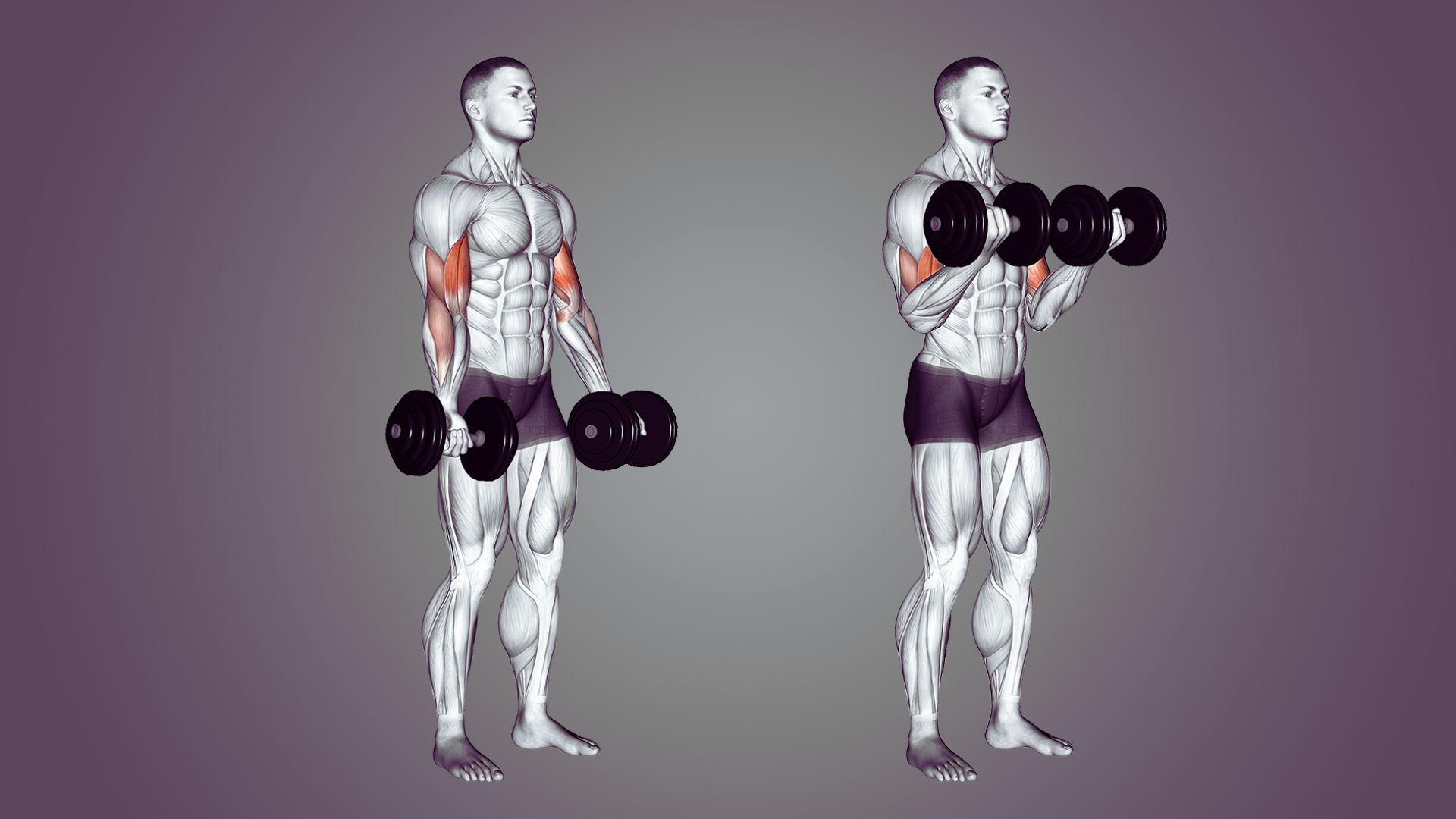
Follow these steps carefully to build the habit of good form from day one.
Equipment Needed
You only need one thing: a pair of dumbbells. Choose a weight that challenges you but allows full control through the entire range of motion.
Setup
Stand with your feet about shoulder-width apart. Keep your knees slightly soft, not locked. Hold a dumbbell in each hand with your palms facing forward.
Let your arms hang naturally at your sides. Pull your shoulders back slightly and keep your chest up.
Execution
Follow each step in order and focus on control over speed.
Step 1: Take a breath in before you begin the curl.
Step 2: Curl both dumbbells upward in a smooth, controlled motion. Keep your elbows pinned to your sides. Do not let them swing forward.
Step 3: As you reach the top, squeeze your biceps hard for one full second. At this point, your palms should be facing your shoulders or slightly turned outward.
Step 4: Slowly lower the dumbbells back down. This lowering phase, called the eccentric phase, should take about 2 to 3 seconds. This is where a lot of the muscle-building happens.
Step 5: Exhale as you lower the weight. Repeat.
Recommended Sets and Reps
Beginners: 3 sets of 10 to 12 reps with a moderate weight. Focus on form before adding load.
Intermediate and Advanced: 3 to 4 sets of 8 to 12 reps. You can also add a drop set at the end of your last set for extra intensity.
Benefits of the Dumbbell Supinated Curl
Three strong reasons to add this curl to your arm training plan.
Builds Biceps Size and Strength
The supinated grip targets both heads of the biceps directly. This is important for building overall size and strength in the upper arm.
Over time, consistent training with proper form leads to noticeable muscle growth. You’ll see both volume and definition improve when you stick with it.
Supports Athletic Performance
Strong biceps carry over to everyday movements and sports. Pulling, throwing, and lifting all involve the biceps and surrounding muscles.
This curl also supports compound exercises like rows and pulldowns, making those movements more effective and safer over time.
Improves Arm Appearance
If you want that classic biceps peak, the supinated curl is your friend. By training both heads consistently, you promote balanced arm development.
The long head especially contributes to that visible peak when you flex. It is one of the best curls for arm shape and definition.
Common Dumbbell Supinated Curl Mistakes
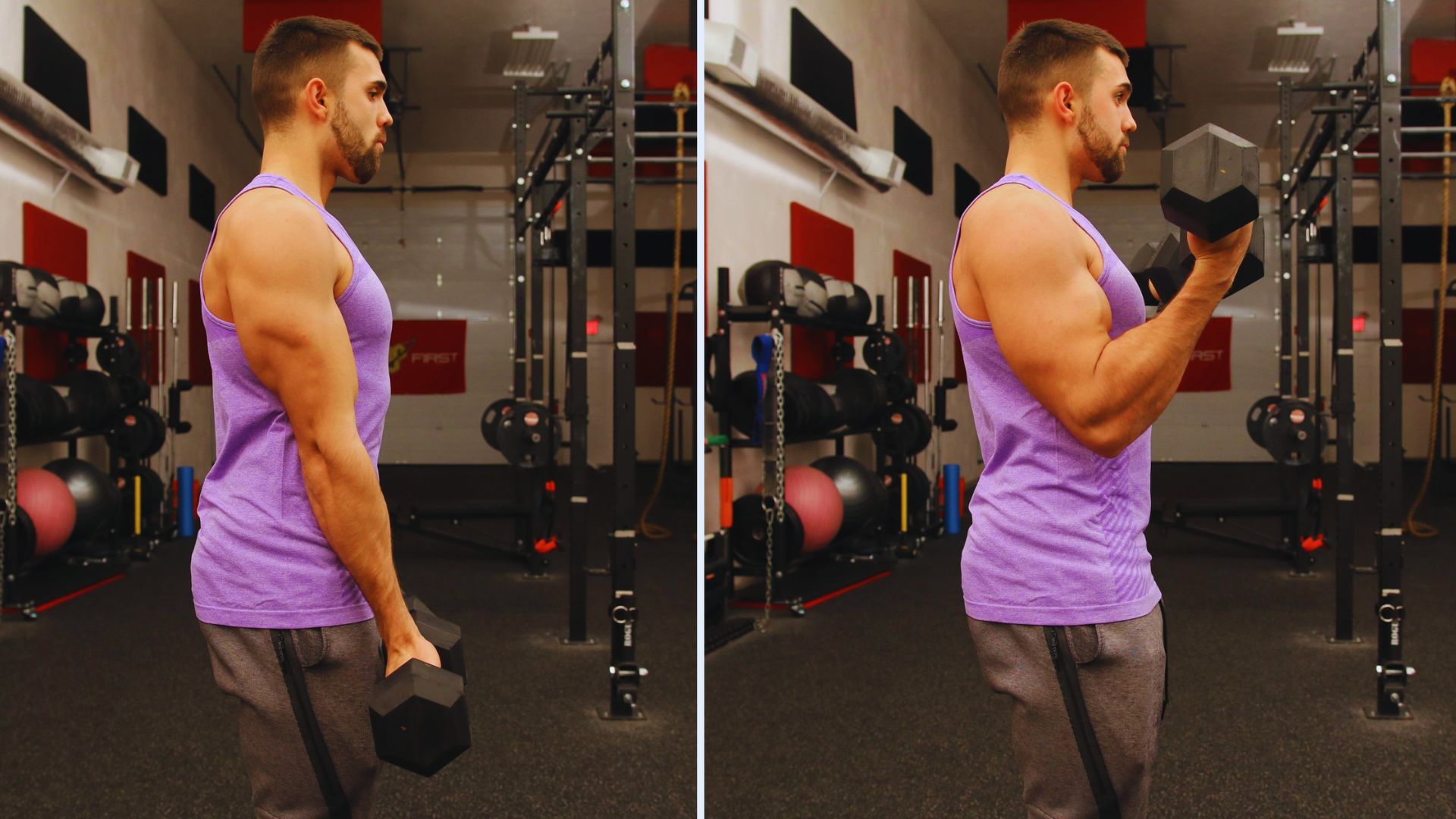
Avoid these errors to protect your joints and get better results faster.
Rounding the Back
This usually happens when the weight is too heavy. When your back rounds, the movement becomes less effective and puts stress on your lower spine.
To fix this, stand tall, keep your core tight, and pick a weight that lets you maintain a straight back from start to finish.
Using Momentum
Swinging your body to help lift the dumbbell is one of the most common mistakes in any curl. If you are rocking back and forth, the weight is too heavy.
Slow down and go lighter. Controlled reps always beat sloppy heavy reps when it comes to muscle building.
Rushing the Eccentric Phase
Many people curl up slowly but drop the weight fast. This is a missed opportunity. The slow lowering phase increases time under tension, which is a key driver of muscle growth.
Aim to lower the weight in 2 to 3 seconds every single rep.
Dumbbell Supinated Curl Variations
Mix things up with these effective variations to keep your training fresh.
Supinated Barbell Curl
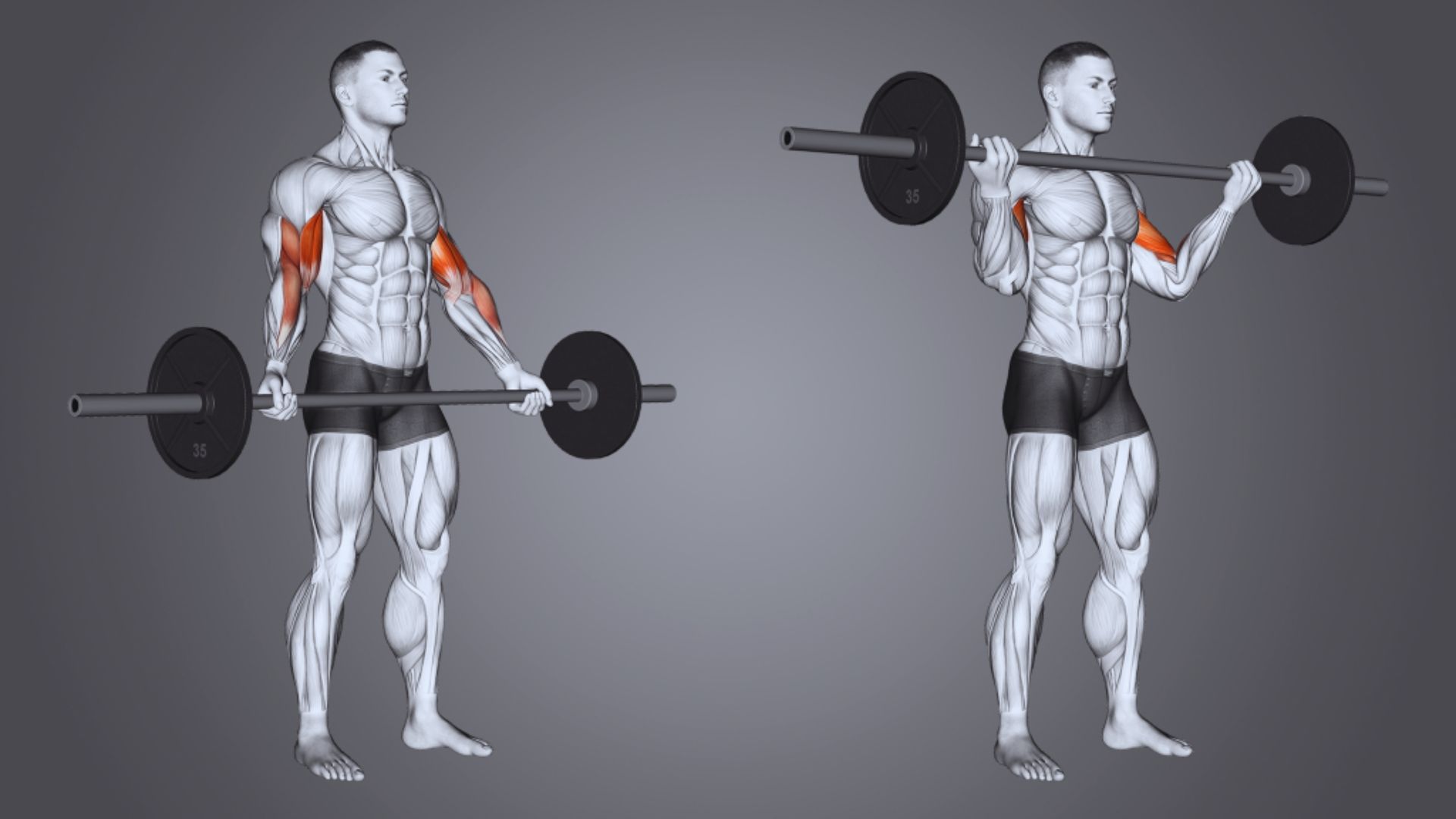
The barbell version locks your wrists into a fixed supinated position throughout the movement. This can increase the load you are able to lift since both hands work together.
Use a shoulder-width grip as a starting point. A wider grip shifts more emphasis to the short head, while a narrower grip targets the long head more.
Dumbbell Zottman Curl
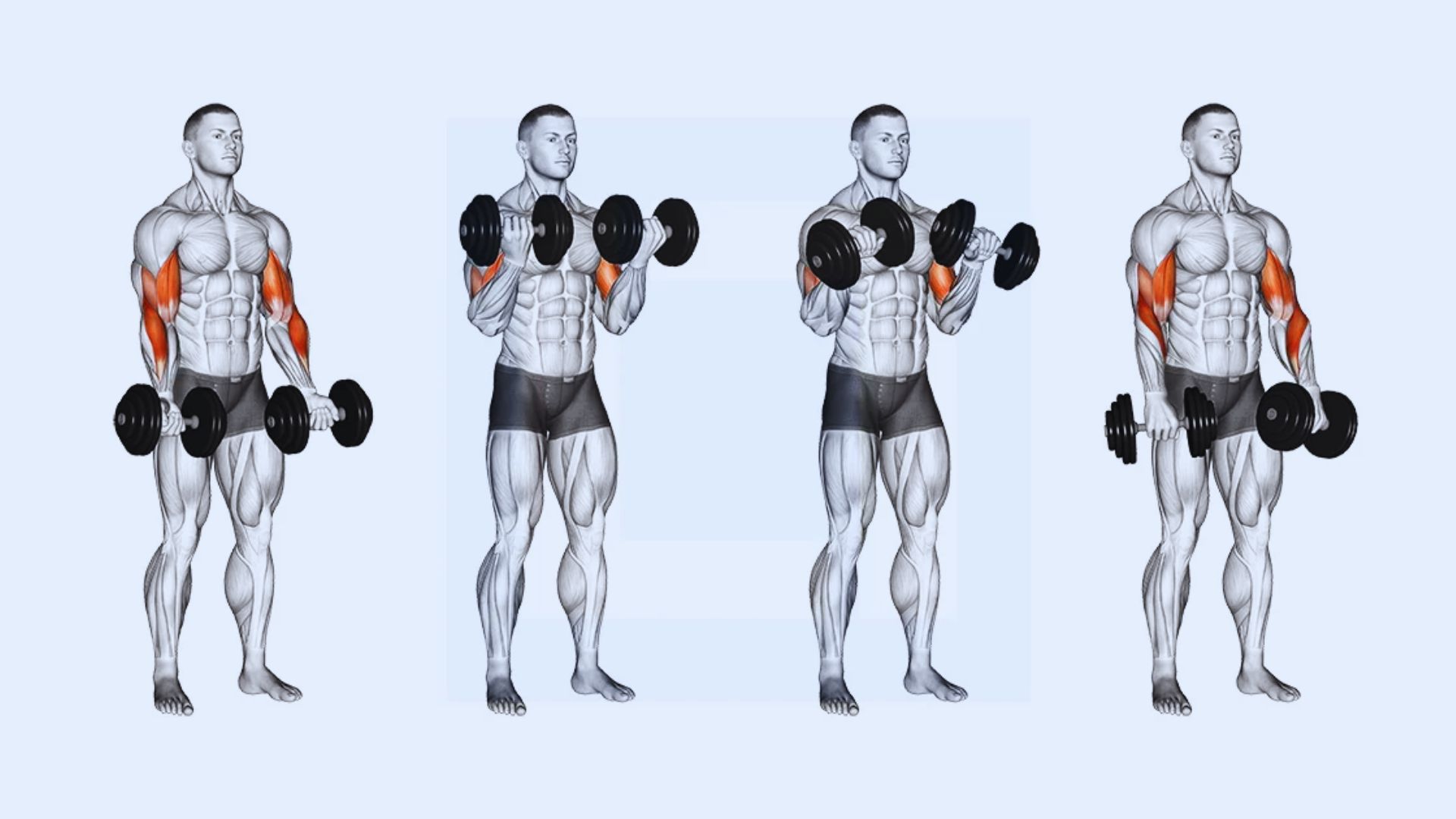
This variation adds a twist, literally. You curl up with a supinated grip, and then rotate your wrists to a pronated grip before lowering the weight.
This targets the forearms heavily on the way down. It is a great two-in-one movement for complete arm development.
One-Arm Supinated Kettlebell Curl
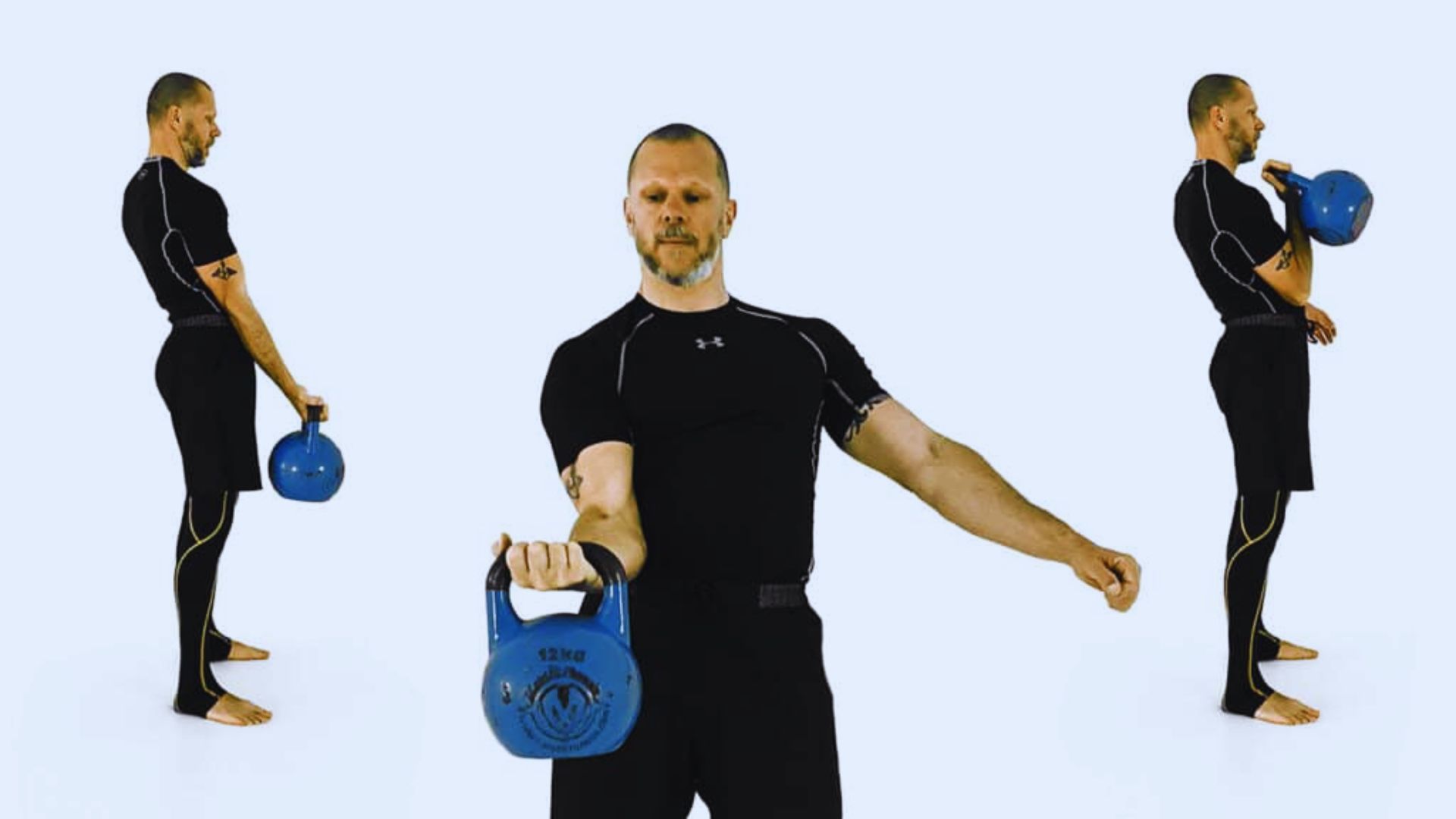
Training one arm at a time forces each side to work independently. This is useful for fixing muscle imbalances between your left and right arm.
The kettlebell’s offset weight also adds a stability challenge that keeps your muscles working harder throughout the movement.
Dumbbell Supinated Curl Alternatives
These moves target similar muscles when you need variety or equipment changes.
Resistance Band Reverse Curl
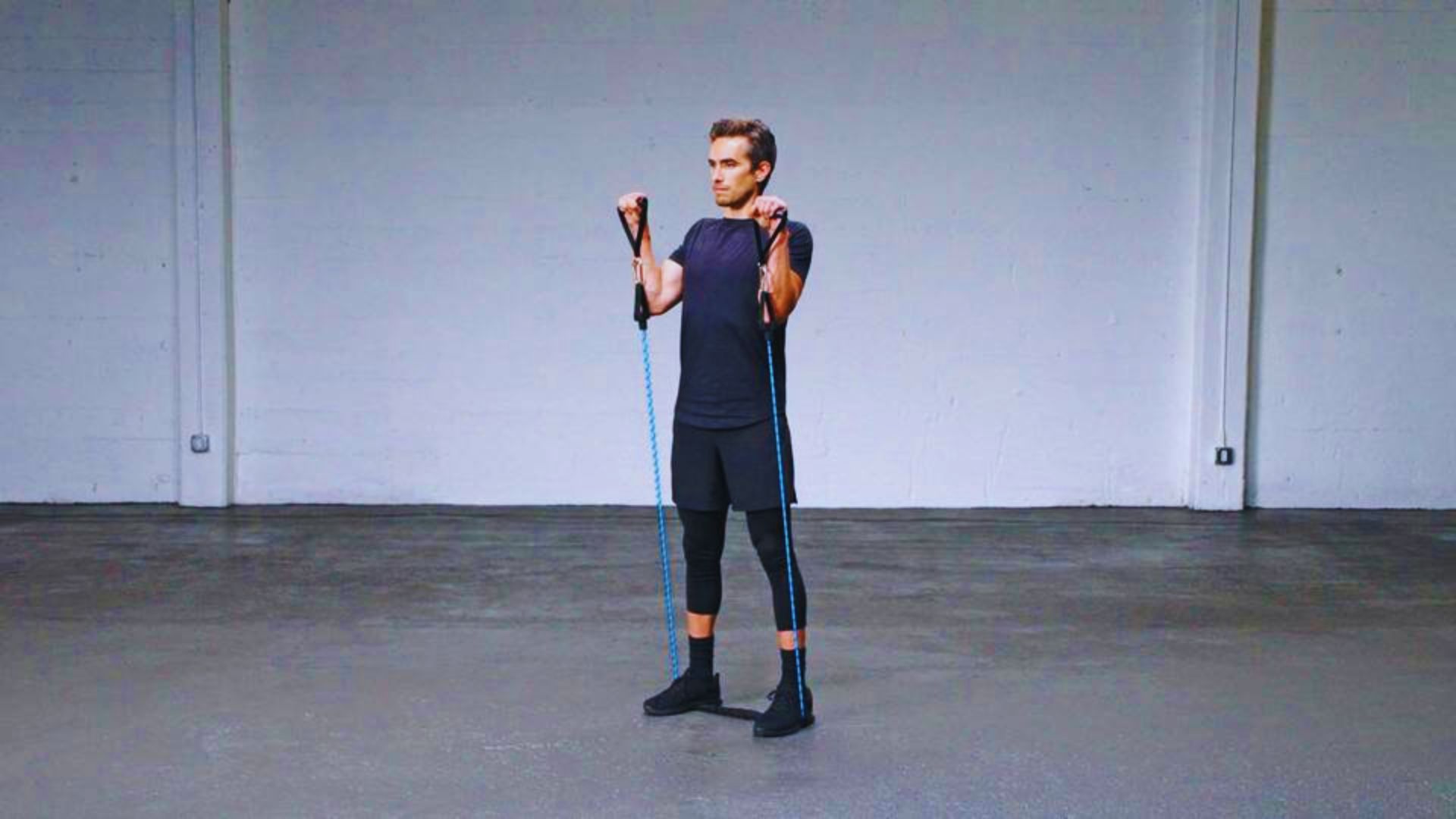
This is a solid option if you train at home or travel often. The band provides constant tension throughout the movement.
While it primarily targets the forearms and brachialis, it still complements your biceps training well when dumbbells are not available.
Dumbbell Drag Curl
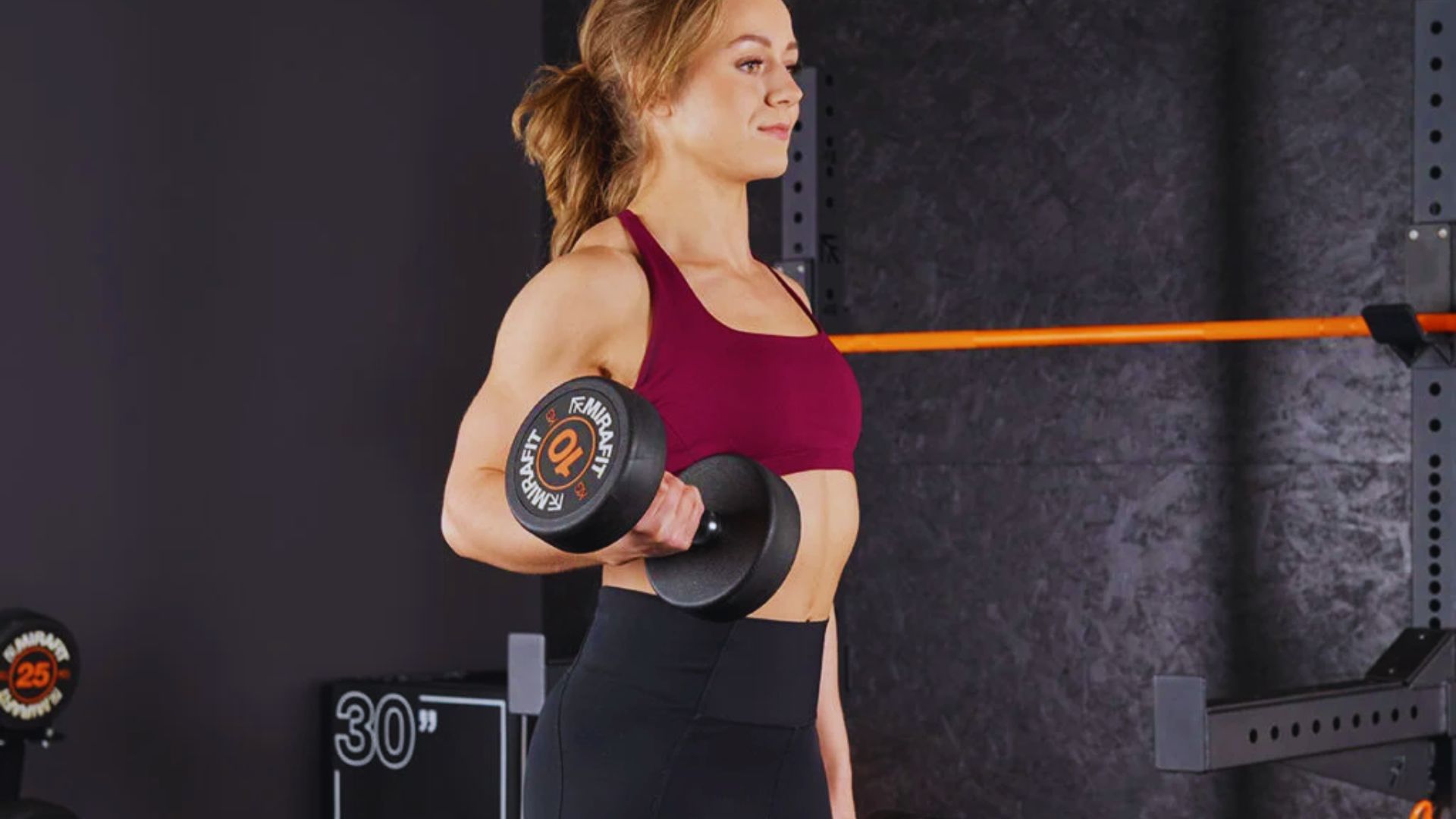
Instead of curling the dumbbells out in front of you, you drag them straight up along your body. This keeps your elbows behind your torso throughout the movement, which isolates the biceps more directly and removes the front deltoid from the equation.
It is excellent for building the long head of the biceps.
Standing Concentration Curl
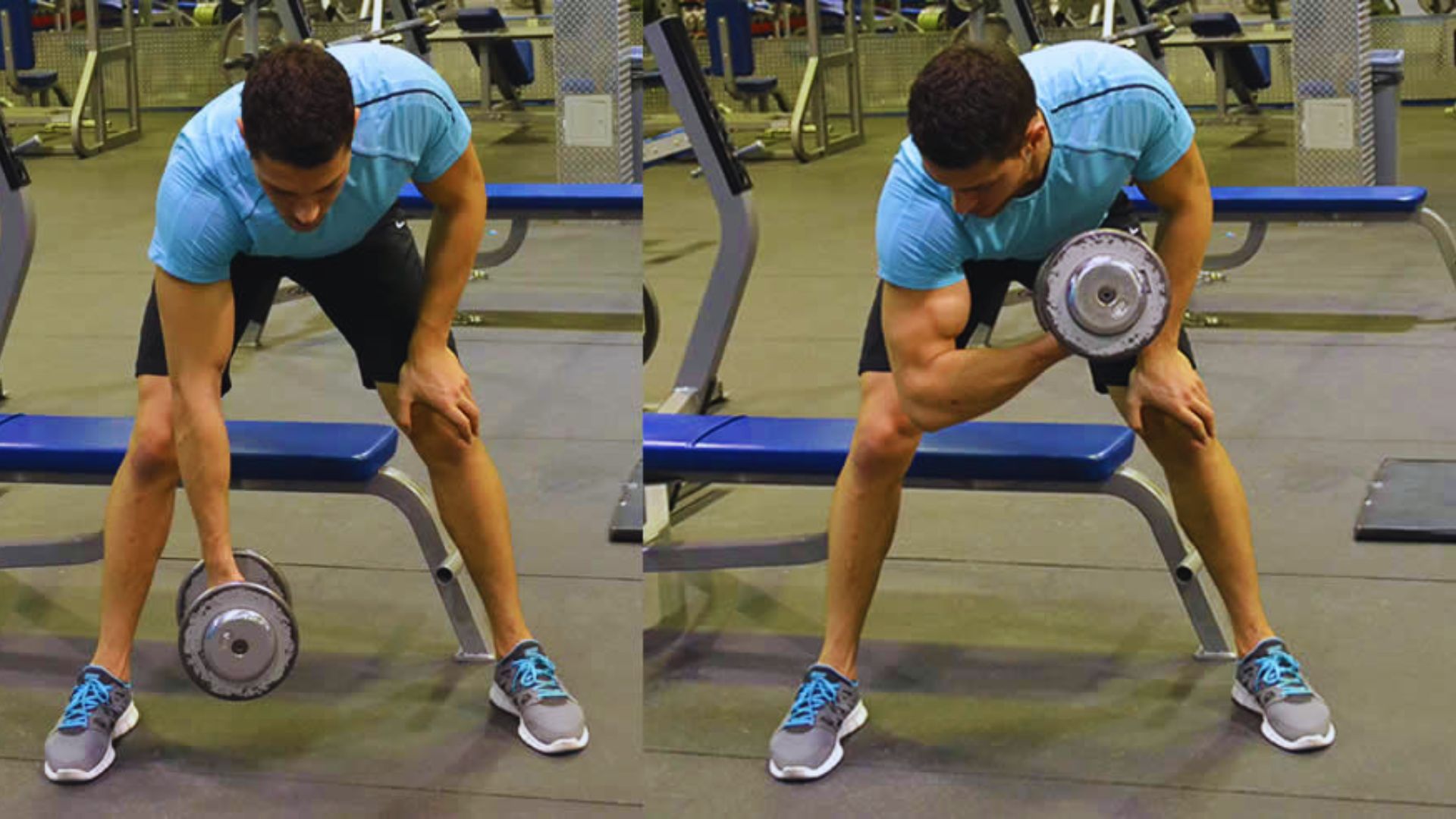
You stand and brace the back of your arm against your inner thigh or a pad. This removes all momentum and forces a pure mind-muscle connection.
It is a great finishing move on arm day when you want to fully exhaust the biceps with focused effort.
Programming Tips for Best Results
Here is how to fit the dumbbell supinated curl into your routine and make every session count:
- Arm day works great for this curl. Pair it with triceps work to build a complete and balanced arm session in one go.
- Pull day is another strong option. Add it alongside rows and pulldowns to fully exhaust your biceps after the heavier compound work is done.
- Upper body days can benefit too. Use it as an isolation finisher after your main pulling movements to squeeze out the last bit of effort.
- Train your biceps twice a week for the best results. This gives your muscles enough stimulus to grow while leaving room for proper recovery between sessions.
- Aim for 10 to 16 total sets per week spread across your training days. Beginners should start at the lower end and add volume gradually over time.
Consistency over time always beats intensity in a single session.
Conclusion
The dumbbell supinated curl changed how I approach arm training. Once I slowed down, focused on the squeeze, and stopped chasing heavy weight, I saw real results.
If you have been struggling to grow your biceps, this movement done correctly can make a big difference. Start light, nail the form, and be patient with the process. Your arms will thank you.
If this helped you, drop a comment below and share your favorite curl variation. Pass this along to a training partner who needs it too.
Frequently Asked Questions
How often should I do the dumbbell supinated curl?
Training your biceps two times per week works well for most people. Make sure you allow at least 48 hours of recovery between sessions for best results.
What weight should I use for the dumbbell supinated curl?
Start with a weight that lets you complete 10 to 12 reps with full control. If your form breaks down before the last rep, the weight is too heavy.
Is the dumbbell supinated curl good for beginners?
Yes, it is one of the most beginner-friendly biceps exercises. The movement is straightforward and teaches proper curl mechanics that carry over to other exercises.
Can I do the dumbbell supinated curl every day?
It is not recommended to train the same muscle group every day. Your biceps need time to recover and grow. Two sessions per week with proper volume is more effective than daily training.
What is the difference between a supinated curl and a hammer curl?
A supinated curl uses a palms-forward grip, which targets the biceps brachii more directly. A hammer curl uses a neutral grip and places more emphasis on the brachialis and brachioradialis.