Your calves are more than just showing muscles. They keep you stable, support every step, and protect your Achilles tendon.
But here is the problem. Most people only train the upper calf and completely ignore the soleus, the deeper muscle underneath.
I have worked with people who struggled with weak ankles and Achilles tightness for years. Once they added this exercise, the difference was clear within weeks.
In this guide, you will learn: What the bent knee calf raise is, Which muscles it works, How to do it correctly, Variations, mistakes, and how to add it to your routine
Let’s get into it.
What Is a Bent Knee Calf Raise?
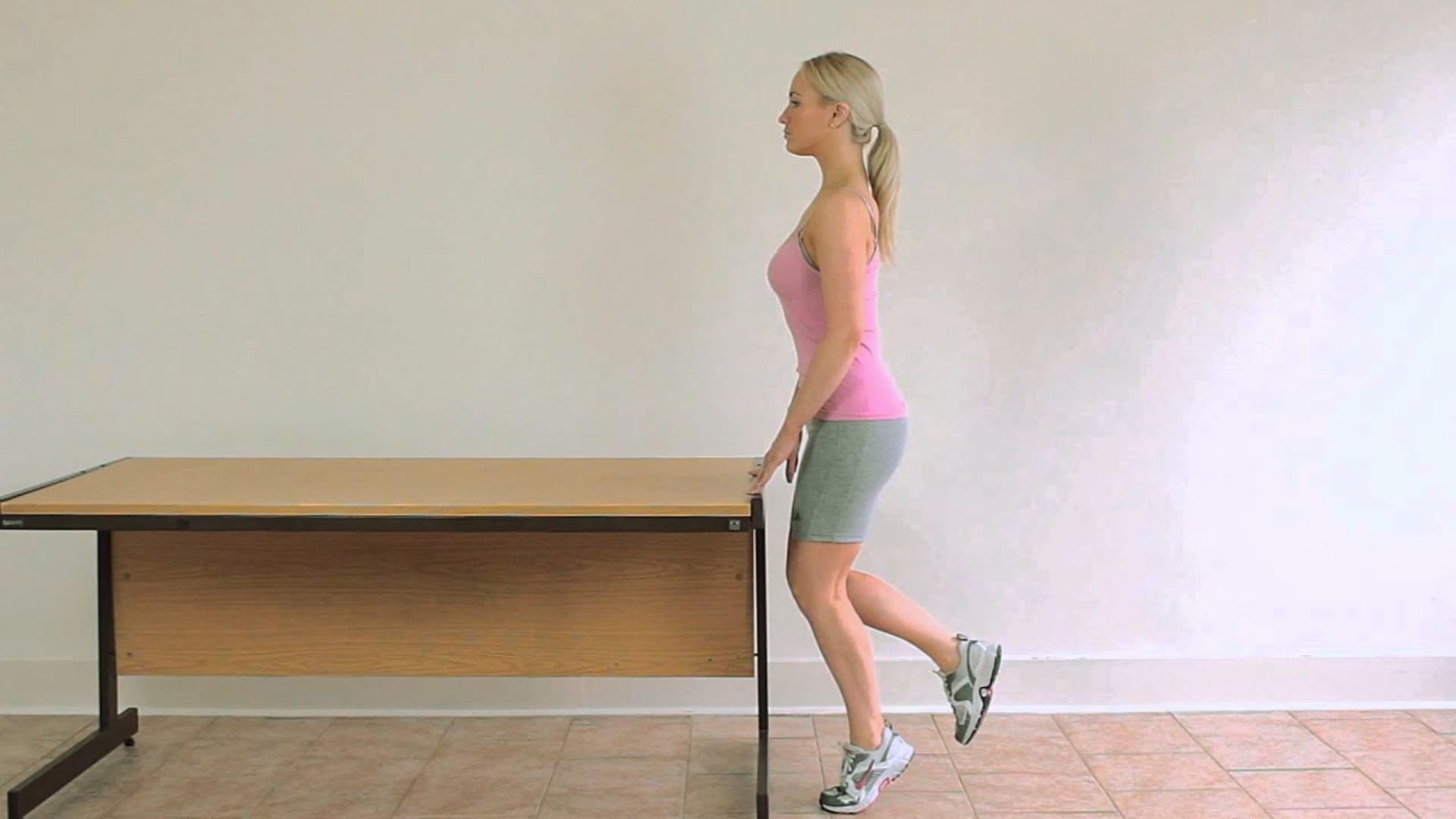
A simple move that targets the deeper calf muscle most exercises miss.
The bent knee calf raise is performed with a slight bend in the knees throughout the movement.
That small change shifts the workload from the gastrocnemius (upper calf) directly to the soleus, the deeper muscle sitting just below it.
When your knees are straight, the gastrocnemius does most of the work. Bend them, and the soleus takes over.
This makes the bent knee version ideal for building lower leg strength, ankle control, and Achilles tendon health.
Bent Knee Calf Raise: Step-by-Step Guide
Follow these steps carefully to get the most out of every rep.
Step 1: Starting Position and Setup
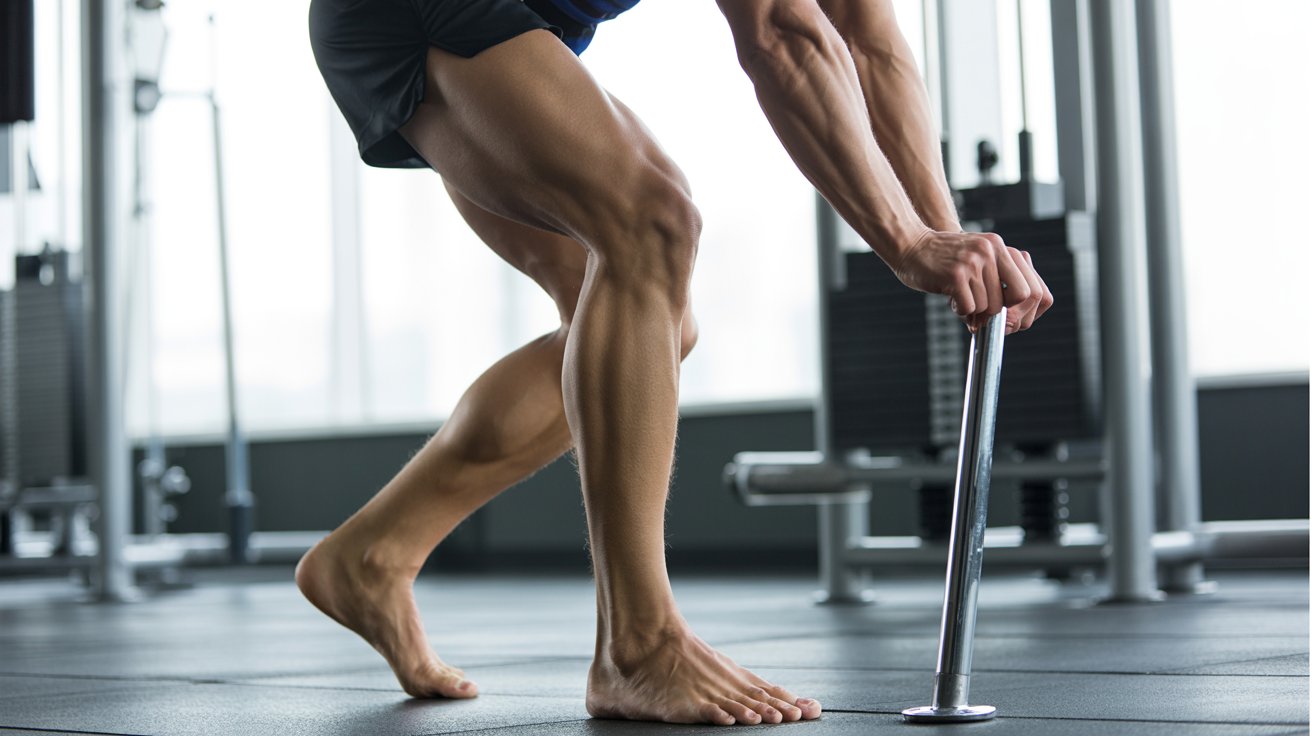
Stand near a wall or sturdy surface for balance if needed. Place your feet hip-width apart. Keep your toes pointing forward or slightly outward. This is your starting position.
Step 2: Knee Positioning

Bend your knees slightly before you begin. Keep that bend throughout the entire movement. Do not let your knees straighten at any point.
This is what keeps the soleus working and the gastrocnemius out of the picture.
Step 3: The Lifting Phase
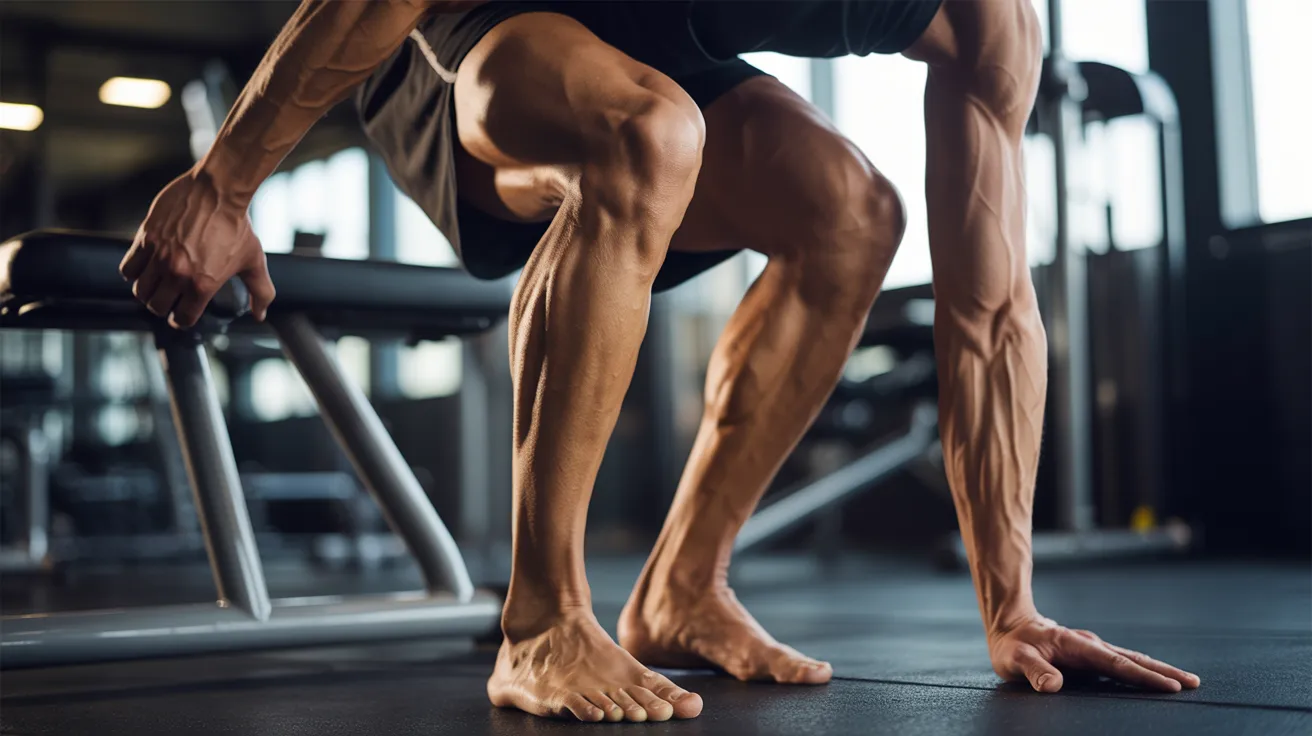
Press through the balls of your feet and raise your heels as high as you can. Move slowly and with control.
Avoid bouncing or using momentum. The goal is to feel the contraction deep in your lower leg.
Step 4: Hold at the Top

Once your heels are fully raised, pause for one to two seconds. This hold increases time under tension and improves muscle activation.
It also forces the load onto your soleus instead of rushing through the rep.
Step 5: The Lowering Phase
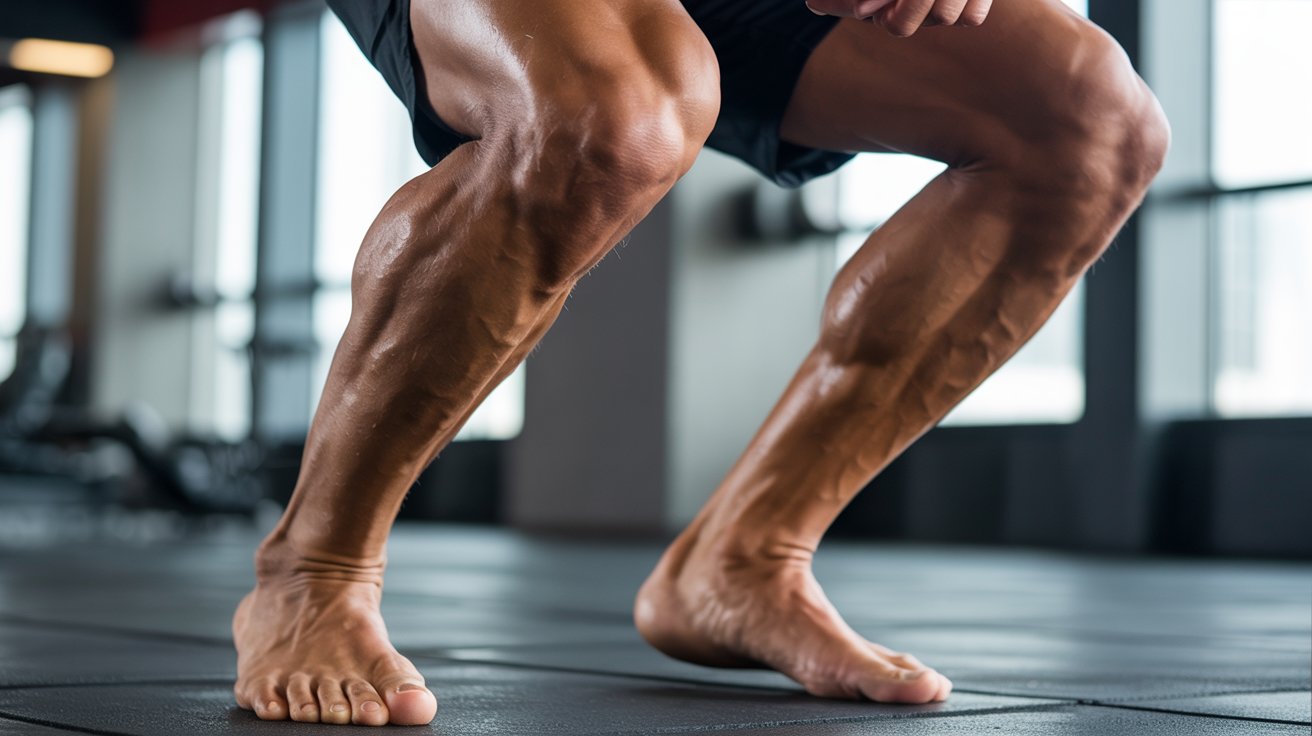
Lower your heels slowly back to the ground. Take two to three seconds on the way down. The controlled lowering phase is just as important as the lift.
It builds more strength and helps with tendon health.
Best Bent Knee Calf Raise Variations
Once you know the basics, these variations keep your training fresh and progressive.
Standing Bent Knee Calf Raise

The standard version. Stand with knees slightly bent and perform the heel raise. Great for beginners and warm-ups.
Seated Bent Knee Calf Raise

Sit on a bench with feet flat on the floor. Place a weight on your thighs just above the knees and raise your heels. This version allows heavier loading on the soleus.
Single Leg Bent Knee Calf Raise

Perform the movement on one leg at a time. This increases soleus demand and challenges balance. Hold a wall for support when starting out.
Bent Knee Calf Raise on Leg Press

Place your feet on the leg press platform and keep a slight knee bend throughout. Focus only on the ankle movement. Good for heavy, controlled loading.
Bent Knee Calf Raise Machine

Seated calf raise machines isolate the soleus with a fixed pad on your thighs. These are excellent for progressive overload with added weight plates.
Wall Supported Bent Knee Calf Raise
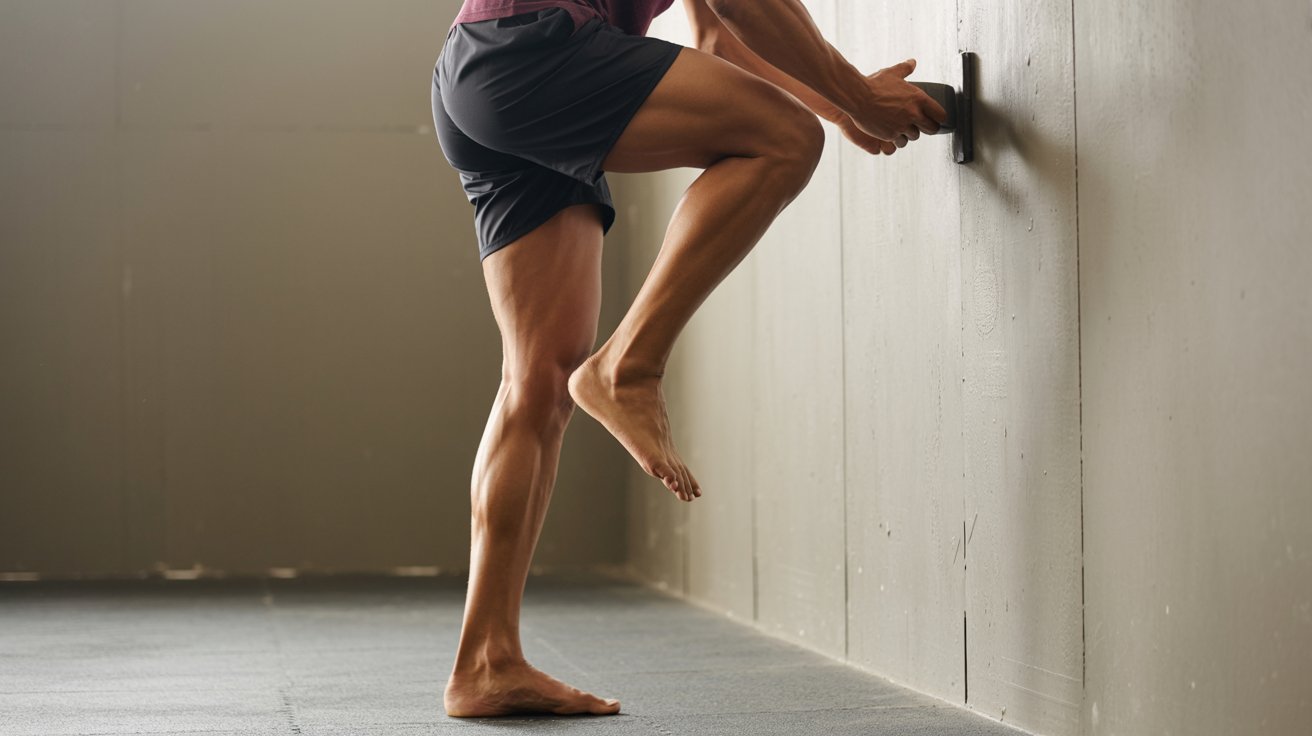
Place both hands on a wall for balance, bend your knees slightly, and raise your heels. A good starting point for beginners working on form.
Bent Knee Calf Raise Benefits
Building soleus strength pays off in ways you will feel every single day.
Improves Ankle Stability and Control
The soleus is a key ankle stabilizer. Strengthening it gives you better control during running, jumping, and walking on uneven ground.
Supports Achilles Tendon Strength
The Achilles tendon connects both calf muscles to the heel. Training the soleus builds tendon resilience. Many physiotherapists include this exercise in Achilles rehab programs.
Boosts Running and Athletic Performance
The soleus powers your push-off during running and keeps your form efficient over long distances. A weak soleus leads to early fatigue and higher risk of shin splints.
Helps Prevent Lower Leg Injuries
A weak soleus is often linked to plantar fasciitis, Achilles tendinopathy, and stress fractures. Regular training builds the durability needed to stay injury-free.
Common Mistakes to Avoid
Small errors in form can take the focus completely off the soleus.
- Straightening the knees mid-rep shifts the work to the gastrocnemius and removes soleus activation entirely.
- Using momentum instead of control reduces muscle tension and increases injury risk. Slow it down.
- Skipping full range of motion cuts the rep short. Lower your heels fully and raise them as high as possible.
- Adding weight too early before mastering form leads to poor activation. Build the bodyweight version first.
- Rushing through reps without pausing at the top reduces contraction quality. Hold for one to two seconds.
How to Add Bent Knee Calf Raise to Your Routine

Fitting this exercise into your weekly plan is easier than you might think.
As a Warm-Up Activation Exercise
Use 2 sets of 15 to 20 slow bodyweight reps before a run or leg session. This wakes up the soleus and prepares your ankles for the work ahead.
During Leg Day Workouts
Place bent knee calf raises after your main compound lifts. Pair them with straight-leg calf raises to hit both the soleus and gastrocnemius in the same session.
As a Finisher for Calf Development
At the end of a lower body session, perform a high-rep set of bent knee calf raises with no rest. Aim for 25 to 30 reps with your bodyweight or a light load.
This burns out the soleus and promotes muscle endurance.
Tips for Better Results
Small adjustments in how you train this exercise can make a real difference over time.
- Keep your knees bent throughout the entire movement, not just at the start.
- Focus on slow, controlled reps rather than trying to lift as heavy as possible.
- Use the full range of motion on every rep, heels fully down at the bottom and fully raised at the top.
- Combine bent knee calf raises with straight-leg versions to train both calf muscles effectively.
- Stay consistent. The soleus responds well to regular training and higher rep ranges.
Conclusion
I started adding bent knee calf raises to my routine after dealing with nagging Achilles tightness, and the difference was real.
This one exercise, done consistently, made my lower legs feel more stable and resilient.
If you have been skipping calf training or only doing straight-leg raises, now is the time to change that. Your soul deserves attention.
Try it in your next leg session. Feel the difference. And if this guide helped you, drop a comment below or share it with someone who trains calves. I would love to hear how it works for you.
Frequently Asked Questions
What Does the Bent Knee Calf Raise Target?
It primarily targets the soleus muscle. Bending the knees reduces gastrocnemius involvement and places most of the load on the soleus.
Is the Bent Knee Calf Raise Better Than the Standing Calf Raise?
They target different muscles. The bent knee version works the soleus, while the straight-leg version focuses on the gastrocnemius. Both belong in a complete calf routine.
How Often Should I Train My Calves?
Two to three times per week works well. The soleus recovers quickly but still needs at least one rest day between sessions.
Can Beginners Do Bent Knee Calf Raises?
Yes. Start with the bodyweight standing version and focus on slow, controlled reps. It is a low-risk movement suitable for all levels.
Are Bent Knee Calf Raises Good for Achilles Pain?
Yes, they are often recommended for Achilles issues. Strengthening the soleus takes stress off the tendon. Consult a physiotherapist if you are dealing with active pain.