I used to skip upper glute work completely. I thought squats were enough. They weren't.
If your glutes look flat at the top, you're not alone. Most people train the wrong muscles without even knowing it.
They do squat after squat and wonder why nothing changes at the top.
This blog covers the 19 best upper glute exercises, a full workout routine for every level, and the most common mistakes that hold people back.
I'll show you exactly what works and why. No fluff, no complicated plans. Just real exercises that hit your upper glutes the right way.
Ready? Let's get into it.
What Makes an Effective Upper Glute Workout?
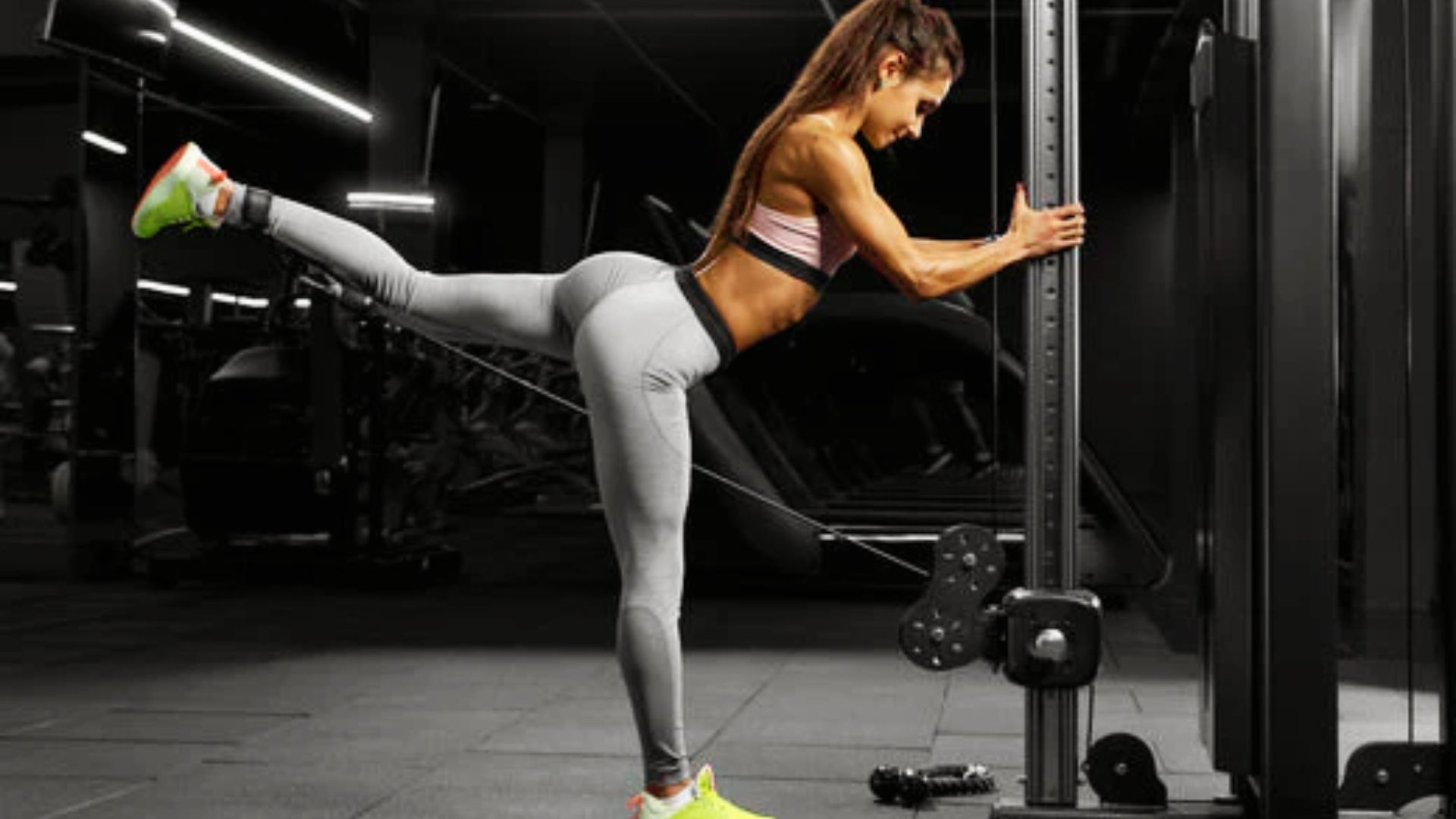
An effective upper glute workout targets the gluteus medius, the gluteus minimus, and the upper portion of the gluteus maximus. These muscles sit above the main glute area.
To grow them, you need hip abduction movements, unilateral exercises, and loaded hip extension. Full range of motion matters a lot here. Short reps with bad form won't do much.
You also need progressive overload, which means gradually adding weight or reps over time. Mix isolation moves with compound lifts. And don't skip glute activation exercises before your heavy sets.
If these muscles aren't firing first, bigger muscles like the quads and hamstrings take over the work.That combination is what actually builds visible shape in the upper glutes.
List of 19 Best Upper Glute Exercises for Growth
These are the exercises I keep coming back to. Each one has a specific reason it earns its spot.
1. Cable Hip Abduction
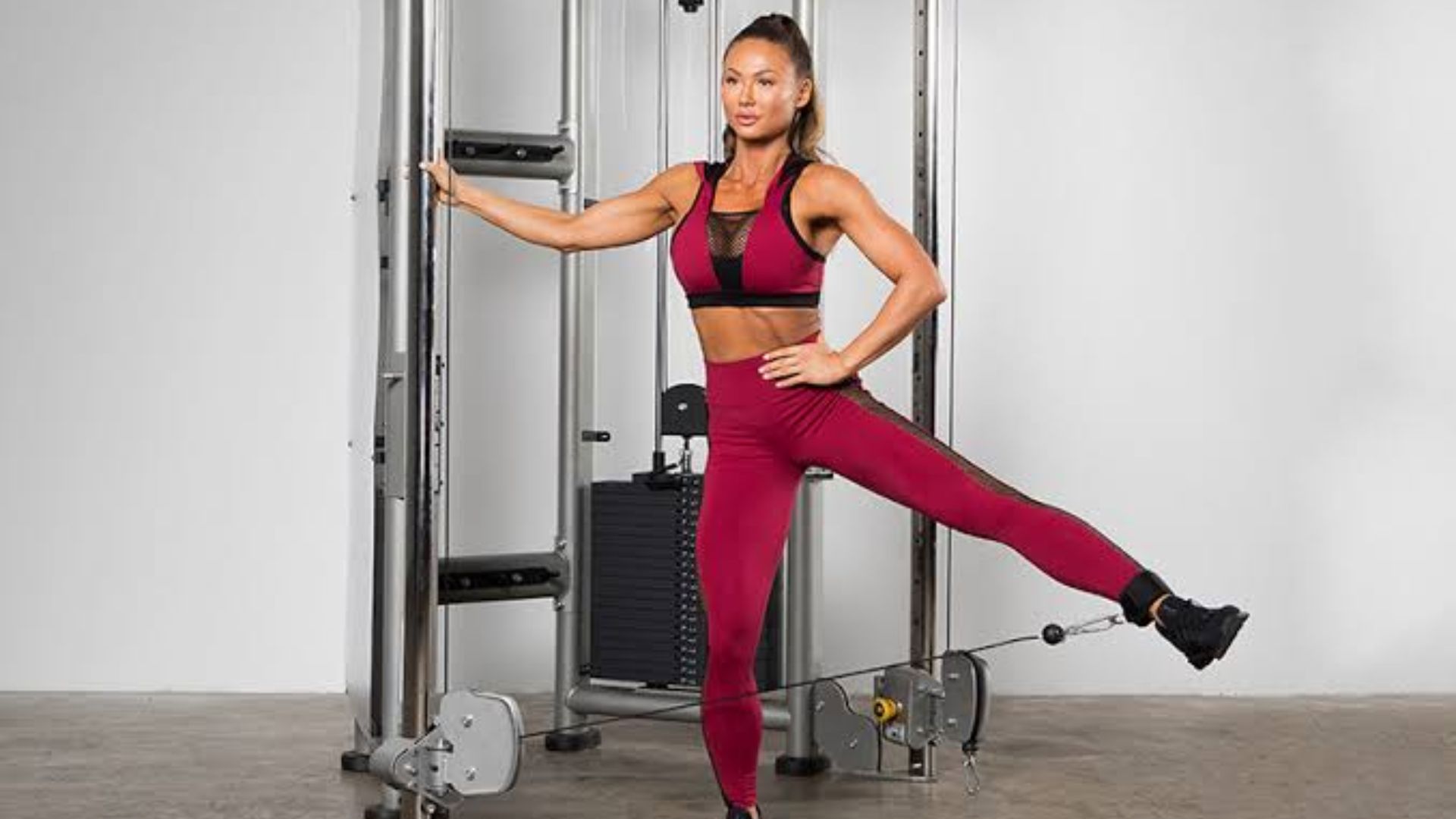
Cable hip abduction is popular because it keeps constant tension on the upper glute throughout the full movement. It isolates the gluteus medius without much involvement from the gluteus maximus.
That tension is what makes it so effective for isolation.Keep reps slow and controlled. Rushing removes the muscle from the work. Stand tall, keep your core tight, and don't let your hip hike.
Squeeze at the top for a full second. Most people go too heavy and lose form. Drop the weight and feel the muscle actually work.
2. Lateral Band Walks
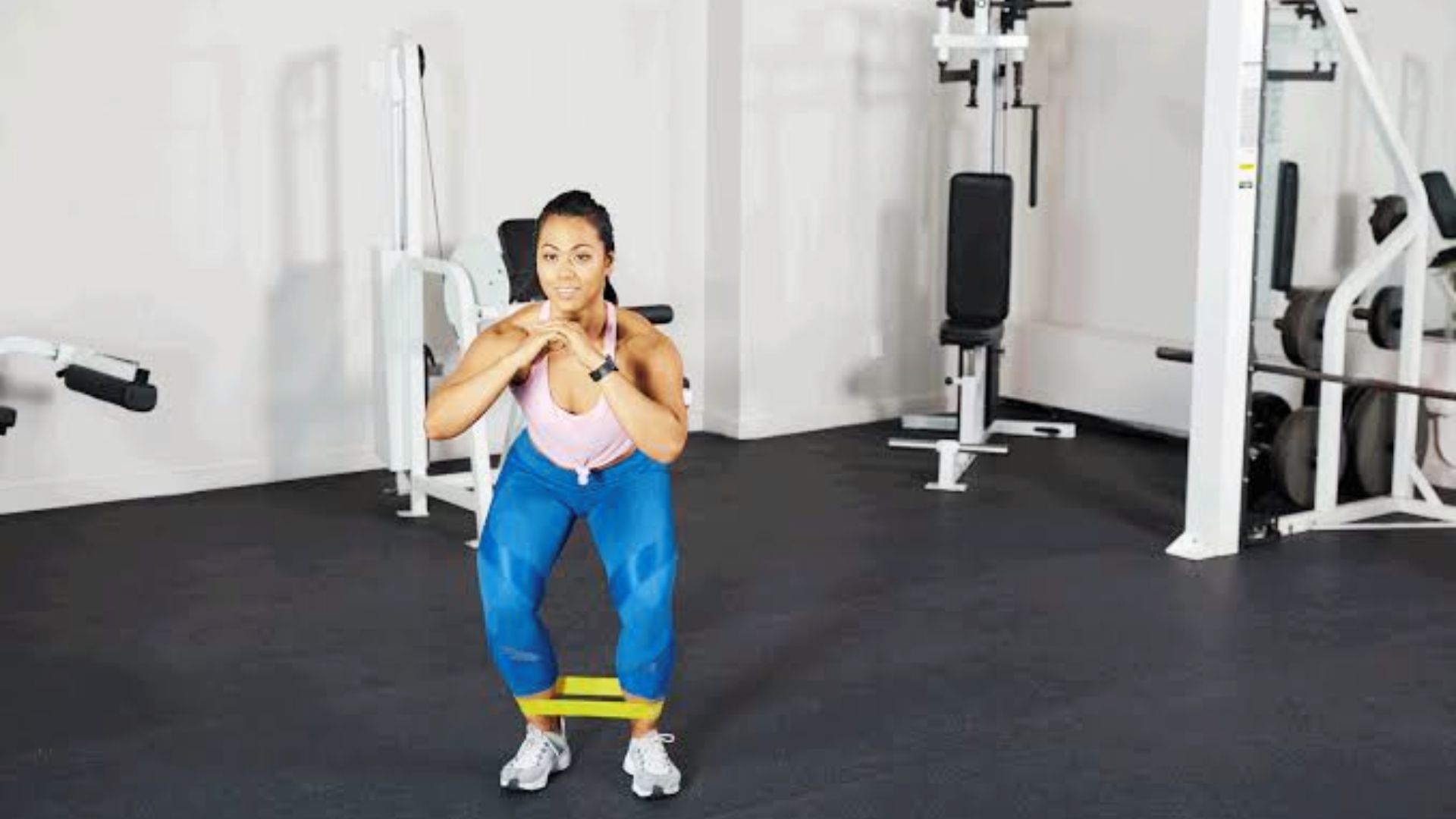
Many lifters use this as a warm-up before squats or a finisher at the end of leg day. The resistance band activates the gluteus medius quickly, and research shows it is one of the most effective moves for targeting this muscle specifically.
Keep your knees slightly bent and stay low throughout.A common mistake is letting the feet come too close together because that removes tension from the band.
Stay wide. Another mistake is rushing. Slow, deliberate steps give far better activation than fast shuffling.
3. Hip Thrusts

Hip thrusts remain one of the most recommended glute-building exercises for good reason. They load the glutes at full extension through hip extension.
To target the upper glutes more, use a wider stance and push your knees out as you drive up. Add a band above your knees to increase upper glute demand.
Progress by adding weight weekly. Even small increases in load over time lead to real size and strength gains in the glutes.
4. Banded Glute Bridges
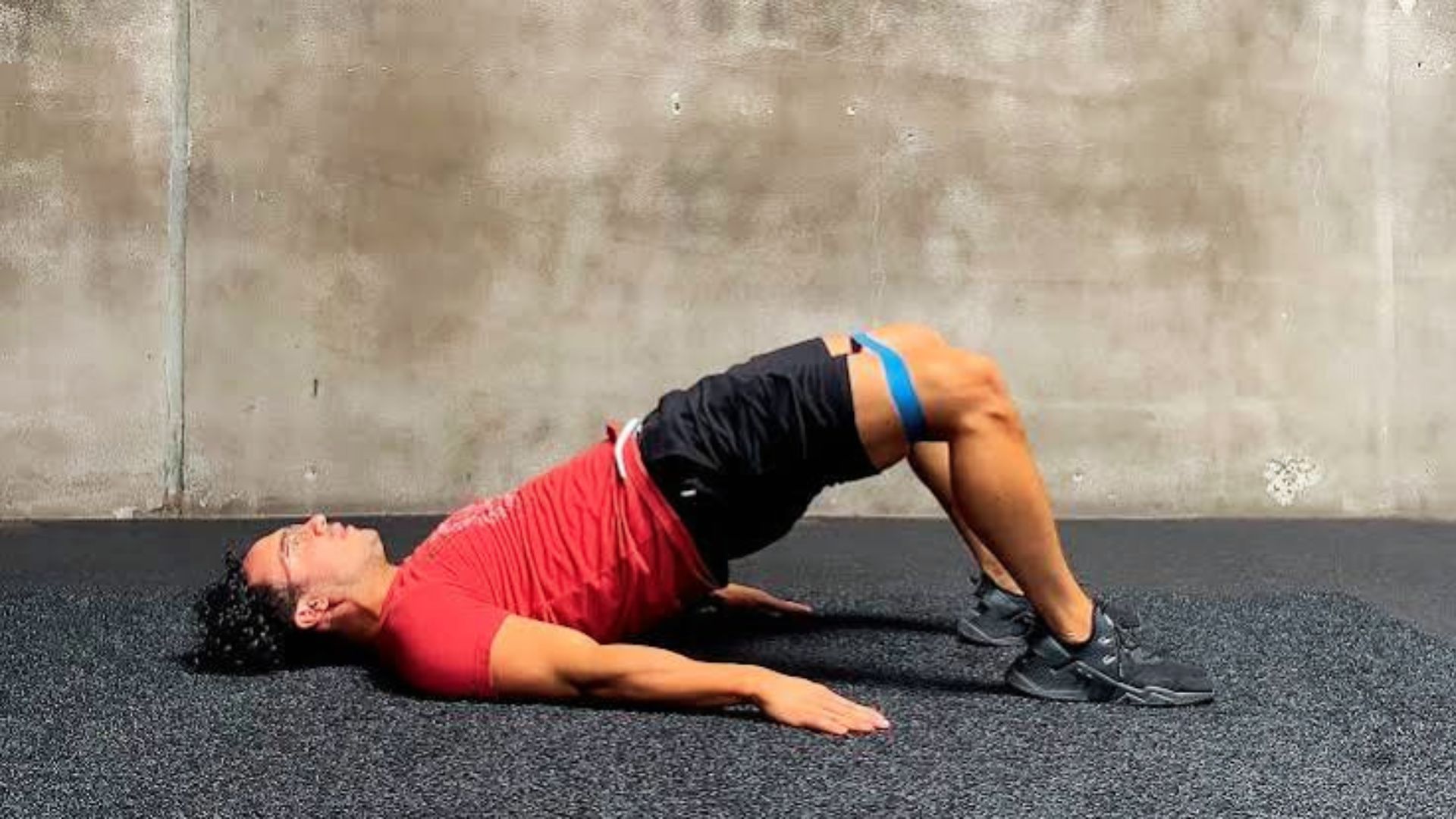
Glute bridges are beginner-friendly and great for learning how to activate your glutes before loading them.
Adding a resistance band above the knees brings the upper glutes into the movement. As you push up, drive your knees outward against the band.
Feel the burn on the sides of your glutes. This simple add-on makes a basic bridge far more effective for targeting the upper portion.
5. Side-Lying Hip Abduction

This move isolates the upper glutes without any equipment. Lie on your side, keep your body in a straight line, and lift the top leg slowly. Lower it with control and don't let it drop.
It's one of the best beginner moves because there's no balance required.Focus on the muscle, not the movement. Many people swing the leg up.
That's momentum, not muscle work. To increase difficulty, add an ankle weight or a resistance band above the knee to build time under tension.
6. Clamshells
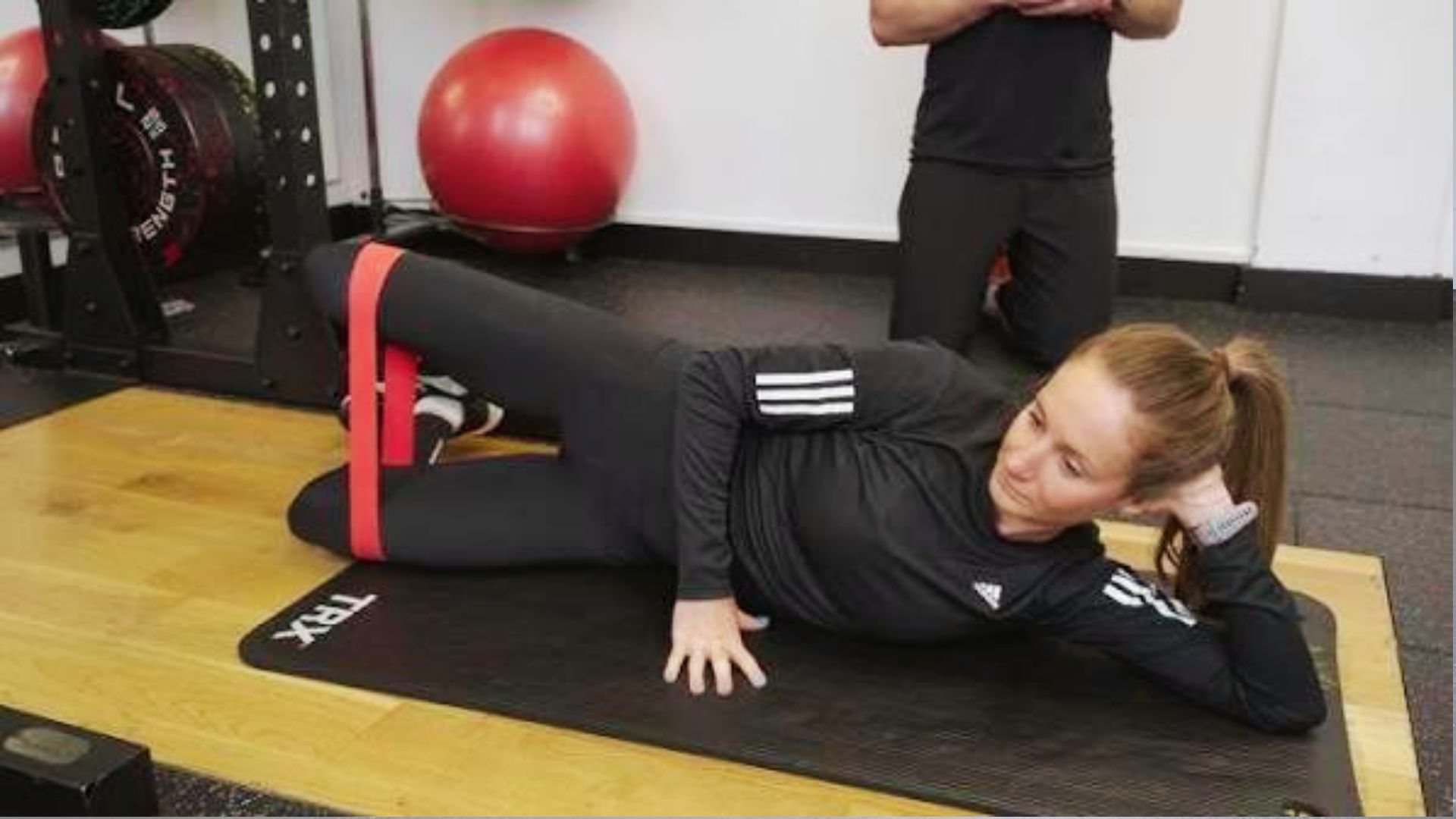
Clamshells are great for hip stability and gluteus medius activation. Lie on your side with knees bent, feet together, and open the top knee like a clamshell.
Add a resistance band above the knees to increase difficulty as you get stronger. Keep your hips stacked and don't rock backward.
This is a small movement with a big payoff when done right. It's commonly used in rehab and glute activation routines.
7. Curtsy Lunges
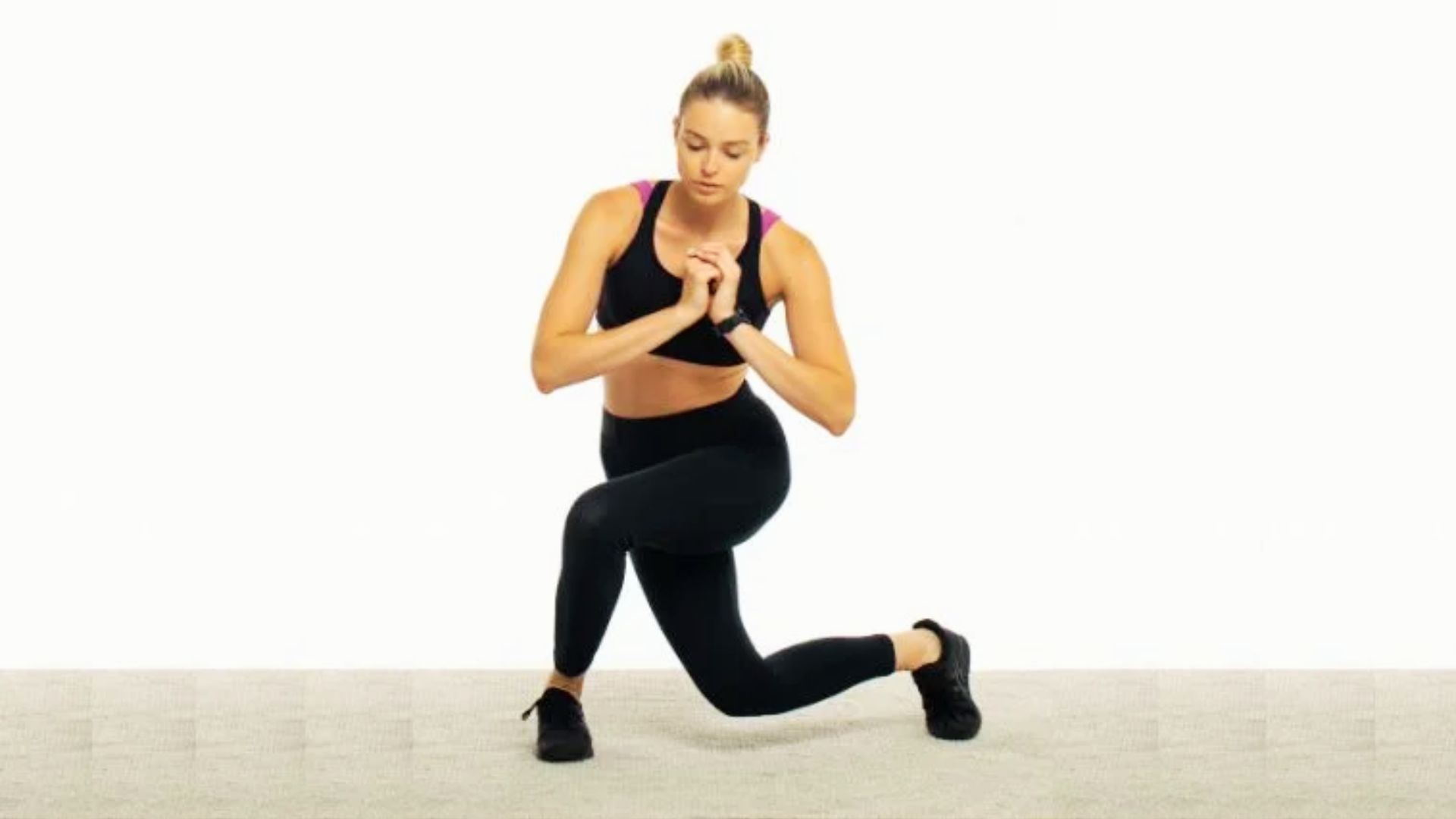
The diagonal movement in a curtsy lunge challenges the upper glutes in a way standard lunges don't. You step one foot behind and across the other, creating a cross-body load on the glute.
Keep your front knee tracking over your toes and don't let it cave inward. A slow descent builds more control.
This exercise also works the hip abductors and challenges pelvic stability with each rep, making it a strong choice for upper glute shape.
8. Bulgarian Split Squats
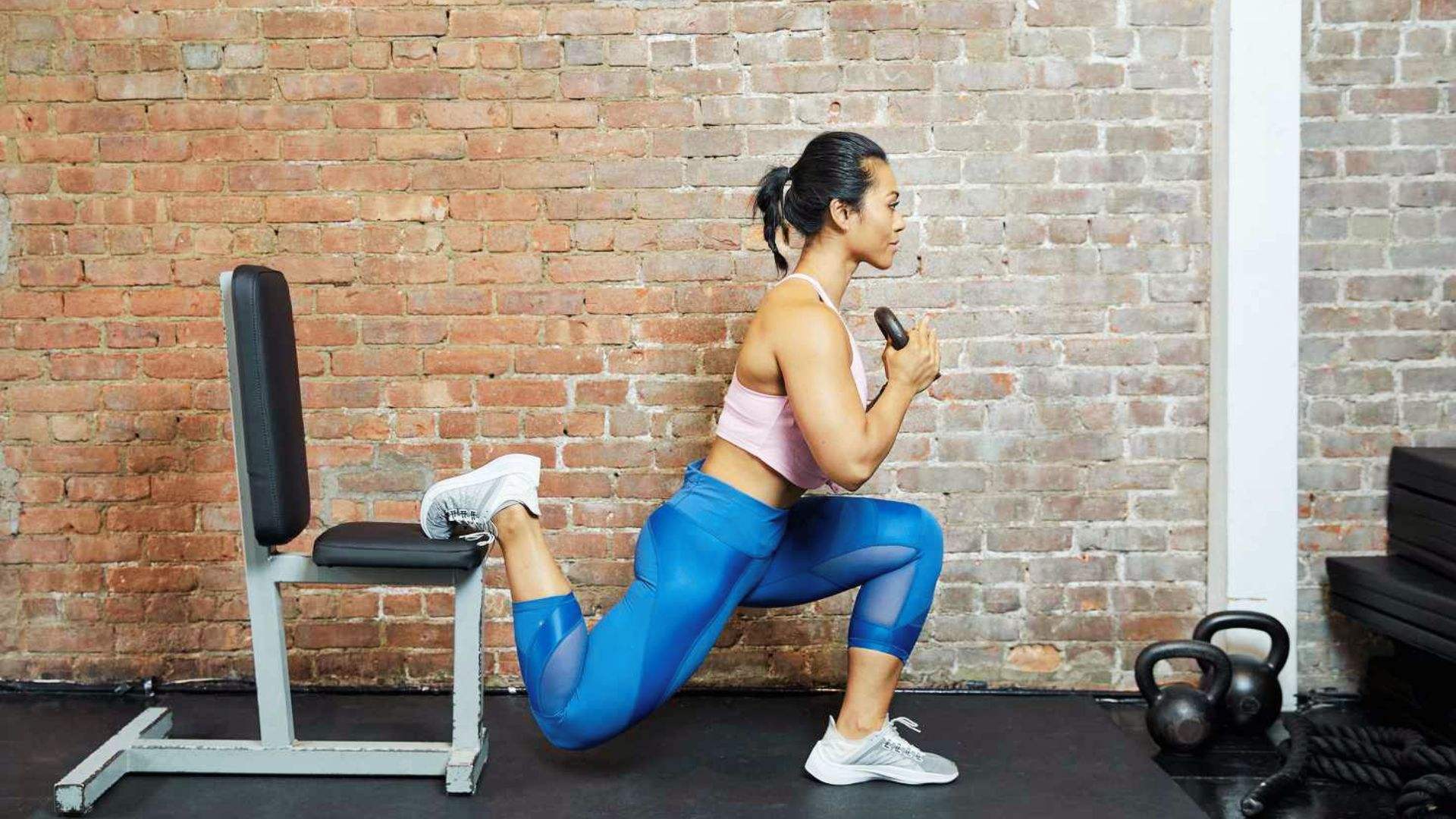
Unilateral training is powerful for glute balance. The Bulgarian split squat puts one leg on a bench behind you, forcing the front leg and its glute to do most of the work.
Lean your torso slightly forward to shift the focus away from the quad and onto the glute.
Use dumbbells or a barbell to add load. One side at a time means no stronger leg can dominate.
9. Single-Leg Romanian Deadlifts
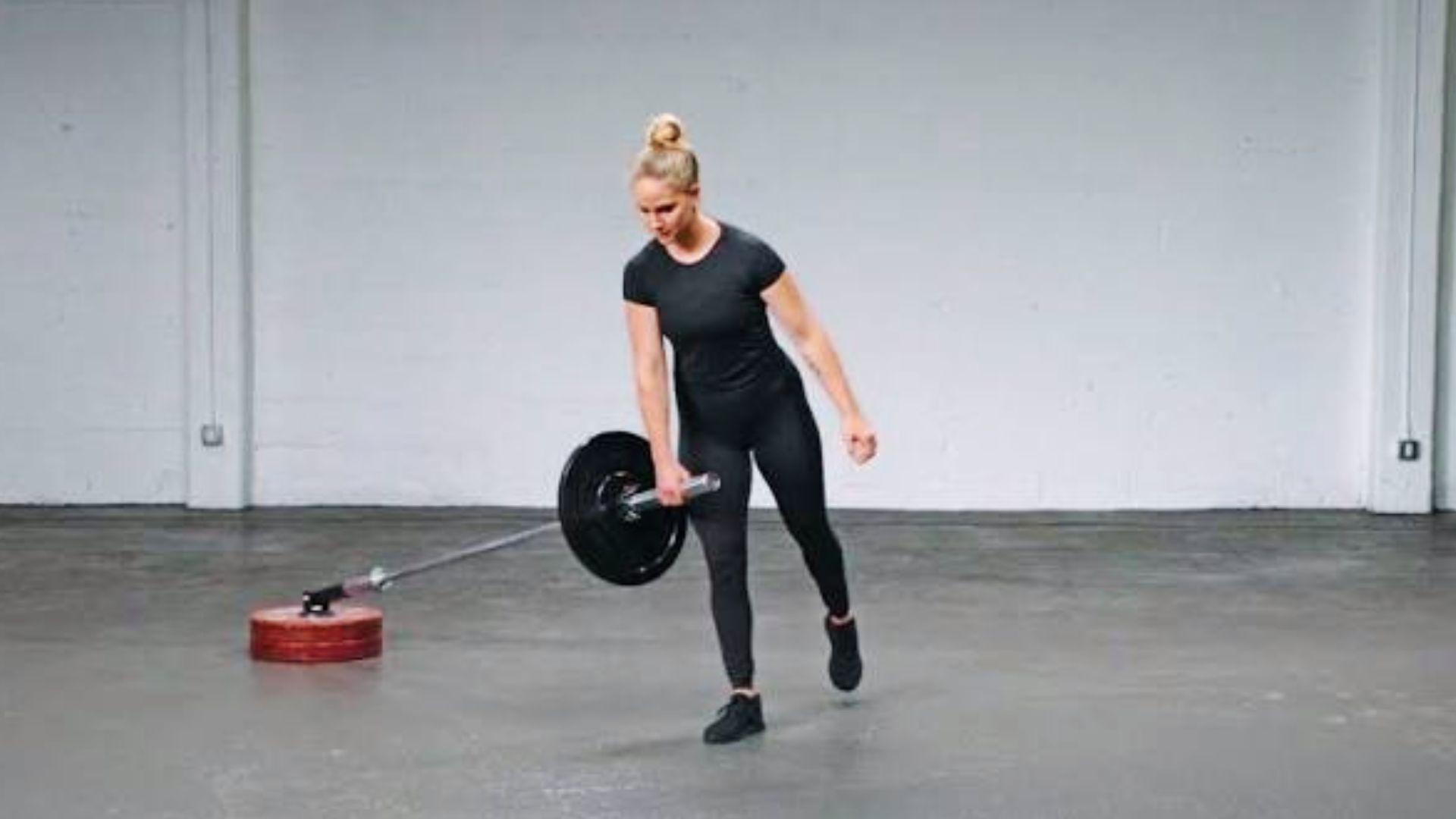
This exercise builds glute stability and activation at the same time. You hinge at the hip on one leg, which demands both balance and glute engagement.
Keep your back flat and hinge until you feel a stretch in your hamstring. Drive through the heel as you return to standing.
The hip stabilizers, including the upper glutes, work overtime to keep the pelvis level and prevent it from dropping to one side. Use light weight and perfect form first.
10. Step-Ups
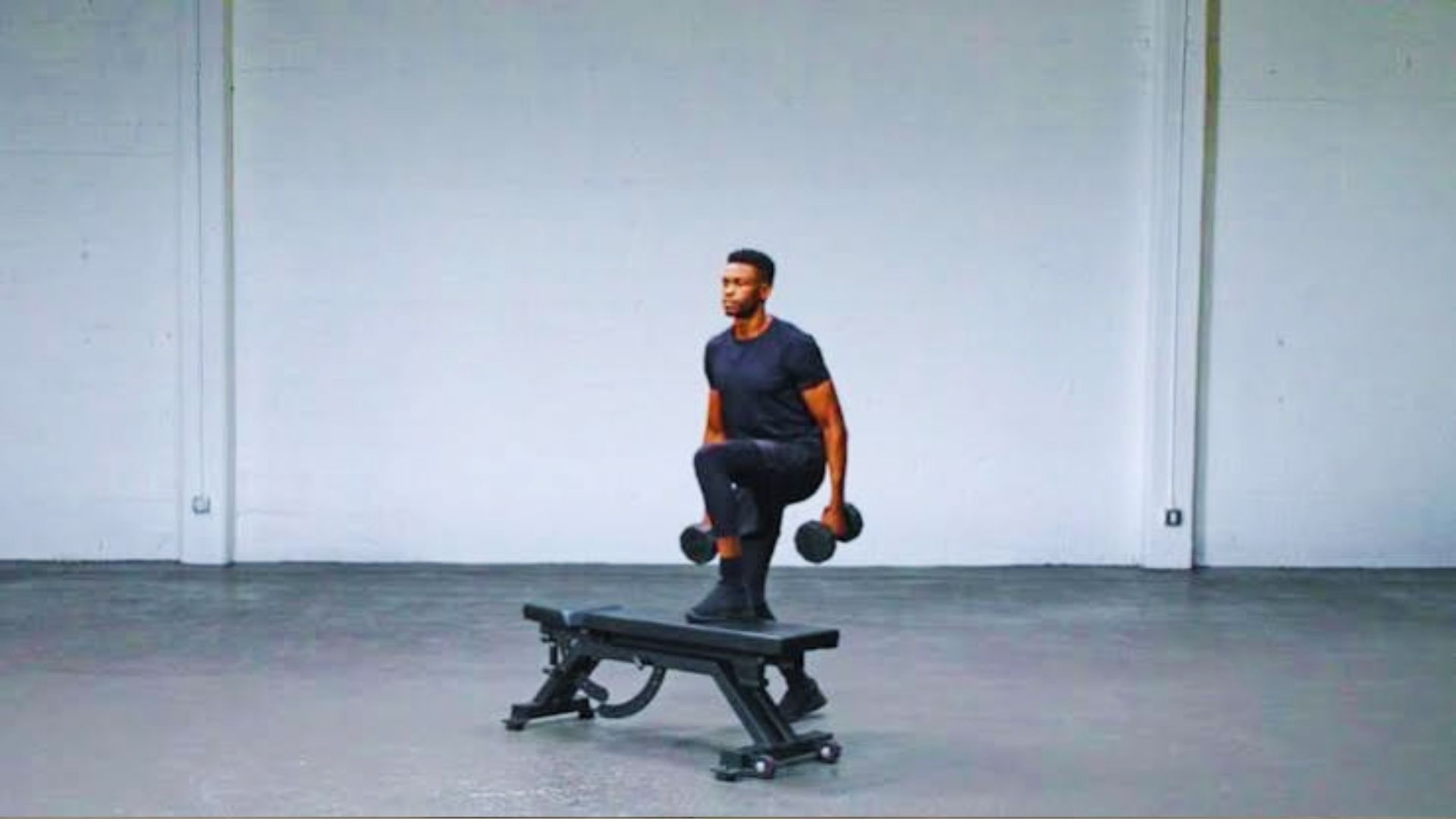
Step-ups train single-leg strength, which directly supports upper glute development. Step onto a box or bench and drive through the heel to stand.
Don't push off with the back foot. Make the working leg do the job. The higher the step, the more glute involvement.
Add dumbbells to increase the load over time. This one also improves balance and hip stability, which carries over to all your other lifts.
11. Reverse Lunges
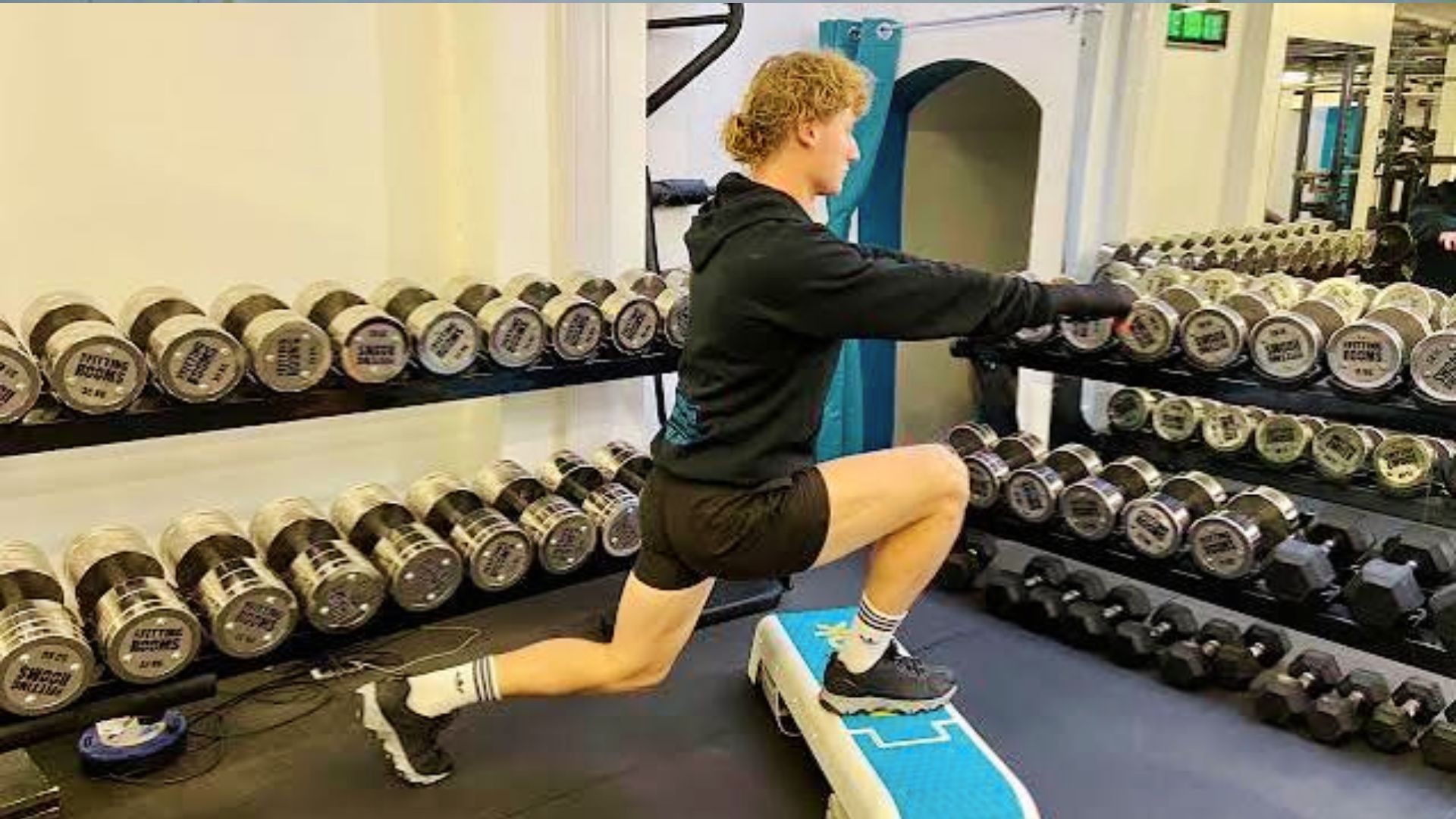
Reverse lunges are often preferred over forward lunges because they put less stress on the knee and more emphasis on the glute.
Step backward and lower your back knee toward the floor. Keep your torso upright and your front foot flat.
Drive through the heel to return. Adding a slight forward lean shifts more load onto the glute. These are great as a standalone exercise or added into a superset.
12. Sumo Squats

A wide sumo stance changes how the glutes are loaded compared to regular squats. The wide stance and turned-out toes put more demand on the inner thighs and upper glutes through both hip abduction and external hip rotation.
Go deep, below parallel if your mobility allows. Add a dumbbell or kettlebell held at chest height to increase resistance.
Sumo squats are a solid compound option that builds both glute size and leg strength together.
13. Sumo Deadlifts
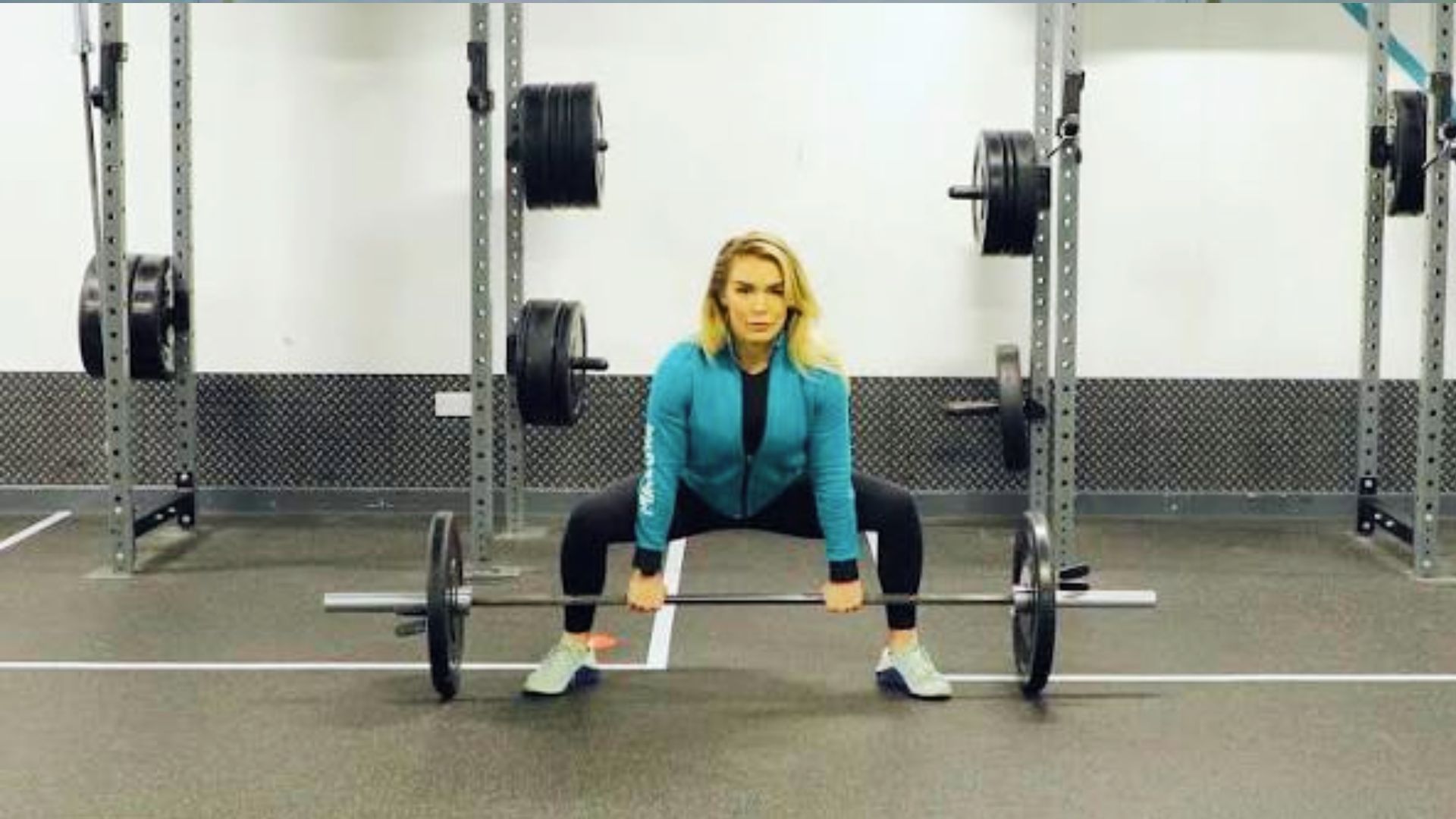
Sumo deadlifts are built for glute strength. The wide stance and upright torso shift the load away from the lower back and toward the glutes and hips.
Set up with feet wider than shoulder-width, toes pointed out. Drive your knees out as you pull the bar off the floor.
This keeps the hips in proper position and maximizes glute engagement. A strong setup leads to a strong pull.
14. Fire Hydrants
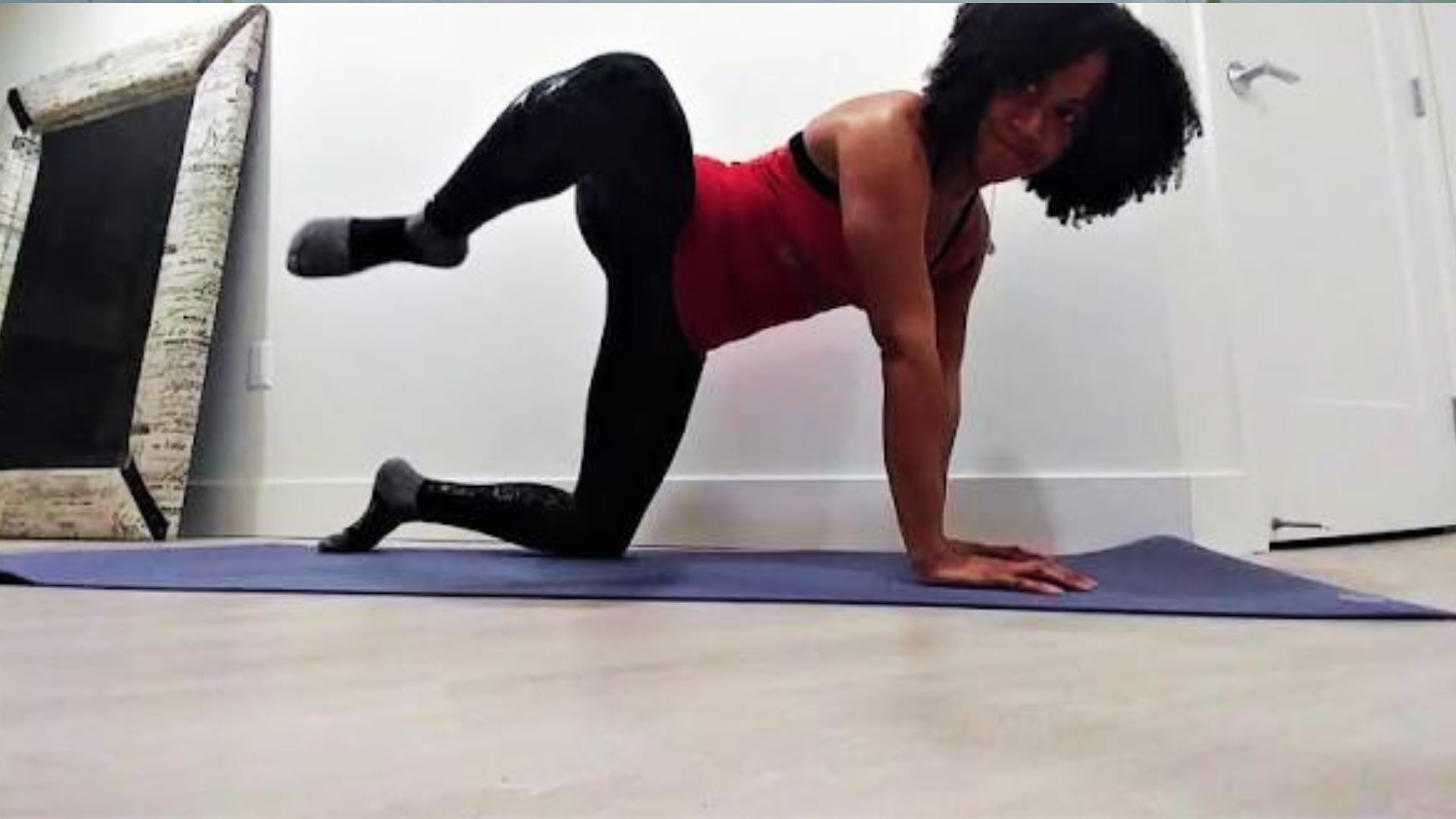
Fire hydrants are a staple in glute activation routines. Start on all fours, keep your core tight, and lift one knee out to the side like a dog at a hydrant.
Keep the movement controlled and don't rotate your hips. Adding an ankle weight or band increases difficulty.
This exercise works the gluteus medius directly and helps improve hip mobility at the same time. It's low impact and easy to add to any warm-up.
15. Standing Hip Abductions
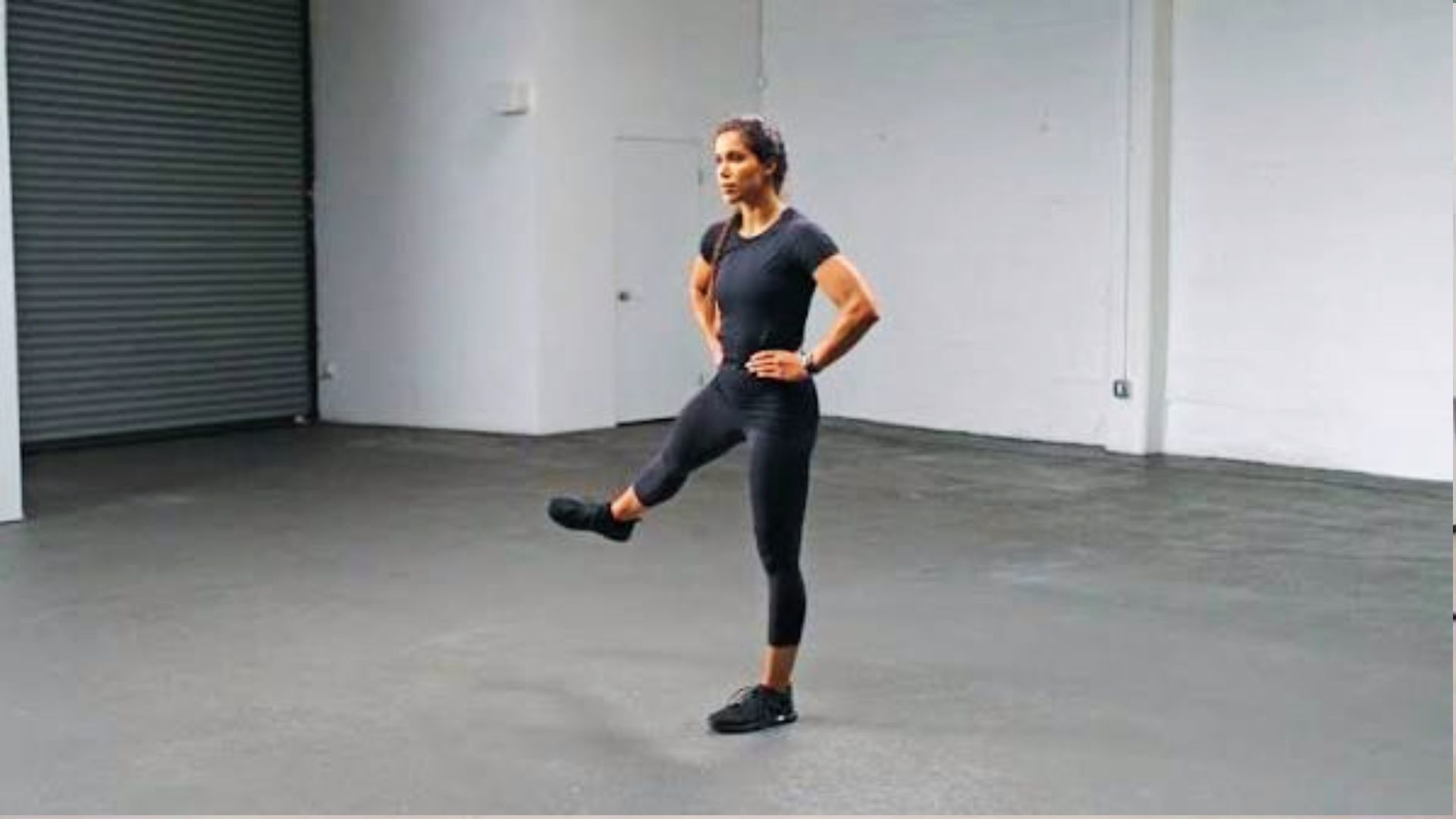
Standing hip abductions can be done with a cable machine or a resistance band. The goal is to lift the leg out to the side while keeping the body stable.
Don't lean or swing. Momentum reduces the work the glute has to do. Keep the movement small and squeeze at the top.
Both cable and band versions work well. The cable offers more consistent tension, while bands are easier to do at home.
16. Side Plank With Hip Abduction

This move combines core stability with upper glute activation in one exercise. Hold a side plank position and lift the top leg.
Your obliques and hip stabilizers both work at the same time. Point your toes down as you lift to better engage the gluteus medius. Beginners can drop to the knee to reduce difficulty.
Keep the hips stacked and the body in a straight line. This is more challenging than it looks, and it builds real functional strength in the upper glutes.
17. Frog Pumps

Frog pumps are an excellent glute finisher. Lie on your back, press the soles of your feet together, and pump your hips up repeatedly.
The turned-out position shifts load to the upper glutes and hip abductors. Focus on squeezing hard at the top of every rep.
Use higher reps, around 20 to 30, to fully fatigue the muscle. This is a low-load, high-activation move that works well at the end of any glute session.
18. Single-Leg Glute Bridges
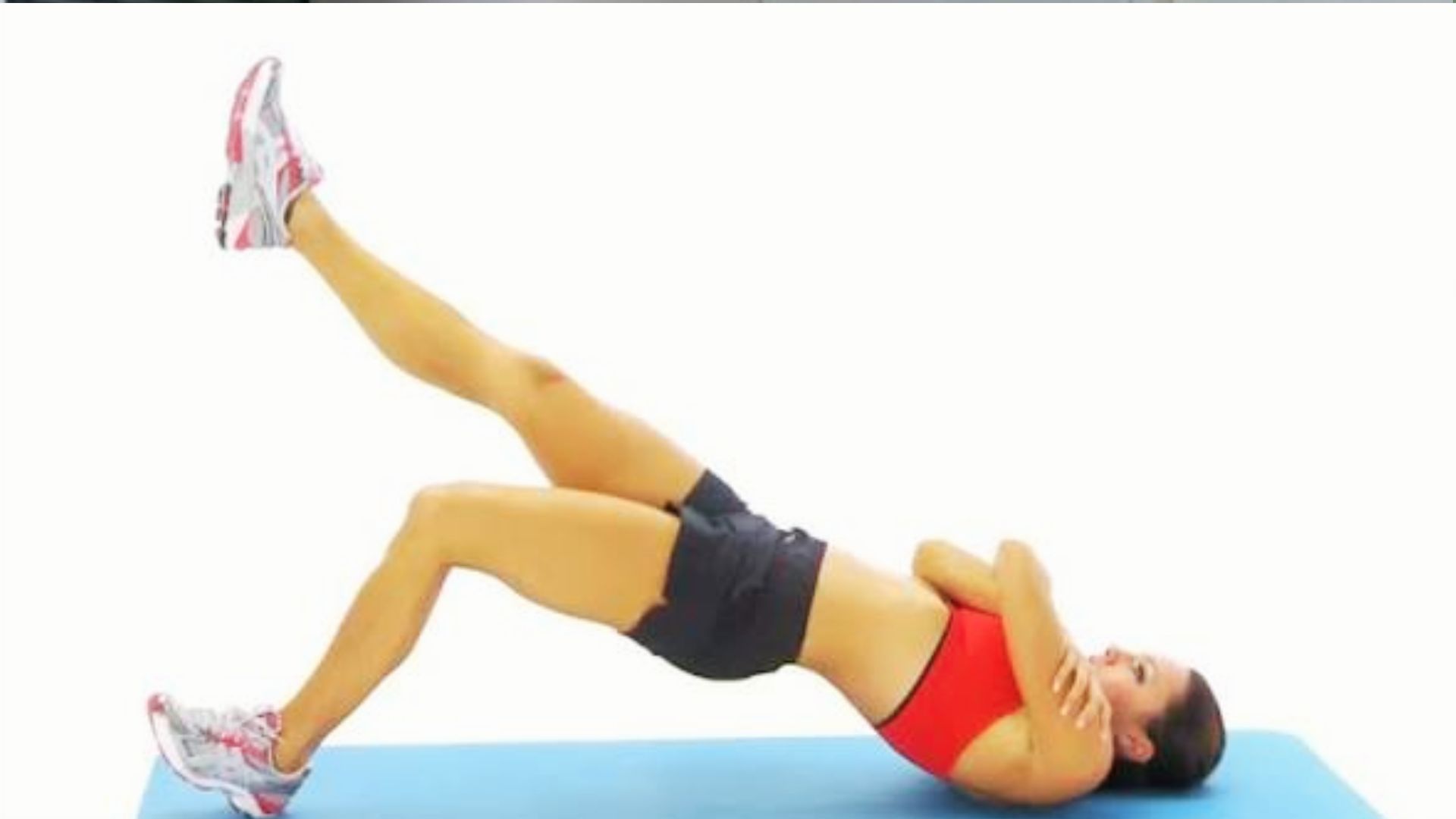
Working one side at a time reveals imbalances fast. Lie on your back, keep one foot flat on the floor, and extend the other leg.
Drive your hips up using the planted leg only. Keep your hips level and don't let one side dip. Squeeze the glute at the top and hold for a second.
This builds strength in each glute independently, which helps correct size and strength differences between sides.
19. Walking Lunges
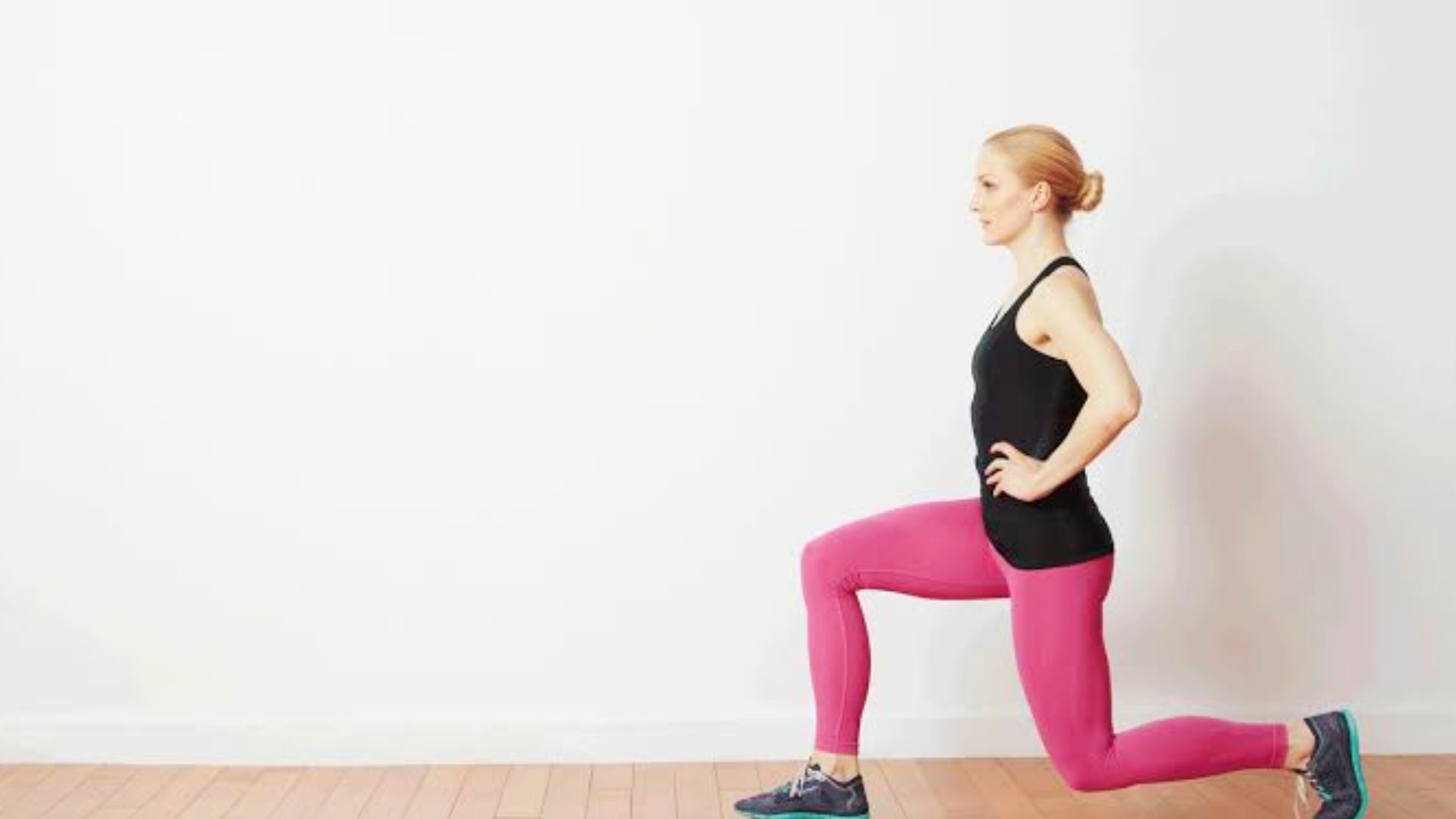
Walking lunges support complete glute development because they combine hip extension, single-leg strength, and movement all at once. Take long strides to increase glute involvement.
Short steps load the quad more. Research also shows that holding one dumbbell on the opposite side of your lunging leg increases gluteus medius activation significantly.
Keep your torso upright and your core braced throughout. Walking lunges are also great for cardio conditioning while still training the glutes, making them a time-efficient addition to any workout.
The Upper Glute Workout Routine People Use for Visible Results
Here are three routines based on your training level. Start where you are and build from there.
Beginner Upper Glute Workout

The focus here is activation and learning how to actually feel your glutes working. Do 3 sets of 12 to 15 reps per exercise, with 45 seconds rest between sets.
- Lateral band walks: 3 sets of 12 steps each way
- Glute bridges:3 sets of 15 reps
- Side-lying hip abductions: 3 sets of 12 reps per side
Start light, go slow, and focus on feeling the muscle squeeze. That mind-muscle connection is what makes every other workout more effective.
Intermediate Upper Glute Workout

Now you add resistance and heavier movements. Your glutes can handle more load, and you need that load to keep growing. Do 4 sets per exercise with 60 seconds rest.
- Hip thrusts:4 sets of 10 to 12 reps
- Cable hip abductions: 4 sets of 12 reps per side
- Bulgarian split squats: 3 sets of 10 reps per leg
Push the weight up weekly. That progressive overload is what drives growth.
Advanced Upper Glute Workout
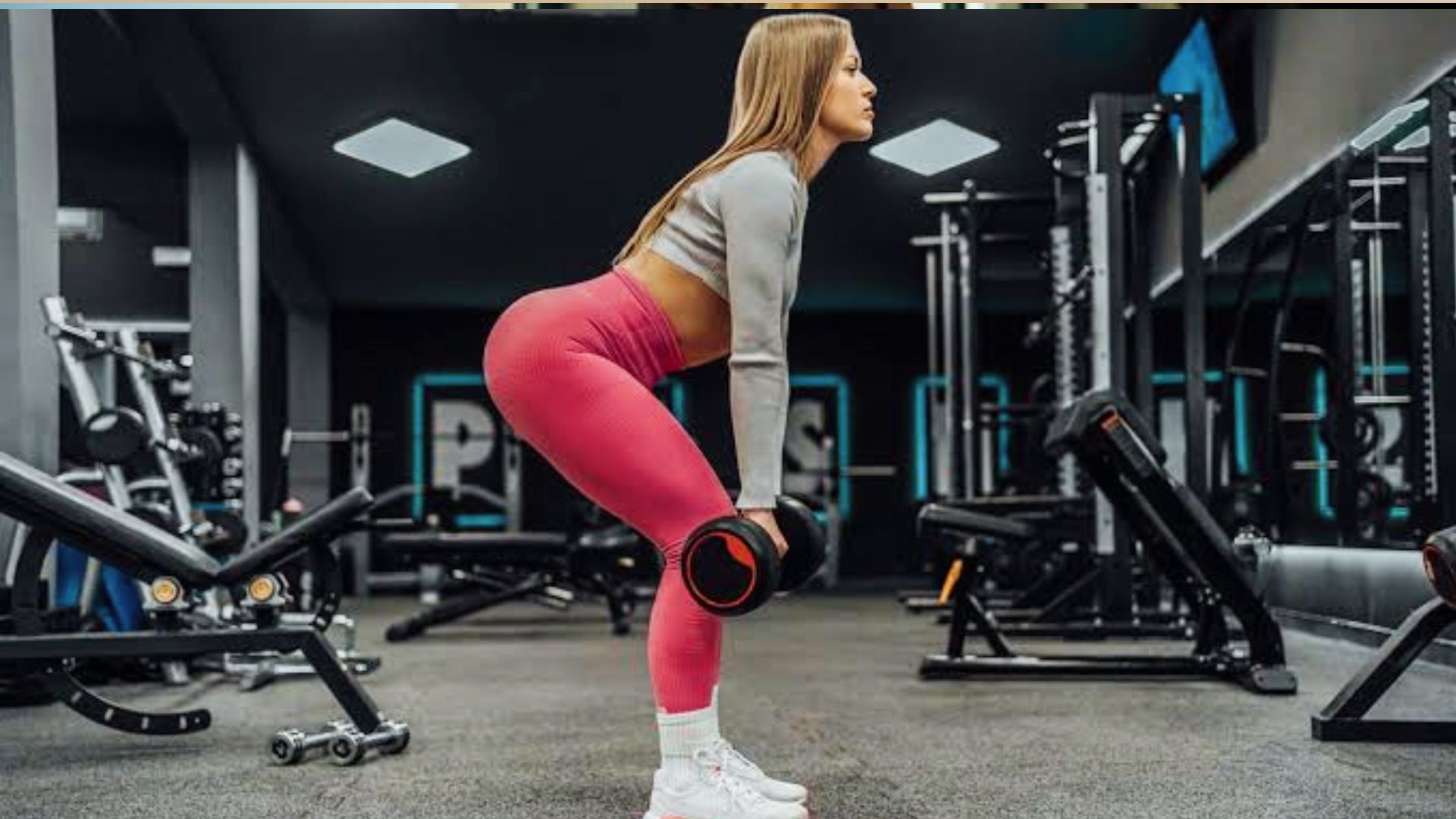
At this level, you combine heavy compound lifts with targeted isolation work. Volume and intensity both go up. Rest 90 seconds between heavy sets and 45 seconds on isolation work.
- Sumo deadlifts:4 sets of 6 to 8 reps
- Hip thrusts with band: 4 sets of 10 reps
- Cable hip abductions:3 sets of 15 reps per side
- Frog pumps: 2 sets of 30 reps as a finisher
Push hard, track your weights, and add load when you can.
How Often Should You Do an Upper Glute Workout?

Training your upper glutes 2 to 3 times per week gives your muscles enough stimulus to grow without breaking down. Each session should leave you sore but not destroyed.
Rest at least 48 hours between sessions targeting the same muscle group. That recovery window is when growth actually happens.
As your volume and intensity go up, your need for recovery goes up too. Beginners can handle 2 sessions per week well. Intermediate and advanced lifters can push to 3.
Nutrition matters too. Eating enough protein and staying in a mild calorie surplus gives your body what it needs to build the muscle you're training for. Stay consistent and track your progress over time.
Mistakes That Slow Down Upper Glute Growth
Avoid these five habits if you want real results:
- Skipping activation work:If your glutes aren't firing before heavy lifts, other muscles take over. Always warm up.
- Using too much weight too soon: Heavy loads with bad form train momentum, not muscle. Drop the weight and fix your form first.
- Not training unilaterally:Both sides of your body are different. Single-leg work catches imbalances before they become injuries.
- Ignoring progressive overload: Doing the same weight and reps every session leads to zero progress. Add load gradually.
- Not resting enough:Training the same muscles every day without rest slows growth. Sleep and recovery are part of the plan.
Conclusion
I know starting an upper glute workout routine can feel like a lot at first. There are so many exercises, and it's hard to know where to begin.
But here's what I've learned: just pick three exercises, do them well, and stay consistent. That's it. Small steps beat doing nothing every time.
Try the beginner routine this week. See how it feels. Your upper glutes will thank you.
Drop a comment below and tell me which exercise you're starting with. I'd love to know!
Frequently Asked Questions
Why aren't my upper glutes growing even though I train them?
You're probably skipping glute activation before heavy sets or not adding load over time. Progressive overload is what signals the muscle to grow.
Can you build upper glutes without a gym?
Yes. Clamshells, side-lying hip abductions, lateral band walks, and side planks with leg lifts all target the gluteus medius with zero gym equipment.
How long does it take to see upper glute results?
Most people notice visible shape and firmness within 6 to 8 weeks of consistent training 2 to 3 times per week, combined with enough protein.
Should I train upper and lower glutes on the same day?
Yes. Pair hip abduction moves for the upper glutes with hip extension moves for the lower glutes. One session, complete glute coverage.