
My wrists used to ache every time I tried a regular push-up. Then I tried the wall push-up and honestly, it changed everything.
If you're a beginner, older adult, or recovering from an injury, this guide is for you. I'll walk you through exactly how to do it, which muscles it works, and why it's more effective than most people think.
No guesswork. No complicated advice. Just clear, step-by-step instructions backed by real muscle science.
By the end, you'll know how to do wall push-ups with perfect form and actually see results.
Let's get into it.
What Is a Wall Push-Up?
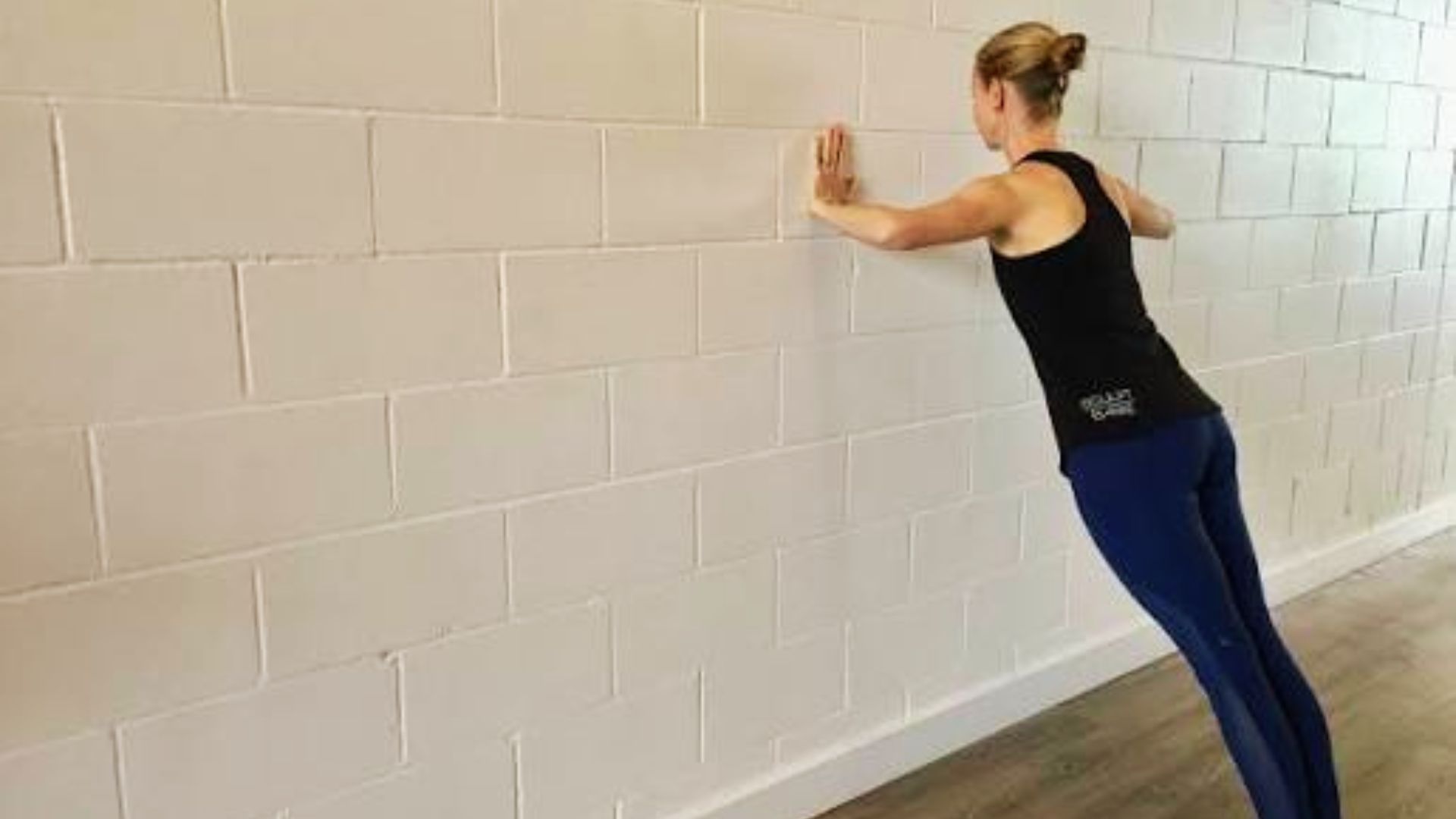
A wall push-up is a standing upper-body exercise where you push against a wall instead of the floor.
It works the same muscle groups as a regular push-up but with far less strain. Because you're upright, your body carries less weight.
This makes it safer and much easier to control, which is why it's the go-to starting point for beginners.It's also a true compound exercise.
That means it trains several muscles at once instead of just one. That's a big return for a simple move.
Benefits of Wall Push-Ups
Wall push-ups offer more than you might think. Here's why they deserve a spot in your routine.
1. Builds Upper-Body Strength
Wall push-ups target your chest, shoulders, and triceps with every rep. Over time, this consistent effort adds real strength.
It's a simple move, but it lays a solid foundation for harder exercises like incline push-ups and eventually floor push-ups.
2. Supports Rehabilitation and Recovery
If you're healing from a shoulder or wrist injury, wall push-ups are a gentle way back. They allow movement without overloading weak joints.
Many physical therapists recommend them early in recovery because the range of motion stays controlled and manageable.
3. A Safer Starting Point for Beginners
Starting on the floor can feel overwhelming when you're new to exercise. Wall push-ups reduce that pressure, literally.
Your body handles less load, so your form stays clean. Good form from the start means fewer injuries and faster progress over time.
4. Strengthens Your Core and Improves Stability
Your core has to stay active during every wall push-up. When you hold a straight line from head to heel, your rectus abdominis and erector spinae engage automatically to keep your back from arching.
This builds stability that carries over into other workouts and daily movements you do without thinking.
5. Helps With Everyday Activities
Stronger arms and shoulders make daily tasks easier. Pushing open a heavy door, lifting groceries, or getting up from a chair all use the same muscles you train here.
Wall push-ups build the kind of functional strength that actually shows up in real life.
What Muscles Do Wall Push-Ups Work?
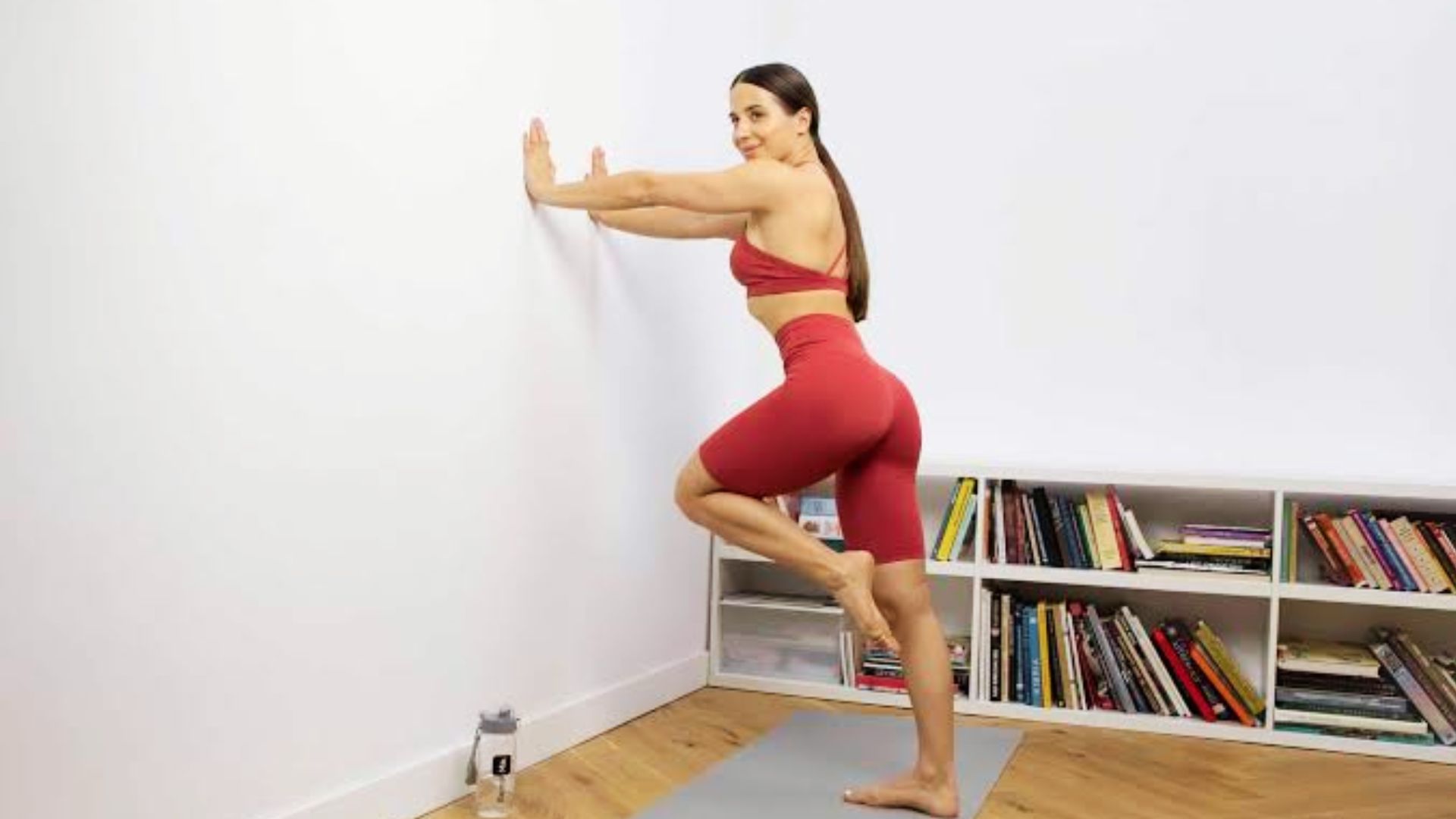
This move is simple, but it trains several key muscle groups at once. Here's a breakdown of what's working during your wall push-up exercise.
Chest (Pectoralis major): This is the main muscle in your chest. It does most of the pushing work. It contracts as you lower toward the wall and extends as you press back to the start.
Triceps: Located on the back of your upper arms, triceps activate with every push. Stronger triceps mean better control in all pressing movements.
Shoulders (Anterior deltoid): Your front deltoids stabilize and drive the movement. They work to keep your arms aligned and your body steady throughout each rep.
Core (Rectus abdominis and obliques): Your abs and sides hold your body in a straight line. Without core engagement, your hips would sag or your back would arch during the movement.
Serratus anterior: This muscle runs along your ribs beneath your armpits. It keeps your shoulder blade pressed against your rib cage so your shoulders stay stable.
Upper back and stabilizer muscles: Your rhomboids and erector spinae help keep your spine straight and your shoulder blades in place. These muscles support posture and joint health during every rep.
How to Do a Wall Push-Up: Step-by-Step Instructions
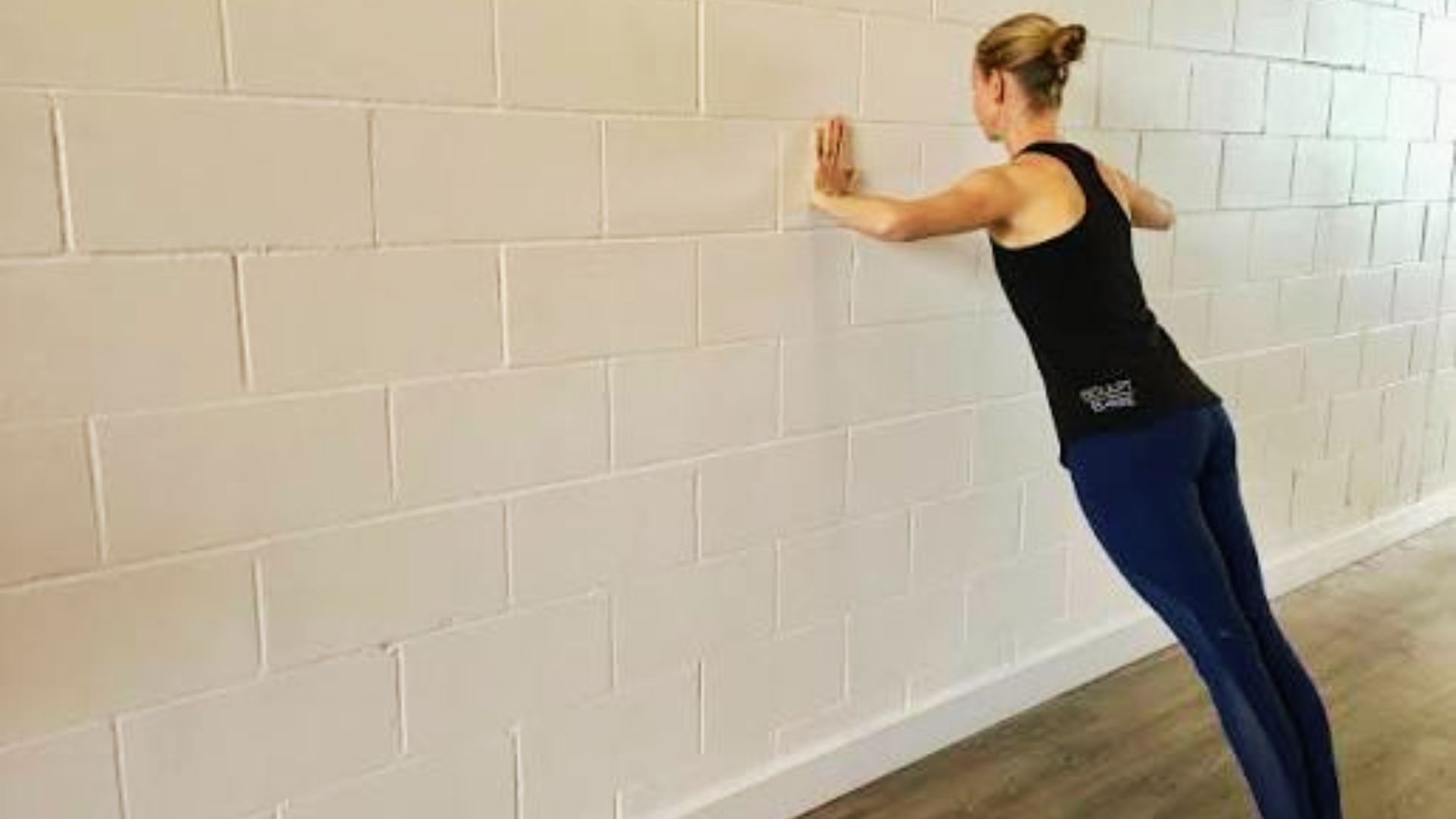
Follow these six steps closely to get the most out of every rep and protect your body.
Step 1: Stand Facing a Wall
Walk up to a clear wall and stand about arm's length away. Your feet should be hip-width apart and flat on the floor. Keep your body relaxed but upright. This starting distance matters.
Too close and the move feels too easy. Too far and it puts strain on your lower back and shoulders.
Step 2: Place Your Hands at Shoulder Height
Lift your arms and press both palms flat against the wall. Your hands should be roughly shoulder-width apart and at the same height as your shoulders.
Spread your fingers slightly for better grip and stability. Avoid placing your hands too high or too low, as this shifts tension away from the target muscles.
Step 3: Position Your Feet and Align Your Body
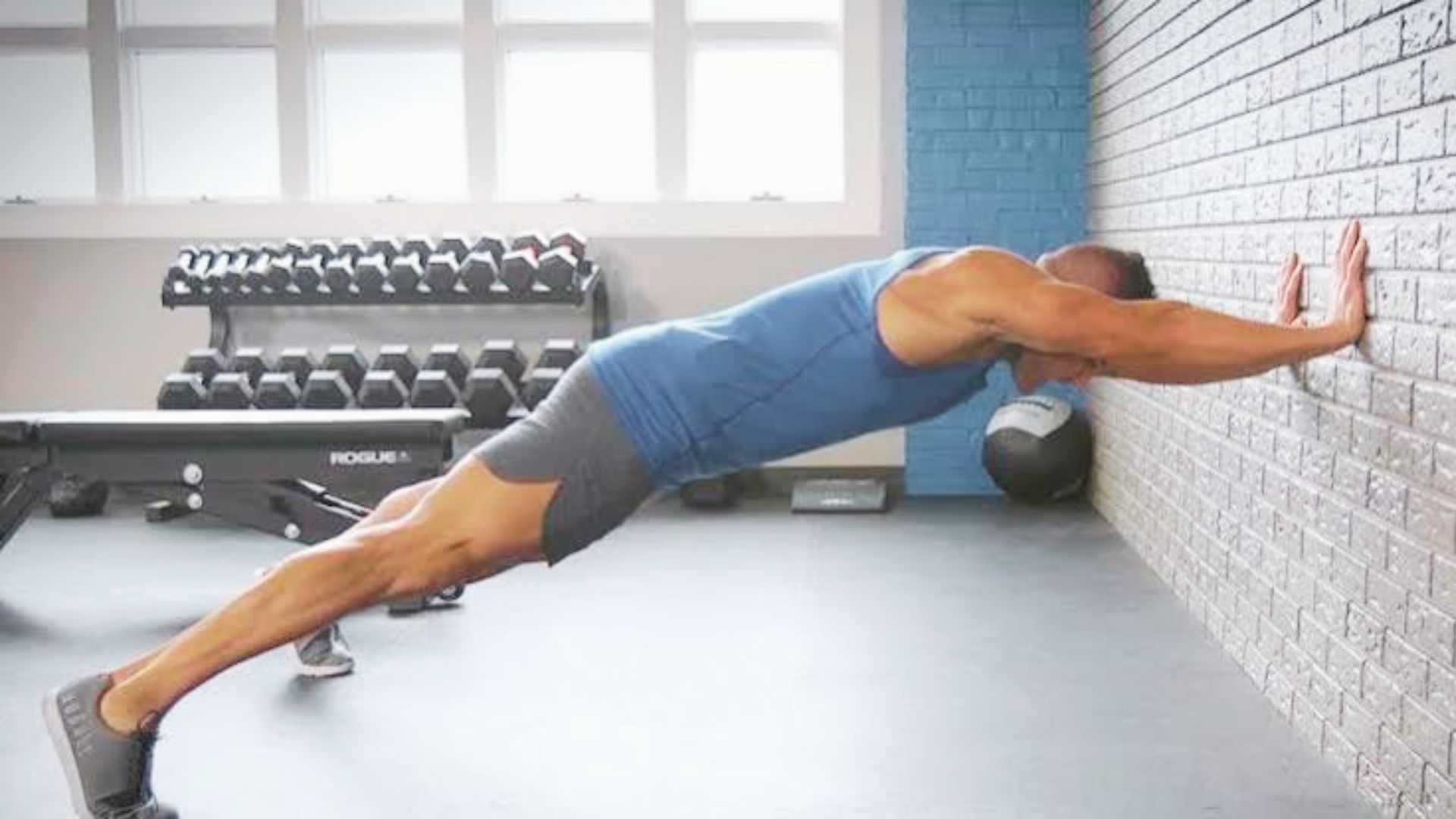
Step back slightly so your arms are almost fully extended but not locked. Your body should form a straight diagonal line from your head down to your heels.
Engage your core and squeeze your glutes lightly. Focus on keeping your shoulder blades flat and stable against your back, not winging out. Check that your hips aren't sticking out or sagging. Alignment here is everything.
Step 4: Lower Your Chest Toward the Wall
Bend your elbows slowly and lower your chest toward the wall in a controlled movement. Keep your elbows at about a 45-degree angle from your body, not flaring straight out to the sides.
Breathe in as you lower. Stop when your nose or chin is a few inches from the wall. Don't rush this part.
Step 5: Push Back to the Starting Position
Press your palms firmly into the wall and straighten your arms to return to the start. Exhale as you push. Move with control.
Don't snap your elbows or let your body rock forward. The push phase is where your chest and triceps do most of their work, so make it count.
Step 6: Repeat With Controlled Movements
Complete your reps at a steady, controlled pace. Avoid rushing between reps. Each rep should feel deliberate from start to finish.
If your form starts to break down, stop, reset, and continue. Quality always beats quantity here. Consistency with good form over time will give you results that actually last.
Who Should Do Wall Push-Ups?
Wall push-ups work for almost anyone. Here's who benefits most from adding them to a routine.
- Beginners who are just starting out and need a manageable entry point into strength training
- Older adults who want to maintain upper-body strength without putting stress on their joints
- People returning after injury who need a low-impact way to rebuild muscle and mobility
- Anyone doing bodyweight training at home who wants an effective move with no equipment
How Many Wall Push-Ups Should You Do?
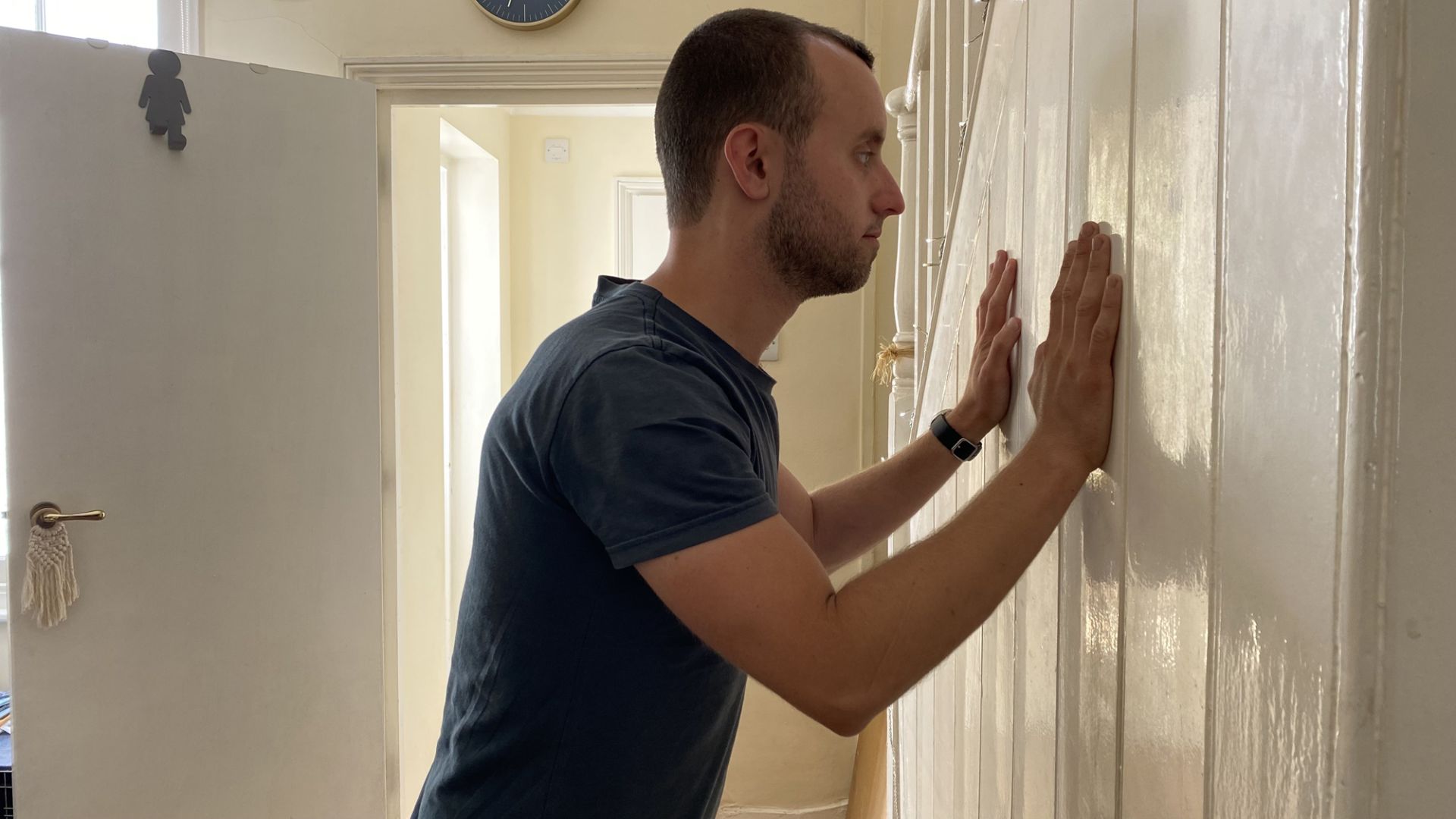
Start with 2 to 3 sets of 10 reps if you're new to this move. Rest for 30 to 60 seconds between sets. As the exercise feels easier, increase your reps gradually.
Aim for 15 to 20 per set before moving on to a harder variation like countertop push-ups or chair push-ups.
If you're doing wall push-ups for rehabilitation, follow your therapist's guidance on rep count.
For general fitness, doing them 3 to 4 times a week gives your muscles enough time to recover and grow stronger between sessions.
Conclusion
I started with wall push-ups when I thought I wasn't strong enough for anything harder. And honestly? They worked.
My arms got stronger, my posture improved, and I felt more confident moving into other exercises.
If you're just getting started or coming back after a break, wall push-ups are the right place to begin. Don't underestimate them.
Try 10 reps today and see how it feels. Then drop a comment below and tell me how it went. I'd love to hear from you!
Frequently Asked Questions
Are wall push-ups good for weight loss?
They burn calories and build muscle, which boosts your metabolism over time. But pair them with a balanced diet for real results.
Can I do wall push-ups every day?
Yes. Because they're low impact, daily reps are fine for most people. Just listen to your body and rest if you feel sore.
Do wall push-ups build muscle or just tone?
They build real muscle, especially in beginners. The chest, triceps, and shoulders all grow stronger with consistent reps over time.
Do wall push-ups help with posture?
Yes. They strengthen the chest, shoulders, and upper back, which are the exact muscles that keep you standing tall and upright.