

Have you ever stood in the gym, staring at a machine, wondering how many reps you should do? Or maybe you've asked a friend how many sets are enough to build muscle.
You are not alone. Sets and reps are two of the most confusing terms for anyone starting a fitness routine.
The good news is, once you understand them, everything gets easier. You will know exactly how to train for strength, muscle growth, or endurance. You will also learn how long to rest, how to check if you are pushing hard enough, and how to build a plan that fits your goals.
This guide answers all your questions in one place. By the end, you will feel confident every time you step into the gym.
What Are Sets and Reps?
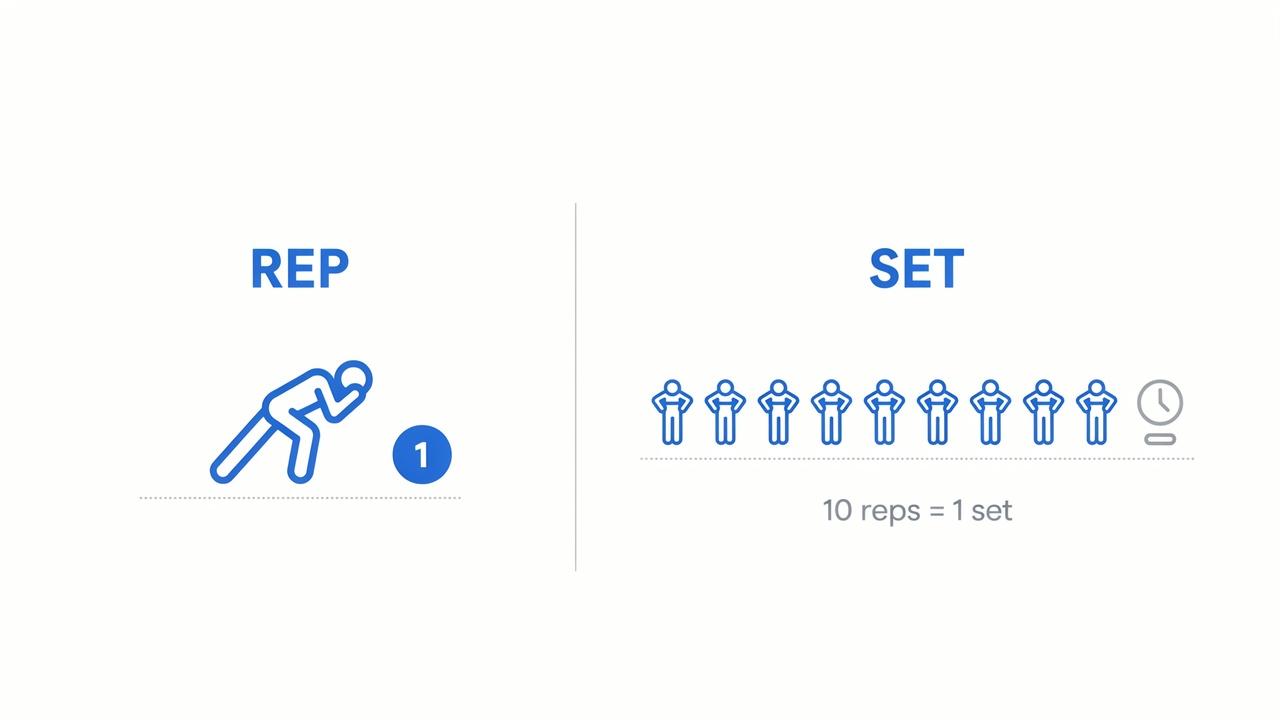
A rep, short for repetition, is one full move of an exercise. One push-up is one rep. One squat is one rep too.
A set is a group of reps done back to back before you rest. If you do 10 push-ups, rest, then do 10 more, that's two sets of 10 reps.
Sets and reps are the building blocks of every workout. They help you plan your training and track progress week after week. The right mix depends on your goal. Strength, muscle size, and daily fitness each need a different balance of sets and reps.
Groups like the American College of Sports Medicine (ACSM) study this closely. Their guidelines shape how most trainers coach their clients today.
Why Sets and Reps Matter More Than You Think?
| Category | Sets | Reps |
| Definition | Groups of repeated movements performed in one go | The number of times you complete a movement within one set |
| Purpose | Controls total training volume and workload per session | Determines the intensity and muscle stimulus per set |
| Ideal Range | 3 to 5 sets work well for strength and muscle building | 6 to 12 reps target muscle growth; 1 to 5 build raw strength |
| Recovery Role | Rest between sets allows muscles to recover before the next round | Higher reps with less rest increase muscular endurance over time |
| Progression | Increasing the number of sets over time adds progressive overload | Adding more reps before increasing weight is a smart way to progress |
Walk into any gym and you'll hear people talk about sets and reps. Most treat them like small details. In truth, they control almost everything about your results.
Sets and reps shape whether you build strength, add muscle, or boost stamina. The right combination, paired with steady rest and smart effort, turns hard work into real progress. The wrong combination can leave you training for months with little to show for it.
Small numbers carry big weight in the gym. Getting them right is often the difference between a workout that builds results and one that just burns time.
The Three Stages of Every Rep
Every rep has more going on than it seems. Each one moves through three clear stages. Knowing these stages helps you lift with better form and get more from every set.
Concentric Phase
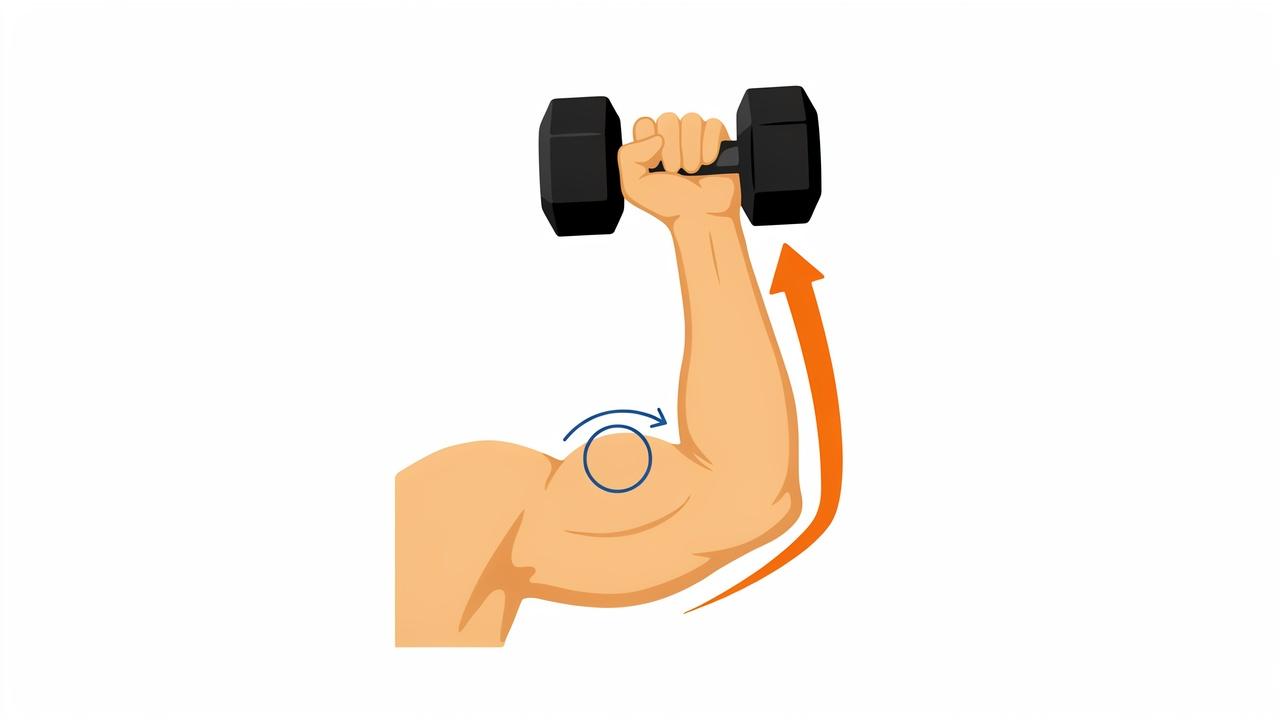
This is the lifting part of the rep. Your muscle shortens as you push or pull the weight. Think of the upward push in a squat or the curl up in a bicep curl.
Most lifters focus here, but it is only one piece of the puzzle.
Isometric Phase

This is a brief hold at the top of the movement. Your muscle stays tight but does not change length.
This short pause can help you build more control and strength in the exercise.
Eccentric Phase
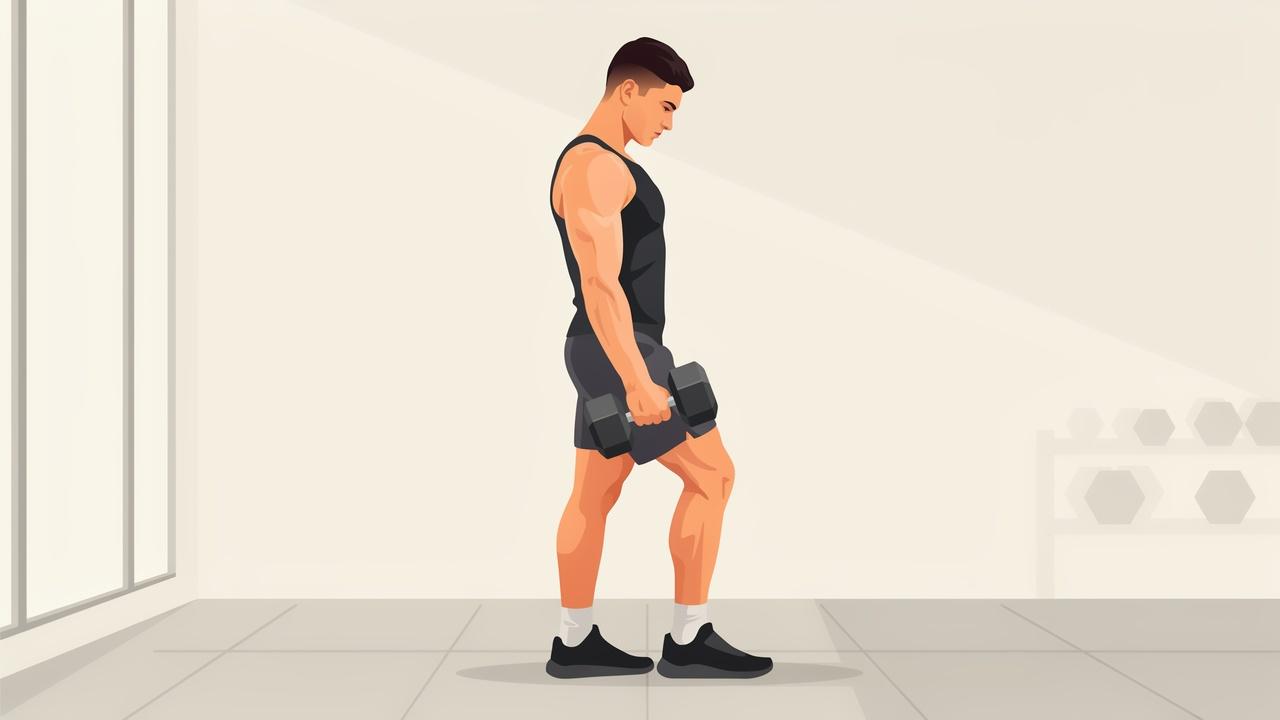
This is the lowering part of the rep. Your muscle lengthens as you control the weight back down.
Slowing this phase down can boost muscle growth and strength. Many people rush this part, which means they miss out on real gains.
How Many Reps and Sets Should You Do for Your Goal?
The right rep and set range changes based on what you want. Strength, muscle growth, and endurance each need a different plan. Picking the wrong range can slow your progress, even if you train hard.
Sets and Reps for Strength
For strength, lift heavy and keep reps low. Aim for 1 to 5 reps per set, done for 3 to 5 sets. Use a weight close to your one-rep max (1RM).
This trains your body to handle bigger loads over time.
Sets and Reps for Muscle Growth
Muscle growth, or hypertrophy, works best with a middle range. Aim for 6 to 12 reps per set, done for 3 to 5 sets. Choose a weight that feels hard by the last few reps.
This range builds size and adds strength too.
Sets and Reps for Endurance
For endurance, go light and go long. Aim for 15 or more reps per set, done with lighter weights.
This trains your muscles to keep working without tiring fast. Runners and swimmers often train this way.
How Rest Time Between Sets Affects Your Results?

Rest time is not just a break. It gives your muscles time to recover using stored energy and oxygen. Rest too little, and your next set suffers. Rest too long, and your muscles start to cool down.
- Strength training needs longer rest, often 2 to 5 minutes.
- Muscle growth works well with 1 to 2 minutes of rest.
- Endurance training needs less rest, often just 30 to 60 seconds.
Match your rest time to your goal for the best results.
How to Know You Are Doing Enough?
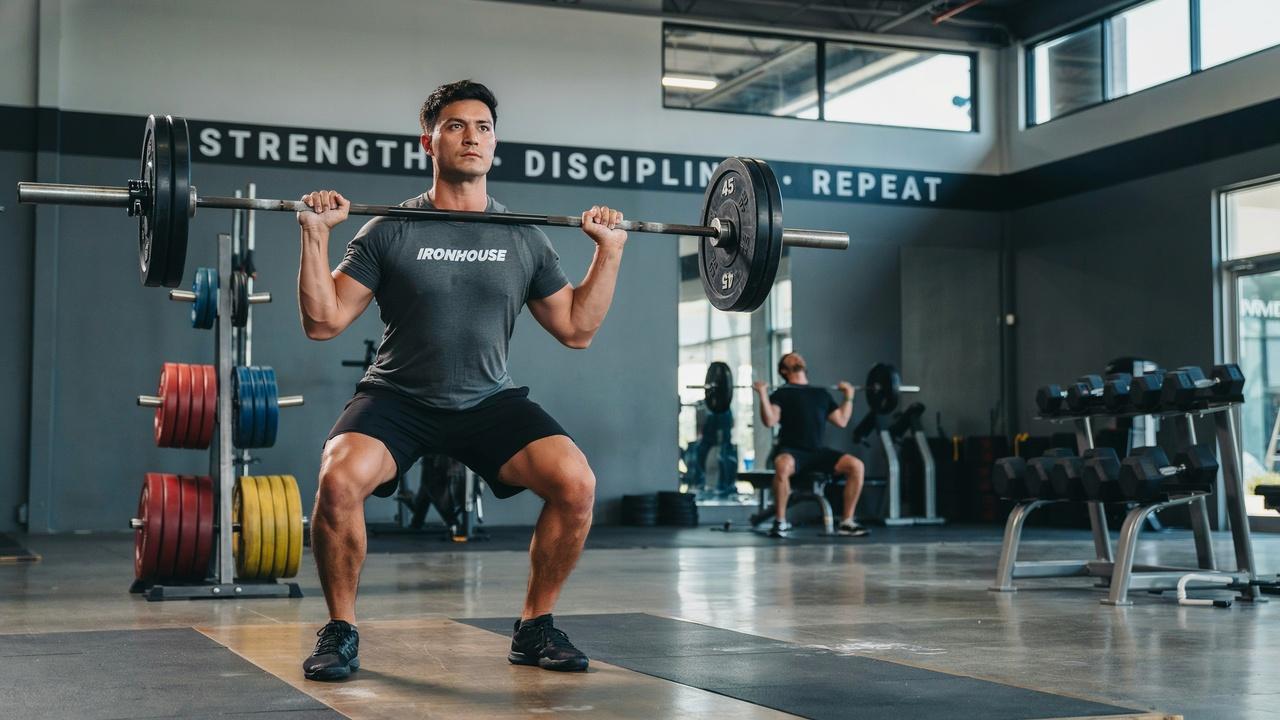
Picking a rep range is only half the job. You also need to know if you're pushing hard enough during each set. Two simple tools can help you check this.
Training to Failure
Training to failure means doing reps until you truly cannot do one more with good form. This is often needed to build real muscle growth. If you finish easily, the weight is too light for your goal.
Reps in Reserve
Reps in reserve (RIR) is a simple check. Ask yourself how many more reps you could have done after finishing your set.
If the answer is more than one or two, add weight. This keeps your training on track for real progress.
Simple Tips to Get Your Sets and Reps Right
Getting sets and reps right takes some trial and error.
- Start with a weight you can control for your target rep range.
- Use progressive overload by adding small amounts of weight or reps each week.
- Watch for DOMS, or sore muscles, after new workouts, since this is normal and fades over time.
- Take a deload week every few weeks with lighter loads to help your body recover fully.
- Stick with your plan and track your numbers so small, steady changes can lead to lasting results.
Conclusion
Sets and reps are not just numbers. They are the plan behind every result you want, whether that's strength, muscle, or stamina.
Pick the right range, rest well, and stay consistent. That is the one thing to remember.
If this guide helped you understand your workouts better, share it with a friend. Drop a comment below and let us know your goals.
Frequently Asked Questions
Should I do more reps or add more weight?
If you finish a set easily, add weight instead of just doing more reps. This helps you keep progressing toward your goal.
How many exercises should I do in one workout?
Most workouts work well with 5 to 8 exercises. This covers different muscle groups without over training your body.
Should I keep the same sets and reps every week?
No, changing your rep and set scheme every few weeks helps avoid a training plateau. It also keeps your muscles adapting and growing.
How many total reps should I do per muscle group each week?
Aim for 25 to 45 reps per muscle group per week for good results. Spread this across 2 to 3 sessions for the best recovery.
Is it safe to lift heavy weights alone?
Heavy lifts are safer with a spotter nearby to help if you get stuck. If you train alone, stay within a weight you can control fully.