Strong legs do more than help you walk or run. They keep you balanced, protect your joints, and make everyday movement easier.
This article covers single leg exercises that build strength, fix muscle imbalances, and improve balance, along with workout routines for every level and tips to get better results.
If you have ever felt one leg is weaker than the other, you are not alone. I have trained clients with the same issue, and single leg work fixed it every time.
By the end of this guide, you will know exactly which moves to add to your leg day, how to do them right, and why they matter long term.
What Are Single Leg Exercises?
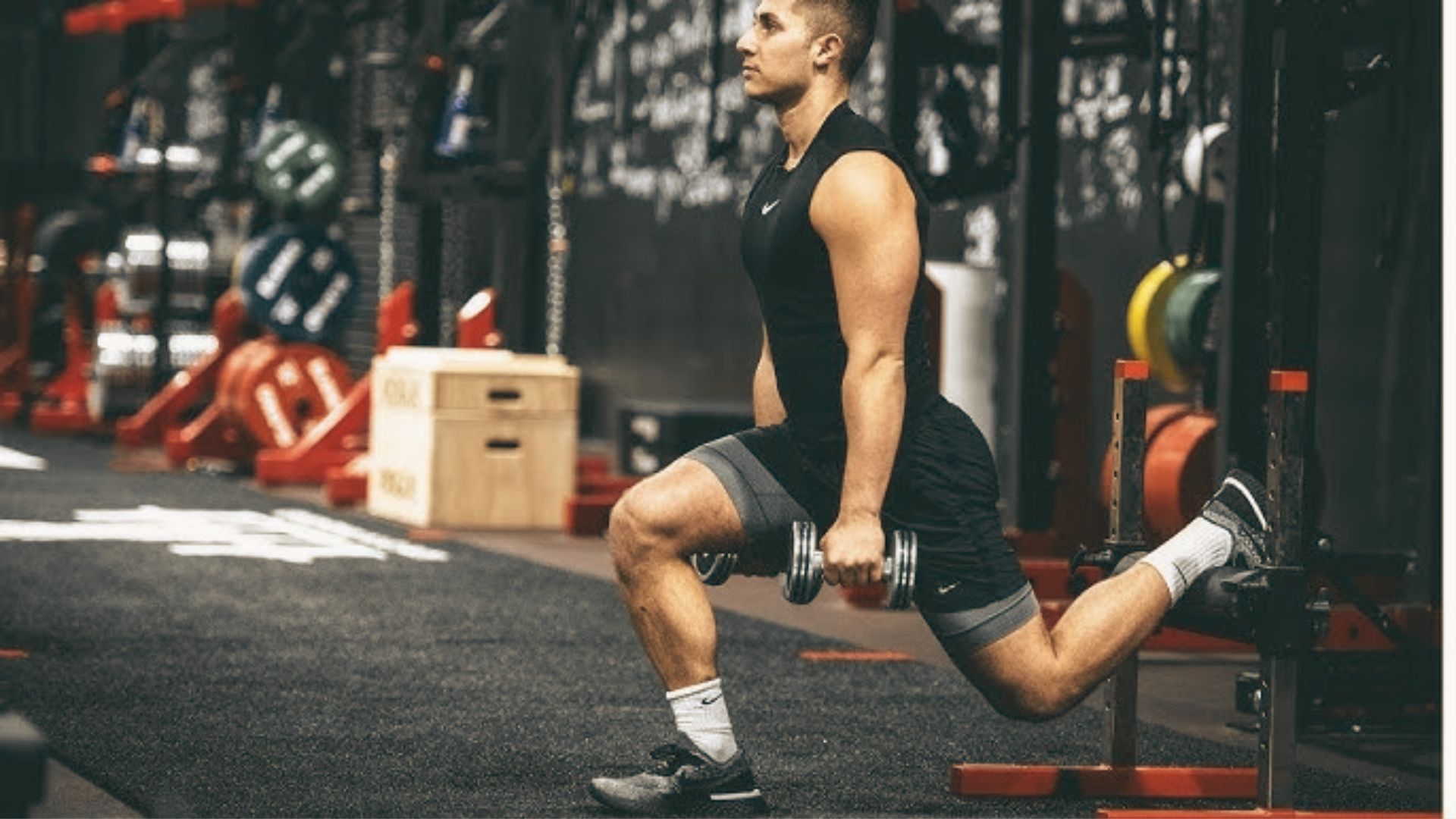
Single leg exercises are movements that use one leg to support or move your body weight while the other leg stays off the ground or lightly assists.
Common examples include lunges, step-ups, and single-leg squats. These exercises force each leg to work on its own, instead of letting your stronger leg take over, which builds true strength and balance on both sides of your body.
Unlike two-leg exercises like the back squat or leg press, single leg moves challenge your core and stabilizer muscles more, and they match how we move in daily life since most actions happen one leg at a time.
9 Best Single Leg Exercises for Strength, Balance, and Stability
Here are nine moves that target strength, balance, and control.
1. Bulgarian Split Squat
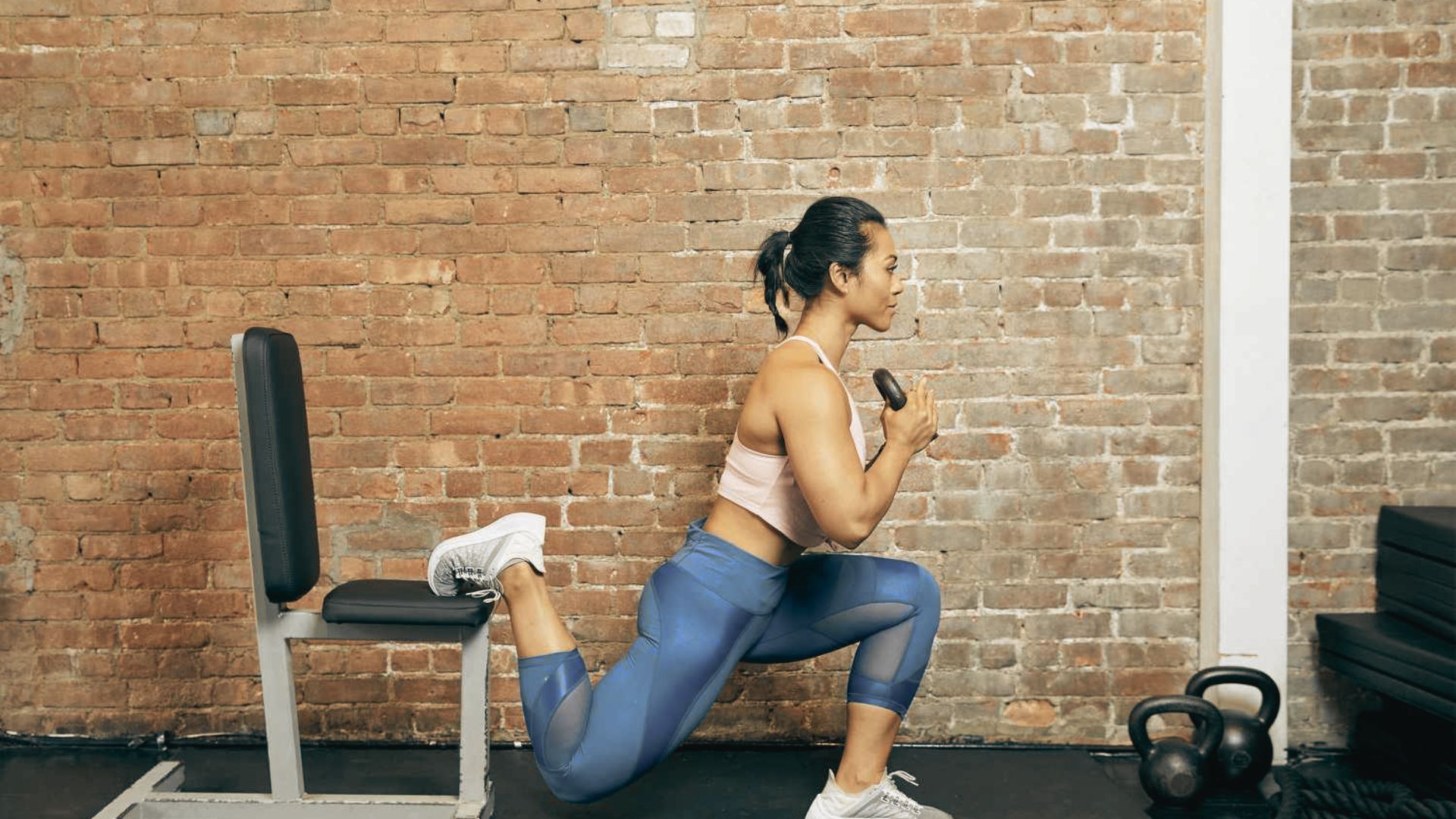
Rest your back foot on a bench and lower your front leg until your thigh is close to parallel. This builds leg strength while testing balance and hip control.
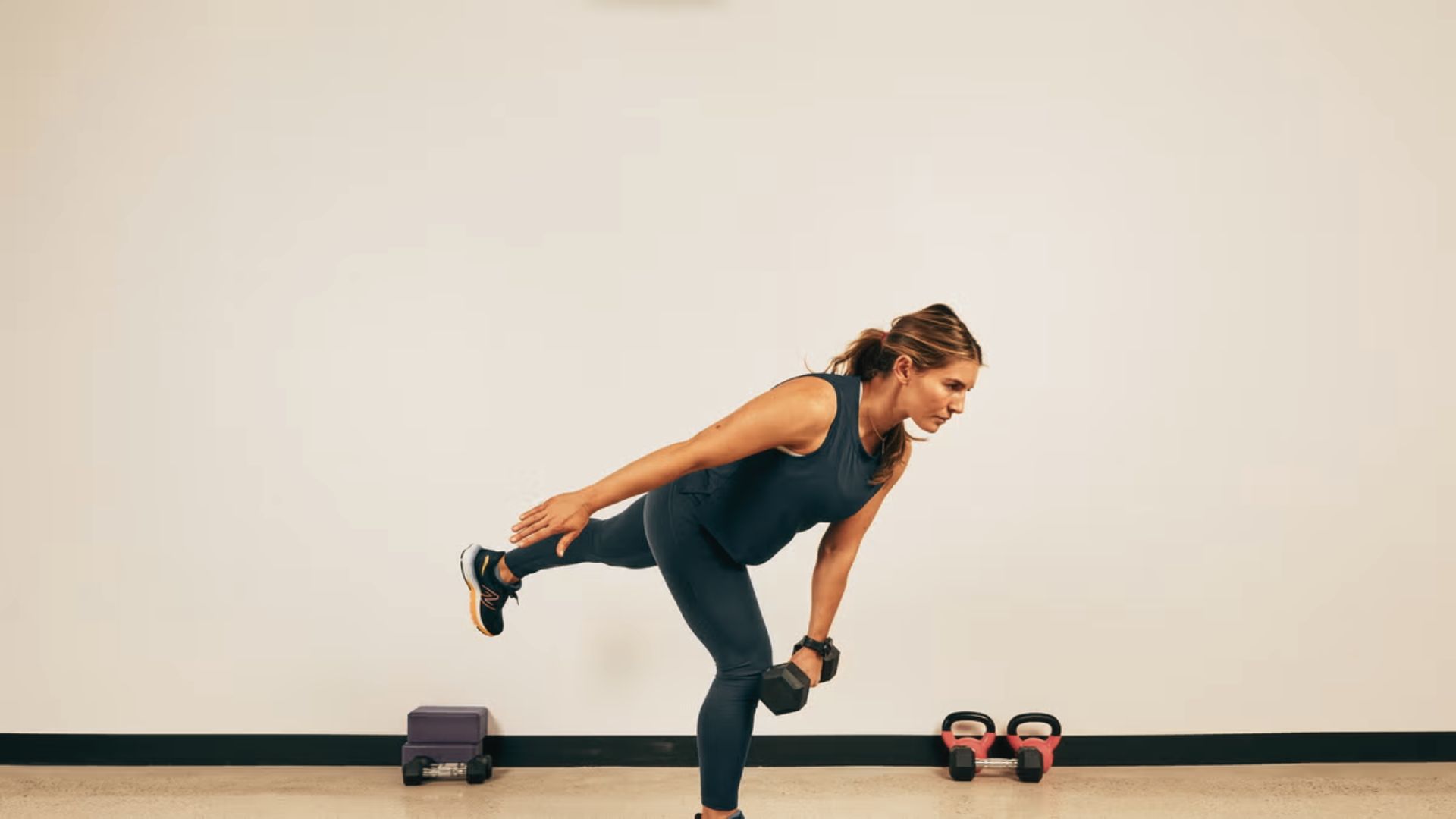
2. Single-Leg Romanian Deadlift
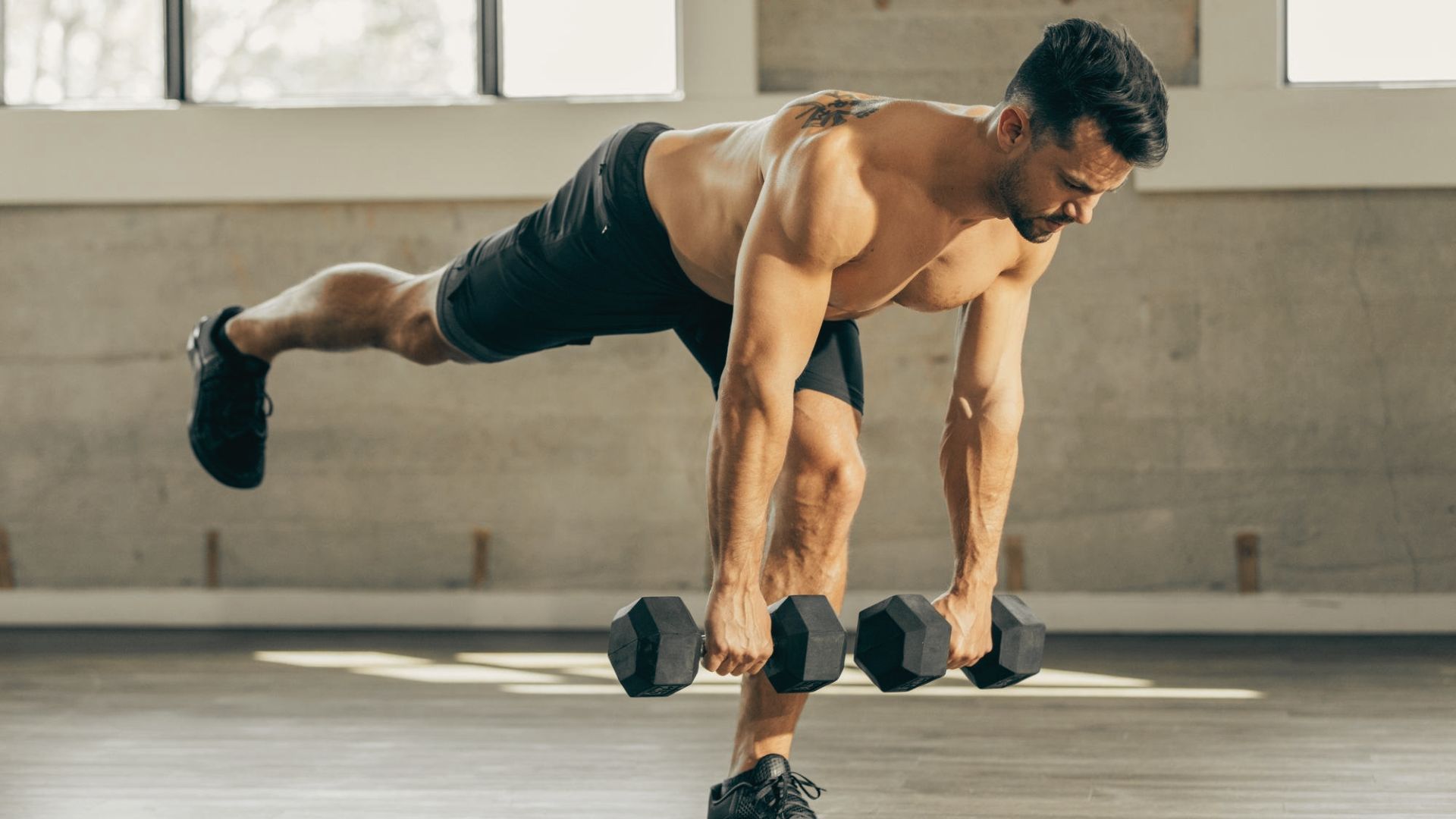
Stand on one leg, hinge at your hips, and lower a weight as your other leg extends behind you. This strengthens your hamstrings and glutes while sharpening balance.
3. Step-Up
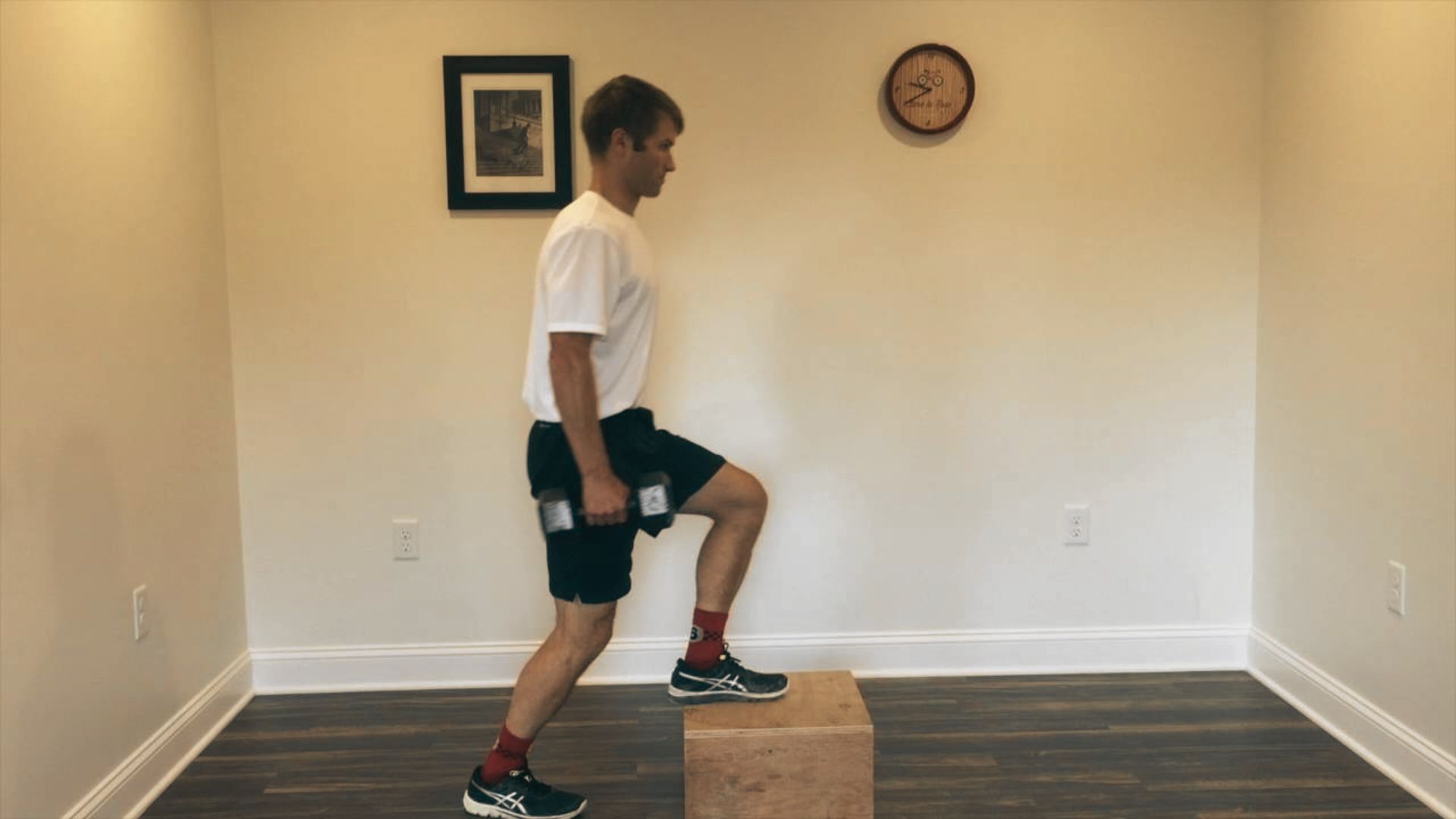
Place one foot on a bench and press through your heel to lift your body up. This builds leg strength and carries over to stairs and daily movement.
4. Single-Leg Glute Bridge
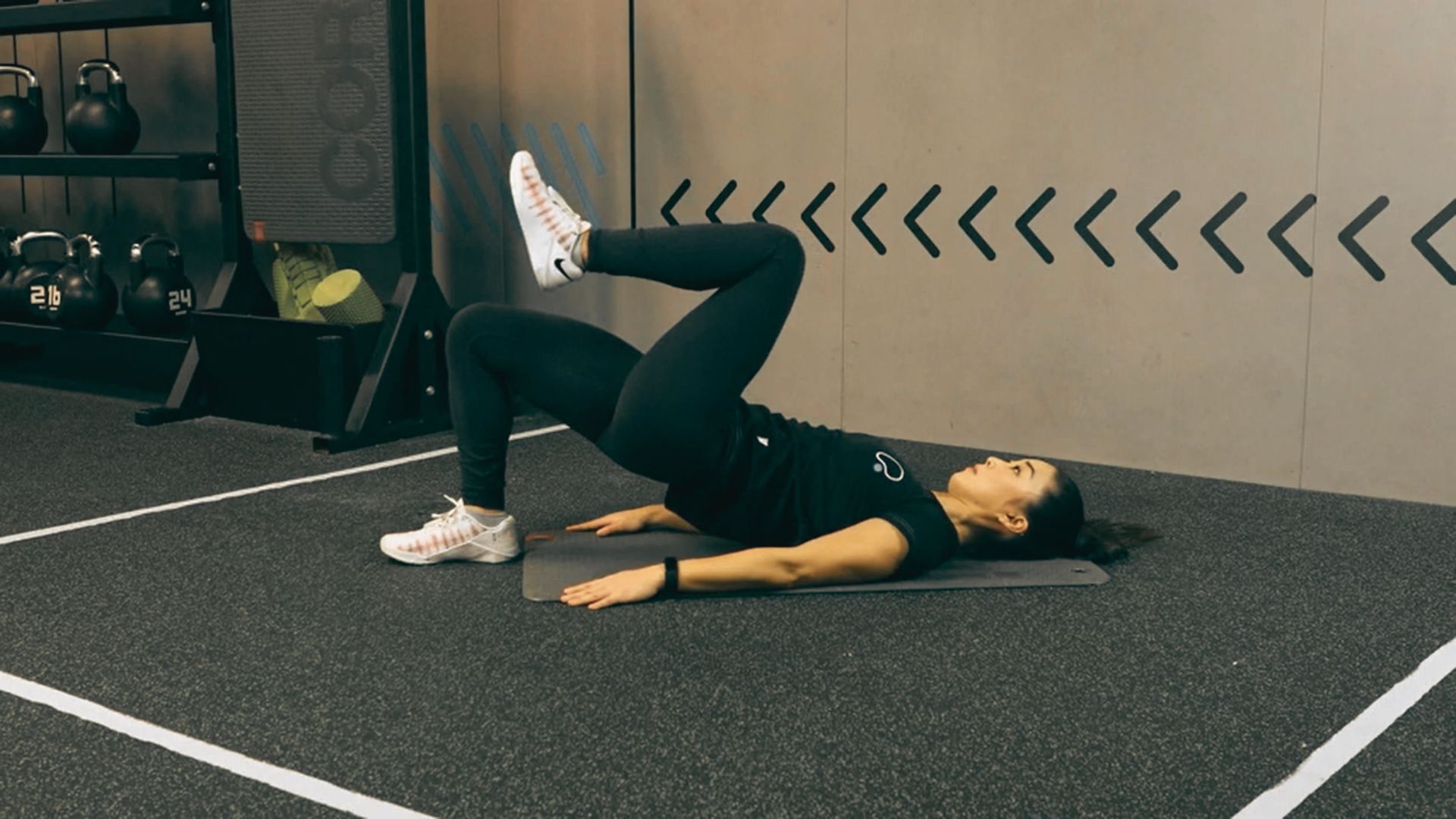
Lie on your back, keep one leg straight, and lift your hips using the other heel. This isolates one glute at a time and improves hip stability.
5. Single-Leg Box Squat
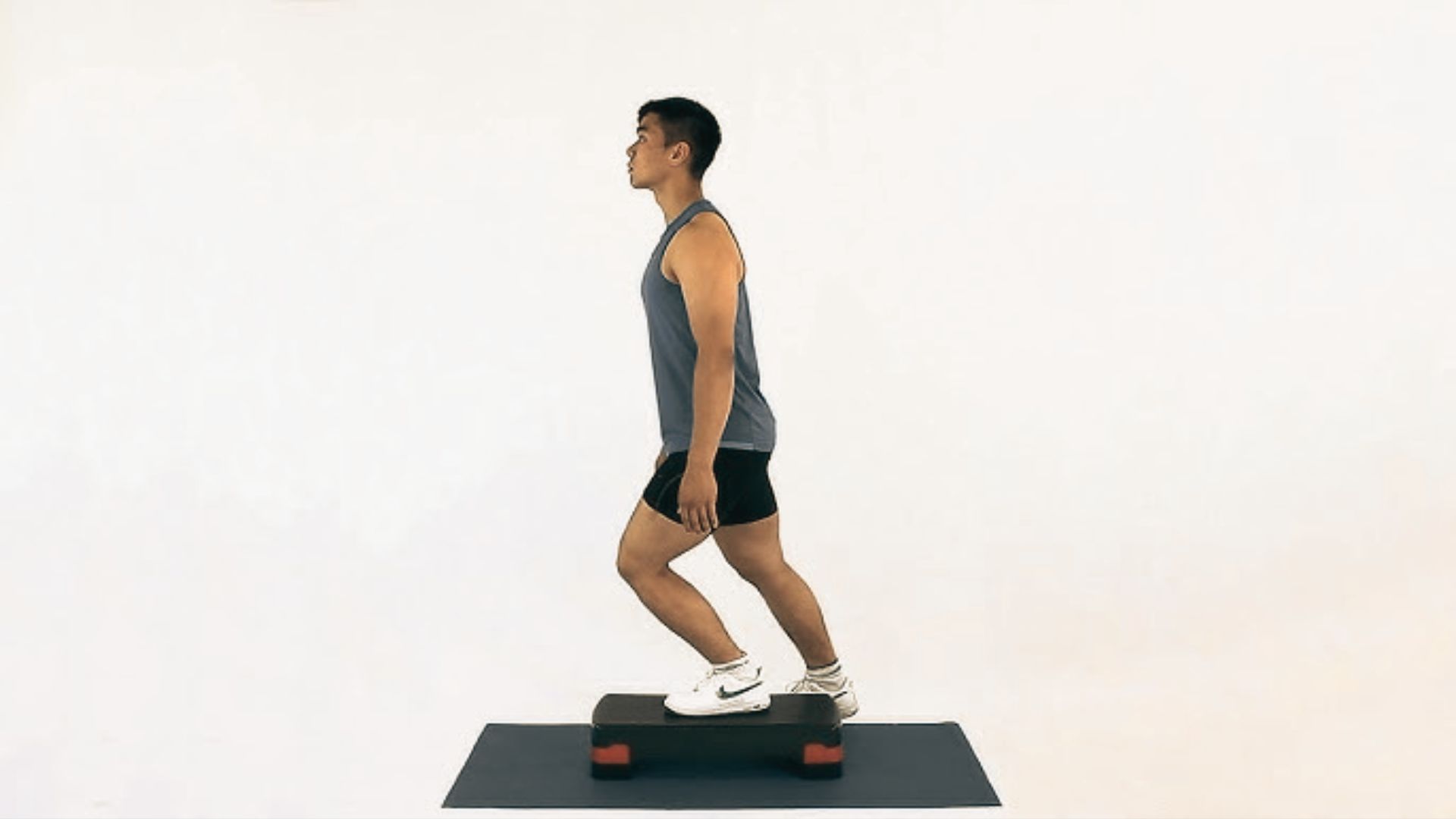
Stand on one leg and lower your hips until you lightly touch a box behind you. This builds depth awareness and confidence before harder single leg moves.
6. Lateral Lunge
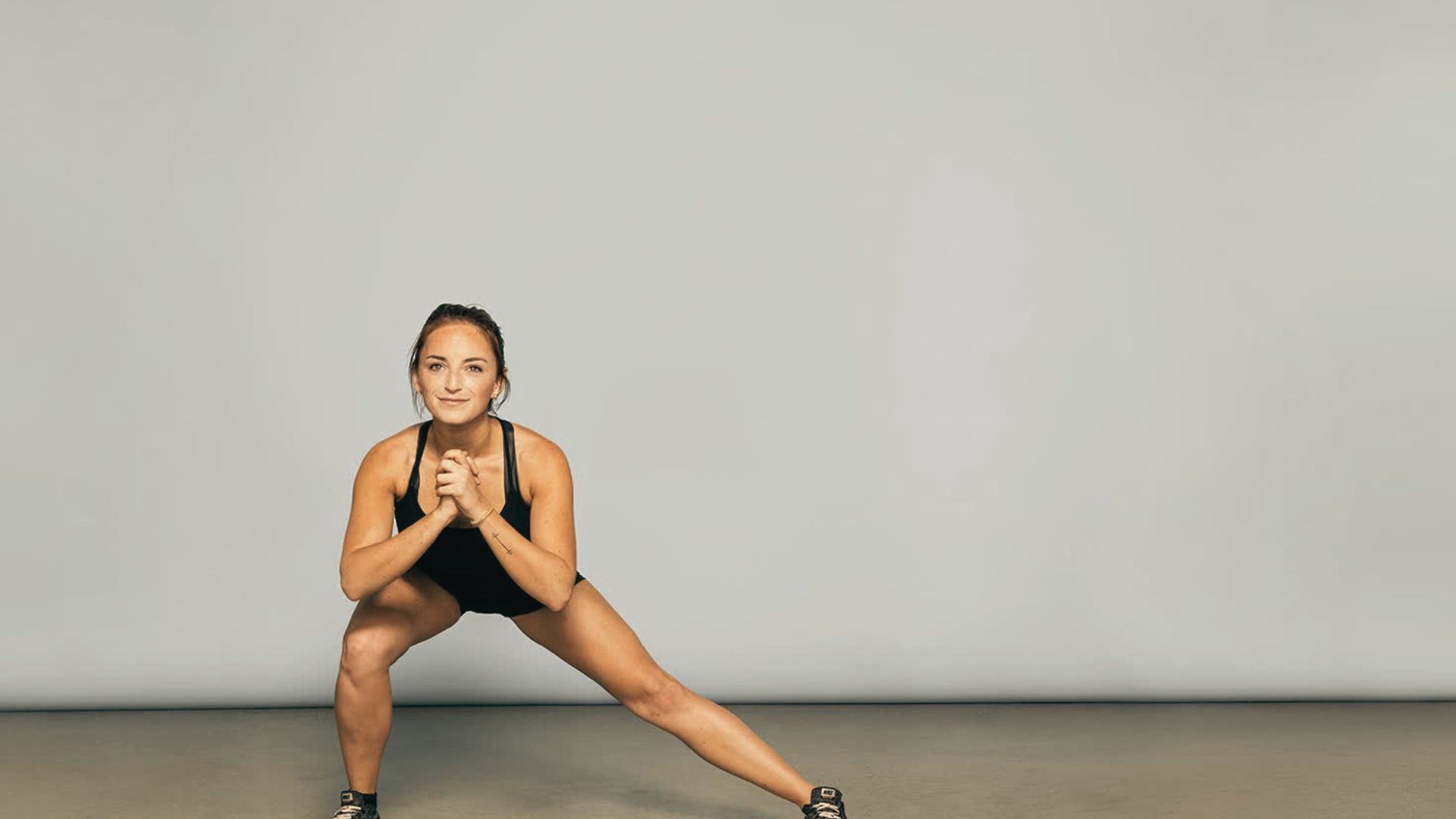
Step out to one side, bend that knee, and push back to start. This trains side-to-side strength and improves hip mobility and balance.
7. Pistol Squat
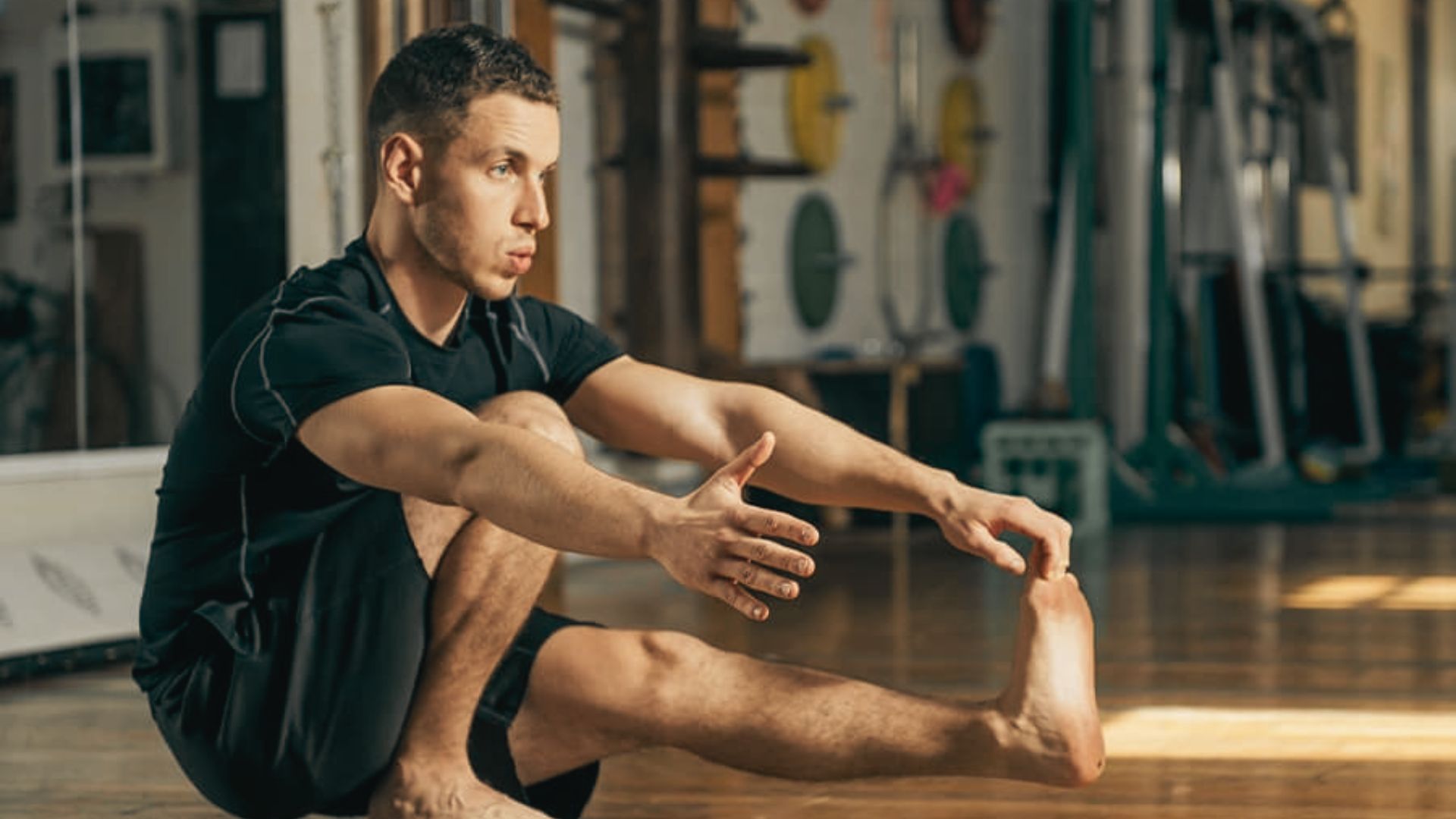
Stand on one leg and lower your body while keeping the other leg extended in front. This builds advanced strength, control, and single leg mobility.
8. Single-Leg Press
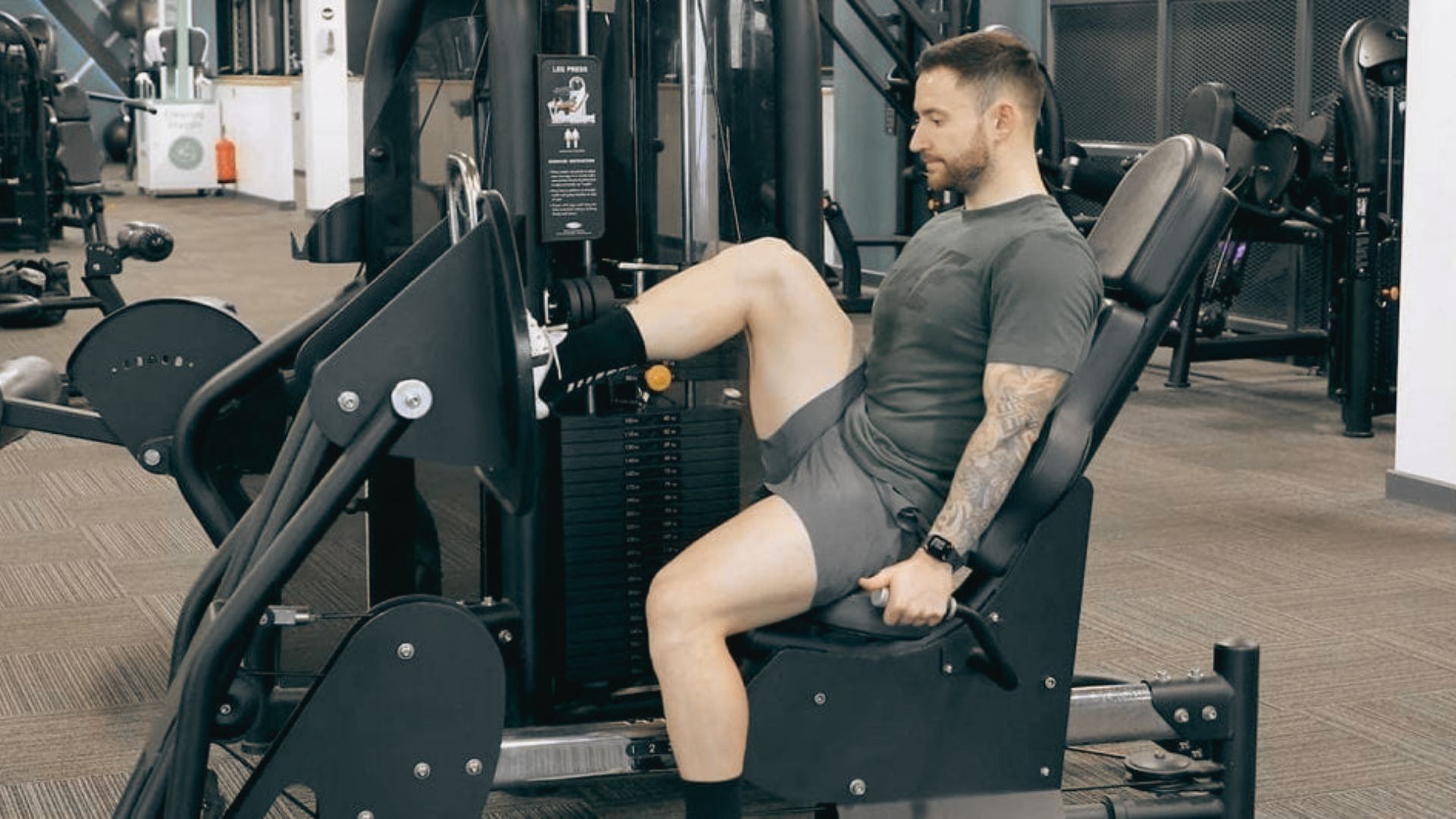
Place one foot on the leg press platform and push the weight away slowly. This machine-based move isolates one leg safely with added resistance.
9. Running Man
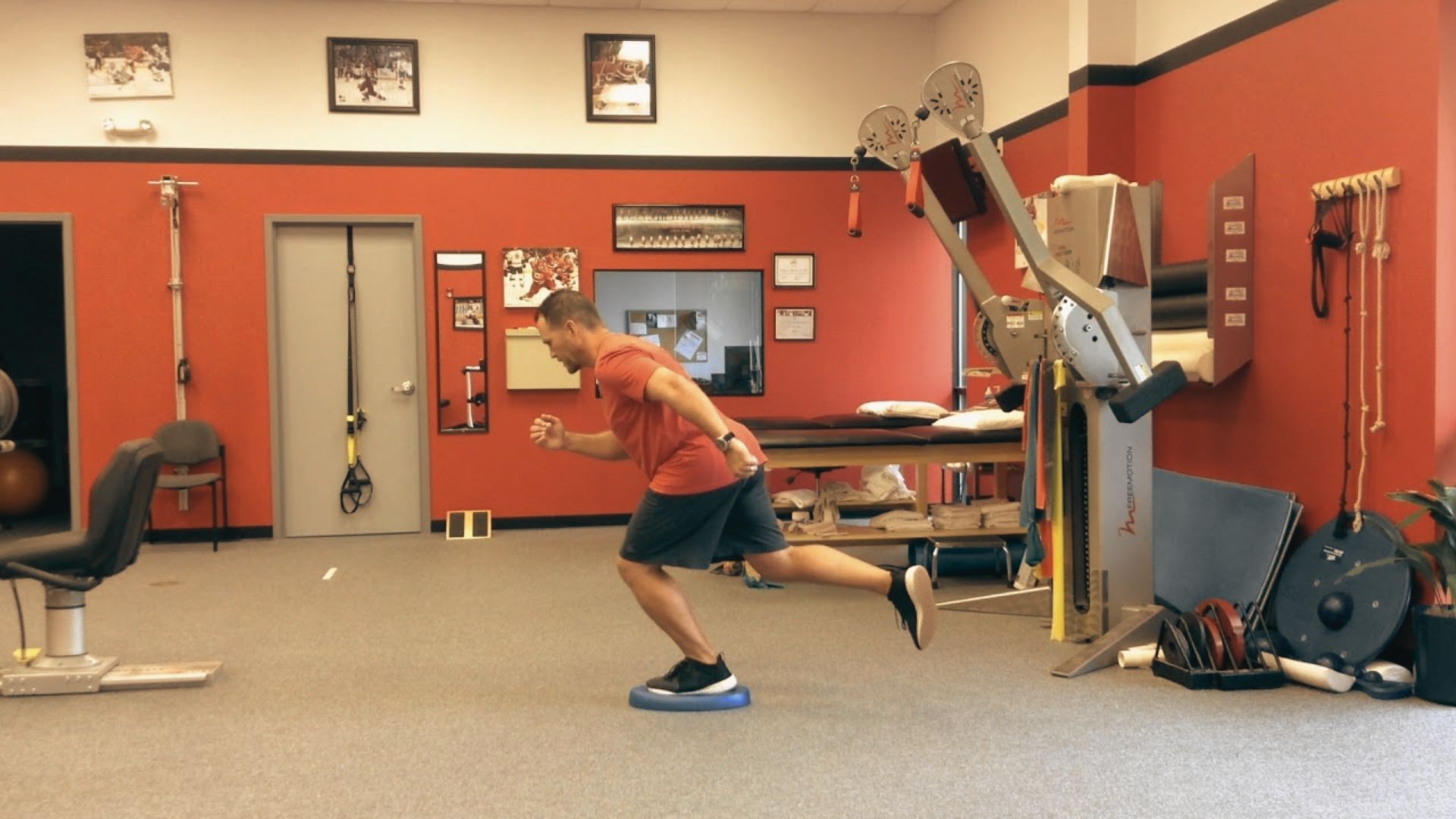
Stand on one leg and drive your opposite knee up while swinging your arms. This builds balance, coordination, and explosive power.
Benefits of Single Leg Exercises for Strength and Muscle Growth
These exercises offer more than bigger legs. Here is why they matter.
Build Lower-Body Muscle and Strength
Working one leg at a time forces your muscles to handle more load relative to your body weight. This builds muscle and strength faster in your quads, hamstrings, and glutes.
Improve Balance and Stability
Standing on one leg challenges your nervous system to stay steady. This builds better balance, which helps with sports, daily tasks, and fewer falls as you age.
Correct Muscle Imbalances and Improve Symmetry
Many people have one leg stronger than the other. Single leg exercises stop the stronger side from compensating, so both legs grow evenly.
Strengthen Core Activation and Control
Balancing on one leg forces your core to fire harder to keep you upright. This builds a stronger midsection without a single crunch.
Reduce Injury Risk and Improve Joint Stability
Single leg training strengthens the stabilizer muscles around your hips, knees, and ankles. This means better joint support and lower injury risk.
Single Leg Workout Routine for Strength and Muscle Growth
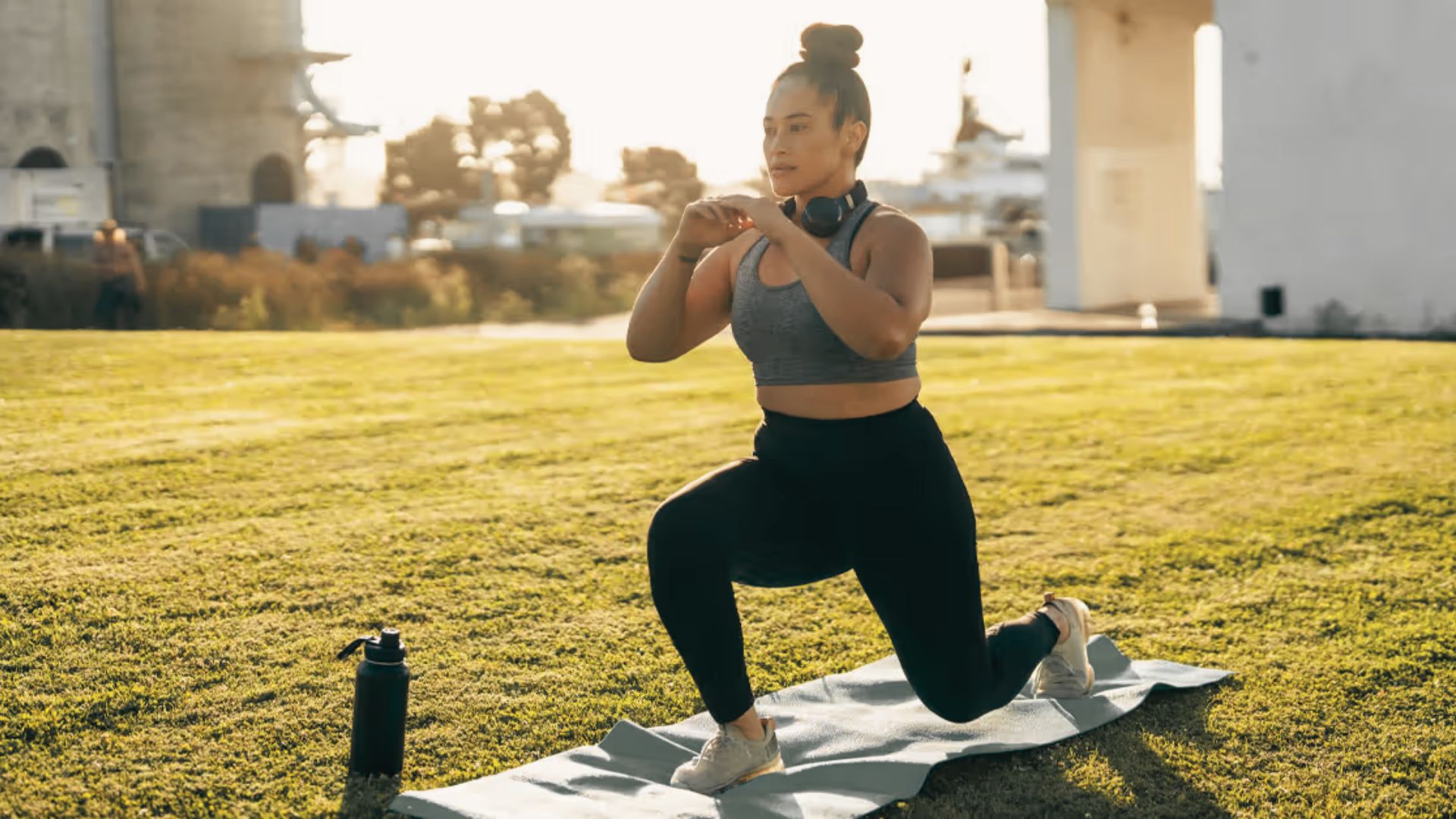
Use these routines based on your current fitness level.
Beginner Routine for Stability and Control
Do step-ups, single-leg glute bridges, and single-leg box squats for 3 sets of 8 to 12 reps per leg. Rest 60 seconds between sets and move with control.
Intermediate Routine for Strength and Hypertrophy
Combine Bulgarian split squats, single-leg Romanian deadlifts, lateral lunges, and single-leg presses for 3 to 4 sets of 10 to 12 reps per leg.
Advanced Routine for Power and Performance
Pair pistol squats and weighted Bulgarian split squats with running man and single-leg box squats for 3 to 4 sets per leg.
Tips for Better Results With Single Leg Exercises
Small changes in how you train can make a big difference.
- Keep your knee in line with your toes and lower with control, not weight
- Train both legs with equal sets and reps, starting with your weaker side
- Add at least one single leg exercise to every leg day
- Mix slow strength moves with quick, explosive ones like running man
- Progress slowly from basic moves to harder ones like the pistol squat
Conclusion
Single leg exercises changed how I train, and they can do the same for you. They build real strength, fix weak spots, and keep your balance sharp as you age.
I still remember struggling with my first pistol squat, but practice made it click. Pick two or three moves from this list and add them to your next leg day.
Try them out, and let me know in the comments which one challenged you most. If this helps, share it with a friend who needs stronger, more balanced legs.
Frequently Asked Questions
Are single leg exercises better than squats?
They are not better, just different. Single leg moves improve balance and fix imbalances, while squats build raw strength with heavier loads.
How often should I do single leg exercises?
Most people benefit from training single leg exercises two to three times a week. This gives your muscles enough time to recover between sessions.
Can single leg exercises build muscle effectively?
Yes, single leg exercises can build muscle when you progress the weight or reps over time. They also activate stabilizer muscles that two-leg moves often miss.
What are the best single leg exercises for runners?
Step-ups, single-leg Romanian deadlifts, and Bulgarian split squats work well for runners. These moves build the strength and balance needed for better running form.
Do single leg exercises improve athletic performance?
Yes, they improve balance, coordination, and power, which carry over to sports. Many athletes use single leg training to prevent injury and boost performance.