I remember my first time stepping into a hex bar. It felt awkward, but something clicked fast. If you've been looking into the hex bar squat, you're in the right place.
I've spent years in the gym testing what actually works for beginners, and this guide is built on that experience.
You'll find everything here, from setup and form to common mistakes and beginner tips. I'll also cover how it compares to a barbell squat, the real benefits, and honest limitations.
No fluff, no confusing jargon. Just clear, practical information that helps you train smarter from day one. Let's get into it.
Understanding the Hex Bar (Trap Bar)

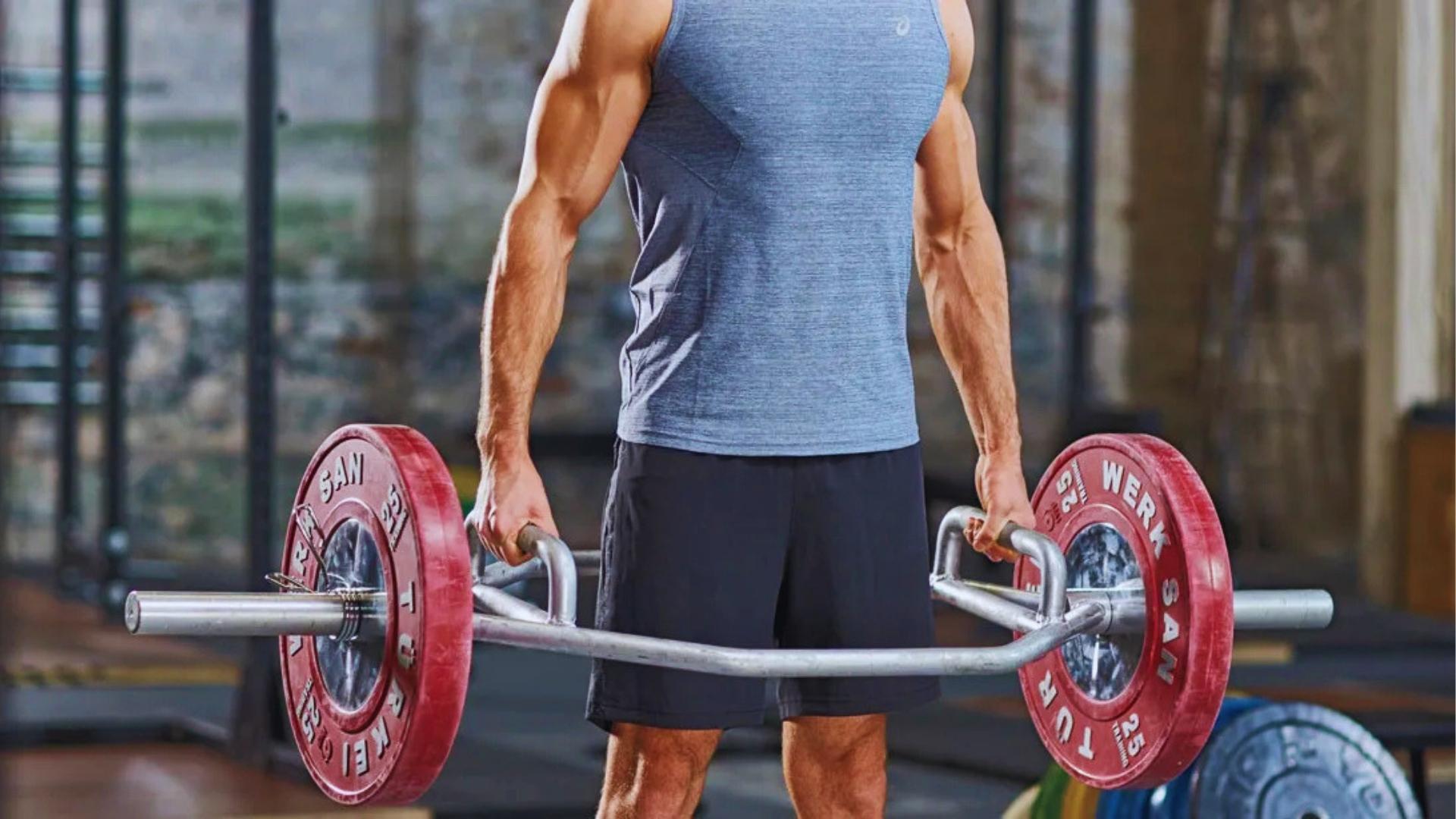
The hex bar, also called a trap bar, has a hexagonal shape that lets you stand inside it rather than behind it.
This centers the load around your body instead of in front of it, which changes how your muscles and joints handle the weight.
Your palms face each other in a neutral grip, keeping your shoulders comfortable and your wrists relaxed. Your torso stays more upright too, which reduces stress on your lower back.
New lifters often struggle with barbell positioning, but the hex bar skips that problem entirely. You step in, grab the handles, and focus on squatting.
Hex Bar Squat vs Traditional Barbell Squat

Both movements build strength, but they feel and work differently in ways beginners should understand.
| Aspect | Hex Bar Squat | Traditional Barbell Squat |
| Overview | Easier to control, more upright movement pattern | More technical, requires balance and coordination |
| Movement Pattern Differences | Weight at sides: more vertical torso, feels natural like sitting down | Weight on back/front: requires forward lean to stay balanced |
| Muscle Activation Comparison | Slightly more quad-focused | More emphasis on posterior chain (glutes, hamstrings, lower back) |
| Spine and Joint Stress | Less stress on lower back:more natural knee tracking | Higher spinal load:more stress on hips and lower back |
| Beginner Friendliness | Easier to learn:safer under load | Requires more technique and mobility |
| Overall Effectiveness | Great for strength and safe progression | Important for advanced strength and full-body development |
How to Perform a Hex Bar Squat Correctly

Good form from the start saves you from bad habits and keeps your training safe and effective.
Proper Foot Placement and Setup
Stand inside the hex bar with your feet shoulder-width apart and toes pointing slightly outward, around 10 to 15 degrees.
Center the bar around you before grabbing the handles. Look straight ahead or slightly up throughout the movement.
Core Bracing and Breathing Technique
Before you lift, take a deep breath into your belly and brace your core like you're about to take a punch. This protects your spine and keeps you stable.
Breathe in at the top before descending, hold through the hardest part, and exhale as you pass the sticking point on the way up.
Lowering Phase and Bottom Position
Push your hips back slightly and bend your knees at the same time. Lower yourself over 2 to 3 seconds, keeping your chest up and weight spread across your whole foot.
Aim for thighs parallel to the floor or slightly below. If your lower back rounds before you get there, stop at the depth you can hold with clean form.
Driving Up and Completing the Rep
Push the floor away from you and drive through your heels and mid-foot equally. Your hips and shoulders should rise at the same rate.
At the top, squeeze your glutes and stand tall to finish the rep with full control.
Benefits of the Hex Bar Squat

This movement offers real advantages, especially for people just starting out with strength training.
Reduced Lower Back Stress
The upright torso position takes pressure off your lumbar spine. This makes it a solid option for beginners who haven't built spinal erector strength yet.
Improved Balance and Stability
Because the weight sits around your center of gravity, it's easier to stay balanced. You're less likely to tip forward or lose control of the bar.
Better Quad Engagement
The hex bar squat tends to activate the quads more than a standard deadlift and comparably to a barbell squat. If quad strength is a goal, this movement delivers.
Easier Learning Curve for New Lifters
There's no complicated bar path to learn. You step in, set up, and squat. Most people can learn a safe, solid hex bar squat in one session.
Disadvantages and Limitations of Hex Bar Squats
Like any exercise, the hex bar squat has some real limitations worth knowing before you commit to it.
Limited Squat Specificity Compared to Barbell Squats
If your goal is to compete in powerlifting or get strong at back squats specifically, the hex bar won't fully transfer. It trains a similar pattern but not the exact same one.
Equipment Availability
Not every gym has a hex bar. If yours doesn't, this movement isn't accessible to you without finding a new facility or buying one.
Less Core Stabilization Demand
Because the load is more centered and balanced, your core doesn't have to work as hard to stabilize. This can be a downside if core strength is a priority.
Common Mistakes to Avoid
Small form errors early on can slow your progress and lead to injury over time.
Stop Turning It Into a Deadlift
Hinging too much at the hips kills the squat pattern. Keep your shins forward and chest up. That's the difference between a squat and a deadlift.
Fix Your Knees and Lower Back
Knees caving inward means the weight is too heavy. Push your knees out and drop the load. If your lower back rounds at the bottom, reduce your depth until mobility improves.
Keep Your Heels on the Floor
Heels rising means tight ankles or weight shifting forward. Slow your descent down and add ankle mobility work to your warm-up.
Don't Add Weight Too Soon
Bad form with heavy weight leads to injury. Start light, learn the pattern properly, then add load slowly. No shortcuts here.
Beginner Training Tips for Better Results
A few smart habits early on will make your training more effective and keep you consistent long term.
- Start with 3 sets of 8 to 10 reps, two times per week. This gives your body enough time to adapt without burning out.
- Pick a weight where you finish every rep with clean form and still feel like you have 2 to 3 reps left. That's your working weight.
- Lower yourself over 3 seconds on every rep. Control on the way down builds more strength than rushing through the movement.
- Avoid bouncing out of the bottom position. Pause briefly and push up with control every single time.
- Spend 5 to 10 minutes warming up before your working sets. Bodyweight squats, hip circles, and ankle stretches are all you need.
- As you get stronger, add small amounts of weight each week. Consistency over time beats chasing heavy numbers too soon.
Conclusion
The hex bar squat is one of the best movements a beginner can start with. It's easier to learn, kinder on your spine, and still builds solid strength in your quads and glutes.
Start light, focus on form, and add weight gradually. Track your sessions and trust the process. Honestly, this movement made everything click for me early on and I wish I had found it sooner.
Give it a shot this week and drop a comment below telling me how your first session went.
Frequently Asked Questions
Is a hex bar squat the same as a hex bar deadlift?
Not exactly. Both use the same bar, but the squat involves more knee bend and an upright torso. The deadlift version is more of a hip hinge movement with less quad involvement.
Can I use a hex bar squat as my main leg exercise?
Yes, especially as a beginner. It trains your quads, glutes, and hamstrings effectively and is safe enough to be a primary movement in your lower body training.
How much weight should a beginner start with on a hex bar squat?
Most beginners do well starting with just the bar, which is usually 45 to 60 pounds. Add weight only after you can complete full reps with solid form.
How deep should I squat with a hex bar?
Aim for thighs parallel to the floor. If your lower back rounds before you get there, squat to the depth you can hold without losing form.
Is the hex bar squat good for people with back problems?
It tends to be more back-friendly than barbell squats because of the upright posture it promotes. Still, consult a professional before training with any existing injury.