
Struggling to do a full push-up? You are not alone. Most beginners face the same wall. This guide covers everything about negative push ups, what they are, how they work, and why they are perfect for beginners.
I have helped many people go from zero push-ups to doing full sets, and this article will solve that problem for you.
You will find what negative push ups are, how to do them with proper form and technique, common mistakes to avoid, and a simple beginner progression plan. Short sentences. Clear steps. Real results.
Let us get started.
What Are Negative Push Ups?
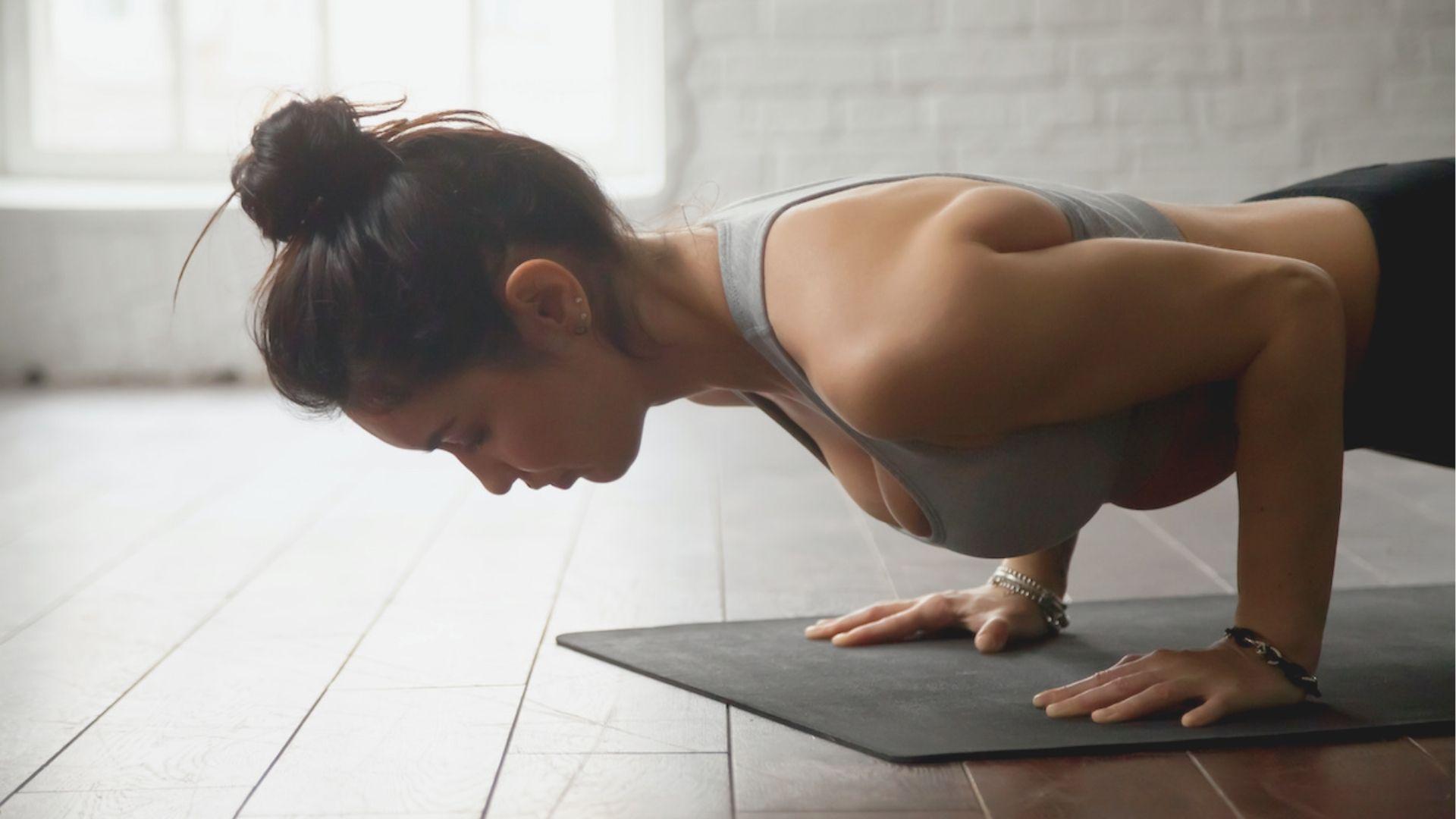
A negative push up focuses only on the lowering part of a push-up. You start at the top, lower your body down slowly, and that slow descent is the "negative" part. You skip the pushing up entirely.
This works because slow lowering forces your chest, shoulders, and triceps to engage through eccentric muscle contraction. Your body builds control and tension even before you can do a full push-up.
Most beginners lack the upper body strength for a full push-up. Negative push ups use the same muscles and the same movement but with far less demand. This builds a strong base, teaches correct form, and reduces injury risk from day one.
| Feature | Negative Push Ups | Regular Push Ups |
| Focus | Lowering phase only | Full up and down movement |
| Difficulty | Lower | Higher |
| Best for | Beginners | Intermediate to advanced |
| Muscle use | Eccentric | Eccentric and concentric |
The key difference is simple. Regular push ups require you to push back up. Negative push ups do not. You drop to your knees, reset, and repeat.
Benefits of Negative Push Ups
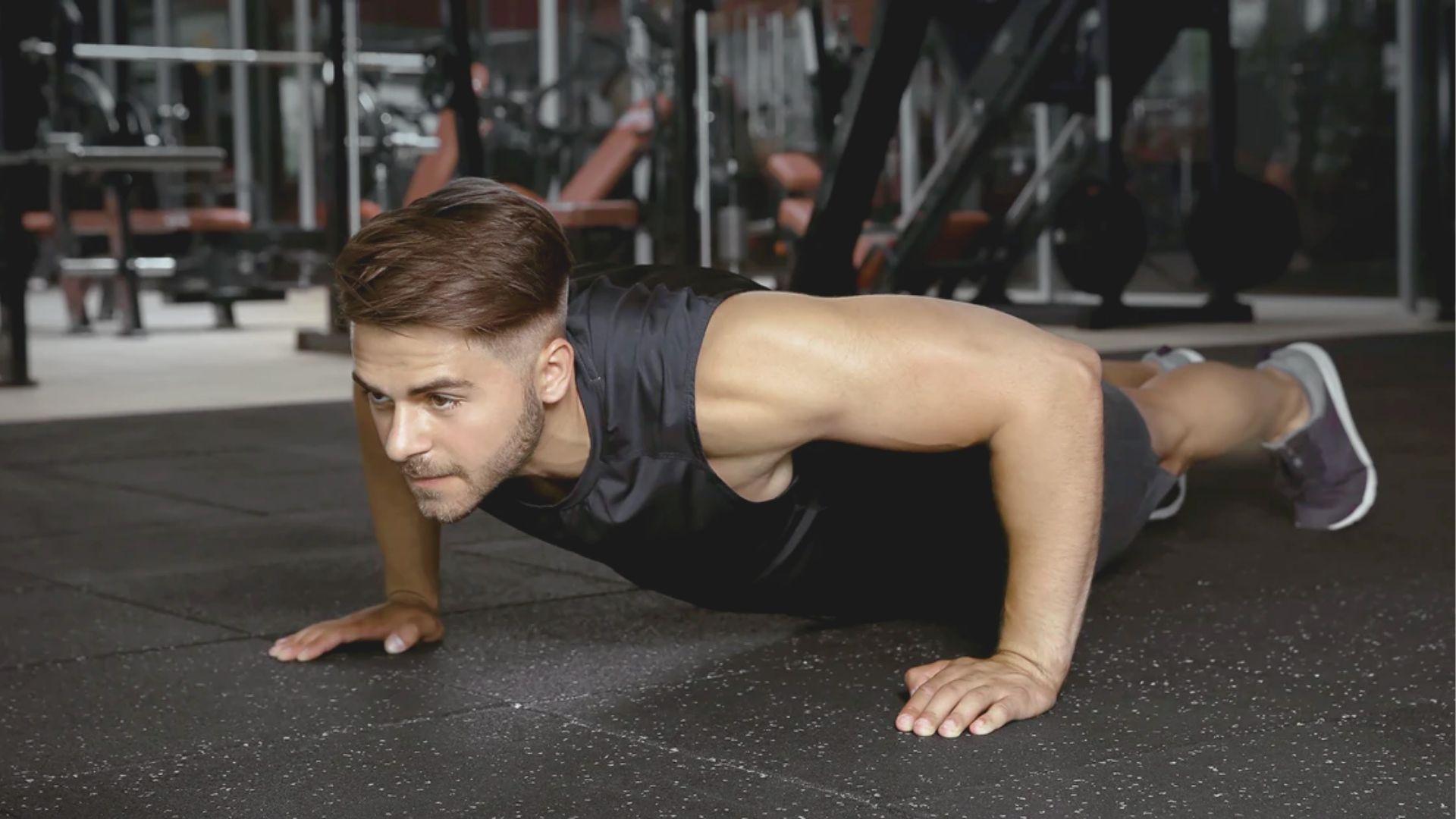
Here are the key reasons why adding negative push ups to your routine can make a real difference.
Builds Upper Body Strength
Negative push ups build real strength. The slow lowering phase puts your muscles under tension longer. More time under tension means more strength gains. This is backed by exercise science.
Even if you cannot do a single push-up yet, you can still build strength with this move.
Improves Push-Up Control and Stability
Control matters more than speed. Negative push ups teach you to move with control. You stop rushing. You start feeling each muscle work. This is a skill that carries over to all other exercises.
Helps Develop Proper Push-Up Form
Bad form leads to injury. Negative push ups slow everything down. This gives you time to check your position. You can correct your hands, elbows, and back placement during every rep.
Strengthens Chest, Shoulders, and Triceps
These three muscles do most of the work. Negative push ups target all three together. You get a functional and compound movement without needing any equipment.
Prepares You for Full Push Ups
This is the biggest benefit. Negative push ups are a stepping stone. Once you build enough strength through negatives, full push ups become much more achievable.
Many beginners complete their first push-up within weeks of practicing negatives.
Muscles Worked During Negative Push Ups
Negative push ups work several muscles at once, making them one of the most effective bodyweight moves for beginners.
Chest Muscles

The pectoralis major is the main chest muscle. It works hard as you lower your body. This muscle gives your chest its shape and power. Negative push ups target it directly.
Triceps

The triceps sit at the back of your upper arm. They help control the lowering movement. Strong triceps are needed for full push-ups and many other pressing exercises.
Front Shoulders (Anterior Deltoids)

The front part of your shoulder activates during every rep. It stabilizes the movement and helps control the descent. Over time, this builds strong and functional shoulder muscles.
Core Muscles

Your abs and lower back work the whole time. They keep your body straight during the movement. A weak core causes the hips to sag. Negative push ups naturally build core strength alongside upper body strength.
How to Do Negative Push Ups Properly
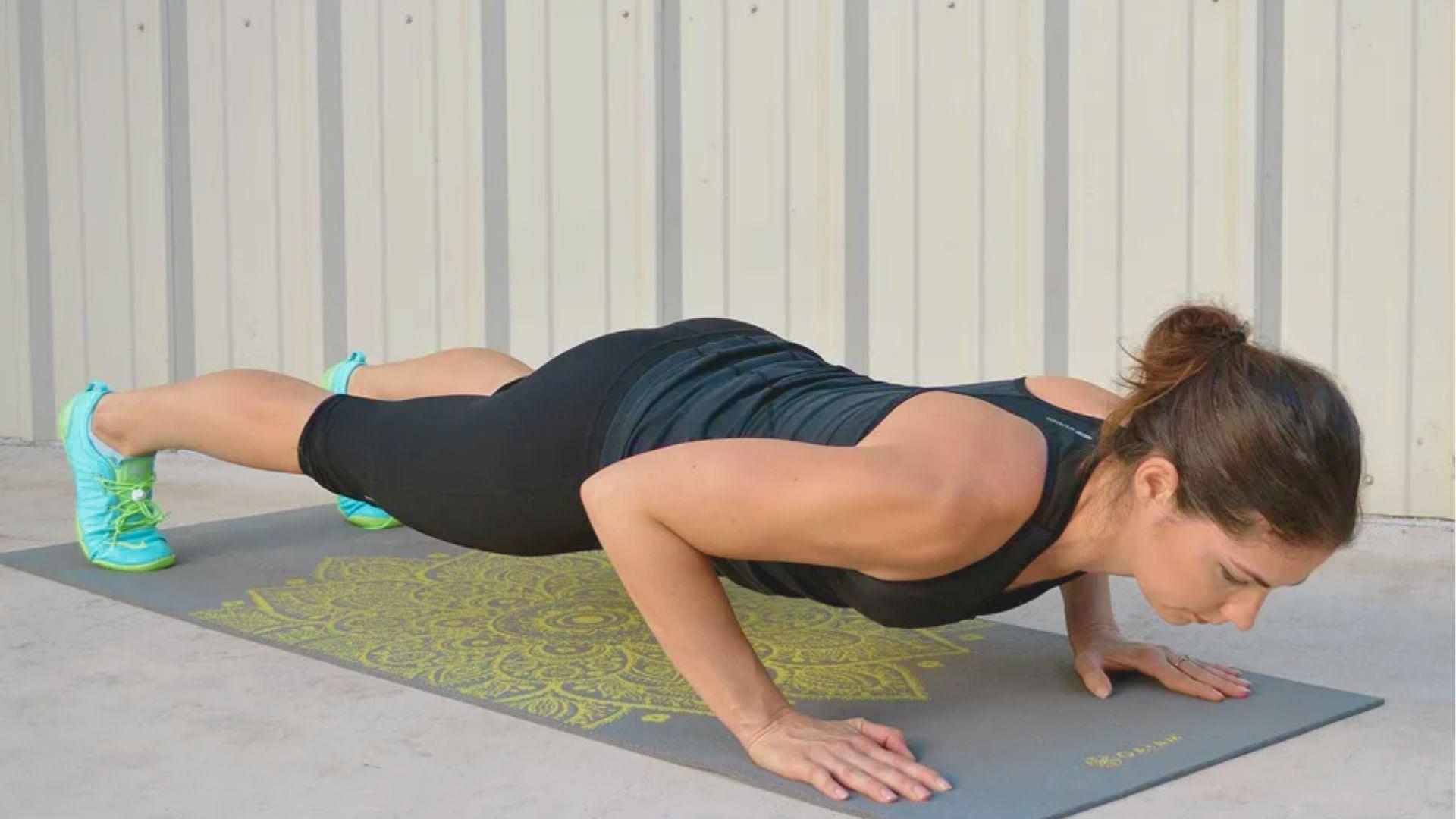
Follow these five steps to perform negative push ups with the right form from your very first rep.
Step 1: Start in the Push-Up Position
Place your hands slightly wider than shoulder-width. Keep your arms straight. Your body should form a straight line from head to heels. This is your starting position.
Step 2: Keep Your Core Tight
Before you move, tighten your core. Pull your belly button in slightly. This protects your lower back. It also keeps your hips from dropping during the movement.
Step 3: Lower Yourself Slowly
Begin bending your elbows. Lower your chest toward the floor. Go as slowly as you can. Aim for 3 to 5 seconds on the way down. Keep your body straight the whole time.
Step 4: Place Knees on the Floor
Once you reach the bottom, gently place your knees on the floor. This is how you avoid straining your lower body when you cannot push yourself back up yet.
Step 5: Return to the Starting Position
Push up from your knees back to the starting position. Keep your back flat. Reset your form. Then repeat for the next rep.
Proper Form Tips for Beginners
Good form makes every rep count and keeps you safe from injury.
- Your body should look like a plank from the side. No sagging hips, no raised backside, just one straight line from head to heels.
- The slower you go, the better your results. Aim for a 3 to 5 second lower and count in your head to stay consistent.
- Do not flare your elbows straight out to the sides. Keep them at about a 45-degree angle to reduce shoulder strain and work the chest better.
- Breathe in as you lower yourself and breathe out as you push back up. Never hold your breath during a rep.
- Set your body before each rep by tightening your core, gripping the floor, and locking your position. Starting strong helps you finish strong.
Beginner Progression for Negative Push Ups
This five-step progression helps beginners build up strength in the right order before moving to full push ups.
Wall Push Ups
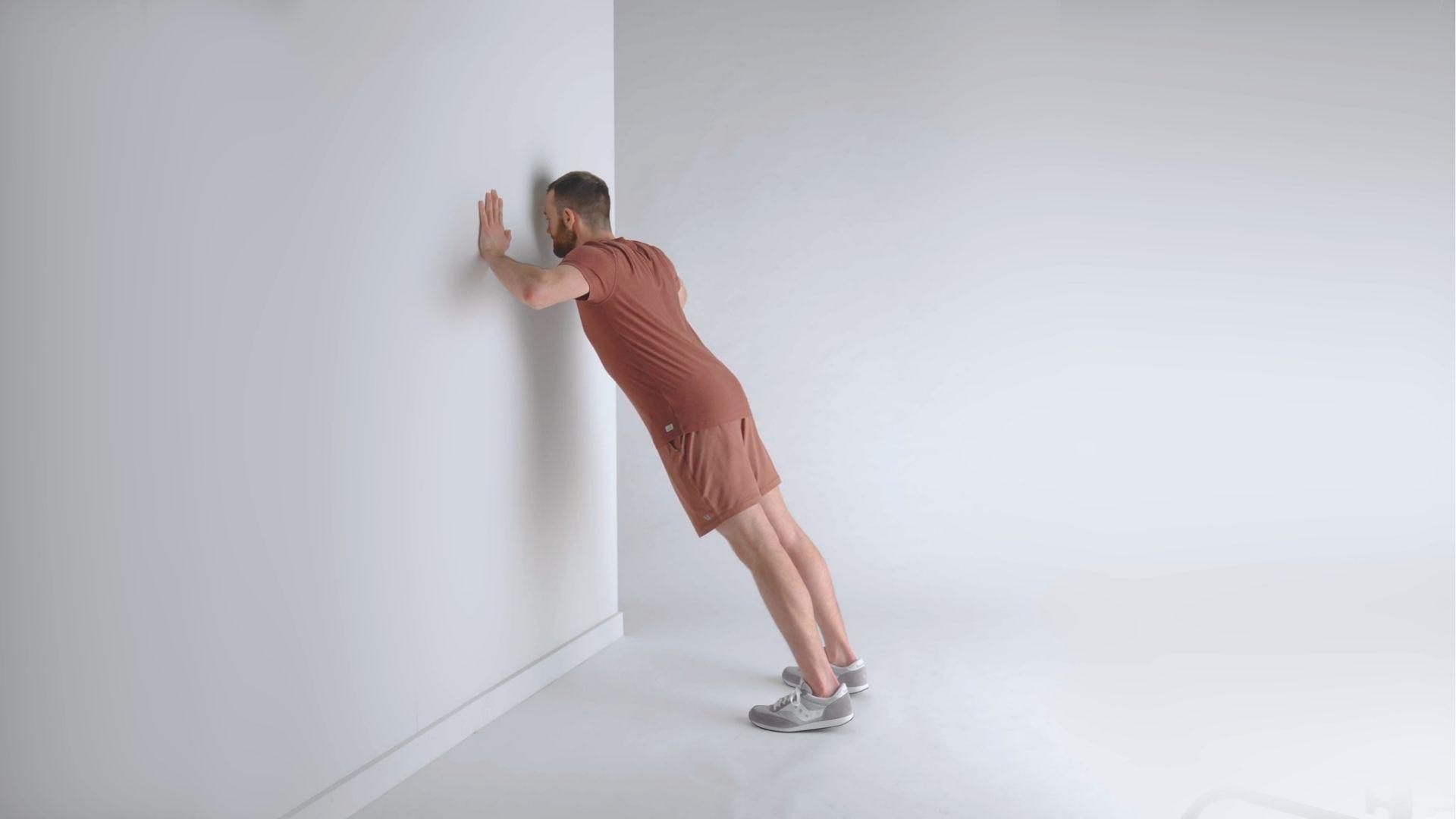
Start here if you are very new to exercise. Stand facing a wall. Place your hands on it. Lean in and push yourself back. This is very low impact and builds basic pushing strength.
Incline Push Ups
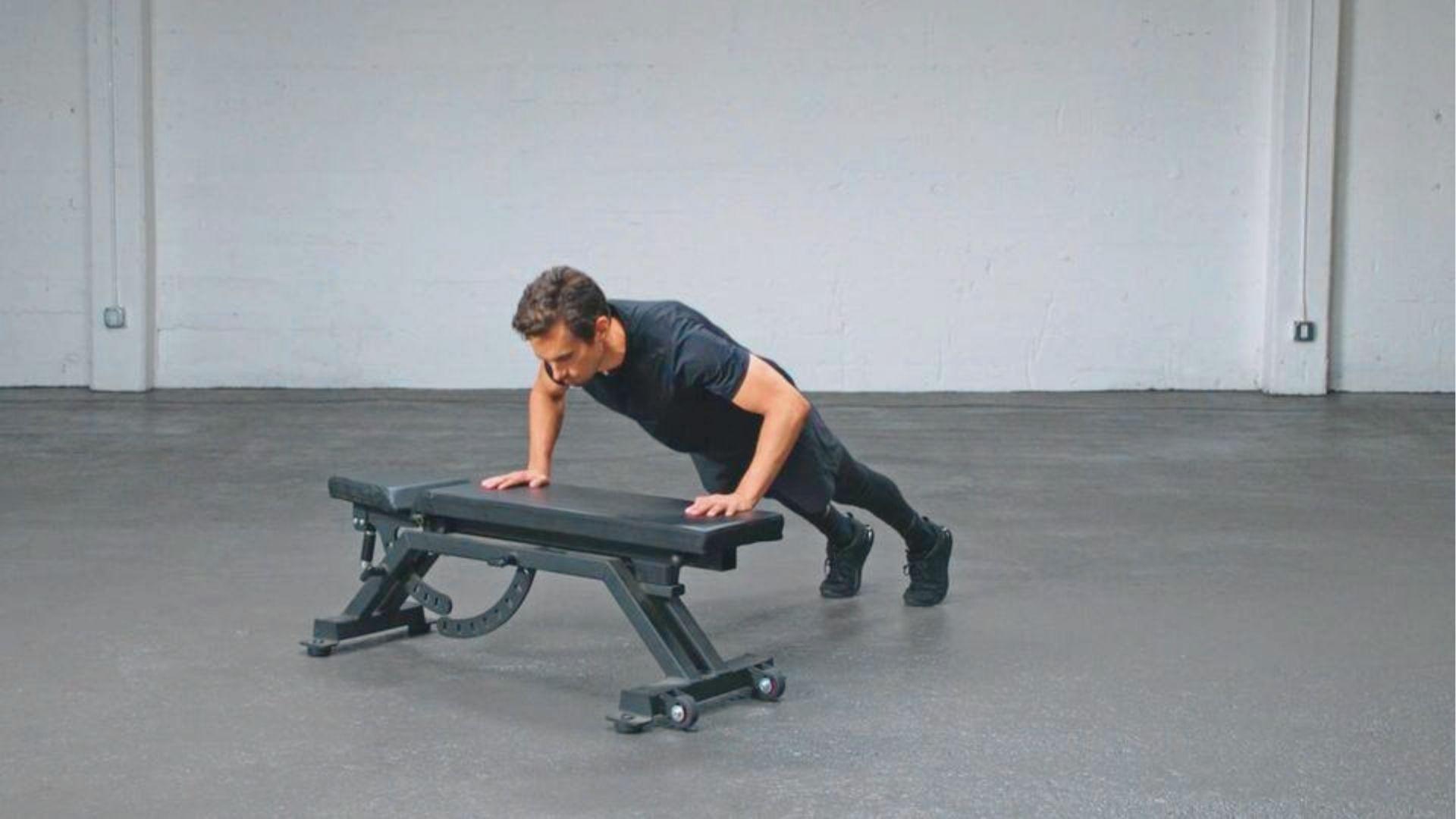
Use a bench or uplifted surface. Place your hands on it instead of the floor. The higher the surface, the easier the movement. Work your way lower as you get stronger.
Kneeling Push Ups
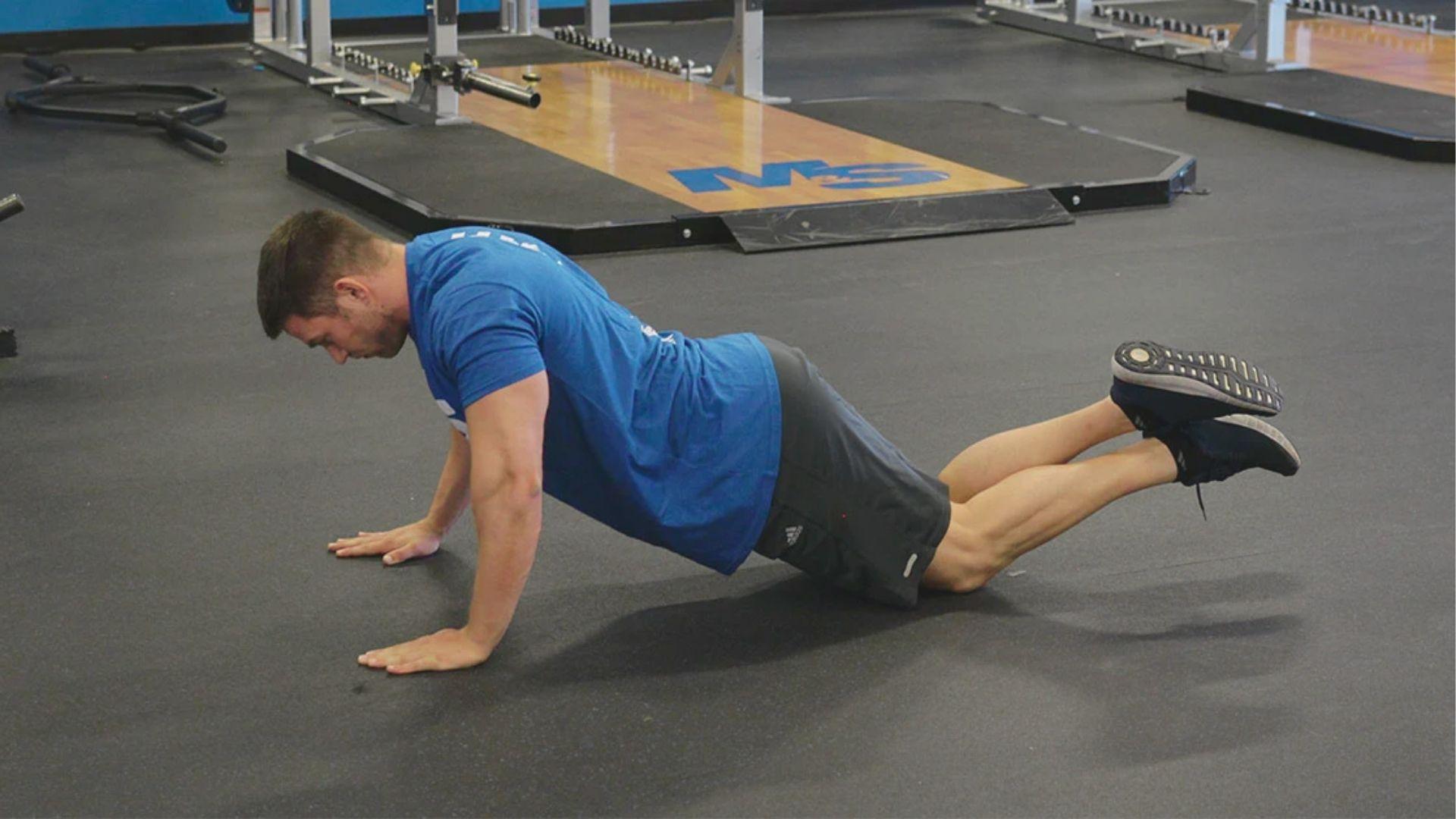
Do push ups with your knees on the floor. This reduces the load on your upper body. It is a great bridge between incline push ups and negative push ups.
Negative Push Ups
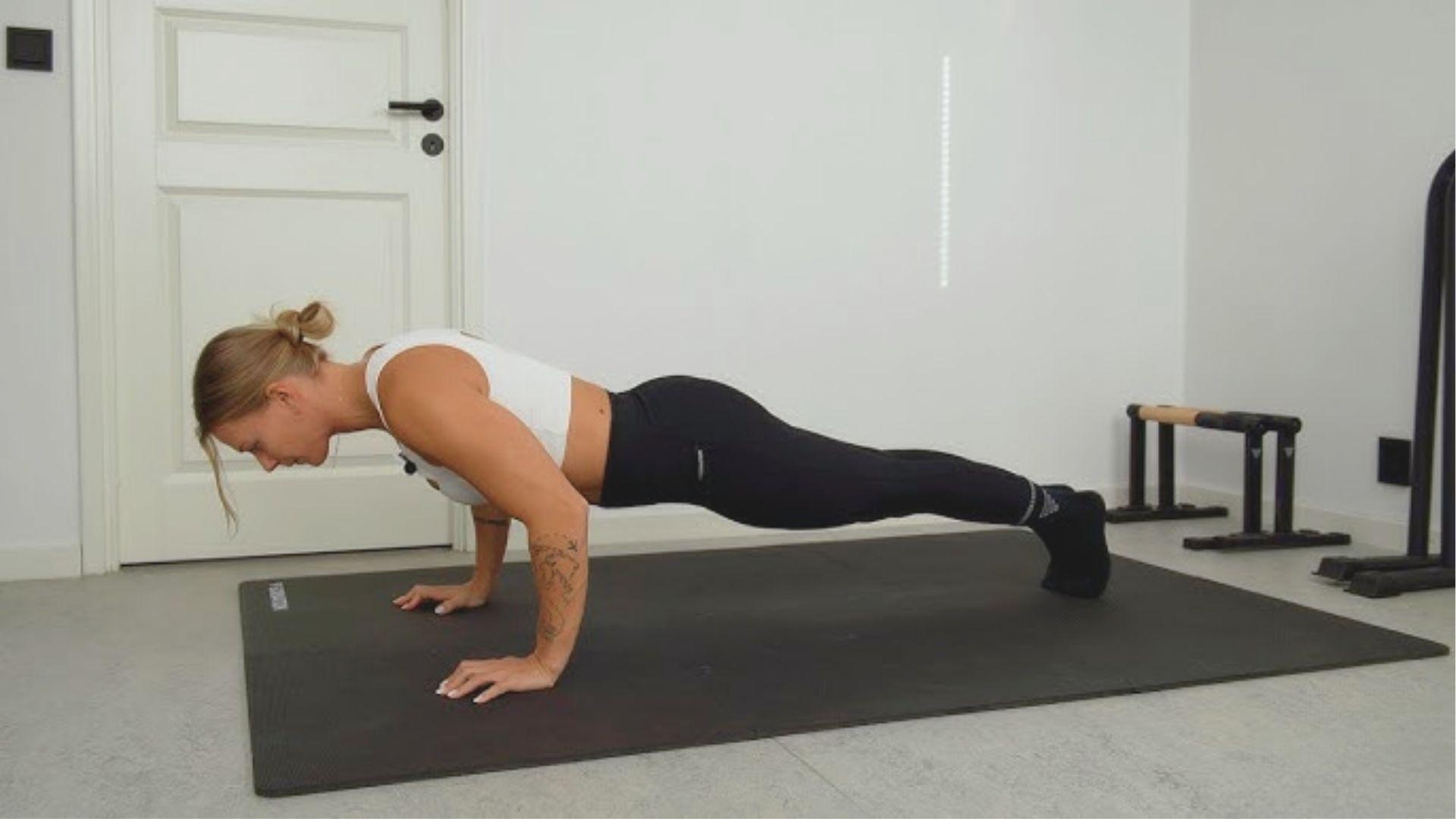
Now you are ready for negatives. Use the five steps above. Focus on a slow and controlled descent. Practice this until you can do 3 sets of 5 to 8 reps.
Standard Push Ups
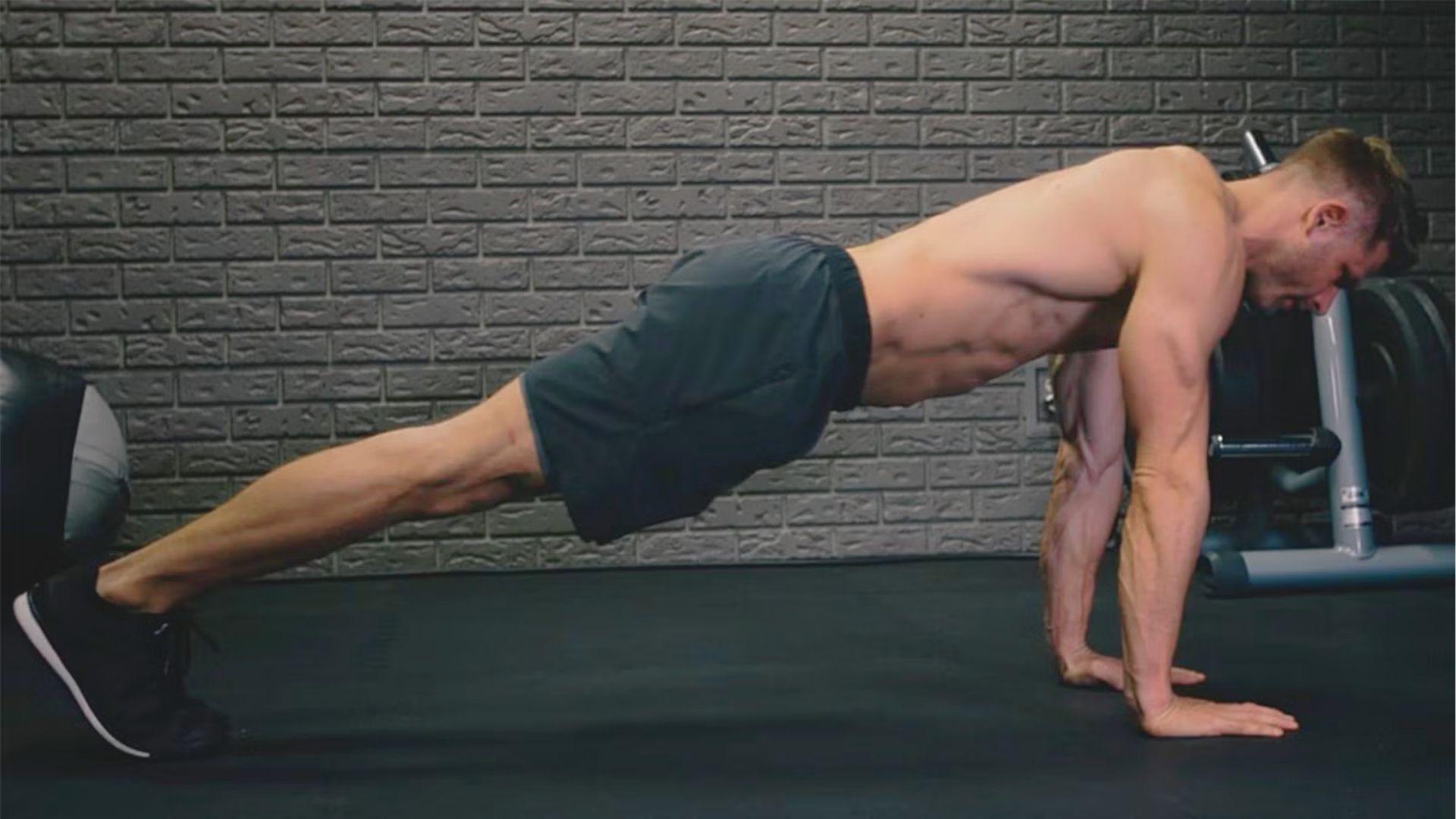
Once negatives feel strong, try a full push-up. You might surprise yourself. The strength you built from negatives makes regular push ups feel much more manageable.
Common Negative Push Ups Mistakes to Avoid
Skipping these fixes will slow your progress and increase your risk of injury.
- Lowering quickly skips the whole benefit of the exercise. The slow descent is what builds strength, so take your time on every single rep.
- Sagging hips mean your core is switched off. Tighten your abs before each rep to protect your lower back and keep your form clean.
- Elbows pointing straight out stresses your shoulders and reduces chest activation. Keep them tucked at a natural angle throughout the full movement.
- Many beginners only think about their arms and chest. Your core holds the whole movement together, so engage it every single rep without fail.
- Stopping halfway down is a wasted rep. Lower your chest as close to the floor as possible to build real strength and full control.
Negative Push Ups Variations

These three variations add more challenge once you have the basic negative push up form down.
Negative Push Ups on Gym Rings
Rings are unstable. This makes every muscle work harder. Your chest, triceps, and core all engage more to keep the rings steady. This variation is for those who have progressed beyond basic negatives.
Negative Push Ups with Parallettes
Parallettes are small bars you grip during the exercise. They increase your range of motion. You can lower yourself further than on the floor. This builds deeper chest and shoulder strength.
Slow Tempo Negative Push Ups
This is the simplest variation. Just go slower. Aim for a 5 to 8 second descent instead of 3 seconds. The longer your muscles are under tension, the harder they work.
How Many Negative Push Ups Should Beginners Do?
Start with 3 sets of 3 to 5 reps. Focus on quality over quantity. Each rep should be slow and controlled. Build up to 3 sets of 8 reps as you get stronger.
Rest 60 to 90 seconds between sets. This keeps your muscles fresh for the next set.
Train 3 times per week with at least one rest day in between. Monday, Wednesday, and Friday work well. Rest days help your muscles recover and grow.
Tips to Improve Faster With Negative Push Ups
Small changes in how you train can make a big difference in how fast you progress.
- The slower your descent, the harder your muscles work. One slow, controlled rep builds more strength than five fast ones.
- Showing up three times a week, every week, beats training hard once in a while. Regular sessions build the habit and the strength your body needs.
- Add planks or dead bugs alongside your negative push ups. A strong core keeps your body stable and makes every rep cleaner and more effective.
- Write down your sets and reps after each session. Seeing small improvements on paper keeps you motivated and helps you know when to push harder.
- Rest days are not lazy days. Your muscles grow stronger during recovery, so give your body at least one full rest day between training sessions.
Conclusion
I remember struggling to do even one push-up. It felt discouraging. But negative push ups changed that for me. They are simple, effective, and beginner-friendly.
Start slow. Be consistent. Focus on form. Progress will come if you stick with it.
If this guide helped you, drop a comment below and let me know where you are in your training. Share this post with a friend who wants to get stronger. And check out our other beginner workout guides for more practical tips like these.
You have got this.
Frequently Asked Questions
Are negative push ups good for absolute beginners?
Yes, they are one of the best starting points. They build strength using the same muscles as a full push-up but with less difficulty, making them a safe and practical option.
How long does it take to do a full push-up after practicing negatives?
Most beginners see progress within 3 to 6 weeks of consistent practice. Results depend on training frequency, form, and overall fitness level when you start.
Can I do negative push ups every day?
It is better to rest between sessions. Training 3 days per week with rest days in between allows your muscles to recover and grow stronger. Daily training can slow progress.
Do negative push ups build muscle?
Yes, they do. The slow lowering phase creates eccentric muscle tension, which is one of the most effective ways to build muscle and strength, especially for beginners.
What is the difference between negative push ups and knee push ups?
Knee push ups reduce the load by keeping your knees on the floor the entire time. Negative push ups start in a full push-up position and only drop to the knees at the bottom of each rep.