My hamstrings were always the weakest part of my leg day. No matter what I tried, nothing seemed to actually work.
Then I found the stability ball hamstring curl.
It looked too simple to matter. I was wrong.
In this blog, I'll show you what this move is, why it builds real strength, and exactly how to do it without messing up your form. I'll also cover beginner tips so you don't waste time guessing.
I've tested this myself. I'll only share what actually works.
By the end, you'll know how to add this move confidently to your routine and start seeing results fast.
What Is a Stability Ball Hamstring Curl?
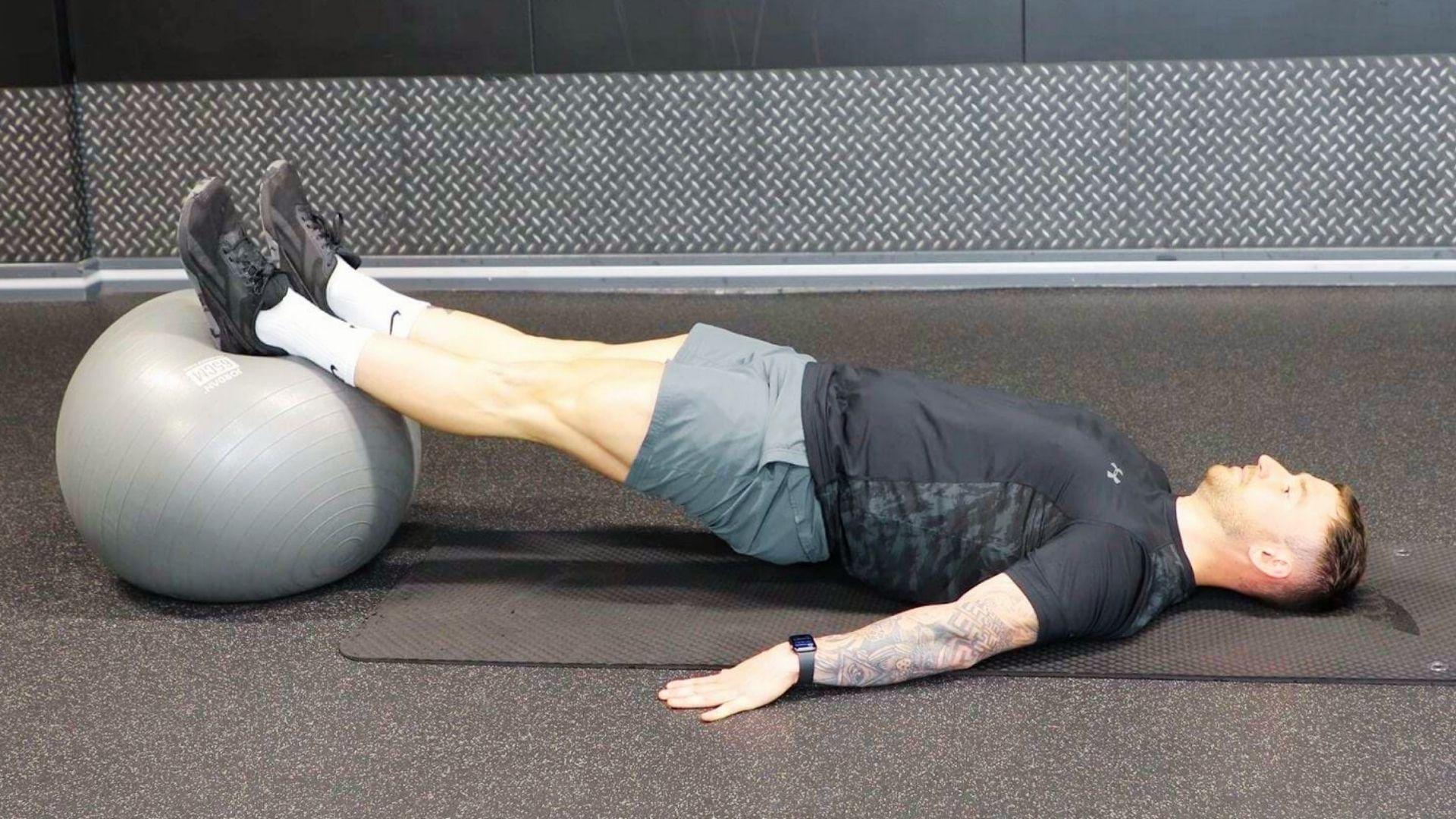
A stability ball hamstring curl is a floor exercise done using a large inflated ball. You lie flat on your back, place both heels on top of the ball, and curl it toward your body using your hamstrings.
It looks simple, but it works hard. The move targets the back of your thighs while also firing up your glutes and core.
Because the ball is unstable, your body works harder to stay in control. That extra effort builds real strength and coordination over time.
It is one of the most effective bodyweight moves for the posterior chain.
Benefits of Stability Ball Hamstring Curls
Here is why this move deserves a permanent spot in your leg day routine.
Strengthens the Hamstrings
The hamstrings sit at the back of your thighs. They help you bend your knees and support your hips. This move targets them directly through a full range of motion.
That is what makes it so effective. Doing it regularly builds solid strength in the area.
Stronger hamstrings also reduce the risk of knee injuries. Your legs will feel more powerful with every session.
Activates the Glutes and Core
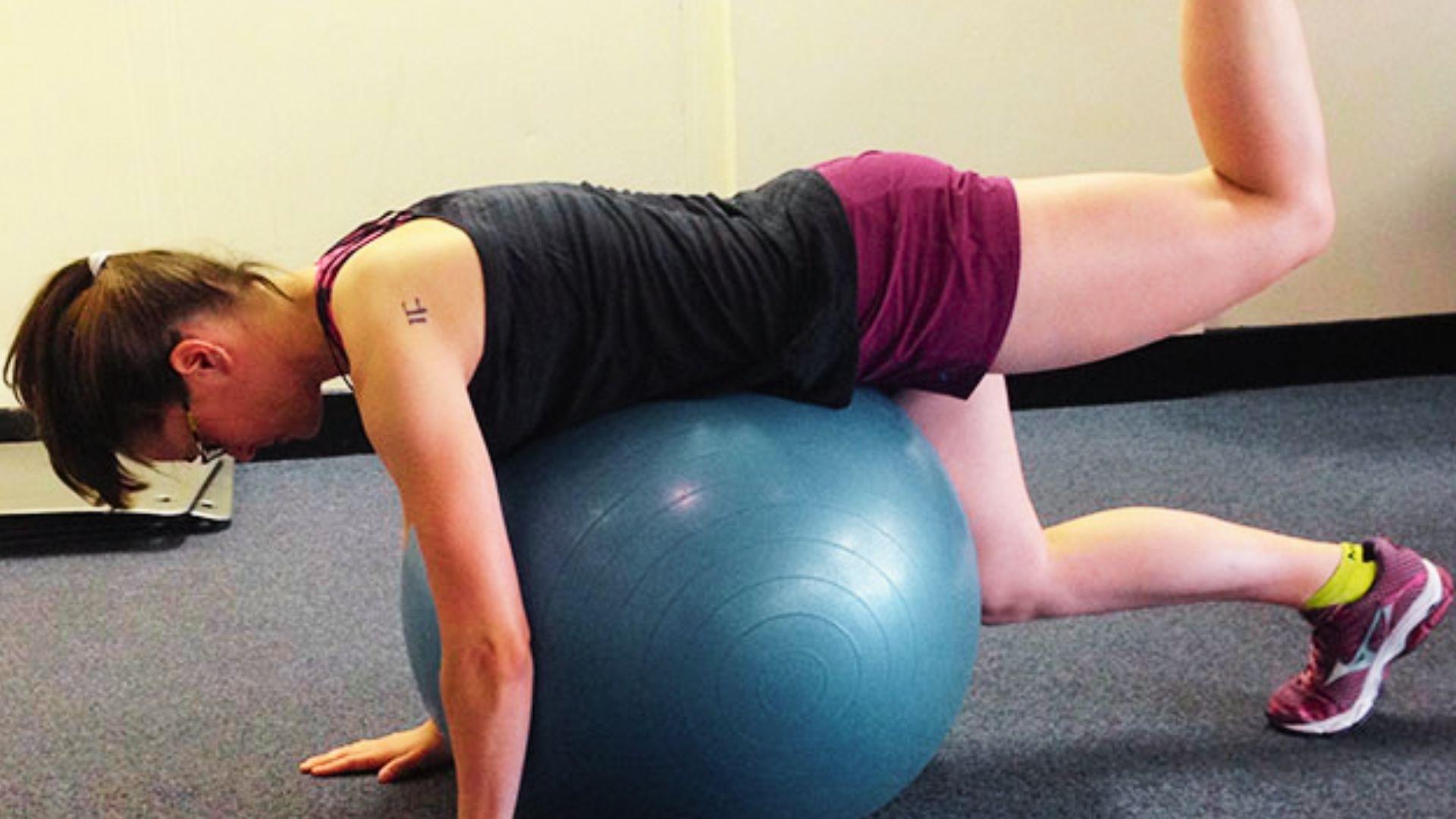
This move doesn't just work your hamstrings. Your glutes fire to keep your hips lifted throughout. Your core kicks in to hold your body steady on the ball.
That means three muscle groups are working at the same time. More muscles engaged means better results in less time.
It's an efficient way to build strength across your lower body and midsection without needing extra exercises.
Improves Balance and Stability
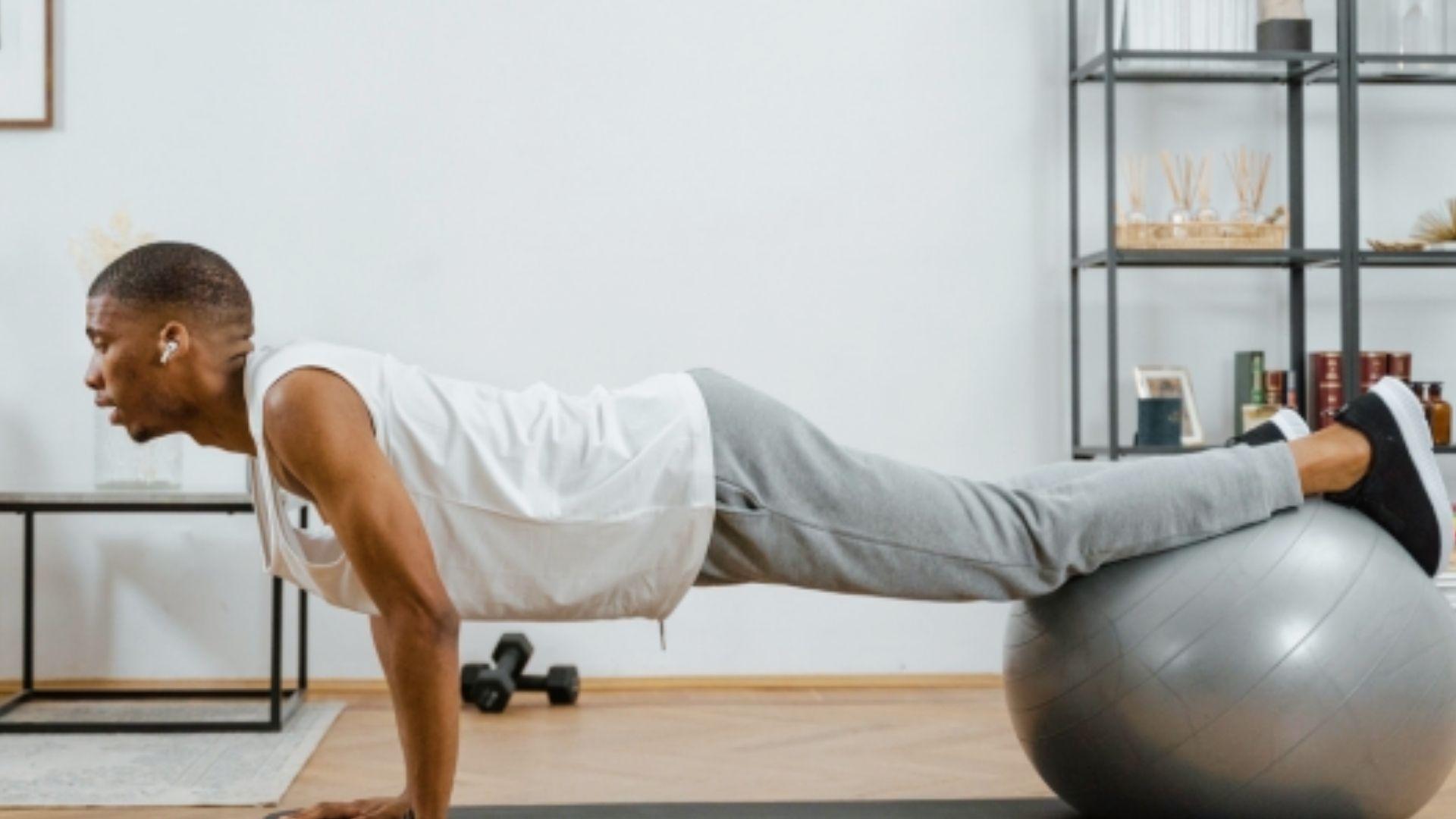
The ball rolls. That is the whole point. Because the surface is unstable, your body works harder just to stay in position.
Over time, this trains your stabilizing muscles to respond faster. You will notice better balance not just in the gym but in everyday movements too.
Walking, climbing stairs, and standing on one leg all feel easier when your overall stability improves.
Improves Posterior Chain Strength
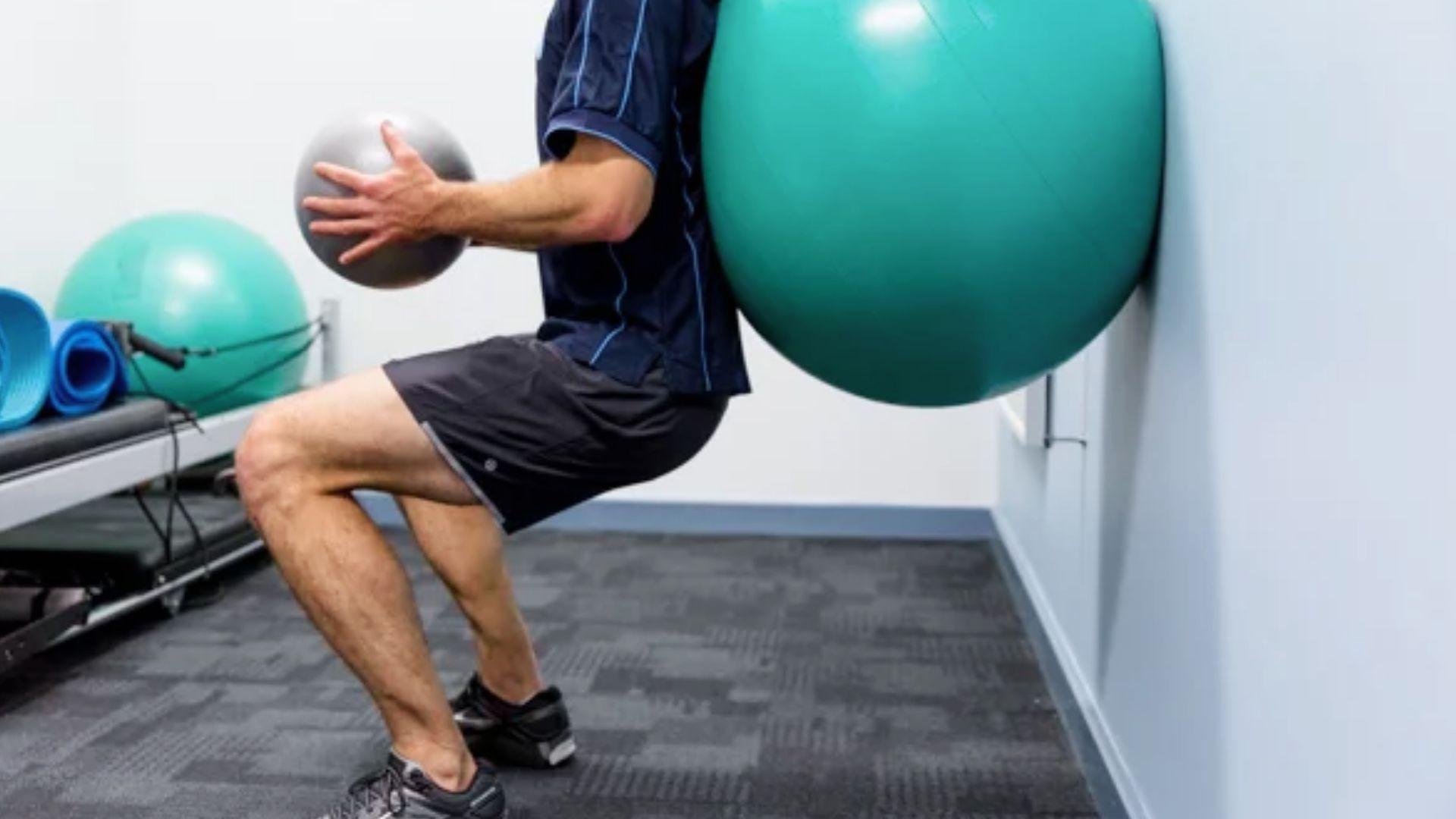
The posterior chain is the group of muscles along the back of your body. It includes your hamstrings, glutes, and lower back.
A strong posterior chain supports better posture, athletic performance, and injury prevention. The stability ball hamstring curl works this entire chain in one smooth movement.
Building strength here pays off in almost every physical activity you do.
Supports Better Lower-Body Control and Coordination
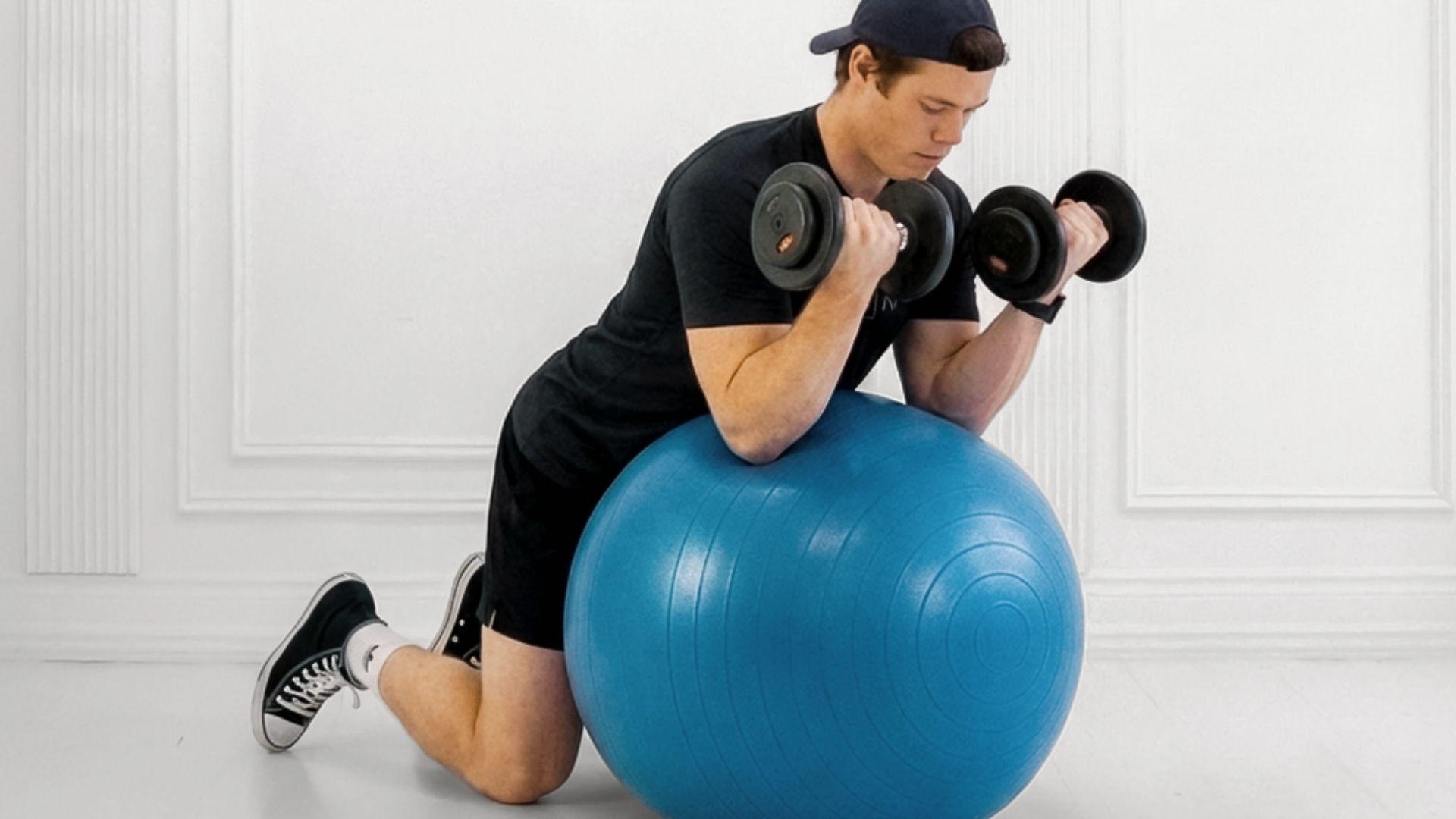
Control and coordination come from practice. This move asks your legs and hips to work together while balancing on an unstable surface.
That combination sharpens how your muscles communicate with each other. Over time, your movements become smoother and more controlled.
This translates directly to better performance in sports, workouts, and daily activities that require leg strength and body awareness.
How to Do a Stability Ball Hamstring Curl Properly
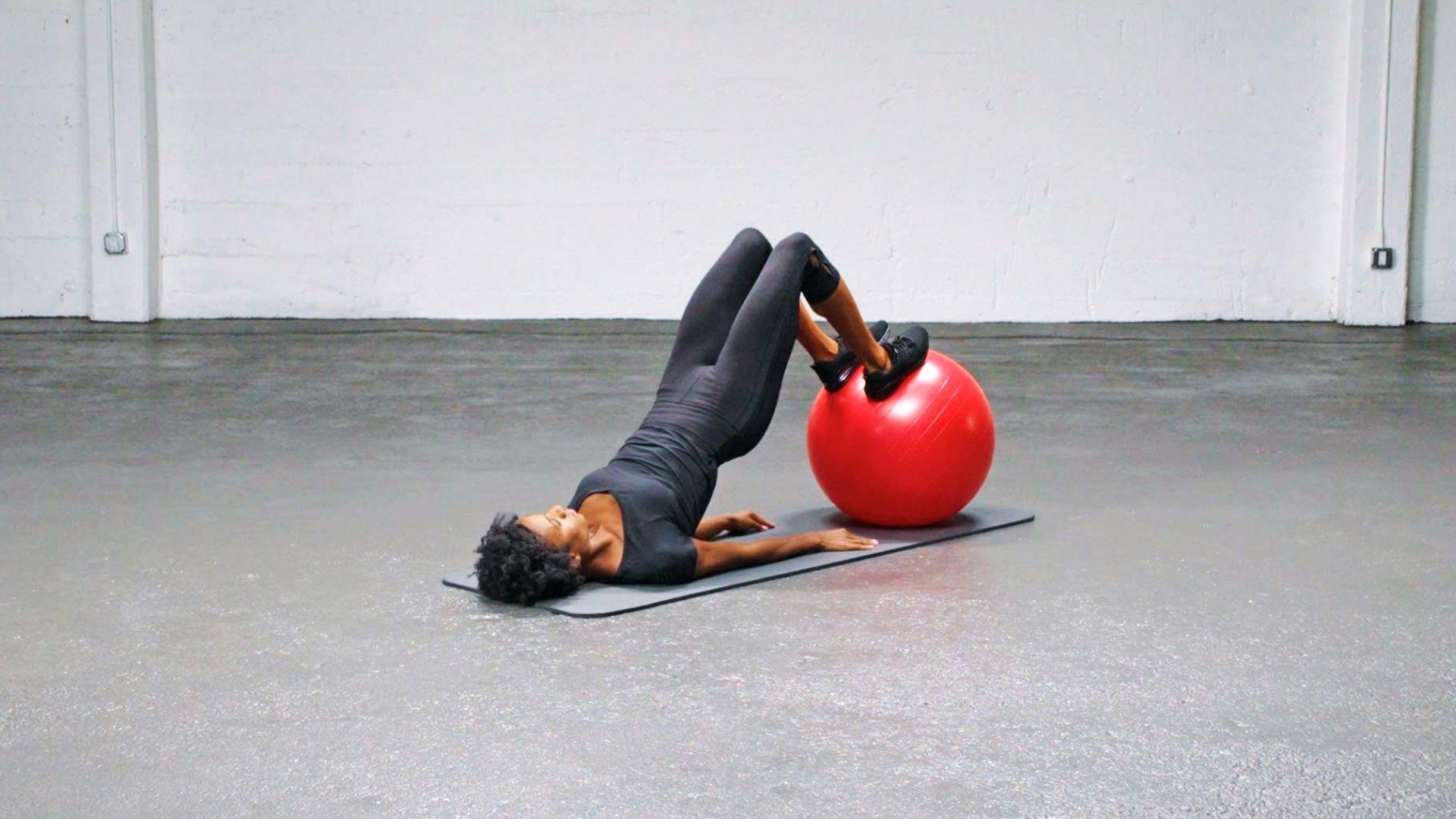
How to Do a Stability Ball Hamstring Curl
Follow these steps carefully to get the most out of this exercise and keep your form clean from the start.
Step 1: Set Up the Starting Position
Lie flat on your back on the floor. Stretch your arms out to your sides for extra support. Place both heels on top of the stability ball.
Your legs should be fully straight. Keep your feet hip-width apart on the ball.
Take a breath and make sure your body feels steady before you move. This starting position is the foundation of the whole exercise.
Step 2: Lift the Hips and Engage the Core
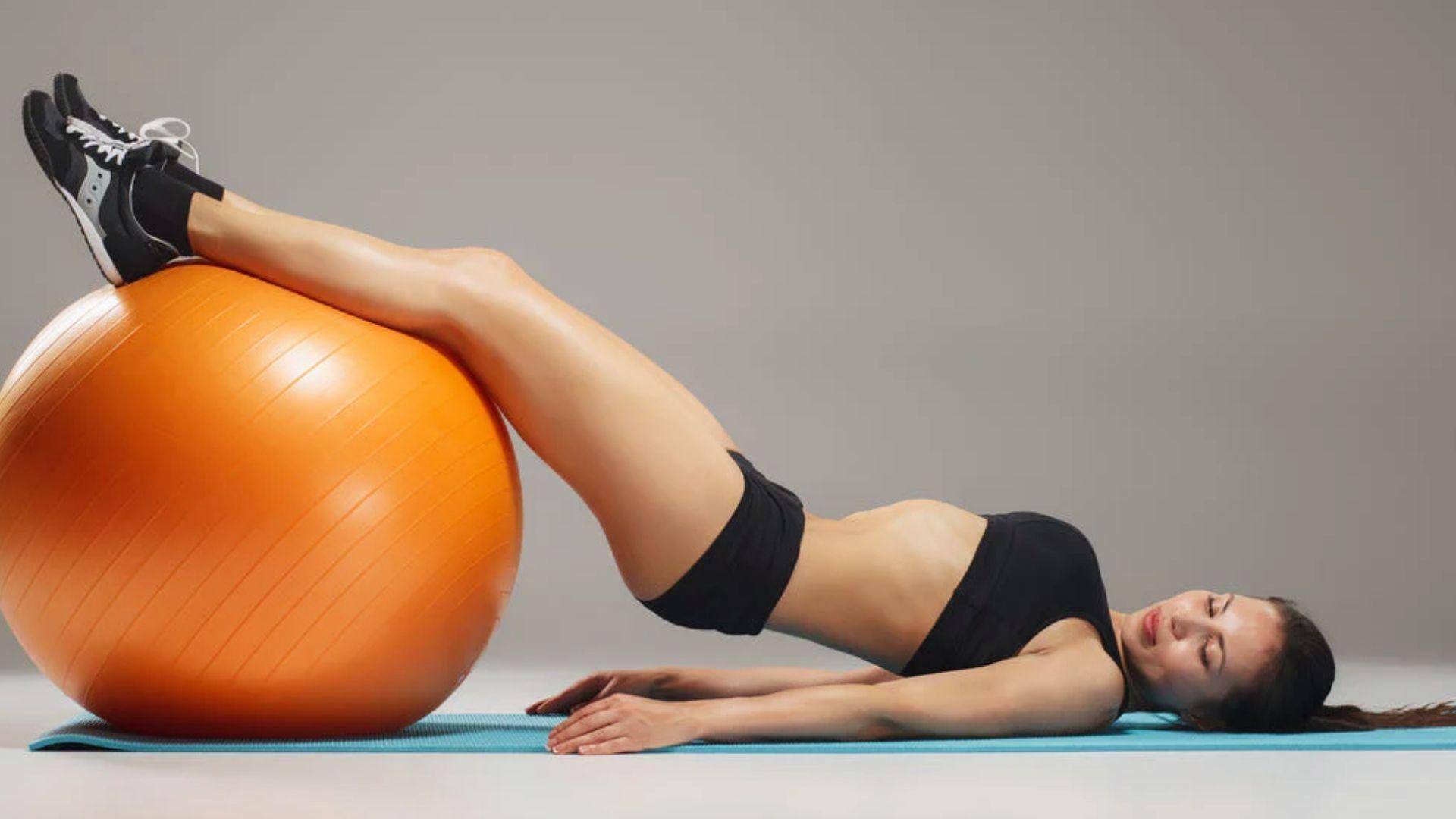
Press your heels into the ball and lift your hips off the floor. Your body should form a straight line from your shoulders to your heels.
Squeeze your glutes and tighten your core before moving the ball. Keeping everything tight here protects your lower back.
Hold this lifted position for a second before you start the curl. Do not let your hips drop.
Step 3: Curl the Ball Toward the Body
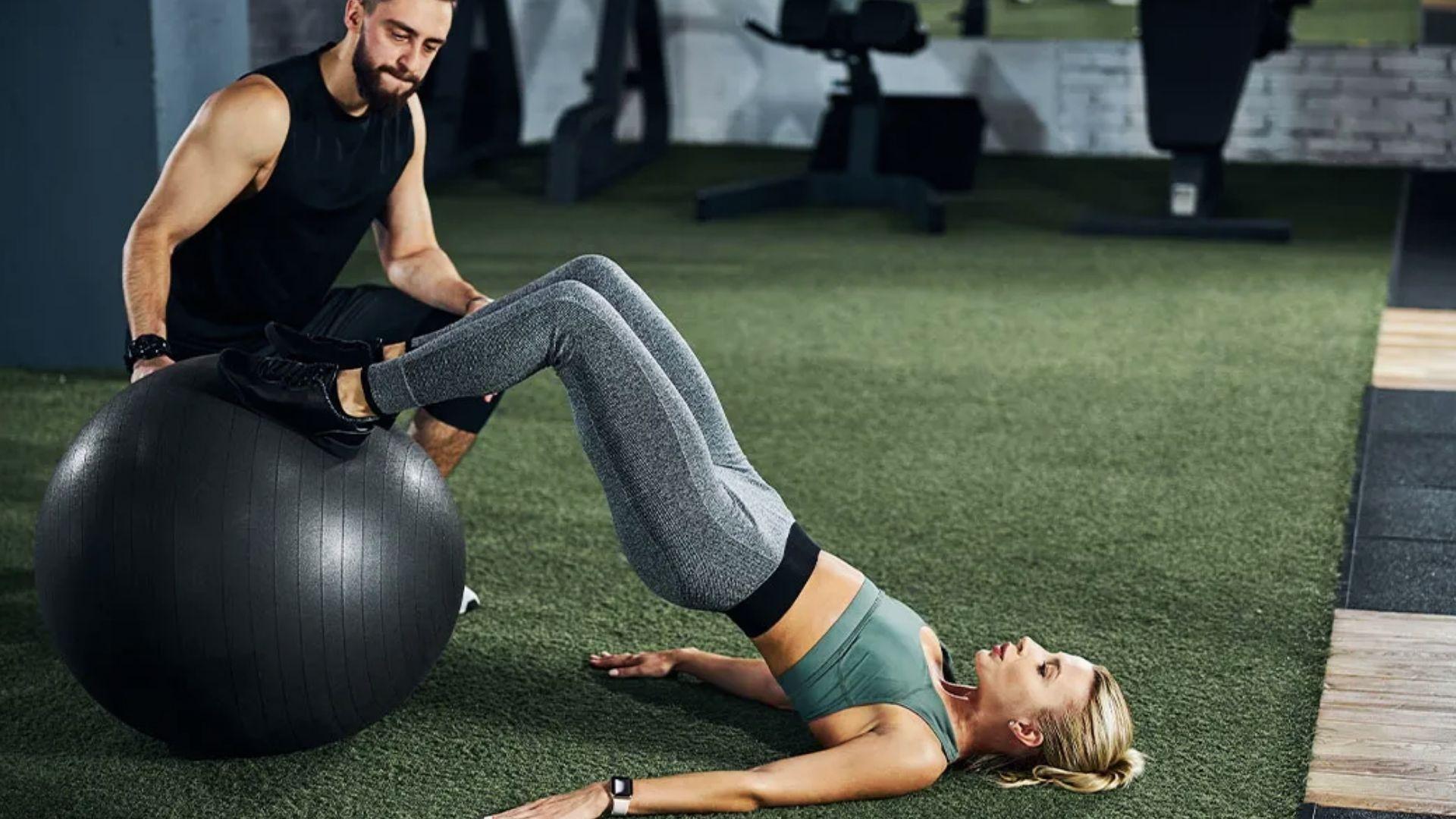
Dig your heels into the ball and bend your knees. Roll the ball slowly toward your body in a controlled motion.
Keep your hips lifted the whole time. Stop when your knees are bent at roughly 90 degrees.
Feel the squeeze in your hamstrings at the top of the movement. Don't rush this part. The slower you go, the harder your hamstrings have to work.
Step 4: Return Slowly to the Starting Position
Straighten your legs slowly and roll the ball back out. Keep your hips off the floor as you return to the start.
Do not drop them between reps. Moving slowly on the way back is just as important as the curl itself.
This is where a lot of people cheat. Control the return. That is where you build real strength and body awareness. Then repeat.
Proper Form Tips for Better Execution
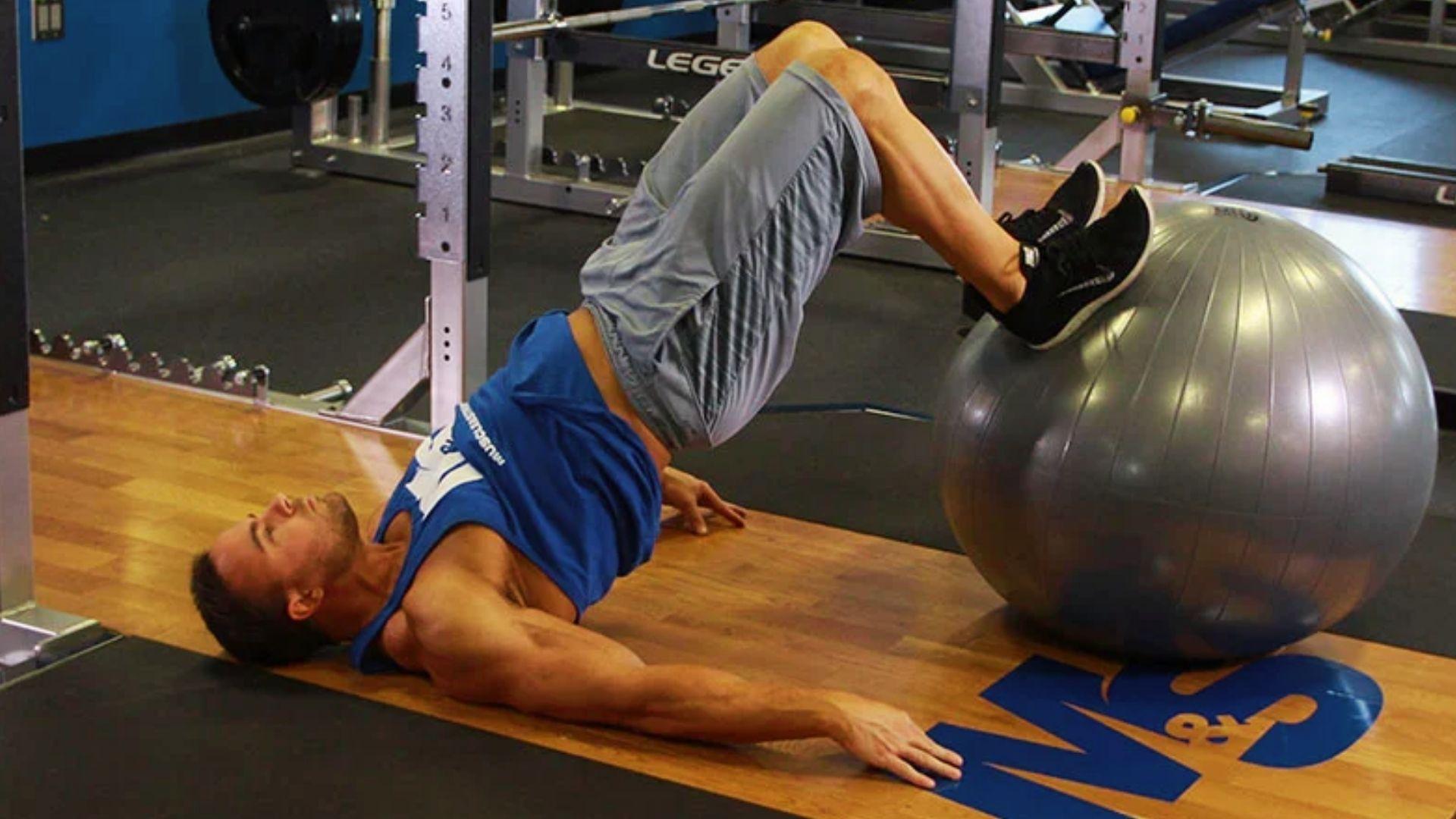
Good form is what separates real results from wasted effort and potential injuries.
Keep the Hips Uplifted:Letting your hips drop breaks the movement completely. Keep them lifted through every single rep to maintain constant tension on your hamstrings.
Maintain a Neutral Spine: Avoid arching your lower back during the curl. A flat, stable spine protects you from strain and keeps the movement clean and effective.
Move Slowly and With Control: Speed is your enemy here. Slowing down increases muscle engagement and reduces the chance of rolling off the ball mid-rep.
Keep the Core Engaged Throughout the Exercise: A soft core means a shaky body. Brace your midsection before you lift and don't let it go until the full set is done.
Nail these four tips and you'll feel the difference from your very first set.
Beginner Tips for Stability Ball Hamstring Curls
Just starting out? Keep it simple and build from there.
- Start with fewer reps: Try 3 sets of 8. Get the form right before adding more.
- Practice hip bridges first: They build the glute and core strength you need for this move.
- Focus on balance: If you're wobbling, slow down before pushing for more reps.
- Use a wall: Place the ball against it so it doesn't roll while you're learning.
- Film yourself: Video catches form mistakes you can't always feel.
Take it one rep at a time. Progress comes faster than you think.
Conclusion
When I started the stability ball hamstring curl, my hips kept dropping and the ball kept rolling. Humbling? Absolutely. But I kept going.
Now my hamstrings are the strongest they've ever been.
This move is simple, effective, and needs zero equipment beyond a ball. Start with 3 sets of 8 reps this week.
Try it. Feel the difference.
Drop a comment below and tell me how your first session went. I read every single one.
Frequently Asked Questions
How many reps should I do for a stability ball hamstring curl?
Start with 3 sets of 8 to 12 reps and increase gradually as your strength and control improve.
Can beginners do stability ball hamstring curls?
Yes, but start slow, practice hip bridges first, and focus on balance before adding more reps.
What muscles does a stability ball hamstring curl work?
It mainly works your hamstrings but also activates your glutes, core, and lower back muscles.
How often should I include this exercise in my routine?
Two to three times per week is enough for most people to see steady and noticeable progress.
Do I need any special equipment besides the stability ball?
No, just a stability ball and a flat floor surface are all you need to perform this exercise.