

If you want stronger, rounder glutes, Romanian Deadlifts (RDLs) might be the most overlooked exercise in your routine. A lot of people do RDLs but feel them mostly in their hamstrings. Sound familiar? This guide is here to fix that.
I have worked with lifters at all levels, and RDL form issues are one of the most common things I see in the gym.
In this article, you will learn what RDLs are and how they work, get step-by-step form instructions, find out why you may not feel them in your glutes, and get the best tips and variations for glute growth.
Let's get into it.
What Are RDLs for Glutes?
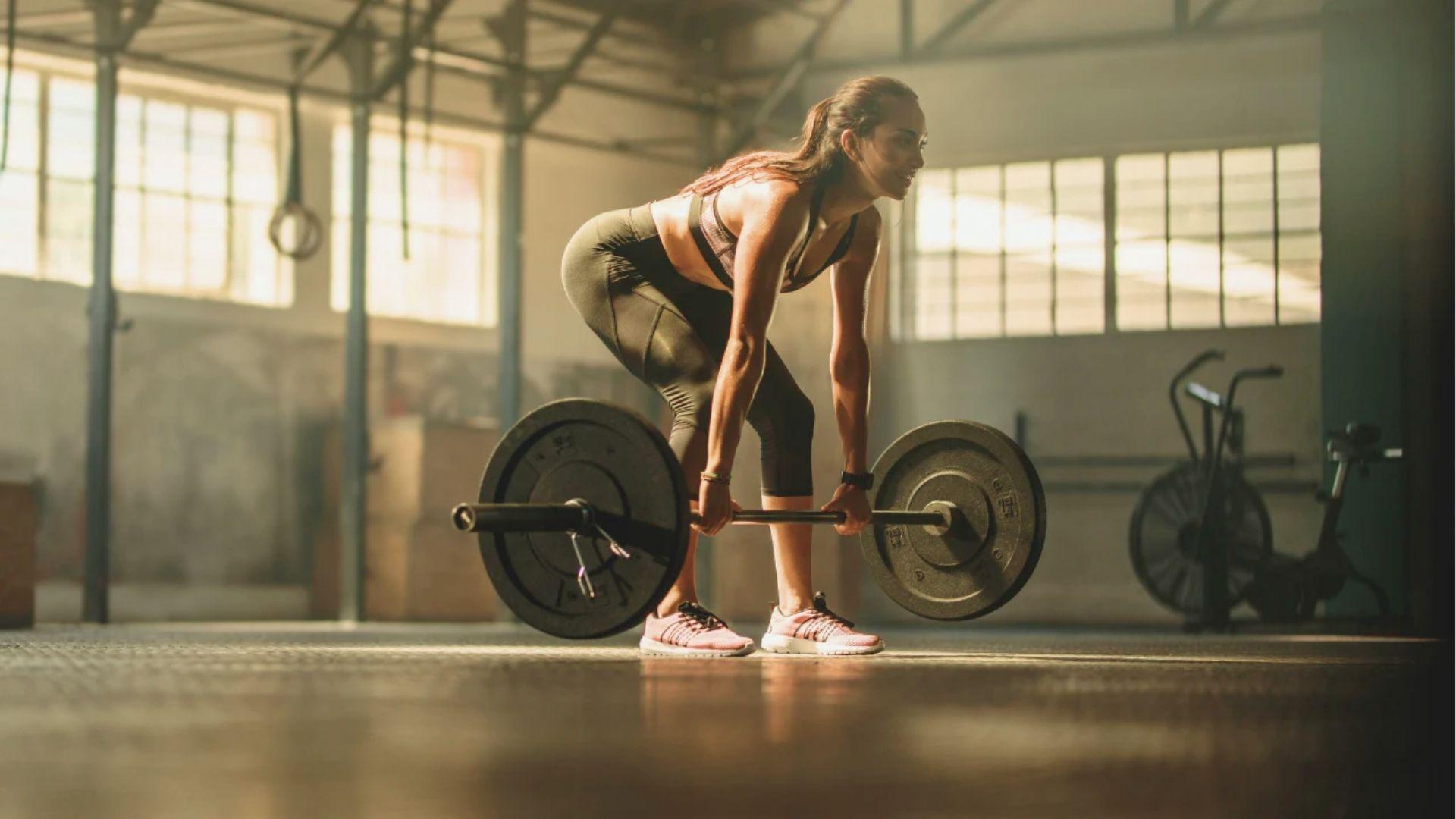
A Romanian Deadlift is a hip hinge movement. You hold a barbell or dumbbells, push your hips back, and lower the weight until you feel a stretch in your glutes and hamstrings. The weight never touches the floor.
As your hips move back, the glutes stretch under load. That stretch drives muscle growth. When you stand and squeeze at the top, the glutes complete a full range of motion.
RDLs also work the hamstrings, core, erector spinae, and adductors. Compared to a traditional deadlift, RDLs put more focus on the glutes through a controlled, tension-based movement.
Why RDLs Are Effective for Glute Growth
RDLs build the glutes better than most exercises because of how they load and stretch the muscle at the same time.
Trains the Glutes Through a Full Stretch
Muscles grow best when they are worked through a full range of motion. The RDL puts the glutes in a long, stretched position at the bottom.
This is called the lengthened position. Research shows that training a muscle in its lengthened position leads to more growth over time.
Most glute exercises like squats or hip thrusts do not stretch the glutes as much. RDLs fill that gap well.
Keeps Constant Tension on the Posterior Chain
During an RDL, the weight never rests on the ground. That means your glutes and hamstrings stay under tension for the full set.
Constant tension is one of the reasons this movement is so effective for building muscle. Your posterior chain has to work the entire time.
Improves Hip Hinge Mechanics
The hip hinge is one of the most important movement patterns in fitness. It is also one of the most poorly done.
RDLs teach you how to load your hips correctly. This helps you in other lifts like deadlifts, kettlebell swings, and good mornings.
Better hip mechanics also means less strain on your lower back in everyday life.
Builds Strength and Stability
RDLs are not just for looks. They build serious strength in the glutes and hamstrings.
They also train stability in the hips and spine. This carries over to better performance in sport, other lifts, and daily movement.
How to Do RDLs for Glutes Step by Step
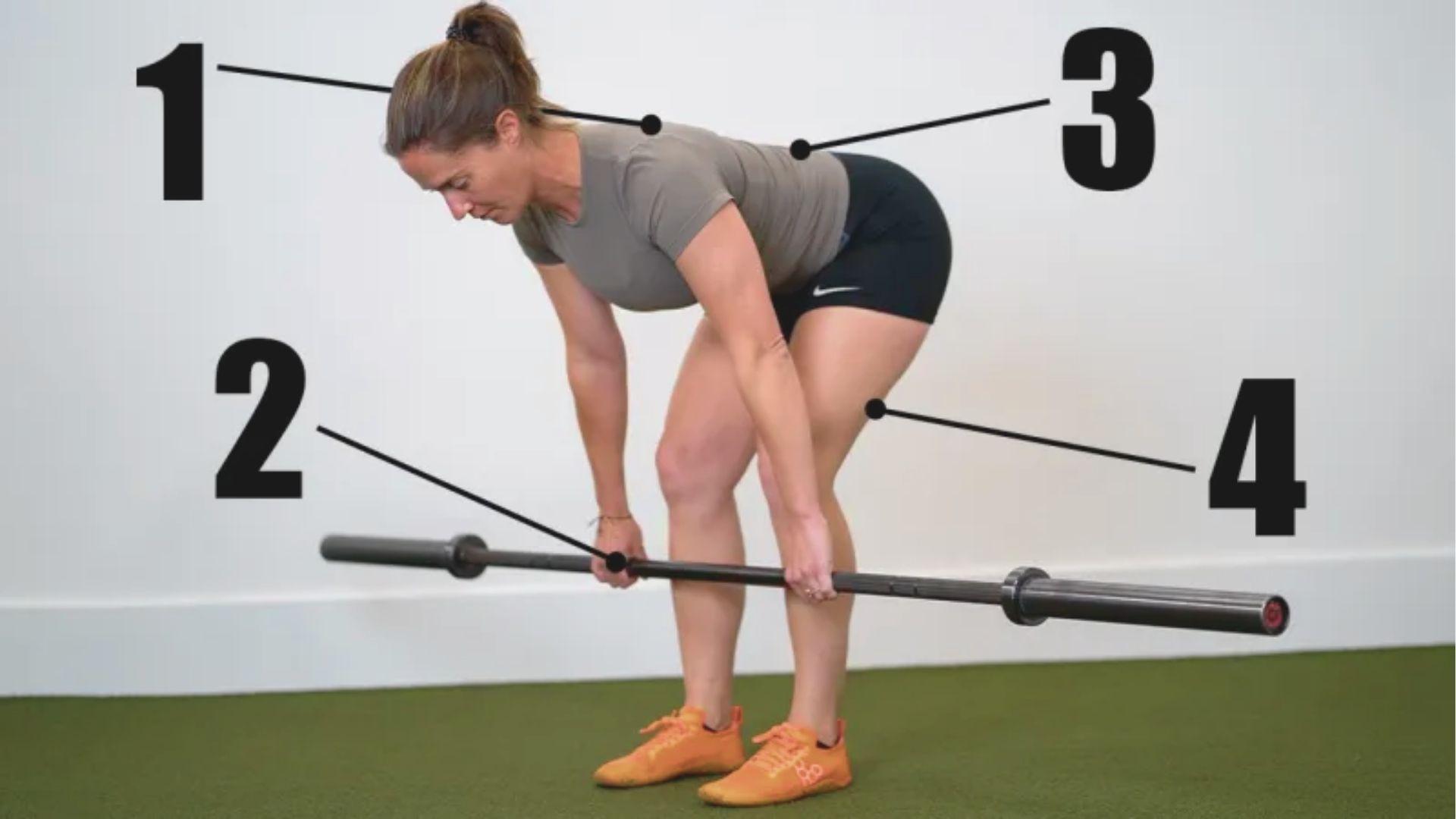
Getting the form right from the start will make a big difference in how much you feel this in your glutes.
Step 1: Set Your Stance and Grip
Stand with your feet hip-width apart. Your toes should point forward or slightly out.
Hold the barbell with an overhand grip just outside your hips. If using dumbbells, hold one in each hand in front of your thighs.
Keep your shoulders back and down before you start moving.
Step 2: Keep a Slight Knee Bend
Do not lock your knees out completely. Keep a soft bend throughout the movement.
This protects your joints and keeps the focus on your hips. Do not bend your knees like a squat. Just a small, soft bend is all you need.
Step 3: Brace Your Core and Keep Your Spine Neutral
Before you lower the weight, take a breath in and brace your core. Think of it like you are about to take a punch.
Your spine should stay in a neutral position. That means no rounding at the lower back and no over-arching either.
Keeping your spine neutral protects you from injury and keeps the load on your glutes.
Step 4: Push Your Hips Back
This is the most important part. Push your hips back, not down.
Think about trying to touch the wall behind you with your hips. This is the hip hinge motion that activates your glutes.
If you push your hips down instead, it becomes a squat. That shifts the work away from the glutes.
Step 5: Lower the Weight Close to Your Legs
As you hinge, let the weight travel down close to your shins. It should almost graze your legs as it goes down.
Keeping the weight close shortens the lever and reduces stress on your lower back. It also keeps the load where it belongs.
Step 6: Stop at the Right Depth
Lower until you feel a strong stretch in your glutes and hamstrings. For most people, that is just below the knees.
Do not go lower just to look more flexible. Going past your range of motion often causes the lower back to round, which takes tension off the glutes.
Your depth depends on your flexibility. Stop where your back stays flat.
Step 7: Drive Your Hips Forward to Stand
To come back up, push the floor away and drive your hips forward. Do not think about pulling the weight up.
The movement comes from your hips, not your back. Focus on squeezing your glutes as you stand up.
Step 8: Squeeze Your Glutes at the Top
At the top of the rep, stand tall and squeeze your glutes hard for a second.
This completes the hip extension and finishes the rep properly. Many people skip this part. Do not.
That final squeeze is what makes sure your glutes are fully activated before the next rep.
Best Form Tips for Better Glute Engagement
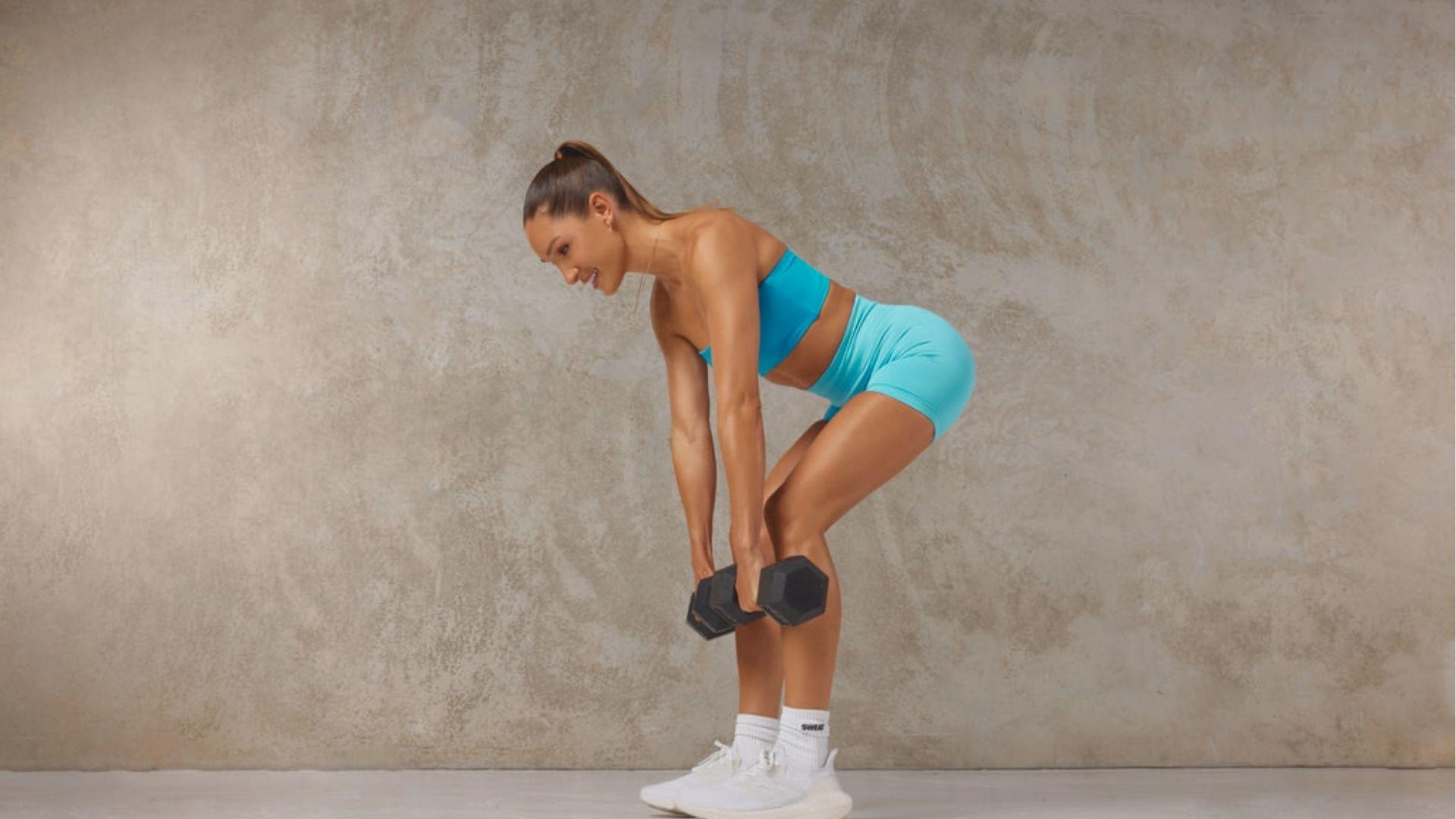
Small form changes can make a big difference in where you feel the exercise.
Focus on the Hip Hinge
The hip hinge is everything in an RDL. If you are not hinging at the hips, you are not doing the movement correctly.
Practice the hip hinge without weights first. Stand near a wall and try to push your hips back to touch it. Get that pattern down before adding load.
Keep Your Shins Nearly Vertical
Your shins should stay mostly vertical during the movement. If your knees travel forward a lot, you are turning it into a squat.
Keeping the shins vertical forces your hips to move back more. That is where the glute work happens.
Control the Lowering Phase
Slow down on the way down. A 2 to 3 second lowering phase increases time under tension.
More time under tension means more muscle stimulus. Do not rush the eccentric part of the lift.
Keep the Weight Close to Your Body
The further the weight is from your body, the harder it is on your lower back. Keep it close the whole time.
If you are using a barbell, it should almost drag up your legs on the way up and down. This is the safest and most effective path.
Maintain Tension Throughout Each Rep
Do not relax at the bottom. Keep your core braced and your muscles engaged at all times.
The moment you lose tension, you lose the benefit of the movement. Stay tight from start to finish on every rep.
Common RDL Mistakes That Limit Glute Activation
These mistakes are very common and easy to fix once you know what to look for.
- Squatting Instead of Hinging: People push their knees forward instead of pushing the hips back. This lets the quads take over and the glutes do very little work.
- Rounding the Lower Back: A rounded lower back shifts stress onto the spine and away from the glutes. Lighten the load and stop at the depth where your back stays flat.
- Lowering Too Far: Going past your mobility causes compensations that reduce glute activation. For most people, just below the knees is the right stopping point.
- Using Too Much Weight: Heavy weight makes it tempting to rush and lose form, which hurts glute engagement. A lighter weight with full control beats heavy weight with poor technique every time.
- Rushing the Movement: Moving too fast turns the RDL into a swing and removes tension from the glutes. Slow down especially on the way down and let the muscle do the work.
Why You Feel RDLs More in Your Hamstrings
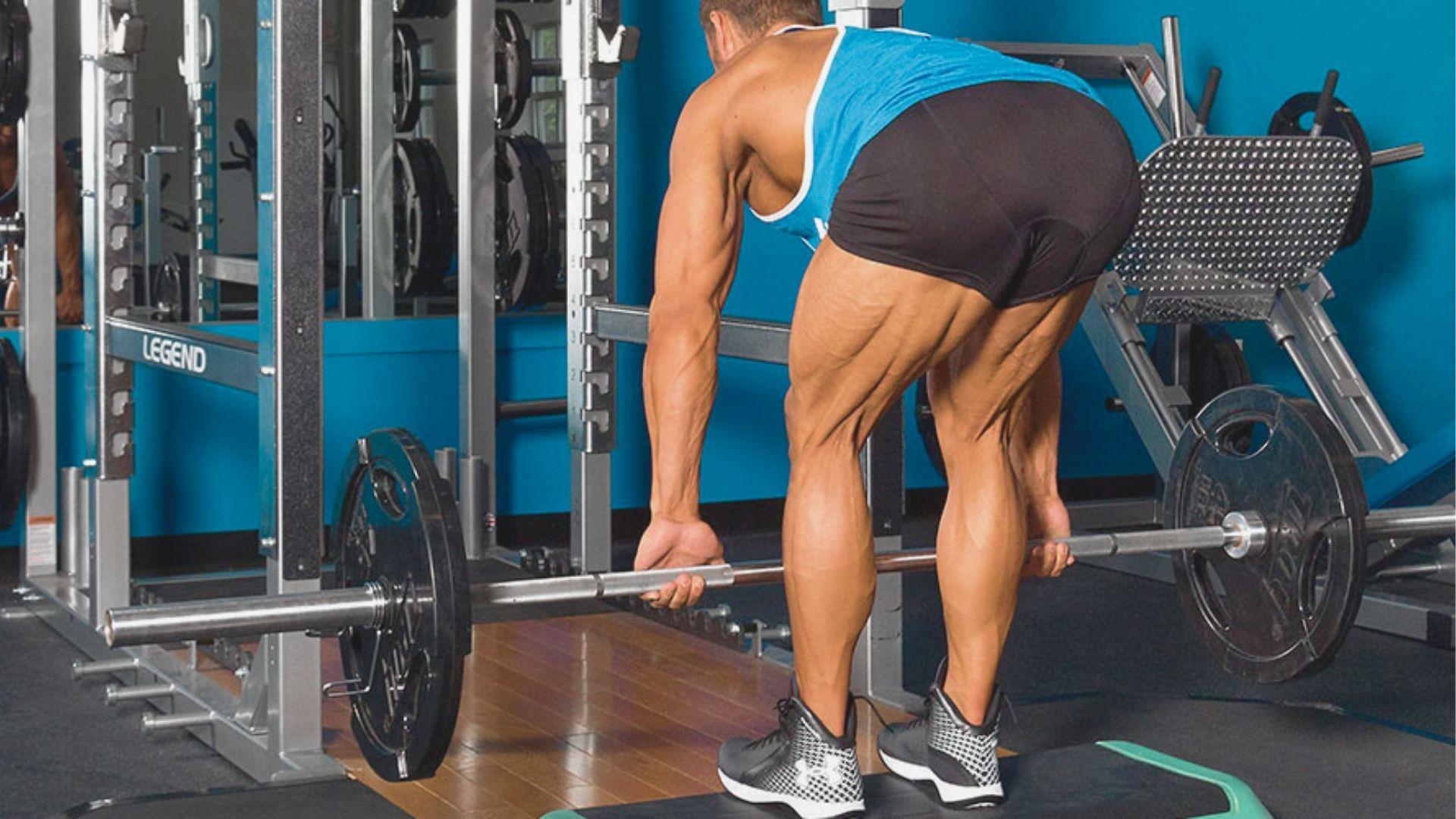
Feeling it mostly in your hamstrings is very common. Here is why it happens.
Tight hamstrings limit how far your hips can hinge. They take on the stretch before your glutes even engage. A few minutes of hamstring stretching before your workout helps a lot.
Weak glutes do not fire easily, so the hamstrings pick up the slack. Start with lighter loads and focus on squeezing the glutes with each rep.
Poor hip positioning is another big one. If your hips are not pushing back far enough, the glutes never get a proper stretch and stay disengaged.
Low glute activation is common if you sit for most of the day. Your glutes can simply switch off. A short warm-up before training fixes this quickly.
How to Feel RDLs More in Your Glutes
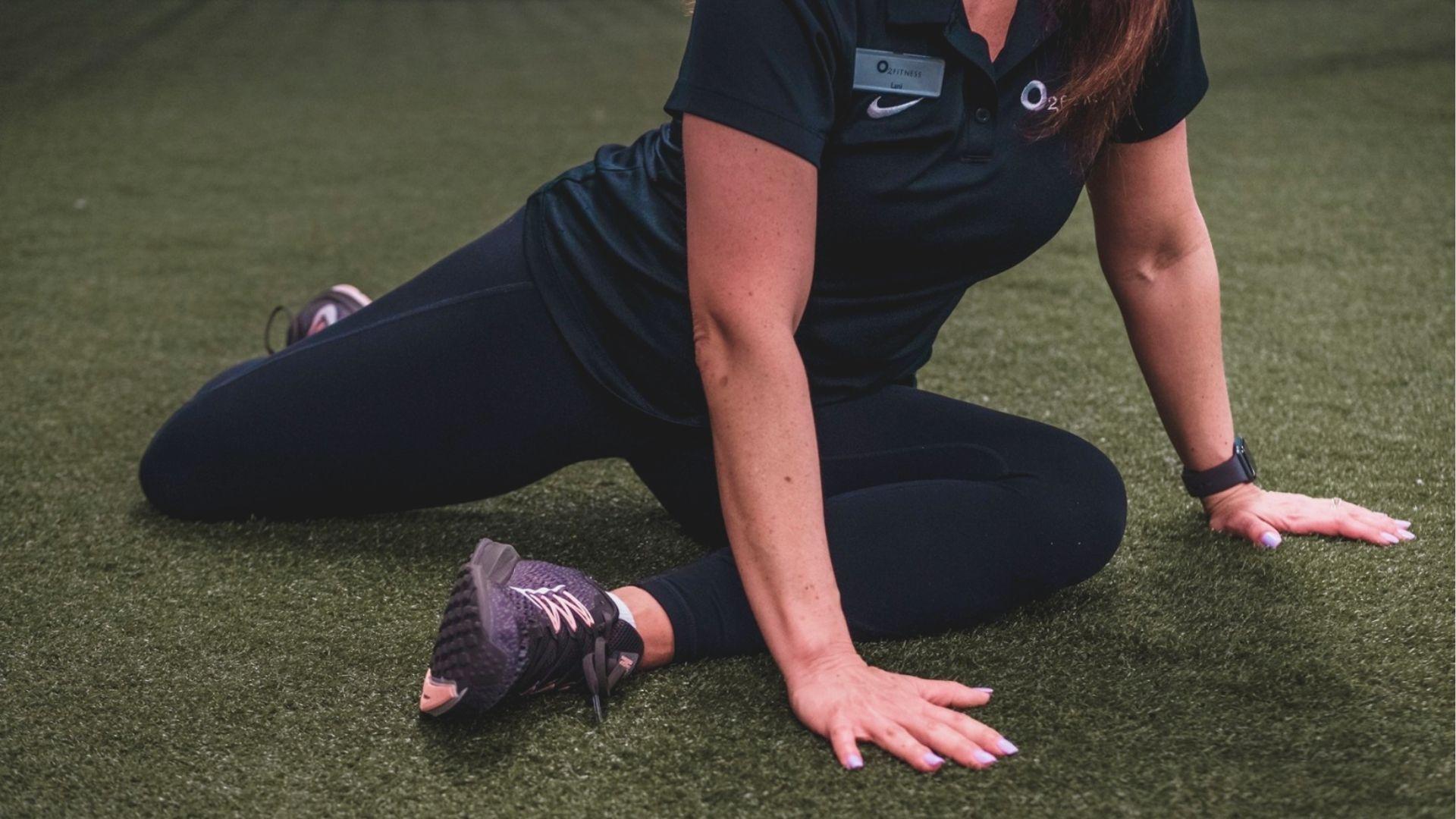
These simple strategies help shift more work to the glutes during your RDLs.
Warm Up Your Glutes Before Training
Before your first set, do a few exercises to get blood flowing to your glutes. This helps them engage better during your main workout.
Glute bridges, clamshells, and banded sidewalks are great choices. Even 2 to 3 minutes of warm-up helps a lot.
Use Slower Reps
Take 3 seconds to lower the weight and 1 to 2 seconds to stand. This forces your glutes to work harder.
Slow reps reduce momentum and increase muscle tension. They are one of the best tools for building the mind-muscle connection.
Pause at the Bottom
Add a 2 second pause at the bottom of each rep. This removes any momentum and forces your glutes to restart from a dead stop.
It also gives you a moment to feel where the stretch is. If you are not feeling it in your glutes, you can adjust your position.
Try Glute Activation Exercises
Exercises like single-leg glute bridges, fire hydrants, and donkey kicks help you connect with your glutes mentally before heavier lifts.
Doing these before RDLs teaches your brain and muscles to work together. Many people notice a big difference right away.
Practice Single-Leg or B-Stance RDLs
These variations increase the demand on one glute at a time. They are harder to avoid feeling in the glutes because the loading is more direct.
Start with light weights and focus on control. These are great tools for fixing muscle imbalances too.
Best RDL Variations for Glutes
Different RDL variations keep your training fresh and target the glutes from slightly different angles.
Barbell RDL
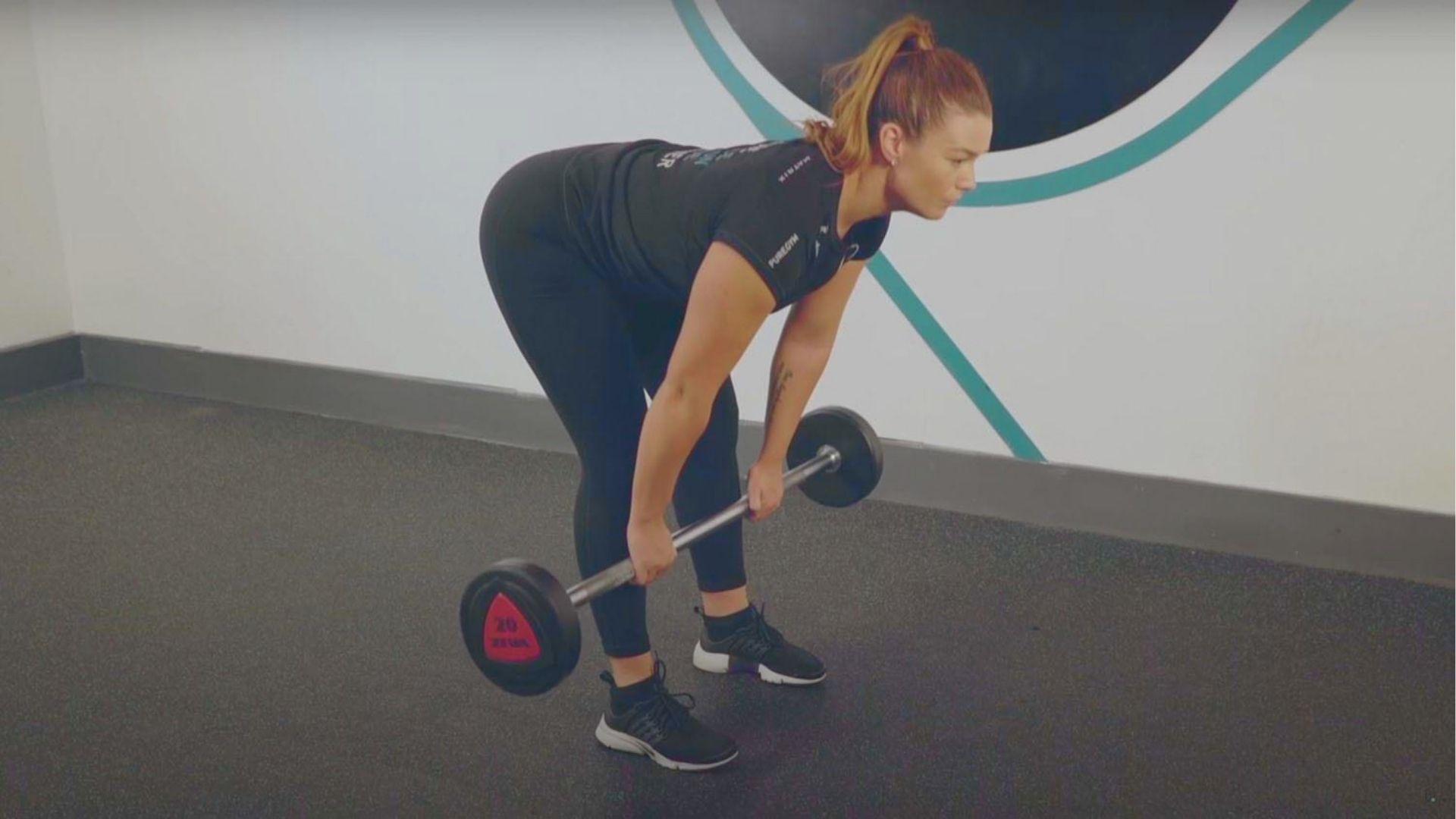
The barbell version allows you to use the most weight. It is great for progressive overload and building raw strength.
The bar path stays close to the body, which makes it very stable. This is usually the best choice for intermediate and advanced lifters.
Dumbbell RDL
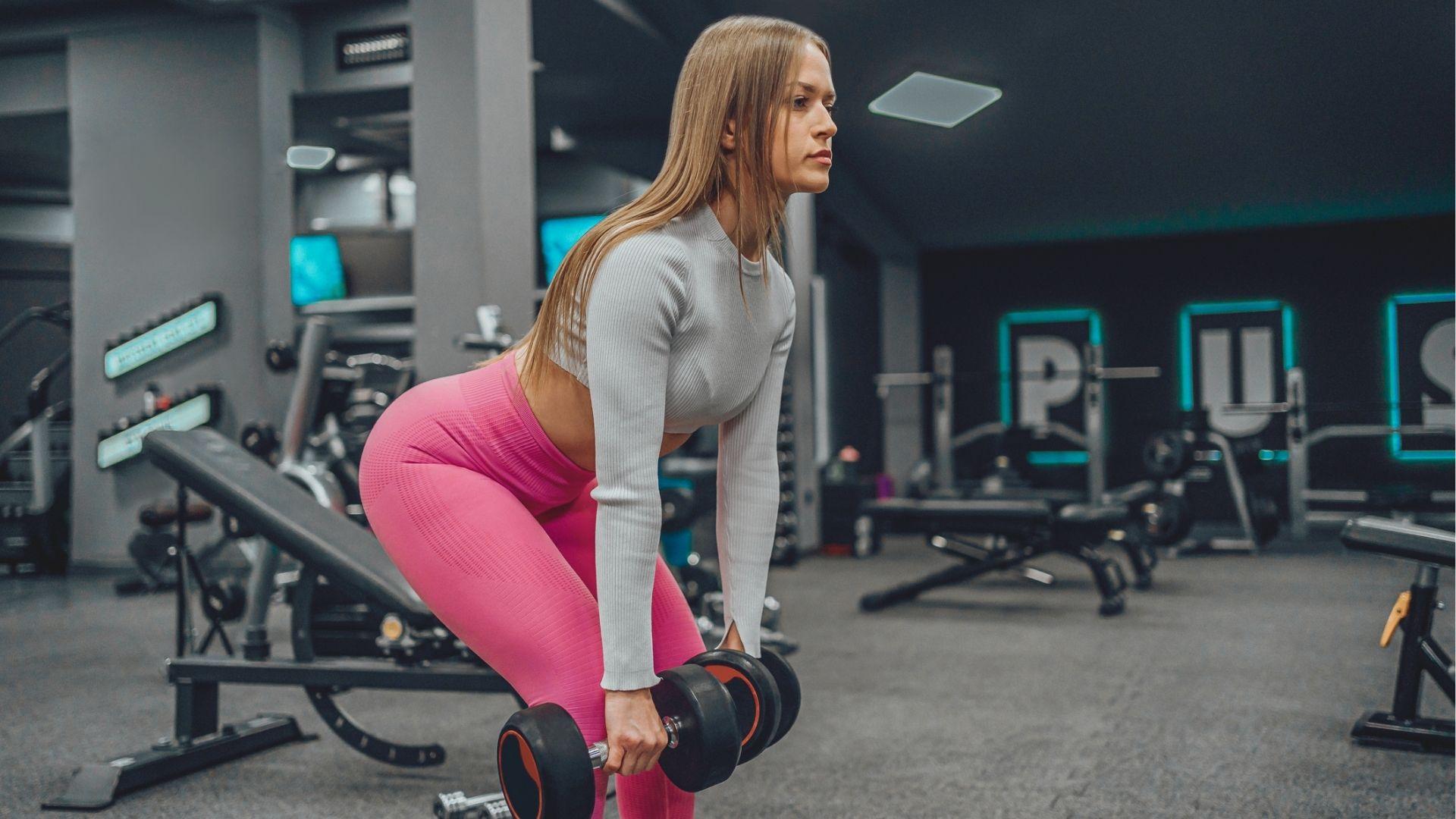
Dumbbells allow more freedom of movement. They can move around your body more naturally, which some people find easier on the lower back.
They are also a great starting point for beginners. The lighter load makes it easier to focus on form before going heavy.
Single-Leg RDL
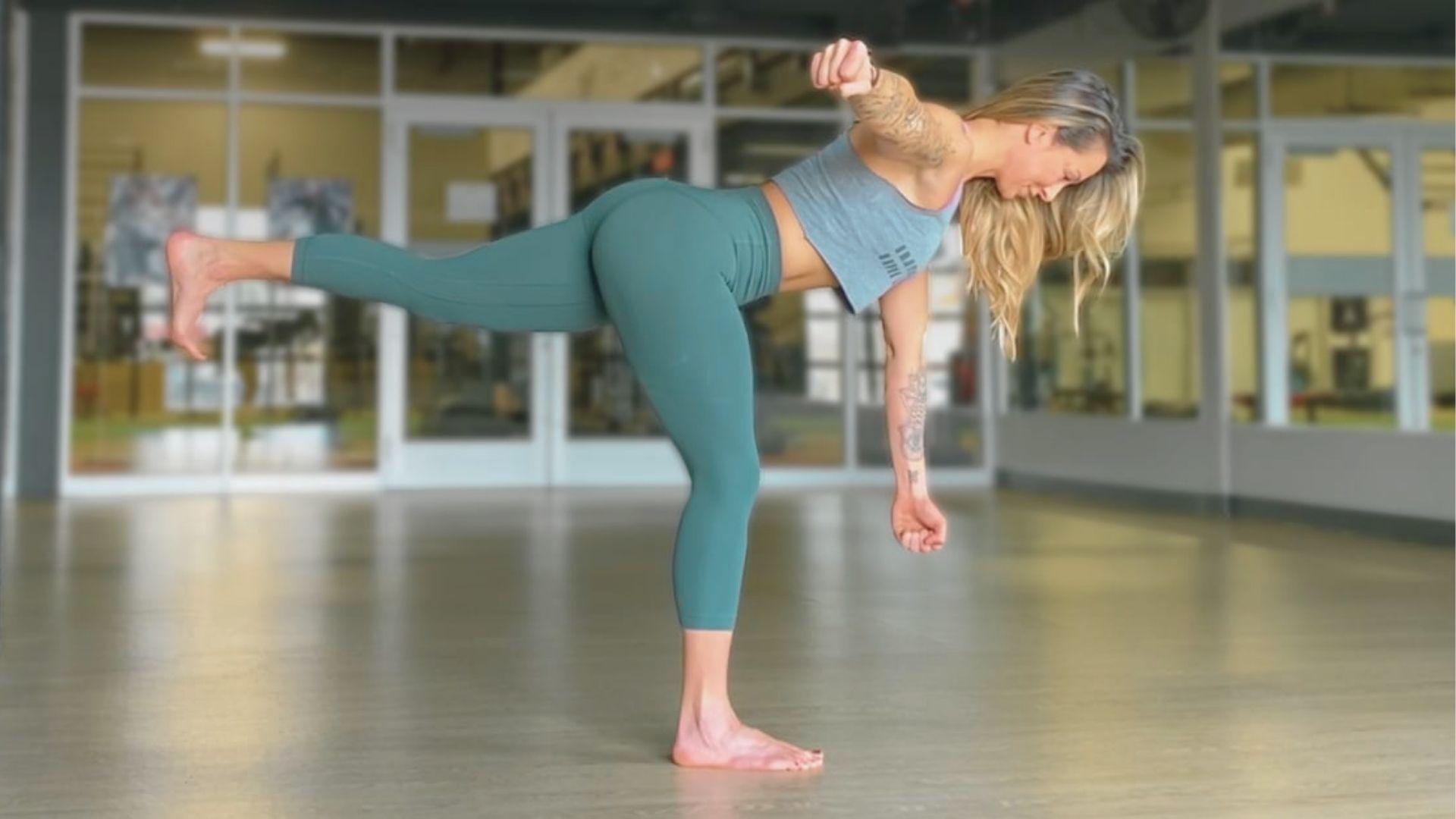
This version trains one leg at a time. It increases the demand on each glute separately and also builds serious balance and stability.
It is harder than it looks. Start with bodyweight or light dumbbells and work up slowly.
B-Stance RDL
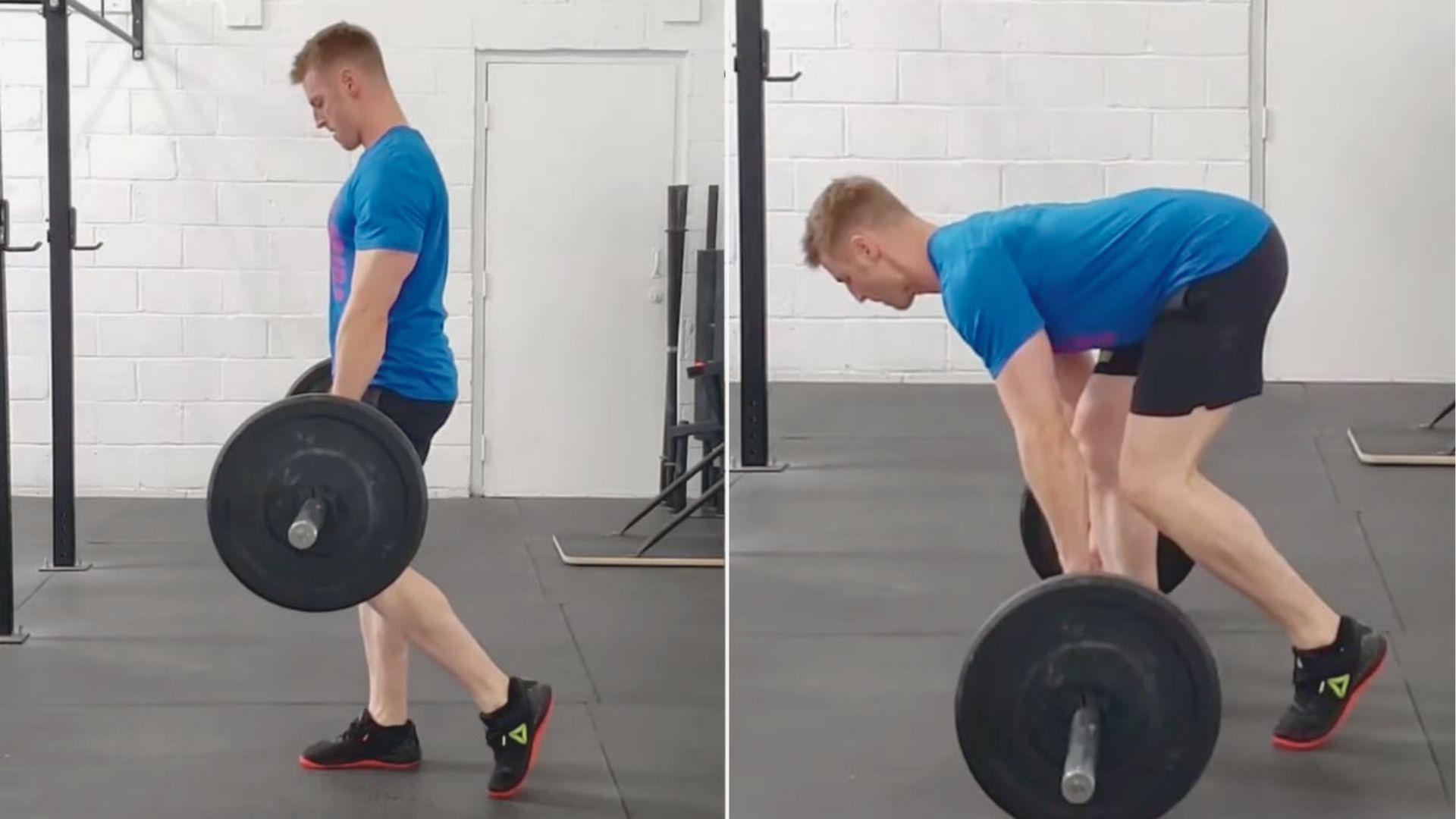
This is a good middle ground between the traditional RDL and the single-leg version. You place most of your weight on one leg while the other foot rests lightly on the floor for balance.
It lets you focus on one glute at a time without the balance challenge of a full single-leg RDL.
Deficit RDL
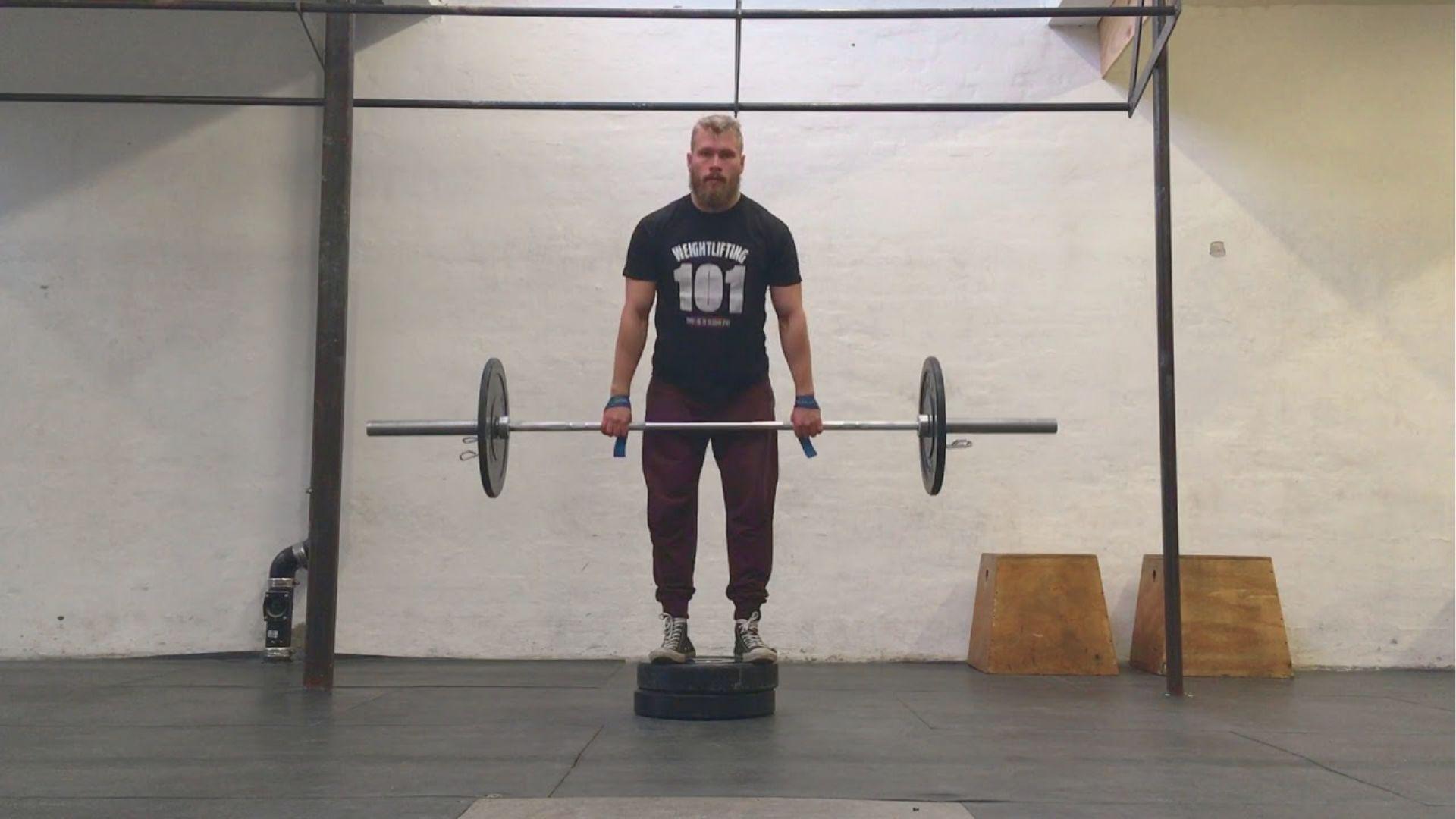
Standing on a small platform increases your range of motion at the bottom. This creates a deeper glute stretch, which can lead to more growth.
Use this only if you have good mobility and solid form. It adds stress to the lower back if done incorrectly.
RDLs for Glutes Workout Tips
Smart programming makes your RDL training more effective and helps you avoid overtraining.
- Start with 3 to 4 sets of 8 to 12 reps for muscle growth. This rep range keeps tension high while still letting you lift decent weight. Beginners can start with 2 to 3 sets of 10 and build from there.
- Train RDLs once or twice a week for best results. Your glutes and hamstrings need time to recover. Give yourself at least 48 hours between sessions before hitting them again.
- Do RDLs early in your workout when you are fresh. Fatigue makes it harder to hold good form. If you are squatting the same day, do squats first and move into RDLs after.
- Add hip thrusts and Bulgarian split squats to your session. These pair well with RDLs and cover glute contraction from different angles. Together they make a strong lower body workout.
- Finish with cable pull-throughs or glute bridges as a burnout. These reinforce the hip hinge and fully fatigue the glutes at the end. They are low-stress moves that work great as a closer.
Conclusion
I know how frustrating it can feel to put in the work and not see the results you want. RDLs changed my training when I finally got the form right.
Once I started focusing on the hip hinge and slowing down the reps, I felt my glutes working in a way I never had before.
You can get there too. Start with the steps in this guide. Be patient with the process.
If this helped you, drop a comment below and tell me how your RDLs are going. Sharing this with a friend who trains could help them too.
Frequently Asked Questions
Are RDLs good for building the glutes?
Yes, RDLs are one of the best movements for glute growth. They stretch the glutes under load, which builds size and strength over time.
How deep should I go in an RDL?
Lower until you feel a strong stretch in your glutes and hamstrings. Stop just below knee level to keep your back flat.
Why do I feel RDLs in my lower back?
Your lower back is likely rounding or taking over the movement. Focus on a neutral spine and push your hips back further before lowering.
Can I do RDLs every day?
No, your glutes and hamstrings need time to recover. Once or twice a week with 48 hours of rest between sessions is enough.
What weight should I start with for RDLs?
Start with a light barbell or dumbbells so you can focus on form. Add weight only once your movement pattern feels solid.