
You've probably stood in the gym wondering which squat to pick. Both the sumo squat and the goblet squat are popular. But they work your body in different ways.
In this article, I break down sumo squat vs goblet squat in simple terms. You'll learn the muscles each targets, how the form differs, which is better for glutes, and how to use both correctly.
I've trained with both variations for years. This guide comes from real experience, not just theory.
We'll cover muscles worked, form tips, benefits, and common mistakes. By the end, you'll know exactly which squat fits your goals.
What Is a Sumo Squat?
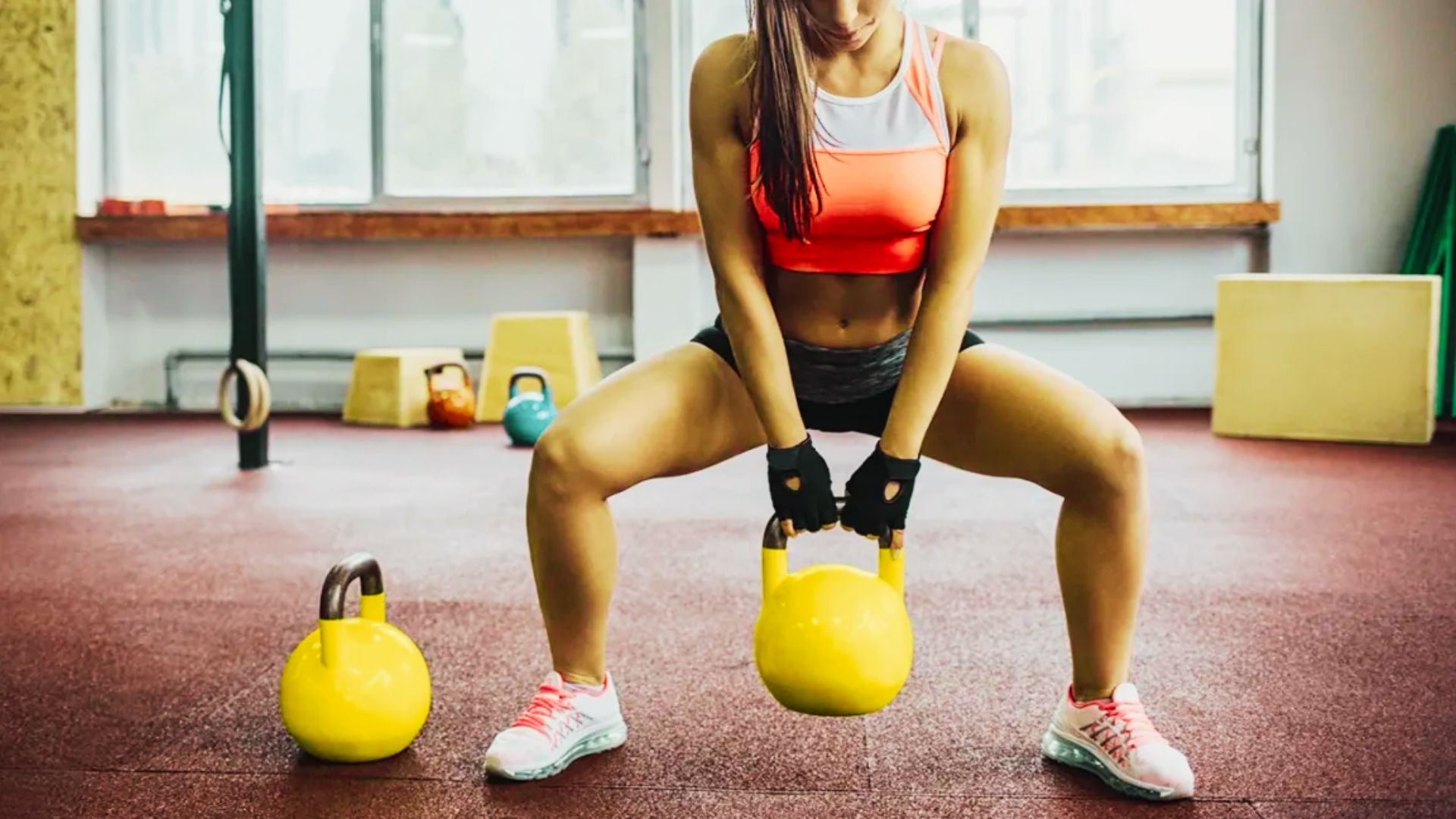
The sumo squat is a wide-stance lower body exercise that targets your glutes, inner thighs, and adductors.
You stand with feet wider than shoulder-width. Toes point out at roughly 45 degrees. You hold a barbell on your back or a dumbbell between your legs.
Lower your body until your thighs are parallel to the floor. Knees track over your toes. Then press back up through your heels.
The wide stance shifts more load onto the glutes and inner thighs. It works best for people with good hip mobility.
What Is a Goblet Squat?
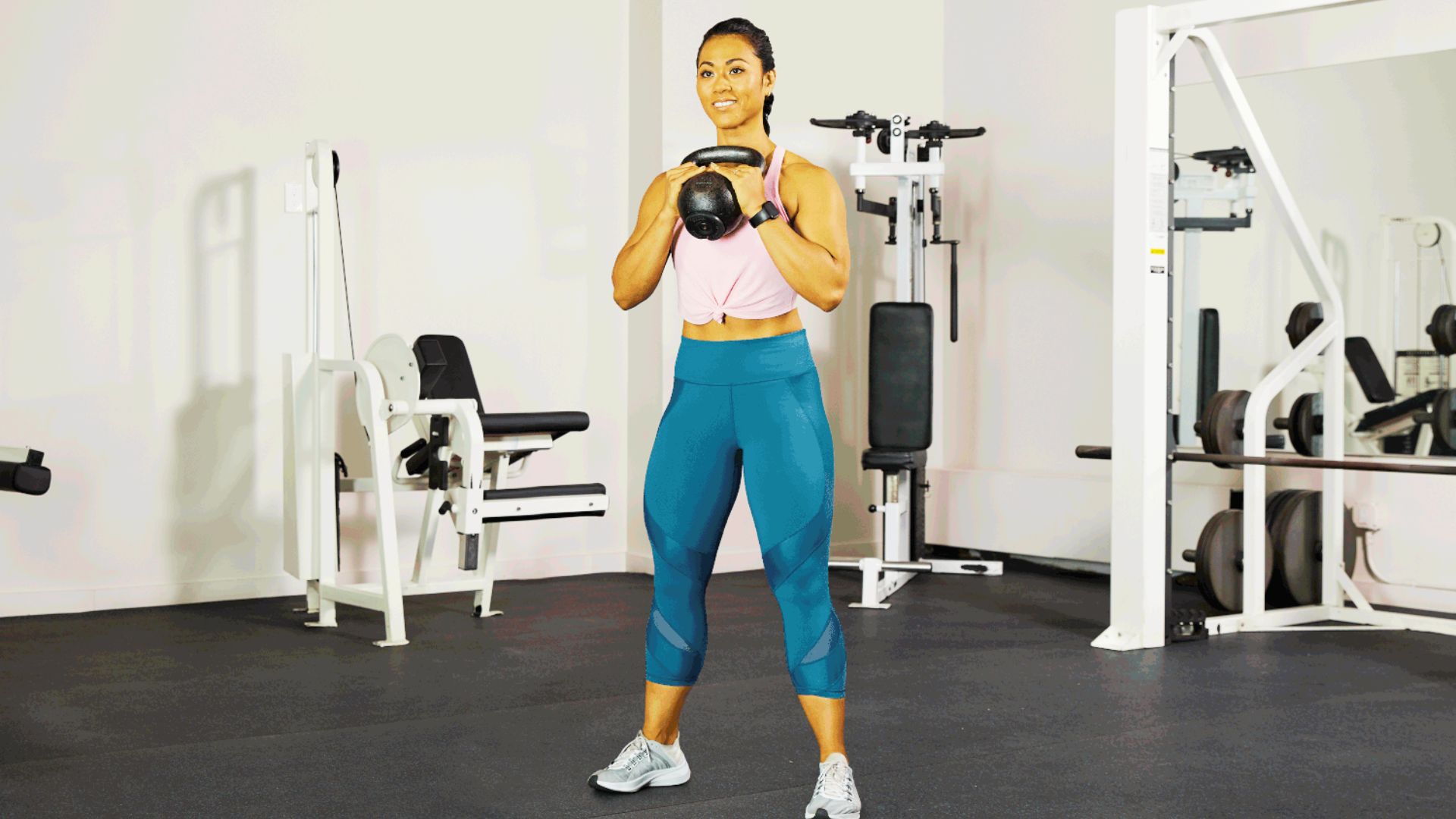
The goblet squat is a beginner-friendly squat that builds strength, depth, and good form at the same time.
You hold a dumbbell or kettlebell at your chest with both hands. Feet are roughly shoulder-width apart, toes slightly turned out. You squat down keeping your chest tall and elbows between your knees.
The weight in front acts as a natural counterbalance. This helps you sit deeper without falling forward.
It is one of the best squats for learning proper movement. It also keeps your core engaged throughout every rep.
Sumo Squat vs Goblet Squat Comparison Table
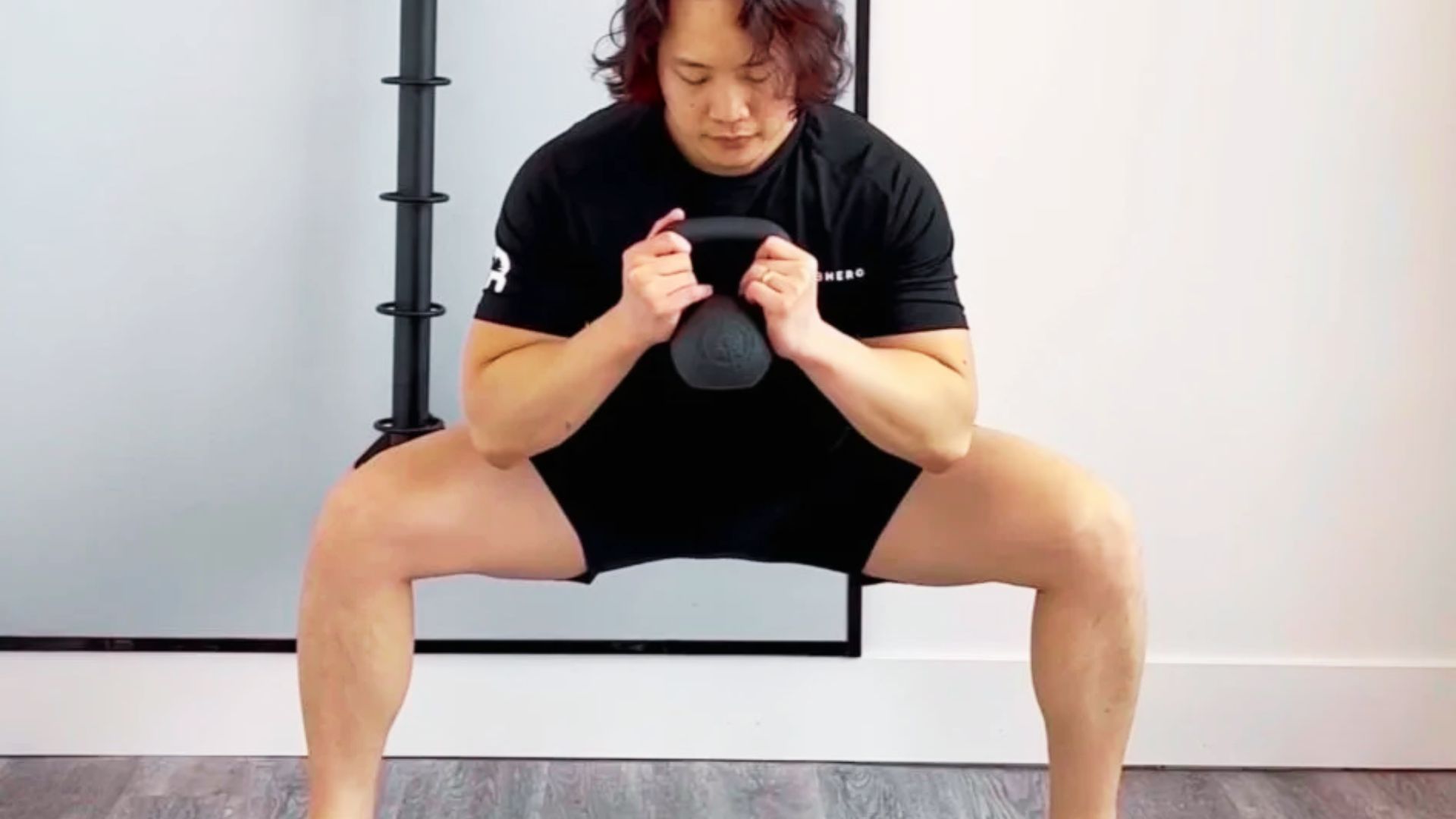
Here is a quick side-by-side look at how these two squat variations stack up against each other.
| Feature | Sumo Squat | Goblet Squat |
| Stance | Wide stance | Shoulder-width stance |
| Load Position | Barbell or dumbbell | Dumbbell or kettlebell at chest |
| Main Focus | Glutes, inner thighs | Quads, core, glutes |
| Mobility Demand | Higher hip mobility | Knee and ankle mobility |
| Difficulty Level | Intermediate | Beginner-friendly |
| Equipment Needed | Barbell or dumbbell | Single dumbbell or kettlebell |
| Strength Progression | High | Moderate |
Both squats have their place in a good training plan, and the right one depends on your current fitness level and goals.
Sumo Squat vs Goblet Squat Muscles Worked
Both squats work the lower body, but they target different muscles depending on stance and weight placement.
Muscles Worked in Sumo Squat (Glutes, Adductors, Inner Thighs)
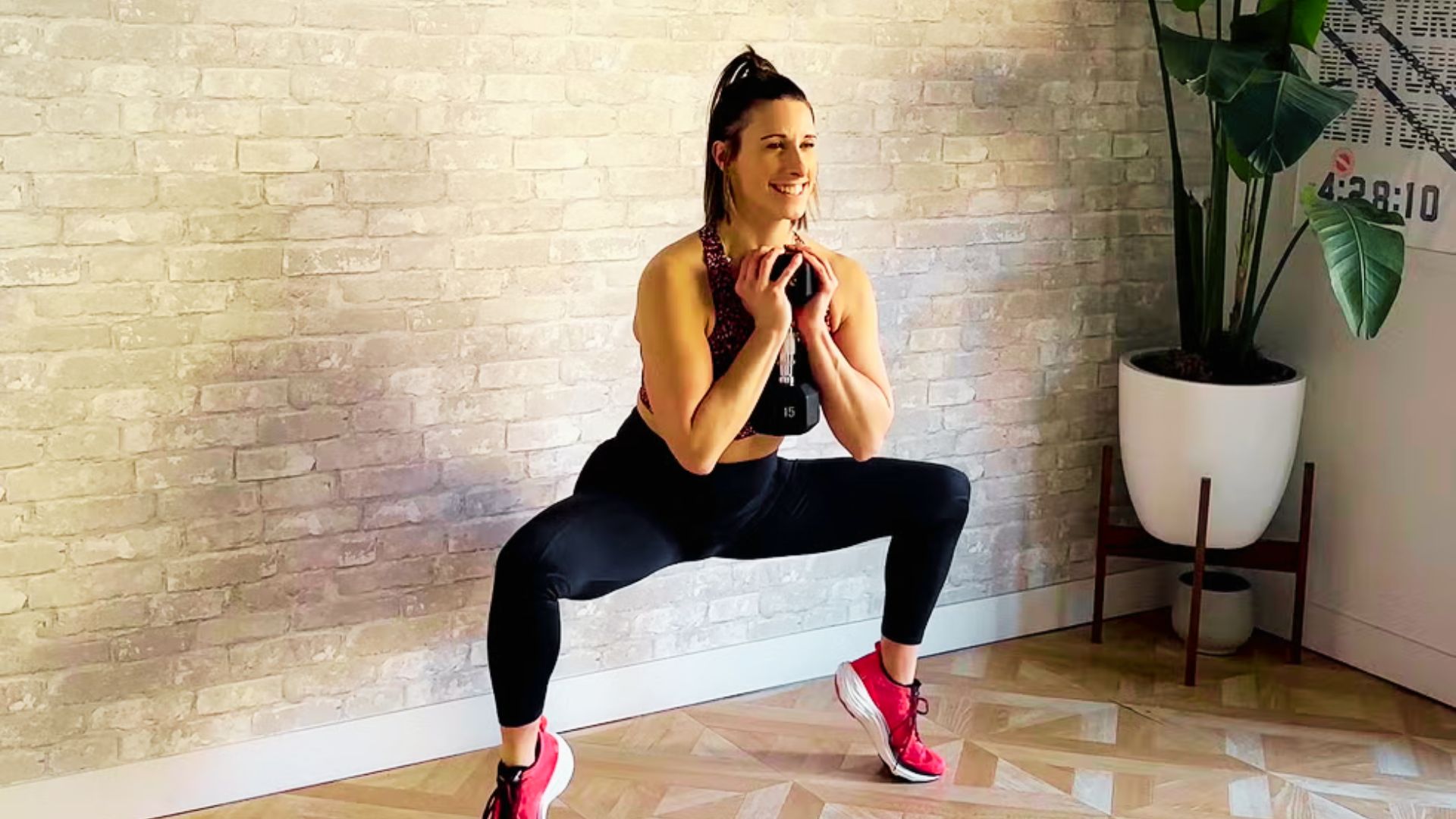
The sumo squat puts the most demand on the glutes and inner thighs. The gluteus maximus contracts hard at the bottom of each rep.
The adductors, hamstrings, and core all assist to keep you stable and upright.
Muscles Worked in Goblet Squat (Quads, Core, Glutes)
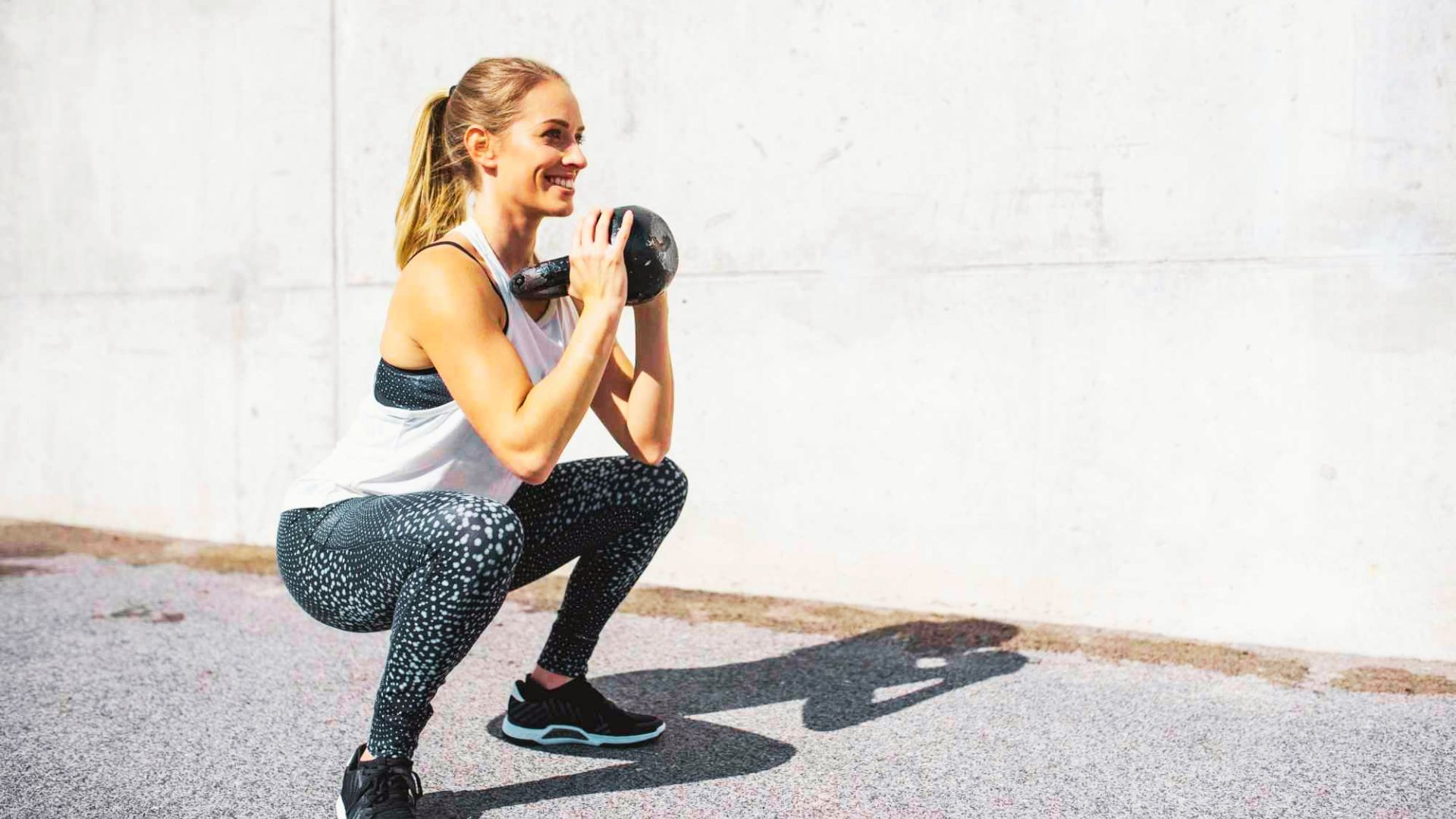
The goblet squat is more quad-focused but still hits the glutes and core well. The quadriceps do most of the work on the way up.
Secondary muscles like the upper back and shoulders engage from holding the weight at your chest.
Muscle Activation Comparison

The sumo squat leads for glute and adductor activation. The goblet squat leads for quad and core engagement. Your goal decides which one belongs in your training plan.
Sumo Squat vs Goblet Squat for Glutes
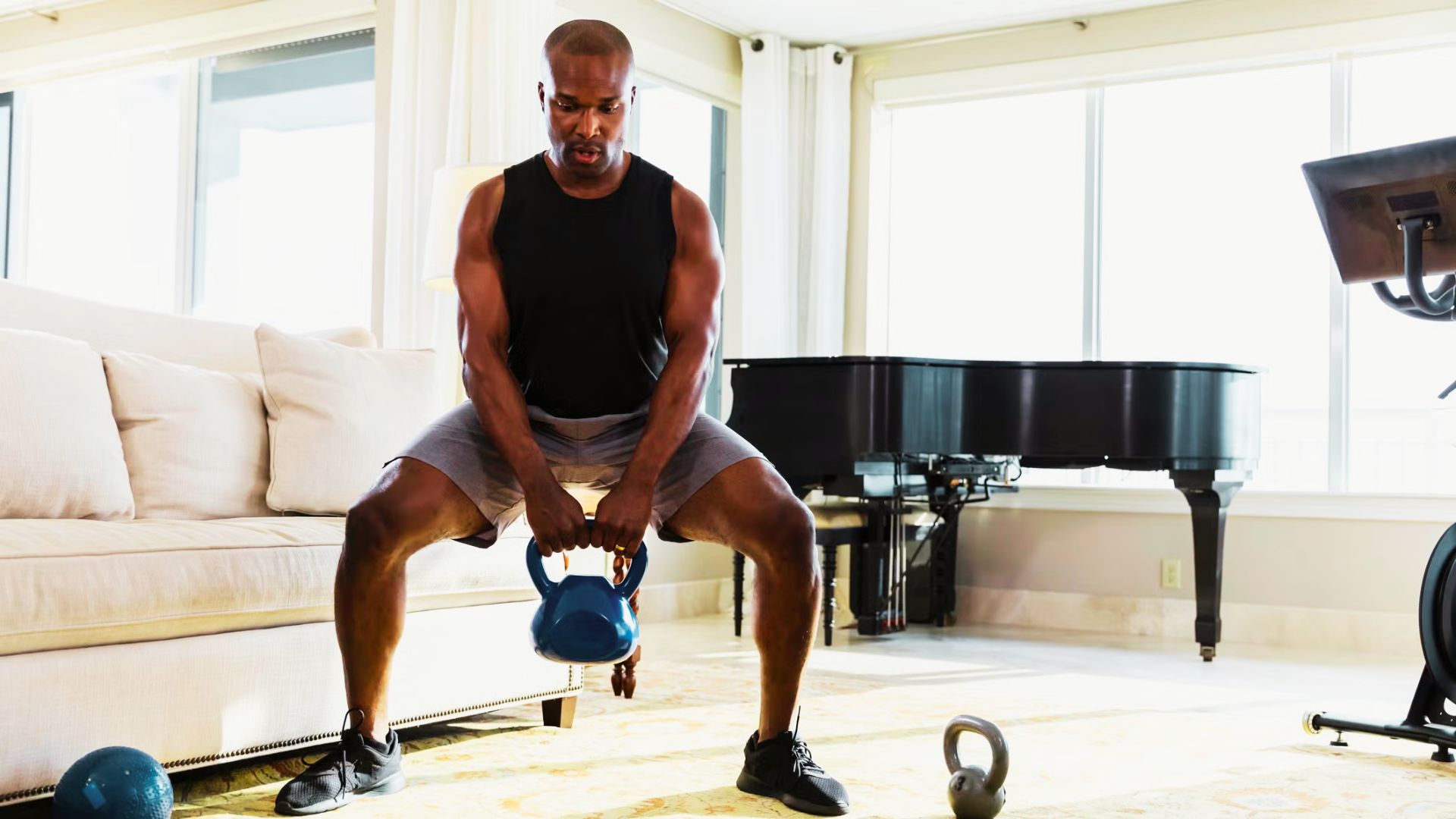
Both squats activate the glutes, but they do it in different ways and to different degrees.
Why Sumo Squat Emphasizes Glute Activation
The wide stance opens up the hips and creates a deeper stretch in the glutes at the bottom. More stretch at the bottom means stronger contraction on the way up.
The outward knee push also fires the gluteus medius, which a regular squat often misses.
Goblet Squat for Balanced Lower Body Development
The goblet squat does not isolate the glutes as directly, but it builds the full lower body in a balanced way.
The upright torso shifts some work to the quads while the glutes still fire at the bottom. It is a solid starting point before moving to more targeted glute work.
Which Is Better for Glute Growth?
The sumo squat is the better choice for direct glute growth. The wider stance and turned-out feet create more stretch and activation in the glutes and adductors.
Goblet squats still help but work better as a warm-up or form drill.
Sumo Squat vs Goblet Squat: Form Differences Explained
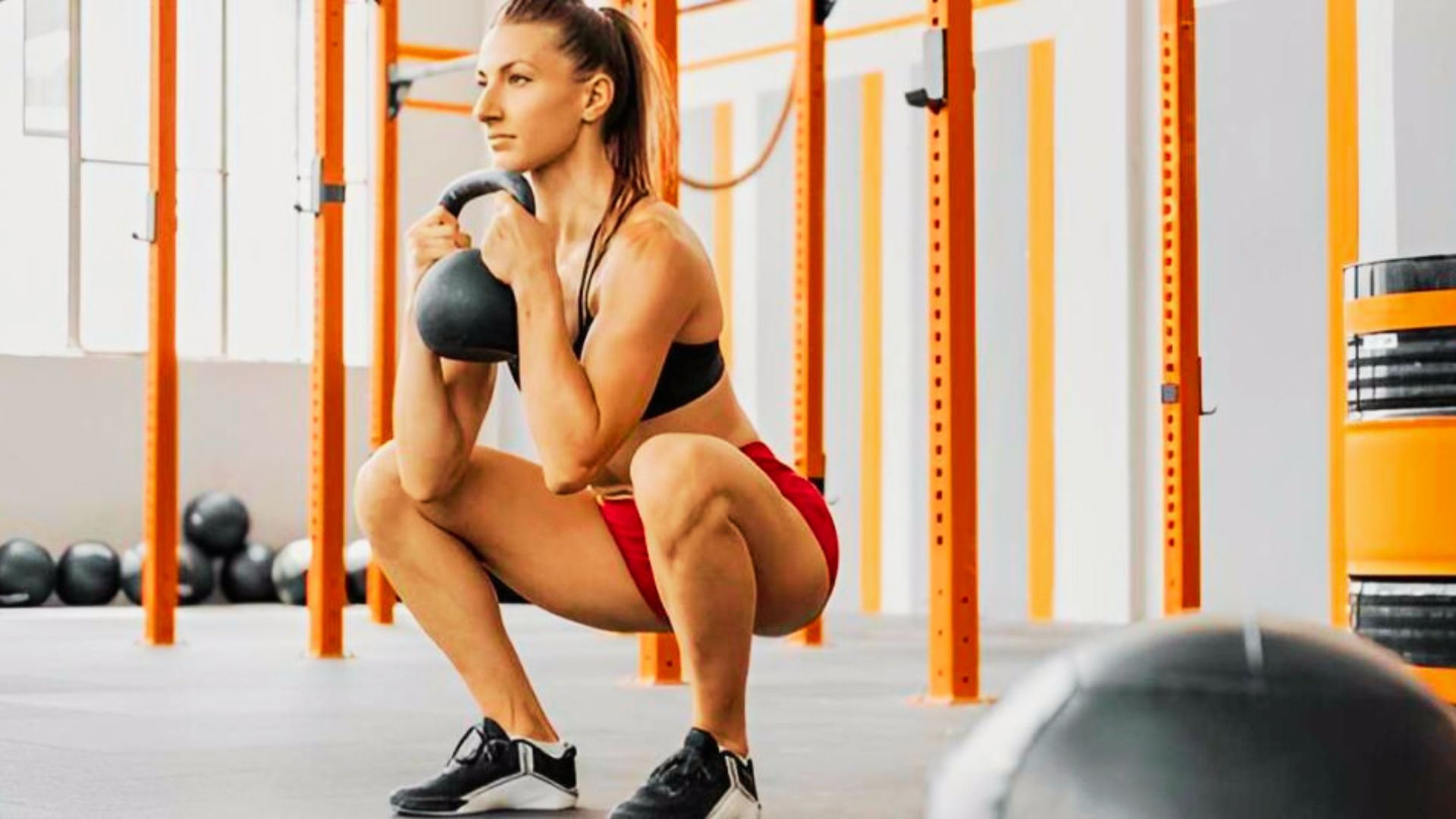
Proper form is everything. Here is how these two squats differ in stance, range of motion, and joint mechanics.
Stance Width and Foot Positioning
The sumo squat uses a wider-than-shoulder stance with toes turned out 30 to 45 degrees. The goblet squat uses a shoulder-width stance with a slight toe-out of 15 to 30 degrees.
The difference in stance directly changes which muscles get loaded most.
Range of Motion Comparison
The goblet squat allows a deeper range of motion for most people because the front load acts as a counterbalance.
Sumo squat depth depends on hip mobility and improves as flexibility builds. Both squats benefit from reaching full depth on every rep.
Hip, Knee, and Ankle Mechanics
The sumo squat places the hips in external rotation with knees tracking over turned-out toes. The goblet squat demands more ankle mobility because of the deeper, narrower stance.
In both movements, letting the knees cave inward is the most common mistake to avoid.
Sumo Squat vs Goblet Squat Benefits
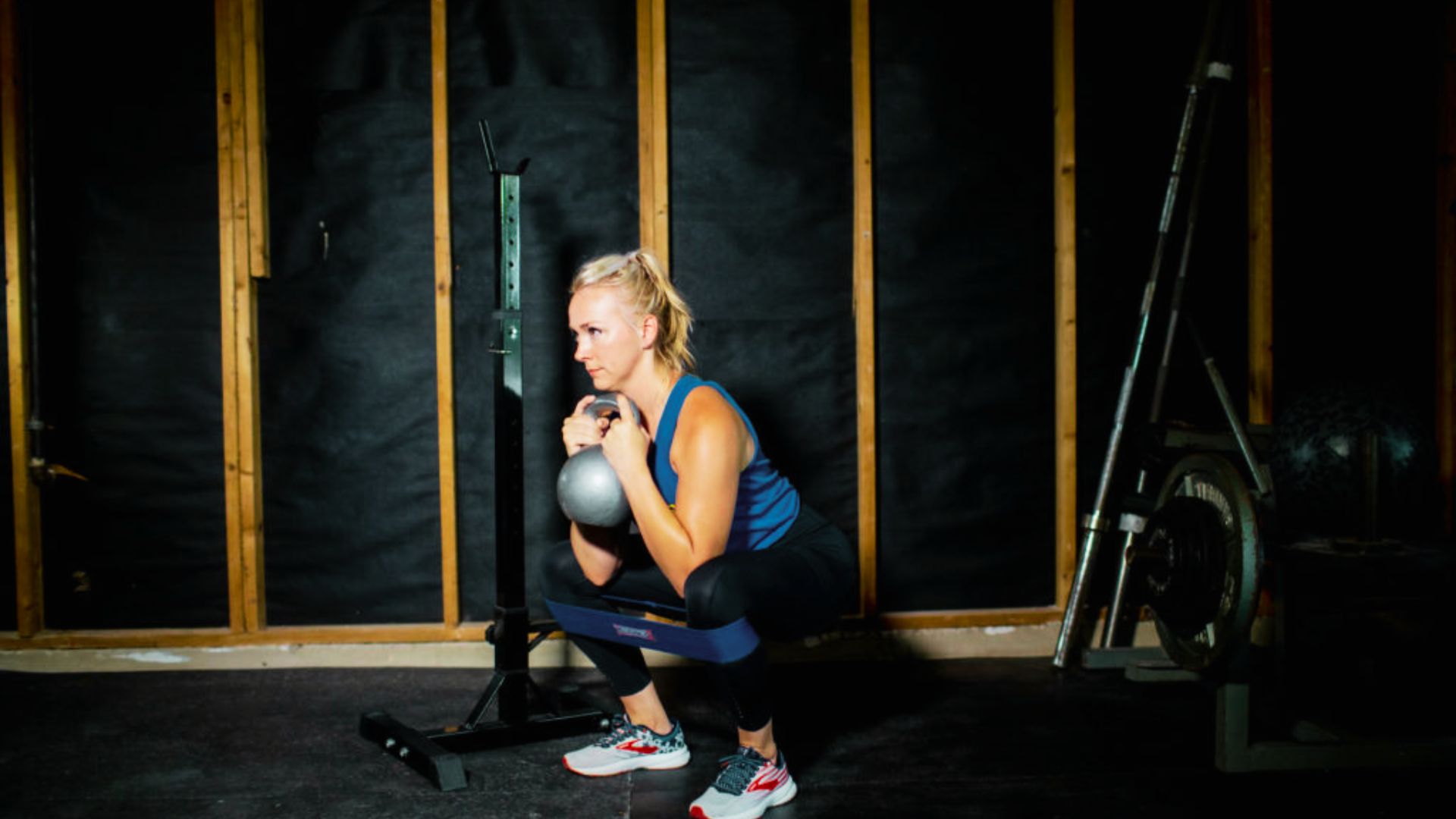
Each squat comes with its own set of benefits. Knowing them helps you pick the right one for your needs.
Benefits of Sumo Squats
The sumo squat builds strong glutes and inner thighs through its wide stance. It allows heavier loading over time for steady strength progression. It also supports hip mobility and athletic performance.
Benefits of Goblet Squats
The goblet squat teaches proper squat mechanics by keeping your torso naturally upright. It builds core strength and is easy on the lower back. It also works well for high-rep sets and warm-ups.
Safety and Joint Stress Differences
Sumo squats can stress the hips and knees if the stance is too wide for your mobility. Goblet squats are gentler on the lower back since the load stays off your spine. Start with goblet squats if you have any back concerns.
Training Tips for Better Results
Small adjustments to your training can make a big difference in your results with both squat variations.
- Keep your knees tracking over your toes in both squats to avoid joint stress.
- Press through your heels on the way up to activate your glutes more effectively.
- Brace your core before you lower down and breathe out as you stand back up.
- Start light and focus on form before adding any extra weight to either movement.
- Use goblet squats as a warm-up before moving into heavier sumo squat sets.
Conclusion
Both squats are worth adding to your training. The sumo squat is better for glute and inner thigh strength with heavier loading.
The goblet squat is better for learning proper form and building quad and core strength.
I started with goblet squats and they changed how I move under any load. If glute growth is your goal, go with sumo squats.
If you are just starting out, begin with goblet squats. Try both and see what your body responds to best.
Frequently Asked Questions
Which is better for glutes, sumo squat or goblet squat?
The sumo squat is better for glute growth because the wide stance creates more stretch and activation. Goblet squats still work the glutes but focus more on the quads.
Can beginners do both sumo and goblet squats?
Goblet squats are the better starting point for beginners since they are easier to control. Sumo squats can be added once you build enough hip mobility and confidence.
Are goblet squats easier than sumo squats?
Yes, goblet squats are generally easier to learn because the front load helps with balance and depth. Sumo squats need more hip mobility and body awareness to perform correctly.
Do sumo squats build inner thighs more?
Yes, the wide stance forces the adductors to work hard through the full range of motion. Very few squat variations match the sumo squat for inner thigh activation.
Can I include both in the same workout?
Yes, you can use goblet squats as a warm-up and sumo squats as your main strength movement. They complement each other well in any lower body session.