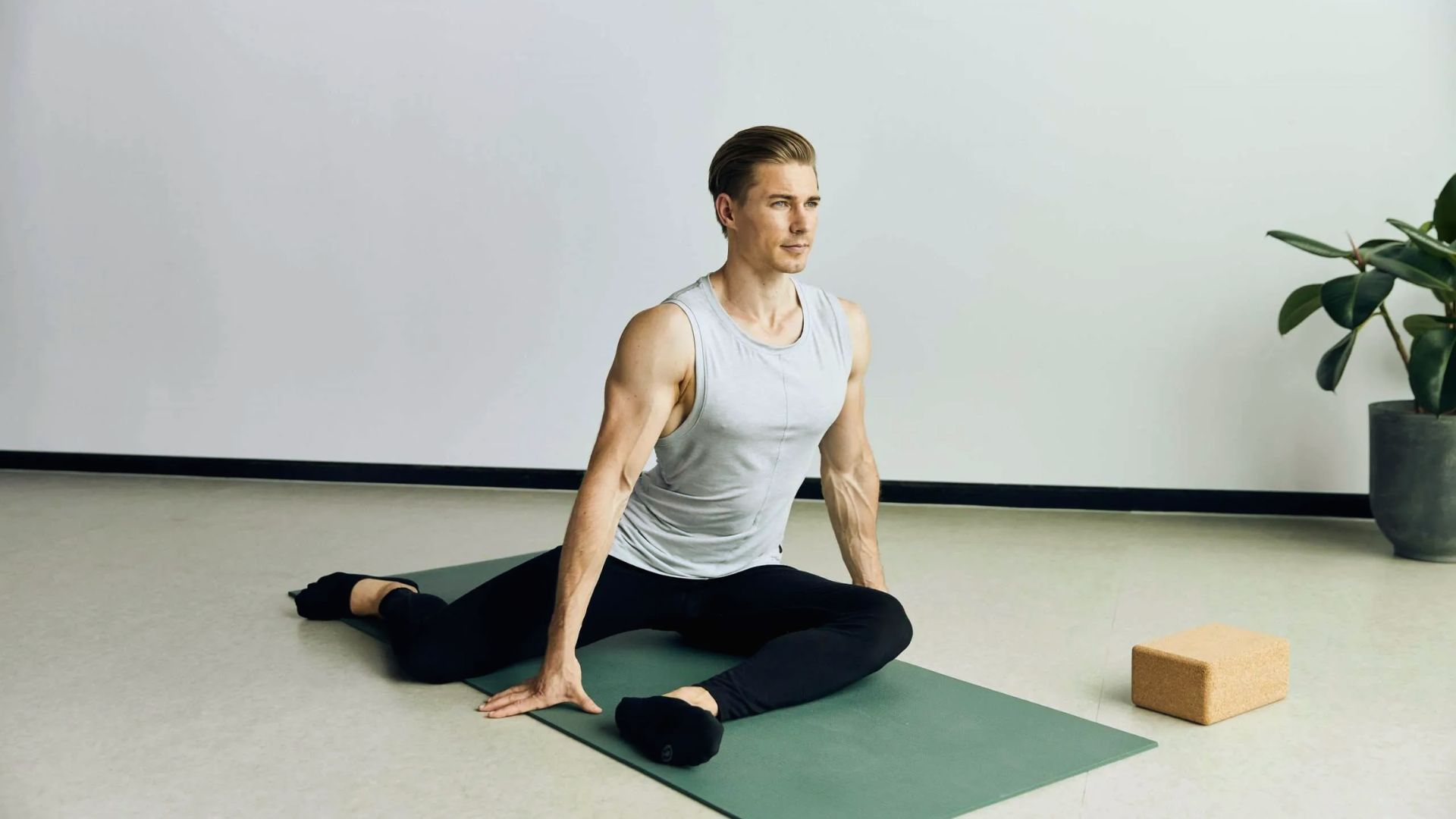
Tight hips are a real problem. If you sit for long hours, you have probably felt that stiffness in your hips and lower back.
This article covers everything you need to know about the 90 90 hip stretch. You will learn how to do it correctly, which muscles it works, and how to avoid common mistakes.
I have worked with this stretch personally and seen how much it helps with daily movement and posture.
Here is what this blog covers: Benefits of the 90 90 hip stretch, Muscles it targets, Step-by-step guide for beginners, Progressions and advanced variations, Common mistakes and tips for better form
By the end, you will know exactly how to do this stretch the right way.
What is the 90 90 Hip Stretch?
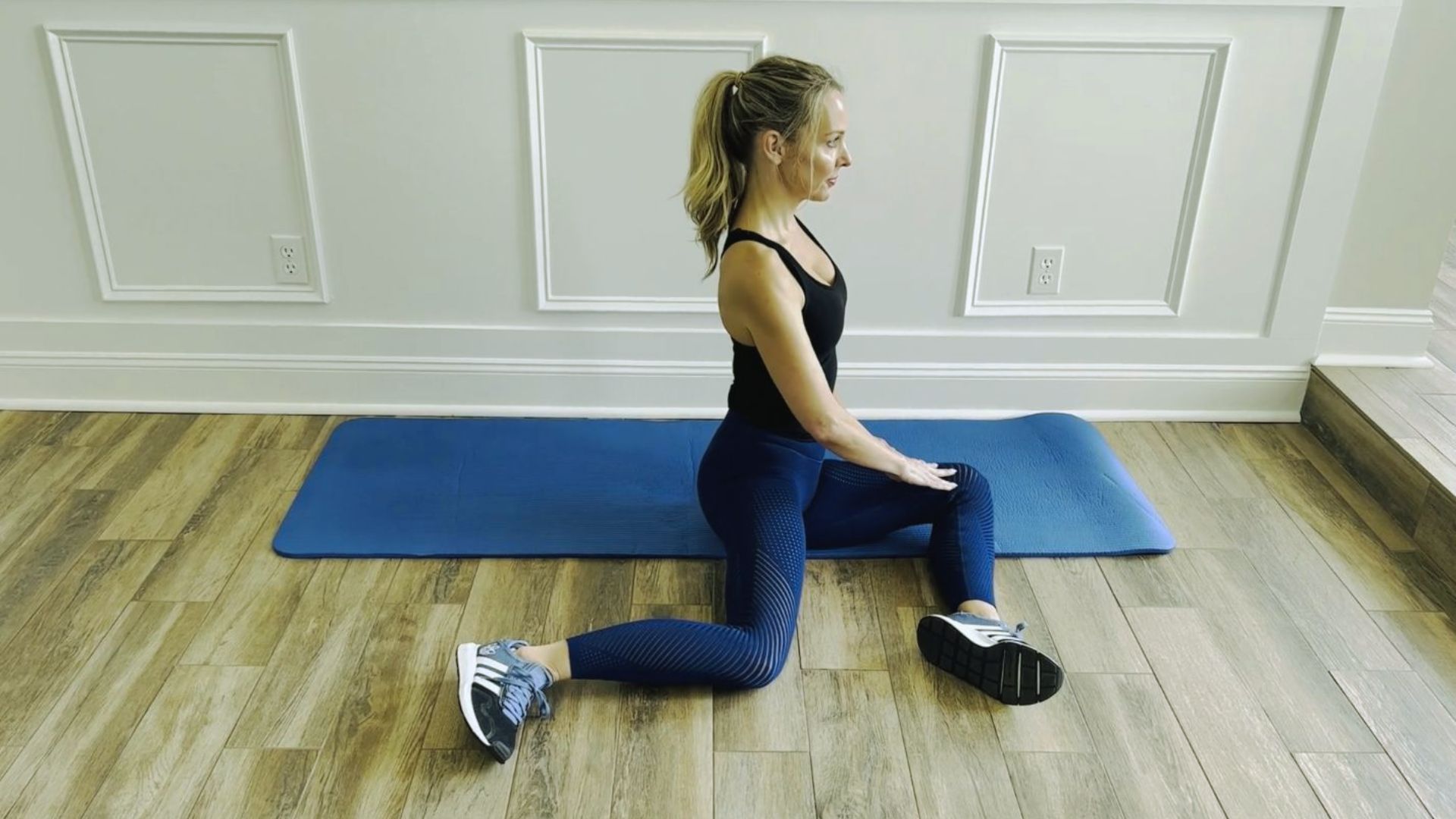
A simple position that most people have never tried but needed all along.
The 90 90 hip stretch is a floor-based stretching position where both knees are bent at 90 degree angles.
One leg sits in front of you and the other angles out to the side. This setup puts your hips into both internal and external rotation at the same time.
It is called the 90 90 because of the shape your legs make. Both the front and back leg form a right angle at the knee.
This position is used in physical therapy, yoga, and strength training to open up the hips in a way most other stretches cannot.
90 90 Hip Stretch Muscles Worked
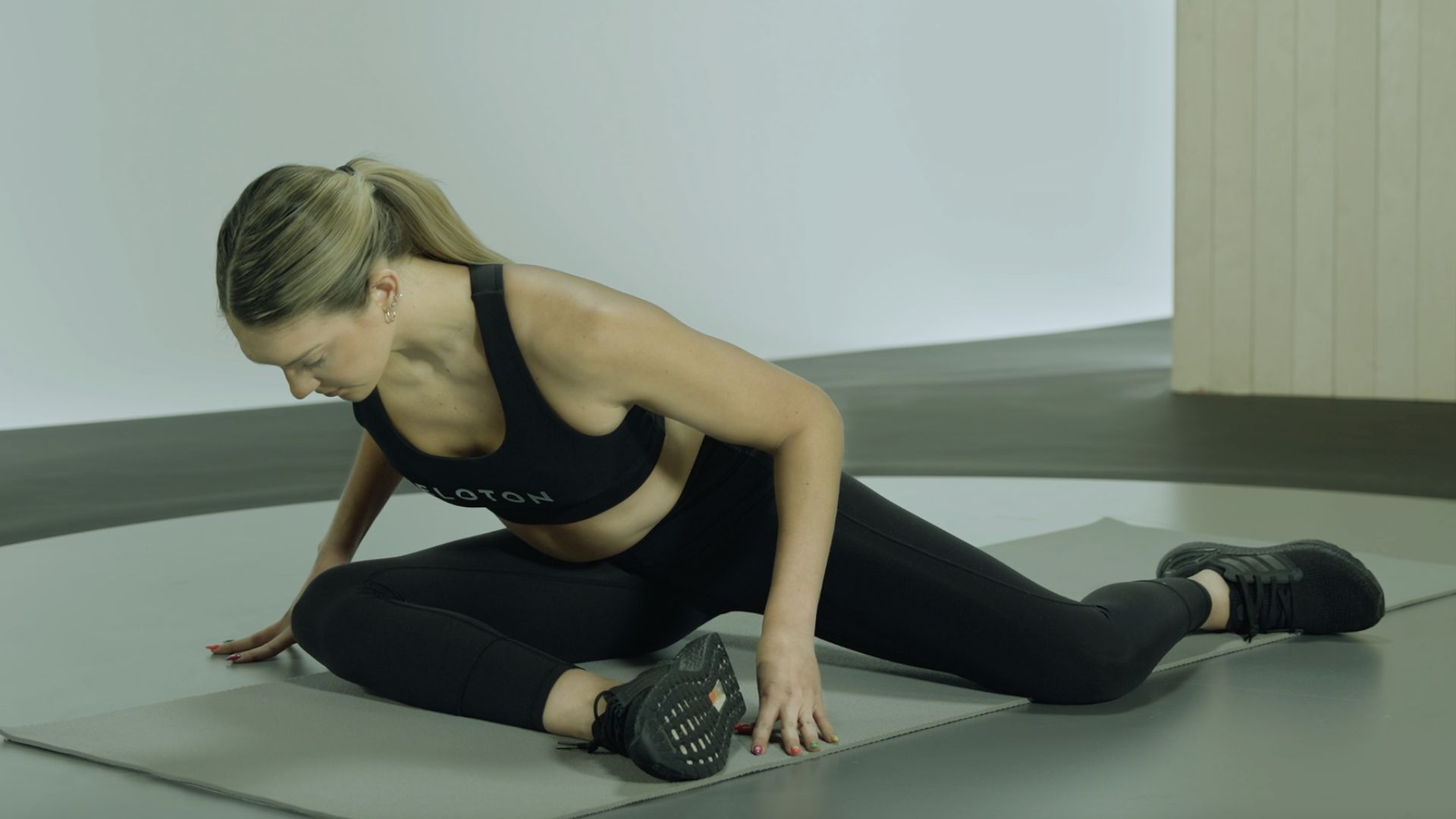
One stretch, multiple muscles doing real work.
This stretch targets several important muscle groups at once.
Hip flexors and psoas are the muscles that tighten most from sitting. The 90 90 position puts them in a gentle but effective stretch.
Glutes and external rotators get worked on the front leg side. These muscles control how your leg rotates outward. Keeping them flexible supports better movement patterns.
Internal and external hip rotation are both addressed in this stretch. The front leg focuses on external rotation.
The back leg works the internal rotation. That balanced approach is what makes this stretch so useful.
How to Do the 90 90 Hip Stretch (Step-by-Step Guide)
Getting the form right from the start makes all the difference.
Step 1: Set Up Your Position
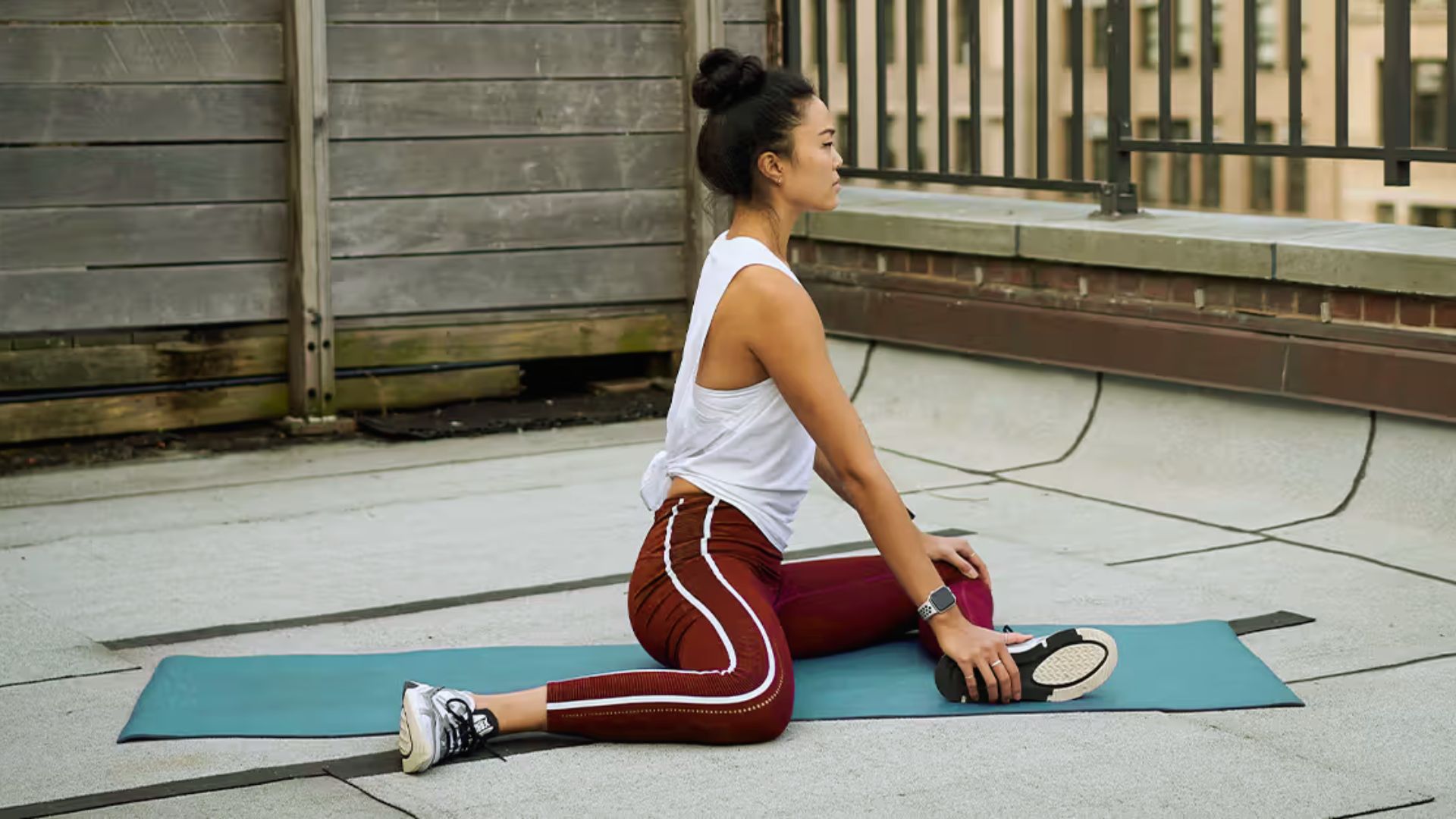
Sit on the floor. Place your front leg so your knee and ankle form a 90 degree angle in front of you.
Place your back leg to the side, also at a 90 degree angle. Both knees should be bent at 90 degrees. Take a moment to check that both legs are positioned correctly before you settle in.
Step 2: Sit Up Tall and Stack Your Spine

Keep your back straight and your chest lifted. Avoid leaning forward or rounding your lower back.
Think of growing taller through the top of your head. Your spine should stay long throughout the entire stretch.
Step 3: Ground Your Hips
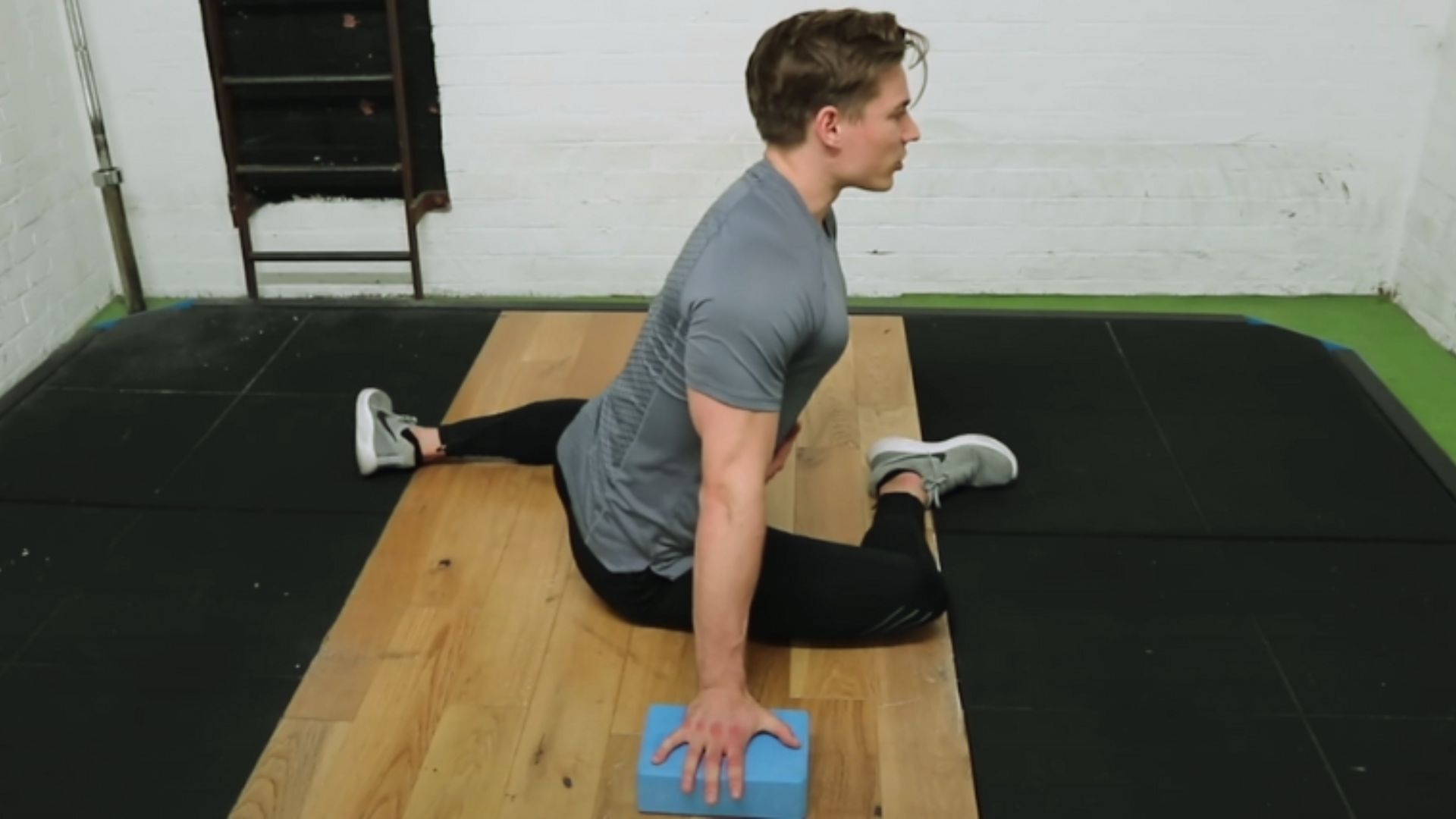
Try to keep both sit bones on the ground as much as possible. If one hip lifts slightly, that is fine. Work within your current range.
Over time, your hips will open up and both sides will settle more evenly.
Step 4: Hold and Breathe
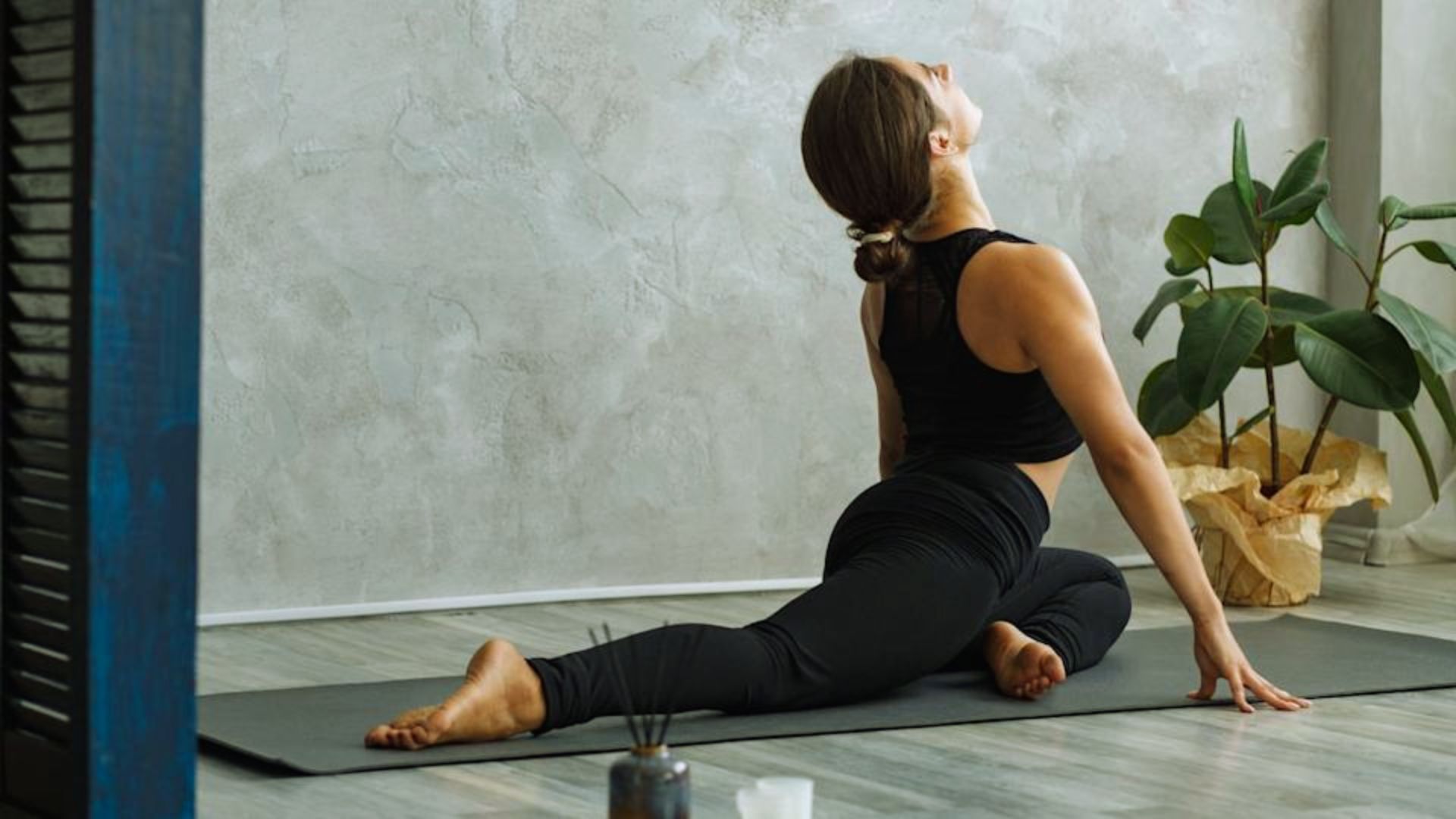
Stay in this position and let your hips settle into the stretch naturally. Do not force it. Breathe slowly and steadily.
Inhale through your nose. Exhale through your mouth. With each exhale, let your body relax a little deeper into the position. Do not hold your breath.
Step 5: Switch Sides
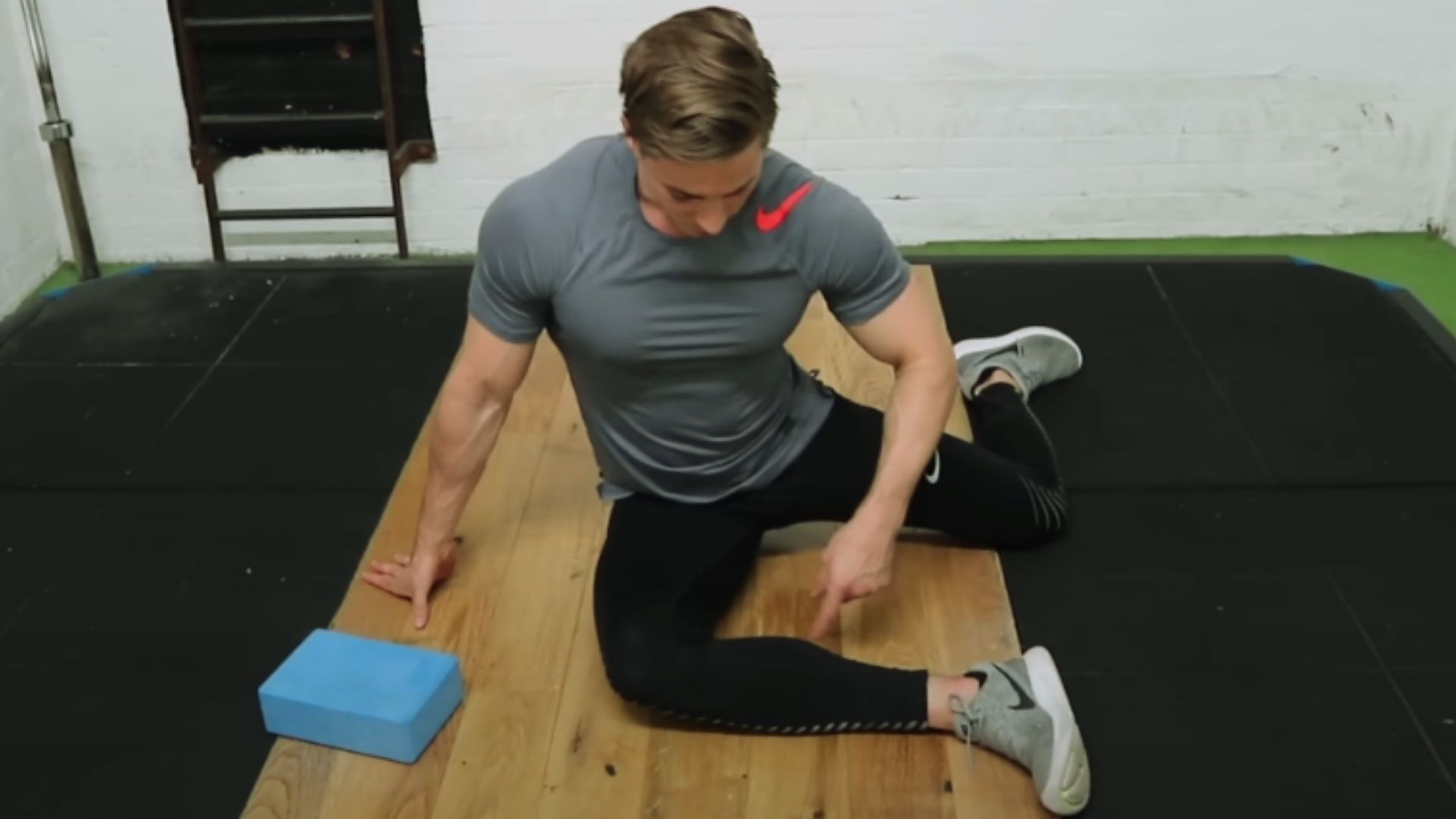
After holding for 60 to 90 seconds, gently switch to the other side. Move slowly and with control. Reset your position, check your posture, and repeat the same breathing pattern on the second side.
90 90 Hip Stretch for Beginners

Starting with the right modifications helps you build a solid base.
Easy Modifications for Limited Mobility
If sitting upright is hard, place your hands on the floor behind you for support. This takes some pressure off your hips and lets you focus on the position.
You can also sit on a folded blanket or cushion. This tilts your pelvis slightly and makes it easier to stay upright.
Seated 90 90 Hip Stretch Variations
Once you feel steady, try lifting your hands off the floor. Place them on your knees or in your lap. This challenges your balance and builds core control.
You can also try shifting your weight forward slightly over your front shin. This adds more depth to the stretch without changing the setup.
Common Mistakes in the 90 90 Hip Stretch
Avoiding these errors will make every session more effective.
- Do not let your lower back round during the stretch as it shifts the work away from your hips
- Avoid forcing your hips to the floor before your body is ready as this creates strain, not flexibility
- Check that both knees are bent at 90 degrees before settling in, since wrong angles reduce the stretch
- Do not hold your breath as tension in the body makes the stretch far less effective
- Avoid rushing through the position since holding for less than 60 seconds limits real progress
90 90 Hip Stretch Benefits for Mobility and Flexibility
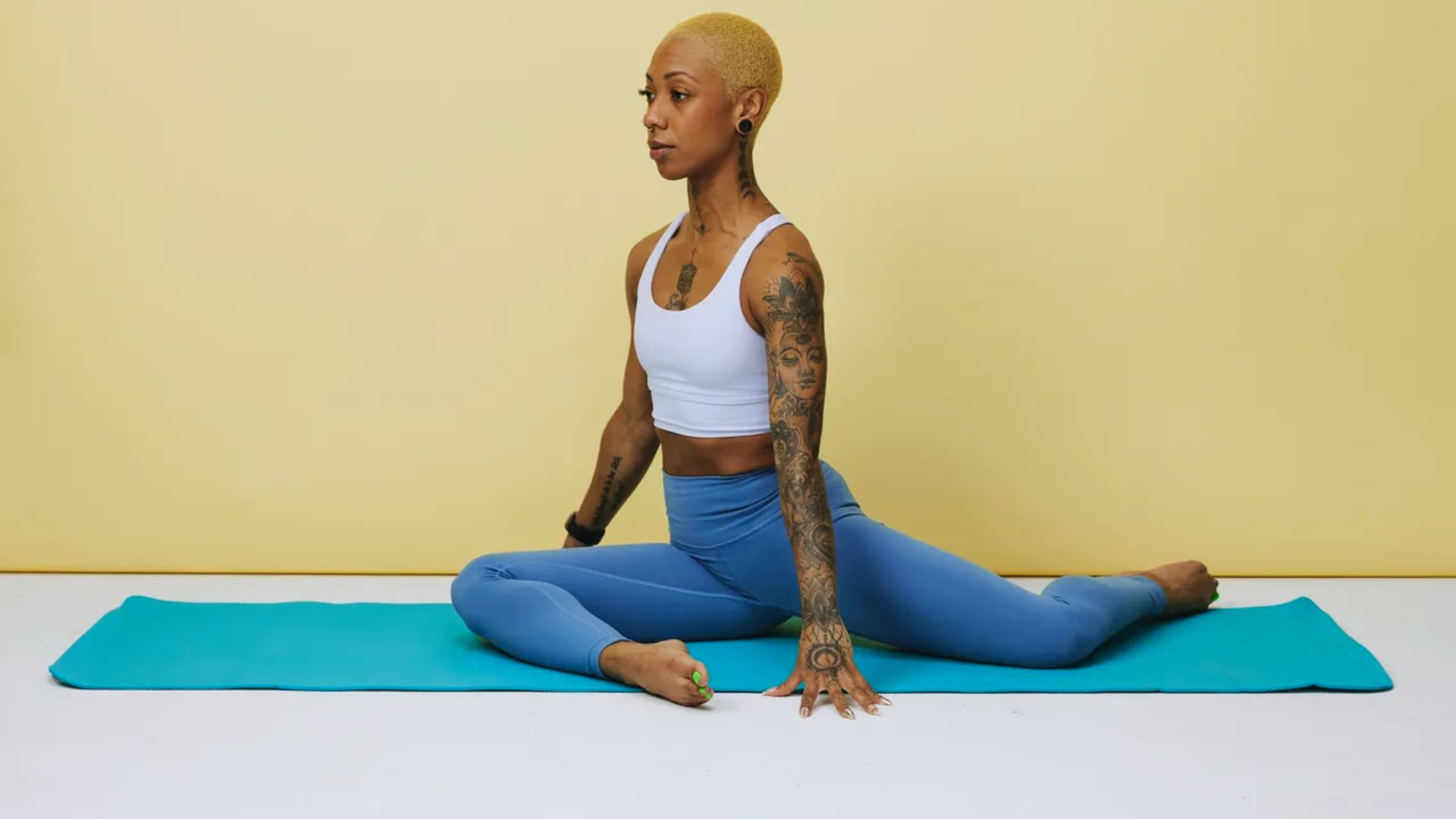
This stretch does more for your hips than most people expect.
Improves Hip Mobility and Rotation
Your hips need to rotate freely for basic movements like walking, squatting, and sitting. This stretch trains that rotation directly.
Over time, you will notice smoother, more comfortable movements in daily life.
Reduces Tight Hips From Prolonged Sitting
Sitting for hours shortens the hip flexors. This stretch counters that tightness and brings real relief. It is one of the best things you can do after a long day at a desk.
Supports Better Posture and Movement
When your hips move well, your spine stays aligned. That means less strain on your lower back. Good hip mobility also helps your whole body move more efficiently.
Helps With Injury Prevention and Recovery
Stiff hips often lead to knee and back pain. Keeping them flexible lowers that risk. This stretch is also commonly used during recovery from hip and lower body injuries.
Tips to Improve Your 90 90 Hip Stretch Form
Small adjustments lead to big improvements over time.
- Keep your spine tall and avoid rounding your lower back throughout the stretch
- Sit on a folded blanket or cushion if your hips feel very tight at the start
- Place a block under your front knee if it lifts too far off the ground
- Hold each side for 60 to 90 seconds and breathe steadily throughout
- Aim for two to three sets per side and stay consistent for best results
Conclusion
I started doing the 90 90 hip stretch after sitting at a desk for years. Honestly, it was uncomfortable at first. But within a few weeks, my hips felt looser and my back stopped aching.
This stretch works. You just have to be consistent with it.
Start slow. Focus on form. Give your body time to adapt.
If this helped you, drop a comment below and share your experience. And if you know someone dealing with tight hips, share this post with them.
Frequently Asked Questions
What is the 90 90 hip stretch used for?
The 90 90 hip stretch is used to improve hip mobility and reduce tightness from long periods of sitting. It targets both internal and external hip rotation at the same time.
Is the 90 90 hip stretch safe for beginners?
Yes, it is safe for most beginners when done with proper form. Start with support from your hands and avoid forcing your hips into a deeper position than feels comfortable.
Why is the 90 90 hip stretch difficult?
It feels hard because most people have tight hips and limited rotation from sitting habits. The body is not used to this position, but it gets easier with regular practice.
How long should you hold the 90 90 hip stretch?
Hold each side for 60 to 90 seconds. Focus on steady breathing and relaxing into the position rather than forcing it deeper.
Can the 90 90 hip stretch reduce hip pain?
It can help reduce hip pain caused by muscle tightness and poor mobility. However, if your pain is severe or caused by an injury, speak with a healthcare provider before adding this stretch to your routine.