

I used to run the same 5K route every morning. Same pace. Same path. Same boredom.
Results stopped coming after a few weeks. I was putting in the time but going nowhere.
That is when I started looking into mixed cardio. And honestly, it changed how I think about fitness completely.
So what is mixed cardio? It is a smarter way to train that blends different intensities, movement styles, and formats into one session.
What is mixed cardio exercise in one word? Variety.
In this guide, I will cover the benefits, how it works, and exactly how to get started.
What Is Mixed Cardio? (Simple Explanation)

Mixed cardio means combining different cardio styles in a single workout or across your weekly routine.
Instead of doing one thing at one pace, you mix steady-state cardio, HIIT, and functional movements together.
Think of it this way. Instead of jogging for 40 minutes at the same speed, you might jog, then sprint, then do jumping jacks, then slow back down.
Different speeds, different efforts, different movements.
It works for every fitness level. A beginner can keep the intensity low and the rest periods long. Someone more advanced can push harder and rest less.
The format stays the same. The effort scales to you.
The idea is simple. Your body adapts quickly to repetitive training. Mixing things up keeps it guessing, which keeps results coming.
How Mixed Cardio Works

Mixed cardio works by pulling from different types of effort and movement in one session. Here is how each piece fits together.
Combination of Different Intensities
A mixed cardio session might start at low intensity, build to moderate, then hit a short high-intensity burst. That pattern keeps your heart rate moving up and down throughout the workout.
Low intensity burns fat as its primary fuel. High intensity pushes your cardiovascular system harder and burns more calories in less time.
Using all three levels in one session gives you the benefits of each without needing three separate workouts.
Variety of Movements
You are not stuck on one machine or one exercise. A mixed cardio session might include running, cycling, jumping rope, rowing, and bodyweight moves all in the same workout.
That variety reduces the repetitive stress that comes from doing the same movement over and over. Your joints and muscles get a more balanced workload.
It also keeps you mentally engaged. When the workout keeps changing, you stay focused instead of zoning out.
Energy System Engagement
Your body has two main energy systems. The aerobic system powers longer, lower-intensity work. The anaerobic system kicks in during short, high-intensity bursts.
Most traditional cardio only trains one of these. Mixed cardio trains both in the same session.
That makes your overall fitness more complete. Better endurance, better speed, and better recovery all at once.
Mixed Cardio vs Traditional Cardio
Both have their place, but they are very different in how they work and what they deliver. Here is a quick comparison.
| Factor | Mixed Cardio | Traditional Cardio |
|---|---|---|
|
Intensity |
Varies throughout session |
Stays mostly the same |
|
Calorie Burn |
Higher due to intensity shifts |
Moderate and steady |
|
Boredom Factor |
Low, constantly changing |
High for many people |
|
Time Needed |
30 to 45 minutes |
45 to 60 minutes |
|
Muscle Engagement |
Multiple muscle groups |
Usually one pattern |
|
Best For |
Fat loss, conditioning, variety |
Building a base, endurance |
|
Skill Level |
Beginner to advanced |
All levels |
|
Recovery Demand |
Moderate to high |
Low to moderate |
Mixed cardio is not always better. If you are training for a marathon, steady-state work matters.
But for general fitness, fat loss, and keeping things interesting, mixed cardio wins most of the time.
Key Benefits of Mixed Cardio

Once I started mixing up my cardio sessions, the results were noticeably different. Not just physically. My energy, my focus, and my motivation all improved too.
- Burns more calories in less time compared to steady-state cardio alone
- Reduces training plateaus because your body cannot fully adapt to a constantly changing stimulus
- Improves both aerobic and anaerobic fitness at the same time
- Easier on the joints since no single movement pattern is repeated for too long
- Keeps workouts mentally fresh so you actually look forward to training
- Builds functional fitness that carries over into daily movement and sport
- Flexible enough to be done at home, outdoors, or in a gym
The biggest benefit is consistency. When you are not dreading your workout, you show up more often. And showing up is what produces results over time.
Examples of Mixed Cardio Workouts

You do not need fancy equipment or a complicated plan to start. These examples show what a real mixed cardio session can look like at different levels.
- 5 minutes of brisk walking, followed by 1 minute of jogging, repeated for 20 minutes (great for beginners)
- 10 minutes on a stationary bike, then 10 minutes of jump rope intervals, then 10 minutes of bodyweight squats and mountain climbers
- Running for 2 minutes, sprinting for 30 seconds, walking for 1 minute, repeated for 25 minutes
- 5 rounds of rowing for 500 metres followed by 10 burpees and 15 jumping jacks
- Cycling for 15 minutes at moderate pace, then 15 minutes of HIIT with kettlebell swings and box jumps
The format is flexible. You can build a session around whatever equipment you have or whatever your body feels ready for that day.
How to Structure a Mixed Cardio Session
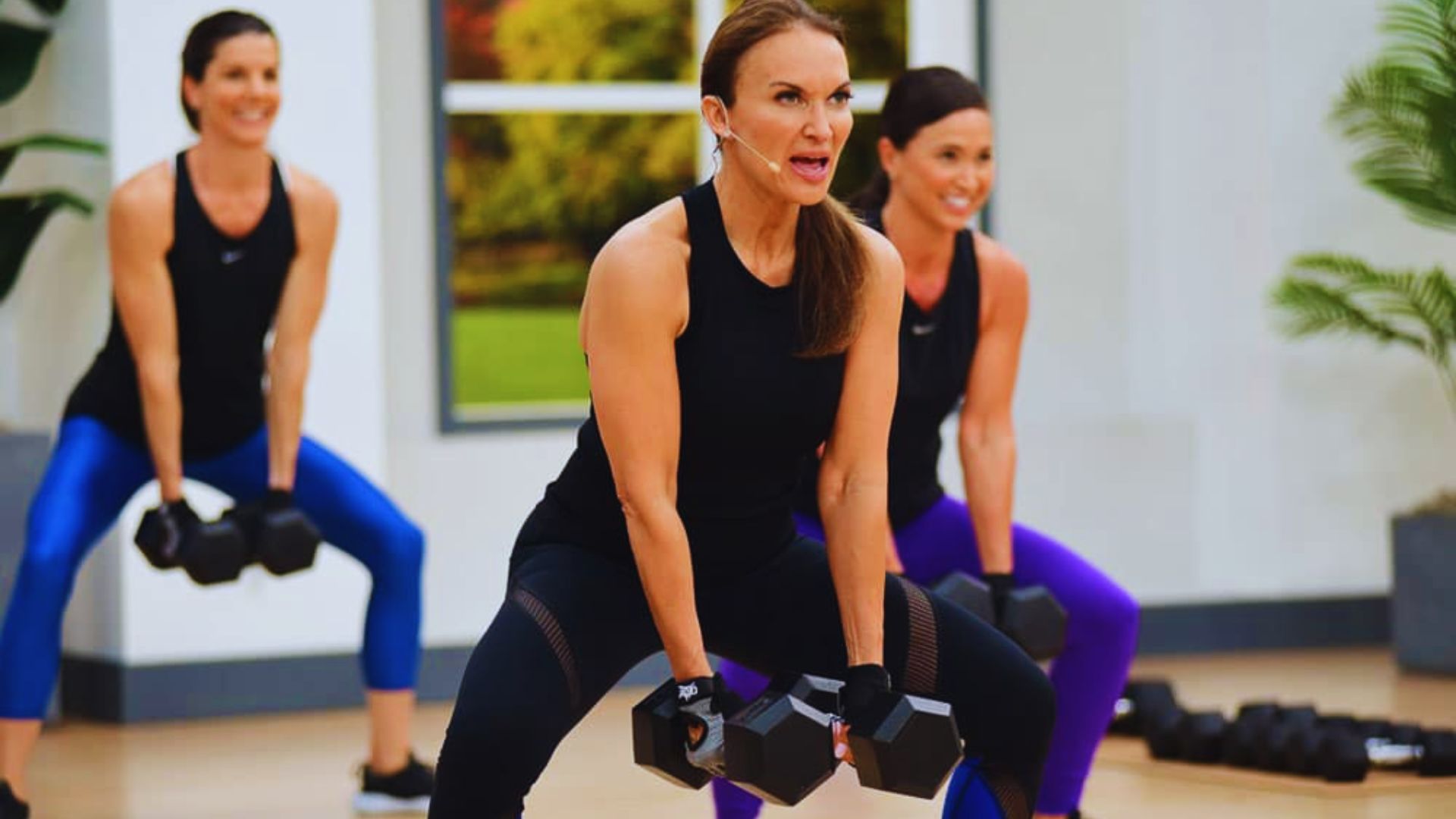
A well-structured session has three clear phases. Skip any one of them and you either raise your injury risk or slow your recovery down.
Warm-Up Phase (5 to 10 Minutes)
Start with light cardio to get blood flowing. Walking, slow cycling, or easy jogging all work well here.
Add some mobility work too. Hip circles, arm swings, and leg swings prepare your joints for the work ahead.
Do not rush this phase. A proper warm-up makes the main workout safer and more effective.
Main Workout (20 to 30 Minutes)
This is where the mixing happens. Rotate through different intensities and exercises with planned work and rest periods.
A simple structure is 2 minutes moderate, 30 seconds hard, 1 minute easy. Repeat that cycle for the full session.
Swap the exercises every round if you want more variety. The goal is to keep your heart rate moving and your muscles guessing.
Cool Down (5 to 10 Minutes)
Slow everything down gradually. Walk for a few minutes before you stop completely.
Then stretch the main muscles you used. Hold each stretch for 20 to 30 seconds without bouncing.
Cooling down helps your heart rate return to normal and reduces next-day soreness.
Who Should Do Mixed Cardio?

Mixed cardio works for almost everyone. But the approach looks a little different depending on where you are starting from.
Beginners
If you are new to cardio, mixed training is actually a great starting point. You can keep the intensity low and scale up as your fitness improves.
Start with two sessions per week. Keep each one to 20 to 25 minutes and focus on getting comfortable with the format.
The flexibility here is the biggest advantage. You are never locked into something that feels too hard or too easy.
Fat Loss Seekers
Mixed cardio burns more calories than steady-state training in the same amount of time. The constant shifts in intensity keep your metabolism elevated even after the session ends.
This afterburn effect, known as EPOC, means your body keeps burning calories for hours post-workout.
Pair mixed cardio with a small calorie deficit and good protein intake and fat loss becomes much more manageable.
Athletes and Fitness Enthusiasts
For people already training regularly, mixed cardio improves conditioning without adding excessive fatigue. It builds both endurance and power at the same time.
It is also useful as active recovery. A lower-intensity mixed session on an off day keeps you moving without breaking your body down further.
Many athletes use it to fill gaps in their fitness that sport-specific training misses.
Common Mistakes to Avoid
Mixed cardio is simple in concept but easy to get wrong. These are the mistakes I see most often, and ones I made myself early on.
- Skipping the warm-up and jumping straight into high-intensity intervals
- Going too hard too soon before your body has built a base level of fitness
- Doing the same mixed cardio routine every single time, which leads to adaptation and plateau
- Not tracking intensity or effort, so every session feels the same
- Resting too long between efforts and letting your heart rate drop too low
- Ignoring recovery and doing intense mixed sessions back to back every day
- Choosing exercises you are not comfortable with and risking poor form under fatigue
Mixed cardio should feel challenging but controlled. If you are gasping through every session or skipping warm-ups to save time, the structure needs adjusting. Get the basics right first and results will follow.
Conclusion
Doing the same cardio routine and expecting different results is one of the most common fitness traps out there. Mixed cardio breaks that cycle.
You now have the knowledge, the structure, and the examples to get started today. No excuses. No overthinking.
Pick one workout from this guide and try it this week.
Still not sure where to begin? Drop your fitness level in the comments and I will point you in the right direction.
Found this helpful? Share it with someone who dreads cardio. It might be exactly what they need.
Frequently Asked Questions
What Is Mixed Cardio Exercise in Simple Terms?
It is a workout that combines different cardio styles and intensities in one session, like jogging, sprinting, and bodyweight moves back to back. The goal is variety and efficiency in less time.
Is Mixed Cardio Good for Weight Loss?
Yes, the varied intensity burns more calories and keeps your metabolism elevated after the session ends. Paired with good nutrition, it is one of the more effective tools for fat loss.
How Often Should I Do Mixed Cardio?
Three to five times per week works well for most people depending on their goals and recovery. Beginners should start with two to three sessions and build from there.
Can Beginners Do Mixed Cardio Workouts?
Yes, beginners can start with lower intensity versions and shorter sessions. The format is flexible enough to match any fitness level.
What Equipment Is Needed for Mixed Cardio?
No equipment is needed. You can build a full mixed cardio session using just your bodyweight and some open space, though jump ropes, bikes, or kettlebells can add variety if you have access to them.