
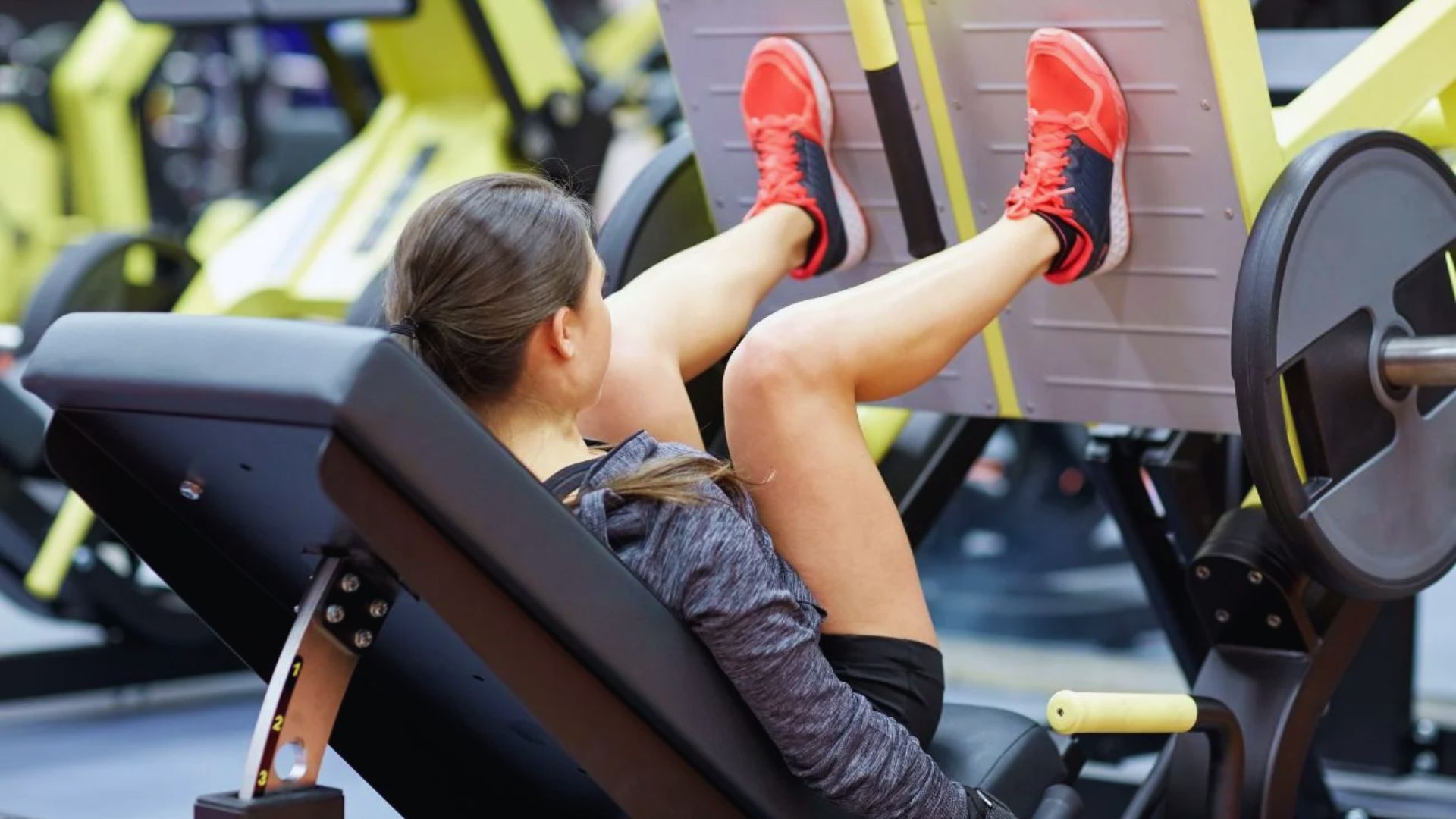
Figuring out the average leg press weight for female lifters can feel confusing. Numbers vary everywhere, and it’s hard to know what’s realistic for you.
This article breaks it all down simply. You’ll find out what weights are normal at each experience level, how bodyweight plays a role, and how to set your own goals without comparing yourself to the wrong standard.
With years of research into strength training for women, this guide gives you clear, honest numbers you can actually use.
Here’s what we cover in this blog: Machine differences, experience-based averages, bodyweight benchmarks, how to pick your starting weight, form tips, and a simple progression plan.
Why Leg Press Weight Varies So Much for Women
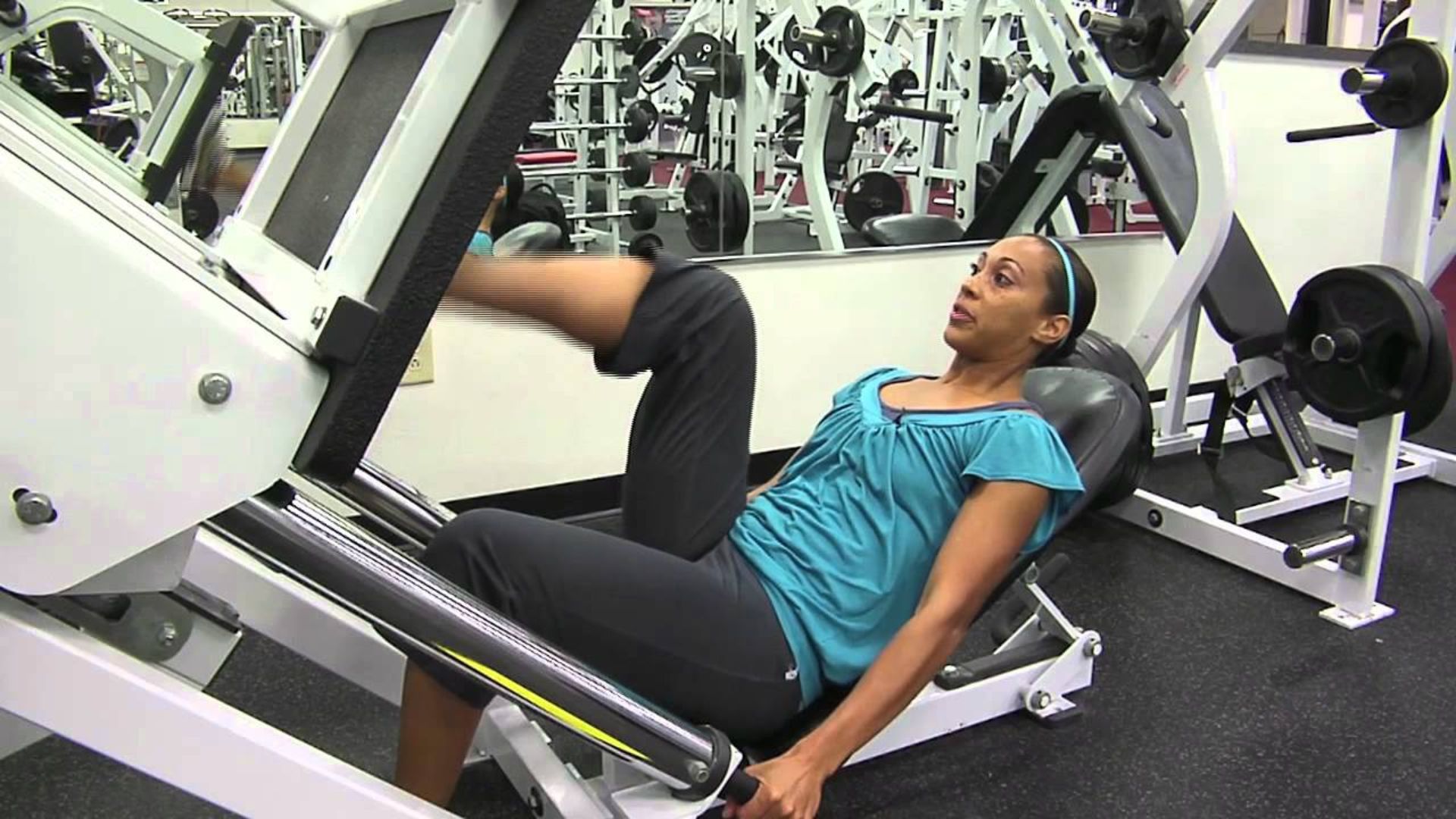
The leg press looks simple. You sit, push, repeat. But the weight you use depends on far more than strength alone.
Machine type plays a big role. A 45-degree plate-loaded machine feels very different from a horizontal sled or a cable-based leg press. The same person can press 200 lbs on one machine and only 130 lbs on another.
Depth changes the work too. A deeper press works more muscle. A shallow press allows more weight. Two women lifting the same load can be doing very different amounts of work.
Training history and bodyweight matter as well. Someone training consistently for two years will press far more than a beginner. Heavier women often press more in raw numbers even when the bodyweight ratio stays similar. Both are completely normal.
Average Leg Press Weight for Female by Experience Level
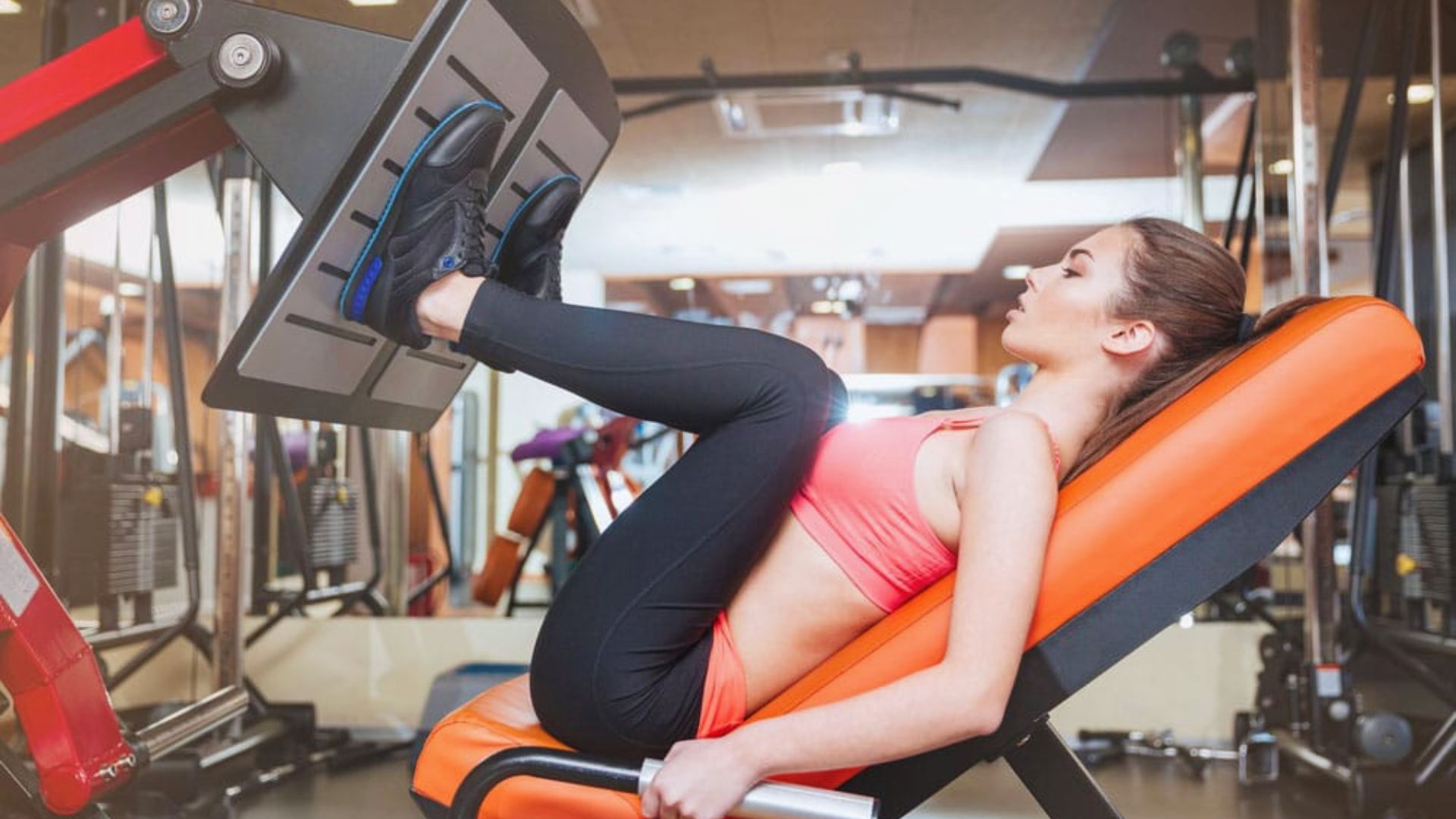
Here is a realistic look at what women typically press at each stage of training.
Strength levels shift based on training consistency, machine type, and individual body factors.
Beginner Leg Press Range for Women
Most women starting out can handle somewhere between 50 to 100 lbs on a standard 45-degree leg press machine. Some start lower. That is perfectly fine.
At this stage, the goal is not weight. It is learning the movement. Focus on controlled lowering, steady pushing through the full foot, and not letting your knees cave inward.
Rushing to add weight too soon leads to bad habits that are hard to fix later.
Intermediate Female Leg Press Strength
After several months of consistent training, most women move into the 100 to 200 lb range. Some progress faster. Others take longer. Both are normal.
At this level, training becomes more structured. Sets, reps, and load increases are tracked week to week. This is where real progress starts to compound.
Advanced Female Leg Press Performance
Women who have trained seriously for a year or more often press 200 lbs and beyond. Some reach 300 lbs or more with dedicated leg training.
At this level, controlled depth matters more than total weight. Sloppy reps with heavy weight cause injury. Clean reps with moderate weight build lasting strength.
Average Leg Press Weight for Female Based on Bodyweight
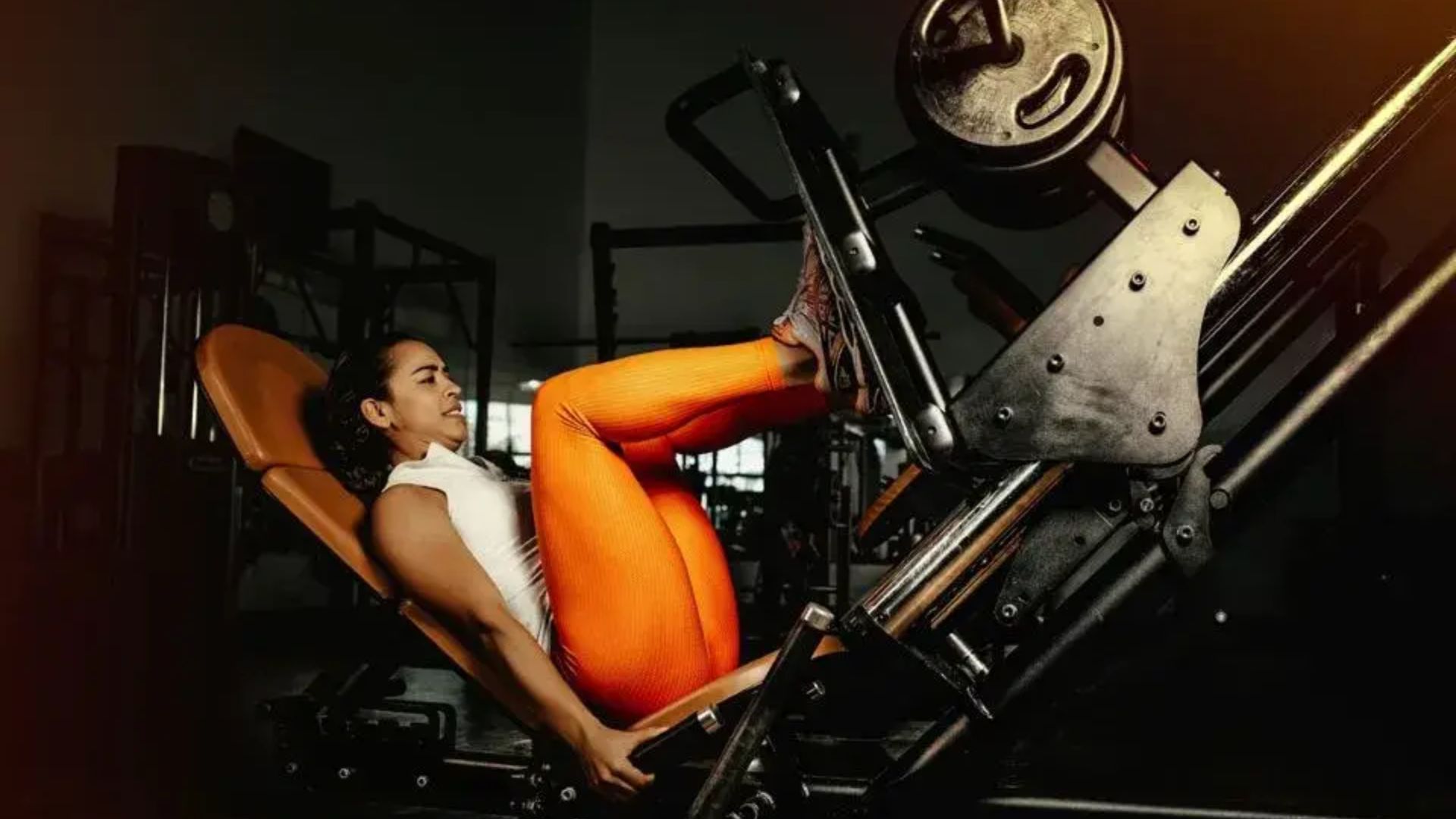
Bodyweight ratios give a rough sense of where you stand relative to your own size.
Ratios help you measure progress in a way that accounts for your own body size and muscle mass.
Bodyweight-Based Strength Benchmarks
Here is a general breakdown. A 0.5x bodyweight press is a reasonable starting point for beginners. Pressing 1x bodyweight is a solid intermediate benchmark.
Reaching 1.5x bodyweight shows consistent training. Hitting 2x bodyweight is an advanced performance marker.
So, a 140 lb woman pressing 140 lbs is at a solid intermediate level. Pressing 280 lbs puts her in advanced territory.
These numbers are rough guides, not rules. Machine type, depth, and training history all affect where you fall.
How to Use Ratios Correctly
Ratios work best when you track progress on the same machine over time. Switching machines changes everything.
Use ratios as a personal compass, not a competition tool. Focus on whether your own ratio is improving, not whether it matches someone else’s.
Average Leg Press Weight for Female in Real Gym Experiences
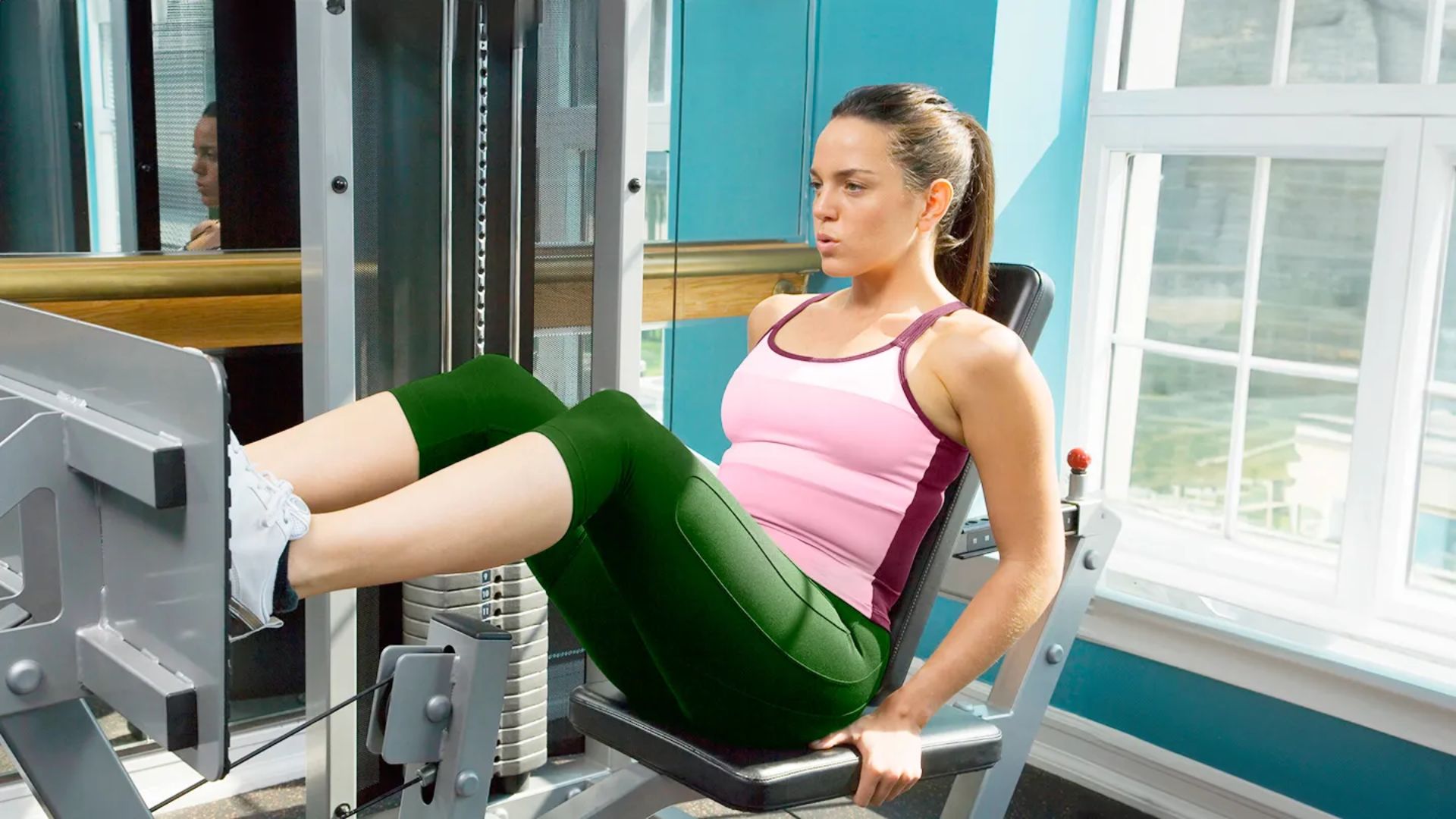
Numbers on paper are one thing. What actually happens in gyms tells a different story.
Real training experiences show that progress is personal and rarely follows a straight line.
What Lifters Typically Report
In fitness communities, beginner women often report starting around 50 to 90 lbs. Many feel surprised at how quickly that number grows with regular training.
Common beginner experiences include starting lighter than expected, jumping to 120 to 150 lbs within 3 to 4 months, and hitting a plateau around 180 lbs before finding a new strategy. These patterns repeat across many real training stories.
Why Women Often Progress Quickly on Leg Press
The leg press targets the largest muscle groups in the body: Quads, hamstrings, and glutes. Big muscles adapt fast.
The machine also removes balance demands. You do not need to stabilize your core the way you do in a squat. This lets beginners load the muscles more directly and see faster gains early on.
How to Choose the Right Leg Press Weight
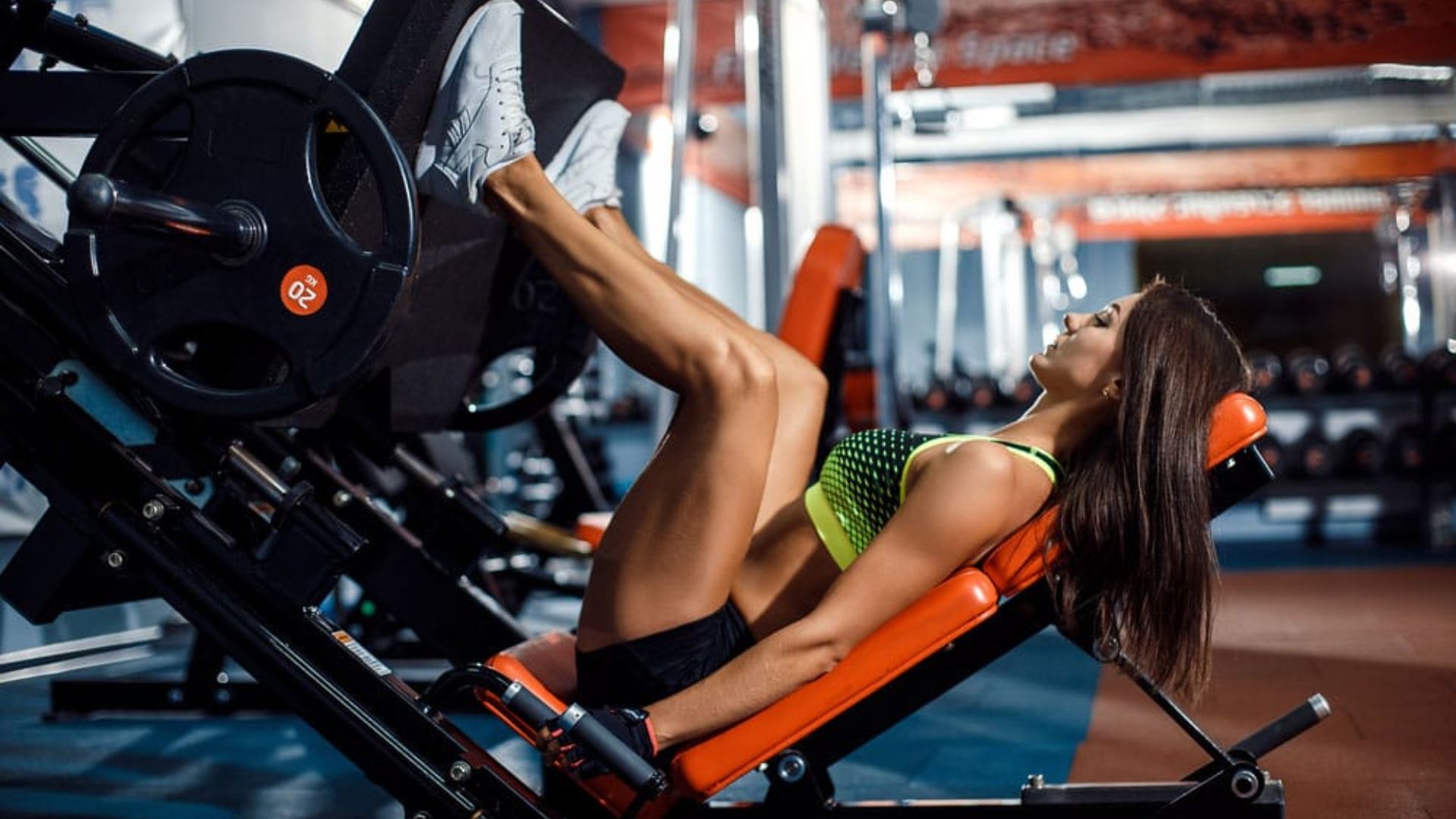
Choosing the right weight is less about matching averages and more about listening to your body.
Start lighter than you think you need to. Do a few reps with little or no weight first. Make sure you can lower the sled slowly, keep feet flat, and knees tracking straight. Fix form before adding load.
Add weight gradually. Press 10 to 12 clean reps at a comfortable weight. Add 5 to 10 lbs only when the previous week felt controlled. Never jump 20 to 30 lbs at once.
Watch for warning signs. Lower back lifting off the seat or knees flaring means the weight is too heavy. Finishing 12 reps with zero effort means it is too light.
Find the point where the last 2 to 3 reps are hard but form stays solid.
Best Form Tips for Better Results on Leg Press
Good form is not just about safety. It directly affects which muscles you work and how fast you progress. Keep these points in mind every time you get on the machine.
- Place your feet high on the platform to work glutes and hamstrings more, and lower to focus on the quads.
- Lower the sled until your thighs hit roughly a 90-degree angle. Do not go so deep that your lower back rounds off the pad.
- Avoid locking your knees out at the top of each rep. Keep a slight bend at full extension to protect the joint.
- Control the lowering phase. A slow, steady descent builds more muscle than a fast drop and bounce.
- Experiment with foot position to find what feels strongest and most stable for your body.
Common Mistakes When Tracking Leg Press Weight
Small mistakes in how you measure progress can slow everything down.
Comparing Across Different Machines
A leg press number on one machine means nothing on a different machine. Weight, angle, and resistance all change. Pick one machine and stick with it when tracking your numbers.
Using Ego-Based Loading Instead of Control
Piling on plates to feel strong is a common trap. Heavy, sloppy reps do less for your muscles than moderate, controlled reps. Strength is built through tension, not just load.
Ignoring Form for Higher Numbers
When form breaks, injury risk rises and muscle engagement drops. A rep where your back lifts off the pad is not a good rep. Better to lower the weight and press well than to press heavy and press badly.
Final Thoughts
I remember feeling lost when I first looked up average leg press weight for female lifters. The numbers seemed all over the place.
What I learned is this: Your number only needs to beat your last number.
Start where you are. Add weight slowly. Track your reps. Fix your form before chasing heavier loads.
Drop a comment below and share where you are in your training. If this helped you, share it with a friend who is starting out. You might be the reason they finally get moving.
Frequently Asked Questions
What is a good leg press weight for a beginner female?
Most beginner women start between 50 and 100 lbs on a 45-degree leg press. Focus on form over load during the first few weeks of training.
How much should a woman be able to leg press compared to her bodyweight?
A general guide is 0.5x bodyweight for beginners and 1x to 1.5x for intermediate lifters. These are rough benchmarks, not strict rules.
How often should women do leg press to see progress?
Two sessions per week with proper recovery tends to work well for most women. Consistent training beats high frequency with poor recovery.
Does leg press build muscle faster than squats for women?
Leg press isolates the legs more directly, which can help beginners gain early strength. Squats build more overall functional strength and engage the core as well.
Why do my leg press numbers vary between gym visits?
Fatigue, sleep, nutrition, and even time of day affect performance. Small variations are normal and not a sign that progress has stopped.