You’ve heard the word “natty” thrown around at the gym. Maybe online. Maybe by that one guy who never skips leg day.
But what does it actually mean?
This guide breaks it all down. We cover what natty means, why it matters, and how to build a real body without shortcuts.
I’ve spent years in the gym and around fitness communities. Trust me, this topic comes up more than you think.
Here’s what you’ll find inside: The real meaning of natty, natural vs enhanced differences, how to train and eat as a natty lifter, and realistic expectations for natural muscle growth.
What Does Natty Mean in the Gym?
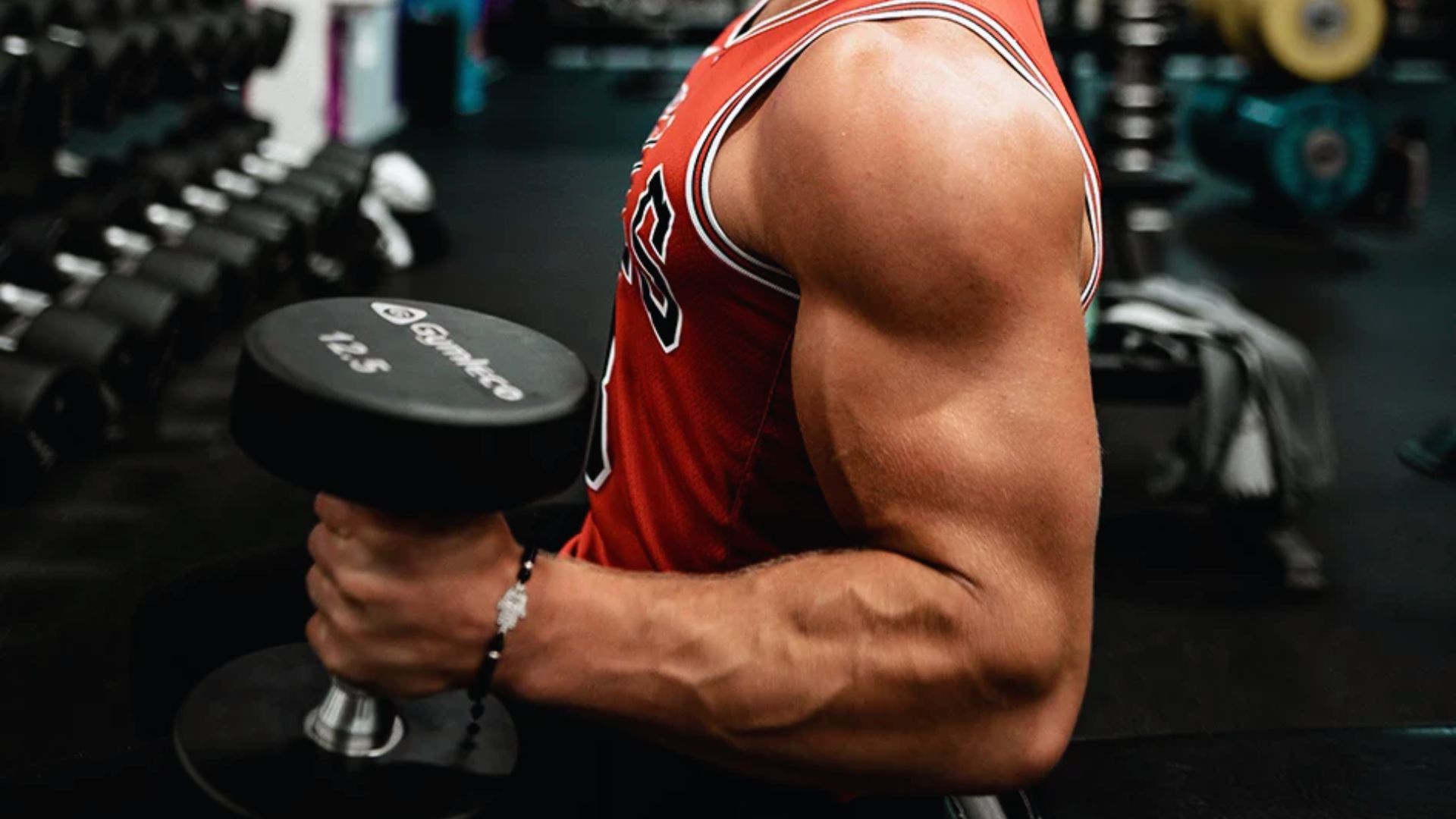
Natty means natural. It means building your body without performance-enhancing drugs. No steroids. No synthetic hormones. Just training, food, and rest.
The word spread from bodybuilding circles to general gym culture. If someone calls you natty, you earned it.
Natty trains clean. Not natty uses drugs like steroids, HGH, or SARMs to speed up results.
PEDs include anabolic steroids, HGH, SARMs, and peptides. Creatine and protein powder are NOT PEDs. Using them still keeps you natty.
Why “Natty” Matters in Gym Culture

Being natty carries real weight in fitness. It shapes how people train and who they trust.
For many lifters, being natty means your muscles are real. Your strength is earned. Nobody handed it to you. There are even drug-tested events in competitive bodybuilding made just for natural athletes.
Gym culture has always debated effort vs shortcuts. The natty path takes more time. But the results are yours. They reflect real work and real discipline.
Many fitness influencers claim to be natural but their physiques suggest otherwise. This is called being “fake natty.” They sell programs promising you can look like them. But their results may come from drugs, not the plan.
Always be skeptical of fast, extreme results.
Natty vs Enhanced: Key Differences
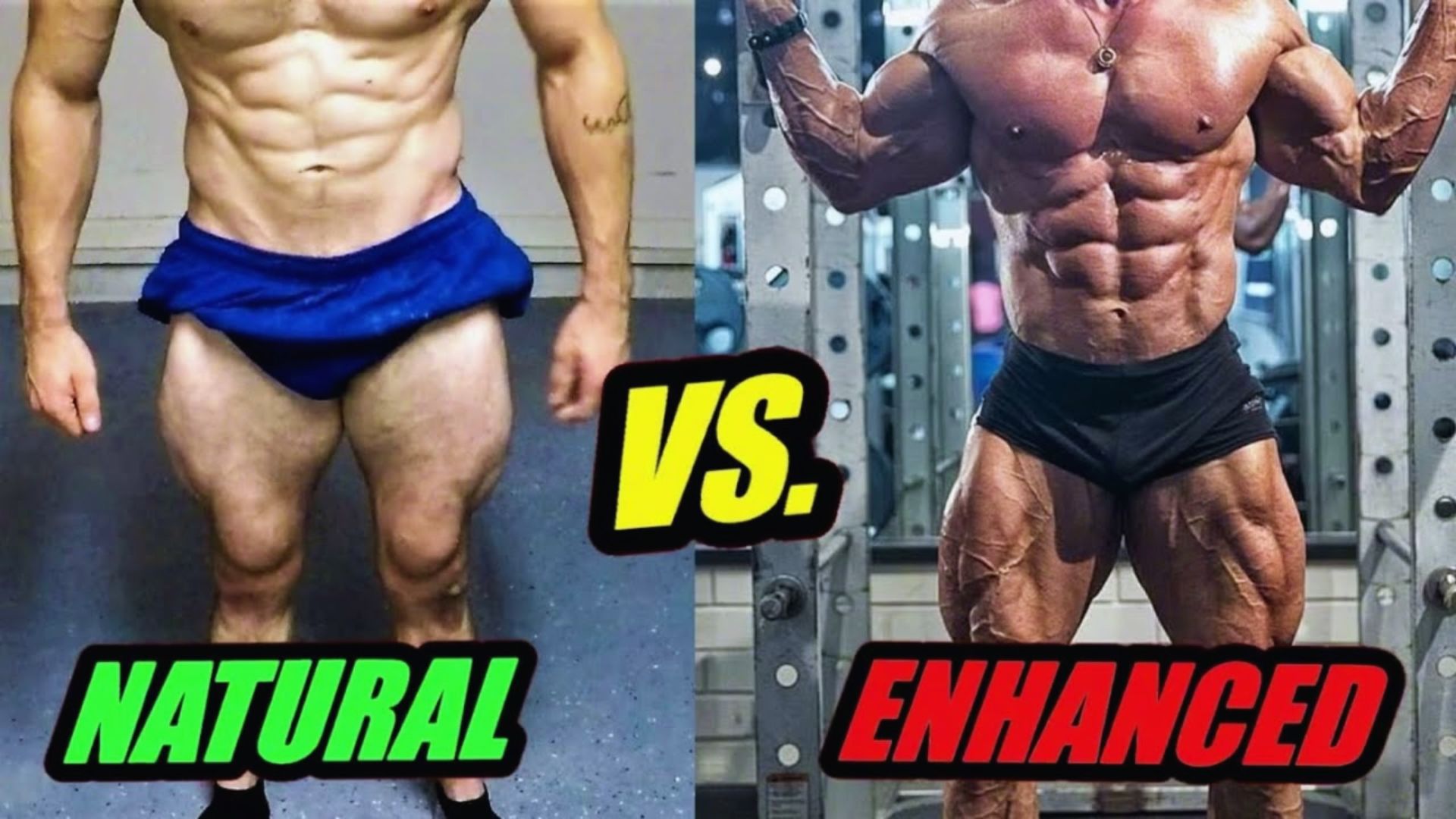
Here’s a quick breakdown of how natty and enhanced lifters differ.
| Natty | Enhanced | |
|---|---|---|
|
Muscle Growth |
Slow and steady |
Fast and significant |
|
Recovery |
Needs more rest |
Recovers quickly |
|
Physique |
Proportional and lean |
Extreme size and leanness |
|
Health Risks |
Low |
Heart, liver, hormone issues |
How to Build Muscle as a Natty

Natural muscle building takes the right approach, patience, and a solid plan.
Progressive overload is the most important rule. Keep adding more weight, more reps, or better form over time. If your workouts aren’t getting harder, your muscles have no reason to grow.
Consistency beats everything. Three to four workouts per week, done regularly over time, will change your body. A plan you stick to always beats a perfect plan you quit.
Keep your volume between ten to twenty sets per muscle group per week. Your muscles grow during rest, not during training. Give them time.
Sleep seven to nine hours per night. Growth hormone releases during deep sleep. Without it, muscle repair slows down. Take one to two rest days per week and let your body recover.
Diet for Natty Lifters
Food is the foundation. Without the right nutrition, even the best training program will fall short for a natural lifter.
Protein Intake for Muscle Growth
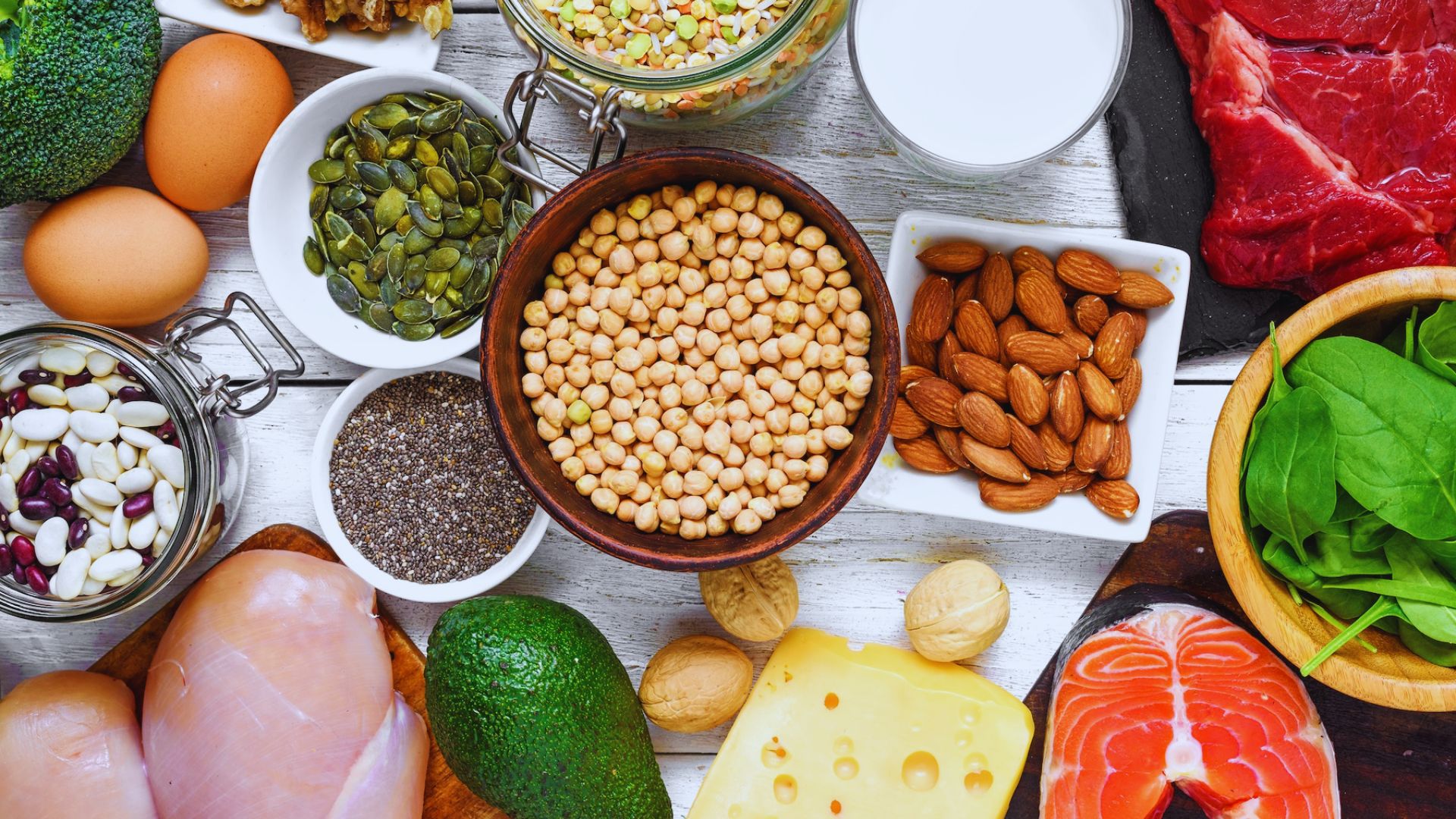
Protein builds muscle. Full stop.
For natural lifters, aim for around 0.7 to one gram of protein per pound of body weight per day.
Good protein sources include chicken breast, eggs, Greek yogurt, tuna, salmon, lentils, and beans.
Spread your protein across meals. Don’t try to eat it all at once.
Calories: Surplus vs Deficit
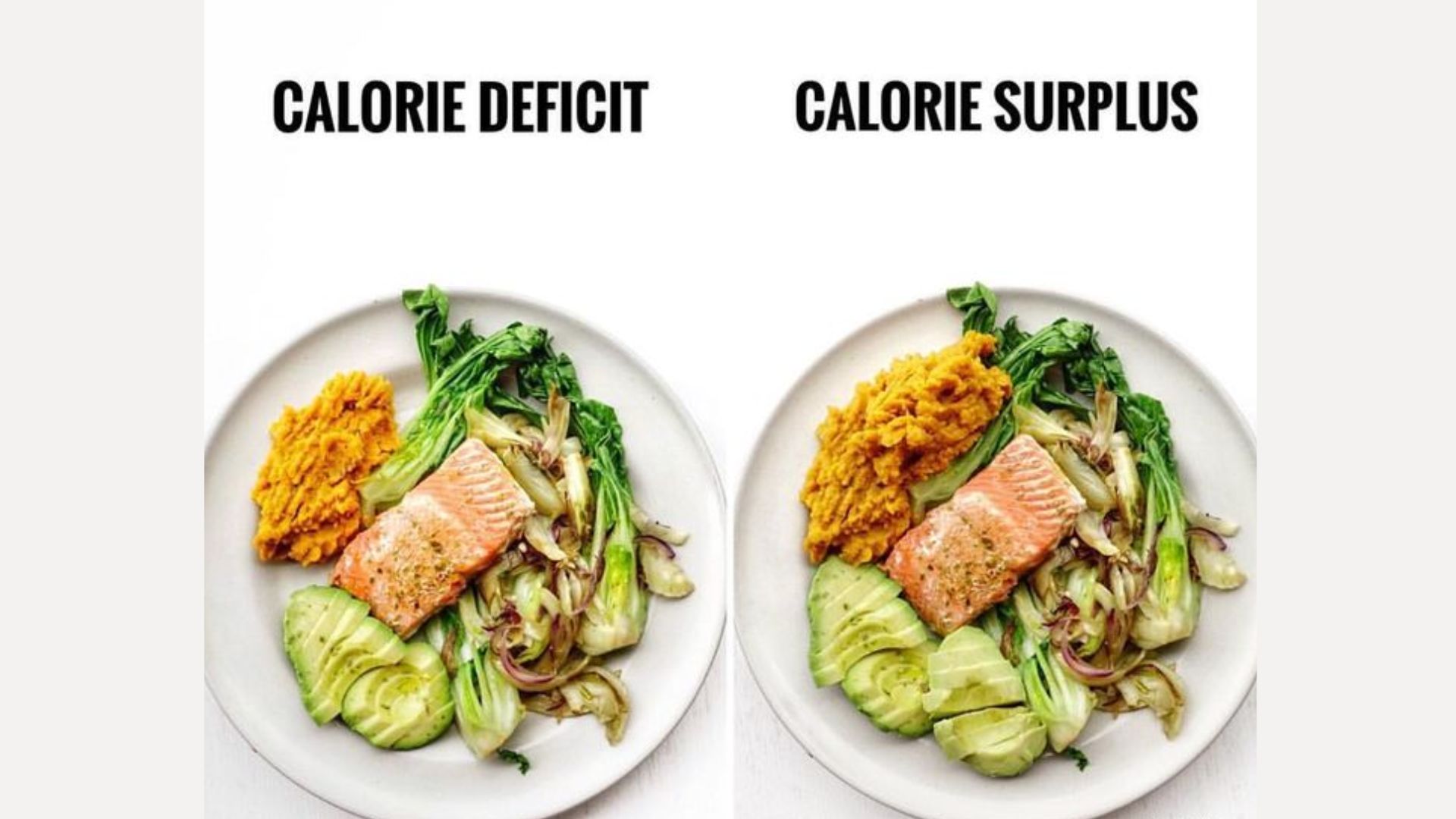
To build muscle, you need a calorie surplus. That means eating slightly more than your body burns.
A small surplus of two hundred to three hundred calories above maintenance is enough. You don’t need to overeat.
To lose fat while keeping muscle, eat in a small deficit. Cut slowly to avoid losing the muscle you’ve worked hard to build.
Bulking and cutting cycles are common in natural bodybuilding.
Whole Foods and Nutrition Quality
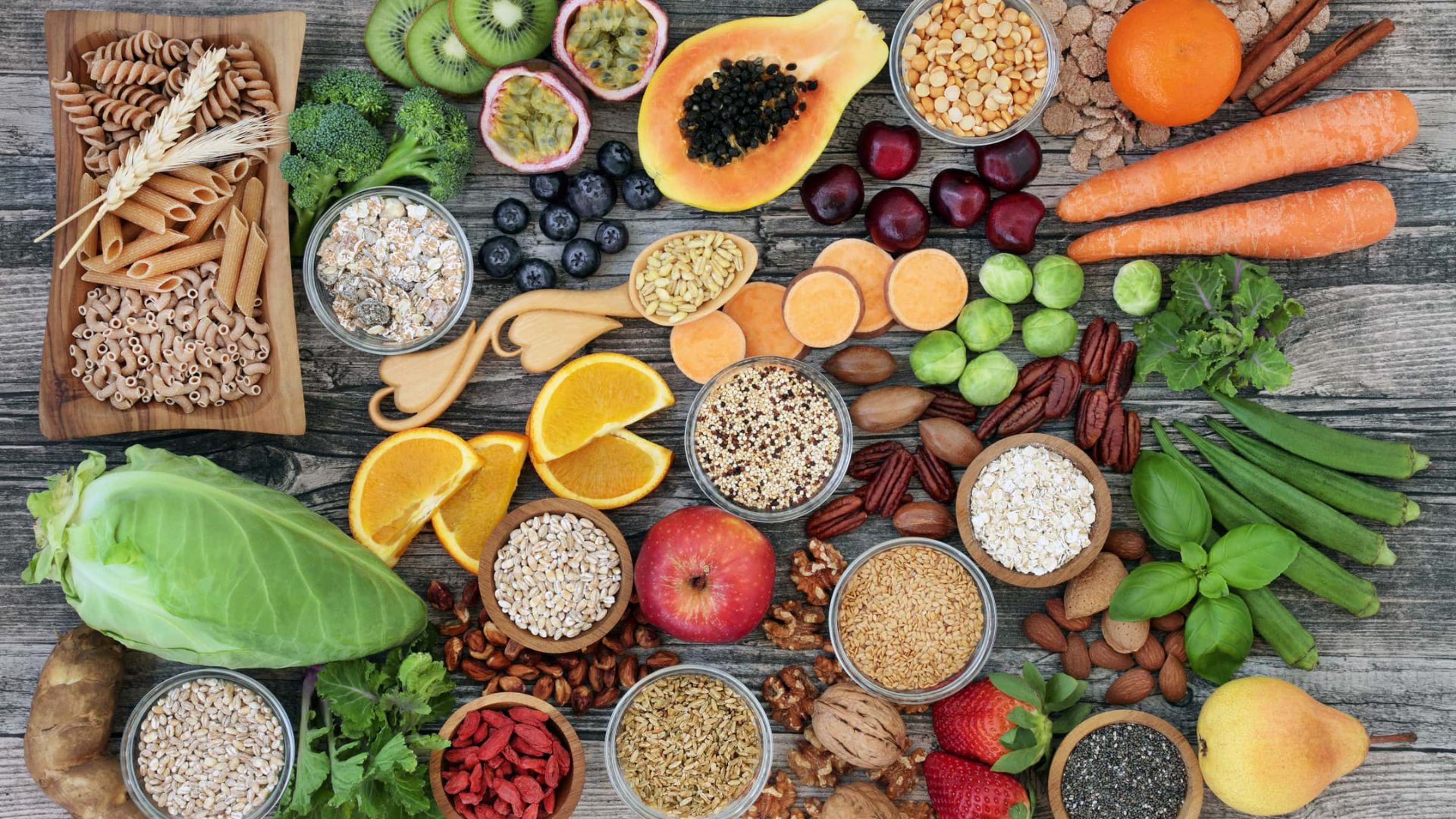
Calories matter. But so does food quality.
Whole foods give your body better fuel. They support recovery, hormones, and energy.
Focus on lean meats and fish, fruits and vegetables, brown rice, oats, whole grains, and healthy fats like nuts and olive oil.
Junk food in large amounts will hurt your progress, even if your calorie count looks fine.
Are Supplements Allowed?
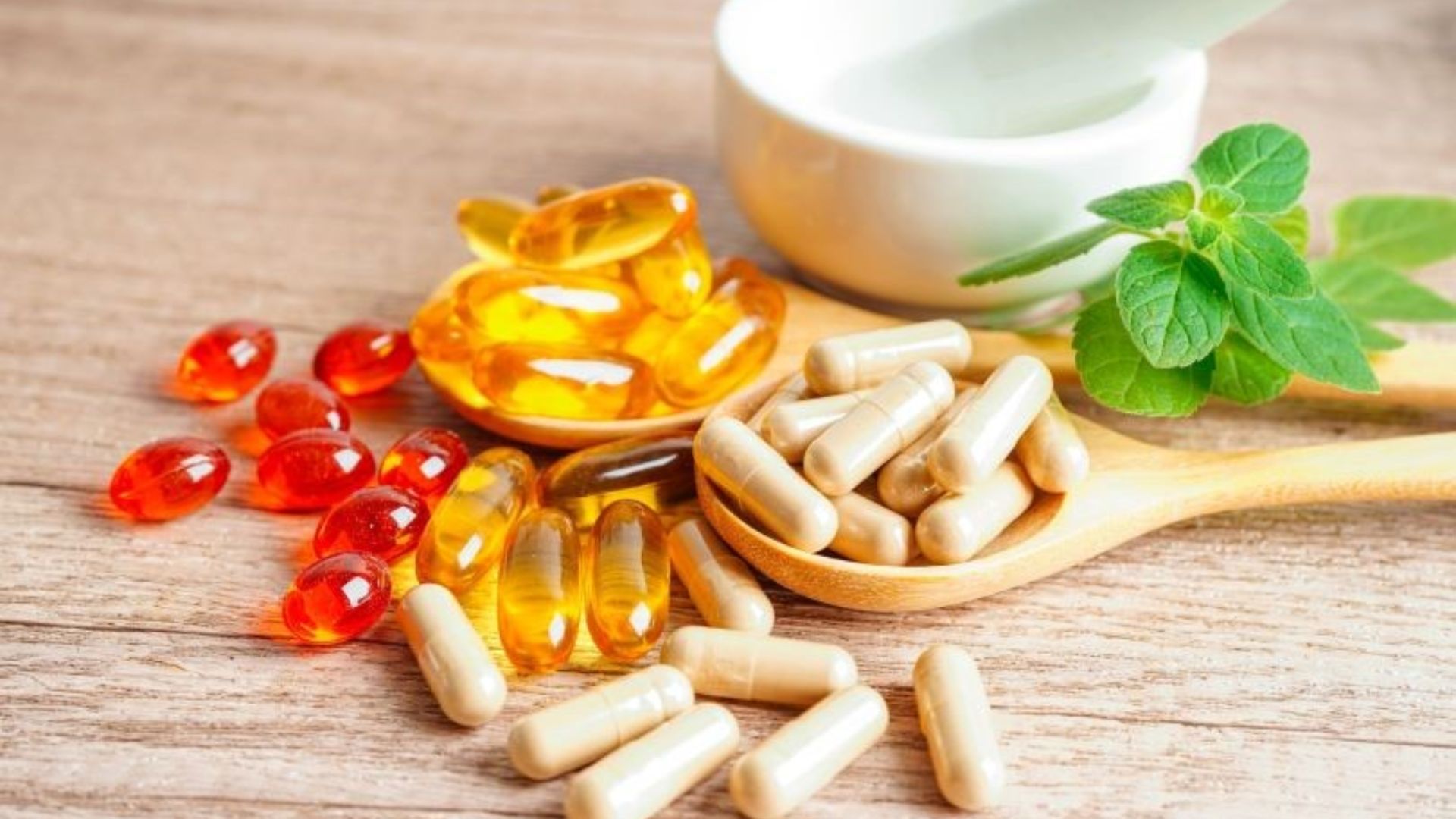
Yes. Supplements are allowed for natty lifters.
The key ones that actually work are creatine, which is proven to improve strength and muscle growth, protein powder, which is a convenient way to hit your daily protein goal, and caffeine or pre-workout, which helps with energy and focus during training.
That’s really it. Most other supplements are not necessary.
Supplements support your diet. They don’t replace it.
Limits of Natural Muscle Growth
Being realistic about what’s possible as a natty lifter is important. Understanding your limits helps you stay motivated and avoid frustration.
Beginner Gains vs Plateaus
When you first start lifting, your body responds fast. This is called newbie gains.
In your first year, you can gain noticeable muscle without much effort. Your body is new to the stress of training.
After that, growth slows. A lot.
Advanced natural lifters may gain only a few pounds of muscle per year. That’s normal. It’s not failure.
Slow progress is still progress.
Genetic Potential Explained
Not everyone builds muscle the same way. Genetics play a big role.
Some people have more muscle fibers. Better hormone levels. Faster recovery. Wider frames.
This doesn’t mean you can’t build a great body. It means your ceiling is personal.
Compare yourself to your past self, not to someone else’s genetics.
Your best body is built on your own potential.
Realistic Natty Physique Expectations
Here’s an honest look at what natural lifters can achieve over time.
After one year you’ll be noticeably more muscular, leaner, and stronger.
After three to five years you can have a well-built, athletic physique.
After ten or more years you’ll be near your genetic ceiling with impressive muscle and strength.
You can look great naturally. But you won’t look like a professional bodybuilder. And that’s okay.
A natty physique is healthy, sustainable, and earned.
How to Tell If Someone Is Natty
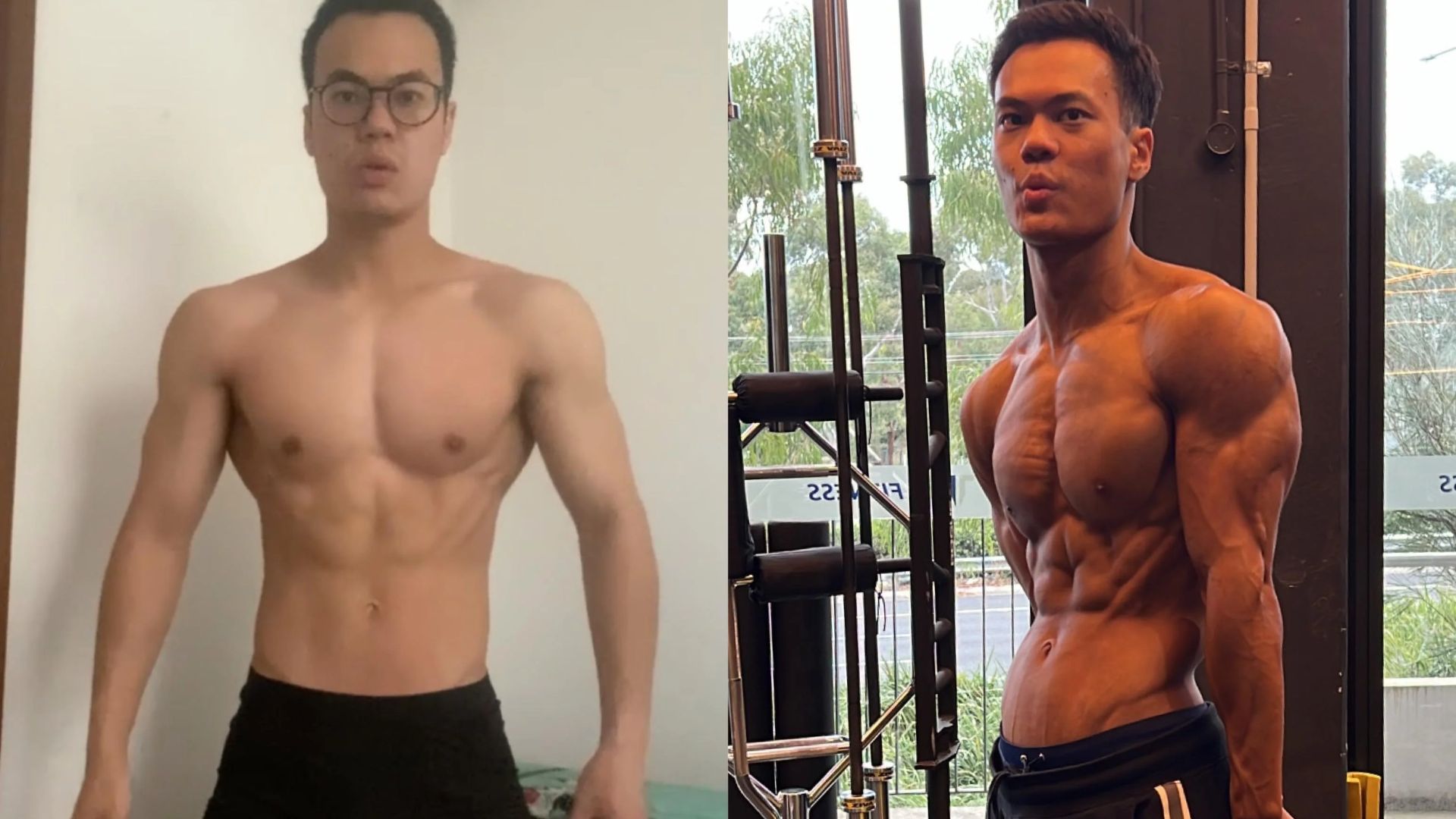
Spotting a fake natty isn’t always easy. But there are signs that can help you read between the lines.
Rate of Muscle Gain Over Time
This is one of the clearest signs.
Natural lifters gain muscle slowly. Gaining twenty pounds of lean muscle in a few months is not realistic naturally.
If someone’s physique changes drastically in a short time, that’s a red flag.
Real natty progress takes years, not months.
Unrealistic Size and Leanness
Being extremely muscular and extremely lean at the same time is very hard naturally.
When someone is very large and very lean simultaneously, it raises questions.
Natural lifters usually have to choose between being leaner or bulking up with some added fat.
Extreme conditioning with extreme size often points to drug use.
Transparency and Drug Testing
Some athletes compete in natural federations that require drug testing.
Organizations like the WNBF, INBA, and NANBF test for PEDs. Passing these tests adds credibility to a natural claim.
If someone is open about their training, diet, and history, that’s a good sign. If they avoid the question or get defensive, be cautious.
Actions speak louder than claims.
Benefits of Staying Natty
Staying natural goes beyond just muscles. Here’s what you actually gain.
- Better hormones. Natural lifters keep testosterone and overall health balanced. Steroids can damage that for years even after stopping.
- Gain that last. Natural muscle sticks around. Drug-induced muscle often fades once the substance is gone.
- Real discipline. Every rep, every meal, every rest day builds mental toughness that carries into real life.
- Long-term health. No liver damage, no heart risks, no hormonal crashes. Your body stays in good shape.
- True satisfaction. Knowing you built it yourself hits different. No shortcuts. No doubts.
Conclusion
If you care about your health and want results that actually last, the natty path is for you. It’s not the fastest road. But it’s the most honest one.
I’ve been lifting naturally for years. Progress was slow at times. But every pound of muscle I built is mine. No shortcuts. No regrets.
Beginners, teenagers, and casual gym-goers should always stay natural. The risks of PEDs are never worth it.
Stay natty. Stay consistent. Enjoy the process.
Found this helpful? Drop a comment below or share it with a gym buddy who needs it.
Frequently asked questions
What does it mean to be natty in the gym?
Being natty means you train without using performance-enhancing drugs like steroids or HGH. You build your body using only training, food, and rest.
Is creatine considered natty?
Yes, creatine is considered natty. It is a legal supplement found naturally in the body and in foods like red meat. It does not count as a PED.
How much muscle can a natty person build?
A natural lifter can expect to gain around one to two pounds of muscle per month as a beginner. Over time this slows down as you get closer to your genetic potential.
How can you tell if someone is fake natty?
Look for very fast muscle gain, extreme size combined with very low body fat, and resistance to questions about their training history. Drug testing is the most reliable way to confirm natural status.
Is it possible to get a good physique staying natty?
Yes, absolutely. Many people build impressive, healthy, and athletic physiques without drugs. It takes more time, but the results are real, lasting, and come with no health risks.