

Glute Bridge Pulses: Variations for Better Results
If you want stronger, more toned glutes, glute bridge pulses are worth adding to your routine.
I started doing these a few years ago when regular bridges stopped feeling like enough, and the difference was clear within weeks.
In this article, I will walk you through what glute bridge pulses are, how to do them with correct form, the best variations for better results, and how to fit them into your weekly routine.
I have been training and writing about fitness for years, and I know what works for real people.
What Are Glute Bridge Pulses?
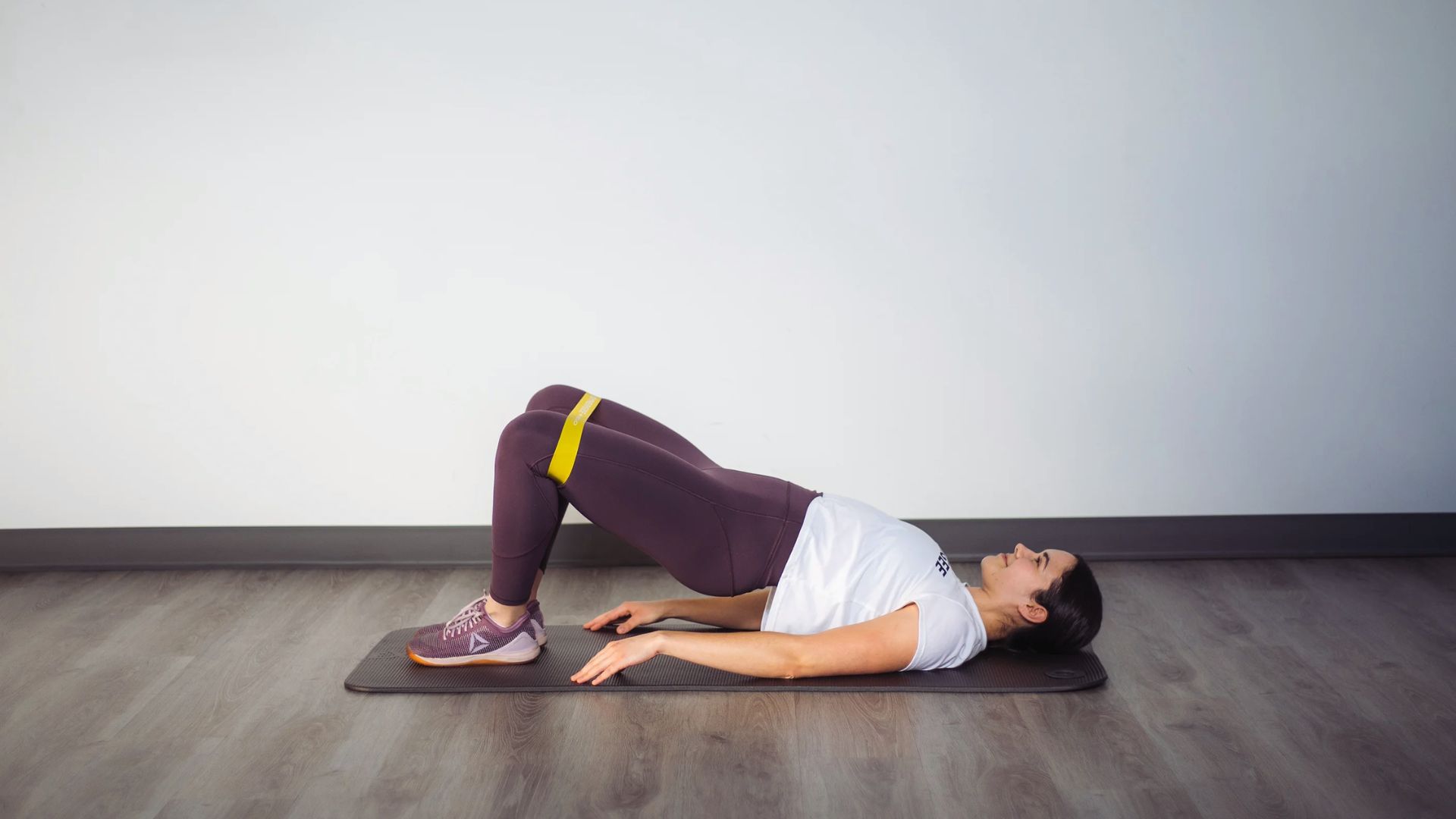
A glute bridge pulse is a small, controlled movement held at the top of a standard bridge, where you pulse your hips up and down slightly instead of moving through a full range.
This keeps constant tension on the glutes, which helps with muscle growth, improves activation before heavier lifts, and is easy on the knees and back with no equipment needed.
Many people struggle to feel their glutes working during squats or deadlifts, and glute bridge pulses fix that by training the mind-muscle connection that makes every other glute exercise more effective.
How to Do Glute Bridge Pulses Correctly

Good form makes the difference between results and wasted effort. Here is how to get it right from the start.
How Beginners Should Start
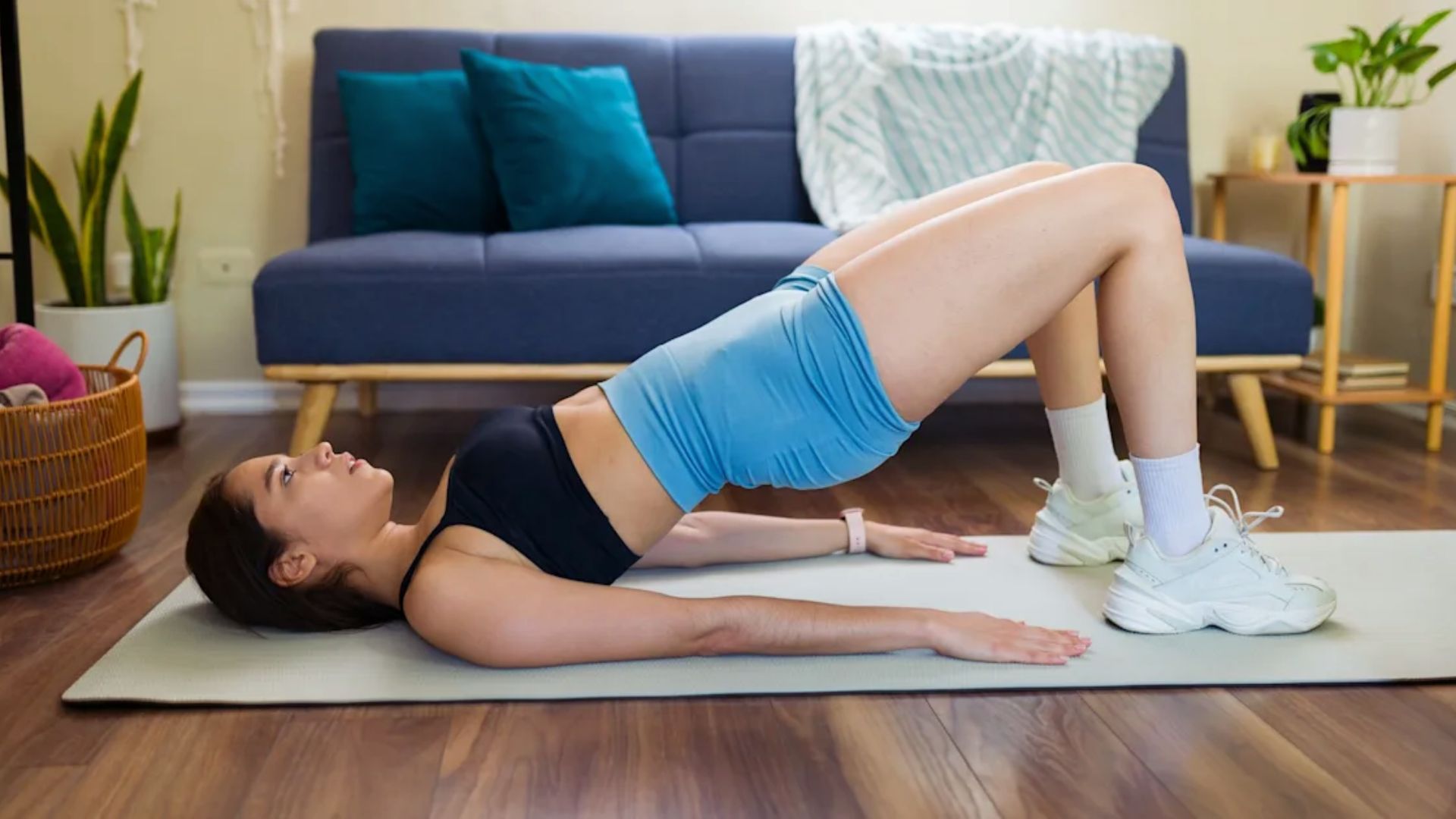
Lie on your back with knees bent and feet flat on the floor, arms at your sides with palms facing down.
Press your feet into the ground, lift your hips until your body forms a straight line, then hold at the top and pulse up and down slightly without letting your hips drop fully.
Start with 3 sets of 20 pulses and rest for 30 to 45 seconds between sets.
Proper Form Tips for Better Results
Squeeze your glutes at the top because that is the most important cue for making this exercise work.
Keep your core tight, avoid letting your lower back arch too much, and make sure your feet stay flat with your knees not falling inward.
Move slowly and with control, and never rush the pulses.
Best Glute Bridge Pulses Variations for Better Results
Once you have the basics down, these variations will push your glutes harder and keep your workouts interesting.
Banded Glute Bridge Pulses for Added Resistance
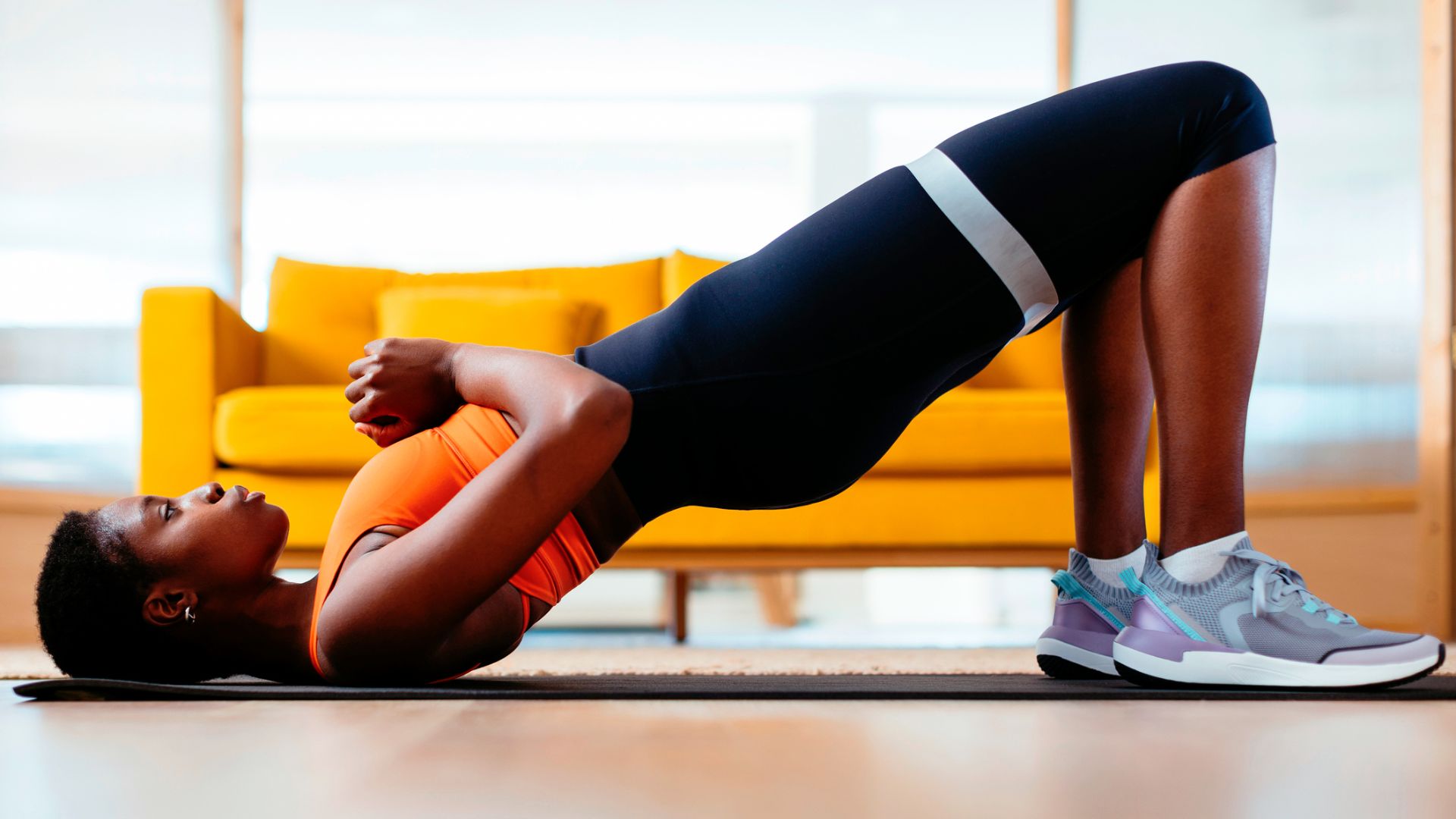
Place a resistance band just above your knees. Do your pulses as normal. The band forces your knees to stay wide, which activates the outer glutes more.
This small change adds serious burns.
Glute Bridge Abductor Pulses for Outer Glutes
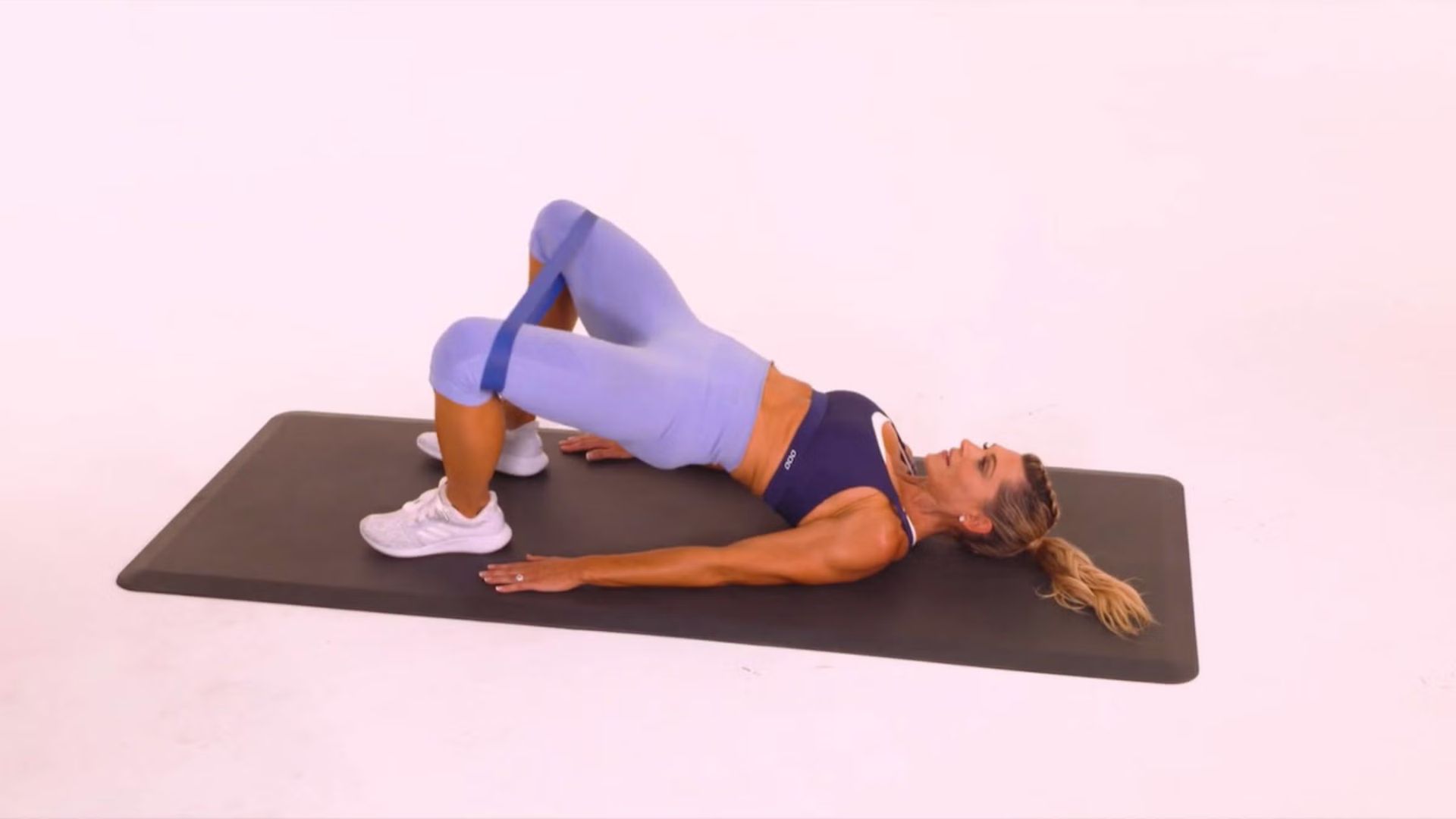
In this version, you pulse your knees outward instead of moving your hips up and down. Hold your hips at the top, then open and close your knees in short pulses.
This targets the gluteus medius, which is important for hip stability.
Single-Leg Glute Bridge Pulses for Balance
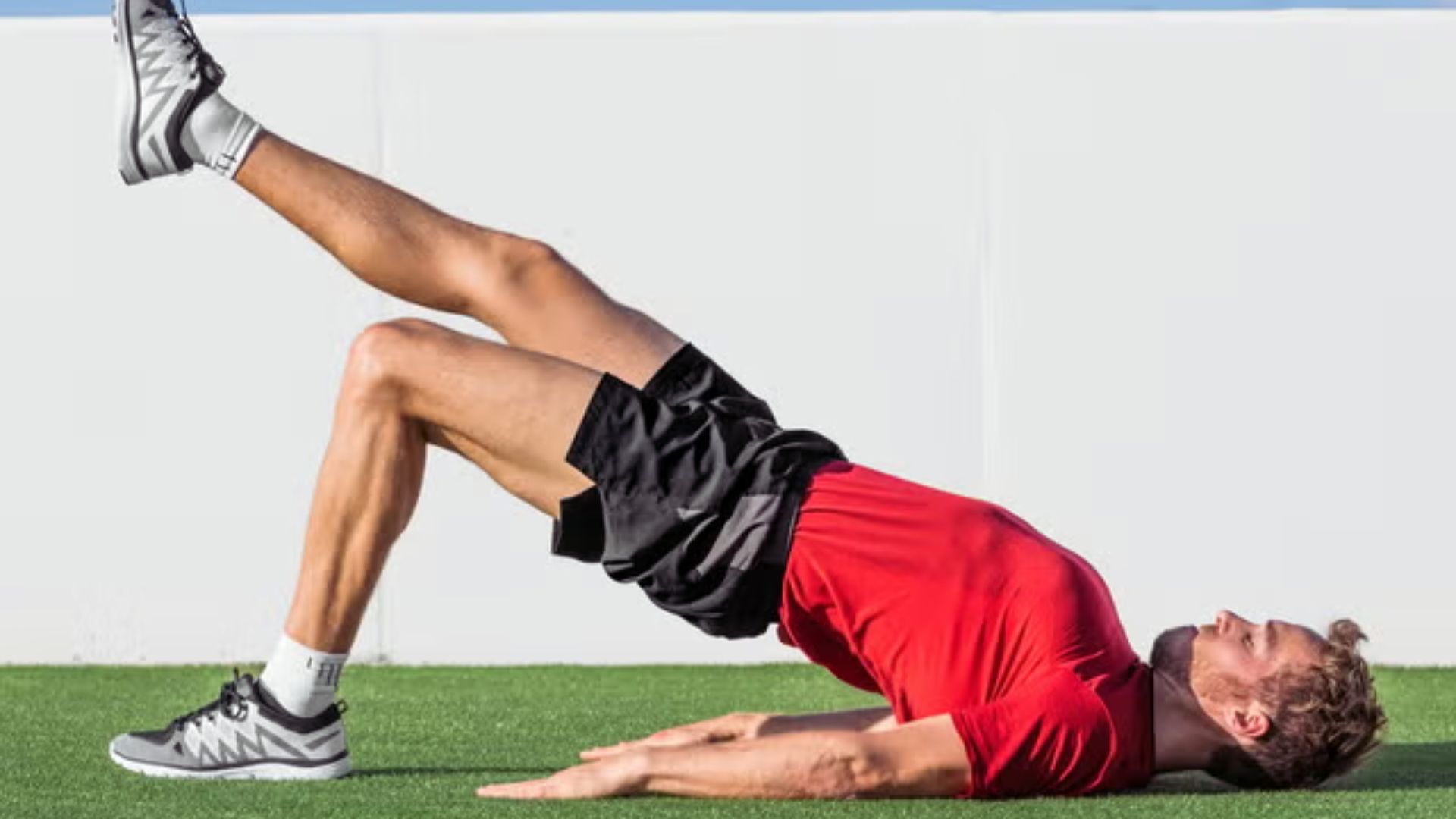
Lift one leg off the floor and hold it straight. Then pulse on the standing leg only. This builds balance and forces each glute to work on its own. It is harder than it looks.
Uplifted Glute Bridge Pulses for Greater Activation
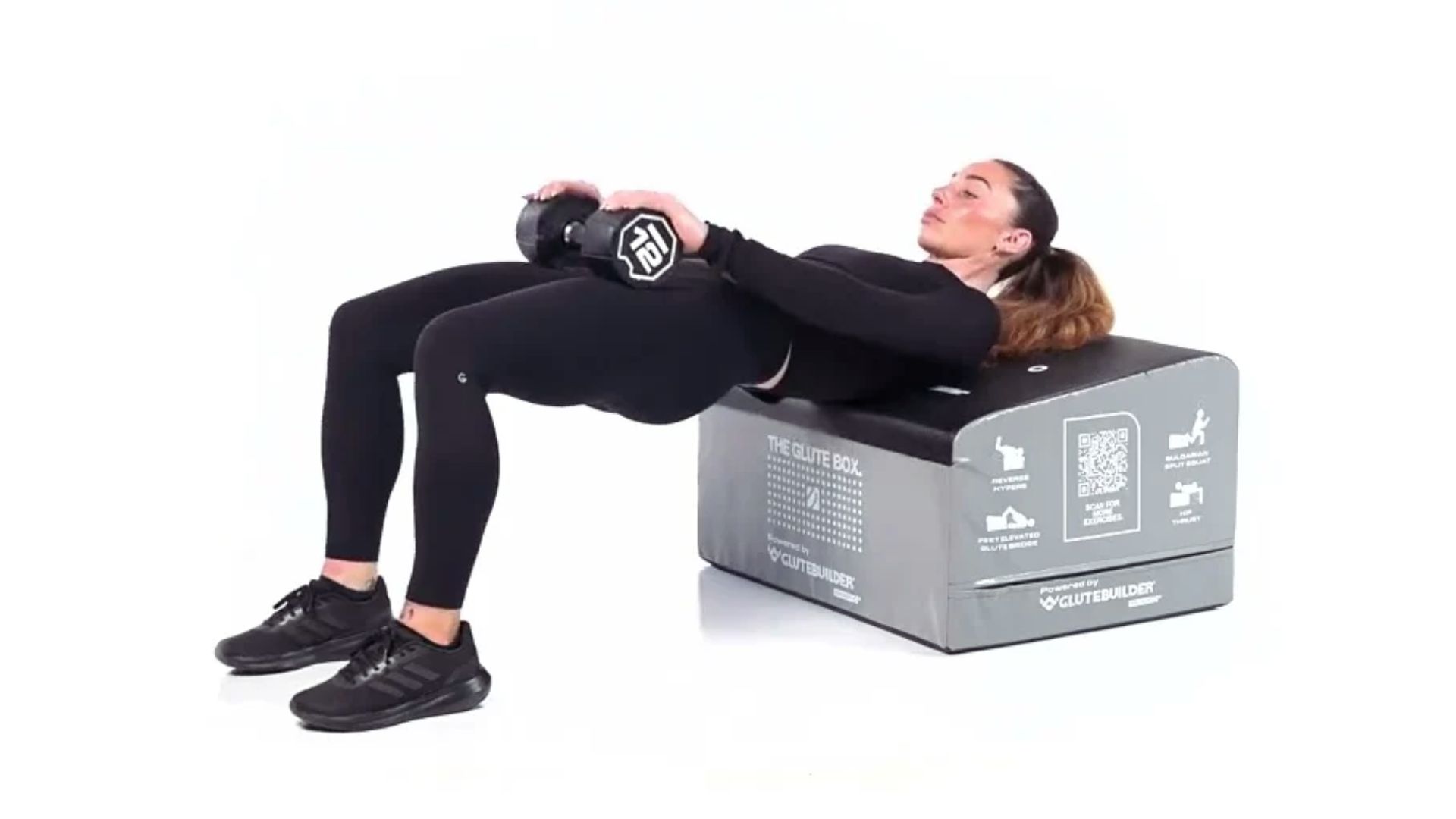
Place your feet on a bench or box. From this uplifted position, lift your hips and pulse. The greater height increases the range of motion and puts more load on the glutes and hamstrings.
Weighted Glute Bridge Pulses for Strength Building
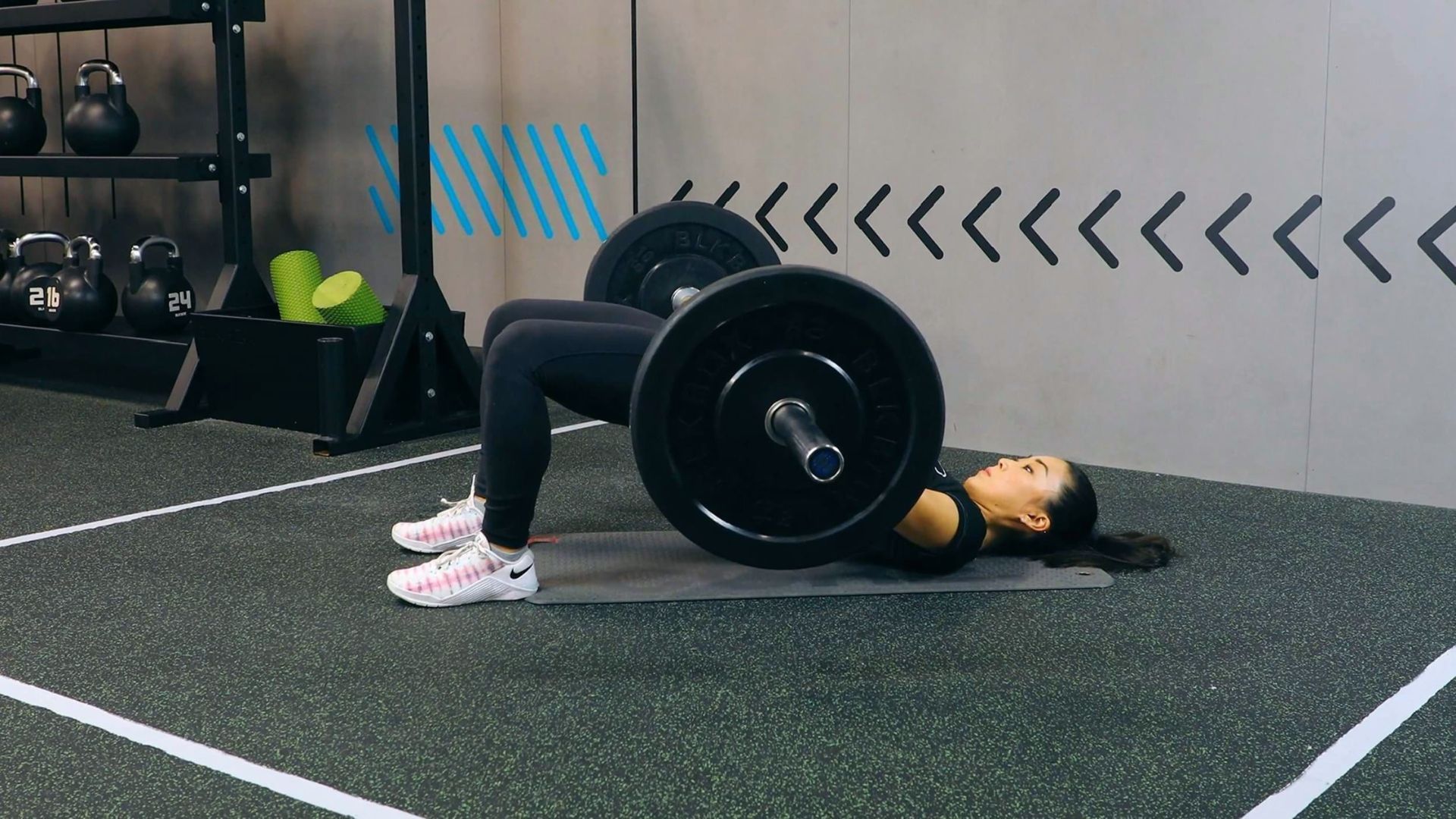
Place a dumbbell or barbell across your hips. Hold it in place with both hands, then pulse. Adding weight increases resistance and helps build strength over time.
Start light and increase gradually.
Why Banded Glute Bridge Pulses Are So Effective
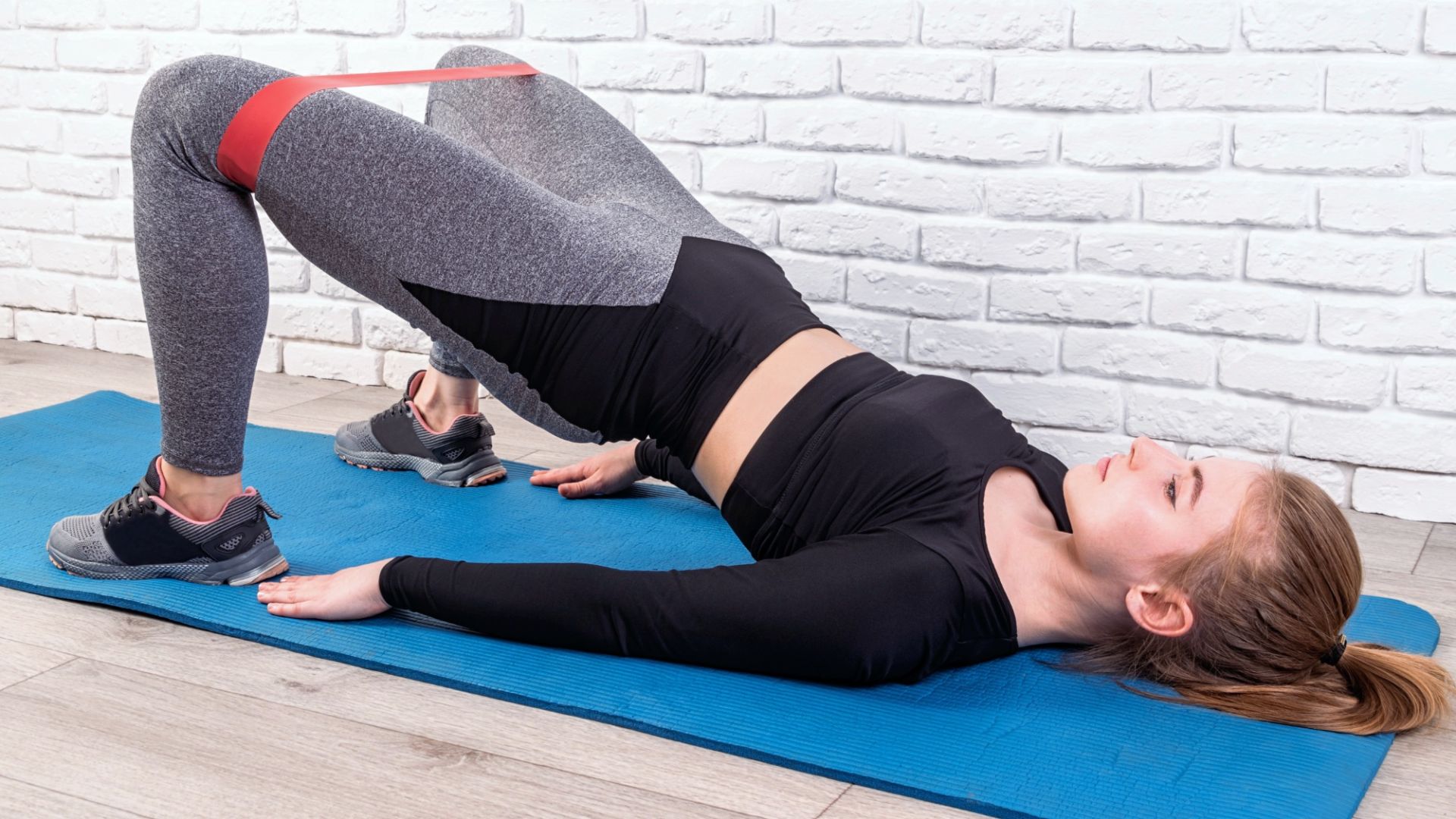
Resistance bands change the game for glute training by adding constant tension that free weights cannot always match.
Benefits of Using Resistance Bands
Bands keep tension on the muscle throughout the full movement. They also cost very little and fit anywhere.
For glute training, bands are one of the most practical tools available. They also help with knee alignment, which makes the exercise safer.
How to Perform Banded Glute Bridge Pulses Properly
Place the band above your knees, not below. Lie down and set up your standard bridge position.
As you lift your hips, press your knees slightly outward against the band. Then pulse while maintaining that outward pressure. Do not let the band pull your knees inward.
How to Add Glute Bridge Pulses to Your Workout Routine
Consistency matters more than intensity. Here is how to fit glute bridge pulses into your schedule in a way that actually sticks.
Beginner-Friendly Routine
Do glute bridge pulses 3 times per week.
Keep it simple:
Standard glute bridge pulses 3 sets of 20
Rest 30 seconds between sets
Do this after a short warm-up walk or stretch
Intermediate and Advanced Progressions
Once the basic version feels easy, move to:
Banded pulses: 3 sets of 25
Single-leg pulses: 3 sets of 15 each side
Weighted pulses: 3 sets of 20 with added load
Uplifted pulses: 3 sets of 20
Add one new variation each week rather than all at once.
Ideal Sets and Reps for Results
For muscle tone: 3 to 4 sets of 20 to 30 reps
For strength: 4 sets of 12 to 15 with added weight
For endurance: 2 to 3 sets of 40 to 50 reps at a moderate pace
Rest 30 to 60 seconds between sets depending on your goal.
Tips to Maximize Results from Glute Bridge Pulses
Small habits done consistently beat intense efforts done randomly. These tips will help you get more from every session.
- Place your hand on your glute before starting to feel it contract and build a stronger mind-muscle connection over time.
- Pair glute bridge pulses with squats, hip thrusts, Romanian deadlifts, and lateral band walks for a complete glute workout.
- Train two to three times a week and stay consistent, because small efforts done regularly add up to real results.
- Add reps or resistance gradually instead of rushing, as slow progress protects your form and leads to better long-term gains.
- Never skip rest days, because muscles grow during recovery, not just during the workout itself.
Conclusion
Glute bridge pulses build strength through constant tension, variations like banded, weighted, and single-leg versions add challenge, and consistency with good form brings the best results.
Track your reps each week, add resistance when bodyweight feels easy, and always prioritize form over speed.
I started doing glute bridge pulses because I needed something simple that actually worked, and now they are a regular part of my routine.
The difference in glute strength is real. Try one variation this week and drop a comment below sharing how it goes for you.
Frequently Asked Questions
How many glute bridge pulses should I do per day?
Start with 3 sets of 20 pulses. As you get stronger, increase reps to 30 or add resistance bands for a greater challenge.
Can glute bridge pulses replace hip thrusts?
They work well together but serve different purposes. Hip thrusts build more overall strength, while pulses improve activation and endurance in the glutes.
Are glute bridge pulses good for beginners?
Yes. They require no equipment and are easy to learn. Beginners can start with bodyweight and progress at their own pace without strain.
How long does it take to see results from glute bridge pulses?
With consistent effort 3 times per week, most people notice improved glute activation and firmness within 3 to 4 weeks of regular training.
Can I do glute bridge pulses every day?
You can, but it is better to take at least one rest day between sessions. This allows the muscles to recover and grow more effectively.