

Honestly, I wrote off hip abduction for a really long time. It looked too simple to actually matter.
But after adding it into my weekly routine, things changed pretty fast. My glutes got more shape, my hips felt stable, and my whole lower body grew noticeably stronger.
I wish I had taken it seriously sooner.
In this article, I’ll walk you through what hip abduction actually does, what real before and after results look like, and how to do it properly.
You’ll leave with a clear plan and real expectations.
What Is Hip Abduction?
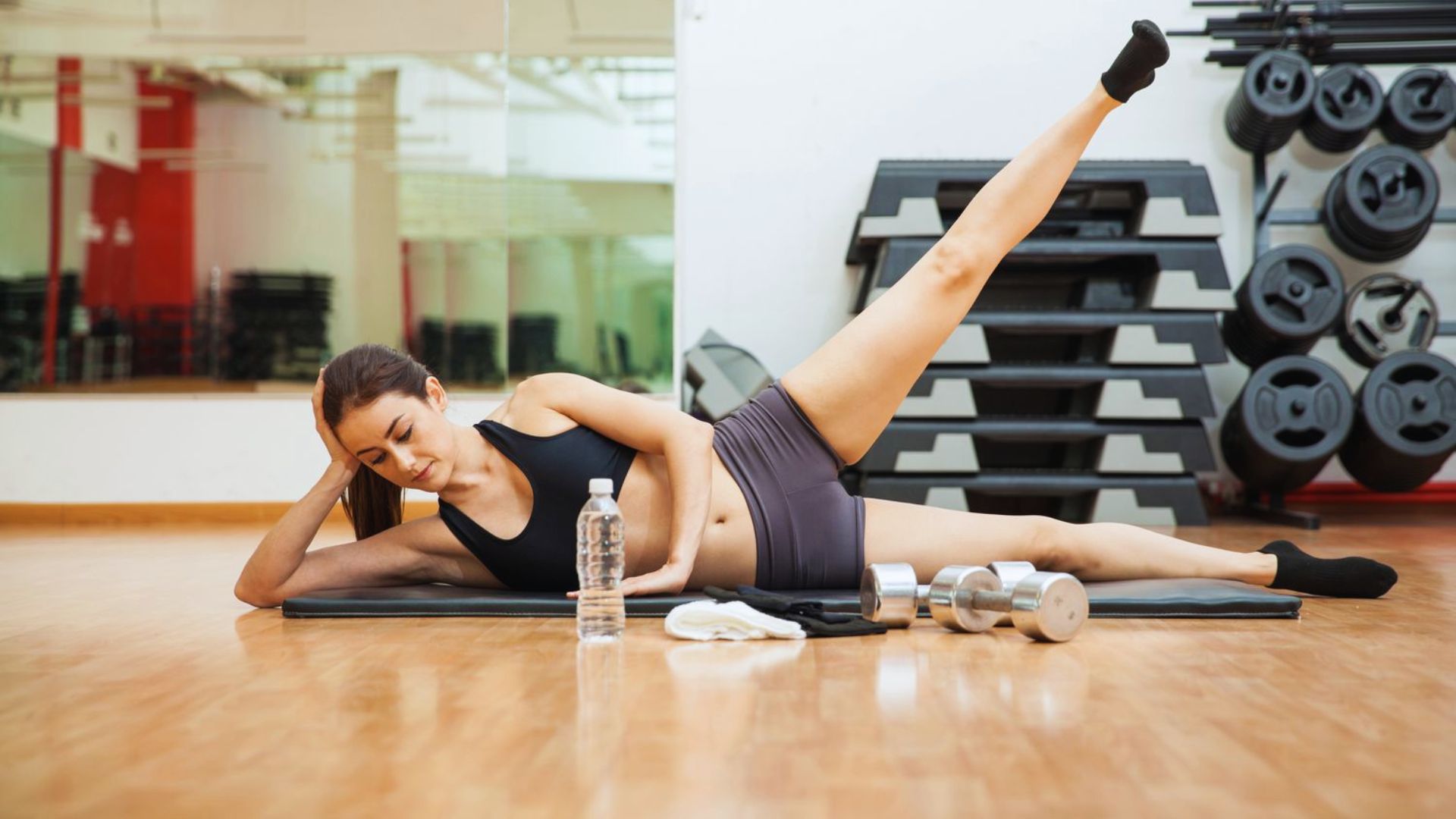
Hip abduction is the movement of moving your leg away from the center of your body.
It sounds simple, but it works muscles that most people ignore. The main muscles involved are the gluteus medius and gluteus minimus.
These sit on the outer part of your hips and glutes. Secondary muscles like the full glutes, hamstrings, and core also get involved.
Strong hip abductors improve your balance, protect your knees, and make your hips look more defined.
They also support everyday movements like walking, running, and climbing stairs.
Common Hip Abduction Exercises
There are several ways to train hip abduction, and each one fits a different setup, goal, or fitness level.
Machine-Based Hip Abduction
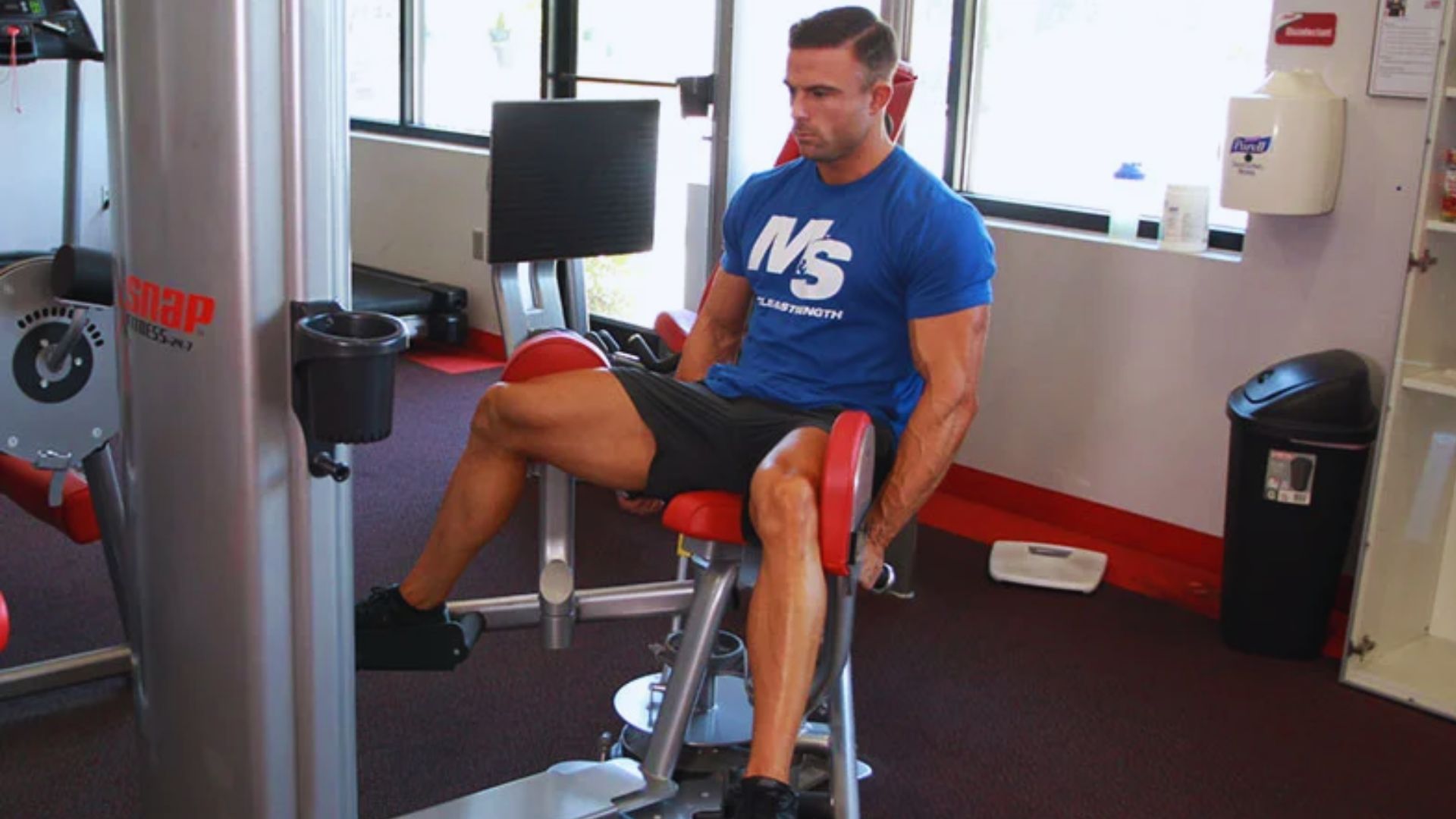
The hip abduction machine has you sit upright with pads against your outer knees.
You push your legs apart against resistance. It targets the gluteus medius directly and keeps your form locked in.
Keep your back flat and press slow and controlled. Avoid using momentum. This is one of the most effective ways to isolate the outer glute area.
Resistance Band Hip Abduction
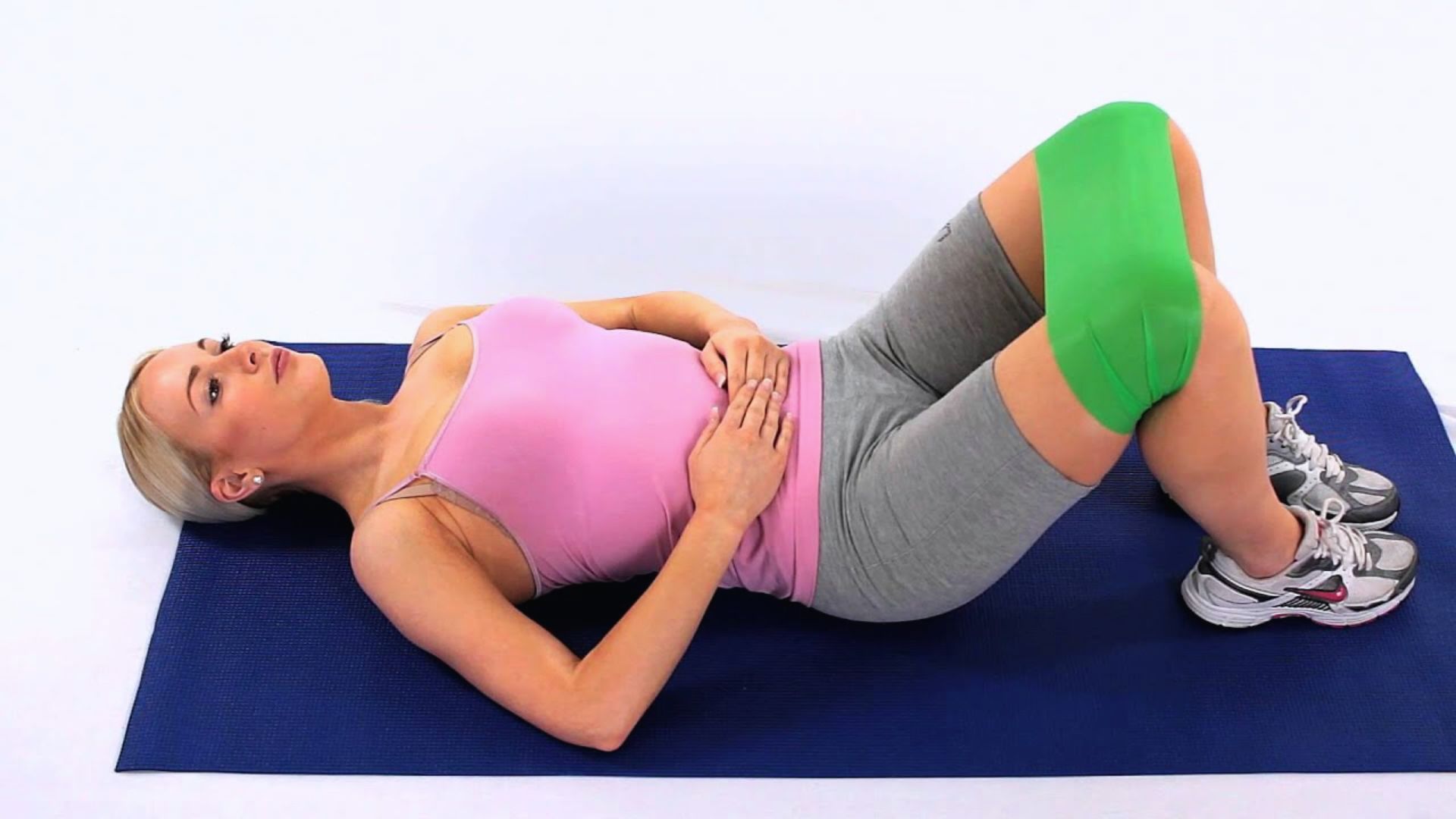
Loop a band above your knees or around your ankles. Stand tall or lie on your side and move one leg outward.
Bands are great for home workouts since they’re light and easy to pack. Start with a lighter band and work up as your strength grows.
The key is keeping tension on the band through the full range of motion without rushing.
Bodyweight Hip Abduction Variations

No equipment? No problem. Side-lying leg lifts work the outer glutes with zero gear.
Clamshells are done on your side with knees bent, opening and closing like a shell. Glute bridges with abduction add a band to a bridge and push knees out at the top.
All three are beginner-friendly and still very effective when done with proper form.
Common Mistakes and How to Avoid Them
Most people make a few key errors when starting hip abduction. Here’s what to watch for.
- Too much weight too soon shifts the load away from your target muscles. Start light and build up.
- Poor posture reduces muscle activation. Sit tall and brace your core throughout.
- Neglecting hamstrings and core leaves your hips unstable. Add complementary work to your routine.
- Skipping warm-up raises your injury risk. Spend five minutes on mobility before you start.
- Rushing reps takes tension off the muscle. Slow down and feel each movement fully.
Fix these early and you’ll see better results in less time.
Before and After Visual Evidence
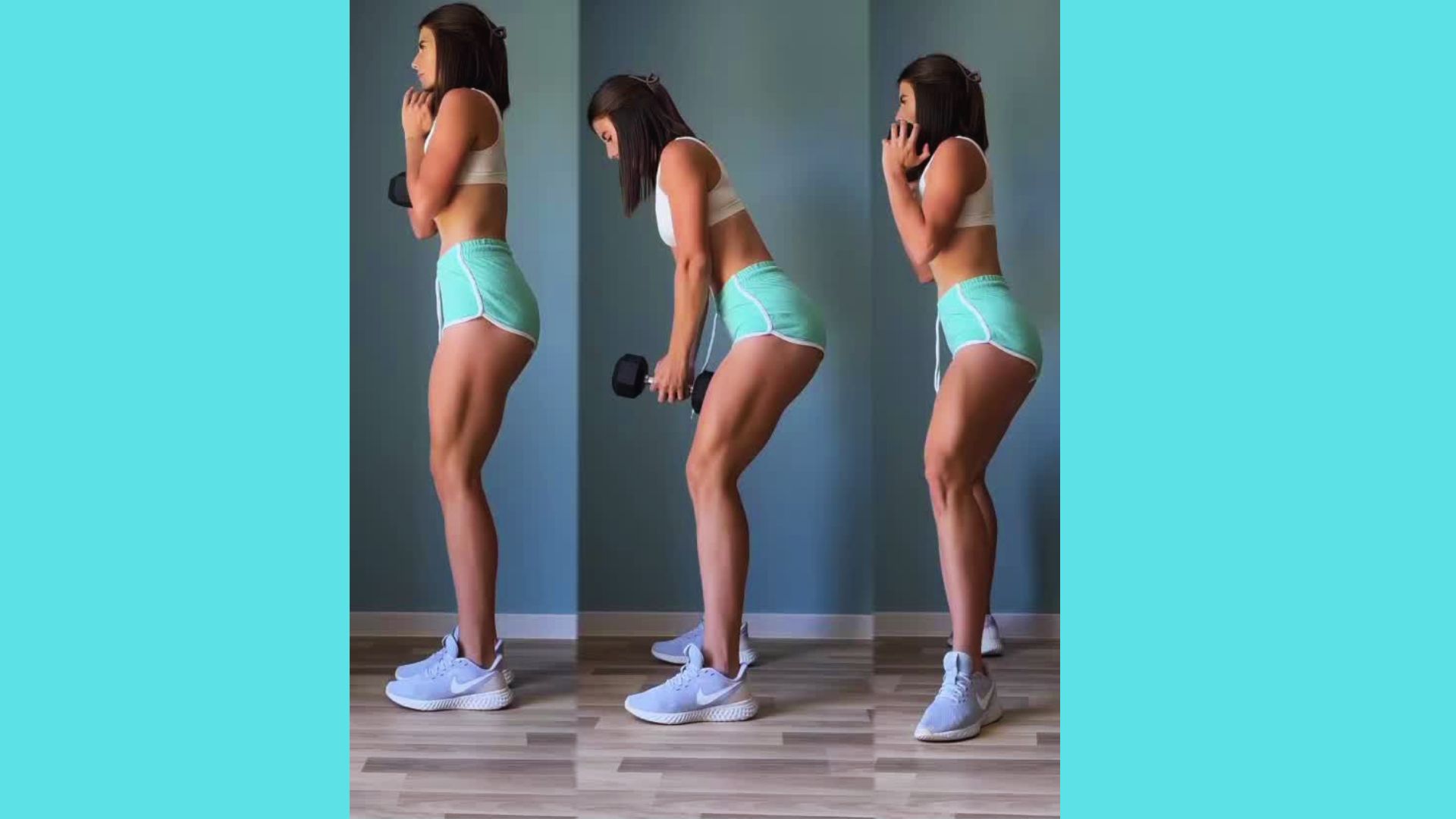
Seeing real results from real people makes it easier to trust the process and stay consistent with your training.
What Users Can Expect
In 4 to 8 weeks of consistent work, most people notice firmer outer glutes and slightly wider hips.
Results vary based on diet, training intensity, frequency, and genetics. Don’t expect overnight change. Expect steady progress.
Before and After Photos
Photos taken before and after training show clearer muscle lines, better hip symmetry, and a more lifted glute shape.
The difference is most visible from the back and side angles. Some users also report feeling more balanced and stable during workouts overall.
How to Track Your Progress
Take photos every two weeks from the front, back, and side. Measure your hip circumference monthly.
Write down your weights and reps in a training log. Tracking keeps you motivated and shows progress even when the mirror doesn’t yet.
Tips to Maximize Results
Apply these tips consistently, and your hip abduction work will start paying off much faster.
- Train 2 to 3 times per week with 3 sets of 12 to 15 reps. Consistency matters more than intensity.
- Increase resistance gradually. Once 15 reps feel easy, move up. That’s how muscles grow.
- Pair hip abduction with strength and cardio. Isolated work alone won’t give you the best results.
- Prioritize recovery. Rest between sessions, sleep well, hydrate, and eat enough protein.
- Stretch after every session. Tight hips limit your range of motion and slow your progress.
Conclusion
I’ll be real with you. I slept on hip abduction for way too long.
Once I stopped ignoring it, my glutes got more shape, my hips felt solid, and my whole lower body improved.
It took consistency, not perfection. If you’re just getting started, that’s fine.
Start small and build from there. Leave a comment below and let me know how it goes.
If this article helped you, share it with someone who could use it too.
Frequently Asked Questions
How long does it take to see results from hip abduction exercises?
Most people see changes within 4 to 8 weeks of consistent training.
How often should I do hip abduction exercises?
2 to 3 times per week with rest days in between.
Can hip abduction exercises make my hips wider?
Yes, they add definition and slight width to the outer hips over time.
Is the hip abduction machine better than resistance bands?
Both work. Machines give more control, bands are better for home use.
Do hip abduction exercises help with knee pain?
Yes, stronger hip abductors reduce knee collapse and ease discomfort.


