

I spent months attempting bar muscle-ups and failing at the exact same point every single time. Right at the transition. Every time.
I had the pull-up strength. I had the dips. But nobody told me that strength alone doesn’t get you over the bar.
There’s a specific bar muscle up progression that makes this skill achievable. Skip any step and you’ll stay stuck at that same sticking point I did.
So what separates people who get their first muscle-up from those who never do? It comes down to how you train for it.
Let’s break it all down.
Understanding Bar Muscle-Up Basics
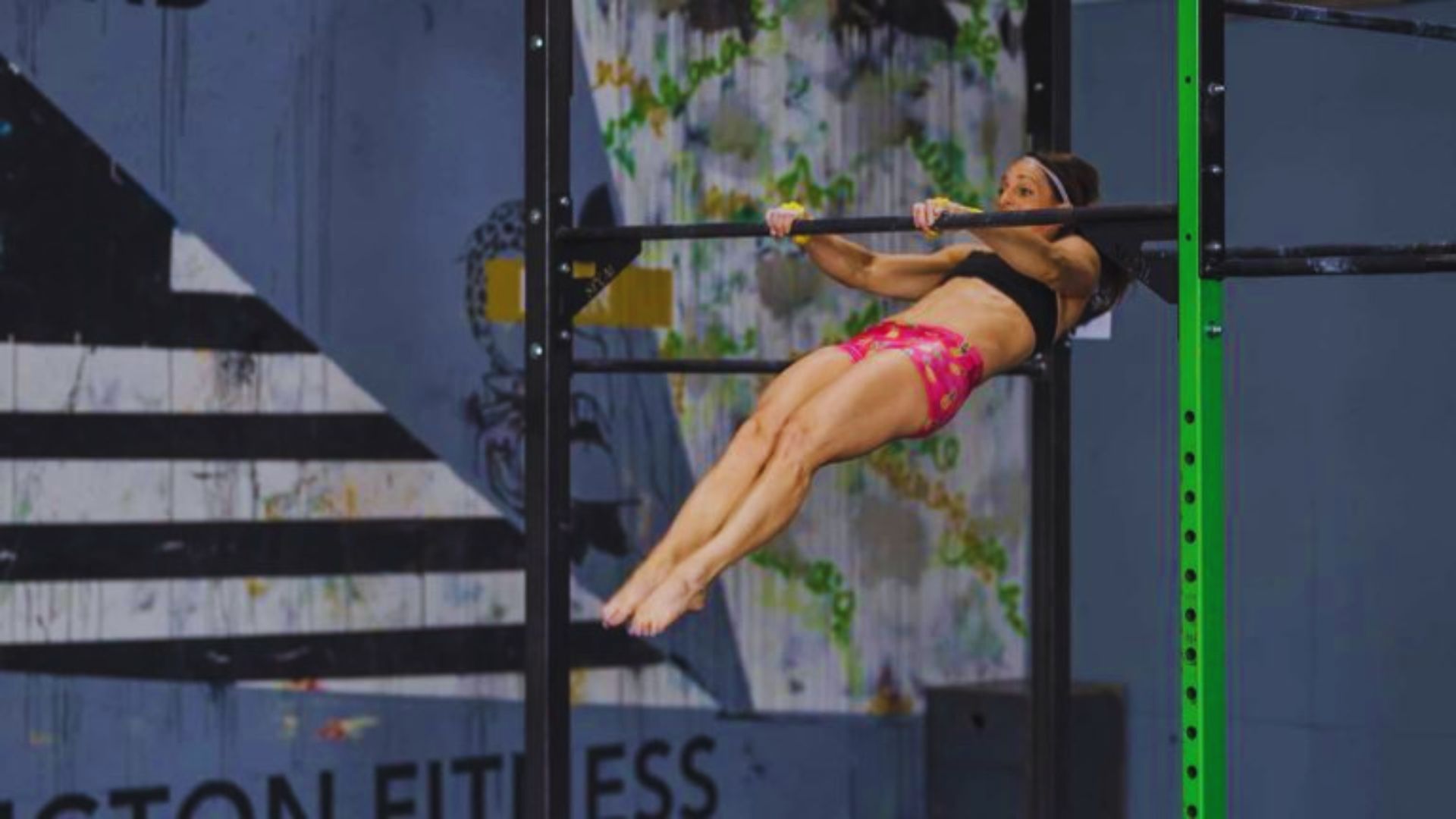
A bar muscle-up works your lats, biceps, triceps, shoulders, chest, and core all in one movement. It’s a full upper body exercise that demands both pulling and pushing strength at the same time.
There are two versions. A strict bar muscle-up uses only upper body and core strength with no momentum. A kipping muscle-up uses a hip swing to generate momentum and is generally easier to learn first.
Strict is harder. Kipping is a useful stepping stone. Both require solid foundational strength before you attempt either.
Progression matters because skipping steps leads to bad technique and injuries. The transition phase, where you move from below the bar to above it, is where most people get stuck or get hurt.
Step-by-Step Bar Muscle Up Progression
There are no shortcuts here. Each step builds directly on the one before it. Work through them in order and the muscle-up becomes a matter of when, not if.
Step 1: Build Pull-Up Strength
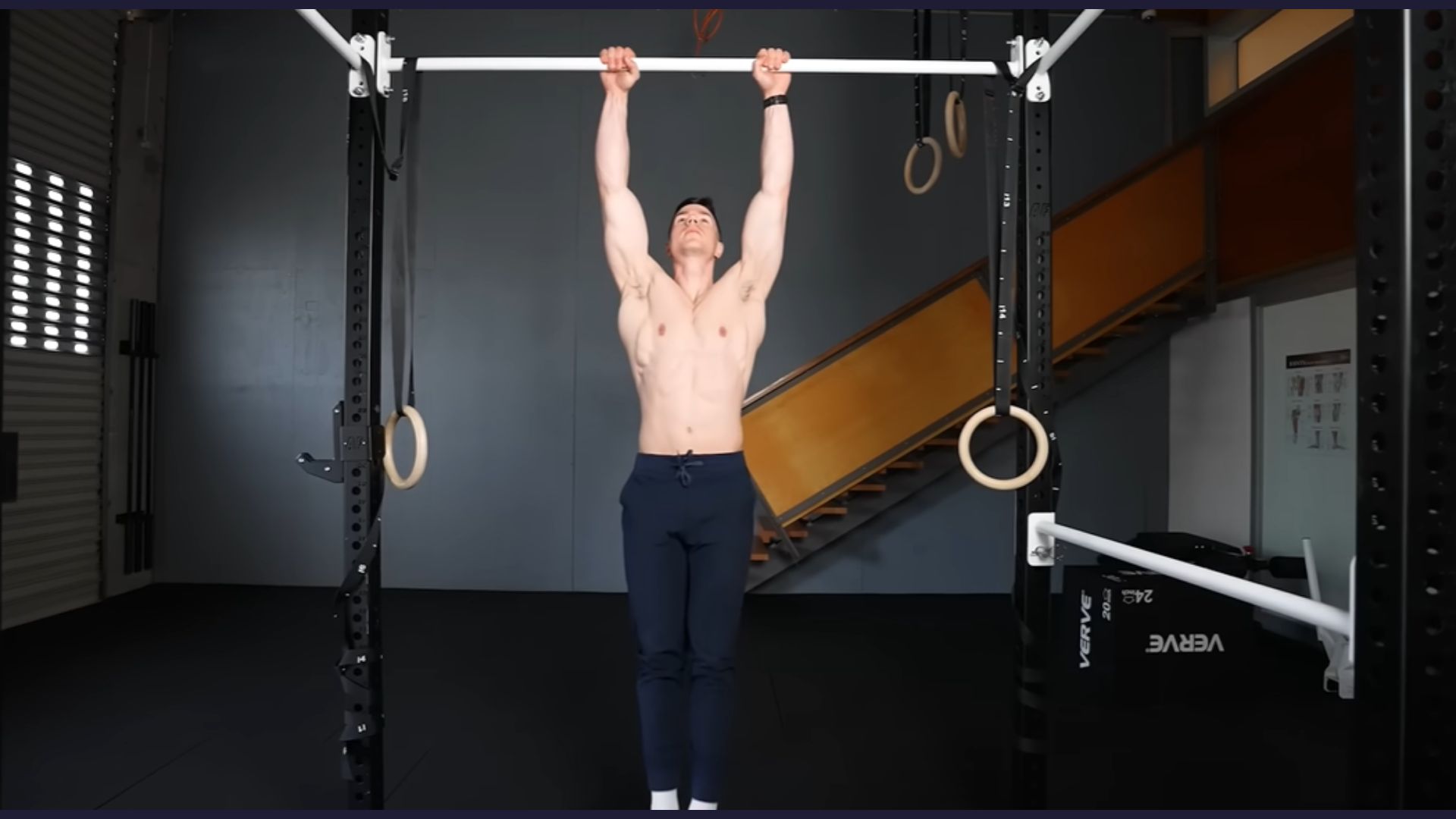
Strong pull-ups are the non-negotiable foundation of any bar muscle up progression. If you can’t do at least 10 clean pull-ups, start here and stay here until you can.
Work on weighted pull-ups to build raw strength. Add a small amount of weight each week. High-rep sets at bodyweight build endurance and reinforce proper mechanics.
Vary your grip. Overhand, neutral, and false grip pull-ups each train the muscles slightly differently. Rotating between them builds well-rounded pulling strength that carries over directly to the muscle-up.
Step 2: Strengthen Dips
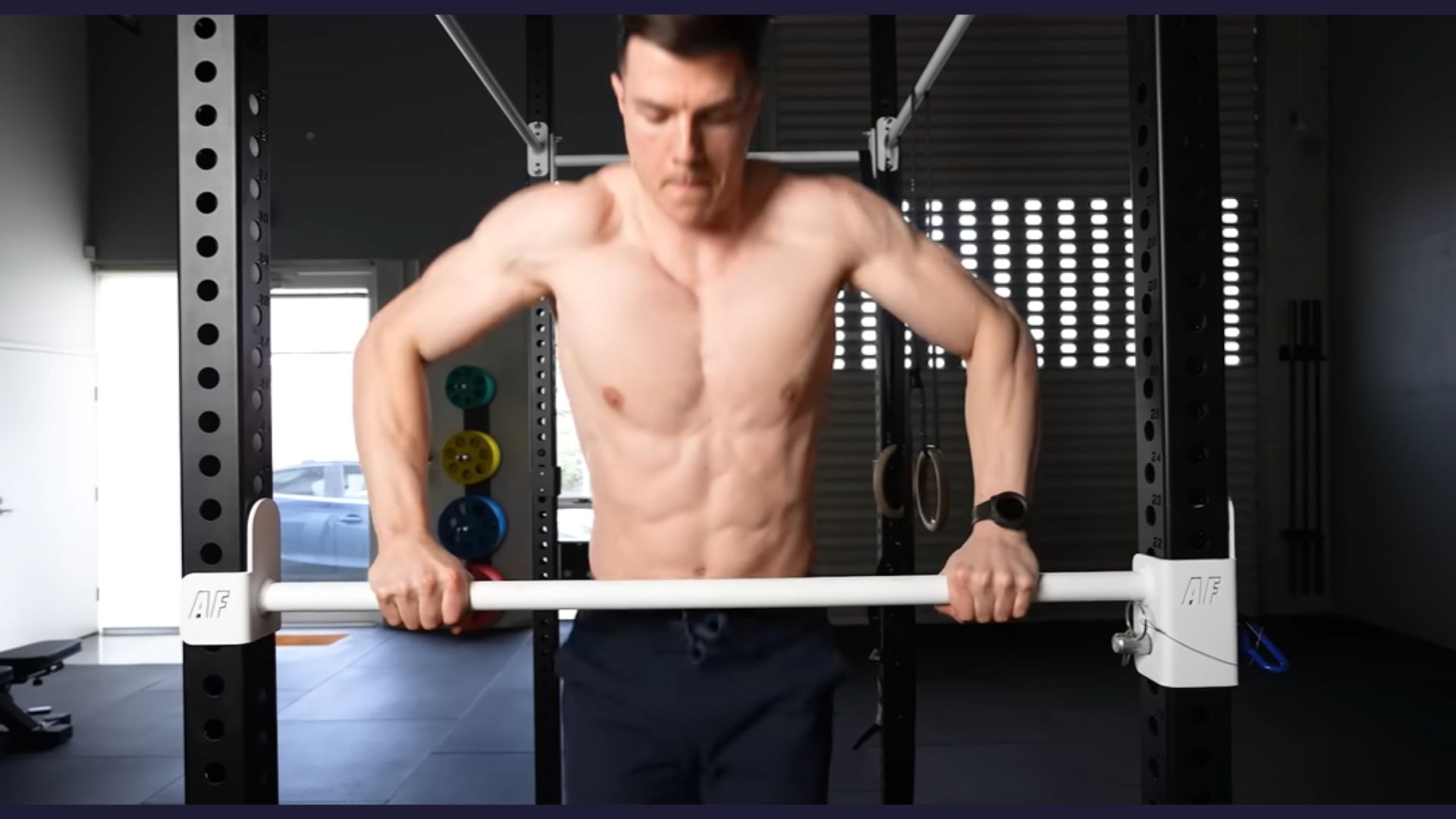
The top half of a muscle-up is a straight bar dip. If your dip strength is weak, you’ll stall out every single time you get over the bar.
Parallel bar dips build general pushing strength. Straight bar dips are more specific to the muscle-up because the bar position is identical.
Eccentric dips are especially useful here. Lower yourself as slowly as possible, around four to five seconds down. This builds the control you need to manage your body above the bar.
Keep your core tight throughout every dip. A loose core during dips carries over into a loose core during muscle-ups, and that kills the movement.
Step 3: Learn the False Grip
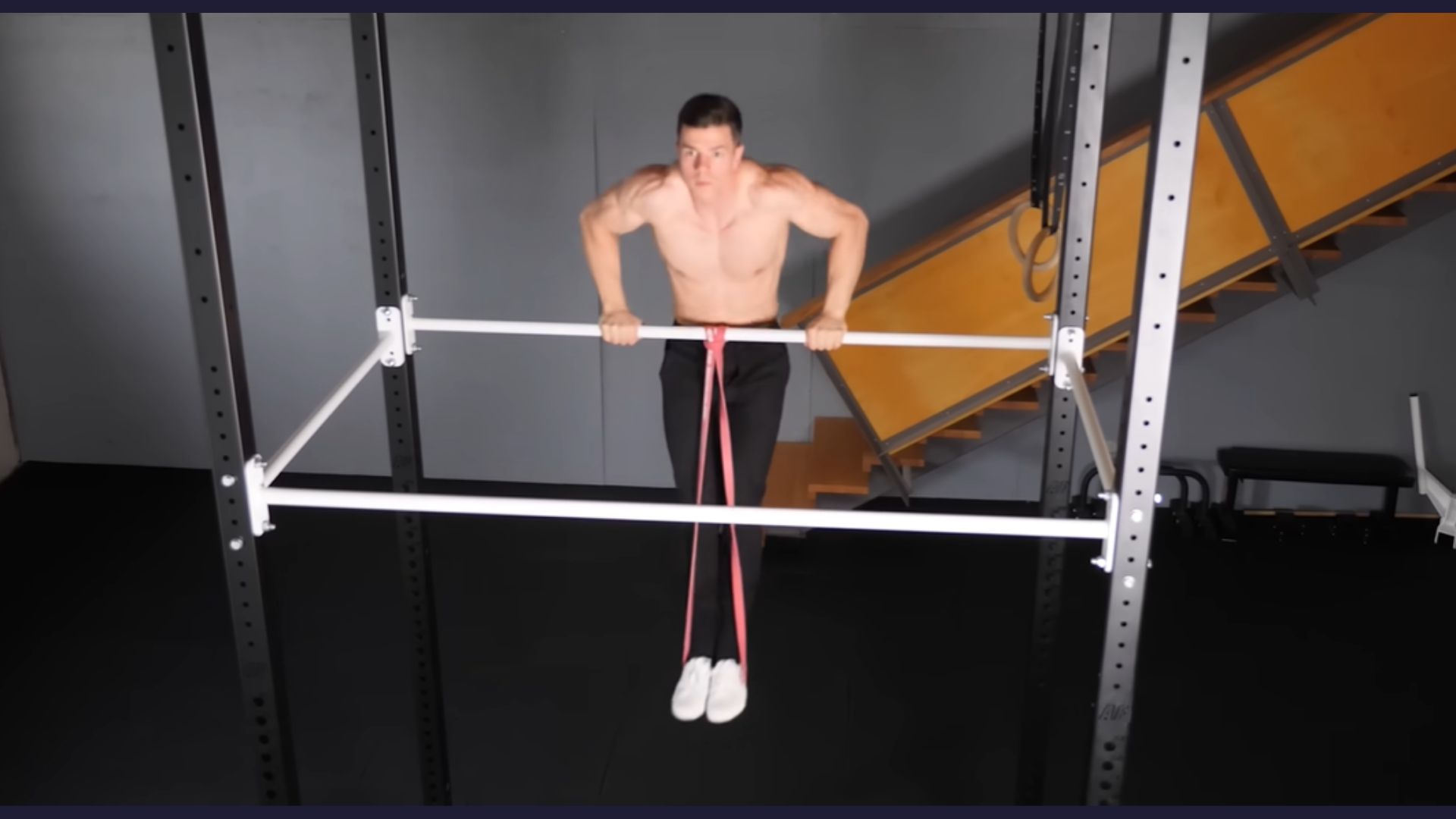
The false grip is where your wrist sits over the bar rather than your fingers wrapping underneath it. It looks awkward at first but it’s what allows a smooth transition from the pull to the push.
Without a false grip, you’ll hit a wall at the transition every single time. The wrist position is what lets you shift your bodyweight over the bar instead of fighting against it.
Strict bar muscle up progression genuinely starts here. Hang from a false grip daily. Hold it during pull-ups. Get comfortable with the discomfort because it fades fast once the grip becomes familiar.
Practice maintaining the false grip while pulling. It will slip at first. That’s normal. Keep working it until it feels second nature.
Step 4: Transition Drills
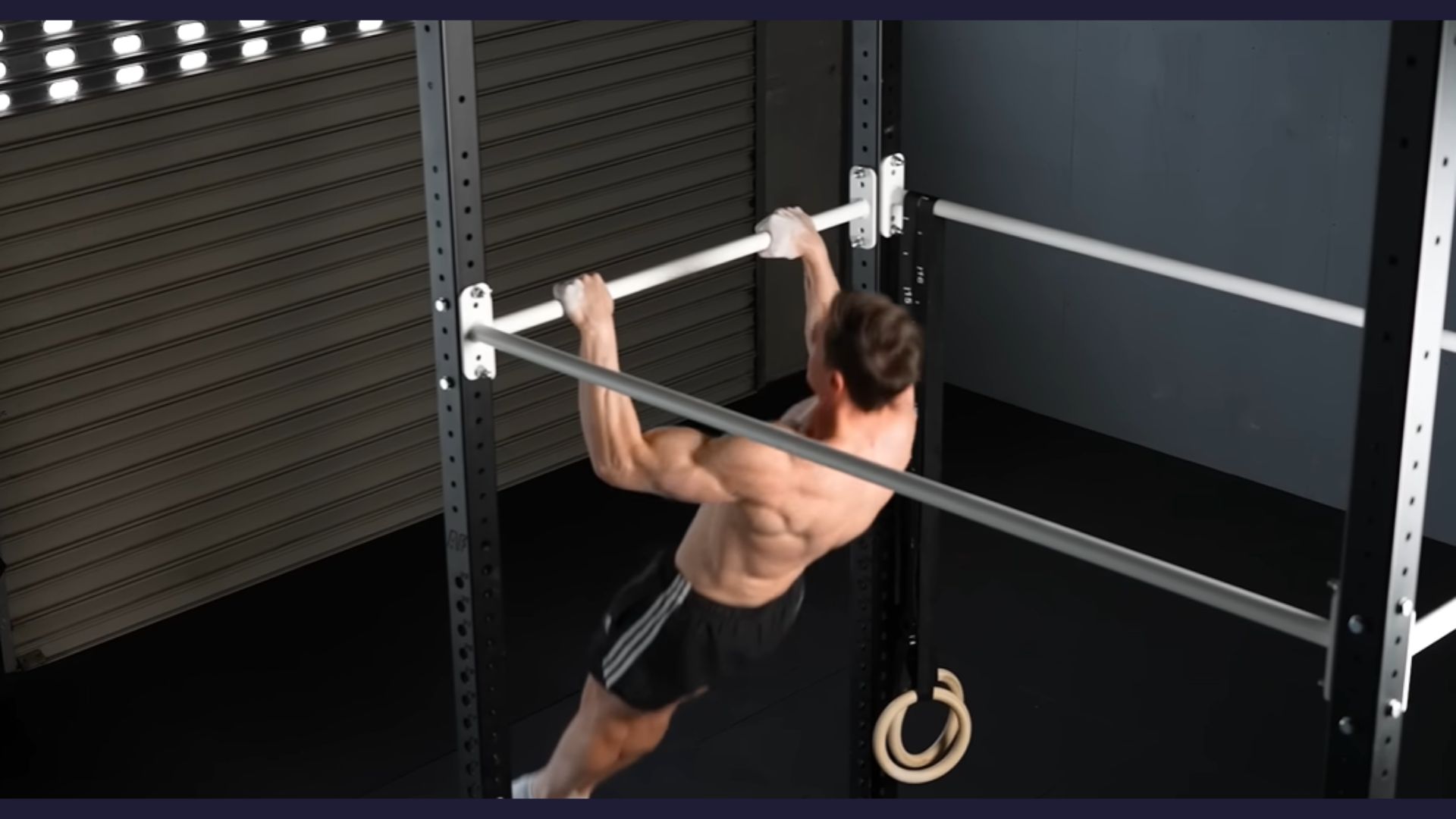
The transition is the hardest part of the whole movement. It’s the moment between the pull and the push where everything either clicks or collapses.
Use a low bar to practice the transition slowly. Set up a bar at hip height, start from the ground, and practice rolling your chest over the bar with control. Slow repetitions here build the muscle memory you need.
Band-assisted muscle-ups reduce the load enough to let you feel the correct transition path without fighting your full bodyweight. Use them for confidence and form, not as a permanent crutch.
Break the pull-to-transition movement down deliberately. Pull hard, lean forward at the top, shift your elbows down and back, and press up. Practice each phase separately before connecting them.
Step 5: Full Muscle-Up Practice
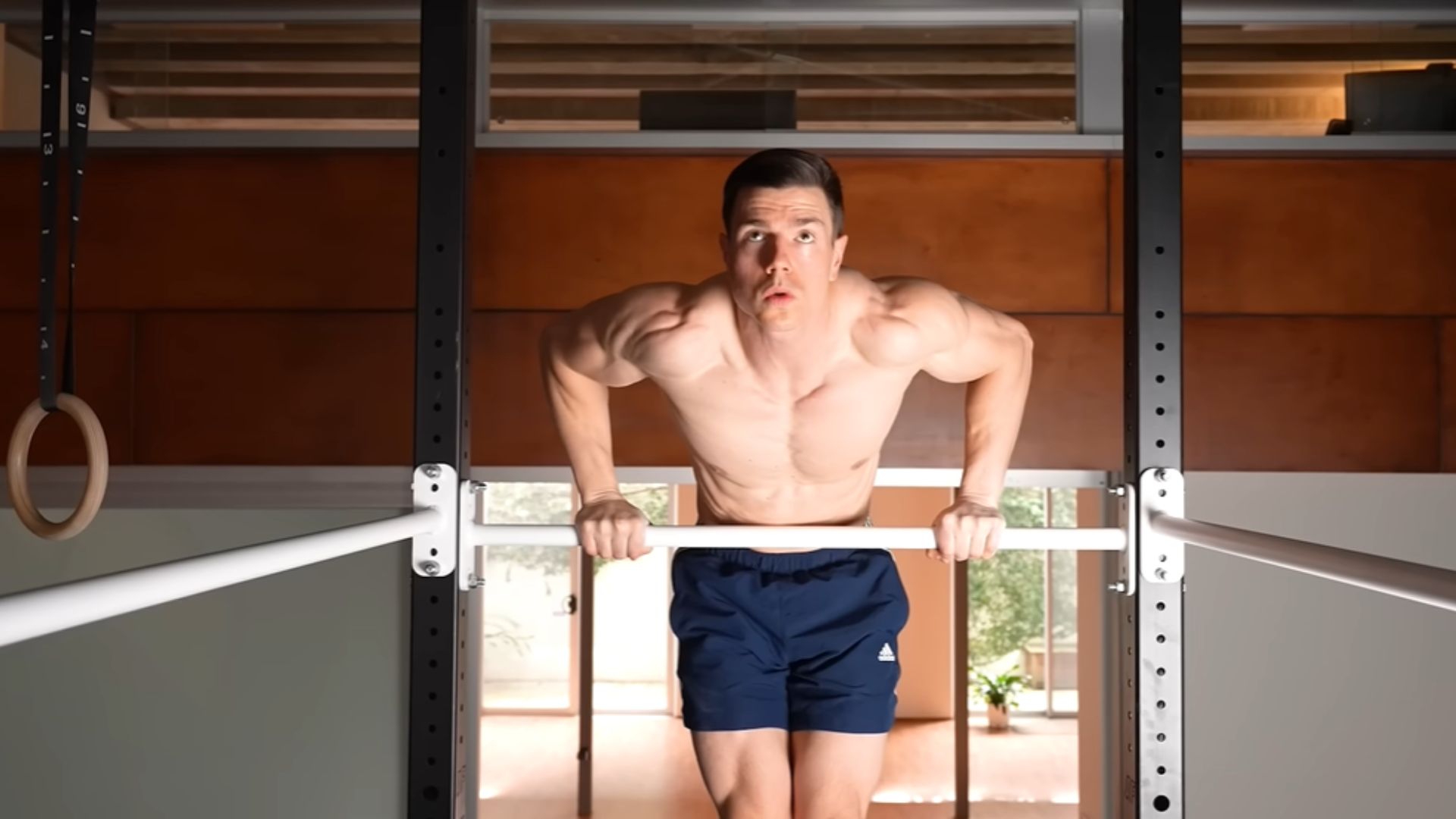
Now you put it all together. Pull, transition, press. The goal is one fluid movement, not three separate actions stitched together.
If strict isn’t there yet, use a small kip to get over the bar. This is not cheating. It’s a useful bridge that lets you practice the full movement pattern while your strict strength catches up.
Record yourself or use a mirror. What you feel and what’s actually happening are often completely different. Video feedback fixes technique problems faster than anything else.
For strict bar muscle up progression, focus on reducing the kip gradually over time. Less momentum each session. More upper body control. Eventually the kip disappears and the strict rep is there.
Accessory Exercises to Support Muscle-Up Progression
Your bar muscle up progression doesn’t only happen on the bar. These supporting exercises fill in the gaps and speed everything up.
Hollow holds and toes-to-bar build the core strength that holds your body tight during the movement. A weak core makes every phase of the muscle-up harder than it needs to be.
Grip and forearm work matters more than most people expect. Dead hangs, towel pull-ups, and farmer carries build the grip endurance needed to maintain a false grip under fatigue.
Lat and shoulder mobility drills keep your joints healthy under the load of high-volume bar work.
Banded shoulder stretches and lat stretches after every session protect the shoulder girdle over the long term.
Common Mistakes to Avoid During Progression
Most people stall on their bar muscle up progression because of the same handful of mistakes. Fixing them early saves months of wasted effort.
Here’s what to watch out for:
- Pulling with arms only: The lats need to initiate the pull. If your arms are doing all the work, you’ll gas out before the transition every time.
- Neglecting false grip and transition work: These are the two most skipped steps. They’re also the two that matter most.
- Skipping foundational strength: Attempting muscle-ups before you have solid pull-ups and dips is the fastest way to get frustrated and injured.
- Using too much kip for too long: Kipping is a tool, not a destination. Relying on momentum long-term prevents you from building the strict strength you actually need.
- Inconsistent training: Sporadic sessions don’t build the motor patterns required for this skill. Consistency beats intensity here.
Clean these up and your progression will move significantly faster.
Training Frequency and Program Tips
Two to three focused sessions per week is the right starting point for bar muscle up progression.
More than that doesn’t speed things up. It usually slows things down through accumulated fatigue.
Here’s a practical weekly structure to follow:
- Session 1: Pull-up strength work and false grip drills
- Session 2: Dip strength work and transition practice
- Session 3: Full muscle-up attempts, band-assisted or strict, plus accessory work
- Rest days: Active recovery, mobility work, and light stretching
- Every two weeks: Add a small amount of volume or difficulty to at least one session
Recovery is not optional. Muscle-ups tax the shoulders, elbows, and wrists heavily. If any of those joints feel off, back off immediately.
Training through joint pain here leads to setbacks that cost you weeks.
Increase intensity and volume gradually. Small consistent steps forward beat big jumps that lead to injuries or burnout.
Conclusion
That bar isn’t going anywhere. But your excuses can.
You have the full bar muscle up progression laid out in front of you. Every step, every drill, every mistake to avoid. There’s nothing left to figure out. The only variable now is you.
Pick one step from this guide and do it in your next session. Just one. That’s how momentum starts.
Then come back and tell me where you’re at in the comments. First muscle-up? Still working the foundation? I want to hear it.
And if this helped, share it with someone ready to stop watching others hit muscle-ups.
Frequently Asked Questions
How Long Does It Take to Achieve a Bar Muscle-Up?
It depends on your current pull-up and dip strength, but most people get there within three to six months of consistent focused training. Those with a strong base often progress faster.
Can I Train Muscle-Ups Every Day?
No, two to three focused sessions per week is the right amount to build skill and strength without overtraining. Your joints and connective tissue need time to recover between sessions.
Do I Need to Master Strict Pull-Ups Before Attempting a Muscle-Up?
Yes, strong pull-ups and dips are the foundation of any safe and effective muscle-up progression. Attempting the skill without that base increases injury risk significantly.
What’s the Difference Between Strict and Kipping Muscle-Ups?
A kipping muscle-up uses a hip swing to generate momentum through the transition. A strict muscle-up relies entirely on upper body and core strength with no momentum involved.
Can Resistance Bands Help in Progression?
Yes, band-assisted muscle-ups reduce the load enough to practice the transition and full movement pattern with correct form. They’re a great tool for building confidence before attempting unassisted reps.