

If you train glutes, you have probably asked this question: Kas glute bridge or hip thrust? They look similar. But they are not the same.
In this article, I will break down both exercises clearly. You will learn the form, muscles worked, and which one fits your goal. I have been training and studying these movements for years, so I know what actually works.
Here is what we will cover: What each exercise is, how they differ in form and muscle use, which one you should choose, and how to use both together.
Quick Comparison: Which One Fits Your Goals?
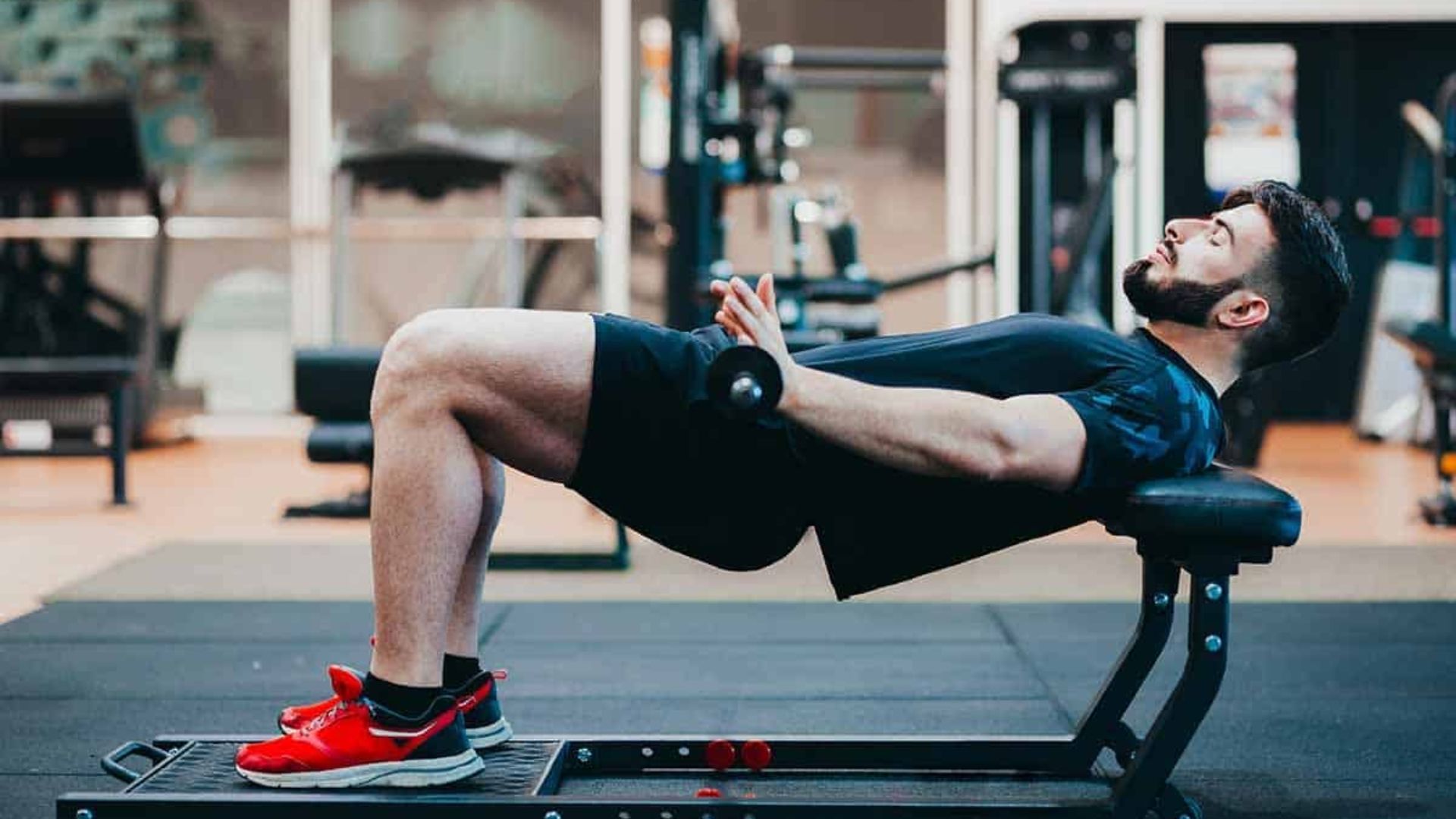
The Kas glute bridge uses a short, controlled range of motion and isolates the glutes. The hip thrust goes through a full range and works the glutes, hamstrings, and quads together.
The Kas bridge is slow and controlled by nature. The hip thrust can be explosive or steady depending on your goal. Both are beginner friendly, but the hip thrust takes a little more coaching to get right.
It depends on what you want. Want glute isolation? Go with the Kas glute bridge. Want strength and size? The hip thrust wins. Want both? Use them together.
Most people do not have to pick just one.
What Is a Kas Glute Bridge?
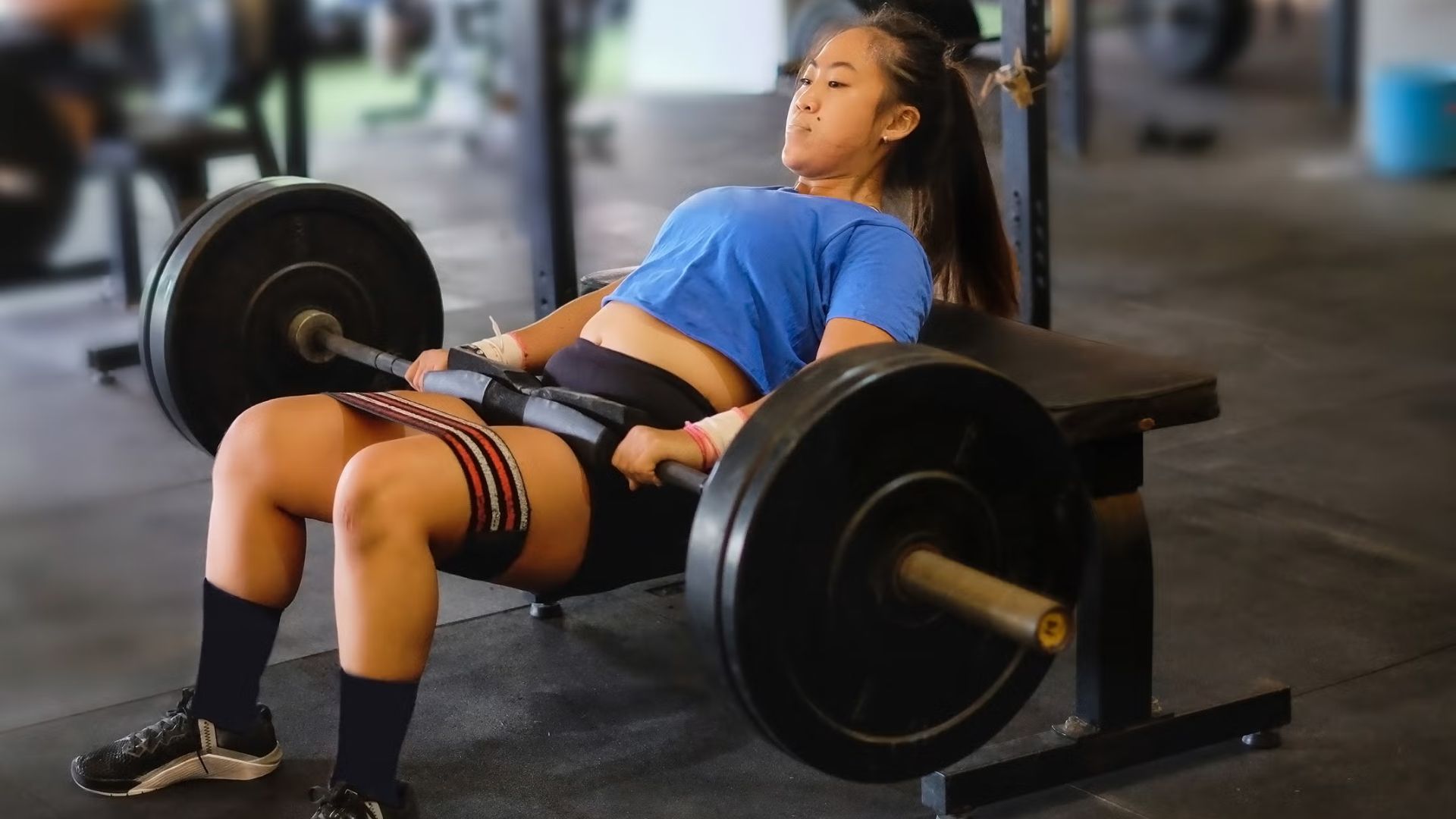
The Kas glute bridge is performed lying on your back. You lift your hips just a few inches off the ground, hold, and lower back down. The range is small on purpose. It keeps constant tension on your glutes with no momentum involved.
The main muscles worked are the gluteus maximus, gluteus medius, and core stabilizers. The hamstrings and quads are barely involved. That is what makes it such a focused glute exercise.
What Is a Hip Thrust?
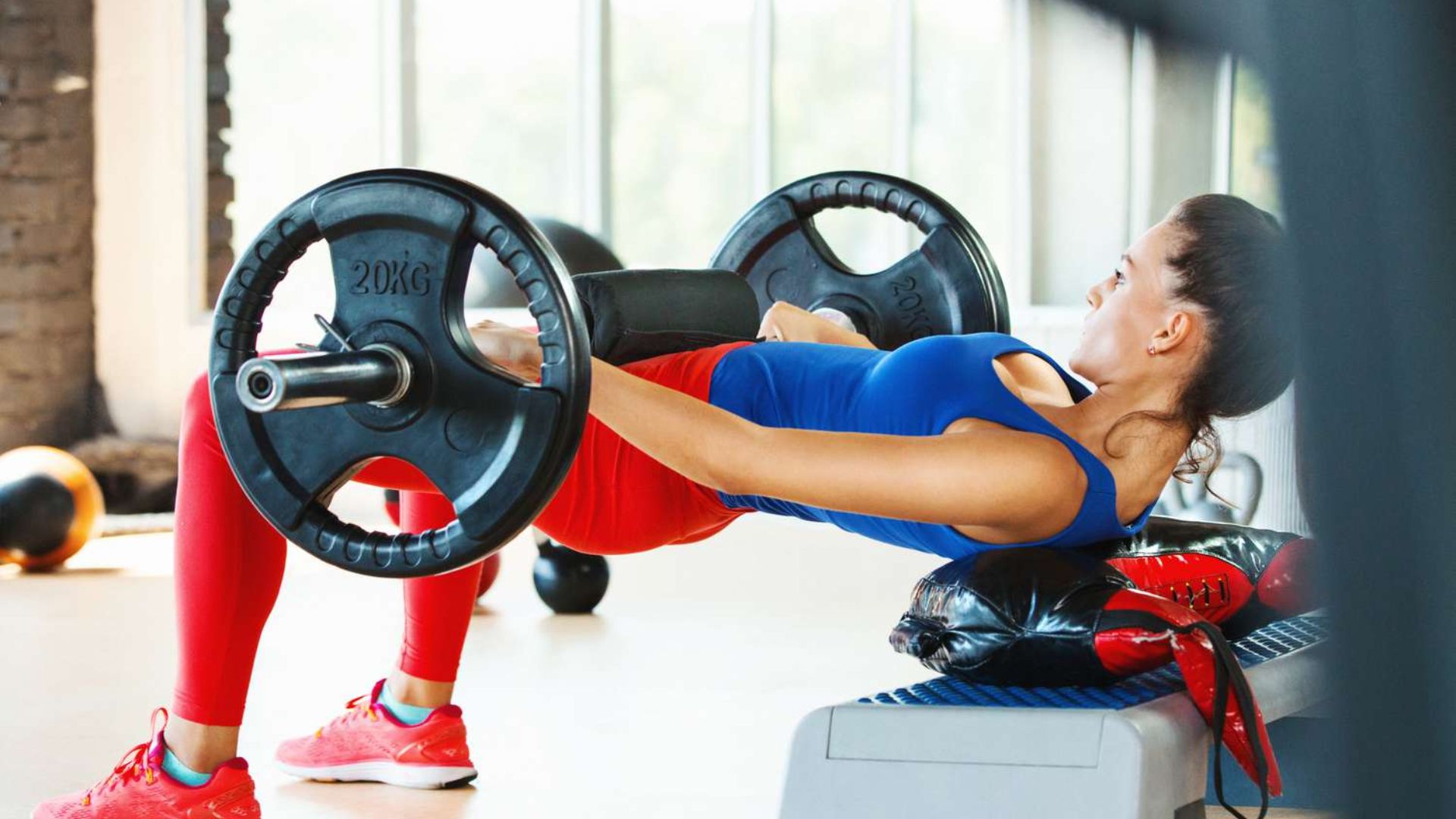
The hip thrust is a full-range movement with your upper back on a bench. You push your hips up until your body forms a straight line from knees to shoulders, then lower back down.
The gluteus maximus leads the movement. The hamstrings, quads, and core stabilizers all help. Because more muscles are involved, you can load it heavier. More weight means more strength built over time.
Kas Glute Bridge vs Hip Thrust: Form Differences
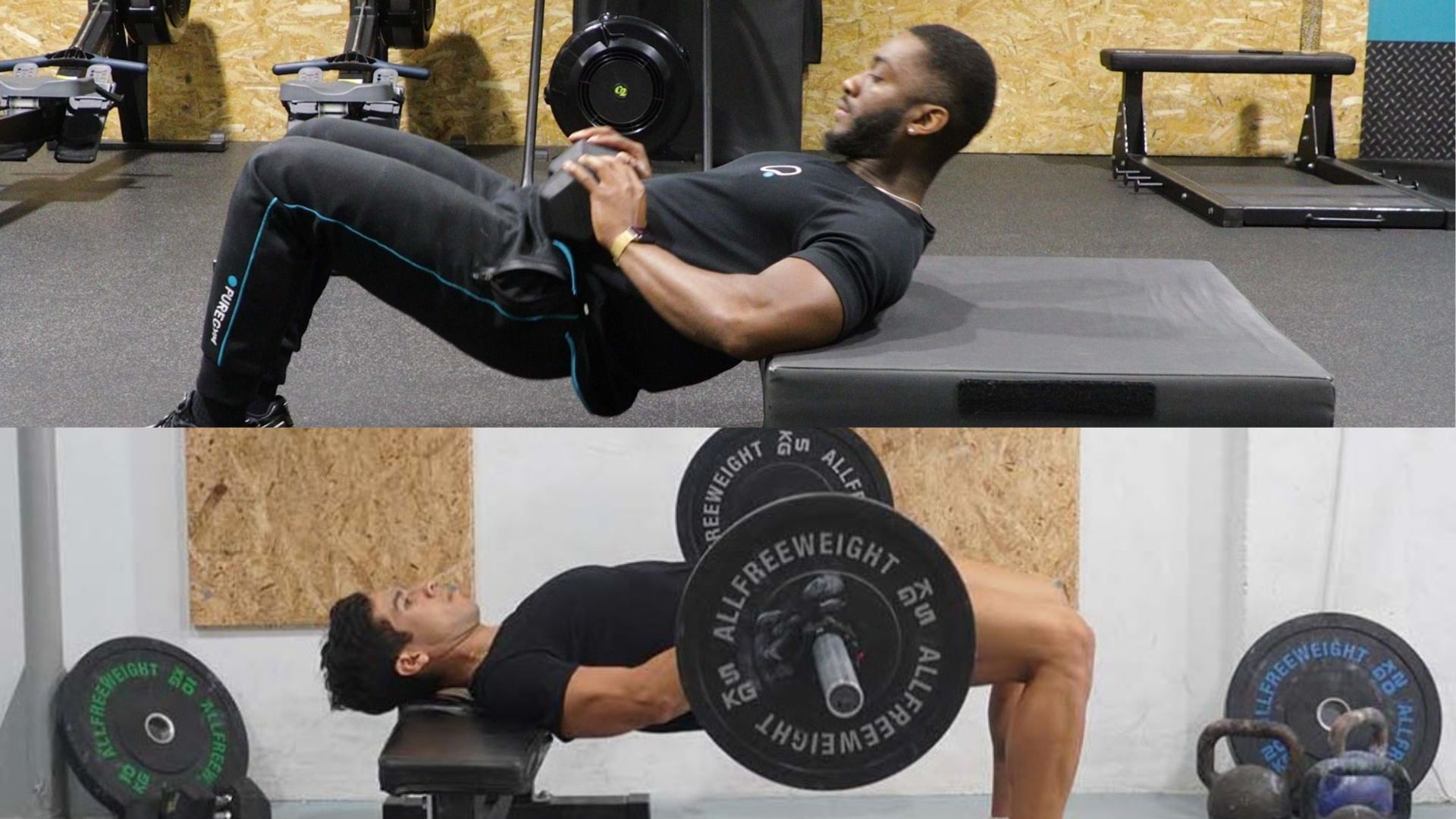
Both exercises look similar but feel very different once you try them.
|
Kas Glute Bridge |
Hip Thrust |
|
|
Range of Motion |
A few inches, never locks out |
Full range, hip to full extension |
|
Setup |
Flat on your back, no equipment |
Upper back on bench, barbell on hips |
|
Tempo |
Slow, 2-second lift and hold |
Can be explosive or controlled |
Kas Glute Bridge vs Hip Thrust: Muscle Activation
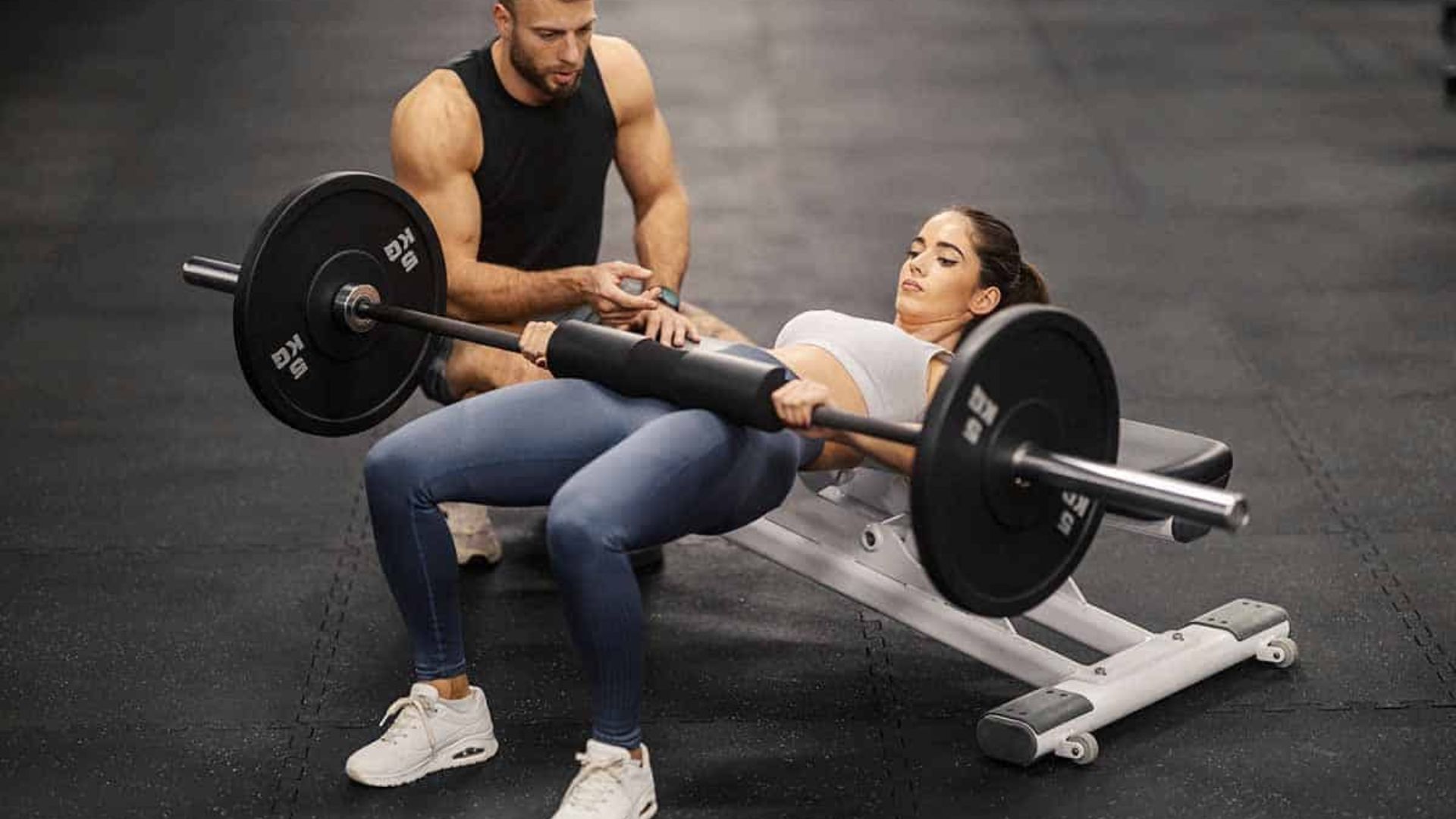
How each exercise targets the glutes and other lower body muscles in different ways.
Glute Isolation vs Compound Movement
The Kas glute bridge isolates the glutes. That is its main function.
The hip thrust is a compound movement. It targets the glutes but also pulls in the hamstrings and quads.
If you want to feel only your glutes burning, the Kas bridge does that better. If you want to build strength across your whole posterior chain, the hip thrust is the better pick.
Role of Hamstrings and Quads
In the Kas glute bridge, the hamstrings and quads play almost no role. The limited range keeps them out of the picture.
In the hip thrust, the hamstrings help at the bottom of the movement. The quads stabilize throughout. They are secondary muscles, but they are working.
This is why people who want to grow their glutes without adding bulk to their hamstrings often prefer the Kas bridge.
Time Under Tension vs Explosive Power
Kas glute bridge: Time under tension. You hold the squeeze. You control the movement. Your glutes stay under load for longer per rep. This is great for muscle fatigue and glute activation.
Hip thrust: More potential for explosive power. You can train it fast or slow. With heavier loads, it becomes a strength-focused movement too.
How to Do Kas Glute Bridge (Step-by-Step)
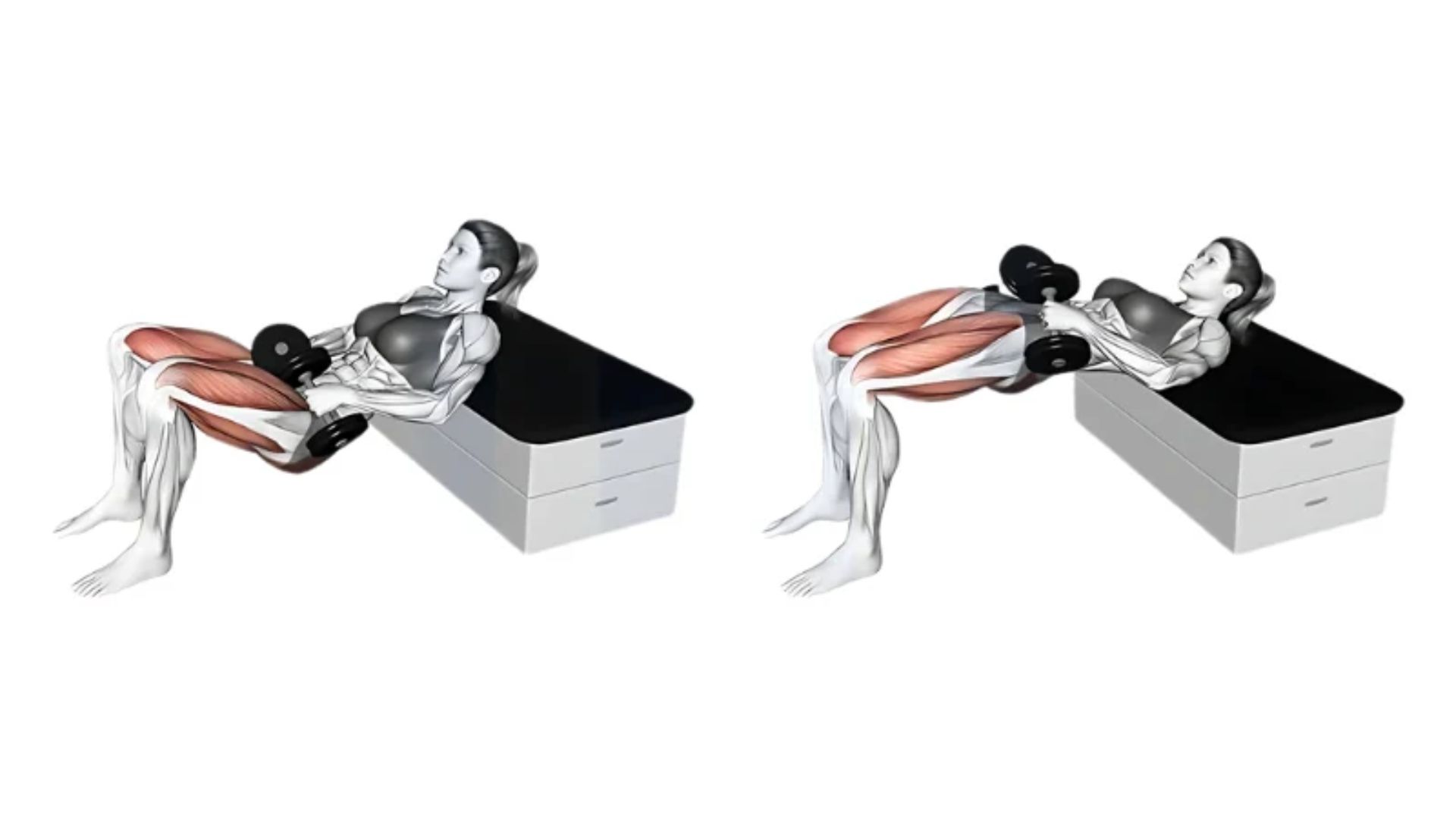
Follow these simple steps to get the form right from day one.
Step 1: Set Up
Lie on your back on a mat and bend your knees to about 90 degrees. Place your feet flat, hip-width apart, with your arms by your sides and palms facing down.
You can add a resistance band above your knees for more glute activation.
Step 2: Execute the Movement
Press through your heels and lift your hips only a few inches off the ground. Squeeze your glutes hard at the top and hold for 1 to 2 seconds.
Lower slowly back down without letting your hips fully touch the floor between reps.
Key point: The range is small on purpose. Do not try to lift higher. That changes the exercise completely.
How to Do Hip Thrust (Step-by-Step)
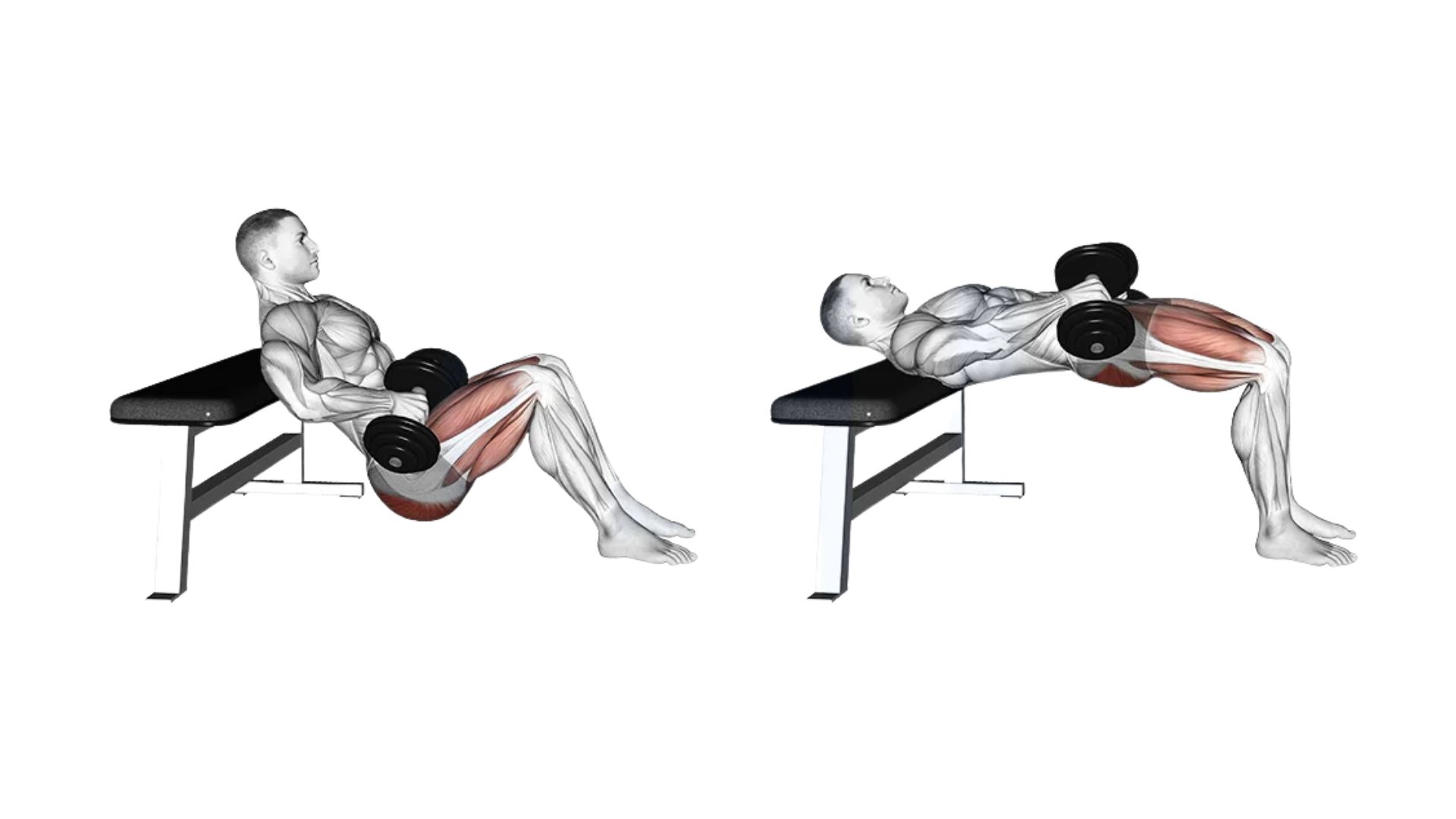
Get the setup right first and the rest of the movement will follow naturally.
Step 1: Set Up
Sit on the floor with your upper back against a flat bench, just below your shoulder blades. Roll a barbell over your legs and rest it on your hip crease.
Use a pad or towel to protect your hips. Place your feet flat, hip-width apart, toes slightly turned out.
Step 2: Execute the Movement
Brace your core and push through your heels until your body forms a straight line from knees to shoulders.
Squeeze your glutes hard at the top and hold for one second. Lower back down and let your hips drop below the bench for a full stretch before the next rep.
Key point: Keep your chin slightly tucked. Do not hyperextend your lower back at the top.
Benefits of Kas Glute Bridge vs Hip Thrust
Both exercises bring something different to the table. Here is what each one does best.
- Kas glute bridge isolates the glutes with no other muscle taking over
- Builds a stronger mind-muscle connection through slow, controlled reps
- Hip thrust handles heavy loading for real strength gains over time
- Full hip extension builds glutes from a deeper stretch
- Carries over to bigger lifts like squats and deadlifts
Kas Glute Bridge vs Hip Thrust: Which Should You Choose?
If your goal is glute growth, use both. The Kas bridge builds mind-muscle connection and time under tension. The hip thrust builds strength and size through heavy loading. Together they hit the glutes from different angles.
For strength and heavy lifting, the hip thrust wins. You cannot load the Kas bridge the same way. Progressive overload with heavier weight is what builds real strength over time.
If you are a beginner, start with the Kas glute bridge. It is simple, needs no equipment, and teaches you to feel your glutes working. Once you have that connection, move to hip thrusts and start adding weight.
Conclusion
I have tried both of these exercises. And honestly, the Kas glute bridge surprised me the most. I thought the small range would not do much. I was wrong. That squeeze burns in a way a regular hip thrust never did for me.
If you are not feeling your glutes during training, start with the Kas bridge. Build that connection. Then add hip thrusts and go heavy.
Try this combo for four weeks and see how your glutes respond. Got questions? Drop them in the comments. I read every one.
Frequently asked questions
Is the Kas glute bridge better than the hip thrust for glute activation?
Yes, for pure glute activation, the Kas bridge is hard to beat. The short range keeps constant tension on the glutes without letting other muscles take over.
Can beginners do both exercises at the same time?
Beginners should start with the Kas glute bridge first. Once you can feel your glutes working, add hip thrusts and gradually increase the load.
How many reps should I do for the Kas glute bridge?
Most people do 12 to 20 reps per set at a slow tempo. Focus on the squeeze at the top more than hitting a specific rep number.
Do I need a barbell for the Kas glute bridge?
No. You can do it with just your bodyweight or a resistance band. A barbell can be added later, but it is not needed to get results from this exercise.
Which eaxercise builds bigger glutes faster?
The hip thrust, when loaded progressively, tends to build more size faster because of the heavier weights involved. But combining both exercises gives better long-term results than using either one alone.