
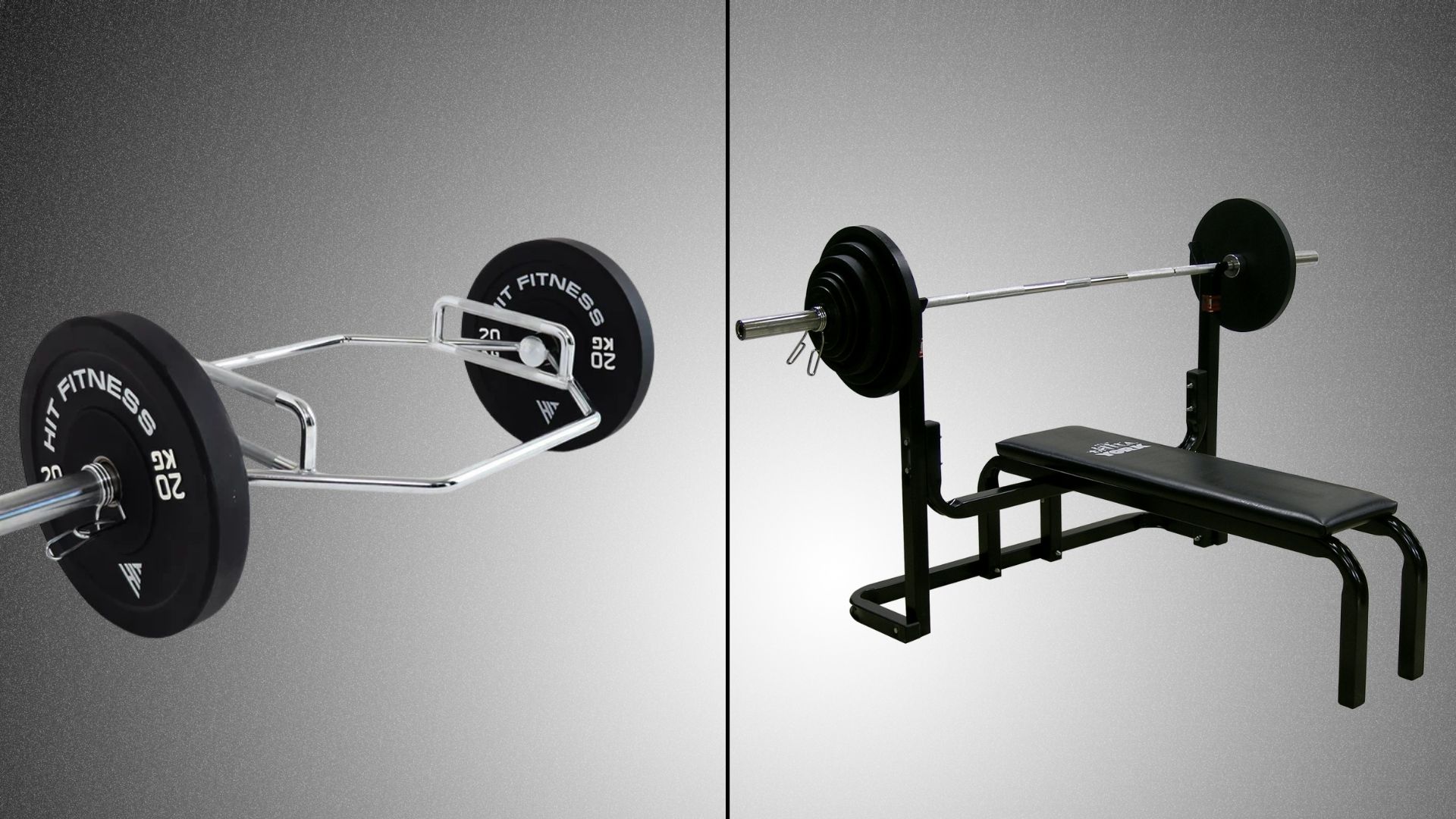
Have you ever noticed how some bars just feel “right” for certain lifts? Choosing the right bar can make or break your training session.
In this guide, we step into the deadlift bar vs bench bar, helping you understand their special designs, grip, and stability differences.
From my years of coaching and training in powerlifting gyms, I’ve seen how the proper bar choice can improve lifts, reduce strain, and boost confidence in the gym.
By the end, you’ll know which bar suits your goals, whether you focus on pulling heavier deadlifts or pressing stronger on bench days.
Let’s get started.
Deadlift Bar vs. Bench Bar
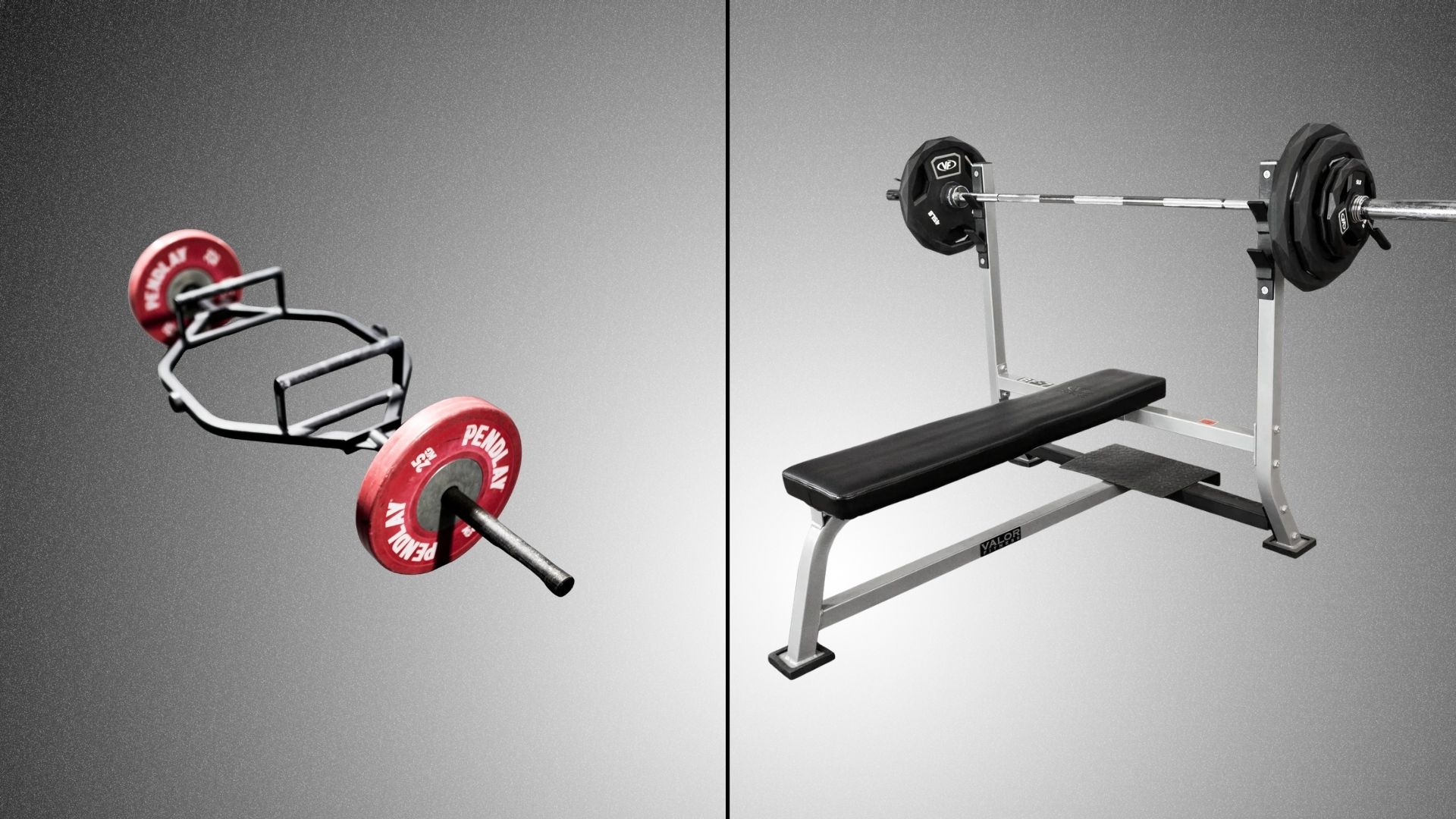
A deadlift bar and a bench bar may look similar, but they serve very different purposes.
A deadlift bar is thinner at 27mm, longer at about 92.5 inches, and designed to bend slightly, helping you pull heavy weights more efficiently.
This flexibility, called whip, makes the initial lift easier and improves grip. On the other hand, a bench or power bar is thicker at 29mm, shorter, and very stiff.
It provides maximum stability during bench presses and squats, keeping the bar steady under heavy loads. Choosing the right bar depends on your training goals and lifts.
What Is a Deadlift Bar?
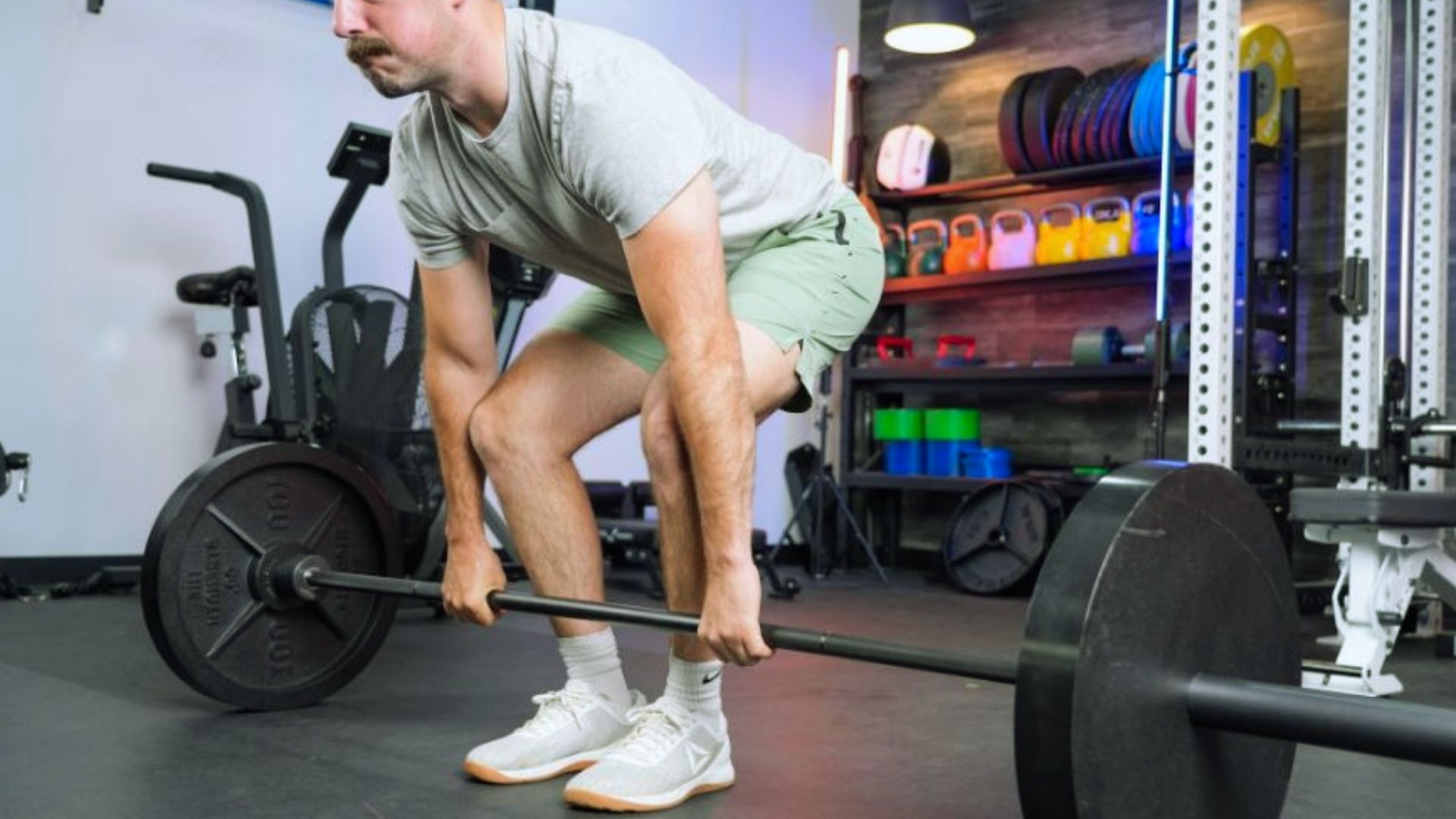
A deadlift bar is a specialty barbell designed to make deadlifts easier and safer by improving grip and lifting mechanics.
Definition
The deadlift bar is a powerlifting bar designed solely for deadlifts.
Unlike regular bars, it is engineered to improve grip, reduce sticking points at the start, and allow controlled, heavy lifting.
Its special design focuses entirely on improving pull mechanics for stronger, safer lifts.
Core Specifications
Deadlift bars typically have a 27mm diameter, making them thinner than standard bars for a better grip.
They are longer, around 92 to 92.5 inches, with high whip, no center knurl, and aggressive outer knurling. Most weigh 20kg (45 lbs) to meet standard lifting requirements.
Why It Exists
Deadlift bars are designed to let lifters pull the slack out of the bar before the plates move. This slightly reduces the starting height, making heavy lifts feel more manageable.
The thinner shaft also improves hand closure and grip, allowing better control during the pull.
What Is a Bench (Power) Bar?
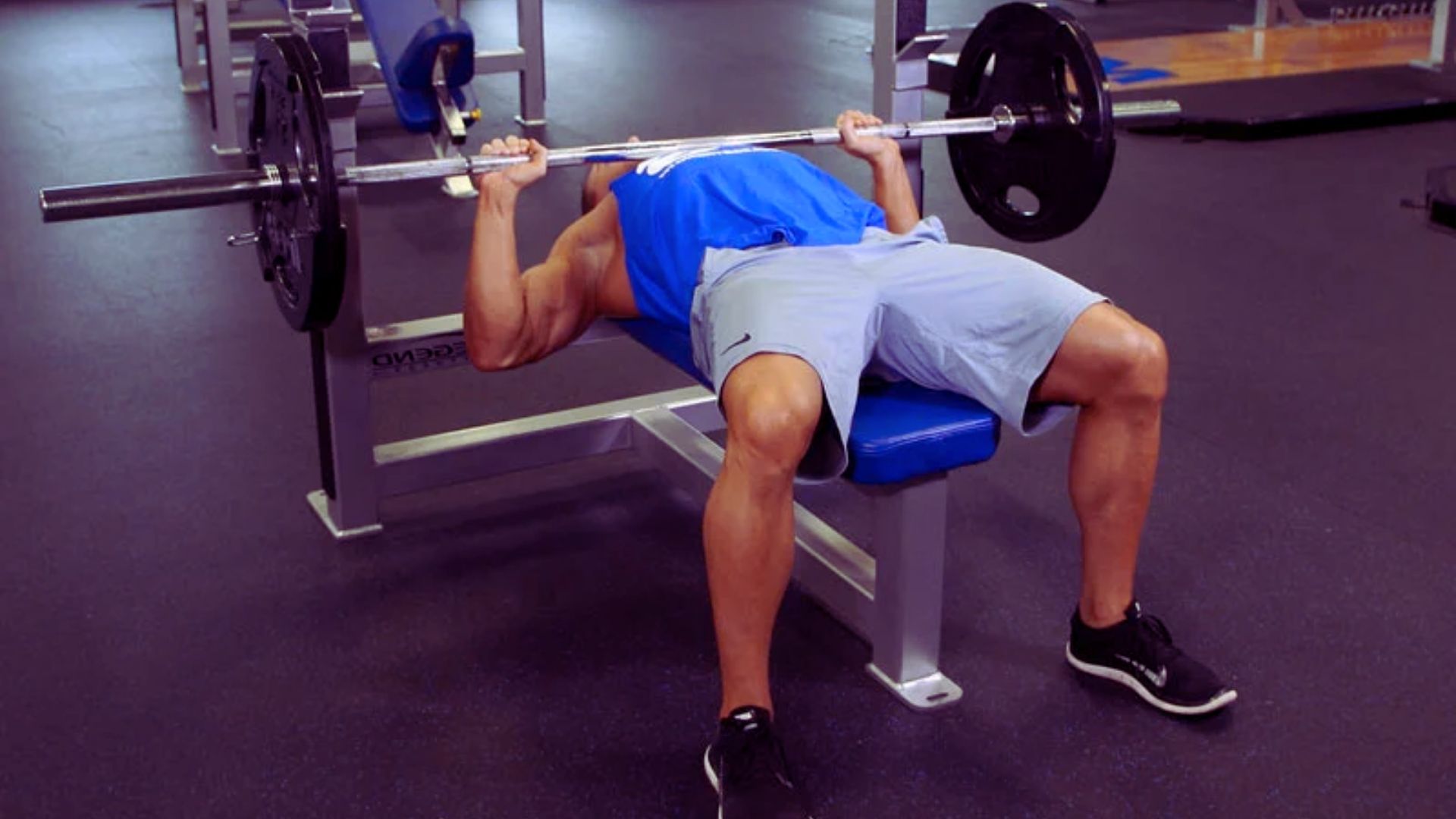
A bench bar is a stiff, multi-purpose barbell for bench presses, squats, and general strength training.
Definition
The bench bar is a standard powerlifting bar made for pressing and squatting.
Unlike a deadlift bar, it is stiffer and less flexible, keeping the bar steady under heavy loads.
Its design focuses on stability, control, and safety during all major strength movements.
Core Specifications
Bench bars typically have a 29mm diameter, making them thicker than deadlift bars. They are shorter, around 86–87 inches, with minimal whip.
They feature a center knurl, balanced knurling, and weigh about 20kg (45 lbs), providing predictable performance for pressing and squatting.
Why It Exists
The bench bar prevents wobble during heavy lifts, giving lifters a stable pressing platform.
The center knurl improves back grip during squats, while the bar’s stiffness ensures consistent movement. Overall, it provides reliability and safety for pressing and general strength training.
Deadlift Bar vs. Bench Bar: Other Key Differences
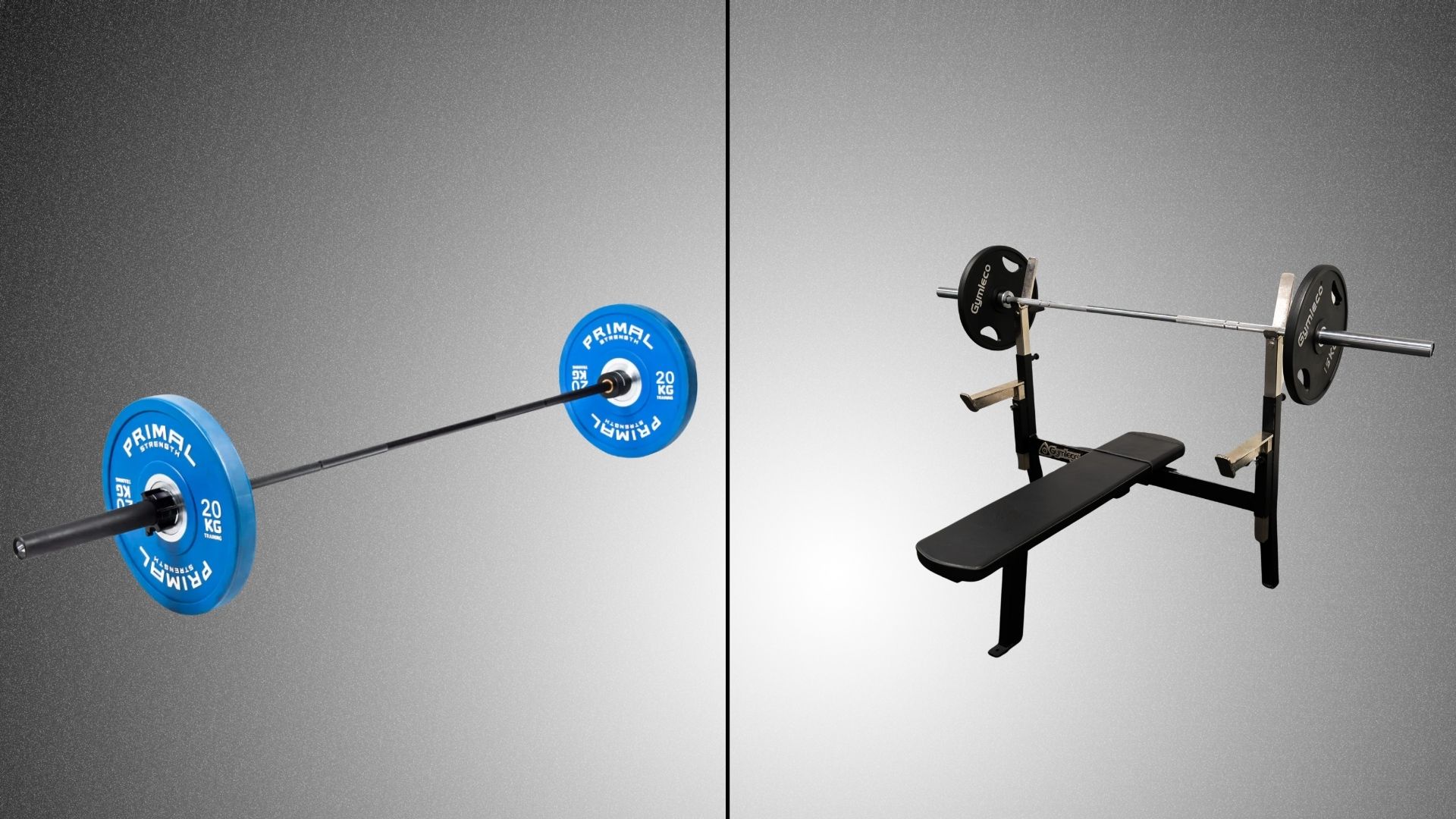
Understanding the key differences between a deadlift bar and a bench bar helps you choose the right one for your lifts.
1. Whip vs Stiffness
The deadlift bar has a high whip, allowing it to bend slightly when lifting heavy weights. This helps pull slack and reduces the sticking point at the start.
The bench bar is very stiff, keeping the bar steady during presses and squats. Minimal flex ensures stability under heavy loads.
2. Effective Pull Height Impact
Deadlift bars bend, slightly lowering the initial pull height and giving a mechanical advantage for heavy deadlifts.
Bench bars remain rigid, keeping the bar at a consistent height and providing predictable movement for presses and squats.
3. Stability Under Load
Deadlift bars can oscillate when used for bench pressing, making them less stable for pressing movements.
Bench bars are designed to minimize wobble under heavy loads, offering secure and reliable control.
4. Intended Lift Optimization
Deadlift bars are built specifically to improve deadlift performance by upgrading grip and lift mechanics.
Bench bars are optimized for pressing and squatting, focusing on stability and control rather than flexibility.
Deadlift Bar vs. Bench Bar: Side-by-Side Comparison
Seeing the key features of deadlift and bench bars side by side makes it easier to understand which bar suits your training goals. This quick comparison highlights the main differences.
|
Feature |
Deadlift Bar |
Bench (Power) Bar |
|
Shaft Diameter |
27mm |
28–29mm |
|
Whip |
High |
Low |
|
Knurling |
Aggressive |
Moderate |
|
Center Knurl |
Rare |
Yes |
|
Flexibility |
More flexible |
Stiffer |
|
Best For |
Max deadlifts |
Pressing & squats |
Understanding these differences helps you pick the right bar for your lifts, making training safer and more effective.
Performance Differences You’ll Actually Feel
Understanding how each bar feels in practice can help you choose the right one for your lifts.
Grip Comfort:
The deadlift bar is easier to hold because its thinner 27mm shaft allows your hands to close more naturally, which reduces fatigue during heavy pulls.
The bench bar, on the other hand, has a thicker grip that feels more stable in your hands, giving better control during pressing movements.
Bar Path Stability:
The deadlift bar can feel slightly unstable when used for pressing because its flexibility allows it to bend under load.
In contrast, the bench bar is very stiff and keeps the bar steady, reducing wobble and providing a more controlled and predictable bar path during both bench presses and squats.
Strength Output:
Using a deadlift bar can allow slightly heavier pulls because the whip of the bar helps move the weight off the floor more efficiently.
The bench bar provides a more consistent force transfer, making pressing movements feel reliable and safe, especially during maximal lifts.
Paying attention to these differences ensures you pick the bar that matches your training style and goals.
Can You Bench With a Deadlift Bar?
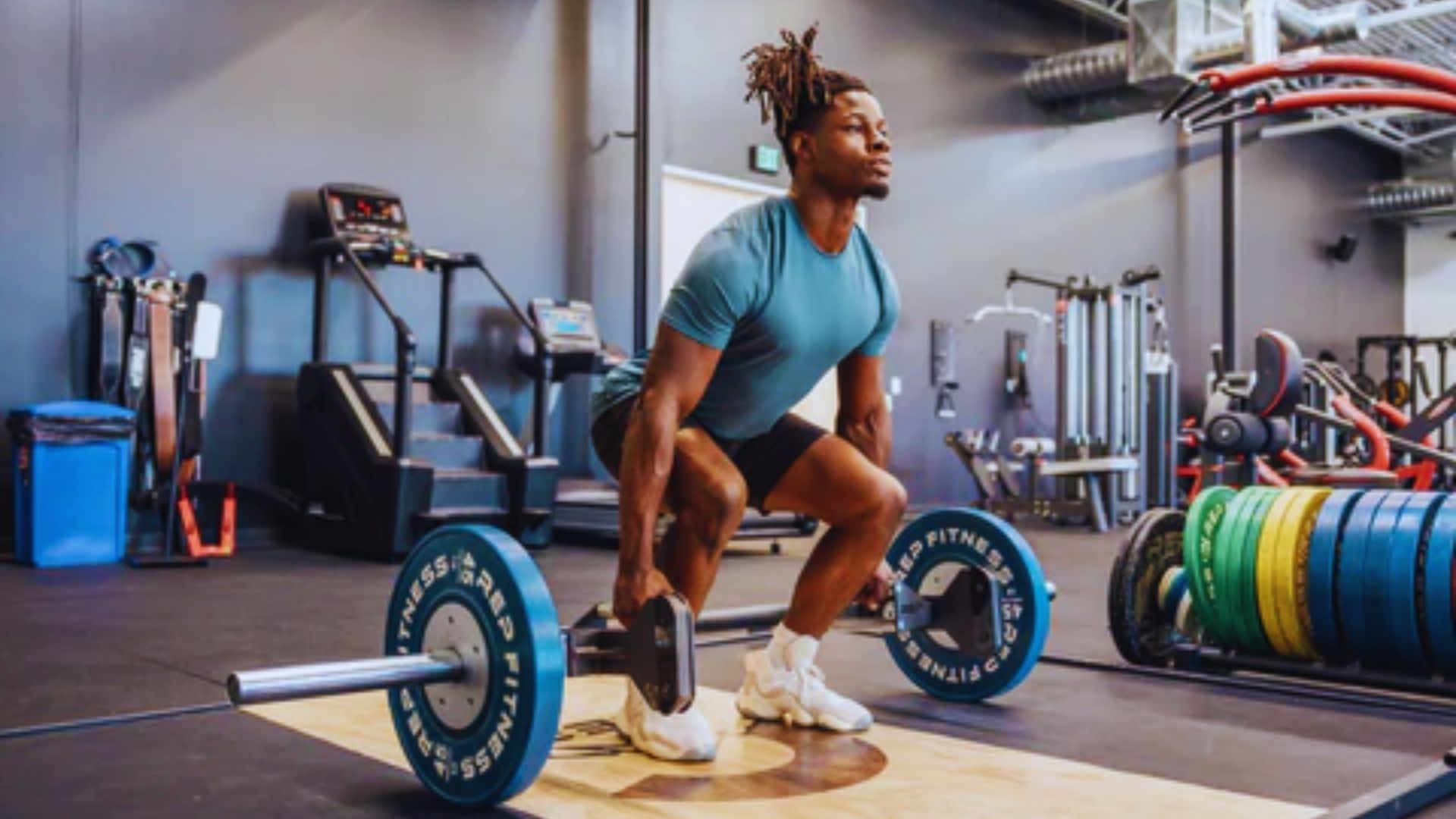
Yes, you can bench with a deadlift bar, but it is not ideal. Its thinner, flexible design can increase wrist strain and make control at lockout more difficult.
The bar’s flex may cause wobbling during the lift, reducing stability and making pressing feel less predictable.
Because of this, a deadlift bar is best used for benching only if no other bar is available, and it should generally be avoided for heavy or maximal lifts.
Can You Deadlift With a Bench (Power) Bar?
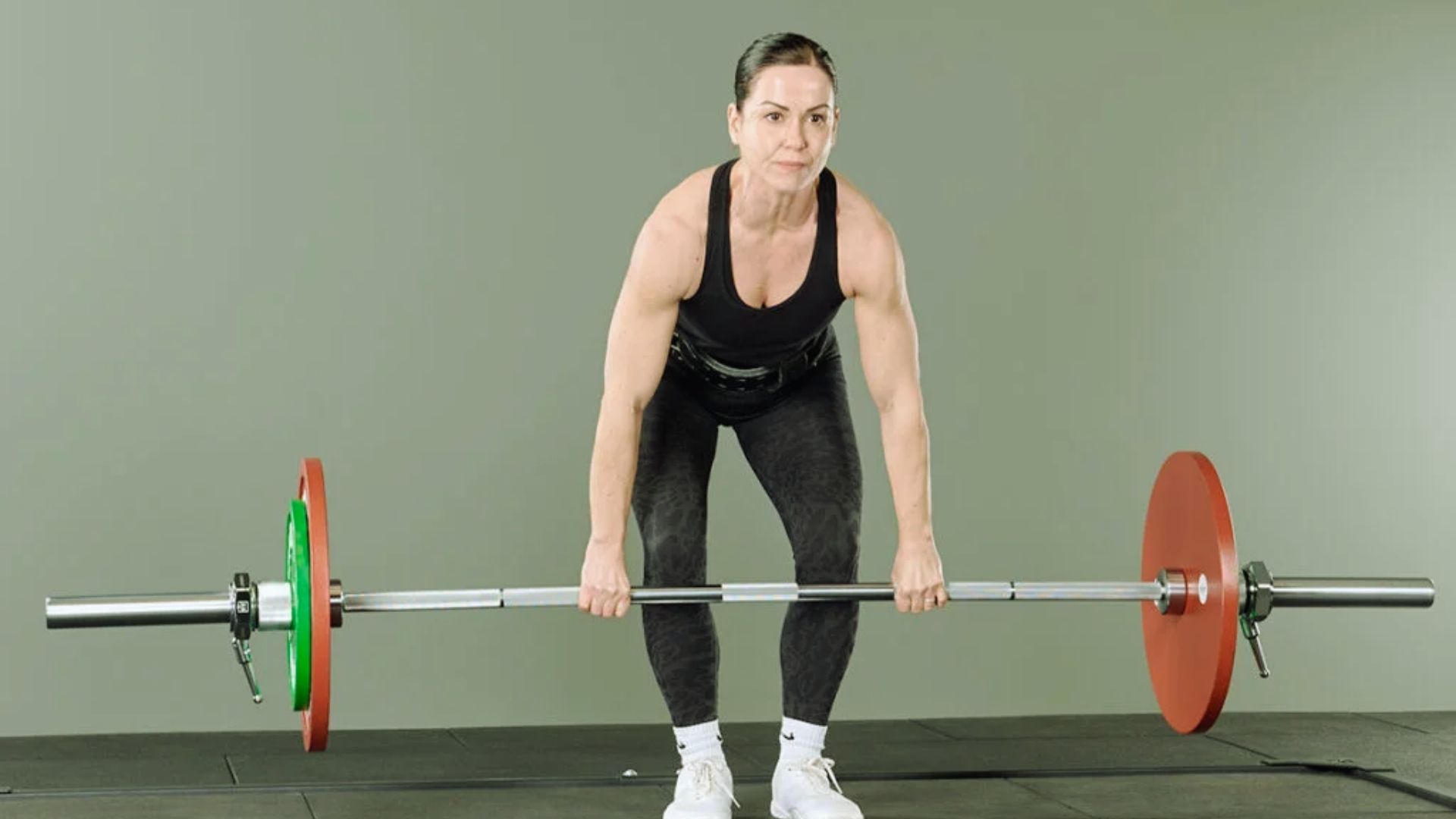
Yes, you can deadlift using a bench or power bar, and most commercial gyms only provide these bars.
For beginners, it’s recommended to first master pulling with a stiff bar to develop proper technique and strength.
Additionally, some powerlifting federations require lifters to use stiff bars in competition, so training with a bench bar can help prepare for these standards.
While not ideal for maximizing pull efficiency, it is safe and effective for most gym lifters.
Which Bar Should You Choose?
Choosing the right bar depends on your training goals and the lifts you focus on. Understanding each bar’s strengths can help you lift safely and effectively.
Choose a Deadlift Bar: Compete in powerlifting. Focus primarily on deadlifts. Want maximum pulling performance. The bar is designed to improve grip and lift mechanics for heavier pulls.
Choose a Bench (Power) Bar: Train for general strength. Prioritize bench press or squats. Want a versatile bar. It provides stability, control, and consistent performance for multiple lifts.
For Home Gyms: Power bars are often the smarter single-bar choice. They balance versatility, stability, and performance across pressing and pulling movements.
Choosing the right bar ensures your training is efficient, safe, and tailored to your goals.
Conclusion
Knowing the key differences between a deadlift bar vs bench bar can change the way you lift and train.
From grip comfort to bar stability, each bar is designed for a specific purpose, and choosing the right one makes a real difference.
In my experience, selecting the correct bar not only improves performance but also protects your wrists and shoulders.
Want to lift smarter? Pick the bar that suits your goals and feel the difference in every session!
Frequently Asked Questions
Are They the Same Weight?
Yes, both deadlift and bench bars typically weigh 20kg (45 lbs). The difference is in design and flexibility, not weight.
Can You Bench With a Deadlift Bar?
Yes, but it is less stable. The thinner, flexible shaft can strain wrists and wobble during pressing.
Can You Deadlift With a Bench Bar?
Yes, it is safe and common in gyms. It lacks the whip of a deadlift bar, so the pull may feel harder.
Is a Deadlift Bar Easier to Lift?
It can feel easier to pull due to a thinner grip and whip. This reduces the sticking point at the start of the lift.
Do Commercial Gyms Use Deadlift Bars?
Not usually. Most gyms have multi-purpose or power bars; deadlift bars are mostly in powerlifting gyms.


