

Choosing between a Smith machine vs squat rack can make or break your training results. After a decade in strength training and coaching hundreds of lifters, I know this confusion firsthand.
This guide covers everything: how each works, key differences, safety features, and which fits your goals.
You’ll learn about movement patterns, muscle activation, and practical tips for beginners and experienced lifters.
I’ll help you pick the right equipment for your home gym or training style. I’ve programmed with both tools across multiple training phases. By the end, you’ll know exactly which one matches your needs.
What Is a Smith Machine?
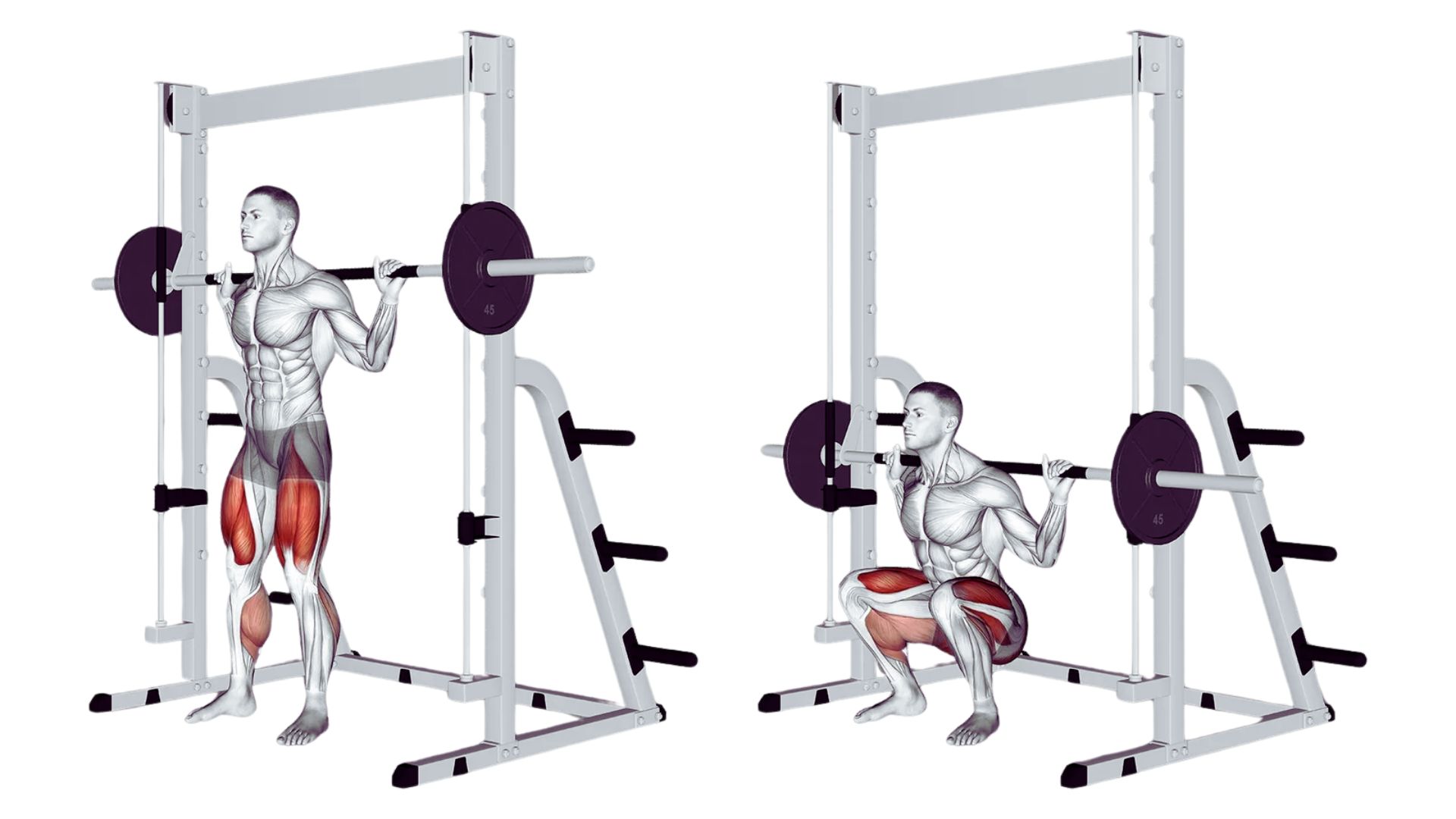
A Smith machine is a weight training device with a barbell fixed to vertical rails. The bar moves only up and down in a set path, making lifting more controlled and predictable.
The barbell slides along metal rails in a straight line. You can’t move it forward or backward. Built-in hooks let you stop the bar at any point. Just twist your wrists to lock it in place. No partner needed for safe training.
Common exercises include squats, bench press, lunges, hip thrusts, shoulder presses, and calf raises. The fixed path makes isolation work easier. The machine handles balance, so you focus on pushing or pulling.
What Is a Squat Rack?
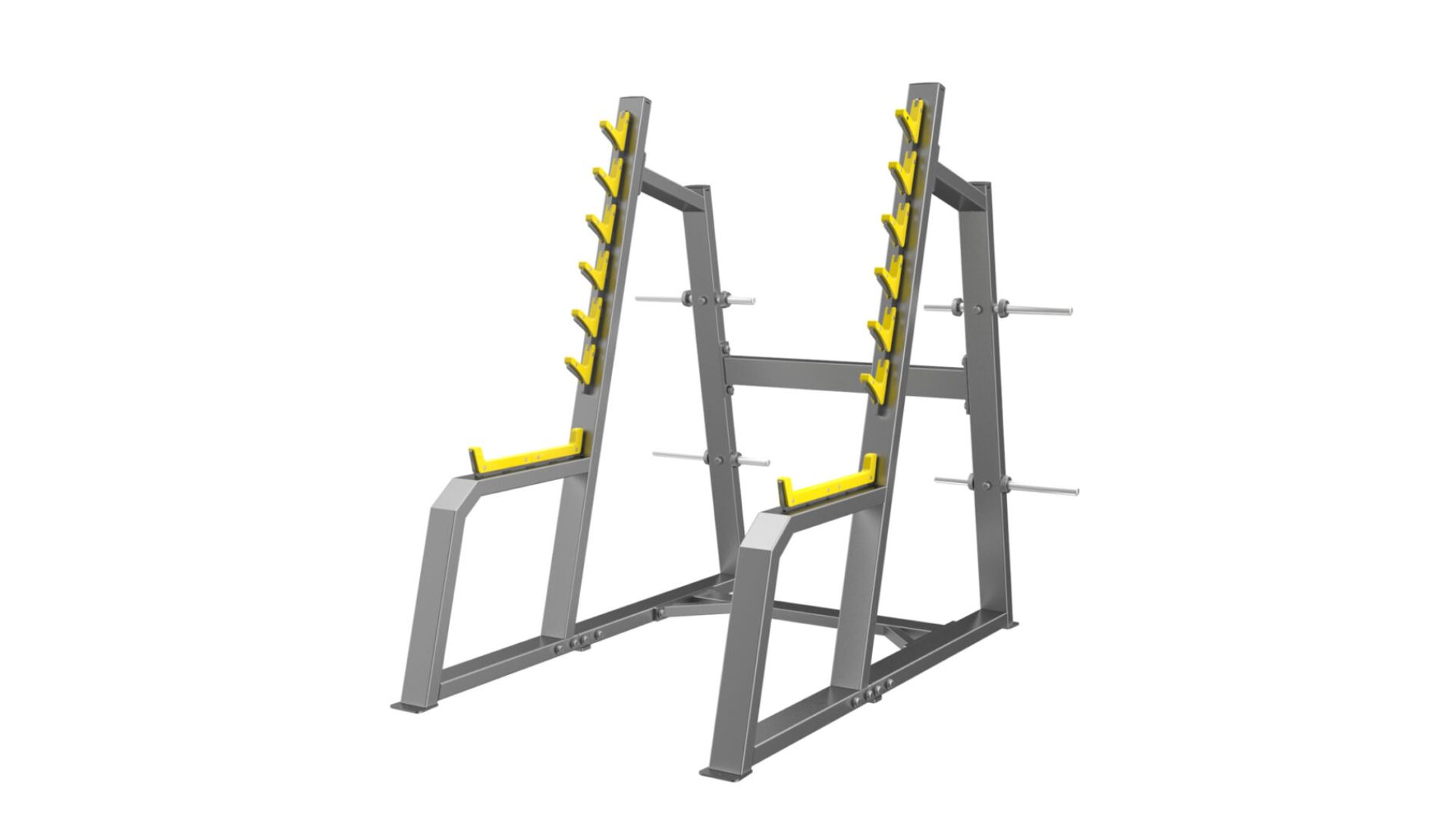
A squat rack is a freestanding frame that holds a barbell at shoulder height. You lift the bar off the hooks and move it freely in any direction. This setup allows natural movement patterns.
The rack has adjustable J hooks for different heights. Safety pins or spotter arms catch the bar if you fail. The barbell moves wherever you take it. Nothing restricts your path. Your muscles control every inch of movement.
Common moves include back squats, front squats, overhead press, bench press, and rack pulls. Many have pull-up bars on top. Some lifters use them for landmine work or resistance bands. One rack handles dozens of lifts.
Smith Machine vs Squat Rack: Key Differences

Here’s a quick comparison of the main differences between the two pieces of equipment.
|
Feature |
Smith Machine |
Squat Rack |
|
Movement Path |
Fixed vertical path |
Free movement in all directions |
|
Muscle Activation |
Lower stabilizer engagement |
Higher total muscle activation |
|
Bar Weight |
15 to 45 pounds (varies) |
Standard 45 pounds |
|
Learning Curve |
Beginner friendly |
Steeper for newcomers |
|
Safety Features |
Rotating hooks at multiple heights |
Safety pins or spotter arms |
|
Best For |
Isolation work, solo training, rehab |
Functional strength, athletic performance |
|
Spotting Needs |
Can train alone safely |
Real spotter recommended for max lifts |
The main split comes down to freedom versus control. The Smith machine locks you into a fixed vertical path. A squat rack lets the barbell move naturally.
Free weights force your stabilizer muscles to work hard. The Smith machine removes most of this requirement.
A standard barbell weighs 45 pounds. Most Smith machine bars weigh less, often feeling like only 15 to 20 pounds due to counterbalance. Track them separately since you can’t compare pound for pound.
Smith machine squats are safer for beginners. The fixed path keeps you from falling. Squat rack squats activate more muscle fibers in your glutes, hamstrings, quads, and core. For athletic performance and general fitness, the squat rack is better.
Pros and Cons
Let me break down the good and bad of each option.
Smith Machine Pros and Cons
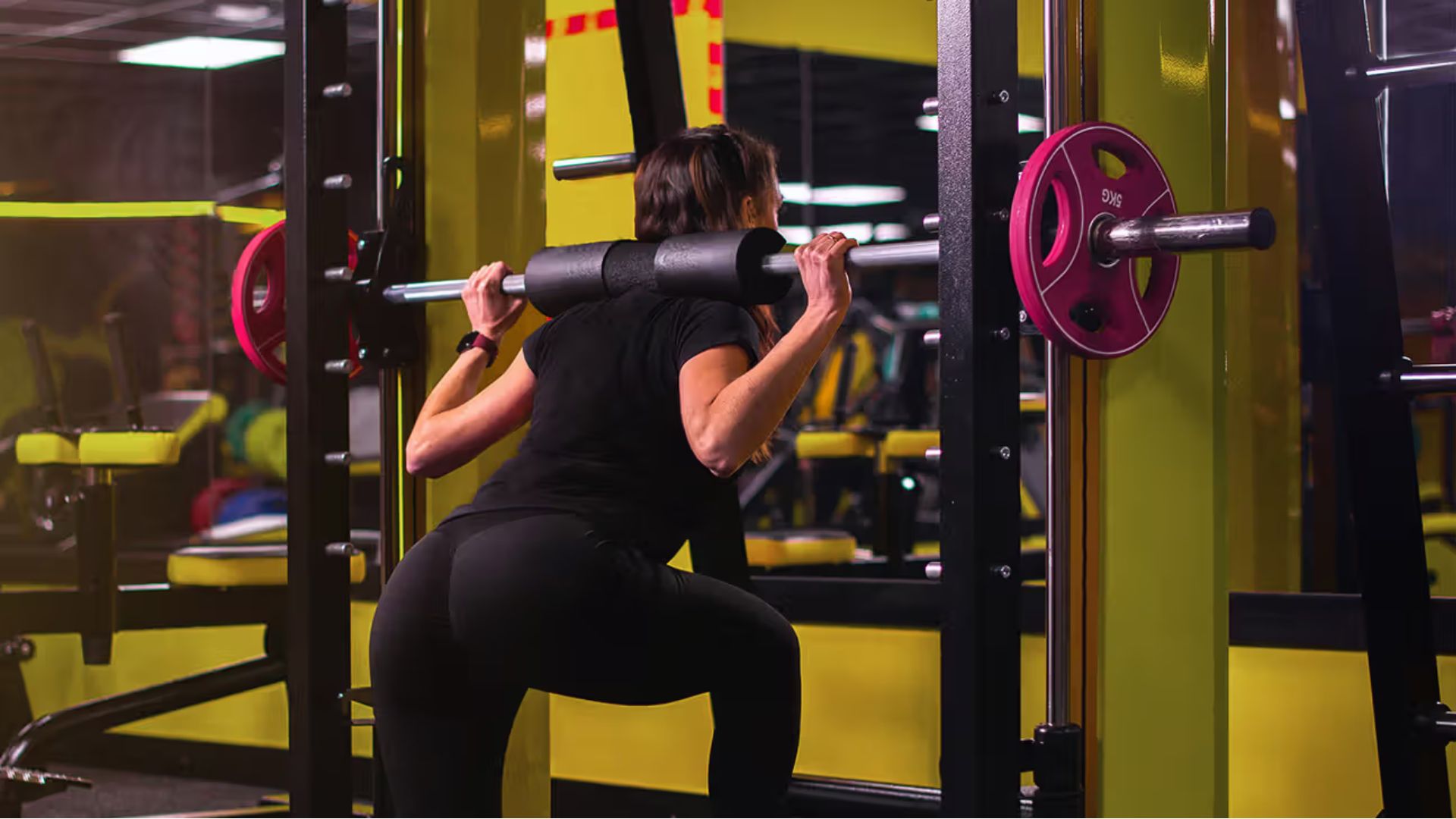
The stability helps you lift heavier on certain exercises while targeting specific muscles effectively.
Pros: The stability helps you lift heavier on certain exercises. Great for targeting specific muscles. Easy to use without a spotter. Good for beginners learning basic movement patterns. Reduces injury risk during solo training. Helpful for people with balance issues or during rehab.
Cons: The fixed path doesn’t match natural movement. Less core and stabilizer muscle work. Doesn’t build functional strength as well. Can feel awkward for some body types. Limited exercise variety compared to free weights.
Squat Rack Pros and Cons
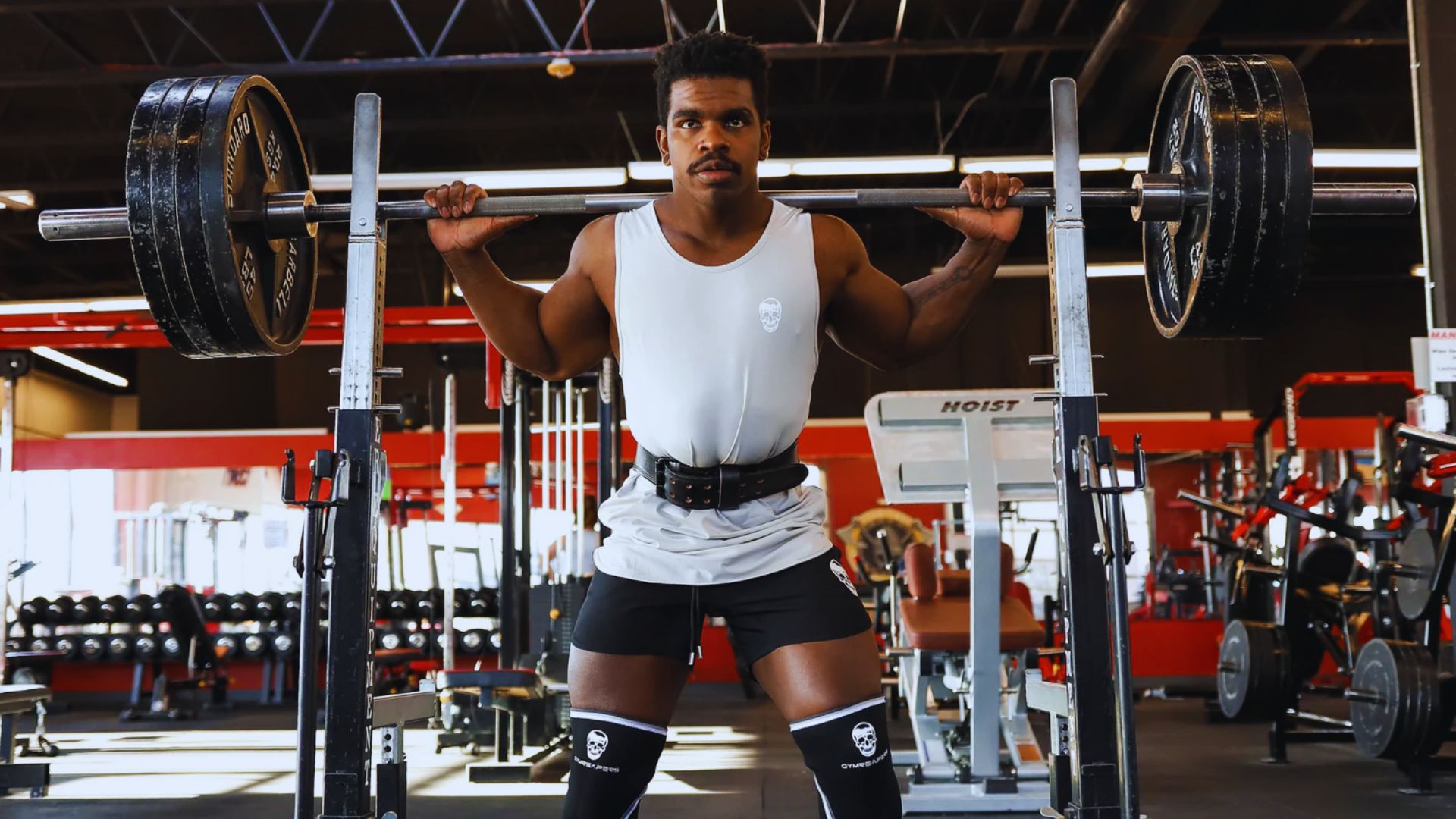
Builds functional strength that helps in daily activities and athletic performance.
Pros: Builds functional strength that helps in daily activities. Activates more total muscle mass per exercise. Matches your body’s natural movement patterns. Works for any body type or limb length. Extremely versatile for different exercises. Better for athletic performance training.
Cons: Steeper learning curve for beginners. Requires more focus on form and technique. Harder to train alone safely without a proper setup. You might need a spotter for heavy lifts.
Programming and Training Tips for Smith Machine vs Squat Rack

Smart programming makes the most of each piece of equipment.
Structuring Workouts with a Smith Machine: Use it for isolation exercises to target quads, glutes, or chest. The controlled path helps you focus on specific muscles. It’s great for high-rep training and rehab programs where form matters most.
Pair Smith machine squats with leg curls or bench press with dumbbell flyes for balanced workouts.
Structuring Workouts with a Squat Rack: Focus on compound lifts like squats, deadlifts, bench press, and overhead press. These movements build overall strength and muscle mass.
Emphasize progressive overload with increasing loads over time. Include accessory lifts like lunges, rows, and pull-ups. The squat rack should be the foundation of your strength program.
Combining Both for Balanced Training: Beginners should start with the Smith machine to learn form, then progress to the squat rack. Intermediate and advanced lifters can use the Smith machine for accessory work or forced reps after main lifts.
Split training by day: free weights for strength, Smith machine for hypertrophy or isolation. This gives you the benefits of both systems.
Who Should Choose a Smith Machine?
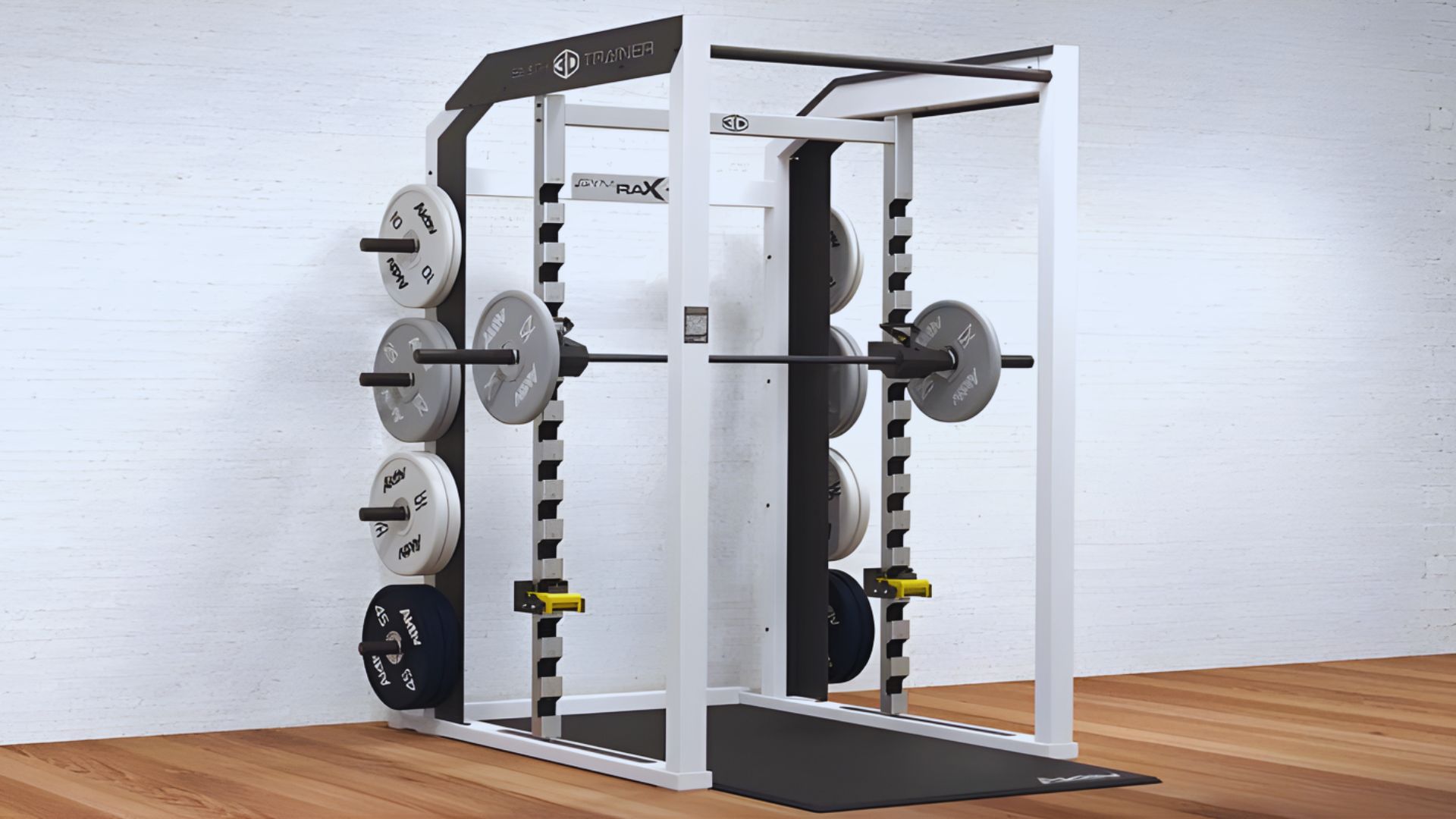
Beginners who need to learn basic lifting patterns will find the guided bar path easier for understanding proper form.
Rehab and controlled lifting situations work well on a Smith machine. If you’re recovering from injury, the predictable movement reduces re-injury risk.
Solo training is safer on a Smith machine since you don’t need a gym partner to lift heavy.
Who Should Choose a Squat Rack?
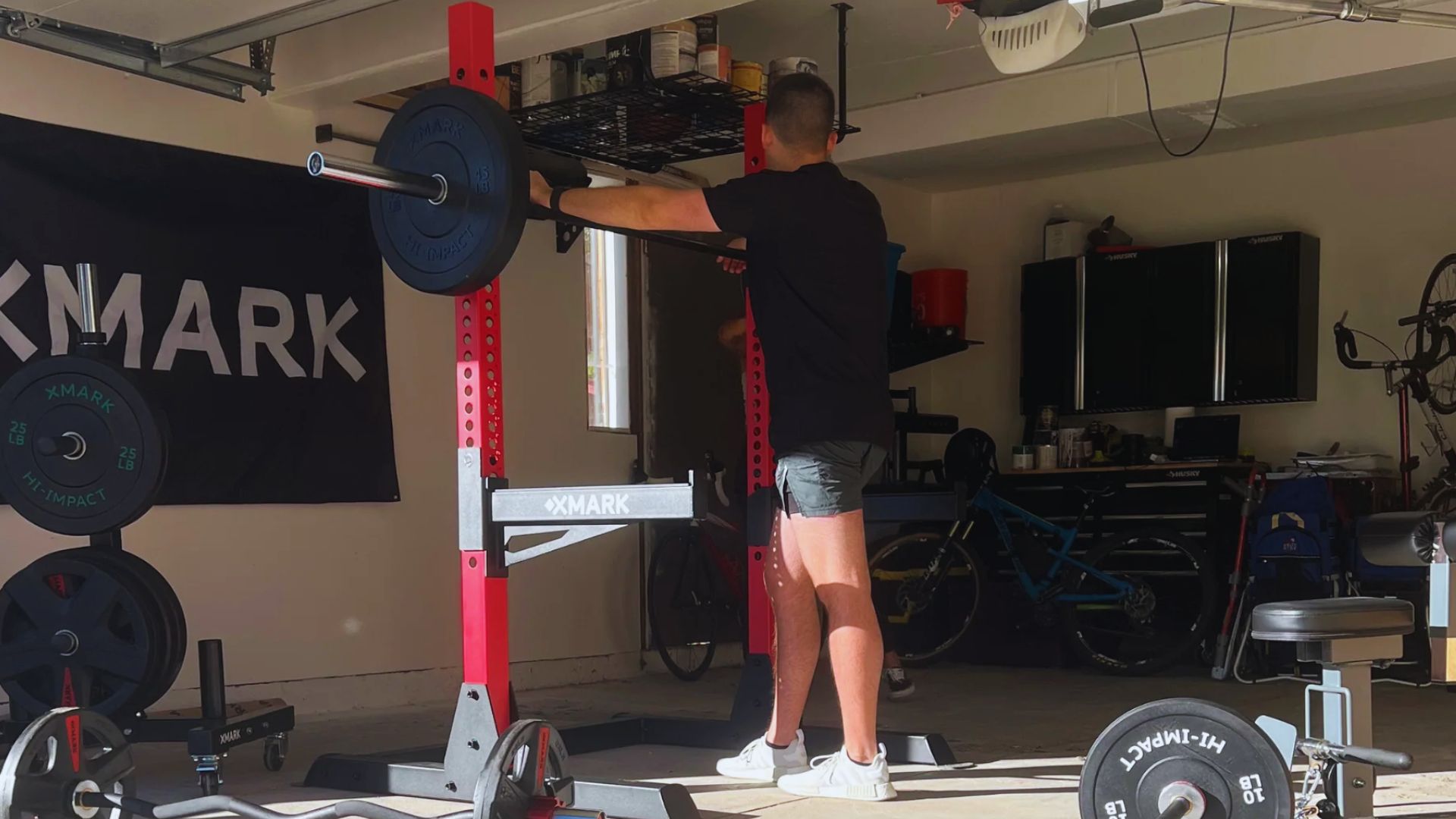
Strength athletes need free weight training. Powerlifters, Olympic lifters, and strongman competitors all use squat racks because the movement patterns match competition lifts.
Functional training enthusiasts get more from squat racks. CrossFit athletes, sports players, and tactical athletes need real-world movement where the balance and coordination skills transfer directly to performance.
Progressive overload works better with free weights. Long-term strength gains come faster with a squat rack.
Conclusion
I’ve used both pieces of equipment for years, and here’s what I know: Smith machine vs squat rack isn’t about which is better overall. It’s about which fits your current needs. Beginners often start with the Smith machine and progress to free weights.
Athletes stick with squat racks for performance gains. Listen to your body and be honest about your goals. Start where you are, not where you think you should be.
Drop a comment below and tell me which one you prefer. Share this with your gym buddies who are stuck deciding.
Frequently Asked Questions
Can you build muscle with a Smith machine?
Yes, you can build muscle with a Smith machine. The controlled path helps you focus on pushing hard, though you’ll develop less stabilizer strength than with free weights.
Is a Smith machine safer than a squat rack?
For solo training, yes. The rotating hooks let you stop anywhere without a spotter. Squat racks need a proper safety pin setup.
Why does weight feel lighter on a Smith machine?
The counterbalanced bar and rail friction reduces the actual weight. This is why you can’t directly compare the Smith machine and free weight numbers.
Should beginners start with a Smith machine or a squat rack?
Either works. The Smith machine builds confidence faster. The squat rack teaches better movement patterns. Choose based on coaching access.
Can you do all the same exercises on both machines?
No. A squat rack offers more variety, like Olympic lifts and different angles. The Smith machine is limited to vertical movements.


