
I’ve been lifting for over a decade, and I remember feeling lost when I first saw all the different types of barbells at the gym.
This guide will help you understand each barbell and choose the right one for your training. We’ll cover standard bars, Olympic bars, powerlifting bars, curl bars, trap bars, and specialty options.
You’ll learn what makes each bar different, which exercises work best with each type, and how to match bars to your goals.
After training hundreds of clients, I’ve seen how the right barbell choice prevents injuries and speeds up progress.
Why Understanding Different Types of Barbells Matters?

The wrong barbell can wreck your form and hurt your joints. Each bar type changes how the weight sits on your body. A stiff powerlifting bar feels completely different from a whippy Olympic bar during heavy lifts.
Bar diameter affects your grip strength. Thicker bars tire out your hands faster. Aggressive knurling grips tight but tears up your skin. Smooth bars slip when your palms get sweaty.
Using the right bar keeps you pain-free. Curl bars take stress off your wrists. Trap bars protect your lower back. Safety squat bars save your shoulders.
Your training goal should drive your bar choice. Beginners should start with a standard Olympic bar. Home gym owners often pick one versatile hybrid barbell.
Basic Barbell Anatomy Explained
Understanding barbell parts helps you recognize quality equipment and choose the right bar for your needs.
The shaft is the long middle section you actually grip. It usually measures about seven feet on Olympic bars. Sleeves are the rotating ends where you load plates. Collars hold sleeves in place. Olympic bars measure 28mm for men and 25mm for women.
Knurling is the rough texture cut into the shaft for grip. Knurl marks are smooth rings showing you where to place your hands. Center knurling sits in the middle. Powerlifting bars have it to prevent the bar from sliding down your back during squats.
Bearings use tiny balls or needles to create smooth, fast rotation. Olympic bars use bearings because the sleeves need to rotate during the catch. Bushings create slower, controlled rotation and cost less. Most powerlifting and standard bars use bushings.
Types of Barbells
Understanding the different barbell options helps you choose the right equipment for your training style and goals.
Standard and Olympic Barbells

Standard barbells have one-inch sleeves and weigh 15-20 pounds. They work great when you’re just starting. Weight capacity maxes out around 200-300 pounds.
Olympic bars weigh exactly 45 pounds for men and 35 pounds for women. Men’s bars measure 7.2 feet long, while women’s bars run 6.6 feet. Quality Olympic bars handle 1,000 pounds or more without bending.
Squats, bench press, and deadlifts are the main straight bar exercises. Overhead press, rows, cleans, and snatches also use a straight bar.
Powerlifting Barbells
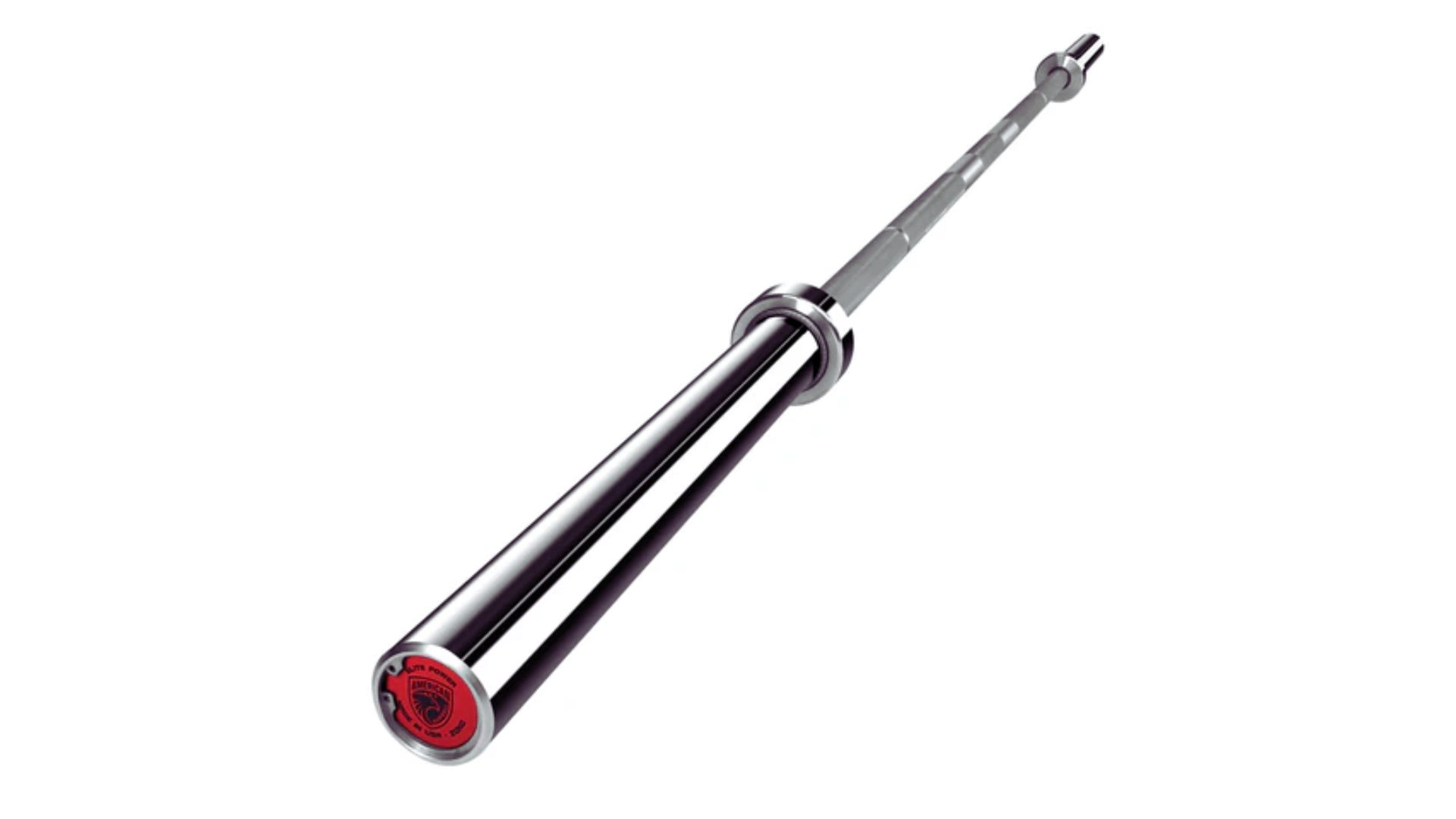
Power bars are built for maximum stability under extreme weight. They have stiffer shafts that barely flex during heavy squats and deadlifts.
The knurling is more aggressive than Olympic bars. Center knurling stops the bar from sliding down your back. Weight capacity typically exceeds 1,500 pounds.
Power bars run 29mm in diameter instead of 28mm. Squats and bench press feel most stable on a power bar. Power bars are wrong for Olympic lifts due to slow sleeve rotation and center knurling.
Multi-Use (Hybrid) Barbells
Hybrid bars blend features from Olympic and power bars. They have moderate knurling that grips well without tearing up your hands.
These bars typically weigh 44-45 pounds with decent sleeve rotation. Weight capacity ranges from 700-1,200 pounds.
Home gym owners get the most value from hybrid bars. You can do almost every exercise with one bar. One bar replaces three or four specialty bars, saving thousands of dollars.
Curl Barbells
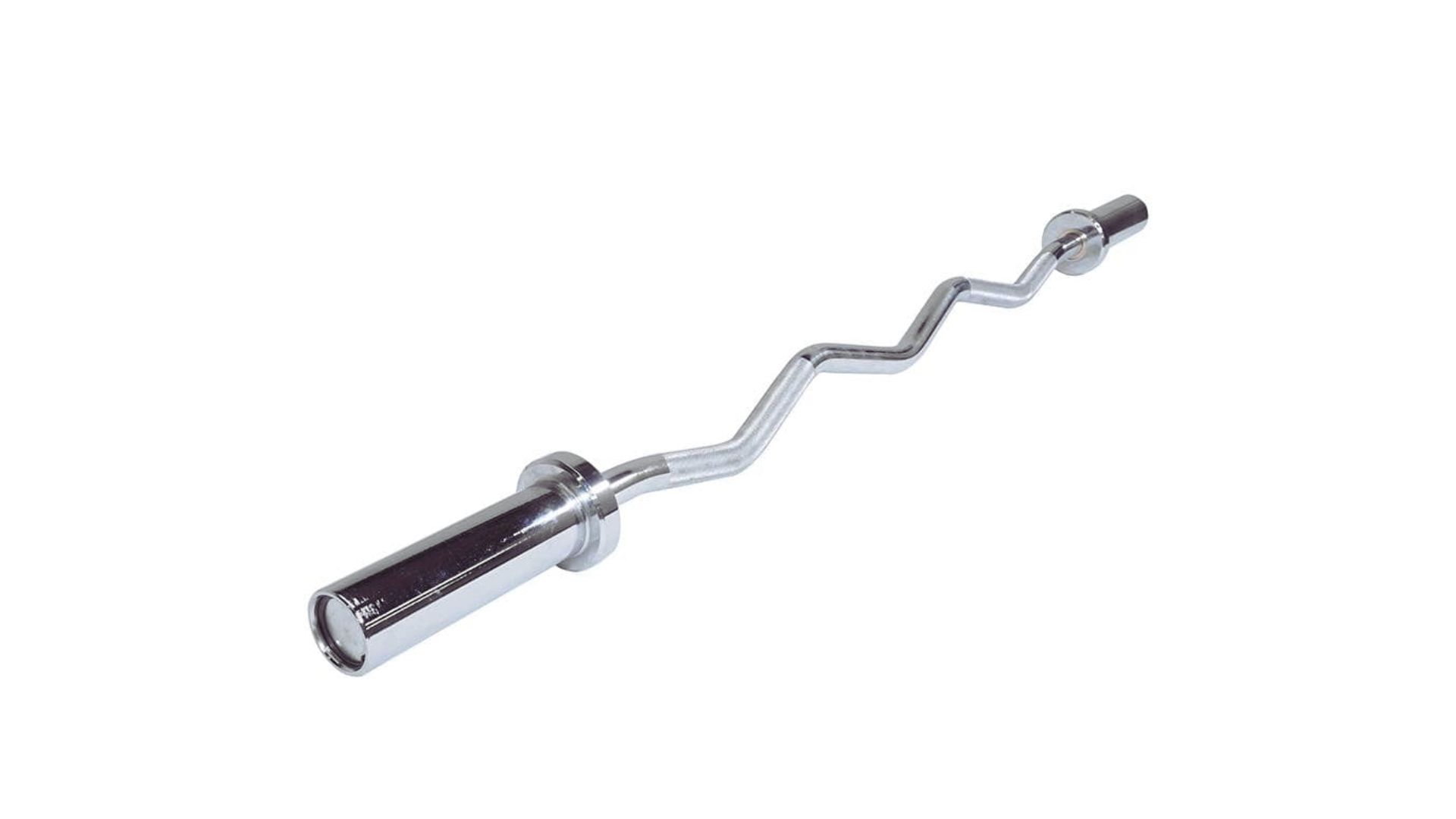
The EZ curl bar has a zigzag shape in the middle. This creates angled grips instead of straight horizontal grips. Most EZ bars weigh 15-25 pounds and measure around 4 feet long.
EZ bars let your wrists rotate slightly inward. This reduces strain compared to straight bars.
People with wrist injuries or tendonitis notice immediate relief. Bicep curls, skull crushers, and preacher curls work great with EZ bars.
Trap (Hex) Bars
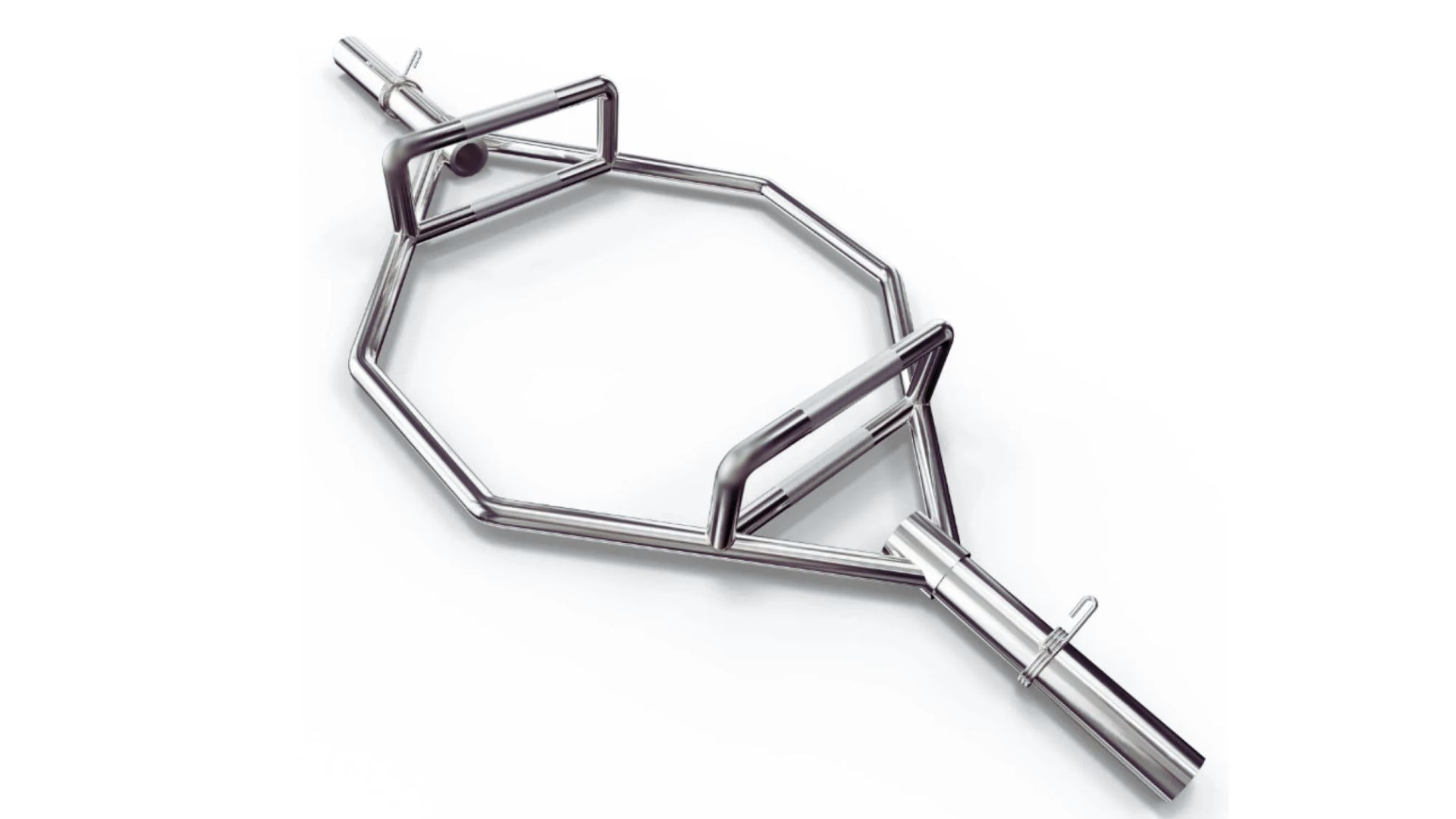
Trap bars form a hexagon shape around your body. You stand inside the bar instead of behind it. Most trap bars have two sets of handles at different heights.
Trap bar deadlifts feel easier on your lower back. The neutral hand position and centered load create a more upright torso angle.
Many people can lift more weight with a trap bar. Trap bar deadlifts shift emphasis to your quads while straight bars target your posterior chain more.
Specialty Barbells
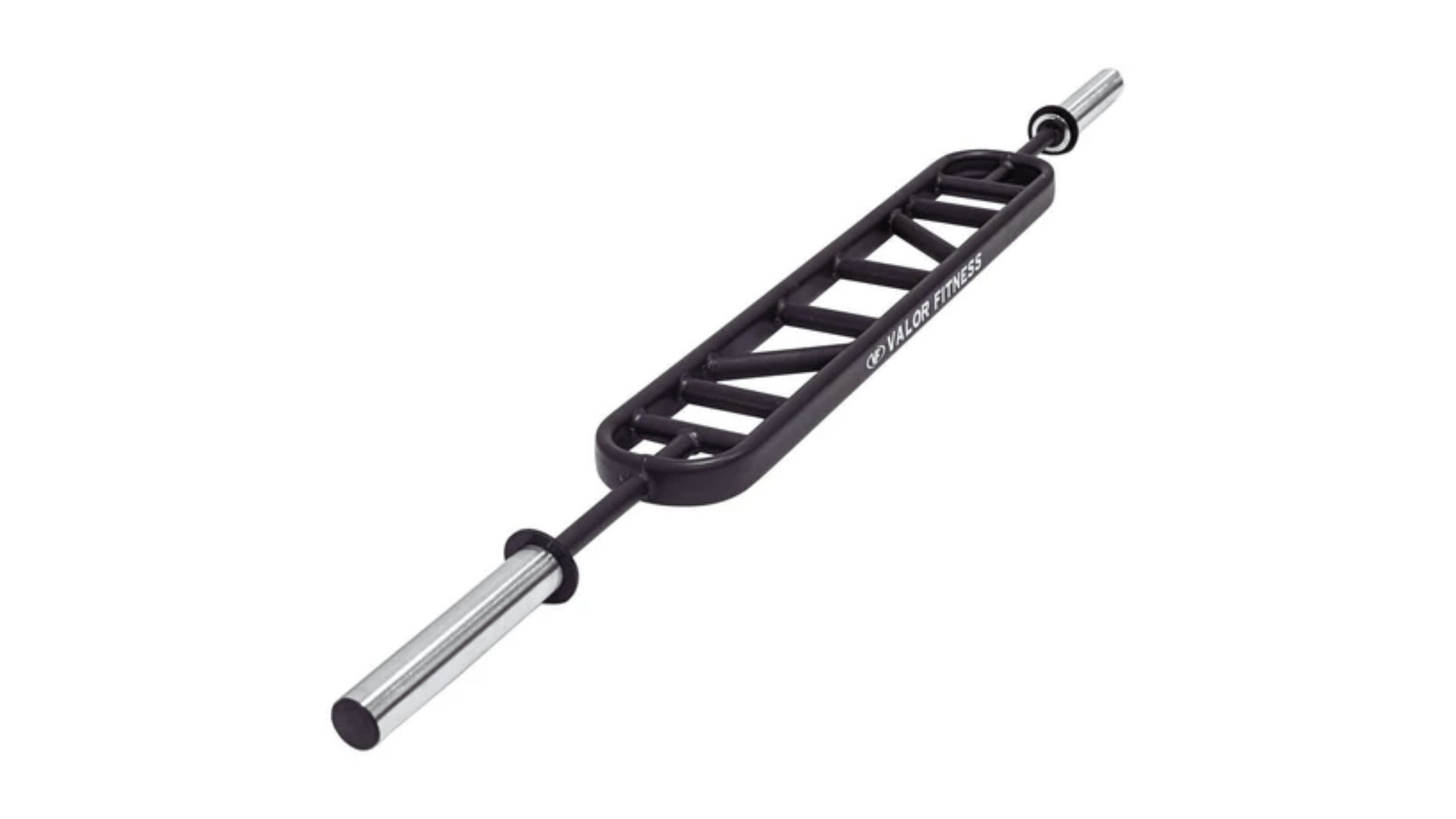
Safety squat bars have padded yokes with forward handles, letting people with shoulder injuries squat pain-free.
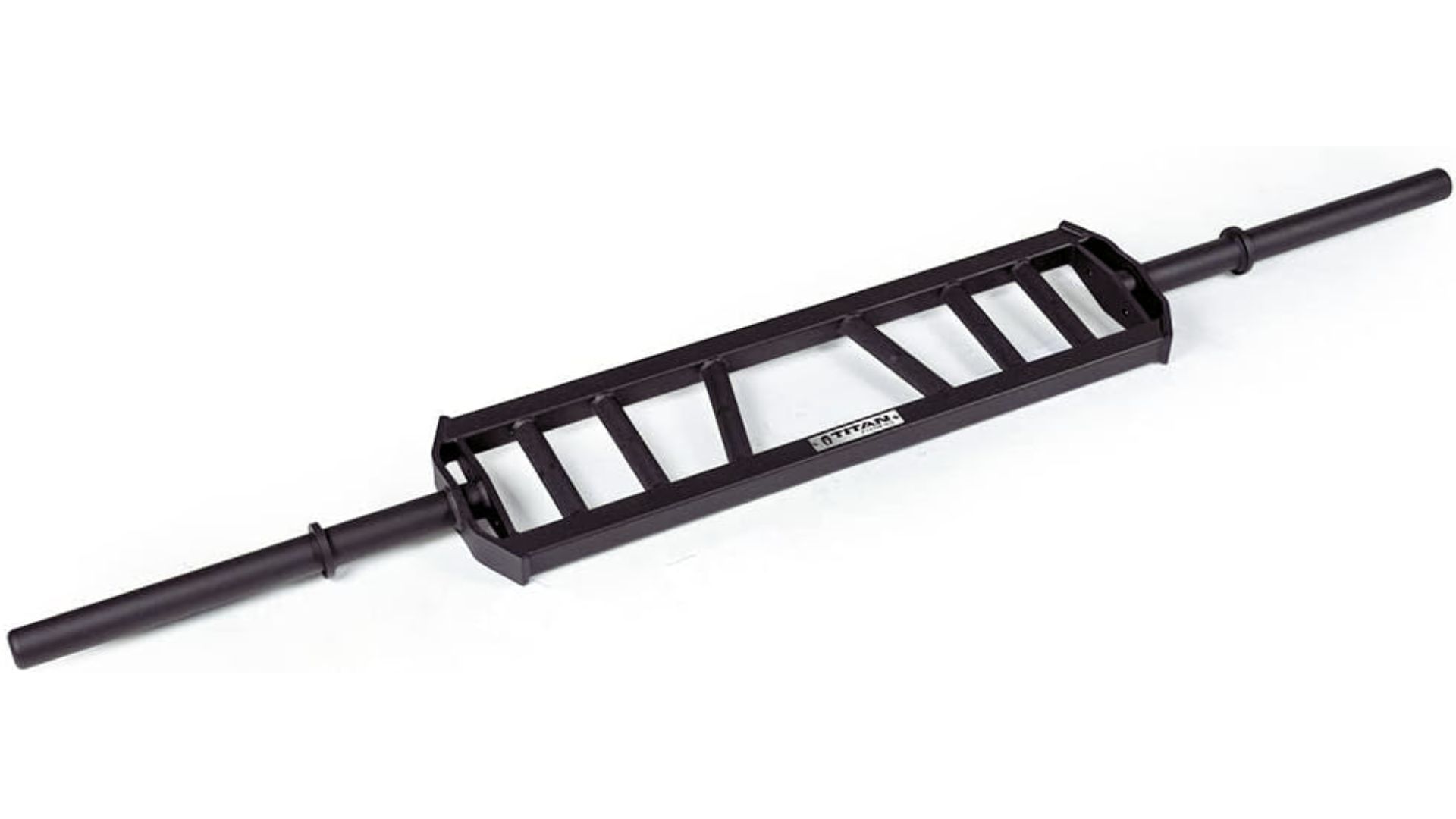
Swiss bars offer parallel grip options that reduce shoulder pain. Cambered bars have a curve that forces active bar control.
Axle bars are thick 2-inch steel pipes. Log bars mimic stone lifting for strongman training. Deadlift bars are thinner at 27mm, creating “whip” that helps you lift more weight.
Barbell Weights and Specifications
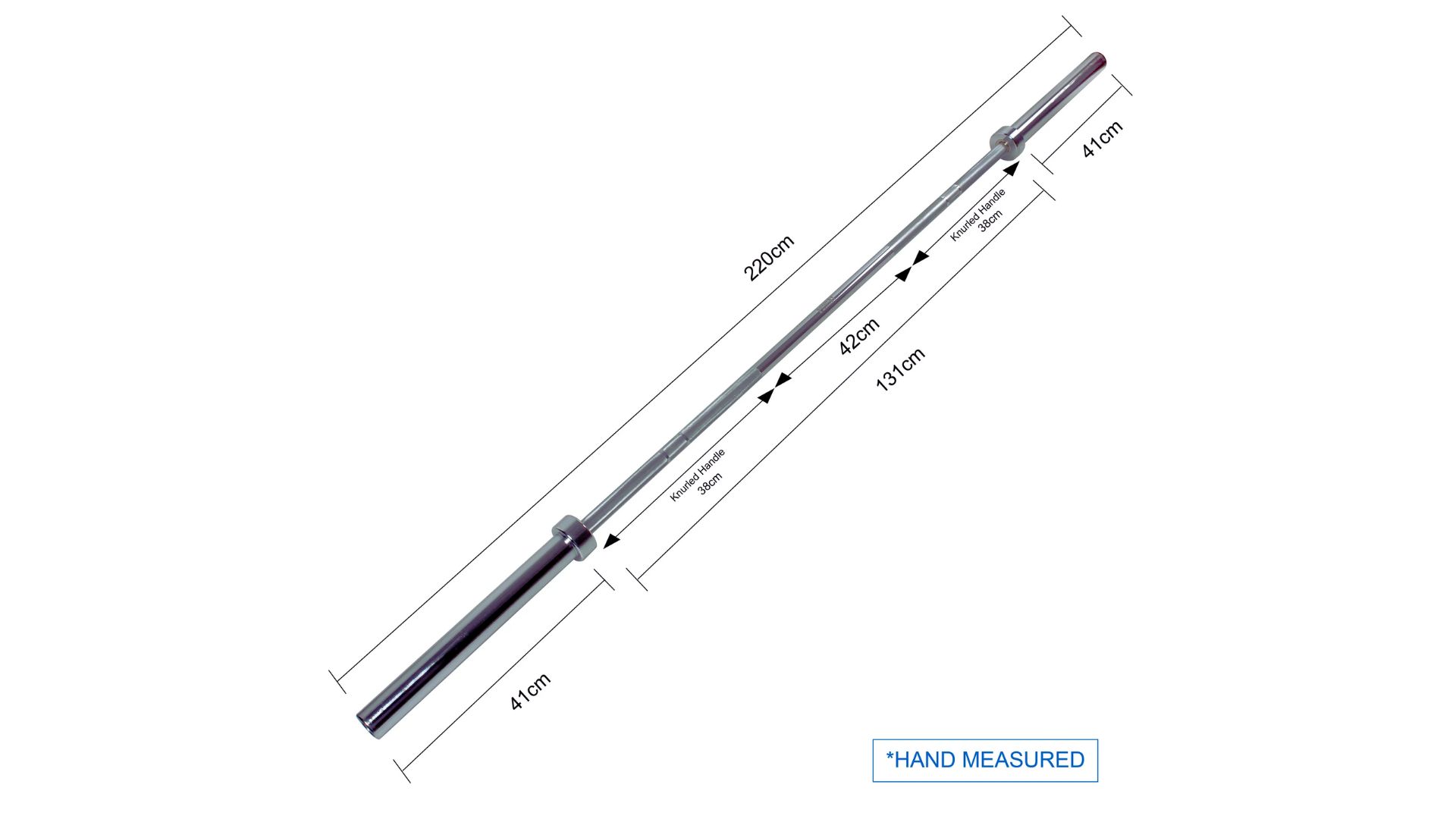
Different barbells have specific weights and measurements that affect how they perform during your lifts.
Common barbell weights by type
Olympic bars for men weigh exactly 45 pounds. Women’s Olympic bars weigh 35 pounds. Powerlifting bars also weigh 45 pounds for men.
Standard barbells vary from 15-20 pounds. EZ curl bars typically weigh 15-25 pounds. Trap bars range from 45-75 pounds.
Bar diameter differences and grip feel.
Men’s Olympic bars measure 28mm in diameter. Women’s Olympic bars run 25mm. Powerlifting bars typically measure 29mm. Deadlift bars go thinner at 27mm.
The diameter affects how quickly your grip fatigues.
Tensile strength and bar flexibility (whip)
Tensile strength measures how much stress the bar can handle. It’s rated in PSI. Budget bars rate around 120,000-140,000 PSI.
Mid-range bars hit 165,000-180,000 PSI. Whip describes how much the bar flexes during lifts. More whip helps with deadlifts.
Exercises You Can Perform With Different Barbells
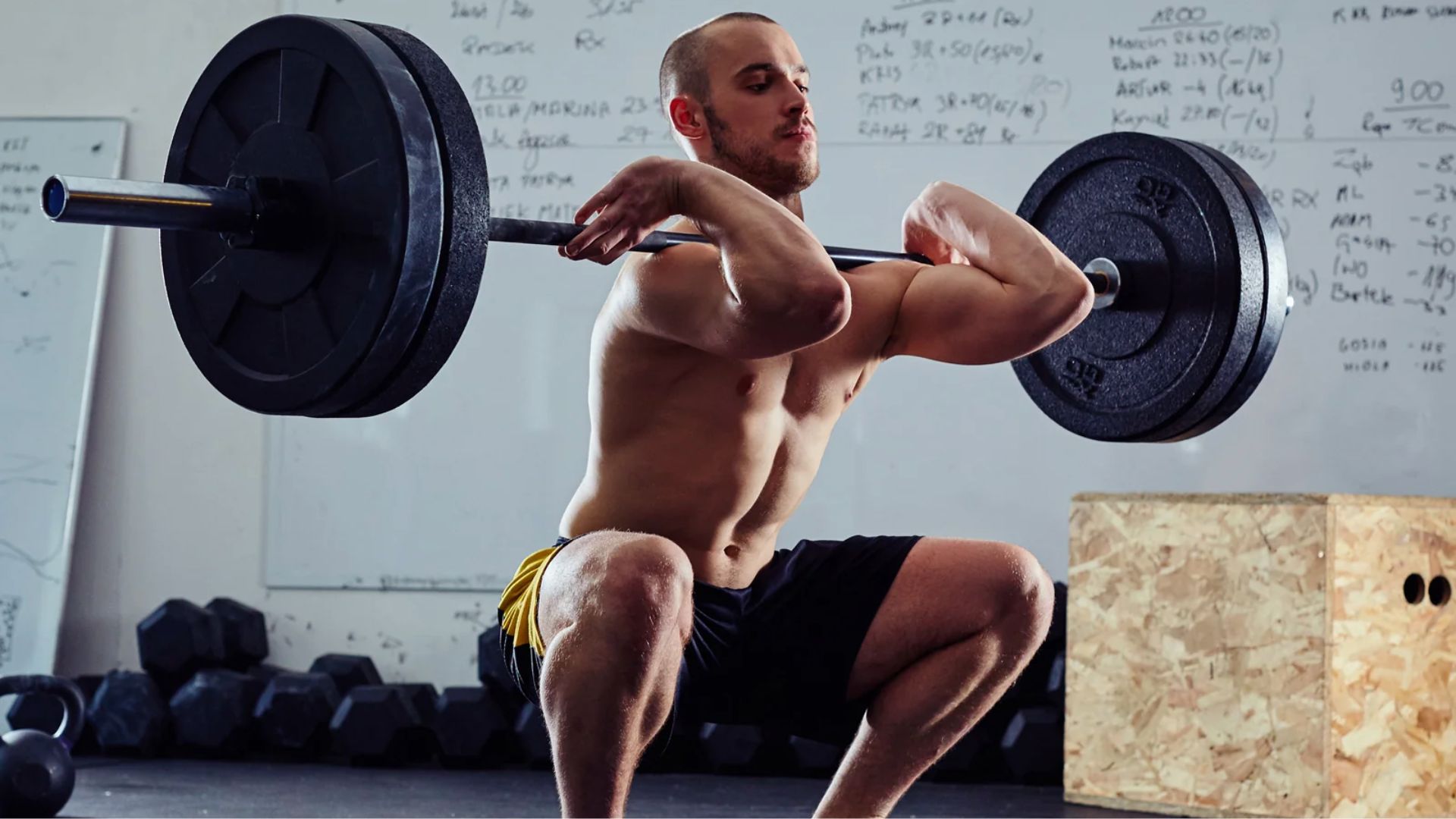
Each barbell type works best for specific movements and training styles.
Squats, bench press, and deadlifts
Back squats work with nearly any straight barbell. Safety squat bars add shoulder-friendly variation.
Bench press needs a straight bar with decent knurling. Swiss bars create a neutral-grip bench press variation.
Deadlifts work with straight bars or trap bars. Deadlift-specific bars help you pull maximum weight.
Olympic lifts: clean and snatch
Cleans and snatches require Olympic bars with good sleeve rotation. The moderate knurling on Olympic bars protects your hands.
Bar whip actually helps Olympic lifts. Power bars don’t work well for Olympic lifting.
Rows, curls, and accessory movements
Barbell rows work with any straight bar. Trap bars create a different rowing angle.
EZ curl bars are made for bicep curls. Skull crushers feel better on EZ bars, too.
Overhead press and military press work with straight bars. Swiss bars add pressing variety with neutral grips.
How to Choose the Right Barbell for You?
Picking the right barbell depends on your experience level, training goals, and physical limitations.
New lifters should start with a single versatile Olympic bar. This covers squats, deadlifts, presses, and rows.
Focus on form before buying multiple bars. Experienced lifters benefit from having multiple bar types. Compete in a specific sport? Buy the bar you’ll use at competitions.
Limited shoulder mobility? Safety squat bars or buffalo bars let you squat without stressing your shoulders.
EZ curl bars and Swiss bars reduce wrist and elbow strain. Back problems? Trap bars put less stress on your lower back during deadlifts. Listen to your body. Pain during lifts means something is wrong.
Conclusion
I’ve trained with every barbell imaginable, from basic standard bars to specialized strongman equipment. The right bar turns struggling lifts into confident personal records.
Start with one solid Olympic or hybrid bar if you’re new. Add specialty bars as you get serious about specific lifts. Your body will thank you when joints stay healthy, and strength keeps climbing. What bar are you using right now?
Drop a comment below and let me know which type you’re thinking about trying next.
Frequently Asked Questions
What’s the difference between a standard barbell and an Olympic barbell?
Standard barbells have one-inch sleeves and weigh 15-20 pounds. Olympic barbells have two-inch sleeves, weigh 45 pounds, and feature rotating sleeves for serious training.
Can beginners use powerlifting bars, or should they stick to Olympic bars?
Beginners do fine with either bar type. Olympic bars offer more versatility for learning different lifts, while powerlifting bars work great for squat and deadlift-focused training.
Why do EZ curl bars feel easier on the wrists than straight bars?
EZ curl bars have angled grips that let your wrists rotate slightly inward. This neutral position reduces stress on your forearm bones and elbow joints compared to straight bars.
Are trap bar deadlifts better than straight bar deadlifts?
Neither is objectively better. They’re just different. Trap bars emphasize quads more and feel easier on your lower back, while straight bars target the posterior chain harder.
How much should I spend on a barbell for my home gym?
Plan to spend at least 200-300 dollars for a quality barbell that lasts. Cheaper bars often bend permanently, while good bars are one-time investments lasting decades.