
The trap bar squat is one of my favorite exercises for building serious strength and power. I’ve spent years coaching athletes and lifters, and this movement consistently delivers results.
In this article, I’ll show you how to perform trap bar squats, which muscles they target, and why they might be better than regular squats.
You’ll learn proper form, common mistakes to avoid, and how to program this lift for maximum gains.
I’ll also share alternatives if you don’t have a hex bar. This guide will give you everything you need to master this exercise.
What Is a Trap Bar Squat?
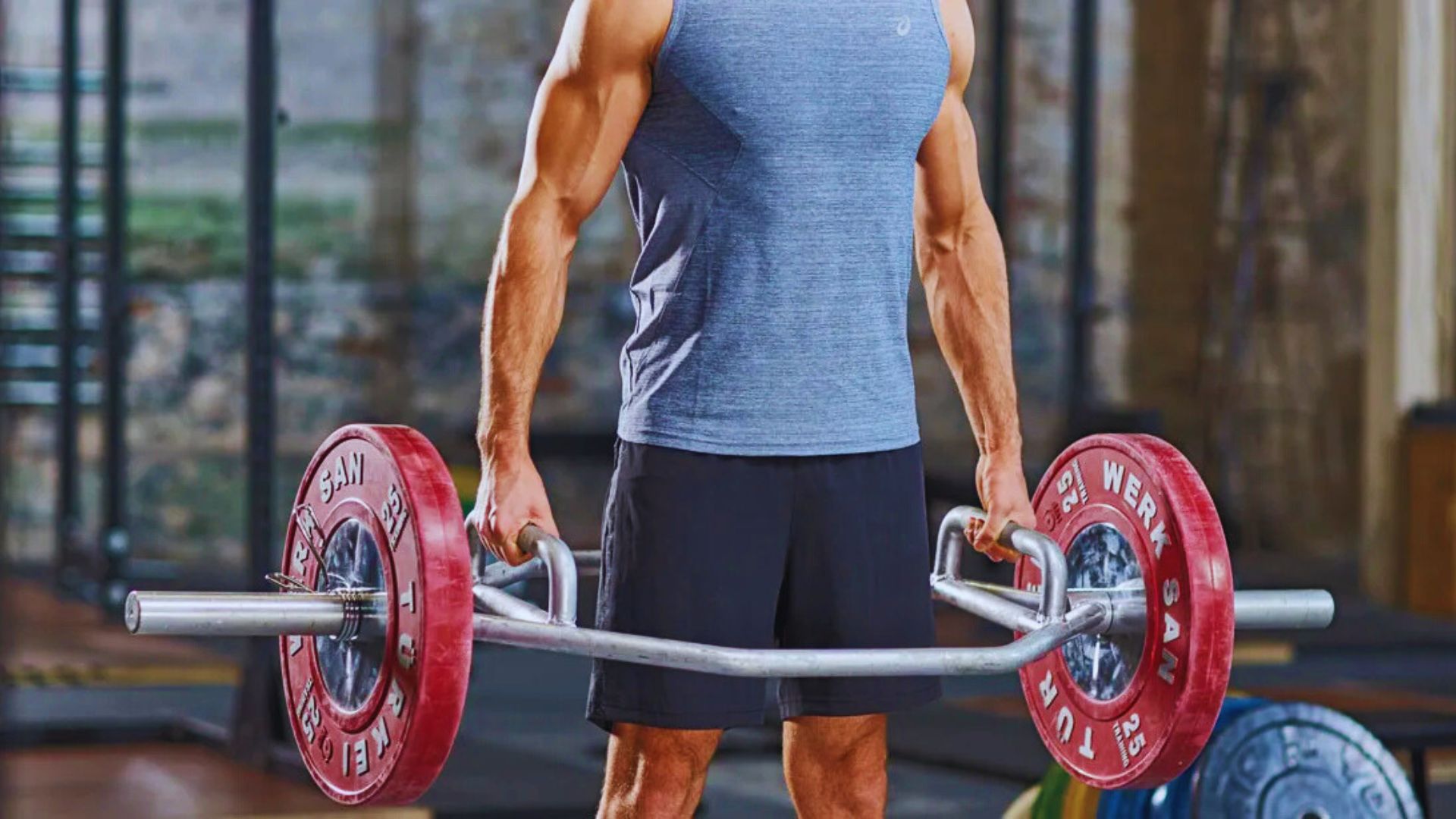
A trap bar squat uses a hexagonal barbell that you stand inside. You grip the handles at your sides instead of holding a bar on your back or front. The hex bar (also called trap bar) has a six-sided shape that keeps the weight closer to your center of gravity.
This exercise combines elements of both squats and deadlifts. The trap bar squat emphasizes more knee bend and upright torso position compared to trap bar deadlifts. You sit back less and keep your chest more vertical, which means more quad work.
Back squats place the bar across your shoulders and create forward lean with more shear force on your spine. Trap bar squats keep the load centered around your body.
Your torso stays more upright naturally. Many people find trap bar squats easier on their lower back while still building serious leg strength.
Trap Bar Squat Muscles Worked
This exercise hits multiple muscle groups at once. Here’s what gets activated during each rep.
Quadriceps Activation
Your quads do major work during trap bar squats. The vertical shin angle and deep knee bend place heavy demands on these front thigh muscles. All four quad muscles fire hard to extend your knees and drive the weight up.
Core and Spinal Stabilizers
Your abs and obliques brace hard to keep your spine stable under load. The erector spinae muscles along your back maintain neutral spine position. This core engagement protects your lower back and transfers force efficiently.
Upper Back and Grip Involvement
Your traps and lats stay tight throughout the movement. They help maintain upright posture and shoulder position. Your forearms and grip muscles work constantly to hold the handles. This makes trap bar squats a full-body strength builder.
Trap Bar Squat Benefits for Strength
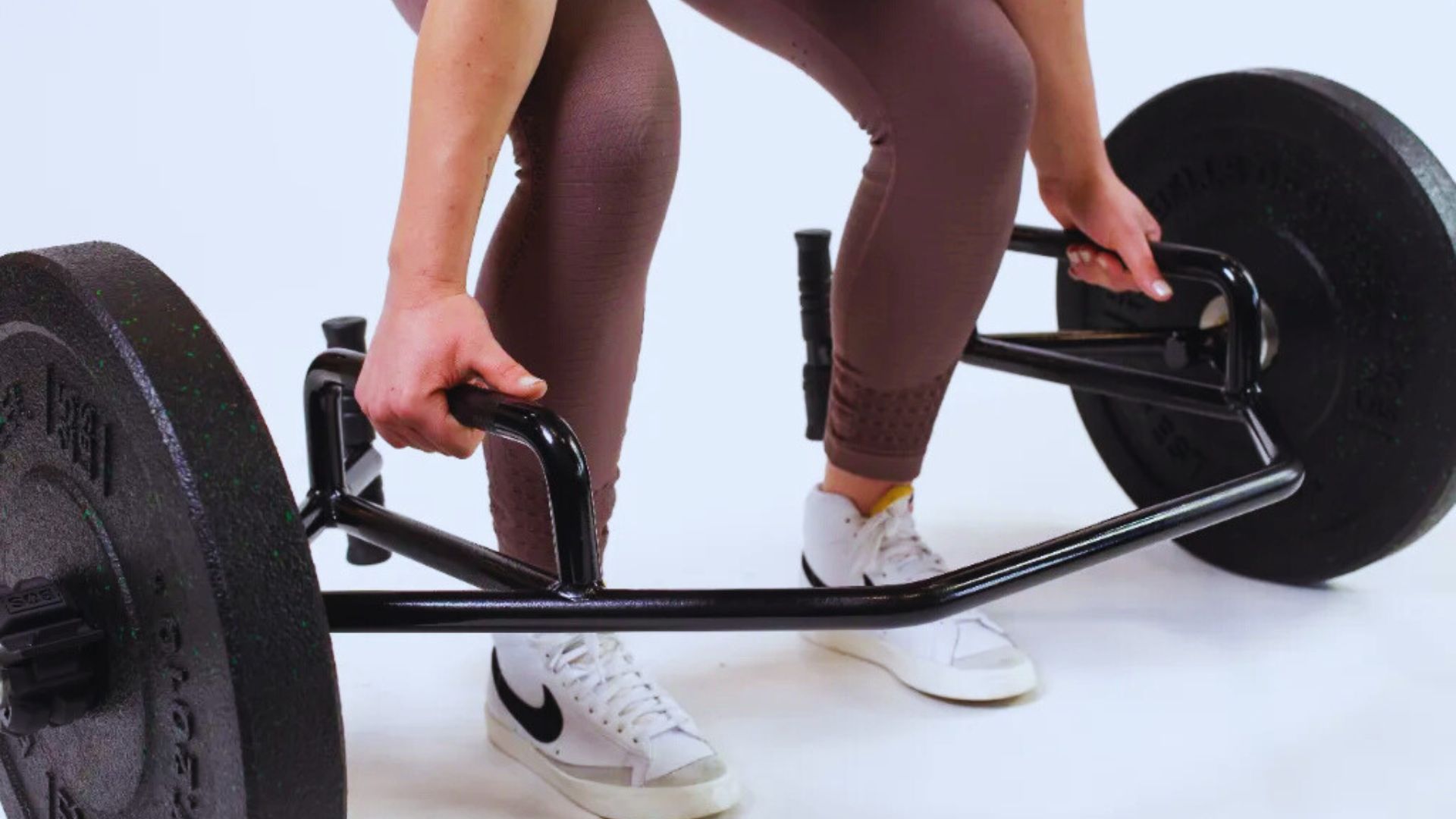
I recommend this exercise to nearly everyone who wants to get stronger. The benefits are hard to beat.
Reduced Spine Pressure and Lower Back Stress
The centered load position takes pressure off your spine compared to back squats. You don’t have to fight forward lean, making it safer for your lower back.
Balanced Leg Development
You get strong quads without sacrificing glute and hamstring development. The movement pattern trains both areas effectively for well-rounded leg strength.
Beginner-Friendly Learning Curve
New lifters find trap bar squats more intuitive than barbell squats. The simpler technique allows you to focus on building strength rather than mastering complex form.
Greater Loading Capacity with Lower Injury Risk
You can load it heavy and build strength faster with lower injury risk. Most people can lift more weight with trap bars than back squats.
The improved leverage and simpler technique let you push heavier loads and build serious strength without the same technical barriers.
Using the Trap Bar Squat for Power Development
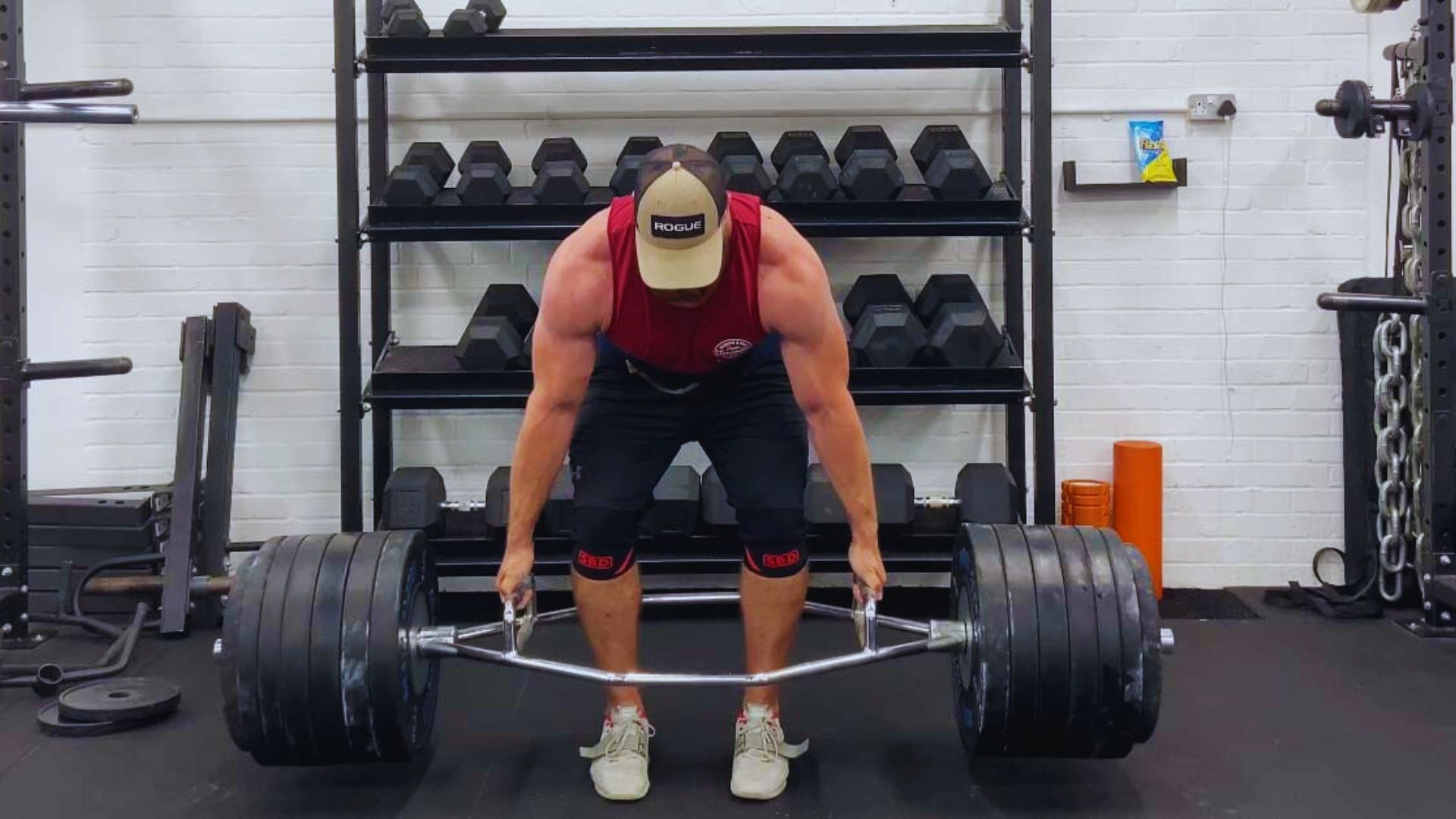
This exercise isn’t just for strength. It’s also excellent for building explosive power.
Trap Bar Squat Jump (30–40% 1RM)
Load the bar with 30 to 40 percent of your one-rep max. Perform explosive jumps instead of regular reps. You’ll accelerate the bar as fast as possible and leave the ground. Land softly and reset between reps.
Trap Bar Squat Jumps for Explosiveness
These jumps train your muscles to produce force rapidly. Athletes use them to improve vertical jump and sprint speed. The movement teaches your nervous system to recruit muscle fibers quickly. I program these for athletes who need to move fast on the field or court.
Improving Rate of Force Development
Rate of force development means how quickly you can generate power. Trap bar squat jumps with submaximal loads train this quality effectively. You’re not limited by technique like you would be with Olympic lifts. The simple movement pattern lets you focus purely on moving fast.
How to Perform Trap Bar Squats?
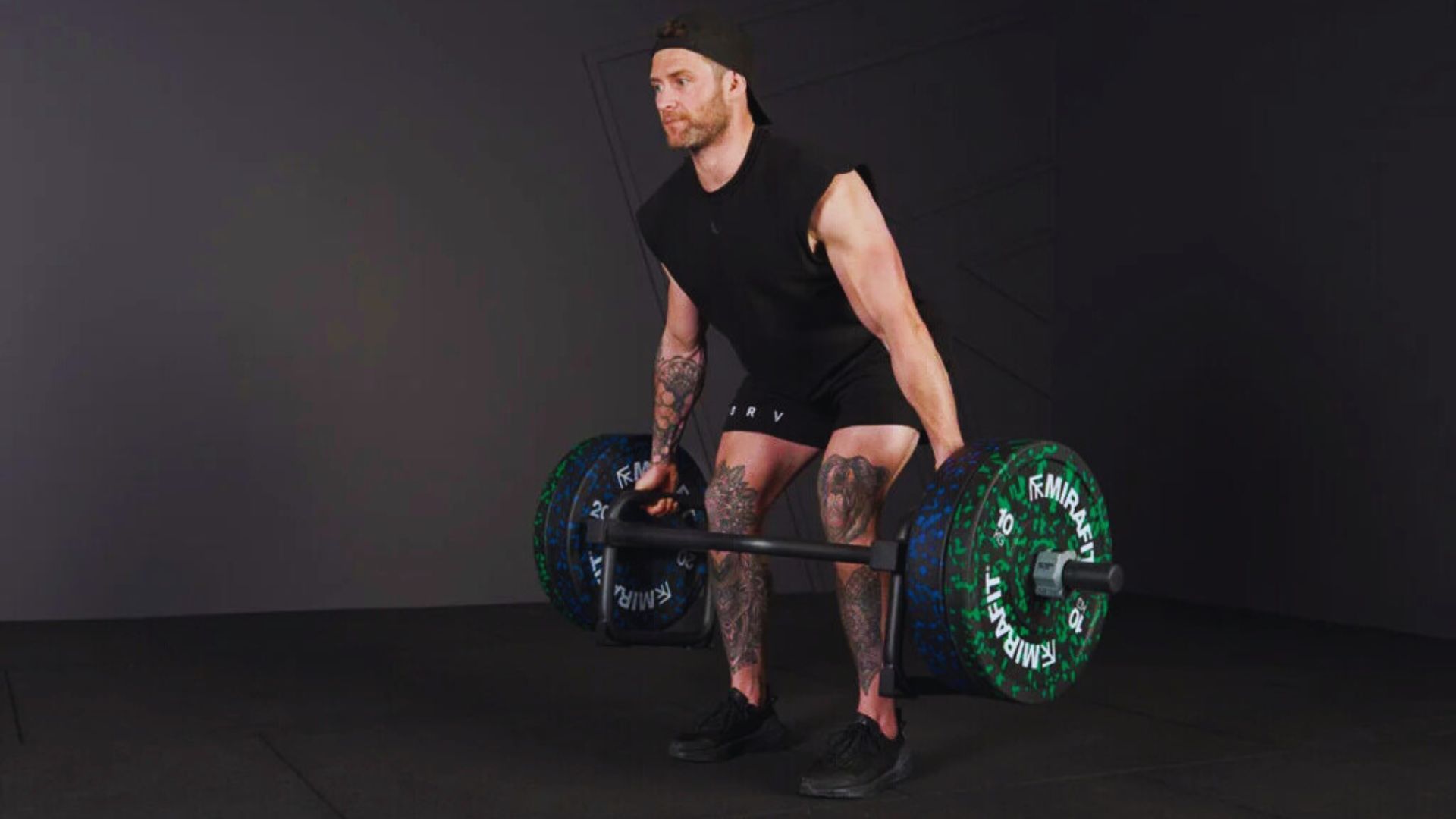
Proper technique ensures safety and maximum results. Follow these steps carefully.
Setup and Execution
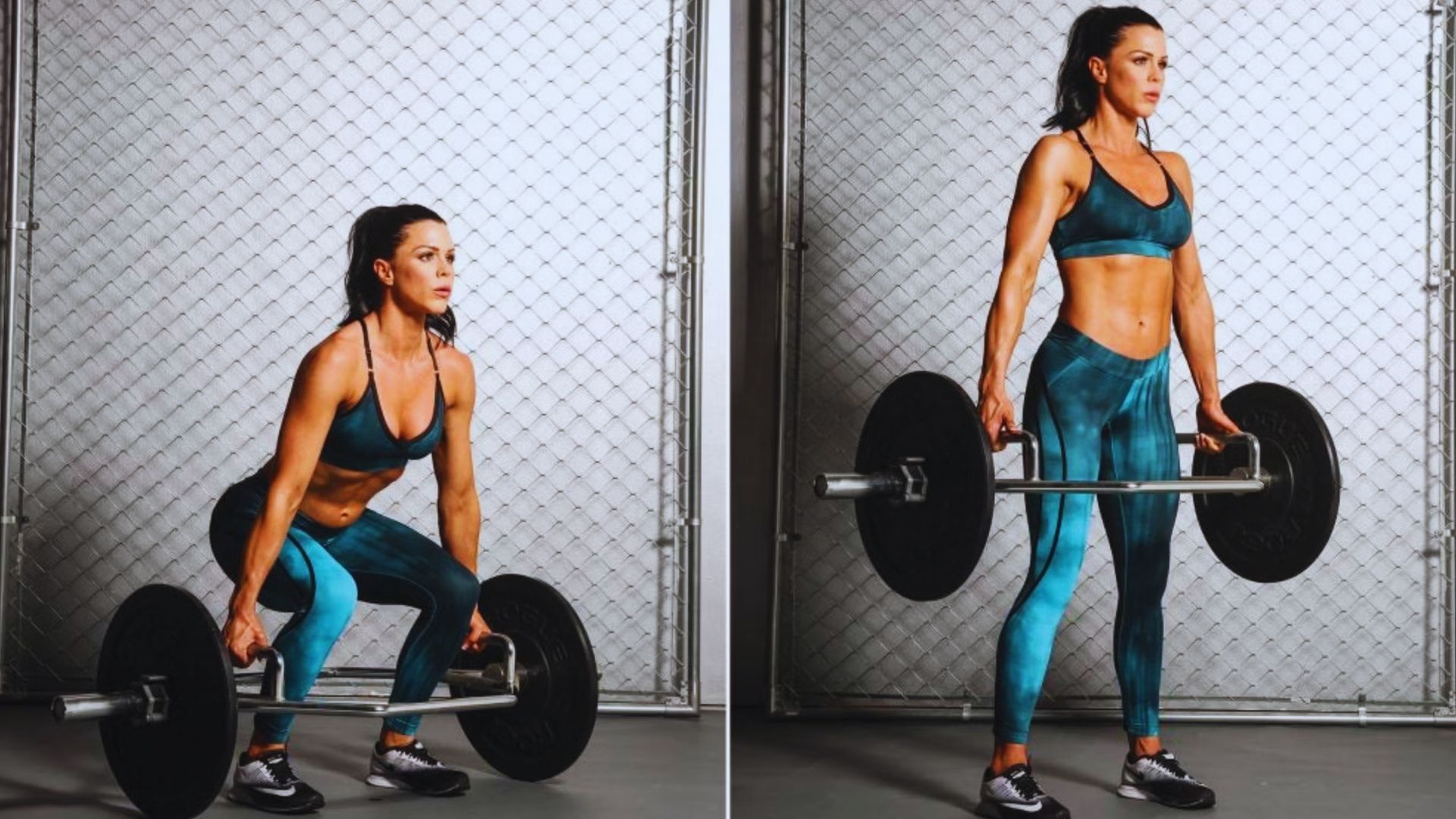
Step inside the hex bar and position your feet hip to shoulder-width apart. Point your toes slightly outward. Grip the handles firmly and brace your core hard. Push your hips back slightly while bending your knees.
Keep your chest up and lower yourself until your thighs reach parallel or below. Drive through your whole foot to stand back up. Keep your knees tracking over your toes throughout the movement.
Common Mistakes to Avoid
Don’t let your knees cave inward during the movement. Avoid rounding your lower back at the bottom. Don’t jerk the weight off the ground.
Keep constant tension and move smoothly. Never let the handles drift forward away from your body. Maintain tight lats throughout each rep.
Trap Bar Squat Alternative Exercises
No trap bar? No problem. These alternatives work well.
Front Squats
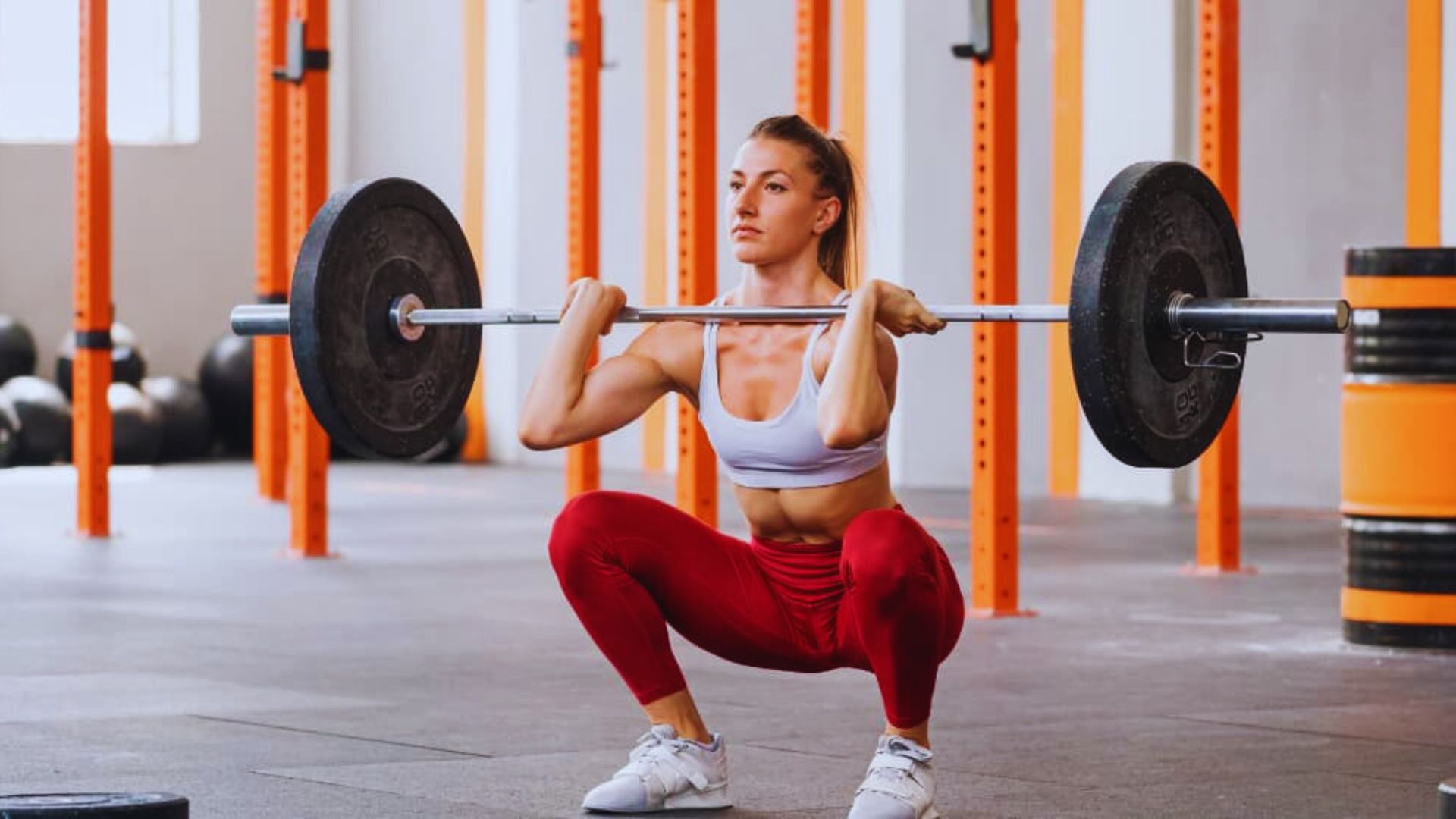
Front squats force an upright torso like trap bar squats. They hammer your quads and core. The bar position on your shoulders requires good mobility. These build strength while teaching proper squat mechanics.
Goblet Squats
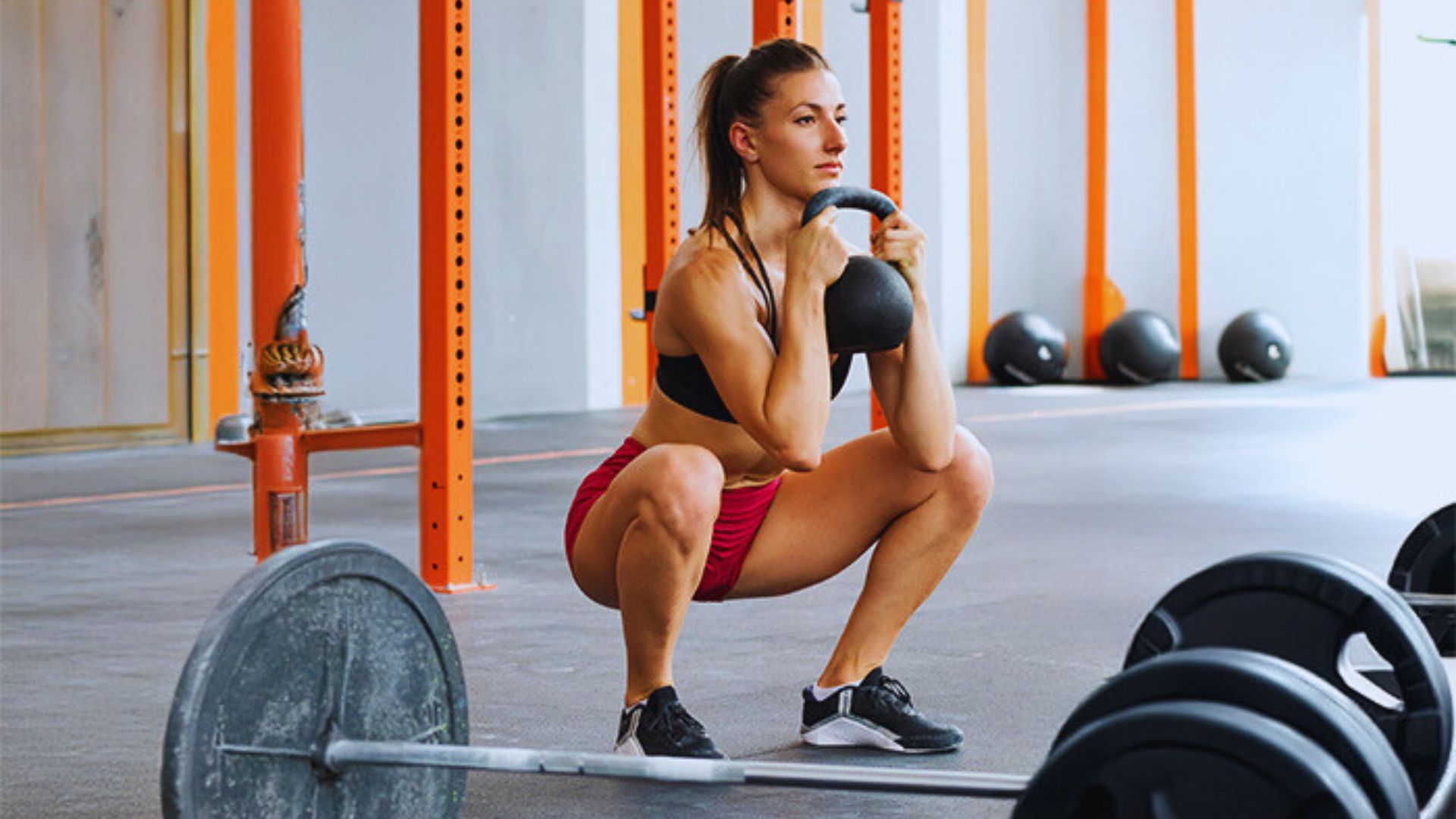
Hold a dumbbell or kettlebell at chest height. Squat down while keeping your torso vertical. This works great for beginners or as a warm-up. You can’t load it as heavy as a trap bar but it teaches good movement patterns.
Tips to Maximize Strength & Power Gains
Get the most from your trap bar squat training with these strategies:
- Lift heavy for strength. Use 83% or more of your max for 1 to 5 reps per set
- Go light and fast for power. Train at 30 to 60 percent of your max with explosive speed
- Brace hard before every rep. Take a big breath and tighten your core completely
- Keep your spine neutral. Maintain a straight back position from start to finish
- Add weight each week. Increase load, reps, or sets consistently to keep progressing
- Track your workouts. Write down your numbers to see improvements over time
- Mix in other exercises. Rotate trap bar squats with back squats or deadlifts every 4 to 8 weeks
Conclusion
The trap bar squat has become a staple in my own training and the programs I write for others. It builds serious strength and power while being kinder to your back than traditional squats.
I love how quickly people progress with this movement. Start with lighter weight to nail the form, then gradually load it up. Your legs will thank you.
Give trap bar squats a try in your next workout and let me know how they feel. Drop a comment below sharing your experience or any questions you have about the exercise.
Frequently Asked Questions
Can trap bar squats replace regular squats?
Yes, they can serve as your main squat variation. They build similar strength and muscle while being easier on your lower back.
How often should I do trap bar squats?
Train them 1 to 2 times per week for best results. Allow at least 48 hours between sessions for proper recovery.
What weight should I start with for trap bar squats?
Start with just the bar to learn proper form. Most people can handle 10 to 20 percent more than their back squat max once technique is solid.
Are trap bar squats better for knees?
They can be easier on your knees than back squats for some people. The upright position reduces knee shear forces, but the deep bend still requires healthy knees.
Can I build muscle with trap bar squats?
Absolutely. Use moderate to heavy loads for 6 to 12 reps per set. Combine them with proper nutrition for optimal leg muscle growth.