
Tight glutes are more common than you think. Sitting for long hours, skipping warm-ups, or pushing too hard at the gym can all cause stiffness.
The good news? You do not need to lie on the floor to get relief.
This guide covers 11 standing glute stretch variations that work for all fitness levels. You will learn the right technique, key benefits, and common mistakes to avoid.
These stretches are simple, effective, and easy to do anywhere. No equipment needed for most of them.
What Is a Standing Glute Stretch?
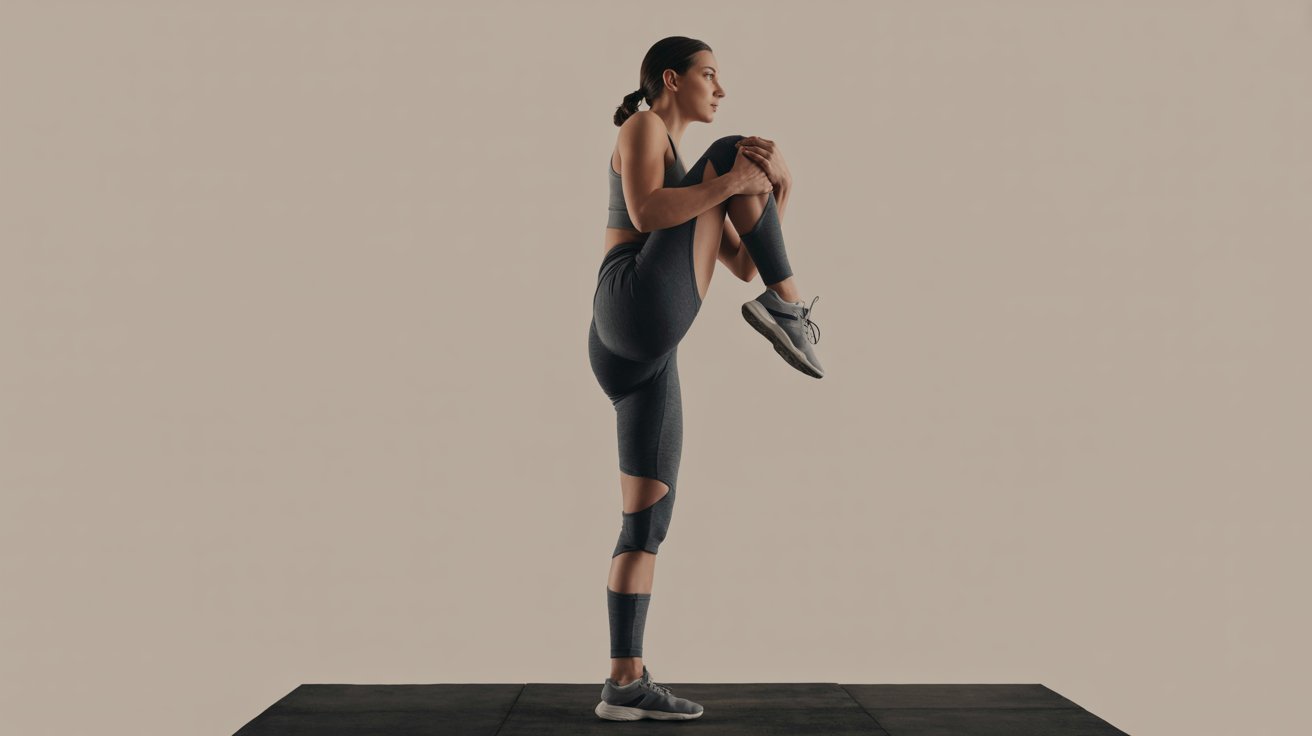
A standing glute stretch is a stretching movement done while you are upright, targeting the glutes, piriformis, and hips.
It works by positioning one leg to create tension in the glute muscles while you stay standing.
Rotating the thigh outward and leaning slightly forward deepens the stretch.
Since you are balancing on one leg, your core also stays active throughout. It suits all fitness levels, beginners can use a wall for support, while others can go deeper without any help.
List of 11 Best Standing Glute Stretch
Each variation below targets your glutes in a slightly different way. Try a few and see which one feels best for your body.
1. Standing Glute Stretch Cross Leg
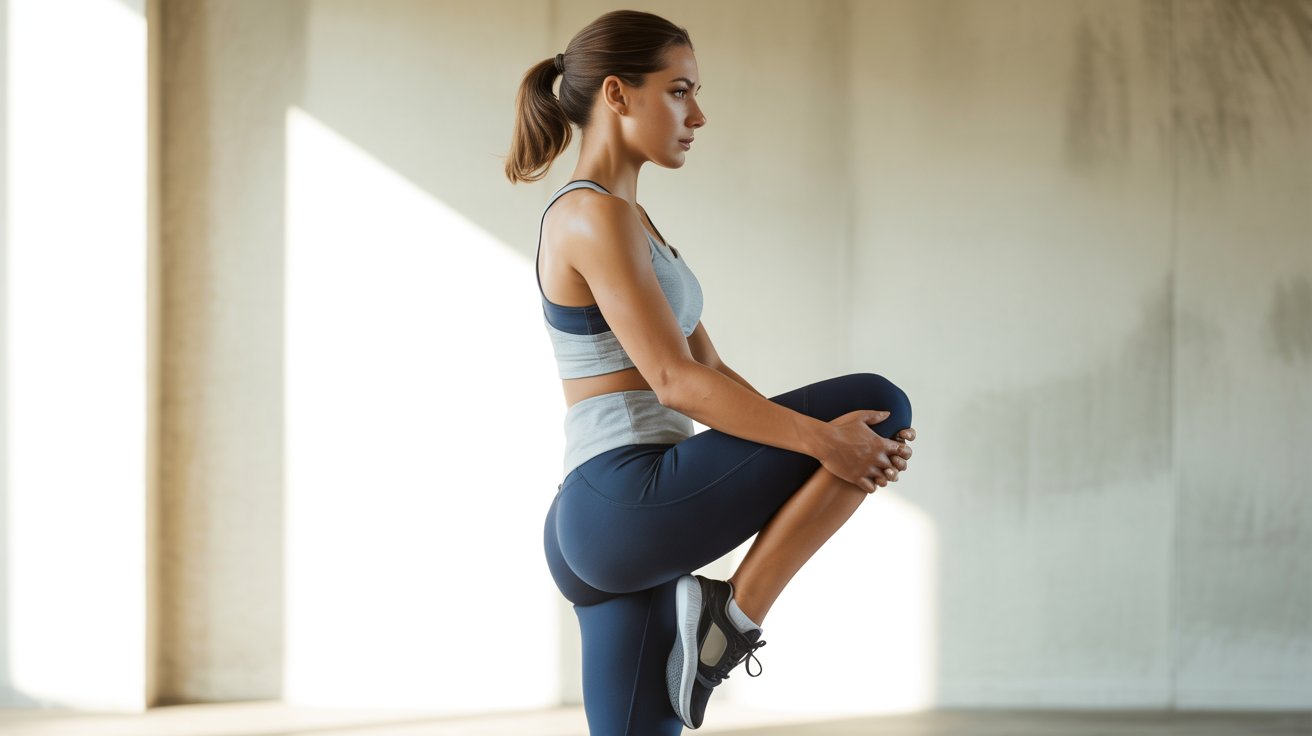
A simple, beginner-friendly option that helps you ease into glute stretching without any pressure.
Stand tall and cross one foot over the opposite knee. Bend the standing leg slightly and sit back as if lowering into a chair.
Hold the position and feel the stretch in your outer glute. This is one of the easiest ways to start if you are new to stretching.
2. Standing Glute Stretch Figure 4
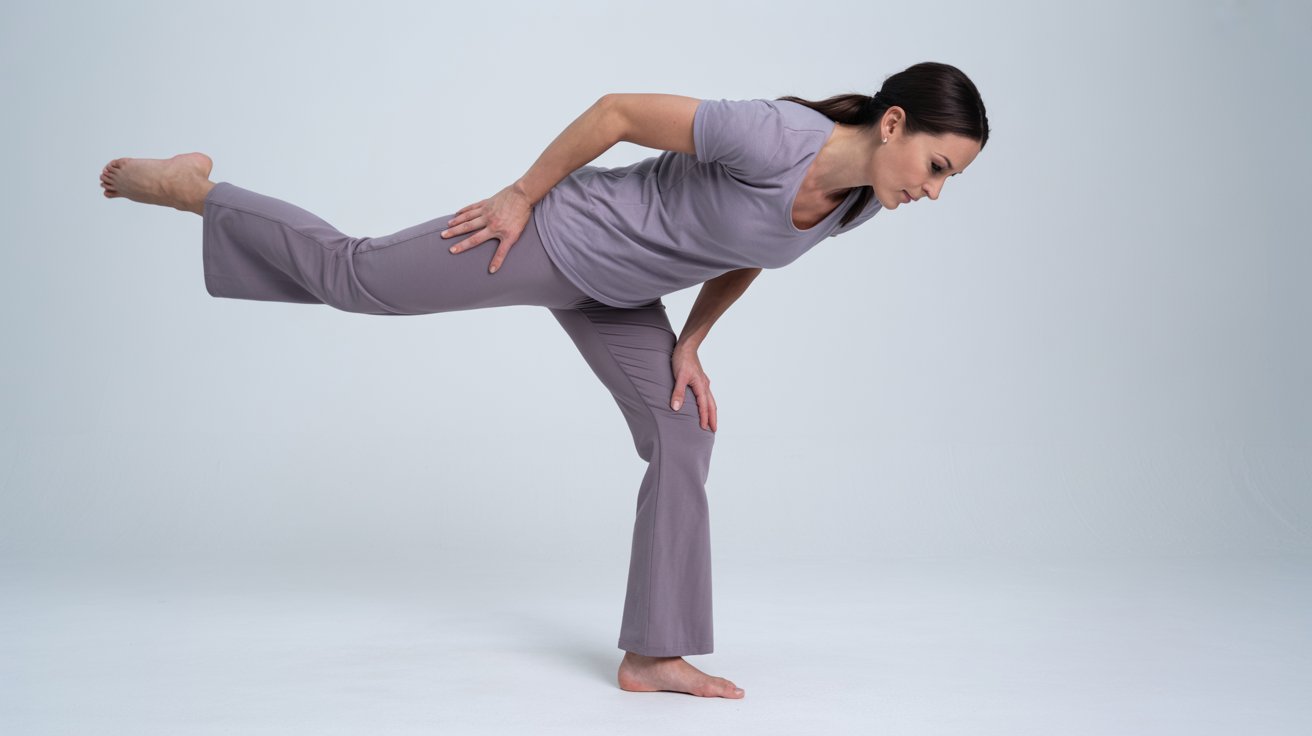
One of the most popular variations, this stretch goes deep into the glutes and hips with minimal effort.
Stand upright and cross one ankle over the opposite knee, forming a figure-four shape. Slowly bend the standing leg and lean your chest slightly forward.
You will feel a strong pull in your glute and outer hip. Hold for 20 to 30 seconds, then switch sides.
3. Standing Glute Stretch Ankle Over Knee
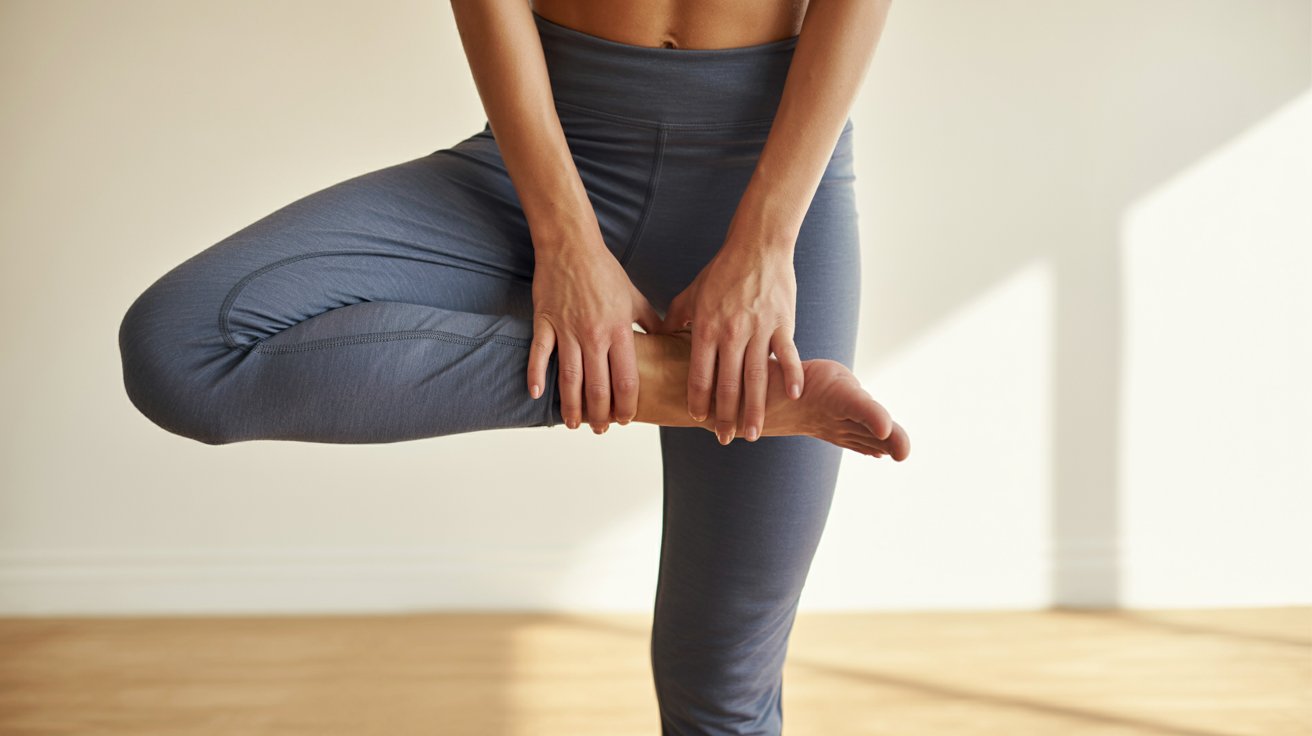
A close variation of the figure four, this one focuses on opening up the hips with a bit more control.
Place your ankle just above the knee of the standing leg. Keep your back straight and push your crossed knee gently downward.
This adds a slightly different angle to the stretch. It works well if the full figure four feels too intense at first.
4. Standing Glute Stretch Against Wall
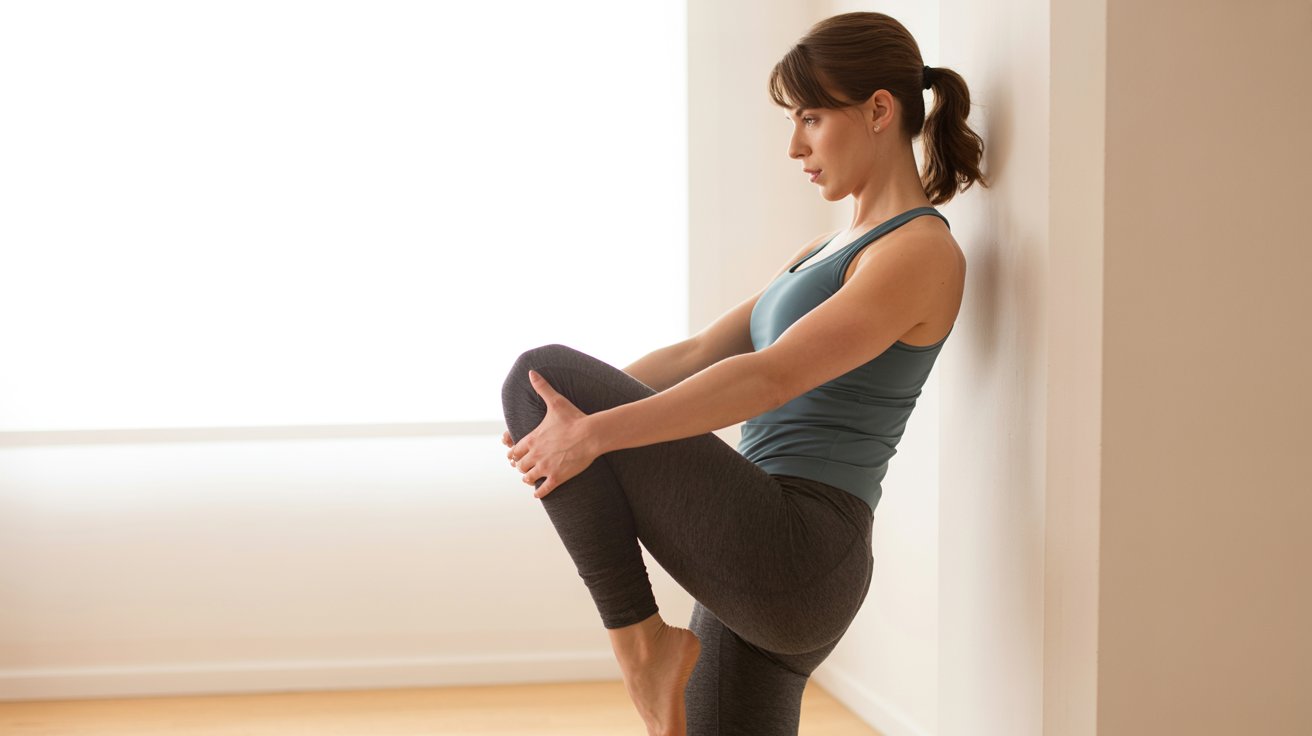
Using a wall makes this stretch more stable, which is great if you struggle with balance.
Stand in front of a wall and place your hands on it for support. Cross one leg over the other knee and slowly lower your body.
The wall keeps you steady so you can focus on the stretch instead of your balance. This is a solid option for beginners or older adults.
5. Standing Glute Stretch Balance
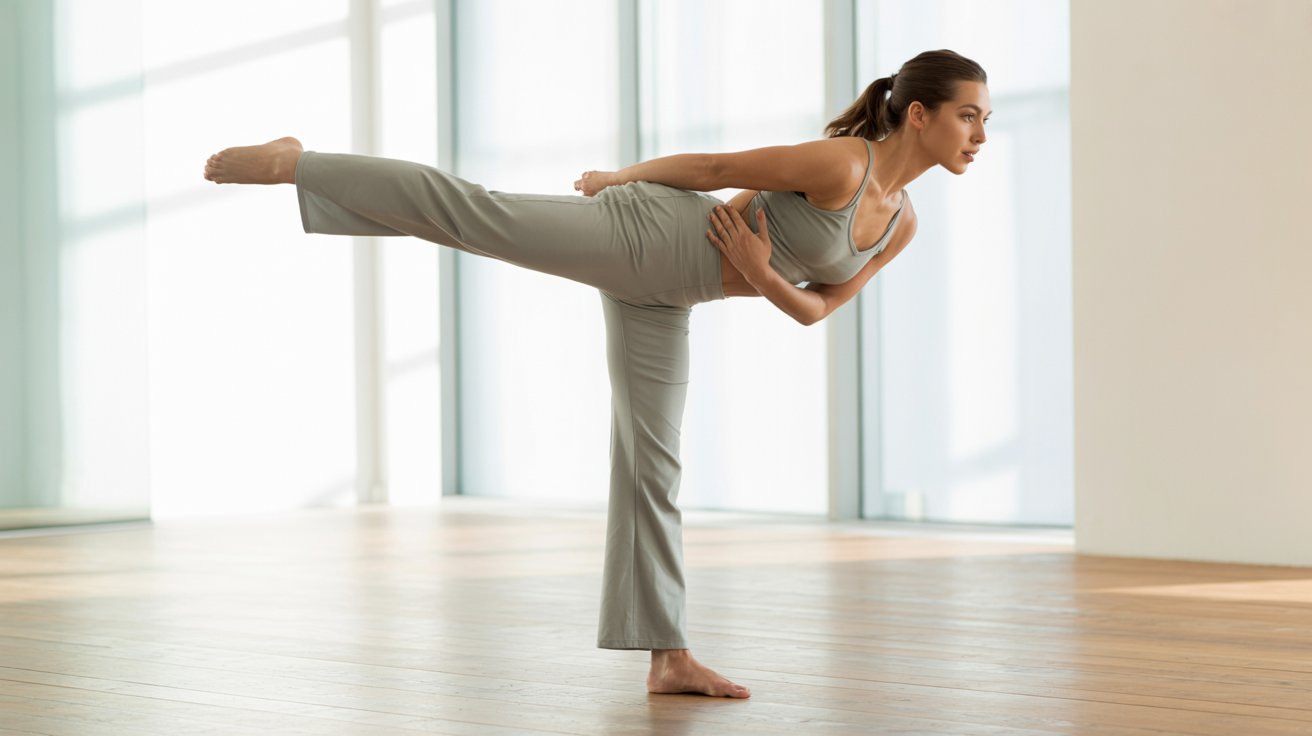
This variation challenges your stability along with flexibility, making it a two-in-one movement.
Perform the standard figure four without any support. Hold the position using only your core and leg muscles to keep you steady.
This engages your stabilizing muscles and improves coordination over time. Start slow and use support if needed until your balance improves.
6. Supported Standing Figure Four
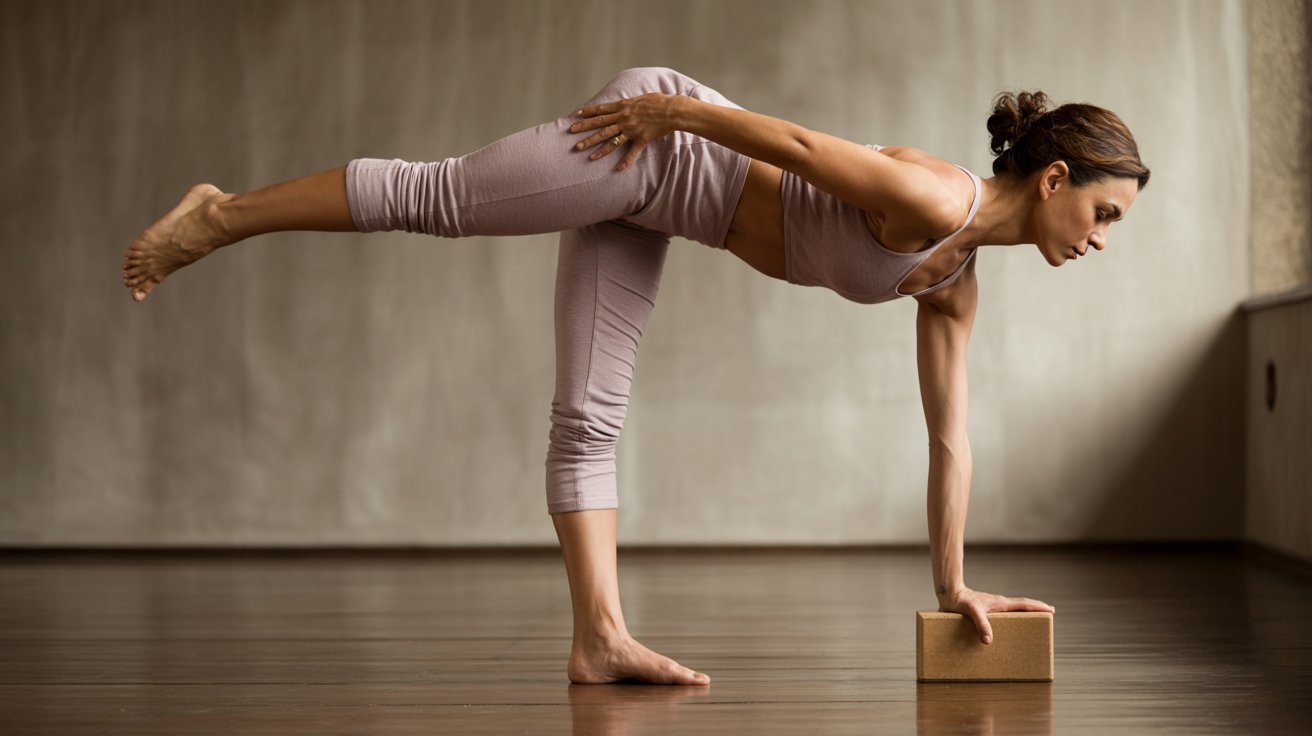
Designed for people with limited mobility, this version uses a chair or sturdy surface for full support.
Place one hand or both hands on the back of a chair. Cross your ankle over the opposite knee and lower slightly.
You do not need to go deep to feel the stretch. Even a small range of motion makes a difference when done consistently.
7. Dynamic Standing Glute Stretch
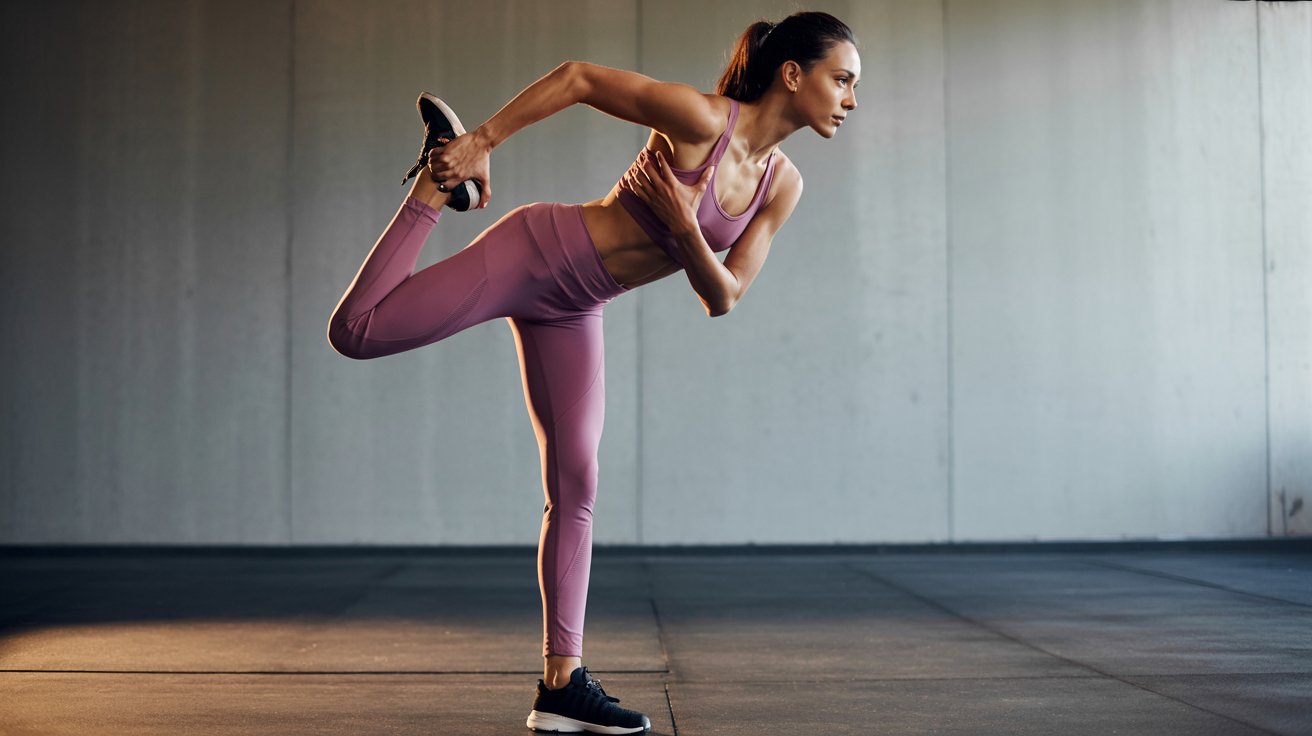
Unlike the held variations, this one involves movement, making it a great option before a workout.
Stand tall and swing one leg across your body in a controlled motion. Each swing creates a brief stretch in the glute and hip.
Do 10 to 15 reps per side. This is not a static hold but a flowing movement that warms up the muscles before activity.
8. Standing Forward Fold Glute Stretch
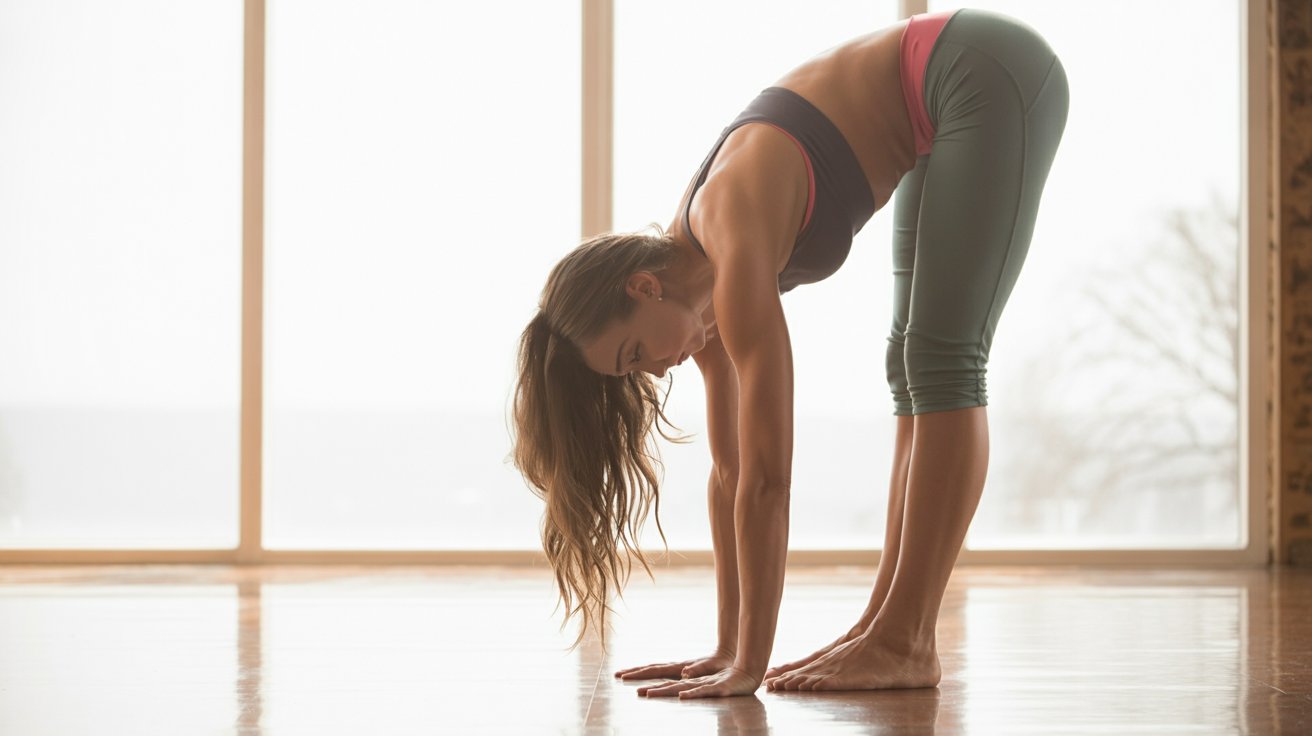
This variation combines the hamstrings and glutes in one stretch, giving you more coverage in less time.
Cross one foot behind the other ankle. Slowly fold your upper body forward toward your legs. You will feel a pull in both the back of the leg and the glute.
Keep a soft bend in the knees to protect your lower back.
9. Elevated Standing Glute Stretch
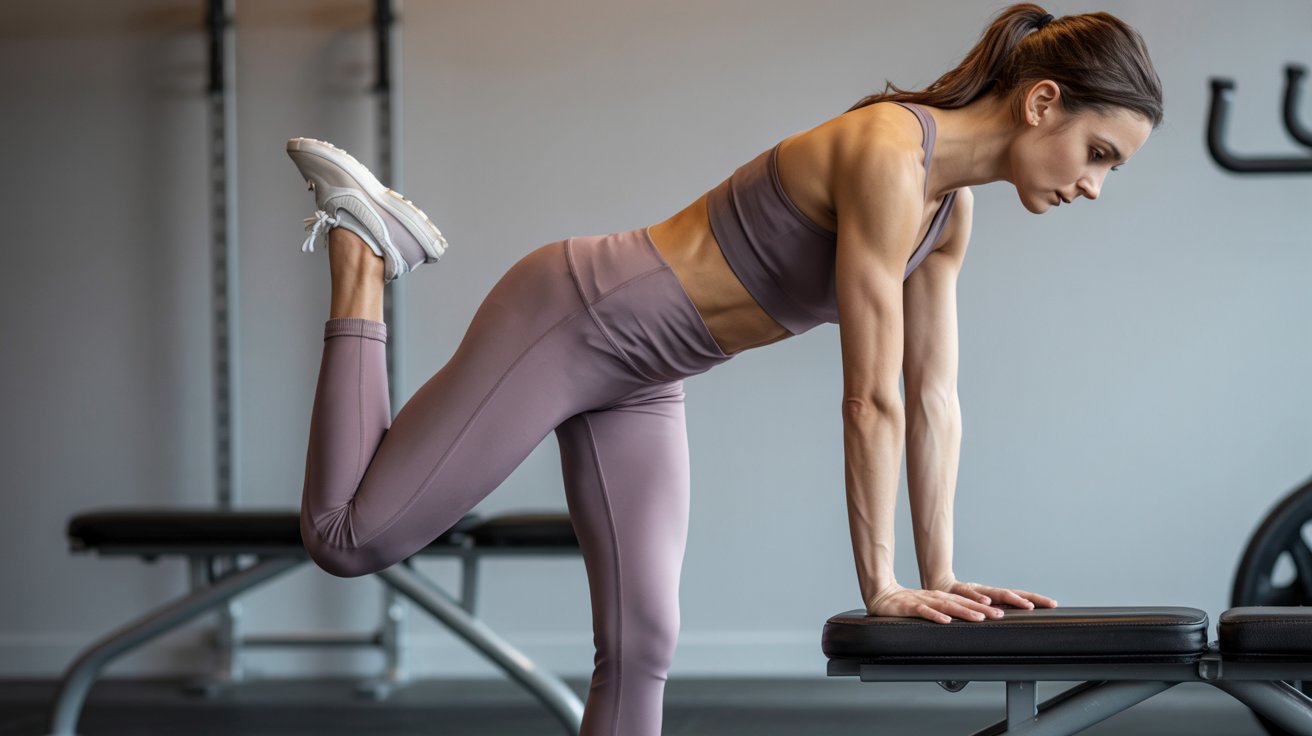
Using a bench or step raises the height of your leg, which increases the intensity of the stretch.
Place one foot on a bench or low step in front of you. Flex your foot and lean your chest forward slightly.
The elevated surface allows your hip to rotate more, which deepens the glute stretch. This works well for those who already have some flexibility.
10. Resistance Band Standing Glute Stretch
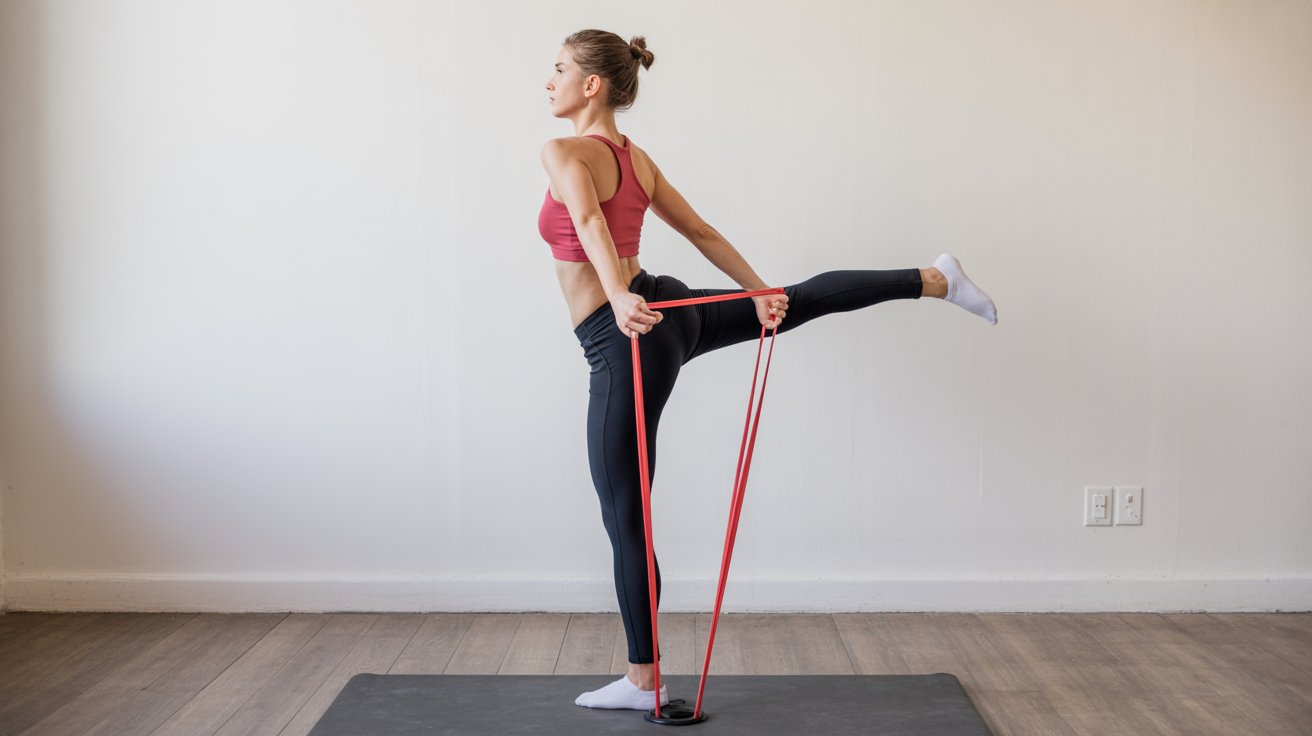
Adding a resistance band gives your glutes extra tension during the stretch, which is useful for advanced training.
Loop a resistance band around your thighs. Stand in the figure-four position and press your knee outward against the band’s resistance.
The band forces the glute to work harder during the stretch. This is a more advanced option best suited for people already comfortable with basic variations.
11. Wall-Assisted Deep Glute Stretch
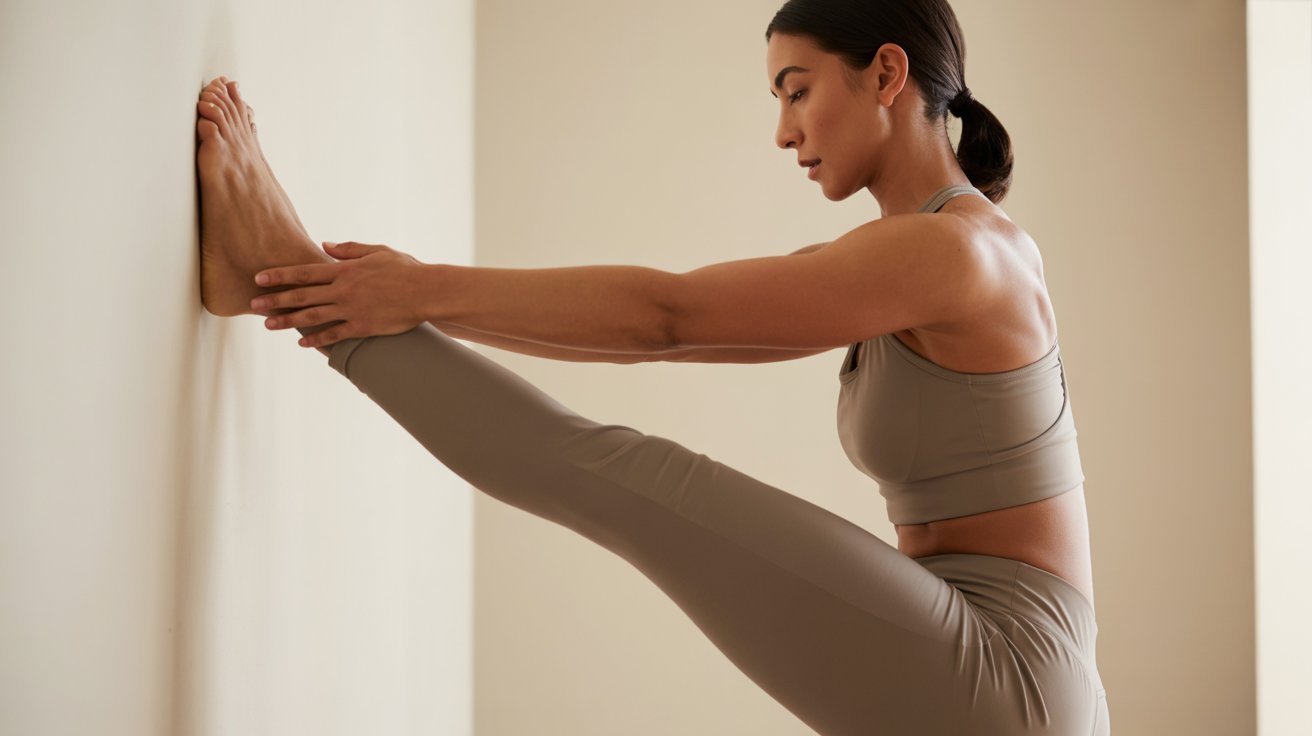
Using the wall for leverage allows you to get a deeper stretch than you might achieve on your own.
Stand sideways next to a wall and place one forearm against it. Cross one leg over the opposite knee and lean into the wall slightly.
The wall acts as a guide and helps you stay in position longer. This is especially helpful for those with tight hips.
How to Do a Standing Glute Stretch Correctly
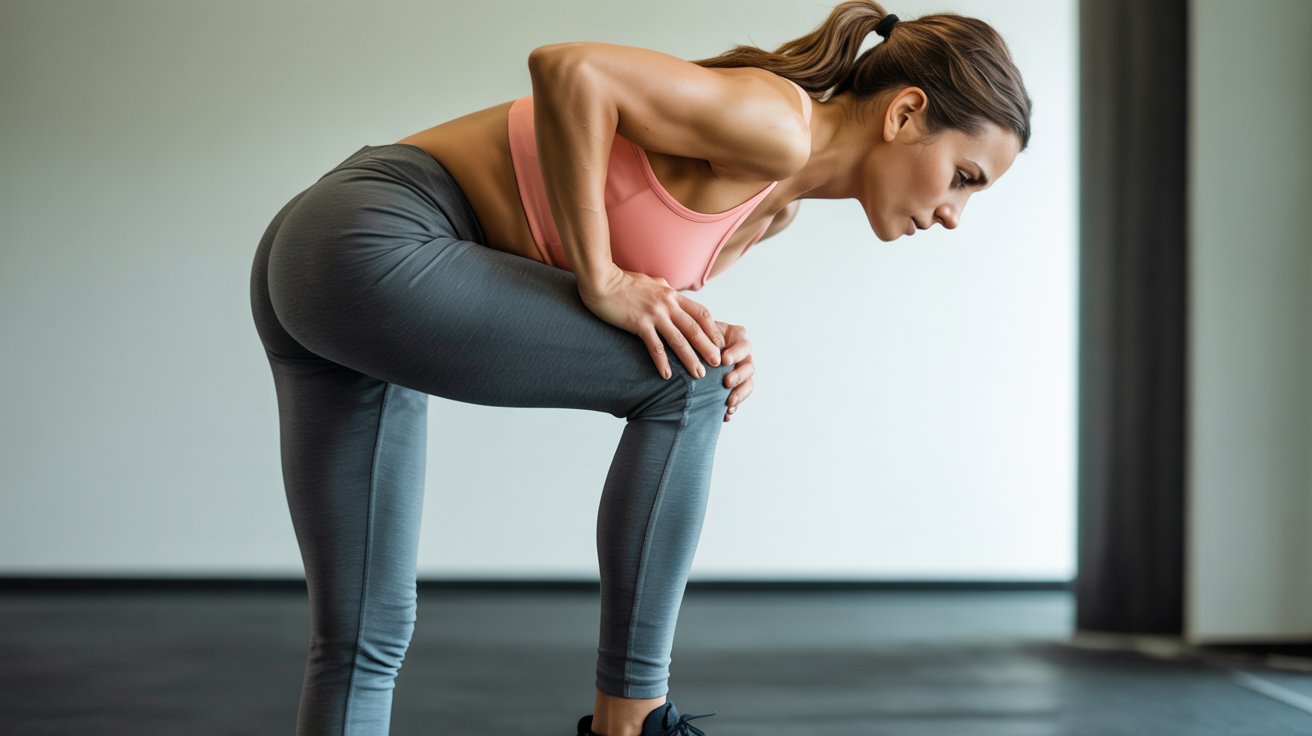
Good form matters more than how deep you go. Follow these steps for a safe and effective stretch.
Start with Proper Posture
Good posture sets the foundation for every stretch you do.
Stand with feet hip-width apart, spine neutral, and core slightly engaged. Avoid rounding your back or locking your knees.
Focus on Hip Flexion
Bringing the leg toward your body is what creates the stretch in the first place.
Lift your leg and cross it over the opposite knee. Bend the standing leg slightly and let your body lean forward. Do not force it, let gravity do the work.
Add External Rotation
Rotating the thigh outward targets the deeper glute muscles.
Gently rotate your thigh outward from the hip. Keep your knee aligned and avoid twisting inward. This small shift deepens the stretch noticeably.
Maintain Balance and Control
Losing balance mid-stretch pulls your focus away from the muscles.
Place one hand on a wall or chair if needed. Keep your core active and hold the position with control.
Hold and Breathe
Holding the stretch is where the real work happens.
Stay in position for 20 to 30 seconds. Breathe in through your nose and out through your mouth. Avoid holding your breath as it creates tension instead of releasing it.
Tips for Better Results
Consistency and patience are the two biggest factors in seeing improvement.
- Stretch at least 3 to 4 times per week for steady progress
- Use a wall or chair whenever you need support
- Do not rush into deep stretches; ease in slowly
- Focus on correct form rather than how far you go
- Combine stretching with glute-strengthening exercises for the best results
Conclusion
Standing glute stretches have made a real difference in how my hips and lower back feel after long days at a desk.
Once I started stretching consistently, the tightness that used to bother me faded noticeably. If you have been putting this off, now is a good time to start.
Try one or two variations from this guide and see how your body responds. Small, regular efforts add up.
If this helped you, feel free to share it or drop a comment below. I would love to hear how it goes for you.
Frequently Asked Questions
What is the best standing glute stretch for beginners?
The standing cross-leg stretch or the wall-assisted figure four are great starting points. Both offer support and are easy to control without needing much flexibility.
How long should I hold a standing glute stretch?
Hold each stretch for 20 to 30 seconds per side. This gives the muscle enough time to relax and lengthen properly without overstretching.
Can standing glute stretches improve balance?
Yes, they can. Since you are standing on one leg during these stretches, your core and stabilizing muscles stay active, which builds better balance over time.
Are standing glute stretches safe to do daily?
For most people, yes. Daily stretching is safe as long as you use proper form and do not push past a comfortable range. Listen to your body and rest if needed.
Is a standing glute stretch better than a seated one?
It depends on your goal. Standing variations also work your balance and core, making them more functional. Seated stretches are better if you need extra support or are working on deeper flexibility in a stable position.