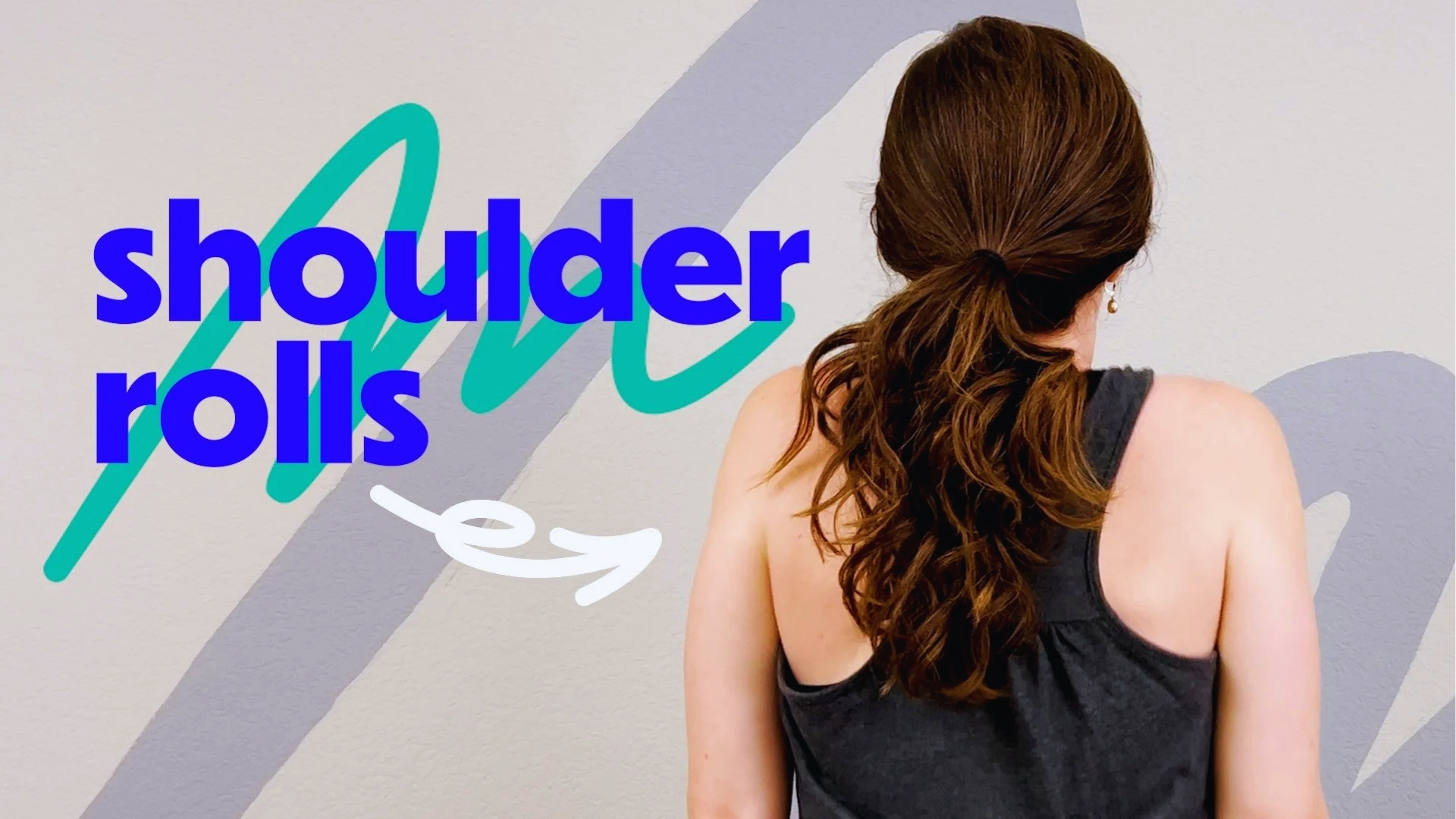
Shoulder rolls are one of the simplest moves you can do for tight, stiff shoulders and they actually work.
If you spend long hours at a desk, on your phone, or carrying stress in your upper body, this guide is for you.
I’ll cover how to do shoulder rolls correctly, their real benefits for mobility and posture, common mistakes people make, and the best times to use them during your day.
No fluff, no complicated steps, just clear, honest information backed by real movement experience that you can start using right away.
Why Shoulder Rolls Matter for Mobility and Relief
Most people don’t think about their shoulders until they start hurting. By then, stiffness has already built up from hours of sitting, typing, or looking down at a screen.
Sitting for long periods tightens the muscles around your shoulders and upper back, and your body adapts to the position you hold most often.
Shoulder rolls interrupt that pattern by reminding your muscles to relax and reset.
They also keep the shoulder joint healthy by spreading synovial fluid across the joint, which reduces friction and keeps cartilage lubricated.
Blood flow increases too, meaning less soreness and faster recovery from built-up tension.
How to Do Shoulder Rolls Correctly
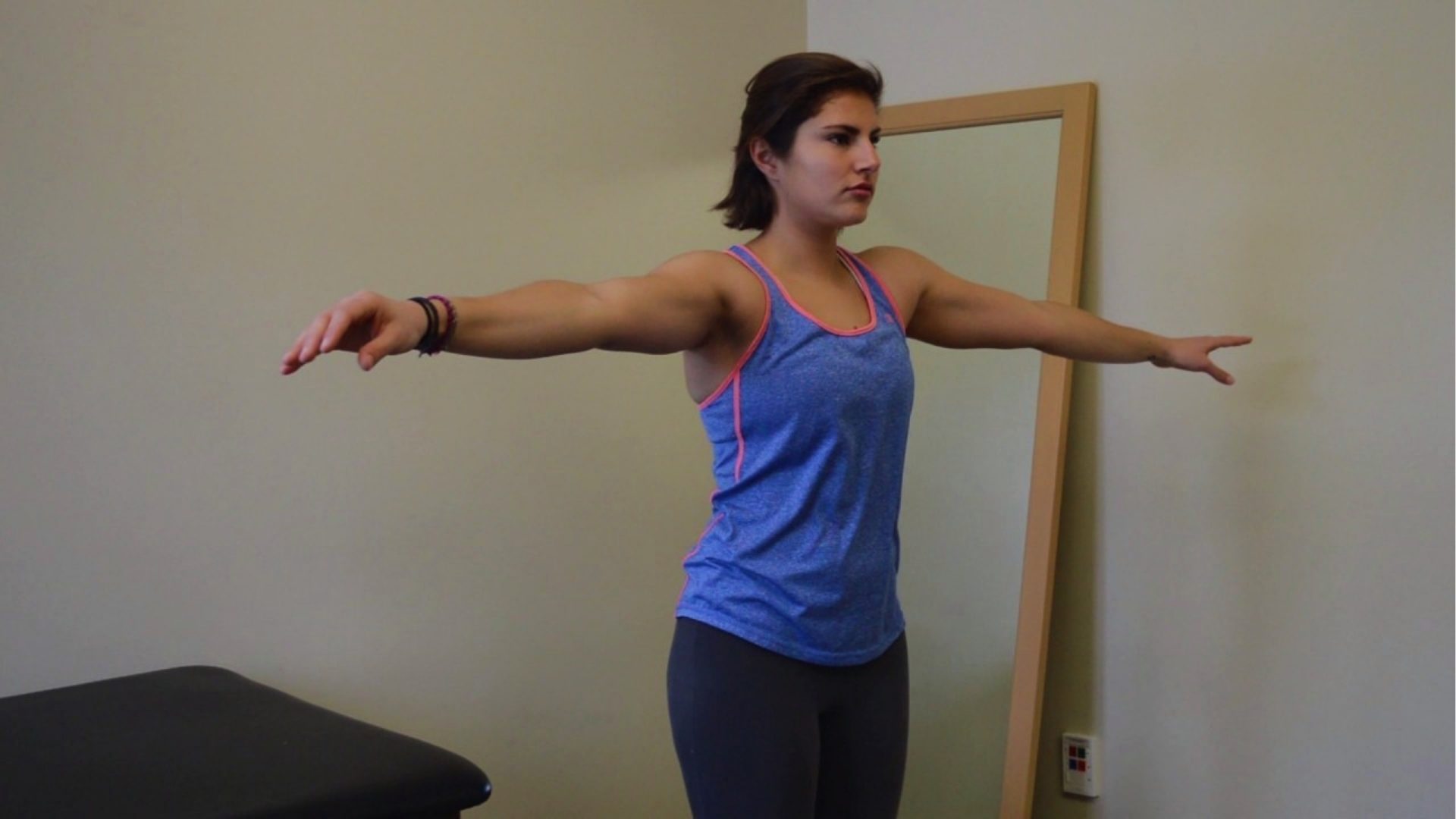
Getting the technique right matters more than doing more repetitions. A slow, controlled roll works better than a fast, sloppy one.
Standing Shoulder Rolls Setup and Posture
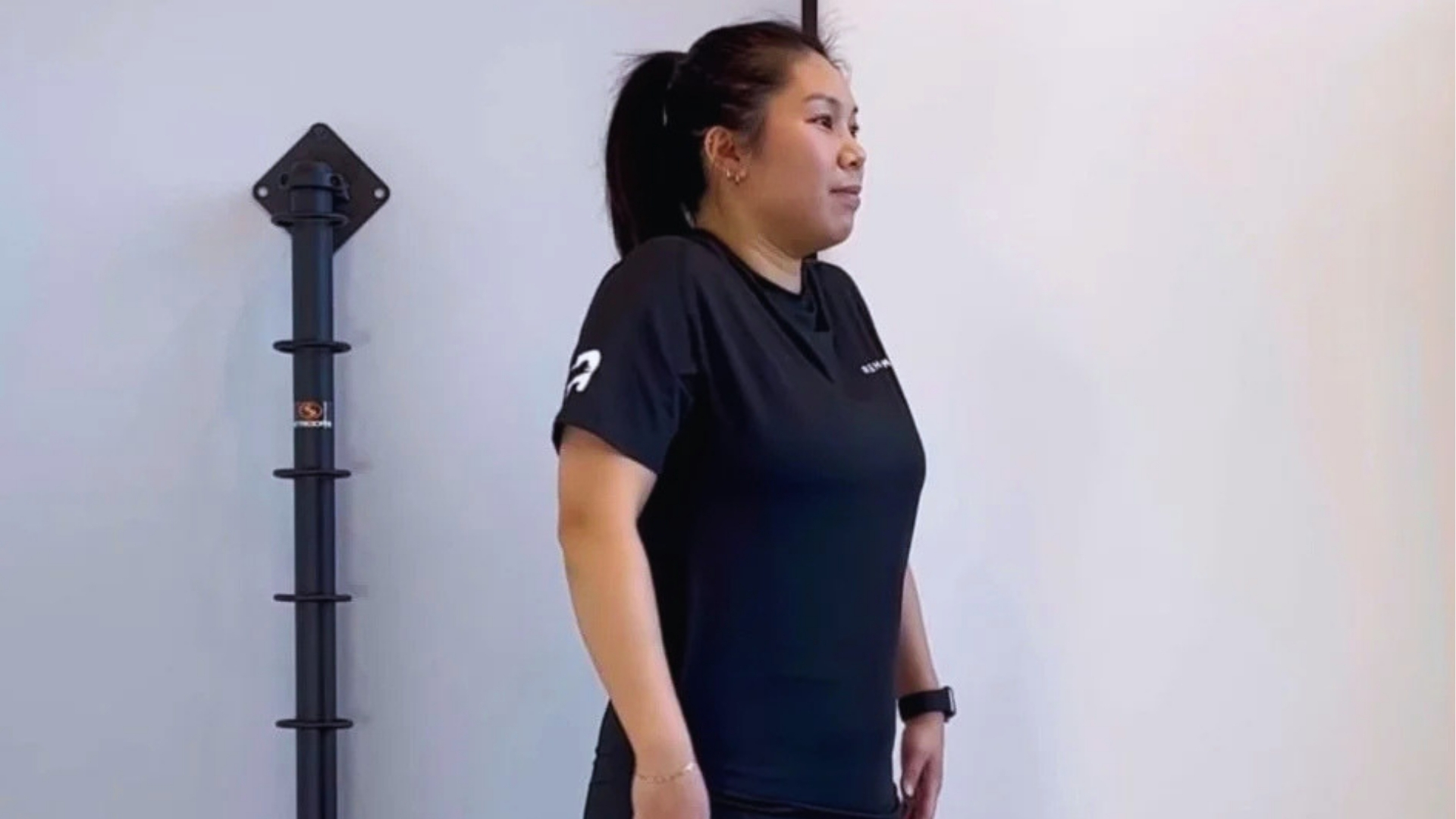
Stand with your feet shoulder-width apart. Let your arms hang naturally at your sides. Keep your chin level and your spine straight.
Do not lean forward or backward. Your starting posture sets the foundation for the entire movement. A slouched starting position reduces the effectiveness of the roll.
Backward Shoulder Rolls Technique
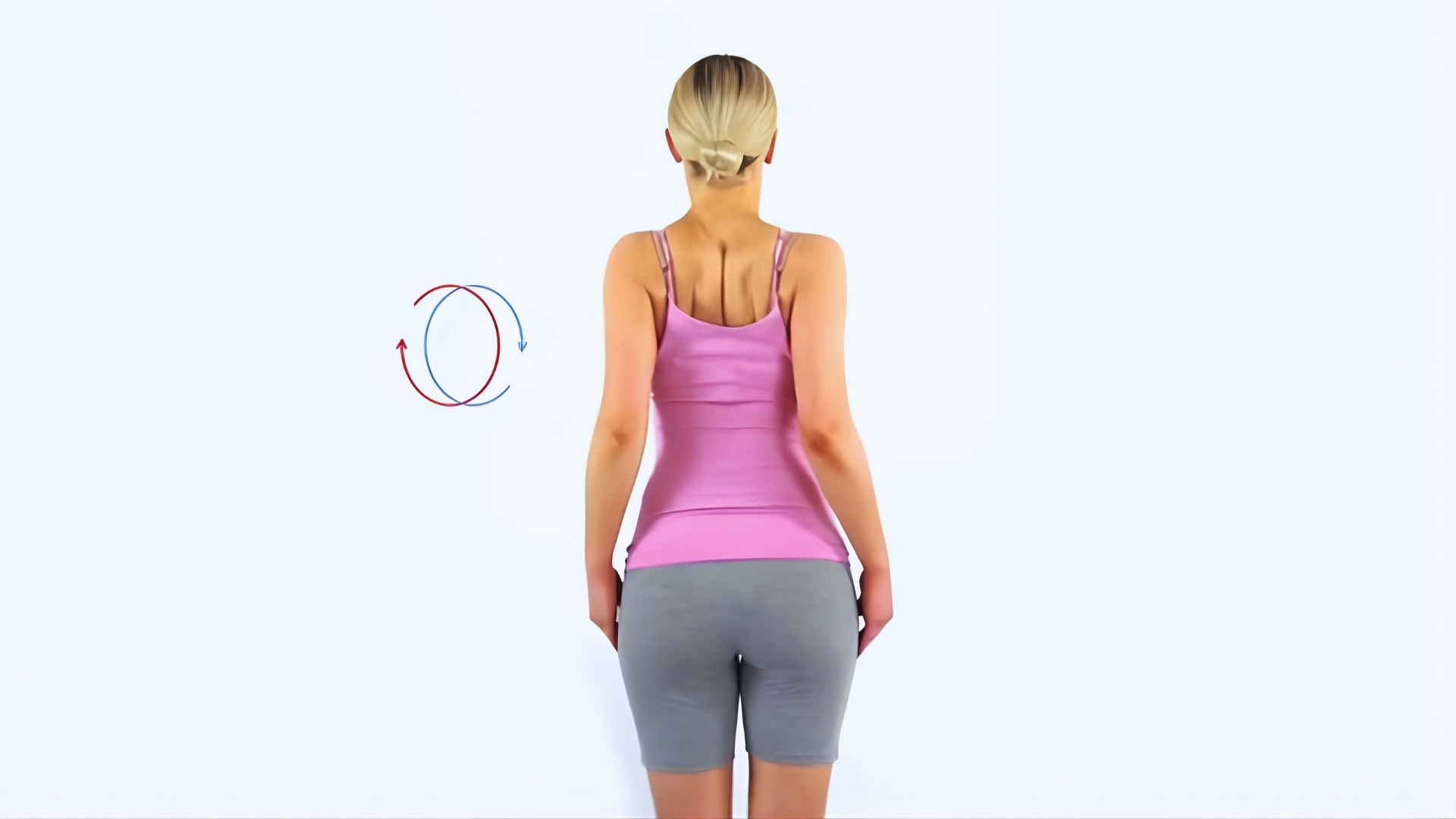
Lift both shoulders up toward your ears. Then pull them back, squeezing your shoulder blades together gently. Next, drop them down. Finally, let them move slightly forward to complete the circle.
That is one full backward roll. Move slowly through each point of the circle. Do not rush the squeeze at the back. That is where the real benefit happens.
Forward Shoulder Rolls Technique
Start by lifting your shoulders up. Then bring them forward and around, then down, and back to the starting position.
Forward rolls target the front of the shoulder and chest area. They feel different from backward rolls and work slightly different muscles. Both directions matter.
Recommended Repetitions and Pace for Best Results
Start with 8 to 10 rolls in each direction. Go at a slow, steady pace. You should feel the movement in your upper back and shoulders, not just your neck.
Do this two to three times a day. Morning, midday, and before bed works well for most people. Consistency matters more than volume here.
Muscles Worked During Shoulder Rolls
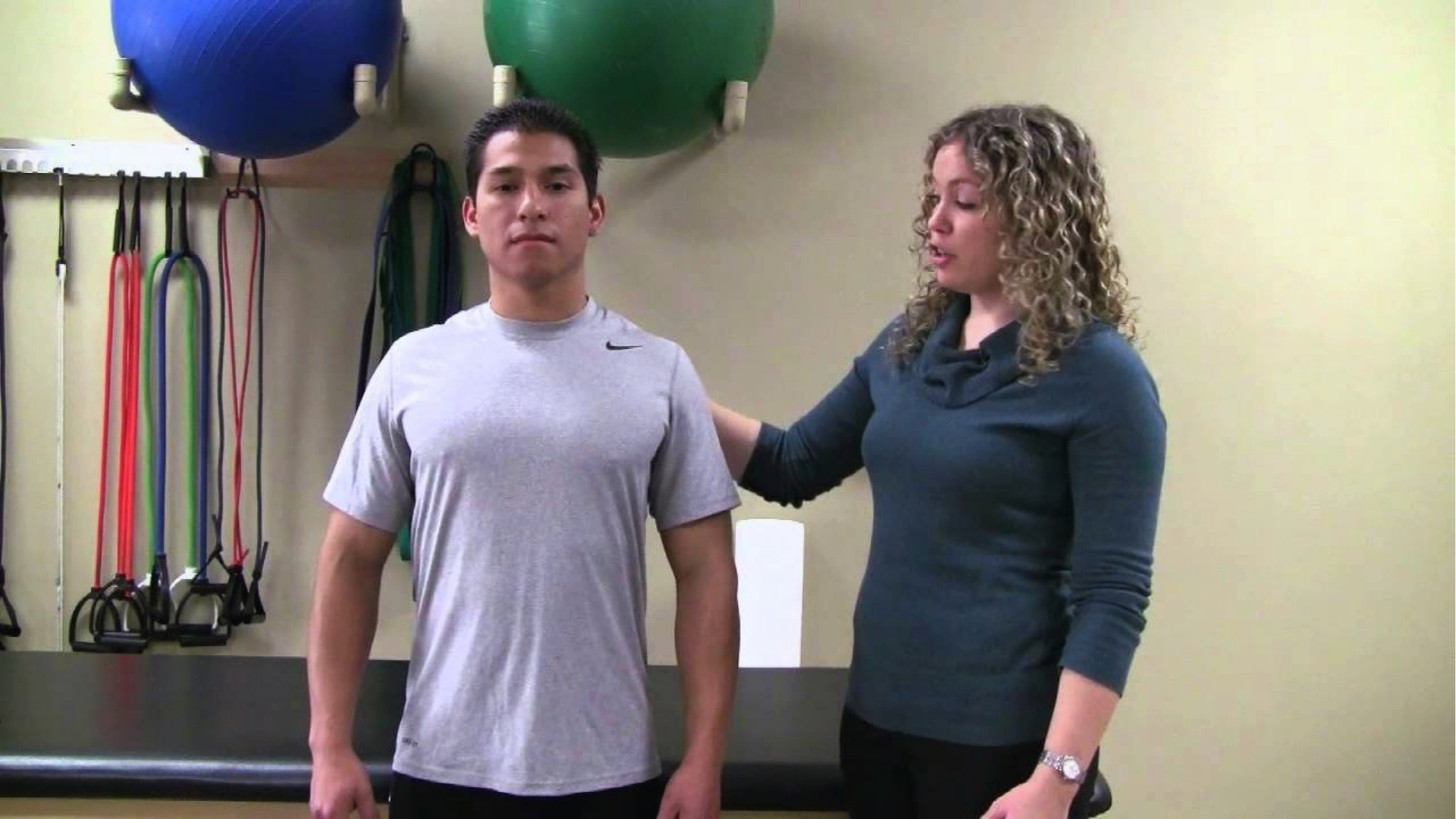
Shoulder rolls are not just for the shoulder. Several muscles across your upper body get activated with every rotation.
Trapezius
The trapezius runs from your neck down to your mid-back. It controls how your shoulder blade moves and how your shoulder lifts.
During shoulder rolls, it does most of the work. Rolling backward stretches the upper trapezius, which is usually the tightest part in people who sit all day.
Deltoids
The deltoids sit on top of the shoulder and help control arm movement. During shoulder rolls, they act as stabilizers, keeping the movement smooth rather than jerky.
Weak deltoids often lead to poor shoulder mechanics. Regular shoulder rolls keep them active and working properly.
Rhomboids
The rhomboids sit between your shoulder blades. They pull the blades together and support good posture. Most people have weak or underused rhomboids from years of sitting with rounded shoulders.
Backward shoulder rolls directly activate them. You will often feel a mild contraction in the center of your upper back during the backward phase.
Levator Scapulae
The levator scapulae connects your neck to your shoulder blade. It is one of the first muscles to tighten under stress. When it stays tense, it pulls on your neck and creates that familiar stiff, achy feeling.
Shoulder rolls move the shoulder blade through its full range, gradually loosening this muscle and reducing neck tension over time.
Variations of Shoulder Rolls for Different Needs
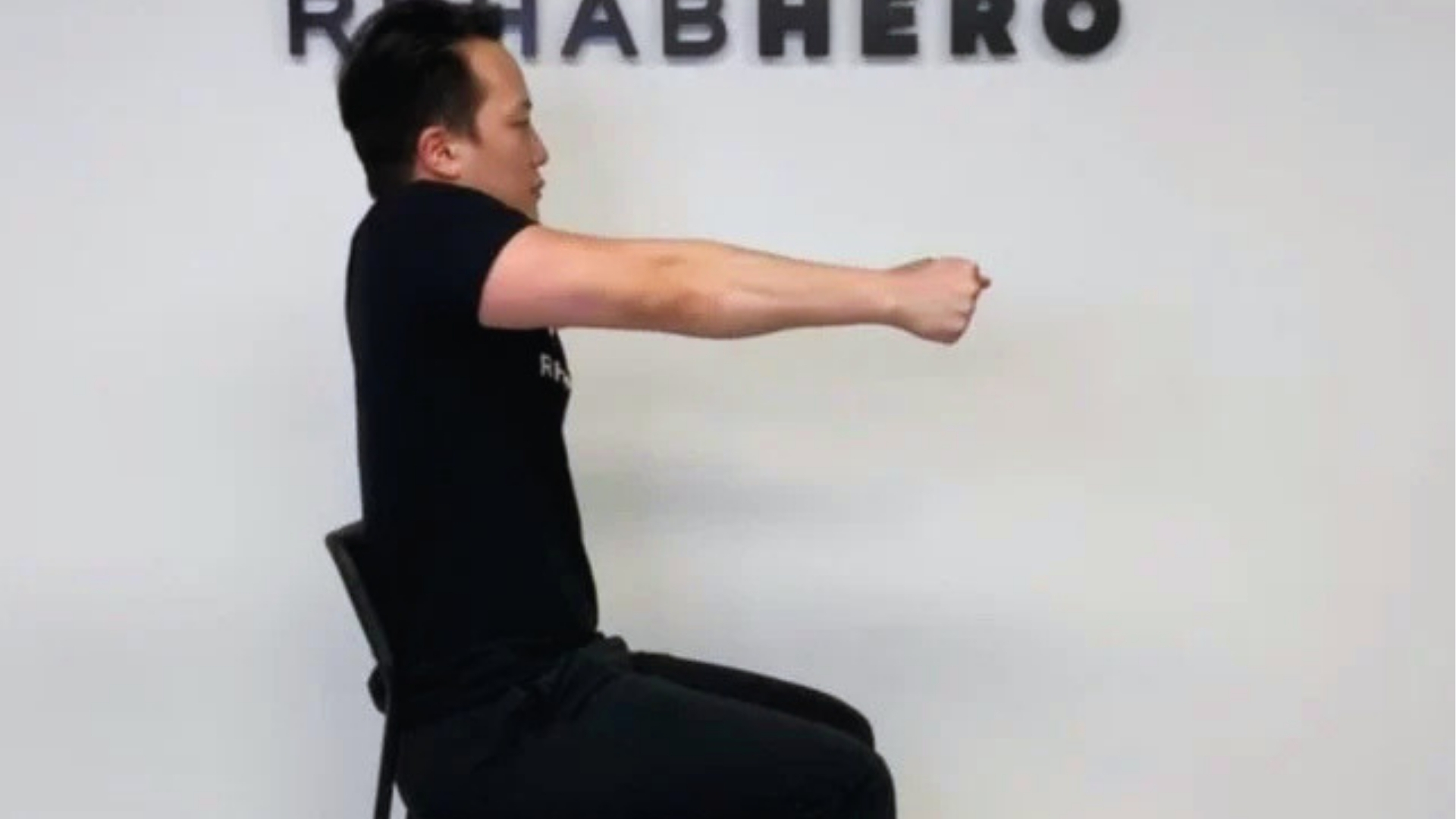
One version does not work for every person or setting. Here are four simple ways to adapt shoulder rolls to your situation.
Seated Rolls for Desk Workers
You do not need to stand. Sit upright with both feet flat on the floor and hands resting on your thighs. Follow the same circular motion. Just make sure you are not hunching forward as you roll.
Forward vs Backward Rolls
Backward rolls open the chest and wake up the upper back. They work well against the forward hunch from screen time.
Forward rolls stretch the back of the shoulder and relieve a different kind of tightness. Use both directions for best results.
Slow Rolls for Recovery
If you are sore or recovering from a minor strain, slow everything down. Reduce your range of motion slightly. Focus on what you feel at each point. Mild tension is fine. Sharp pain means stop.
Daily Micro-Break Routine
Set a timer every 60 to 90 minutes. When it goes off, do 10 backward rolls and 10 forward rolls. That is all. This small habit keeps stiffness from building up across a full workday.
Common Mistakes to Avoid During Shoulder Rolls
Most people make at least one of these mistakes without realizing it. Small fixes here make a real difference.
Rushing the Movement
Speed reduces control. When you move too fast, you skip the parts where the real work happens. Slow down to about two to three seconds per full rotation. You will feel more and get better results.
Hunching Forward
Rolling your shoulders while hunched limits how far your shoulder blade can move. Sit or stand tall before you start. Keep your chest open and your spine neutral.
Shrugging Too Hard
There is a difference between a controlled lift and tensing everything upward. Aggressive shrugging adds more tension to your neck.
Keep the lift gentle. Think of a smooth circle, not a forceful push.
Forgetting to Breathe
Holding your breath keeps your muscles tense and reduces the relaxing effect of the exercise. Breathe in as your shoulders rise.
Breathe out as they drop. That simple rhythm makes the whole movement more effective.
Tips for Maximizing Shoulder Rolls Benefits
These practical habits help you get more from an already effective movement.
- Go slow. Take two to three seconds per full rotation. Ten slow rolls beat thirty fast ones every time.
- Sit or stand tall. An upright spine lets your shoulder blades move freely. A rounded spine blocks the movement.
- Check your posture. Use a mirror occasionally. It helps you catch habits you would not notice otherwise.
- Add neck and chest stretches. A quick chin-to-chest stretch and a chest opener after your rolls takes under three minutes and works the connected muscles too.
- Do it at least twice a day. Morning and evening work well. Tie it to an existing habit so it sticks.
- Be consistent. One session will not fix chronic tightness. Regular practice over days and weeks is what creates real, lasting change.
Conclusion
Shoulder rolls are small, but they show up for you every single time. I started doing them during long writing sessions, and the difference in how my shoulders and neck felt by evening was noticeable within just a few days.
No equipment, no extra time, just a simple habit that actually works. If your shoulders feel tight right now, try 10 slow backward rolls before you leave this page.
Then make it a daily thing. Got questions or noticed a difference after trying them? Drop a comment below. I would love to hear from you.
Frequently Asked Questions
How many shoulder rolls should I do per day?
Aim for 10 rolls in each direction, two to three times a day. Consistency matters more than doing a large number in one sitting.
Are shoulder rolls good for neck pain?
Yes, they can help. Shoulder rolls loosen the levator scapulae and upper trapezius, both of which contribute to neck tension when tight.
Should I do forward or backward shoulder rolls?
Both have value. Backward rolls open the chest and activate the upper back. Forward rolls stretch the back of the shoulder. Doing both gives better overall results.
Can I do shoulder rolls every day?
Yes, shoulder rolls are gentle enough for daily use. They are low-impact and safe for most people, including those in light rehabilitation.
When is the best time to do shoulder rolls?
Morning works well to loosen up after sleep. Midday helps reset tension from sitting. Evening rolls can help your body wind down before bed.