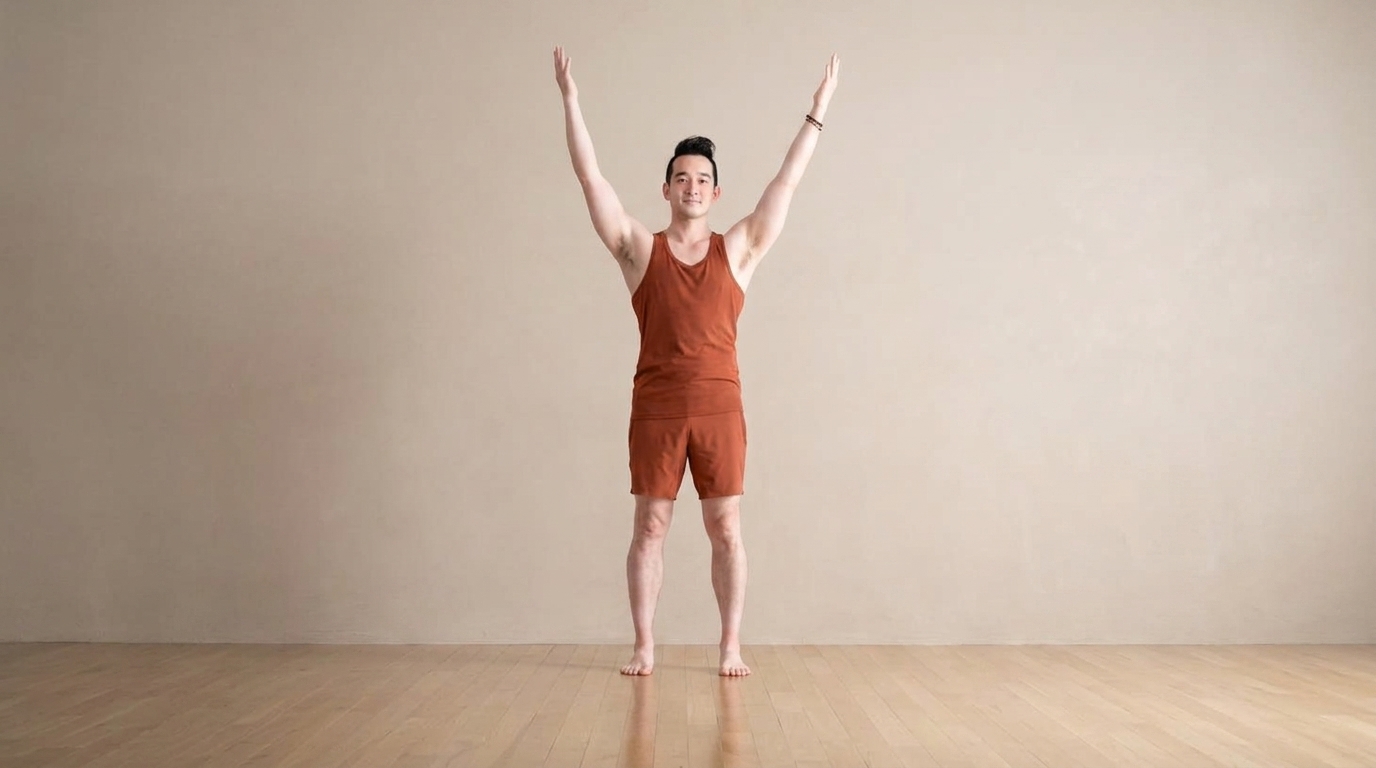

Whether it is a sports incident or a slip-and-fall, foot injuries are fairly common among people of all ages and lifestyles. These injuries quickly affect your daily life, as they restrict mobility and impact your day-to-day abilities. For athletes, fitness enthusiasts, or any active person, a foot injury can be especially frustrating.
There is good news, though! Gentle exercises are possible, even after injury, and they can help boost circulation, maintain strength, and improve your mood. However, you always need to prioritize safety. If you’re interested in discovering safe workouts for a foot injury, consult a reputable foot doctor in your area for guidance.
The Importance of Prioritizing Safety When Exercising with a Foot Injury
Whether it’s a sprain, a fracture, or serious inflammation, understanding your injury is essential. A proper professional diagnosis can make all the difference here; it helps determine the severity of the issue and the right approach for foot and ankle recovery. If you have a foot injury, only start working out once you get the green light from your doctor.
Do not perform weight-bearing exercises if your healthcare professional prohibits them. Working out through pain and discomfort often delays healing and may worsen damage to your foot. Starting with low-impact, shorter, and controlled sessions can be more helpful than long, high-impact exercises.
However, your daily habits matter, too. Using tools like braces, cushions, and chairs helps reduce strain on your feet during these workouts. If your doctor recommends recovery tools such as braces, crutches, mobility scooters, and canes, be careful to follow the instructions. Safety always needs to be your top priority, whether you’re exercising or simply lying down.
Safe Cardio Options
Cardio exercises are perfect workouts that elevate heart rate and breathing to improve cardiovascular health and metabolism. The following exercises are suitable even for individuals with a foot injury.
Seated Cardio
Seated cardio exercises are easy and most accessible. While sitting on a chair or the floor, you can perform seated jacks, arm punches, knee pulls/raises, and fast-paced arm swings. These exercises do not require weights or equipment, and get your heart pumping in no time.
Swimming/Pool Workouts
Water offers a zero-impact environment that takes pressure off your injured foot. The water also adds resistance, so activities like swimming or water aerobics also offer significant cardiovascular benefits. If needed, you can use a pull-buoy to lift your upper body and take the pressure off your legs.
Upper-body Ergometer
An upper-body ergometer lets you cycle with your arms, improving endurance without using your feet. Adjust the seat to your height so your arms are slightly bent, and start with a low-resistance, 10-minute warm-up. Increase the intensity as your stamina develops, but avoid straining your feet; if your posture leads to discomfort, make changes accordingly.
Recumbent Bike
Once you’ve healed for some time, ask your doctor if a recumbent bike is suitable for you. It has a reclined, seated position with lumbar support that reduces pressure on your legs. It promotes mobility while reducing weight-bearing pressure on ankles. Start with low resistance and make sure your feet rest comfortably at all times.
Core Workouts without Foot Strain
Core workouts are essential to build stability and strength safely. When you have a foot injury, these exercises can help you strengthen your core without putting pressure on your legs.
Floor-based Core Exercises
Dead bug exercises and pelvic tilts are perfect for engaging your core without putting pressure on your feet. The dead bug exercise begins with you lying flat on your back, with your right arm straight up and your left leg bent at 90°. Extend these outward, with your arm above your head and your leg straightening, then return to center.
For pelvic tilts, keep your core engaged at all times. Start by lying on the floor, bending your knees, and placing your feet flat on the floor. Tighten your core and buttock muscles, tilt your pelvic muscles back, and press your lower body firmly to the floor.
Seated Core Exercises
Seated workouts are a safe way to engage your abdominal muscles while nursing an injured foot. You can try seated knee lifts, a low-impact exercise that targets abdominal muscles and hip flexors. You’ll want to sit on a chair and place your feet hip-width apart. Lift one knee to your chest, engage core muscles, and hold for 2-3 seconds. Place the feet on the ground gently and repeat on the other side.
You can also try seated torso twists. Simply sit on a sturdy chair, feet placed hip-width apart. Rotate your upper body to one side and hold for 10-15 seconds. Repeat the same on the other side.
Strength Training While Injured
Strength training helps maintain muscle mass and strengthen the body. You still can perform these exercises when you have an injured foot, but stay careful at all times.
Upper Body Strength
If your doctor recommends exercises with weights, you also have the option to use dumbbells or resistance bands. Seated or lying exercises such as bicep curls, shoulder presses, and chest presses can be effective for improving upper-body strength without affecting your feet.
Lower Body Work
It is possible to strengthen your lower body without aggravating your condition. You can perform simple exercises, like glute bridges, hip thrusts, and side-lying leg raises, easily from your home. These boost your lower body’s stability by targeting the muscles needed to stay upright.
Resistance Bands
Resistance bands are excellent options. With them, you can work through controlled, low-impact strengthening of quads, hamstrings, glutes, and hips without putting pressure on your feet. Seated leg extensions, side-lying hip abductions, and banded lateral walks are also ideal; they’re simple methods that help you build strength while healing.
Recovery Tips and When to Progress
When it comes to foot or knee recovery, rest and rehabilitation are as important as physical exercises. Make sure to incorporate rest days and rehabilitation exercises recommended by your healthcare professional in your fitness routine.
It helps to:
- Use recovery tools such as braces, crutches, and ice packs as instructed.
- Only add weights when it feels safe and pain-free.
- Gradually increase the intensity and frequency of your workout.
- Watch for signals from your body, including swelling or pain.
Patience is the most crucial aspect of the recovery process. Make sure to start slowly and stay consistent to see progress without harming your already injured foot.
Final Thoughts
A foot injury does not always mean a passive lifestyle. You can continue your fitness journey by following low-impact cardio, core, and strength-training exercises. To keep things running smoothly, you’ll want to make the right modifications to help you stay active and healthy as your foot heals.
Staying consistent and aware of your body helps to achieve your fitness goals without worsening the condition. Make healing your priority, and patiently, you can return to your fitness routine with strength and confidence.