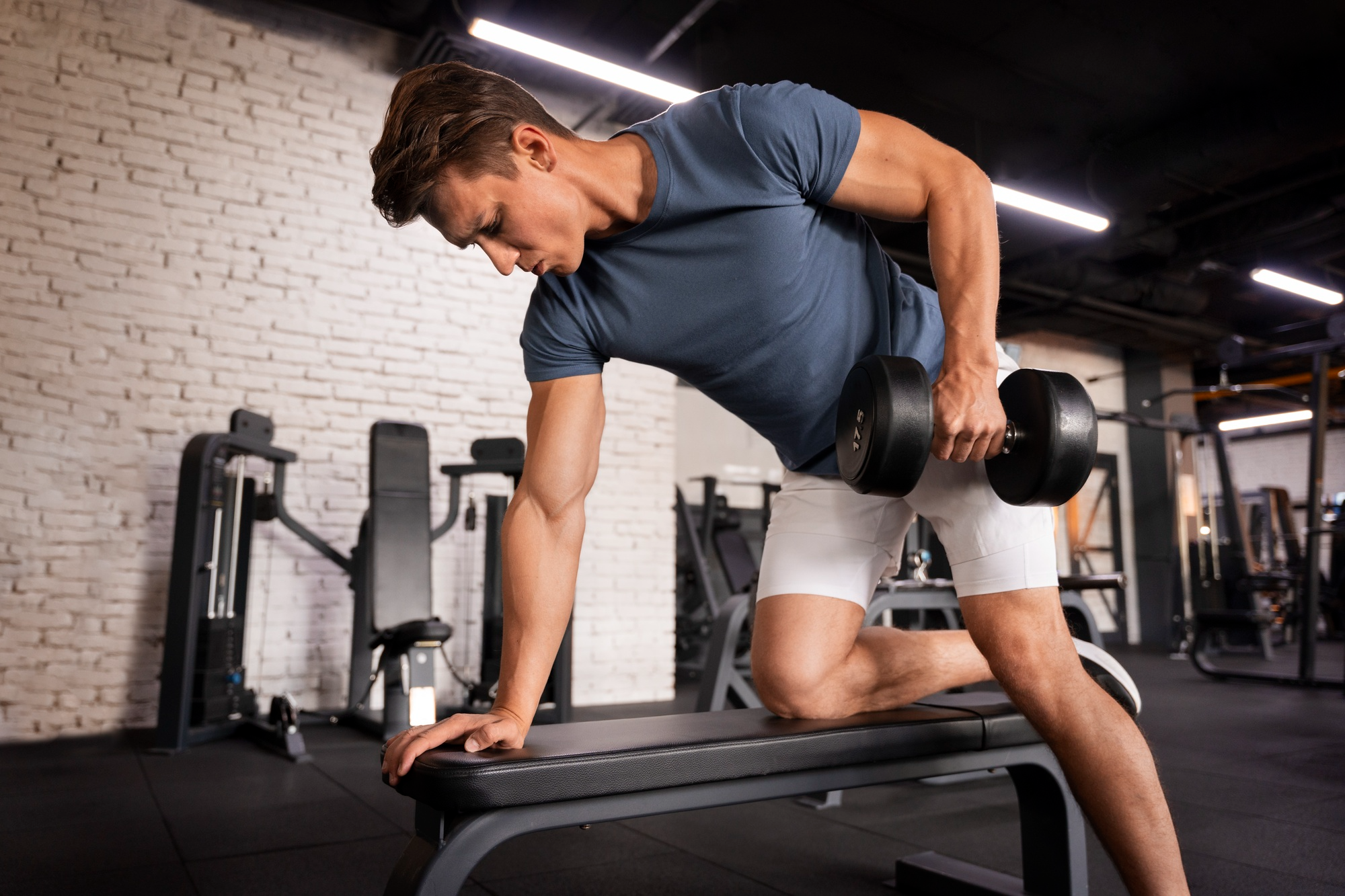

A man performs a dumbbell exercise in a gym, focusing on strength training with weights.
I used to train arms three times a week and still couldn’t figure out why my forearms looked flat and my grip kept failing on pull days.
Then I added one exercise. Just one.
Turns out, reverse curls muscles worked go way deeper than most people think. It’s not just a forearm move. The right grip change hits muscles your regular curls completely miss.
In this guide, I’ll break down exactly what fires, what doesn’t, and why dumbbell, barbell, and EZ bar reverse curls muscles worked differently than you’d expect.
Let’s get started.
What Are Reverse Curls and How Do They Work?
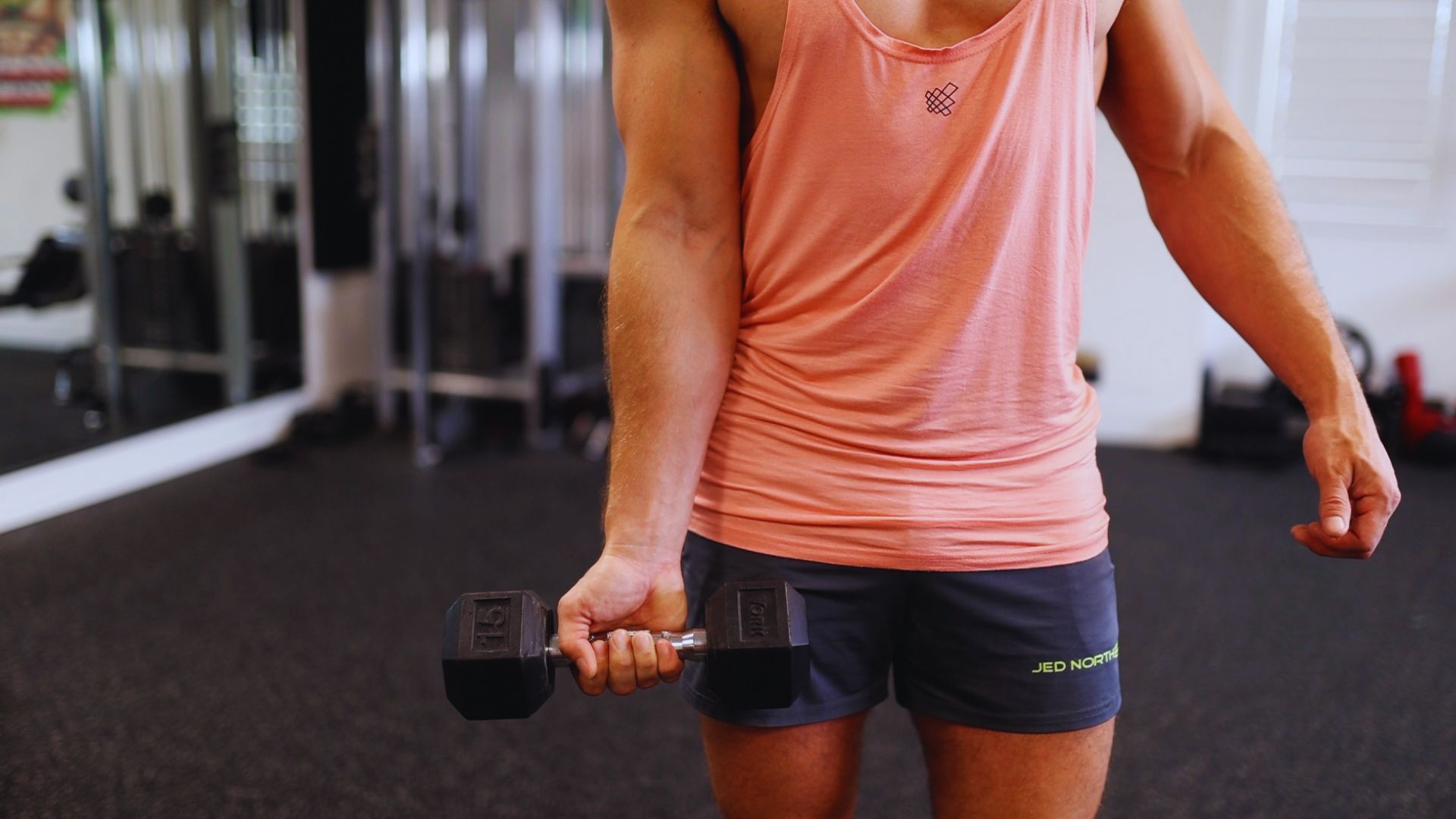
A man in a pink tank top is lifting two dumbbells, showcasing his strength and fitness routine.
Reverse curls are a curl variation where you grip the bar with your palms facing down instead of up. This small change shifts the workload from your biceps to your forearms and brachialis.
The pronated grip forces your forearm muscles to work harder to control the weight. Your biceps still help, but they’re no longer the main focus.
Compared to standard curls, reverse curls reduce biceps involvement and increase forearm extensor activation. Think of it as a curl that trains the parts of your arm most people ignore.
To do them right, stand tall with feet shoulder-width apart, keep your elbows locked at your sides, and curl the weight up slowly.
Lower with control and repeat. Common beginner mistakes include letting the elbows drift forward, bending the wrists back, and rushing through reps.
Reverse Curls Muscles Worked (Detailed Breakdown)
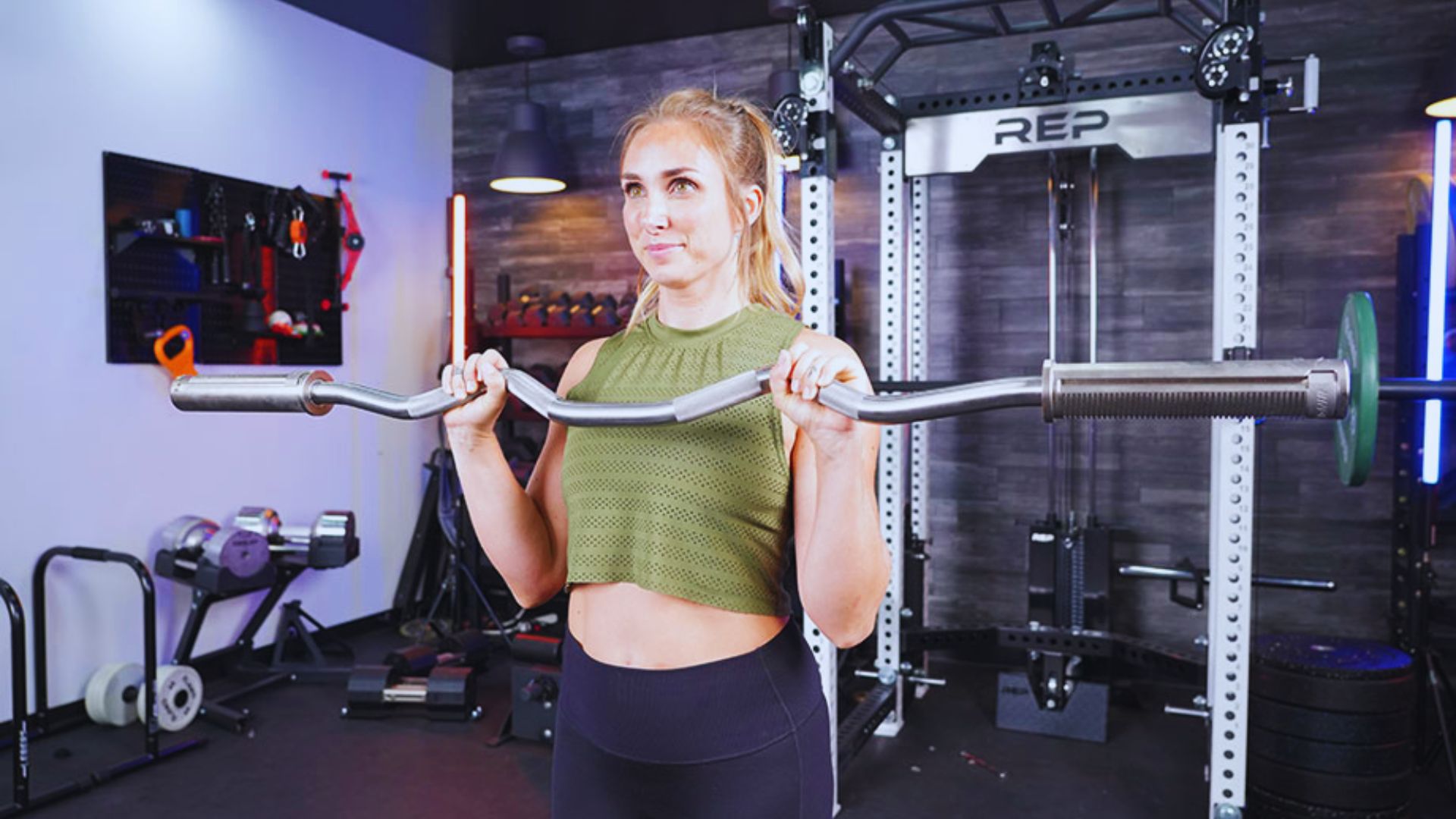
A woman lifts a barbell in a gym, demonstrating strength and focus during her workout session.
The primary muscle is the brachioradialis. It runs along the outside of your forearm and becomes the dominant mover the moment you flip your grip.
Your biceps brachii and brachialis play a secondary role. The brachialis sits underneath the biceps and adds thickness to the upper arm. Both assist during the curl but don’t lead.
Your forearm extensors and wrist stabilizers work hard to keep the bar steady throughout the movement.
These muscles rarely get direct training, which is exactly why reverse curls are worth adding.
Compared to standard curls, reverse curls shift activation away from the biceps and toward the forearm and elbow muscles.
How Reverse Curls Build Stronger Biceps and Forearms
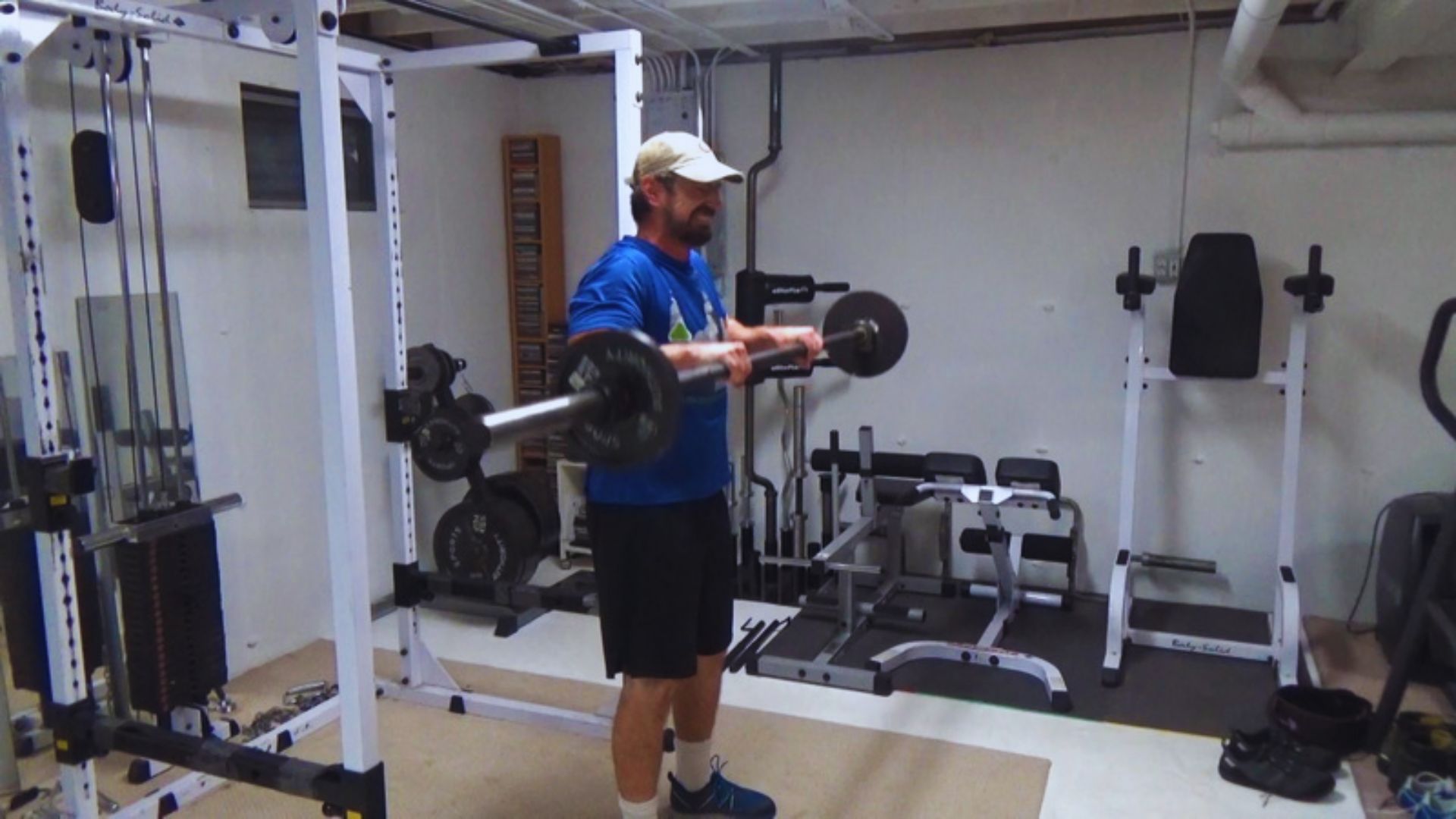
A man performs a barbell exercise in a gym, focusing on strength training with proper form and concentration.
Forearm thickness is one of the most visible benefits. The brachioradialis gets very little work from standard curls, so reverse curls fill that gap directly.
Grip strength also improves. Stronger forearms mean you can hold heavier weights longer in deadlifts, rows, and pull-ups.
Reverse curls also support elbow joint health. Strengthening the brachialis reduces strain on the elbow during heavy pressing and pulling.
Many people who add reverse curls report fewer elbow aches over time.
For arm balance, this exercise matters a lot. If your forearms lag behind your biceps, reverse curls help correct that imbalance without complicated programming.
Reverse Curl Variations and Their Muscle Emphasis
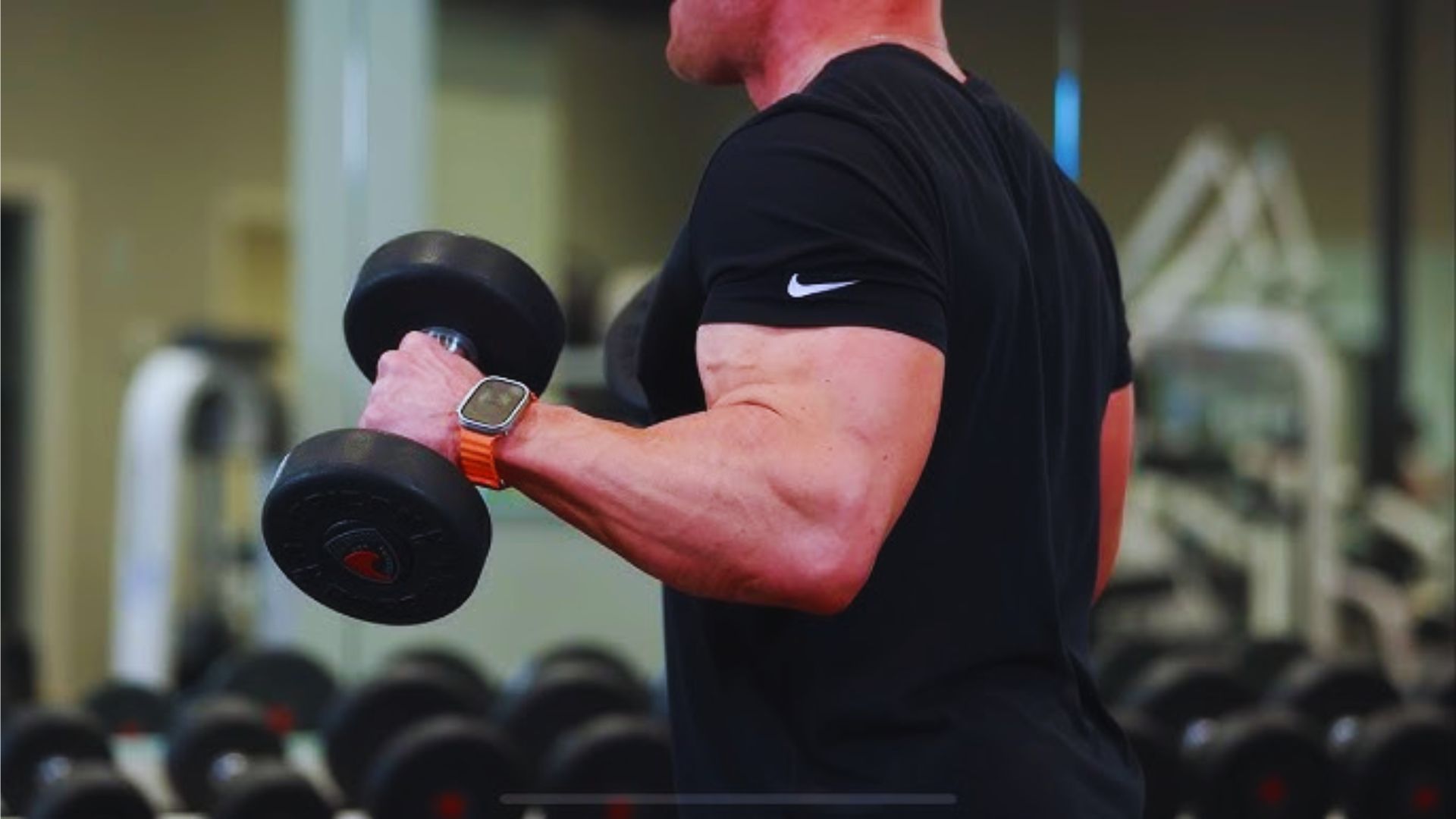
A man is lifting weights in a gym, focusing on his strength training routine.
Dumbbell reverse curls let each arm work independently. This helps fix strength imbalances and adds more stability demand through the wrists and forearms.
The muscles worked are the same as the barbell, but with slightly more unilateral control required.
Barbell reverse curls allow heavier loading, which means more stimulus for the brachioradialis. The fixed wrist position also increases brachialis involvement compared to other variations.
EZ bar reverse curls are easier on the wrists.
The angled grip reduces forearm stress while still hitting the same target muscles. They’re ideal for anyone who finds the straight bar uncomfortable.
Choosing between them comes down to your needs.
Go with the EZ bar for wrist comfort, the barbell for maximum forearm mass, and dumbbells if one arm is noticeably weaker than the other.
How to Add Reverse Curls to Your Workout Routine
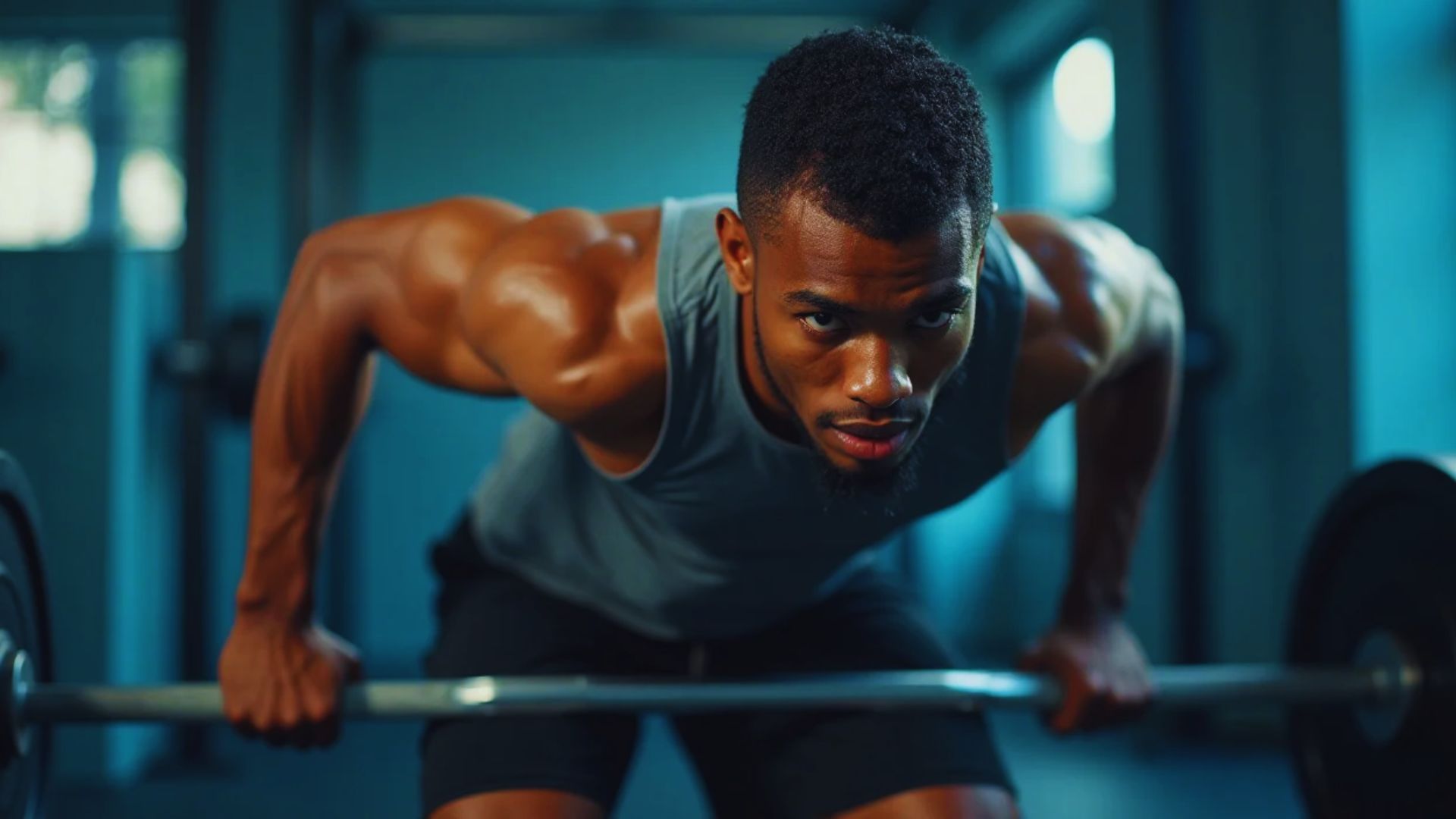
A man performs a barbell squat in a gym, focusing on his form and strength training.
Adding reverse curls to your program doesn’t need to be complicated. They fit naturally into arm days or at the end of any pull session. Start light, focus on form, and build from there.
- Sets and reps for growth: 3 to 4 sets of 10 to 15 reps
- Best placement: After heavier bicep work, not before it
- Who benefits most: Anyone with weak forearms, poor grip, or elbow discomfort
- Weekly frequency: Twice per week for most people
- Load: Use 20 to 30 percent less than your regular curl weight
If you’re new to this movement, once a week is plenty. Your wrists and forearms need time to adapt. After two to three weeks, increase frequency or add a second working set.
Reverse Curls vs Other Arm Exercises
Reverse curls fill a specific gap that hammer curls and regular bicep curls don’t cover. Here’s how they compare.
|
Exercise |
Primary Target |
Grip |
Best For |
|
Reverse Curls |
Brachioradialis, Forearms |
Overhand (pronated) |
Forearm size, grip strength |
|
Hammer Curls |
Brachialis, Brachioradialis |
Neutral |
Overall arm thickness |
|
Standard Bicep Curls |
Biceps Brachii |
Underhand (supinated) |
Bicep peak and size |
Prioritize reverse curls when your forearms are underdeveloped or your grip is holding back other lifts.
They pair well with hammer curls since together they hit the brachialis from two angles and build fuller arm thickness.
Common Reverse Curl Mistakes to Avoid
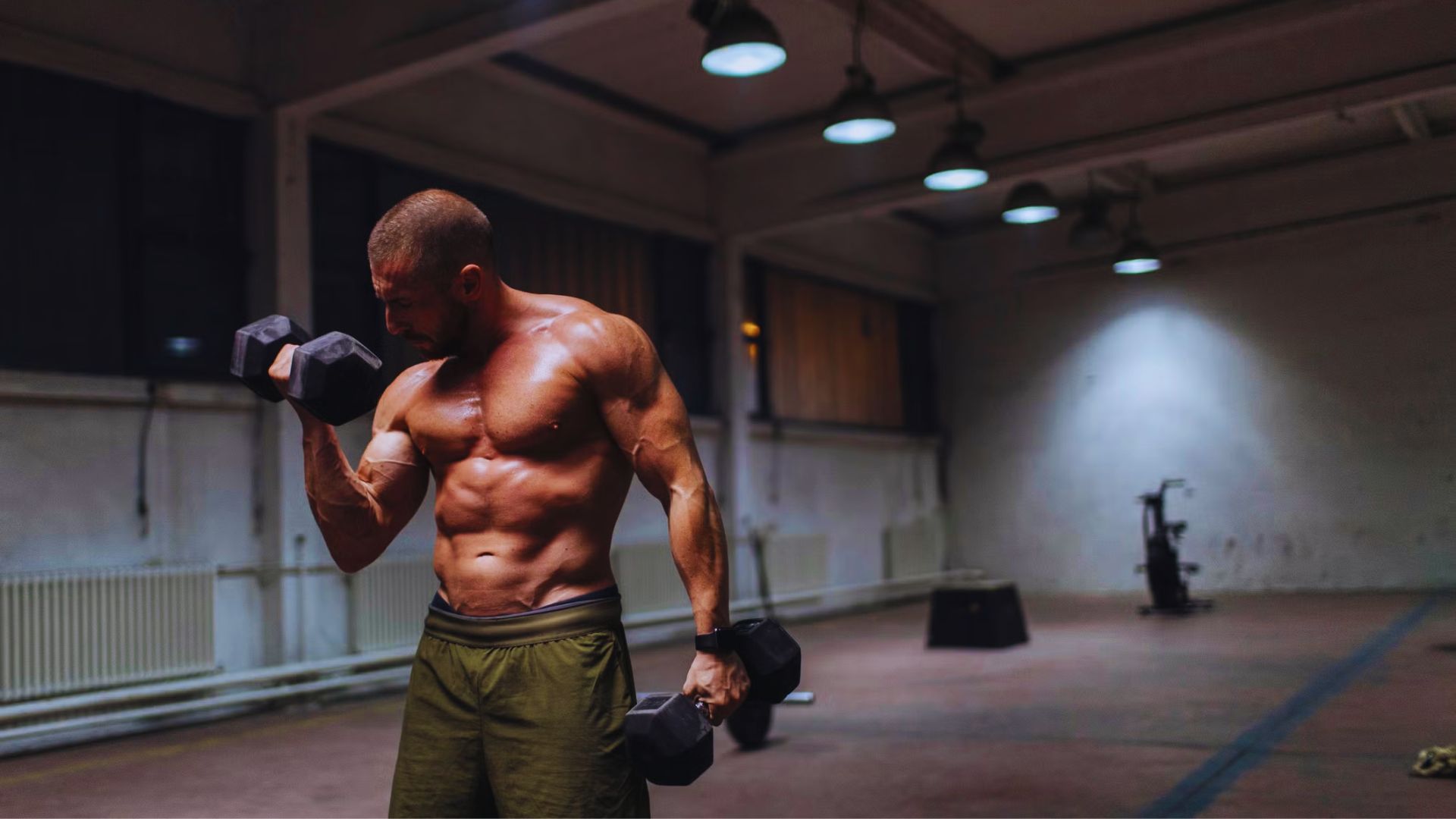
A man is lifting weights in a gym, focusing on his strength training routine.
Reverse curls look simple but are easy to do wrong. Most people get the grip right and then lose control of everything else.
Getting the details right from day one will save you wasted reps and wrist strain.
- Swinging the weight up: This takes tension off your forearms completely. Keep reps slow and deliberate.
- Bending the wrists back: Wrists should stay neutral throughout. Letting them bend reduces activation and stresses the joint.
- Going too heavy too soon: Reverse curls require less weight than standard curls. Ego loading leads to poor form fast.
- Cutting range of motion short: Full extension at the bottom and a complete curl at the top activates all target muscles. Half reps give half results.
- Letting elbows flare out: Keep them tucked at your sides to properly isolate the forearms and brachioradialis.
Start with a weight that feels almost too easy. Once your form is solid for two full weeks, then add load. That foundation is what makes progress stick.
Conclusion
I’ll be honest. Reverse curls felt awkward the first few weeks. My wrists were tired, and the weight humbled me fast.
But I stuck with it. And the results showed up in places I didn’t expect, stronger pulls, better grip, fuller arms.
You don’t need a new program. You just need to add one move you’ve been skipping.
Start this week. Pick your variation, add it to your next session, and stay consistent for six weeks. Then come back and tell me how it went.
Drop your experience in the comments below.
Frequently Asked Questions
Do reverse curls work forearms more than biceps?
Yes. The brachioradialis is the primary mover, and it’s a forearm muscle. Biceps assist but don’t lead.
Are reverse curls effective for building arm size?
They’re very effective for forearm thickness and brachialis development. Pairing them with standard curls gives more complete arm growth.
How often should I train reverse curls?
Twice per week works for most people. Beginners should start with once a week to let the wrists and forearms adapt.
Can beginners perform reverse curls safely?
Yes, as long as they start light and keep the wrists neutral. It’s a low-risk move when done with proper form.
Which reverse curl variation is best for muscle growth?
The barbell version allows the most loading and tends to produce the most stimulus. The EZ bar is a strong alternative for anyone with wrist sensitivity.