I remember my first time at the gym, loading plates without counting the bar. My numbers were off every single time.
If you have ever wondered about Olympic bar weight, you are in the right place.
This article covers the exact weight of an Olympic bar in kg and lbs, why gyms say 45 lbs instead of 44, how different bar types vary, and how to calculate your total lift correctly.
I have been tracking lifts for years, and one thing I know for sure: ignoring bar weight quietly kills your progress.
Trust the numbers, and your training gets sharper. Let's fix that right now.
Olympic Bar Weight (Quick Answer in KG and LBS)
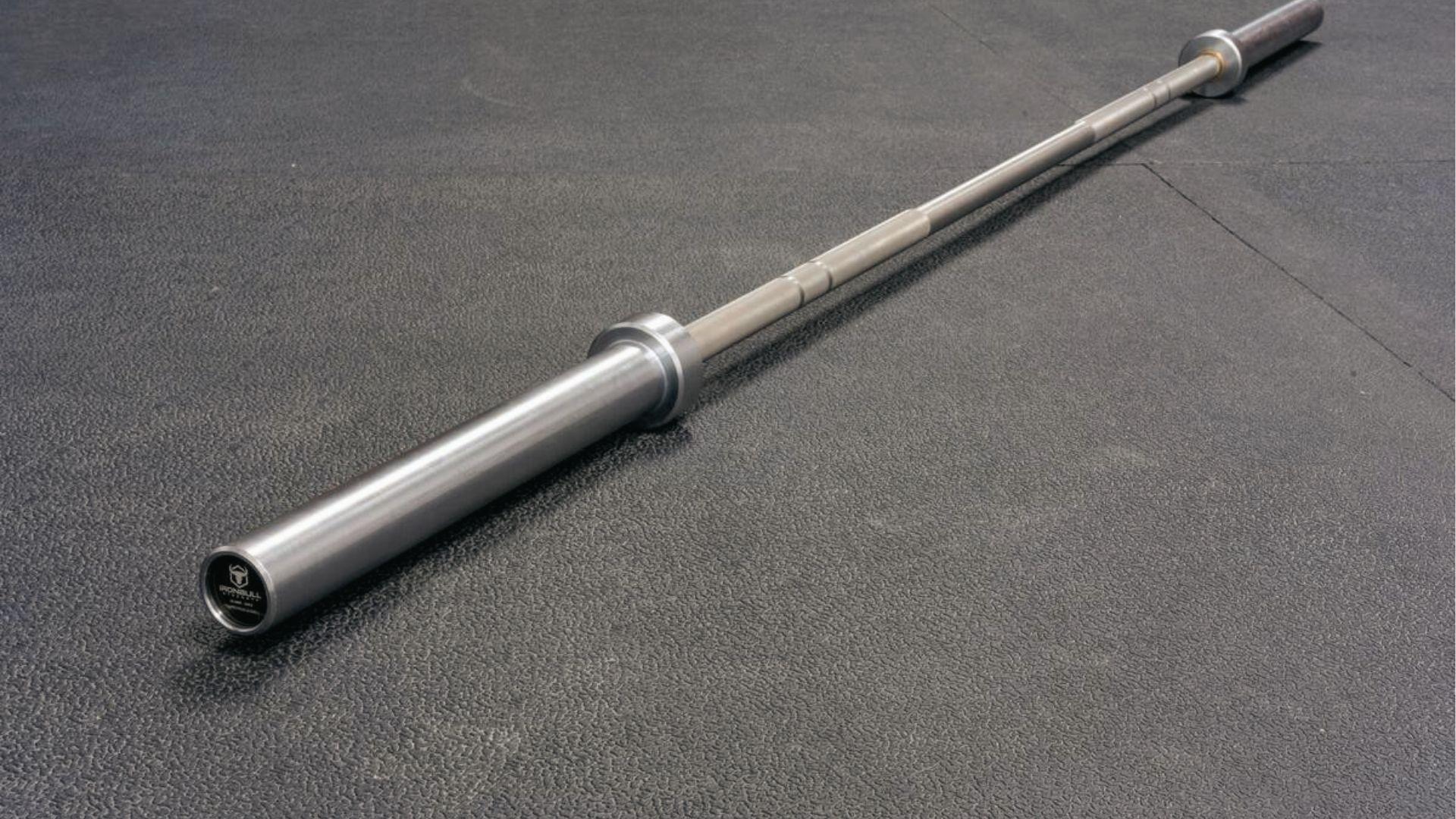
The standard Olympic bar weighs 20 kg, which equals about 44.1 lbs.
This is the bar most men use in competitive weightlifting and powerlifting, and you will find it in almost every commercial gym worldwide.
It is 7.2 feet long, built for heavy loads, with spinning sleeves that reduce wrist torque. The women's Olympic bar weighs 15 kg, around 33 lbs, and is slightly shorter and thinner for a better grip.
The exact conversion of 20 kg is 44.09 lbs, but most gyms round it to 45 lbs for easy math. Always confirm what weight your gym uses as the bar standard.
What Is the Standard Olympic Bar Weight?

Knowing the standard bar weight helps you track your lifts correctly from day one.
Meaning of Standard Olympic Bar Weight in Gyms
In most gyms, the standard Olympic bar refers to the 20 kg men's bar. When a coach or trainer says "bar," this is usually what they mean.
It is the default starting point for most barbell movements like squats, deadlifts, and bench press.
Why 20 kg Is the International Standard
The International Weightlifting Federation (IWF) set 20 kg as the official weight for men's competition bars. This became the global standard that equipment manufacturers follow.
Most gyms stock this bar because it works for a wide range of lifters and movements.
Do All Olympic Bars Follow the Same Weight Rule?
No. Not every bar in the gym is a standard Olympic bar.
There are technique bars, youth bars, and specialty bars that weigh less or more. Always check the bar label or ask gym staff if you are unsure about the weight.
Olympic Bar Weight in KG vs Pounds Explained

Understanding the kg and lbs difference stops confusion and keeps your training numbers accurate.
Olympic Bar Weight KG (Gym Standard Measurement)
Most of the world uses kilograms. In kg, the standard Olympic bar weighs 20 kg for men and 15 kg for women.
If your gym uses kg plates, your math is straightforward. Just add the plate weight to 20 kg.
Olympic Bar Weight in LBS (Why Confusion Happens)
In the United States, gyms often use pounds. The bar is listed as 45 lbs, even though 20 kg equals 44.09 lbs.
That 0.91 lb difference might seem small. But over weeks of tracking, it can lead to small errors in your total lift records.
Simple Conversion You Should Remember (20 kg = 44.1 lbs)
Here is a simple fact to keep in mind:
20 kg = 44.1 lbs
Write it down somewhere. If you switch between kg and lb gyms, this number keeps your records consistent and honest.
Why Olympic Bar Weight Matters in Training
Bar weight is not just a number. It directly shapes how you grow stronger over time.
Impact on Strength Tracking and Progressive Overload
Progressive overload means adding weight over time to keep getting stronger. If you do not count the bar, your tracking is wrong from the start.
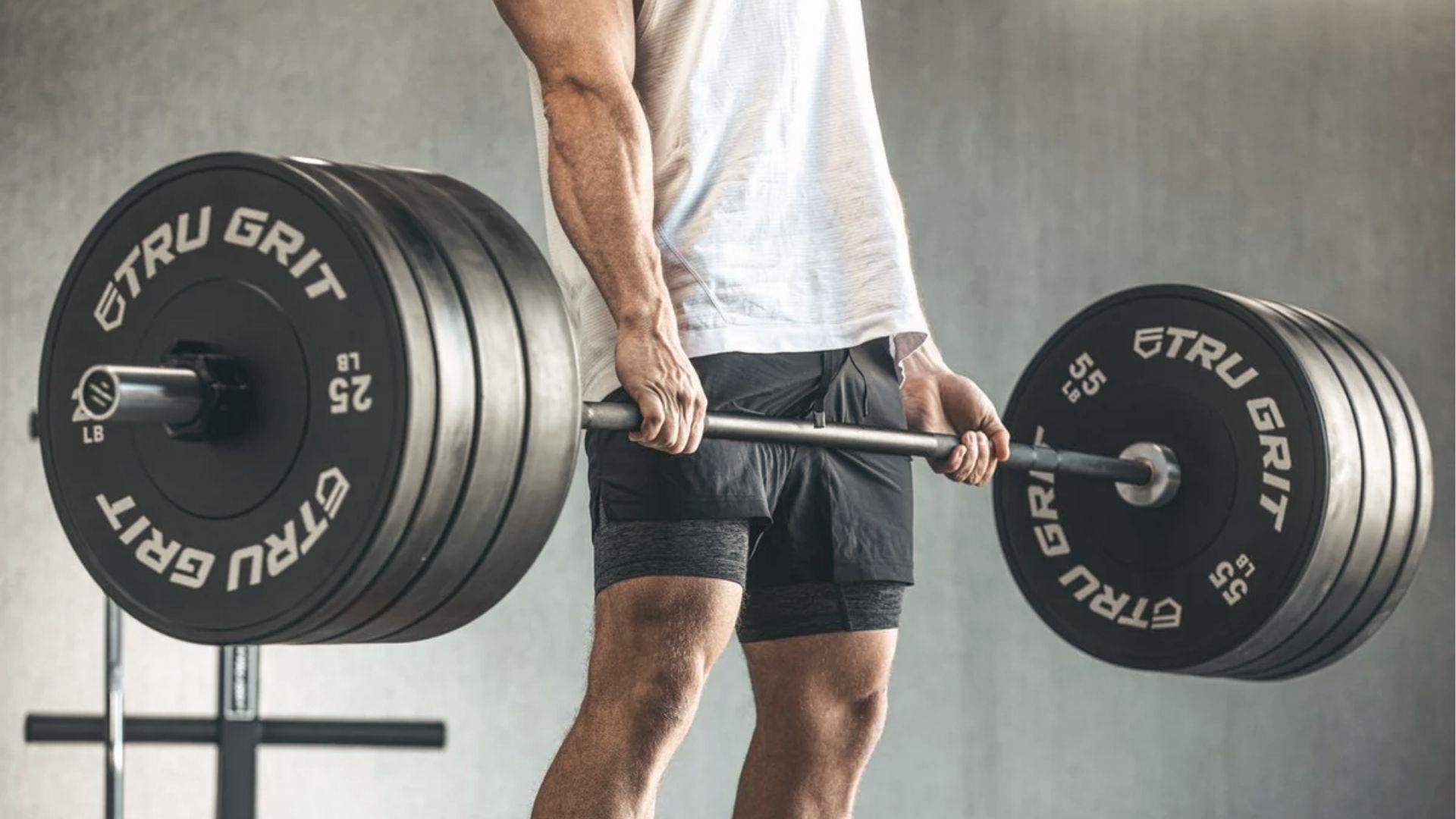
For example, if you add 20 kg in plates but forget the 20 kg bar, you are actually lifting 40 kg, not 20 kg. That is a big difference.
How Bar Weight Changes Total Lift Calculation
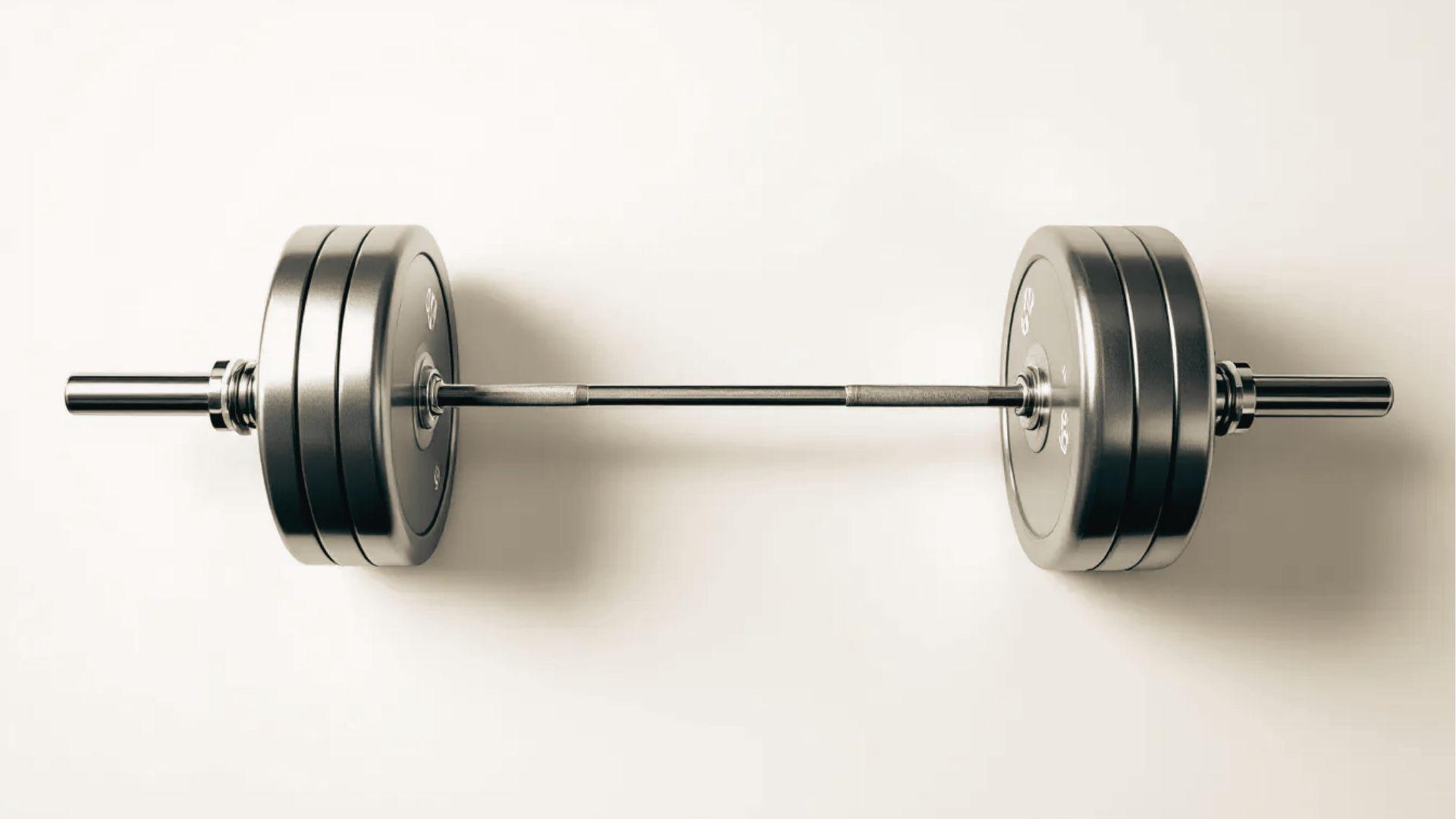
Your total lift = bar weight + all plates on both sides.
Missing the bar weight means your recorded lifts are always lower than what you actually lifted. Over months, this makes it hard to measure real progress.
Types of Olympic Bars and Their Weight Differences

Not all bars are the same. Each type has a different weight built for a specific purpose.
Men's vs Women's Olympic Bar Weight Differences
The men's Olympic bar weighs 20 kg (44 lbs). The women's bar weighs 15 kg (33 lbs).
The women's bar is also shorter at 6.6 feet compared to the men's 7.2 feet. The shaft diameter is smaller too, at 25mm versus 28-29mm for men.
These differences are not about strength levels. They are about body proportion and grip comfort.
Technique, Youth, and Beginner Bars Explained
Technique bars are very light, sometimes just 5 to 10 kg. They help beginners learn movement patterns without heavy loads.
Youth bars are shorter and lighter, designed for younger athletes still building strength and coordination.
If you are just starting out, a technique bar is a great way to learn proper form first.
Specialty Bars (Trap Bar, EZ Curl, Safety Squat Bar)
Specialty bars come in many shapes and weights:
Trap bar:Around 25 to 35 kg depending on the model.
EZ curl bar:Usually 7 to 10 kg.
Safety squat bar: Often 20 to 32 kg.
Always check the actual weight of these bars. Do not assume they match the standard 20 kg.
Tips for Using Olympic Bar Weight Correctly in Your Training
Small habits around bar weight can make a big difference in how accurately you track and grow your lifts.
- Always count the bar as part of your total lift, not just the plates you add on each side.
- Use 20 kg for men's bars and 15 kg for women's bars as your starting point before adding any weight.
- Ask your gym whether they count the bar as 44 lbs or 45 lbs to keep your records consistent.
- Write down your total lift weight every session, including the bar, so your progress tracking stays accurate.
- When switching bar types, always check the bar weight first since specialty bars can vary quite a bit.
Conclusion
I used to skip counting the bars all the time. It felt like a small thing. But once I started including it, my progress tracking finally made sense.
Olympic bar weight is one of those basics that makes a big difference. It is 20 kg for men, 15 kg for women, and it should always be part of your lift total.
If this helped you, drop a comment below and let me know. Share this with a gym buddy who might need it too. And if you want more simple fitness tips, check out our related posts.
Frequently Asked Questions
How much does a standard Olympic bar weigh?
A standard Olympic bar weighs 20 kg, which is about 44 lbs. This is the most common bar used in gyms worldwide for men's training.
What is the weight of a women's Olympic bar?
The women's Olympic bar weighs 15 kg, which equals around 33 lbs. It is also shorter and thinner than the men's version.
Why do gyms list the bar as 45 lbs instead of 44 lbs?
The exact conversion of 20 kg is 44.09 lbs. Most gyms round it to 45 lbs for simpler math during training sessions.
Do I need to count the bar when calculating my total lift?
Yes, always count the bar. Leaving it out means your recorded lift is always lower than what you actually moved.
Are all Olympic bars the same weight?
No. Specialty bars like the trap bar, EZ curl bar, and safety squat bar all have different weights. Always check the label before assuming.