

The kettlebell snatch workout is one of the most effective full-body moves you can do. It builds strength, burns fat, and improves coordination all at once.
But let’s be honest, it can feel awkward at first. I’ve been there.
In this blog, I’ll walk you through proper technique, a three-phase progression plan, and a sample weekly schedule.
You’ll also get safety tips and common mistakes to avoid. I’ve trained with kettlebells for years, and this guide covers everything I wish I knew at the start.
Let’s get started.
Getting Started with Kettlebell Snatches

Before jumping into reps, get comfortable with the basics. Start with a lighter kettlebell, something you can control easily.
Focus on your hip drive and grip before adding speed or volume. Most beginners skip this step and pay for it later with bad form or hand tears.
Spend at least one to two weeks here. Build a strong base, and everything else becomes easier.
Kettlebell Snatch Technique
Good technique is the foundation of every successful snatch session.
Setup and Grip

Stand with feet shoulder-width apart. Place the kettlebell between your feet, slightly in front. Use a firm but relaxed grip.
Wrap your fingers around the handle without squeezing too hard. Engage your core before you pull.
Your back should stay flat throughout the movement. A loose grip leads to poor control, so find the right balance from the start.
Swing-to-Snatch Motion

Drive through your hips, not your arms. Let the hip thrust generate the power. As the kettlebell rises, guide it smoothly with your arm.
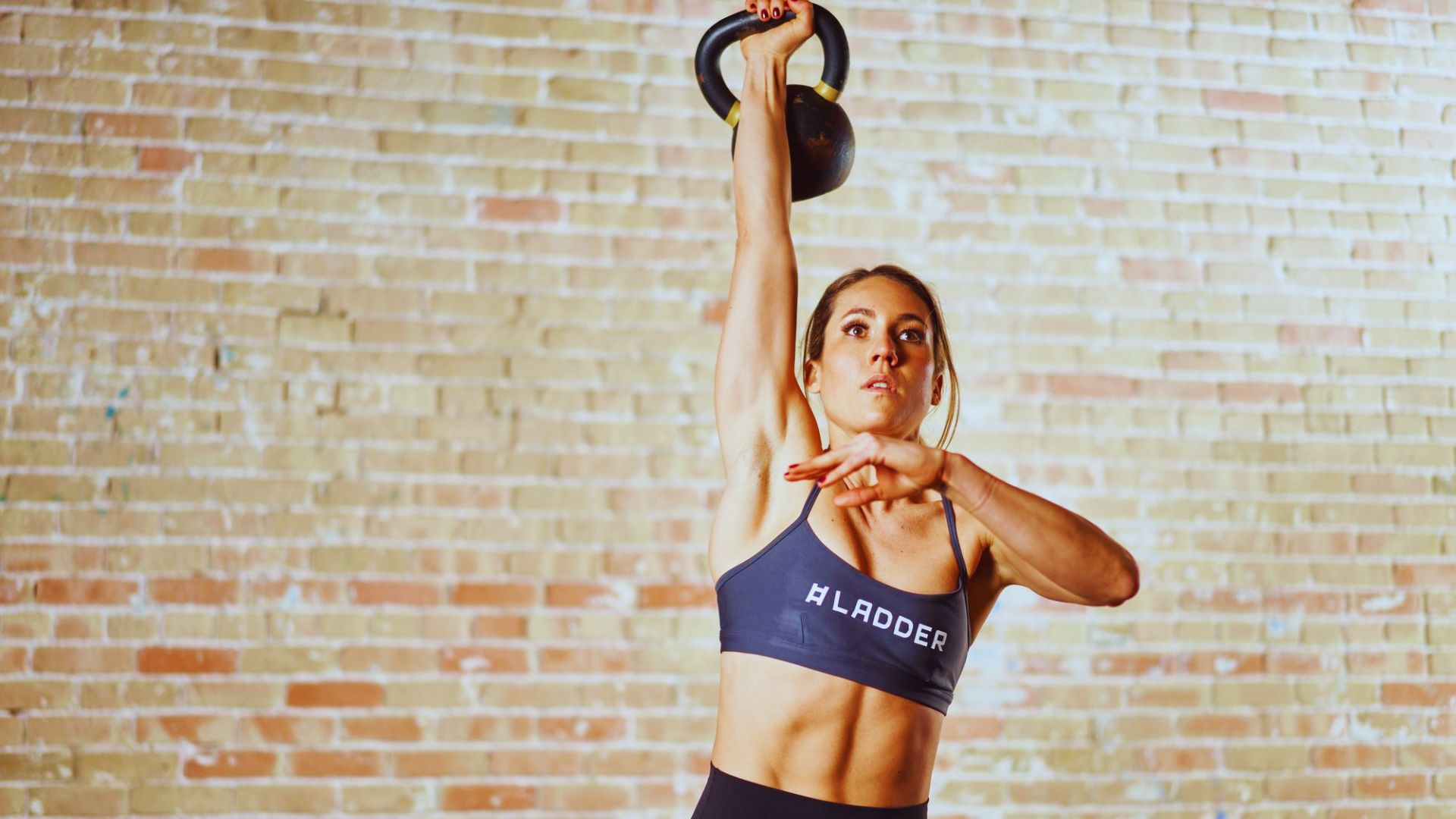
At shoulder height, punch your hand through the handle. This punch-through motion is what separates a snatch from a swing.
A clean pull-through makes the overhead position feel natural and controlled.
Overhead Lockout

Lock your elbow fully at the top. Your shoulder should be packed and stable. Wrist stays straight, not bent back.
Hold for a brief moment before lowering. Breathe out at the top of the rep, breathe in on the way down.
Consistent breathing keeps your rhythm steady and reduces fatigue during longer sets.
Workout Progression
Progress through three clear phases to build skill, volume, and intensity safely.
Phase 1: Technique and Base

Start with low-rep pyramids like 1, 2, 3, 2, 1 per side. Keep the weight light enough to hold perfect form. Do 3 to 4 sessions per week.
Focus on smooth movement, not speed. This phase is about building muscle memory. Most people rush past it, but this is where real skill is built.
Spend at least two to three weeks here before moving on.
Phase 2: Endurance and Volume
Work up to 200 or more total reps per session. Alternate hands every 5 to 10 reps to manage fatigue. Mix in two-hand swings between sets for active recovery.
Start protecting your hands now. Use chalk, tape, or thin gloves if needed. Volume work builds grip strength and conditioning.
Keep the weight moderate so your form doesn’t break down under fatigue.
Phase 3: Intensity and Timed Work

Switch to interval-style training. Try 10 reps every 30 seconds for multiple rounds. Track your max reps in a set time.
Gradually increase the weight or the pace week by week. This phase builds real power output. Keep rest periods short but honest.
Push hard, but stop a rep or two before your form goes. Quality reps still matter here.
Sample Weekly Structure

Here is a simple week you can follow:
Day 1: Snatch assessment or short interval session
Day 2: High-volume snatches, 300 to 500 total reps
Day 3: Bodyweight strength work and a short run
Day 4: Threshold snatch intervals with moderate weight
Day 5: High-volume snatches again, focus on pace
Safety and Hand Care
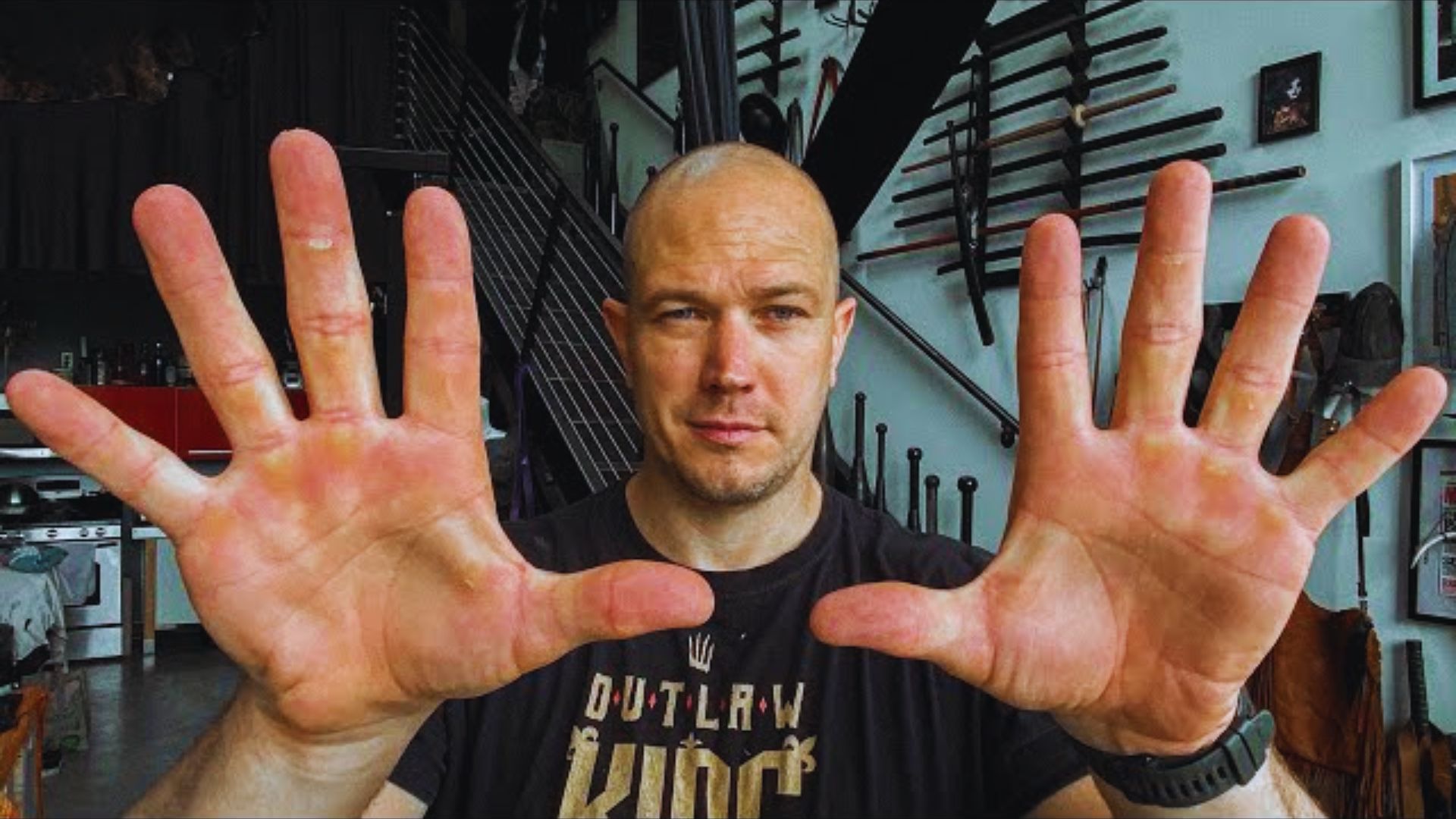
Keeping your hands and body safe makes long-term progress possible.
- Chalk up your hands before high-rep sets to reduce friction and tearing.
- File down calluses regularly so they don’t rip mid-session.
- Stop immediately if you feel sharp shoulder or wrist pain.
- Warm up with swings before any snatch work.
- Let your hands recover fully before repeating a high-volume day.
Tips for Progress
Small, consistent habits make the biggest difference over time.
- Film your sets occasionally to catch form issues you can’t feel.
- Train with a slightly lighter bell to practice speed and punch-through.
- Track your rep counts weekly so you can see real improvement.
- Add one rep or one round per week rather than jumping too fast.
- Rest is training too. Two full rest days per week speeds up long-term gains.
Conclusion
The kettlebell snatch workout changed the way I train. It pushed me to focus on skill, not just effort. When I finally got the hip drive right, everything clicked.
If you’re working through this plan, stick with it. Progress feels slow at first, then suddenly it doesn’t.
Start where you are, keep showing up, and the results follow.
Got questions or a PR to share? Drop a comment below.
And if this helped, pass it along to someone who’s been wanting to try kettlebell training.
Frequently Asked Questions
How heavy should a beginner kettlebell be for snatches?
Most beginners do well starting with 8 to 12 kg. Use a weight that lets you complete 5 clean reps per side without losing form.
How many reps should I do in a kettlebell snatch workout?
Start with 30 to 50 total reps per session. Work up to 200 or more as your grip and conditioning improve over several weeks.
Can I do kettlebell snatches every day?
It’s not recommended, especially early on. Two to three sessions per week with rest days in between gives your grip, shoulders, and nervous system time to recover.
Why do my hands keep ripping during snatches?
Rips usually come from over-gripping or soft calluses. Use chalk, file your calluses weekly, and work on the punch-through technique to reduce friction on the handle.
How long does it take to get good at the kettlebell snatch?
Most people see solid improvement in four to six weeks of consistent practice. The technique click usually comes once hip drive and the punch-through motion feel natural together.