I used to skip chest day because I had no bench at home. Then I found standing dumbbell chest exercises and everything changed. No bench. No gym. Just dumbbells and space.
In this article, I’ll walk you through the 13 best standing dumbbell chest exercises you can do anywhere.
You’ll also learn which muscles they work, common mistakes to avoid, and tips to get real results. I have trained this way for months and the progress is real.
I’ve tested each of these myself. They work. Let’s get into it.
What Are Dumbbell Chest Exercises Standing
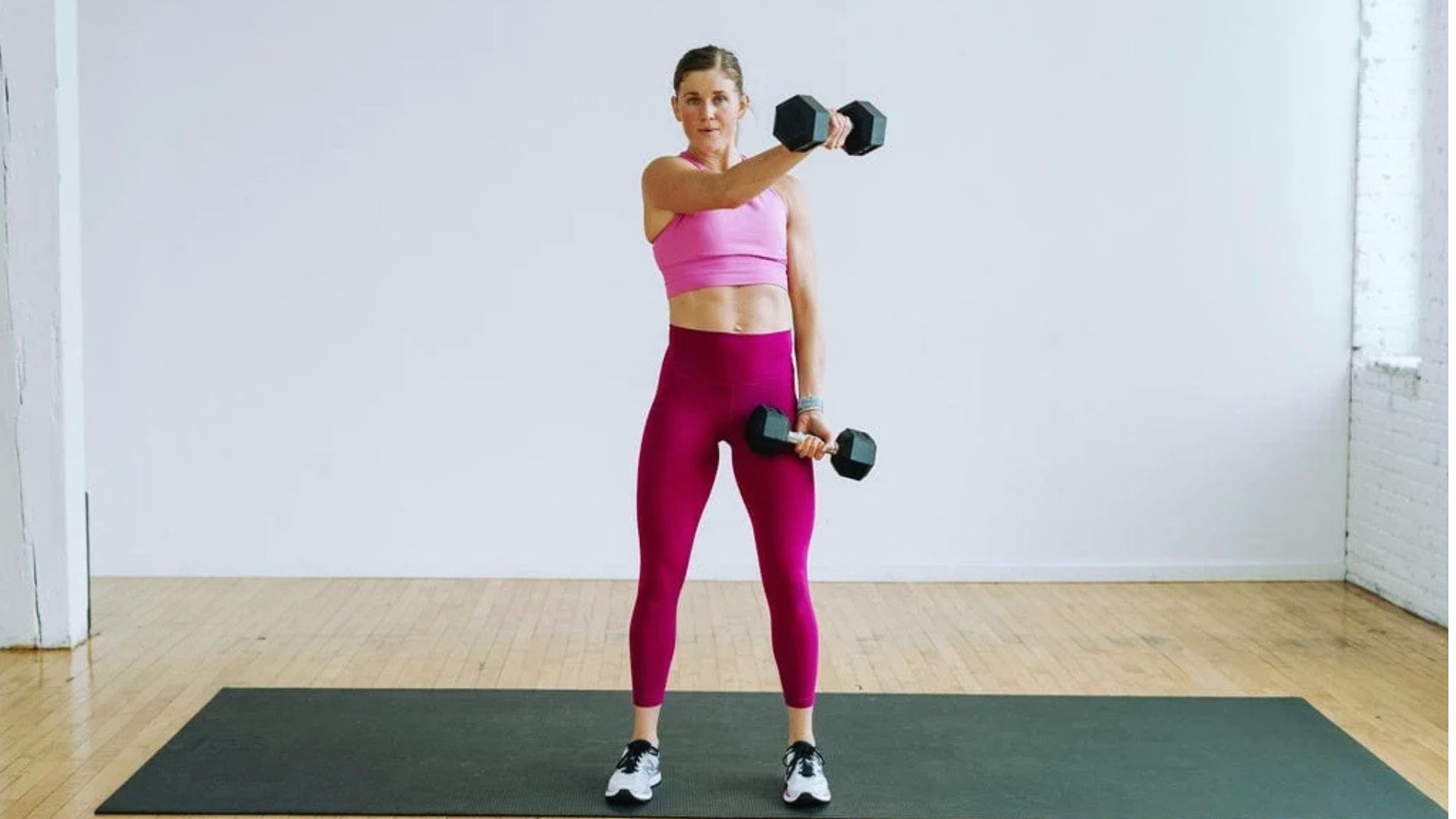
Dumbbell chest exercises standing use dumbbells without a bench. Instead of lying down, you use body position and arm angles to target the chest.
Bench exercises support your back and isolate the chest muscles. Standing removes that support, so your core, shoulders, and stabiliser muscles all work together.
You need very little space, no machine, and no bench. Just a pair of dumbbells and a clear floor. That makes them perfect for home training.
They work well for anyone who trains at home, wants functional strength, has limited equipment, or is new to lifting and wants a simple starting point.
13 Best Dumbbell Chest Exercises Standing for Chest
These 13 moves cover every part of the chest using only dumbbells and your own bodyweight.
1. Standing Chest Press

Hold the dumbbells at chest height with your palms facing down. Press them forward until your arms are fully extended, then bring them back slowly.
This is one of the most straightforward standing chest movements you can do. It builds overall chest strength and is easy to learn, making it a great starting point for beginners.
Sets and Reps: 3 sets of 12 to 15 reps
2. Standing Upward Chest Fly
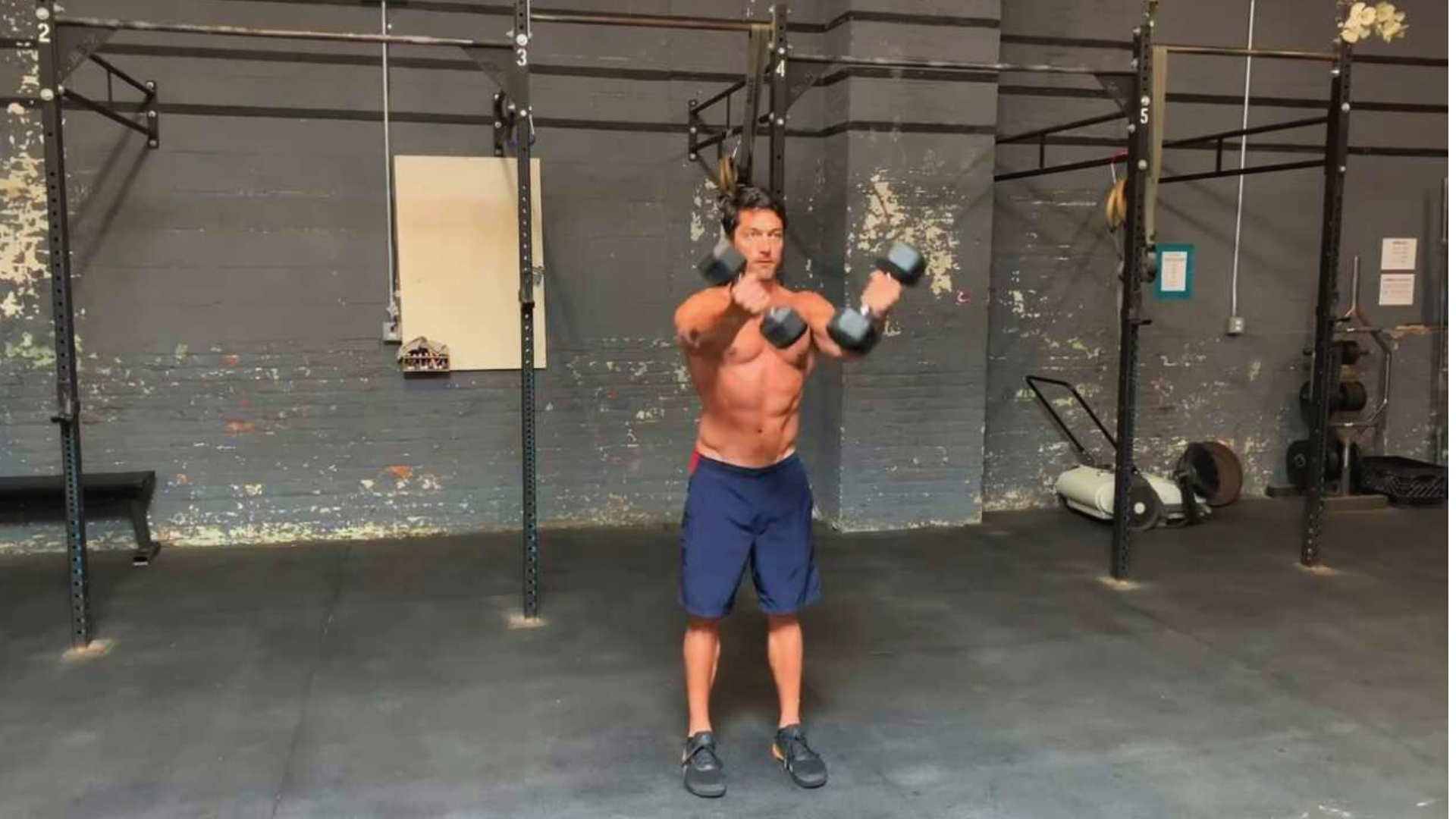
Hold the dumbbells at your sides and press them up and inward at an upward angle. This movement puts direct focus on the upper chest, which is often the hardest part to target without a bench.
Keep a slight bend in your elbows throughout the movement to protect your joints. Start with light weights until you feel comfortable with the angle and control.
Sets and Reps: 3 sets of 10 to 12 reps
3. Standing Dumbbell Fly

Open your arms wide with a slight bend at the elbows, then bring the dumbbells together in front of you. This movement works the full chest and gives a deep stretch with every rep.
The wider the arc, the more the chest muscles stretch and contract. Never lock your elbows at any point during this exercise.
Sets and Reps: 3 sets of 12 reps
4. Single-Arm Standing Chest Press

Hold one dumbbell and press it forward while keeping the other arm still or at your side. Training one side at a time helps fix muscle imbalances that both arms working together can hide.
Your core also has to work much harder to keep your body from rotating. This makes it both a chest and a stability exercise at the same time.
Sets and Reps: 3 sets of 10 reps each side
5. Alternating Standing Chest Press
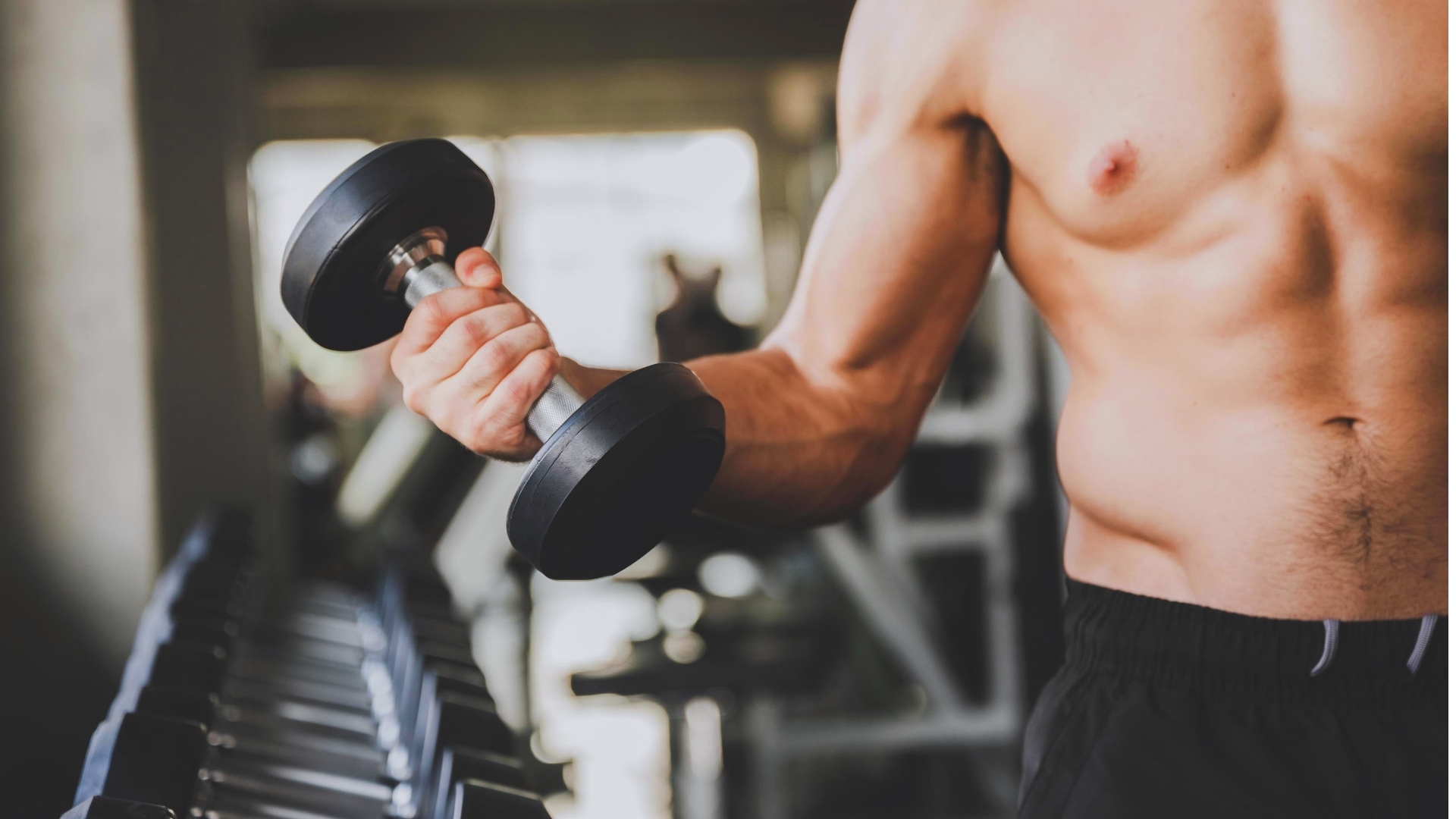
Press one arm forward, bring it back, then press the other arm in a steady rhythm. This keeps constant tension on the chest throughout the entire set.
It also builds coordination between both sides of your body. Over time, this variation improves muscular endurance and helps both sides stay equally strong.
Sets and Reps: 3 sets of 14 to 16 reps total
6. Standing Squeeze Press

Hold both dumbbells pressed firmly together at chest level before you begin. As you press forward, squeeze the dumbbells into each other the entire time.
This squeezing motion puts direct tension on the inner chest, which most standard pressing movements miss. It is a simple but very effective way to build the middle of your chest.
Sets and Reps: 3 sets of 12 to 15 reps
7. Standing Low-to-High Fly
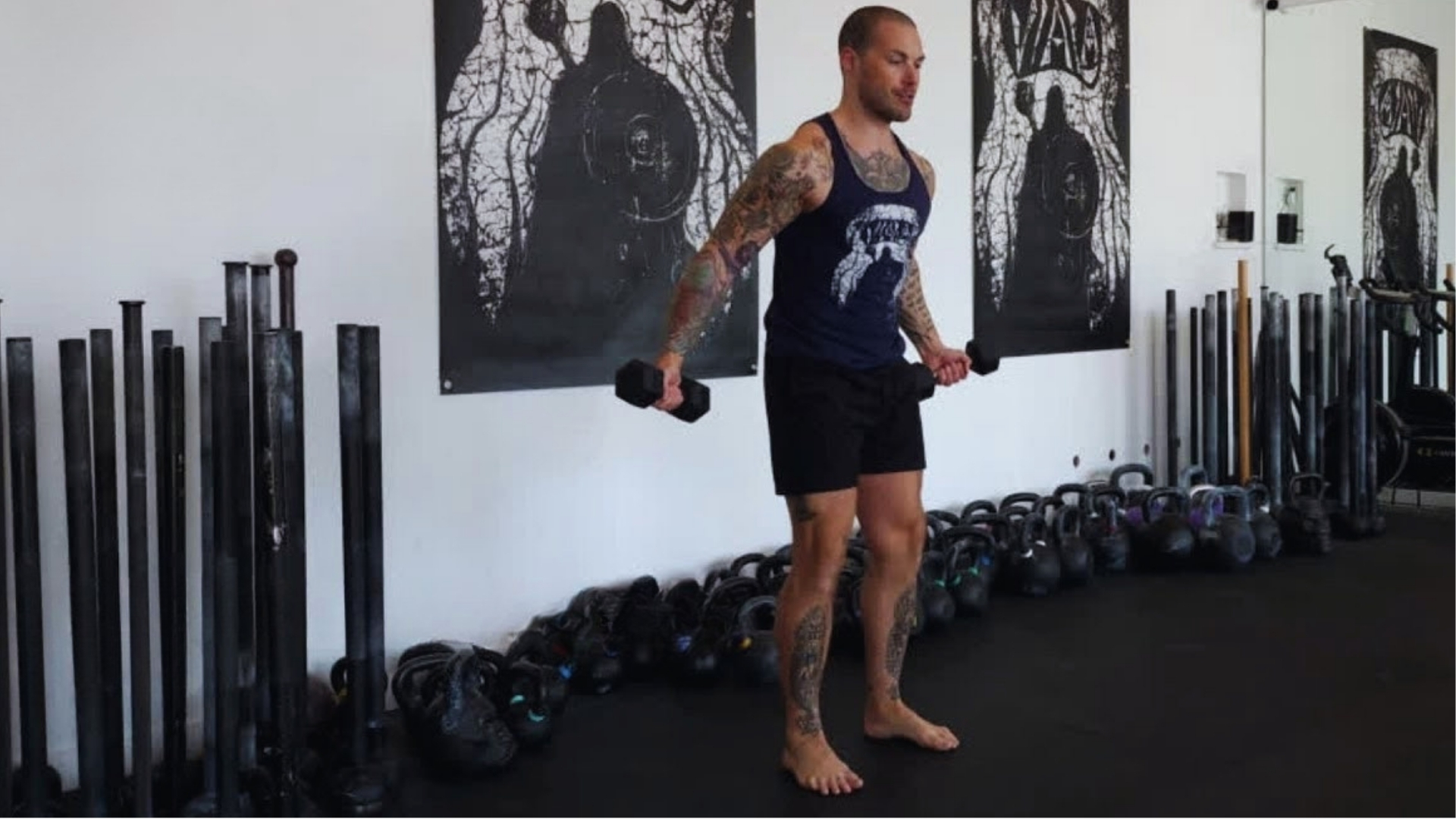
Start with the dumbbells low near your hips and raise them up and across your body in an arc. The upward angle of this movement targets the upper chest and front shoulder directly.
This is one of the best exercises for building the top part of the pec without any cable machine. Keep the movement controlled and avoid swinging your arms to get the weight up.
Sets and Reps: 3 sets of 10 to 12 reps
8. Standing High-to-Low Fly

Begin with the dumbbells at shoulder height and bring them down and inward toward your hips.
This downward angle shifts the focus to the lower chest, which helps add shape and definition to the bottom of the pec.
Many people overlook lower chest training, and this exercise fills that gap well. Move slowly on the way down to keep the chest under tension.
Sets and Reps: 3 sets of 10 to 12 reps
9. Standing Neutral Grip Press

Keep your palms facing each other throughout the entire pressing movement. This grip position reduces the strain on your wrists and puts your shoulder joints in a more comfortable position.
It is a great option for anyone dealing with wrist discomfort or mild shoulder issues. The chest still gets a strong workout while the joints stay in a safer, more natural alignment.
Sets and Reps: 3 sets of 12 reps
10. Standing Around-the-World Fly

Move both dumbbells in a wide circular arc starting from your hips and going all the way up overhead and back again.
This gives the chest a full stretch and a full contraction within one continuous motion. It covers more range than most standard fly variations and keeps the muscles working the whole time.
Use light dumbbells for this one and focus on smooth, controlled movement.
Sets and Reps: 3 sets of 8 to 10 reps
11. Standing Isometric Chest Hold

Press both dumbbells together at chest height and simply hold that position without moving. This creates time-under-tension, which is one of the most effective ways to build muscle endurance.
You will feel the chest muscles working hard even though nothing is moving. This exercise also improves your mind-muscle connection, helping you feel and control the chest better in other exercises.
Sets and Reps: 3 holds of 20 to 30 seconds
12. Standing Close-Grip Press
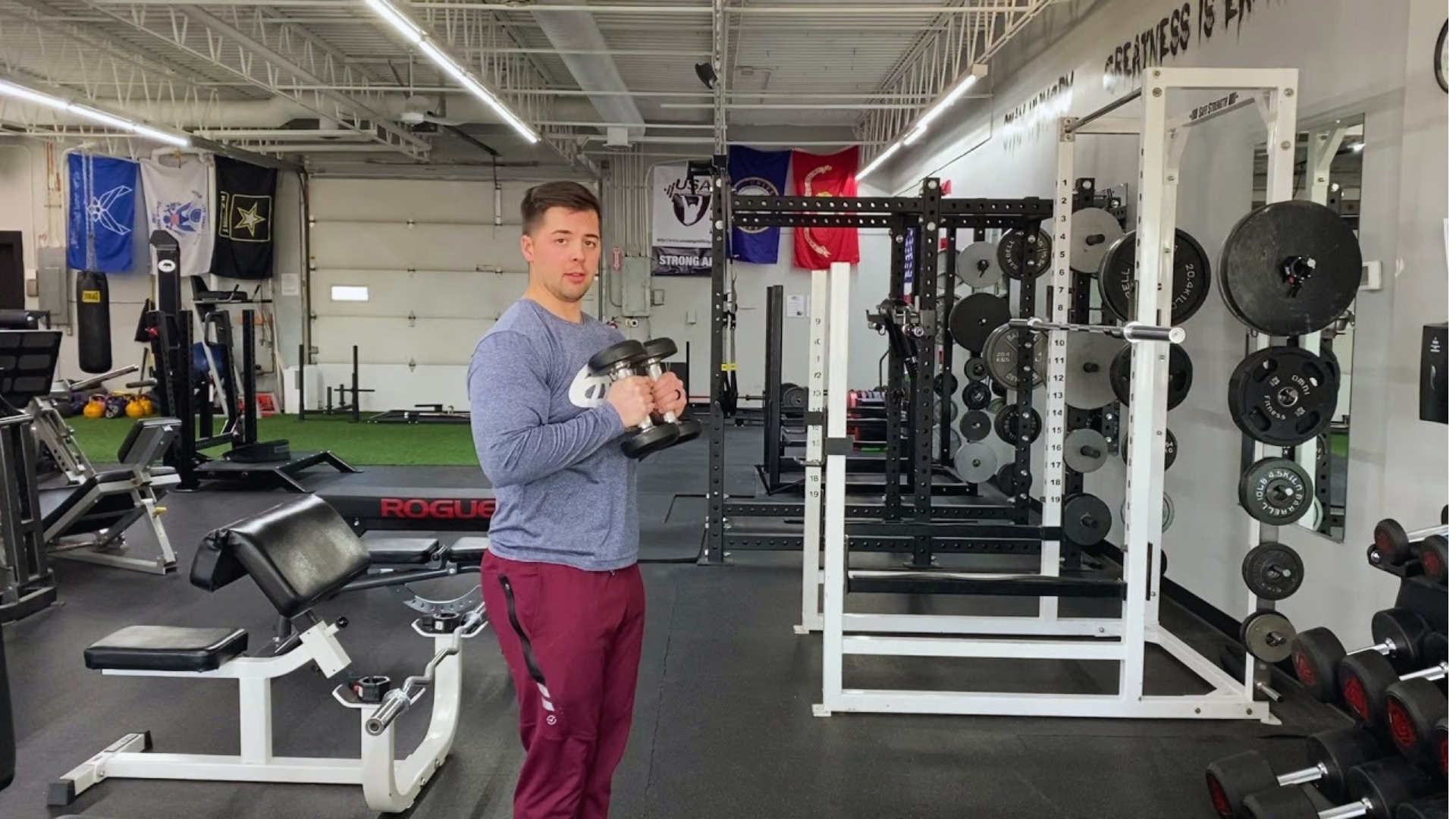
Keep your elbows tucked close to your body as you press the dumbbells forward. This small adjustment shifts more of the load onto the triceps and the inner chest at the same time.
It is a great variation to add when you want to work two muscle groups in one movement. Focus on keeping the elbows tight throughout the full press to get the most out of it.
Sets and Reps: 3 sets of 12 to 15 reps
13. Standing Explosive Chest Press

Press the dumbbells forward with maximum speed and power, then control the return slowly. This trains your muscles to produce force quickly, which builds both strength and athletic power.
Use lighter dumbbells than usual so you can move fast without losing control or putting your joints at risk. This is a great finisher at the end of a chest workout.
Sets and Reps: 3 sets of 8 to 10 reps
Common Mistakes to Avoid
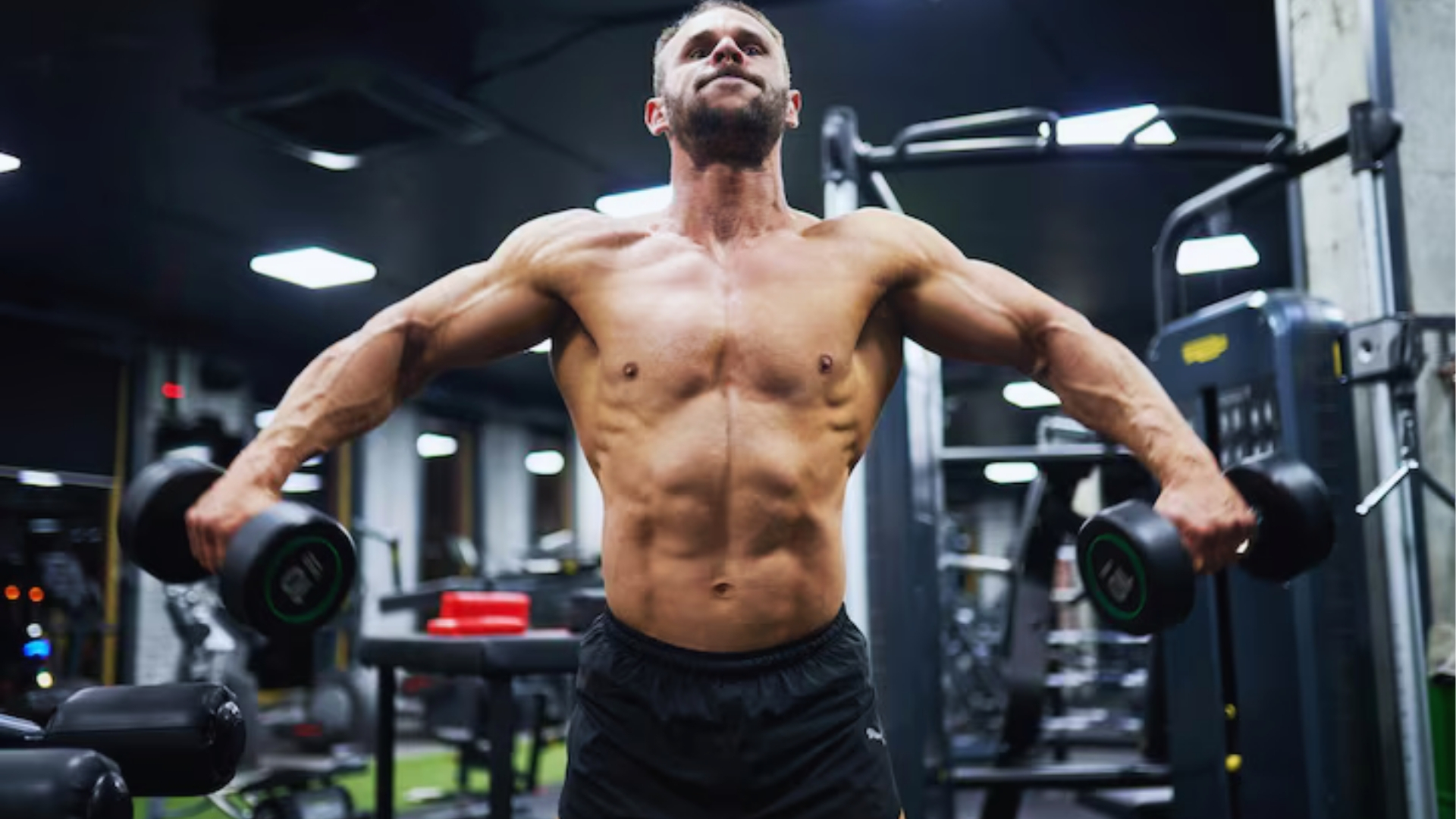
Small errors can slow progress and cause injury. These are the most common ones.
Using Momentum and Poor Posture
Swinging your body to move the weight takes tension away from the chest. Slow down and let the muscle do the work.
Rounded shoulders reduce chest activation and strain your joints. Stand tall, pull your shoulders back, and keep your core tight before every set.
Lifting Too Heavy and Skipping Warm-Up
Heavy weights with bad form only increase your risk of injury. Start lighter, focus on control, and add weight only when your form is solid.
Never skip your warm-up either. Do five minutes of arm circles, shoulder rolls, and light cardio before lifting to get the muscles ready.
Tips to Maximise Results from Standing Chest Exercises
How you train matters just as much as what you train. These tips make every session count.
- Slow your reps down. Two seconds forward, two seconds back. Feel the chest work on every rep.
- Stand with feet shoulder-width apart, tighten your core, and keep your chest up before every set.
- Add weight, reps, or sets over time. Your muscles need a new challenge to keep growing.
- Pick a weight you can control for 10 to 15 clean reps. If you struggle by rep 6, go lighter.
- Train chest two to three times a week with rest days in between. Consistency beats intensity every time.
Conclusion
I started doing dumbbell chest exercises standing out of necessity. No bench, no gym membership.
Just two dumbbells and the will to show up. And honestly, my chest has never looked or felt better.
If you’ve been waiting for the perfect setup to start, stop waiting. The exercises in this article are enough. Pick three or four, stay consistent, and you’ll see results.
Try one workout this week and drop a comment telling me how it went. I’d love to hear from you.
Frequently Asked Questions
Can I build a bigger chest without a bench?
Yes. Standing dumbbell exercises can build chest size and strength effectively. The key is using proper form and progressive overload over time.
How heavy should my dumbbells be for standing chest exercises?
Start with a weight you can control for 10 to 12 clean reps. Increase the weight only when your form stays solid throughout every set.
How many times a week should I do standing chest workouts?
Two to three times per week works well for most people. Make sure to rest at least one day between sessions to allow muscle recovery.
Are standing chest exercises safe for beginners?
Yes, they are beginner-friendly. Start with lighter weights, focus on posture, and learn the movement pattern before adding more resistance.
What is the best standing dumbbell exercise for the upper chest?
The standing low-to-high fly is one of the best. The upward angle puts direct focus on the upper chest and front shoulder with each rep.