Yes, the bench press does work your triceps. And more than most people think.
I’ve been lifting for years, and this question still comes up all the time at the gym.
In this article, you’ll learn how triceps actually work during the bench press, which variations hit them the most, the best exercises to pair with bench press for bigger triceps, and tips to grow triceps without hurting your elbows.
We’ll break it all down clearly. No fluff. Just what works.
Does Bench Press Work Triceps?
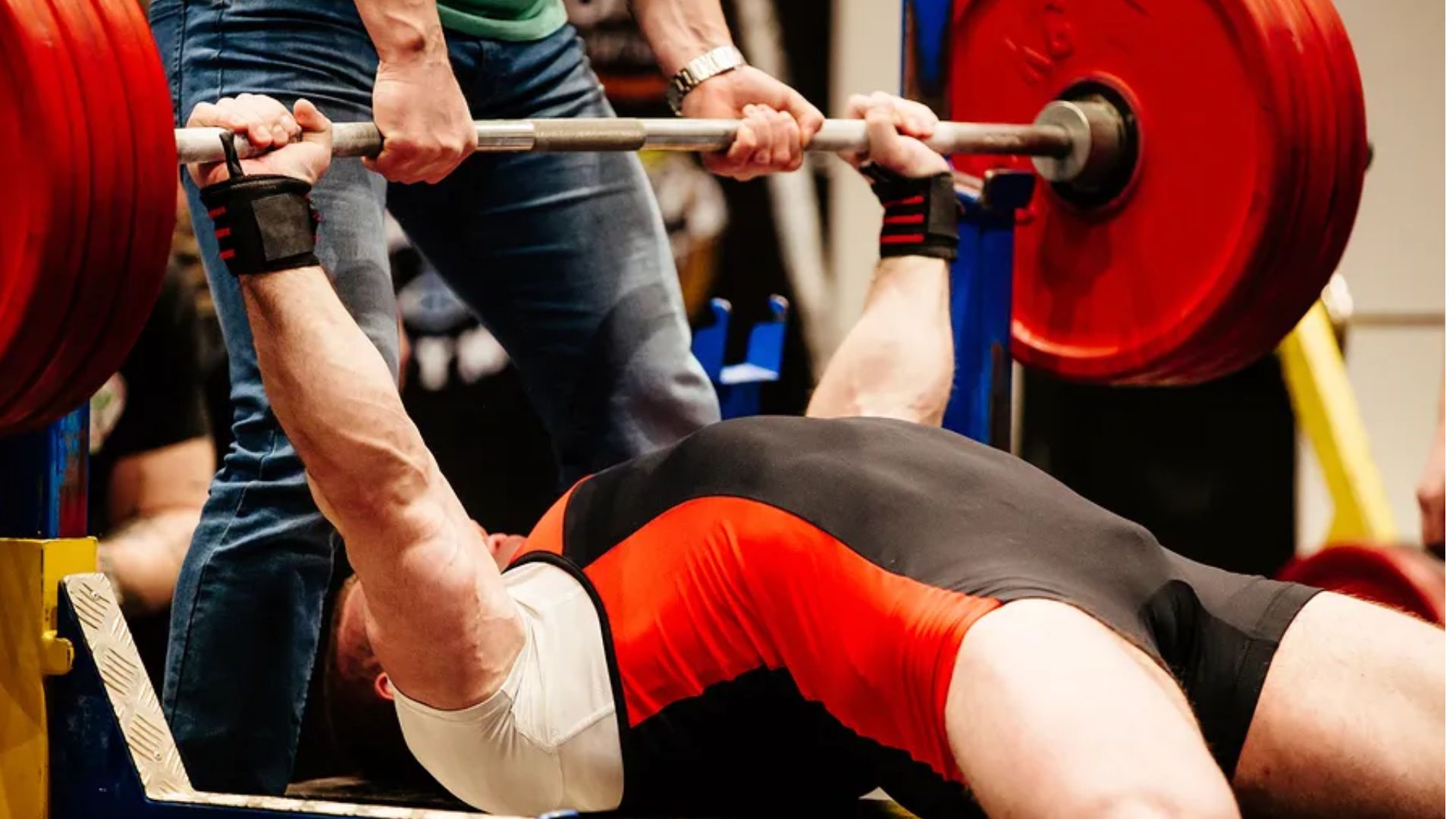
Yes. But how much depends on your grip, form, and variation.
The bench press works multiple muscles at once. Your chest, shoulders, and triceps all share the load. Triceps matter more than most beginners think.
Their main job is simple: Extend the elbow. As the bar moves up, triceps kick in to lock the weight out. Studies show they contribute around 30% to 40% of total pressing effort.
Grip width also plays a role. A close grip shifts more work onto the triceps. The closer your grip, the more your triceps work.
How to Program Triceps With Bench Press
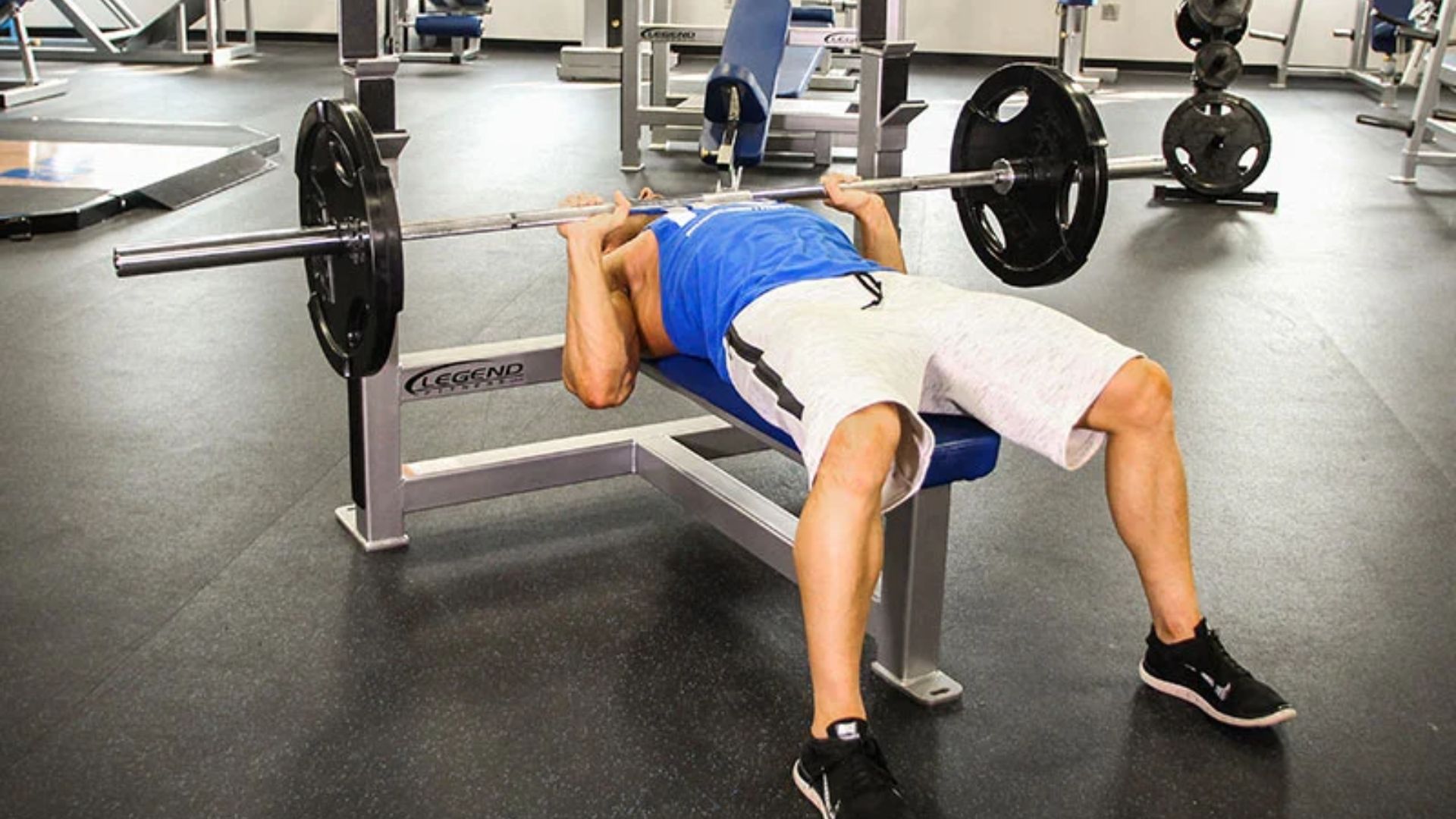
Pairing the right exercises with a simple weekly structure makes all the difference for tricep growth.
Train triceps on your bench press days to save time and keep related muscles working together. A heavy pressing day works well with a close-grip bench as an accessory.
A lighter day focused on isolation work like pushdowns and skull crushers covers the rest. Two days per week is enough for most people to see steady progress.
Bench Press Variations That Target Triceps
Not all bench press variations hit the triceps the same way. Here is a quick breakdown of the most common ones.
Flat Bench Press
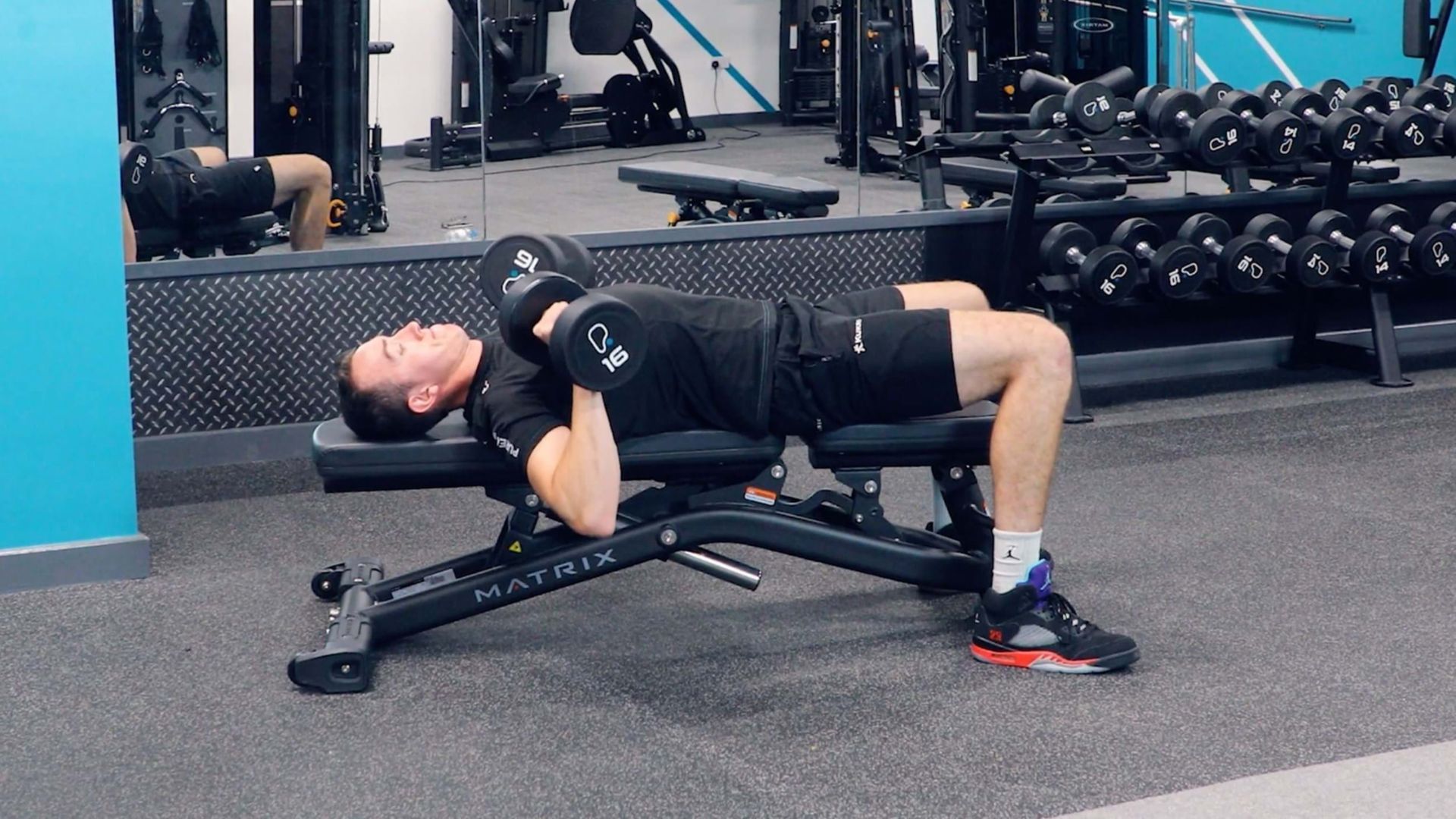
The flat bench press is the standard. It works the chest, shoulders, and triceps together.
Keep your elbows at 45 to 75 degrees, press in a slight arc, and fully extend at the top. Flaring your elbows too wide reduces tricep work. Tucking them too much mimics a close-grip press. Find the middle ground.
Incline and Decline Bench Press
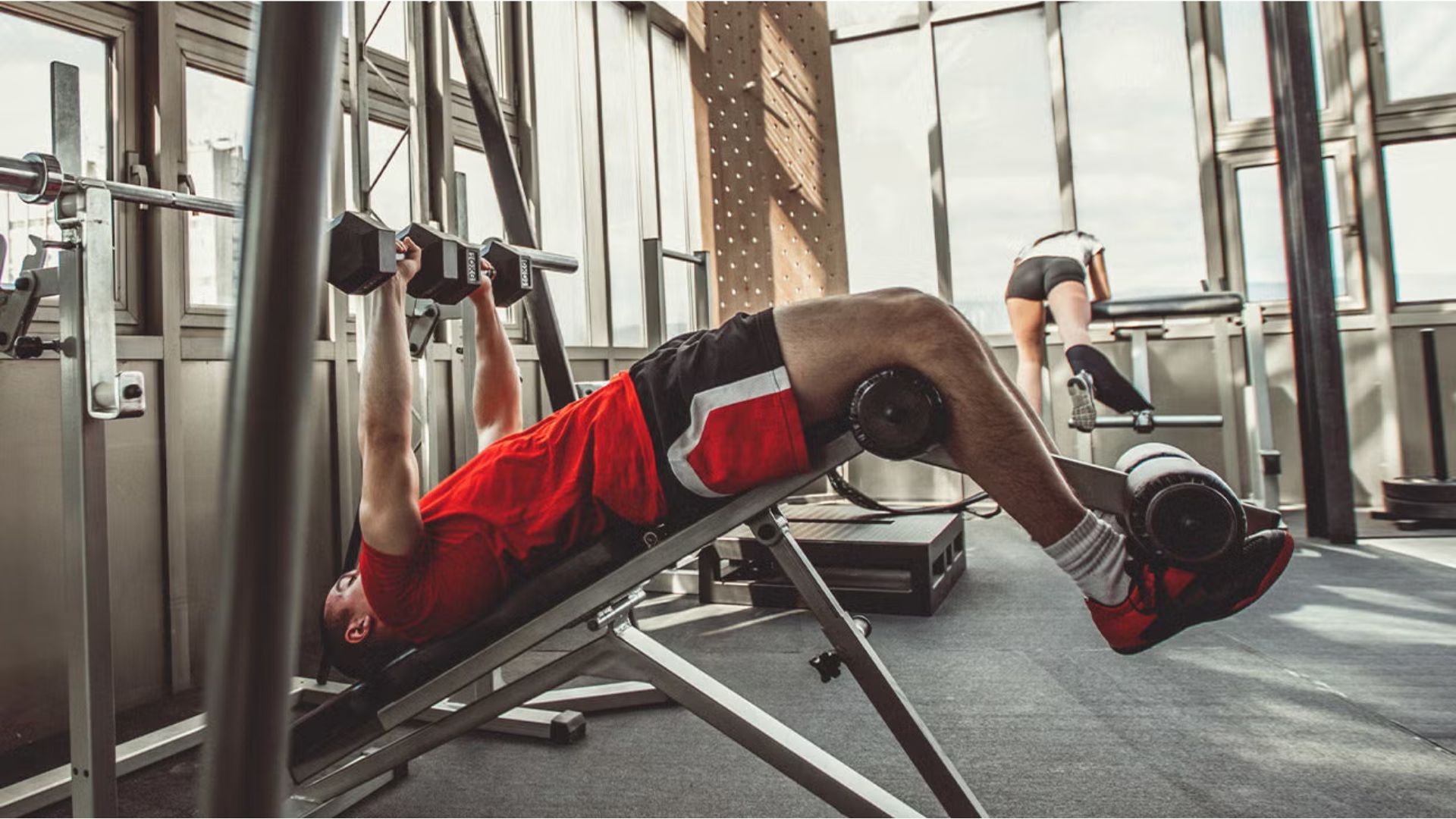
The incline version shifts more work to the upper chest and front shoulder. Triceps are active but play a supporting role. It will not deliver as much tricep stimulus as flat or close-grip variations.
The decline bench reduces shoulder involvement and tends to produce more tricep activation. The pressing angle changes how force is distributed, and many lifters feel a stronger tricep contraction here.
Accessory Bench Press Variations for Triceps
These three variations isolate and overload the triceps more directly than standard bench press.
The JM Press is a hybrid between a close-grip bench and a skull crusher. The bar comes down toward your upper chest with elbows tucked. It places a strong stretch and contraction on the triceps.
The Board Press uses a board or foam block to shorten the range of motion. It focuses the work on the top portion of the lift where triceps are most active. Great for lockout strength.
The Floor Press stops movement when your elbows touch the ground. This removes chest involvement and forces the triceps to initiate the press from the bottom.
Top Triceps Exercises to Complement Bench Press
Bench press alone will only take your triceps so far. Direct tricep work is what actually builds size and strength.
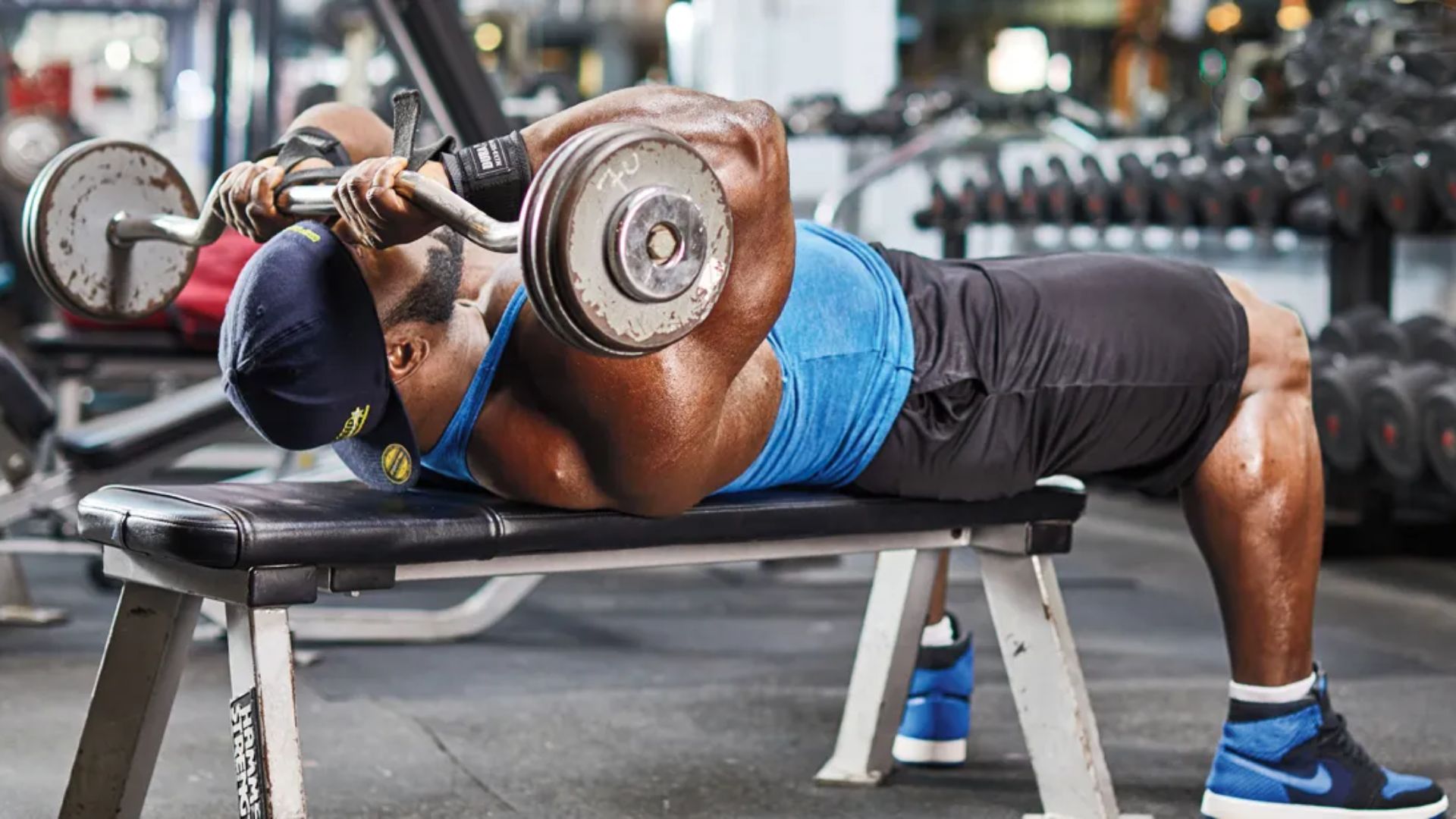
Skull Crushers and EZ Bar Extensions

Skull crushers are done lying on a bench with an EZ bar. Lower the bar toward your forehead and press back up.
They target the long head with a strong stretch and work the medial head through the full range of motion. Keep the weight moderate to protect your elbows.
Dumbbell and Kettlebell Variations
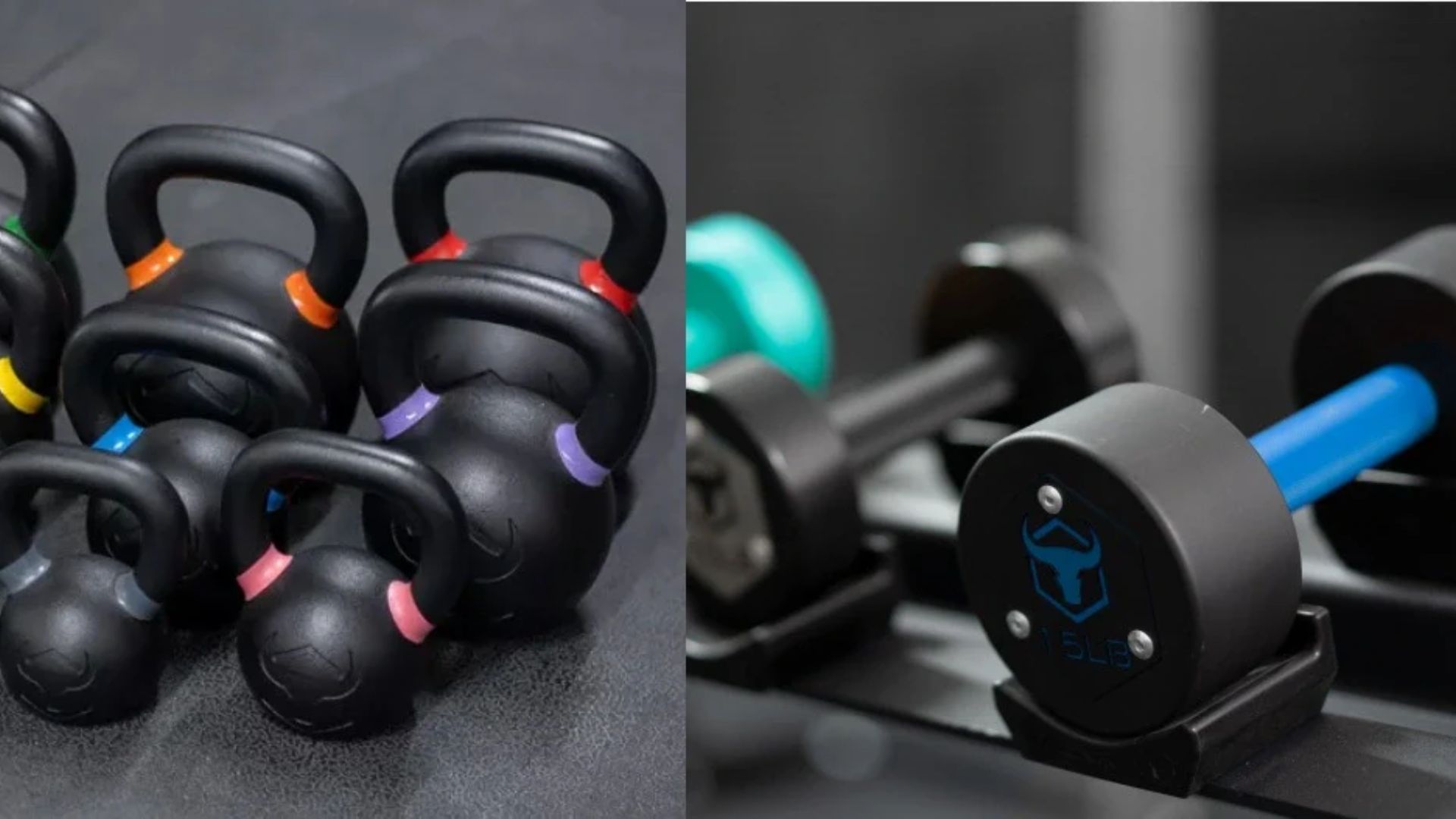
Rolling dumbbell extensions work like skull crushers but you roll the weights back past your head at the bottom. This adds more stretch to the long head and tends to feel easier on the elbows.
Tate press has you lower dumbbells by flaring your elbows out to the sides above your chest. It gives a deep stretch and a hard contraction at the top. Great for adding size.
Bodyweight and Cable Options
Dips are one of the best tricep builders with no equipment. Keep your torso upright to shift focus toward the triceps. Lean forward and the chest takes over.
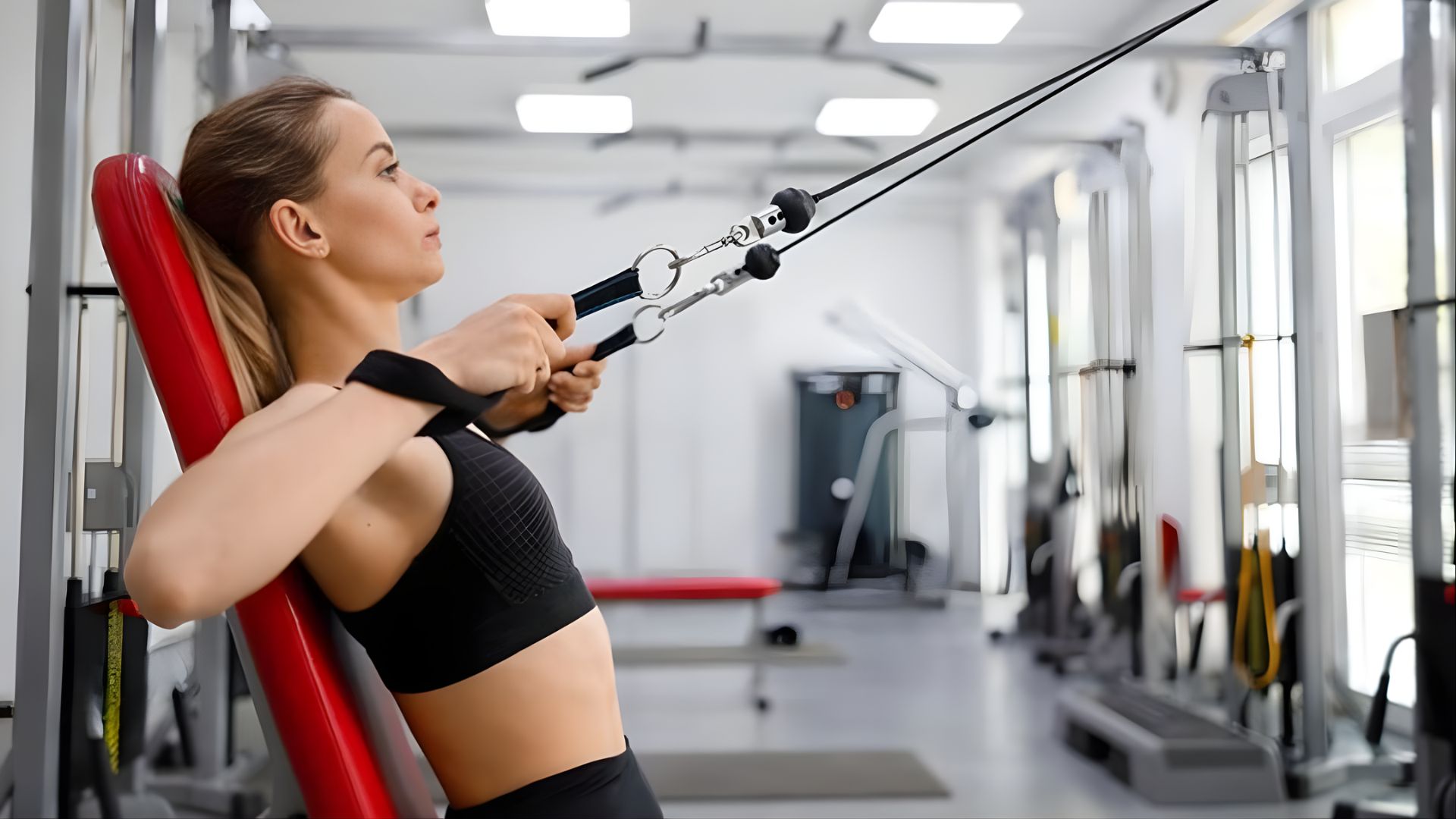
Cable pushdowns use a bar, rope, or V-bar. Keep elbows tucked and squeeze at the bottom for constant tricep tension.
Supinated cable extensions attach a bar to the low cable with palms facing up. Curl it toward your forehead by bending only at the elbows. It targets the long head in a stretched position and works better than most people expect.
Common Triceps Training Mistakes to Avoid
Most people are not getting the results they want because of small errors that add up over time.
Skipping Full Elbow Extension
Cutting the rep short means your triceps never fully contract. Always lock out at the top to get the most out of every rep.
Using Too Much Weight Too Soon
Going heavy before your form is solid leads to elbow pain and stalled progress. Start lighter and build up gradually over time.
Neglecting the Long Head
Most pressing movements do not fully stretch the long head of the tricep. Adding skull crushers or overhead extensions fills that gap directly.
Training Triceps Before a Heavy Bench Day
Triceps need to be fresh to perform well on bench press. Avoid hitting them hard the day before a heavy pressing session.
Tips for Maximizing Triceps Growth with Bench Press
Here are five simple tips to grow your triceps and stay injury free.
- Train triceps 2 to 3 times per week using the 3 to 6 rep range for strength and 8 to 15 for size.
- Warm up your elbows before any heavy pressing with light band pushdowns or arm circles.
- Keep your elbows at a comfortable angle during pressing. Too wide or too tucked both cause strain.
- Add weight slowly over time. Rushing progression is the fastest way to get hurt.
- Spread tricep volume across the week and take rest days seriously to allow proper recovery.
Conclusion
So there you have it. The bench press absolutely works your triceps, and now you know exactly how to get more out of every rep.
Personally, adding close-grip bench and floor press to my routine made a noticeable difference in both my lockout strength and arm size. Small changes, real results.
Try one new variation this week. See how it feels. If this helped you, share it with a training partner or drop a comment below. I’d love to hear how it goes for you.
Frequently Asked Questions
Does bench press alone build big triceps?
Bench press will build some tricep size, but it is not enough on its own. Adding direct tricep exercises like pushdowns or skull crushers gives much better results.
Is close-grip bench press better than regular bench press for triceps?
Yes, close-grip bench press targets the triceps more directly by shifting work away from the chest. It is one of the best pressing exercises for tricep strength and size.
How many sets of tricep work should I do per week?
Most people do well with 10 to 16 sets of tricep work per week, spread across 2 to 3 sessions. Start on the lower end and increase gradually if needed.
Can I train my triceps every day?
No. Triceps need time to recover, especially if you are also bench pressing. Training them every day leads to fatigue and increases the risk of elbow issues over time.
Why do my elbows hurt when I do tricep exercises?
Elbow pain usually comes from skipping warm-ups, using too much weight, or poor form. Start lighter, warm up well, and slow down your reps. If the pain continues, see a professional.