
Confused about static and passive stretching? You’re not alone. Many people use these terms but don’t know the real differences.
This article breaks down both techniques in simple terms. You’ll learn what makes them different, when to use each one, and which works best for your goals.
I’ve spent years testing these methods, and I’m sharing what actually works. By the end, you’ll know exactly how to choose the right stretch for flexibility, recovery, or pain relief.
Let’s clear up the confusion and get you stretching smarter, not harder.
What Is Static Stretching?
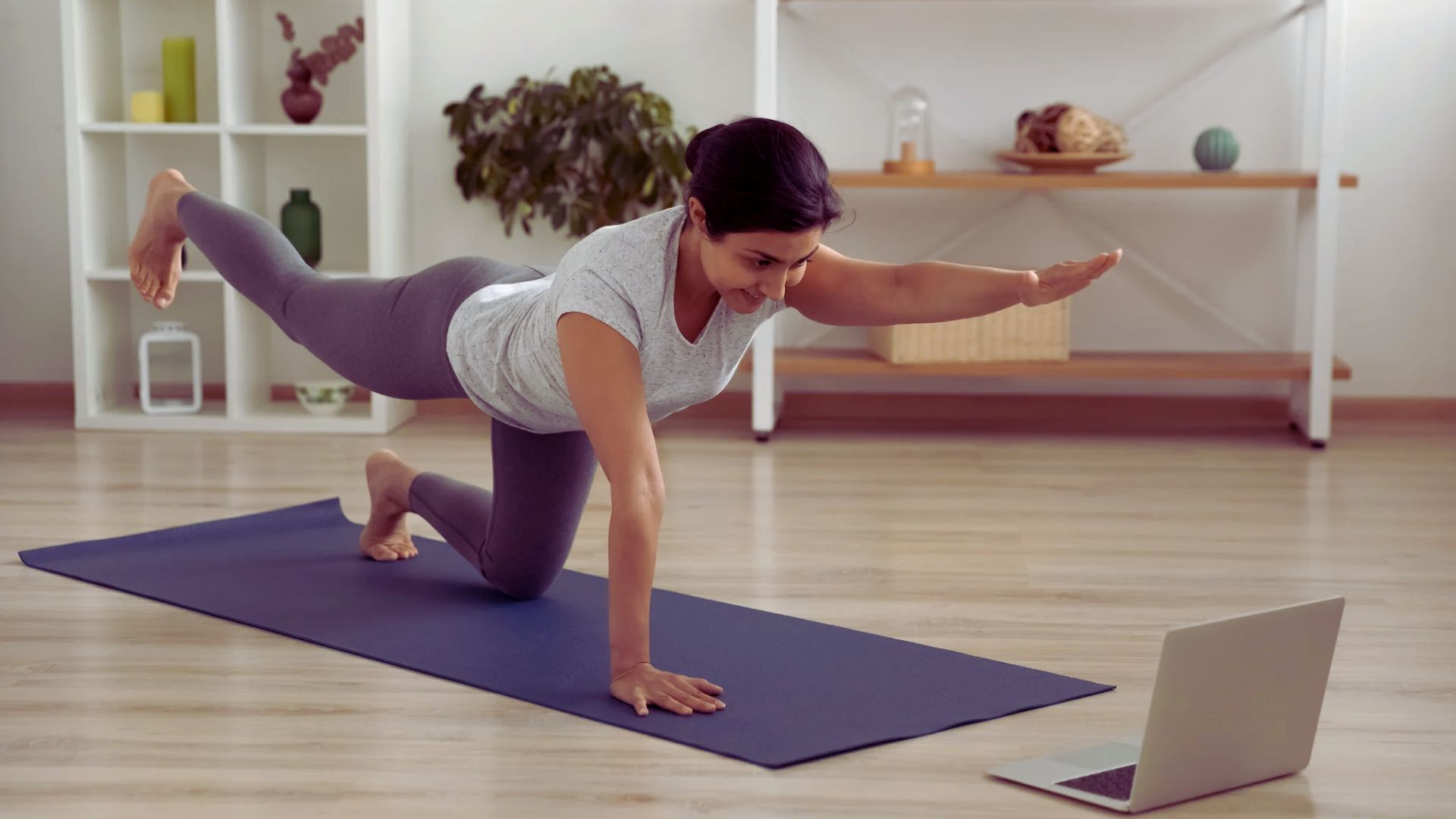
Static stretching means holding your body in one position to lengthen muscles without movement.
You stretch a muscle and hold that position. No bouncing. No moving. Your own muscles keep you in place.
You move into a stretch slowly. Hold it for 15 to 60 seconds. Your muscle fibers lengthen gradually. Blood flow increases. Tension reduces. The key is gentle, sustained pressure.
Common examples: Reaching toward your toes for hamstrings. Pulling your foot to your buttocks for quadriceps.
Bringing one arm across your chest for shoulders. Stepping forward with the back leg straight for calves.
Benefits: Improves flexibility with regular practice. Helps cool down after exercise. Increases range of motion.
Decreases muscle soreness. Reduces stress. You control how far you stretch, making it safer for beginners.
Limitations: Can reduce power and strength before intense activity. Doesn’t warm up cold muscles well.
What Is Passive Stretching?
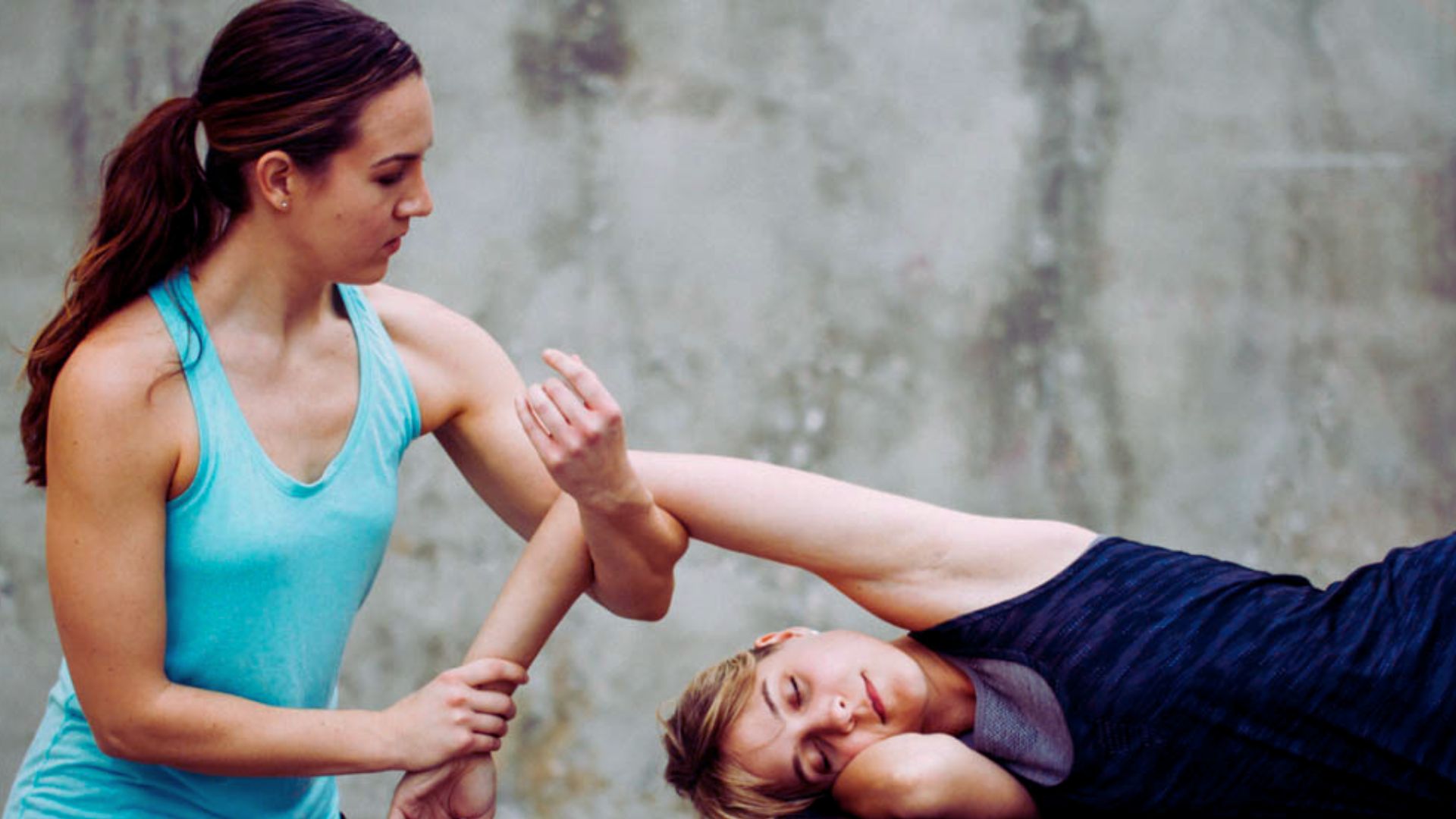
Passive stretching uses external force from a partner, tool, or prop to stretch your muscles while you stay relaxed.
An outside force moves your body into position. You relax completely. Your muscles don’t do the work.
An external force applies gentle pressure. This deepens the stretch beyond what you could do alone. A partner or tool controls the intensity.
Common examples: A partner pushes your leg toward your chest. Using a yoga strap to pull your leg up. Getting professional assisted stretch therapy.
Benefits: Reaches deeper ranges of motion. Reduces tension faster. Works well for tight muscles and limited mobility. Great for rehabilitation. Provides significant relaxation.
Risks: Higher injury risk if done incorrectly. Partners might push too hard. Less control over force. Can damage muscles or ligaments. Requires good communication. Always work within your comfort zone.
Compare and Contrast Static and Passive Stretching
Both techniques improve flexibility, but they differ in control, assistance, and intensity levels.
Similarities Between Static and Passive Stretching

Despite their differences, both methods share key characteristics.
Both hold positions without bouncing. Both improve flexibility over time. Neither involves dynamic movement. Both work well for cool-downs.
Both reduce muscle tension. Both require consistent practice. Both can target the same muscle groups. Both should be pain-free.
Static Stretching vs Passive Stretching for Flexibility
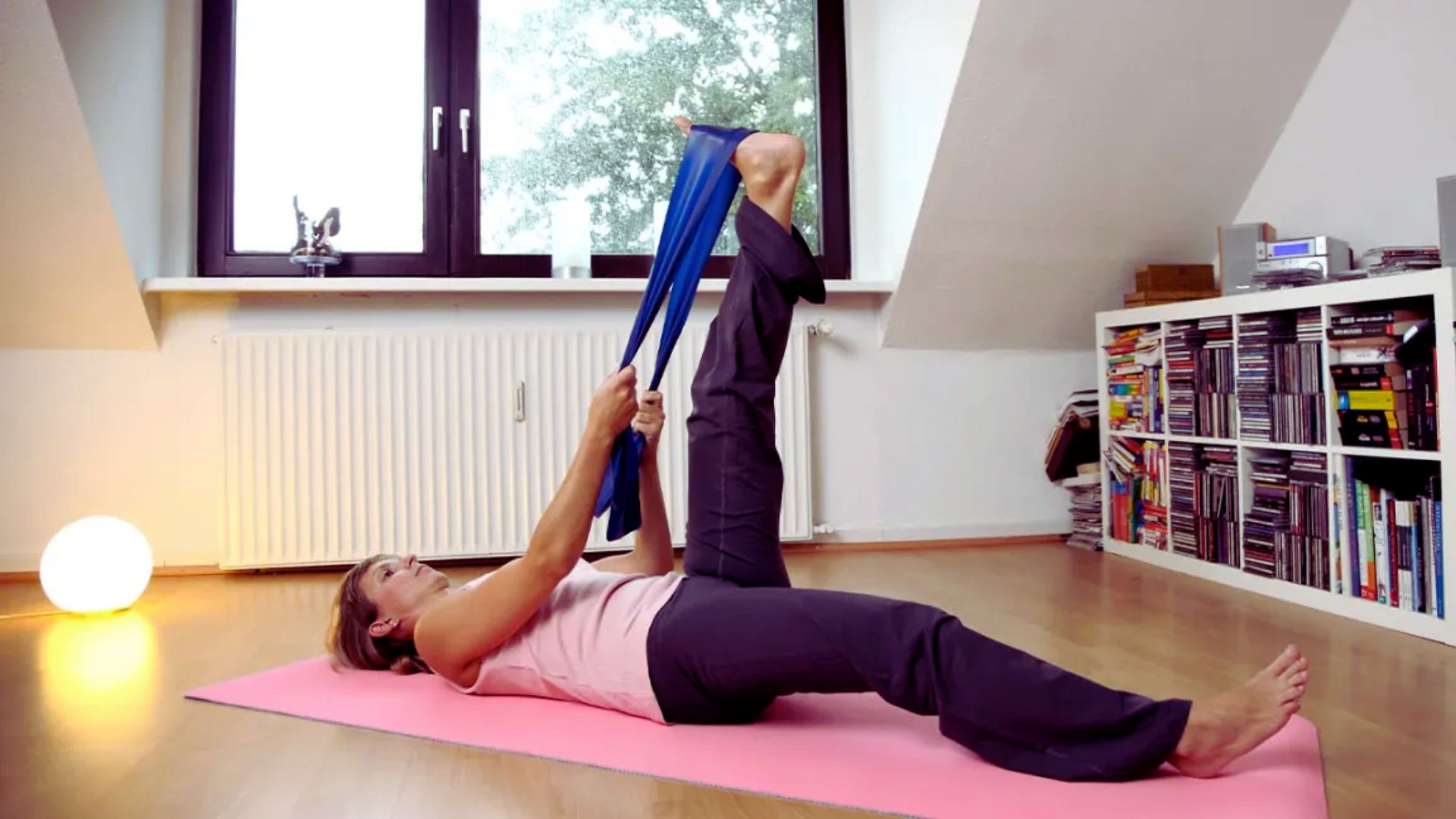
Each method builds flexibility differently depending on your needs.
Static stretching builds flexibility steadily. You progress at your own pace. Passive stretching often increases flexibility faster because it pushes boundaries safely.
For tight muscles, passive stretching reaches areas static can’t. But static stretching builds strength while stretching. Choose based on your current flexibility level and goals.
Static vs Passive Stretching for Pain Relief and Recovery
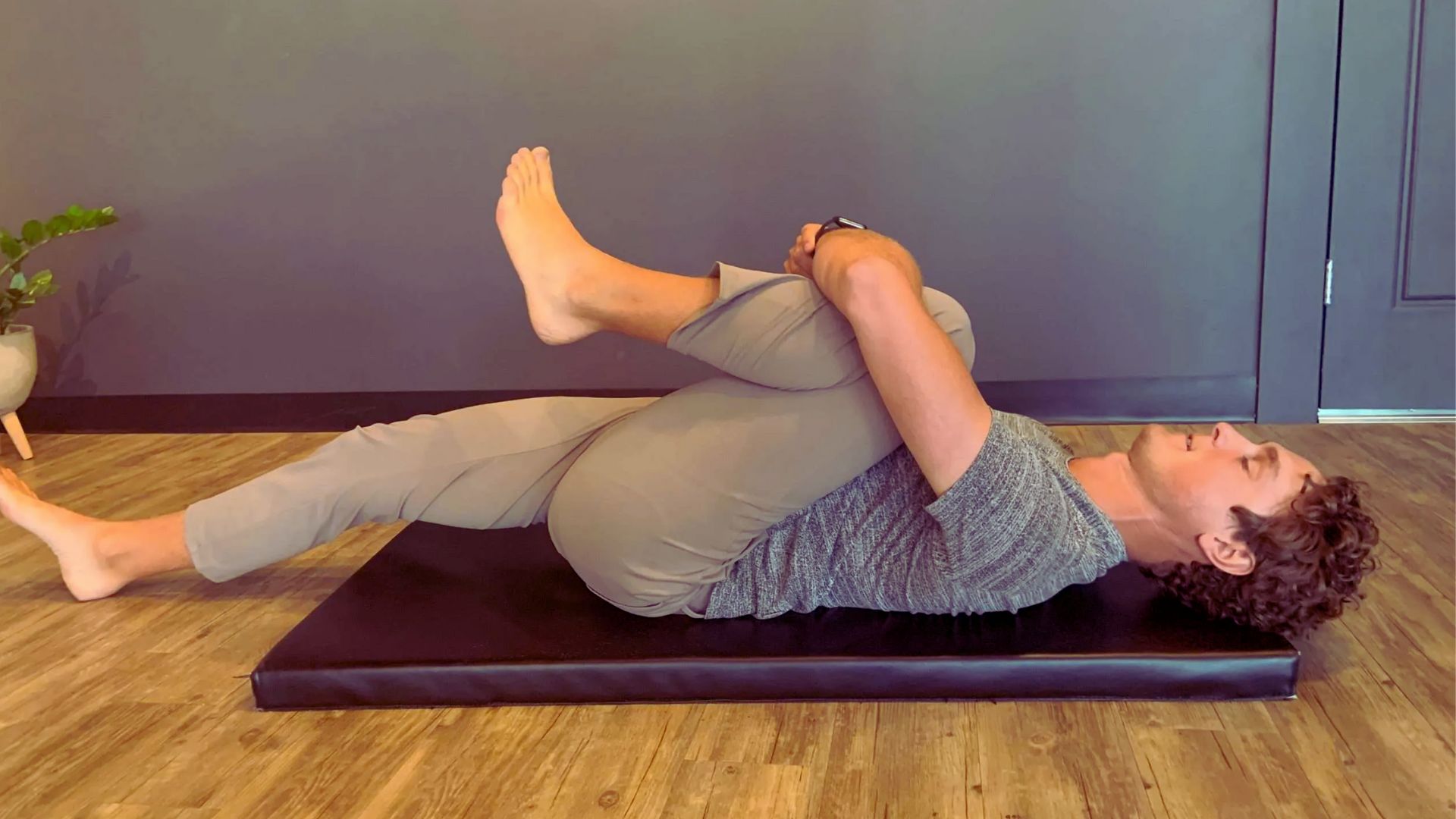
Your pain type determines which method works best.
Static stretching helps with general muscle soreness. It’s easy to do alone after workouts. Passive stretching provides deeper relief for chronic tightness.
Physical therapy often uses passive methods. If you have limited mobility, passive works better. For everyday recovery, static is more convenient. Both reduce pain when done correctly.
When Static Stretching Is More Effective
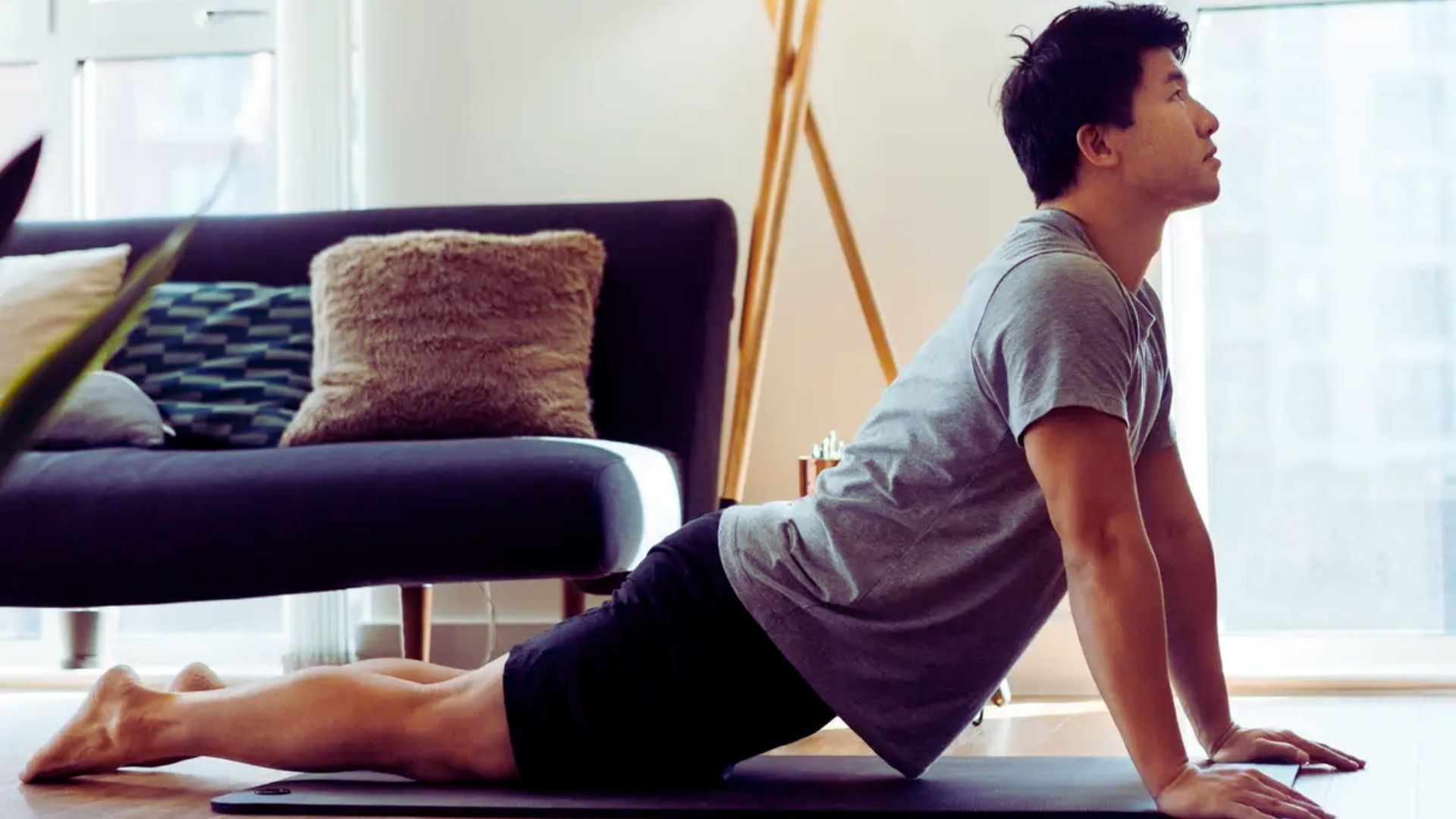
Static stretching works best in these situations.
Use static stretching when working out alone. It’s perfect for post-workout cool-downs. Beginners should start here. If you want to build strength while stretching, choose static.
When you need a quick flexibility routine, static is faster. For maintaining current flexibility, static works great. It’s ideal for stress relief during the day.
When Passive Stretching Works Best
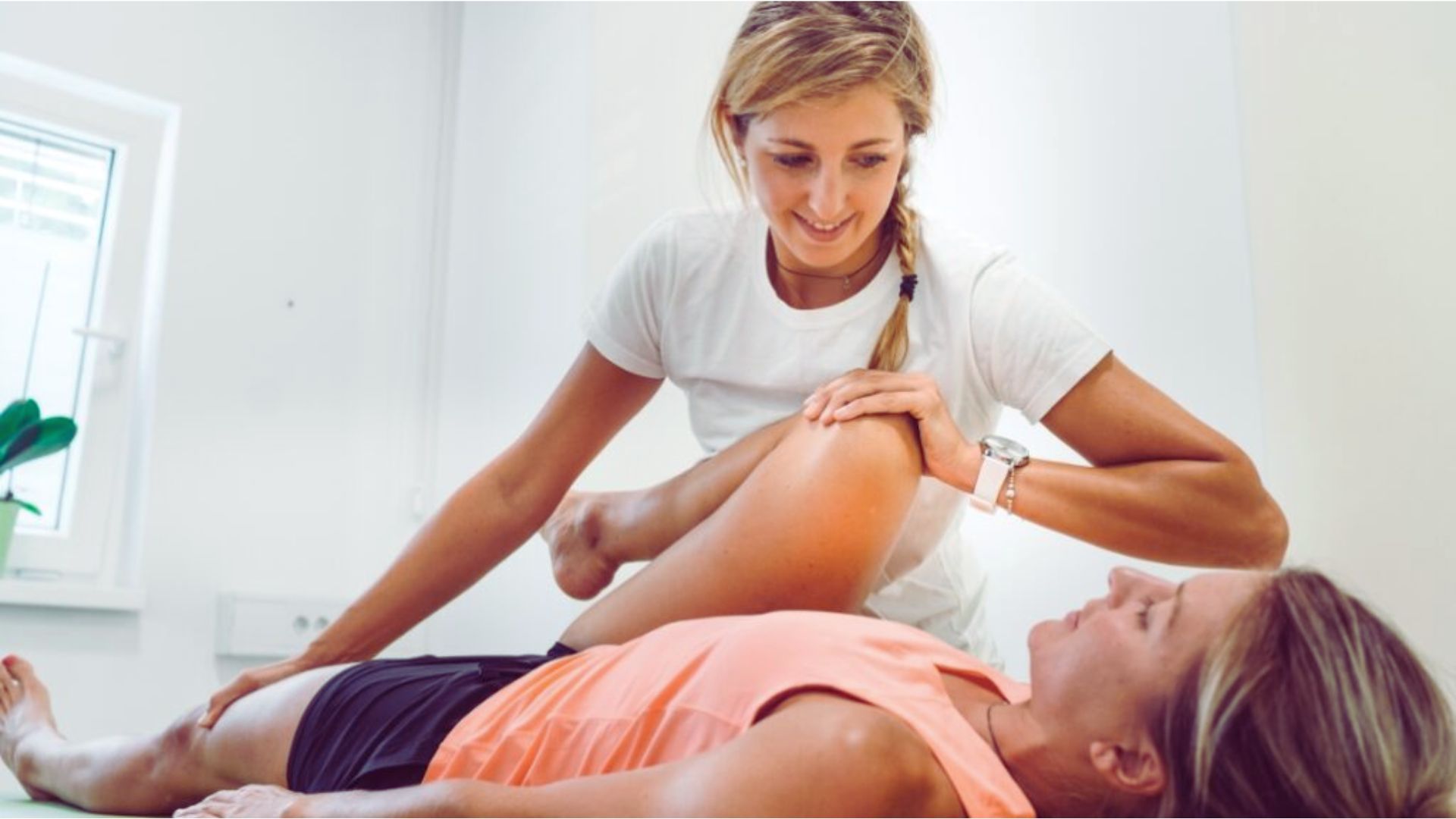
Passive stretching excels for specific needs and conditions.
Passive stretching excels for very tight muscles. Use it when recovering from injury with professional help. If you’ve plateaued with static stretching, try passive.
People with chronic tension benefit more. When you have a reliable partner, passive is excellent. For deep relaxation sessions, passive wins. Physical therapy sessions rely on passive techniques.
Which Stretching Technique Improves Range of Motion Faster?
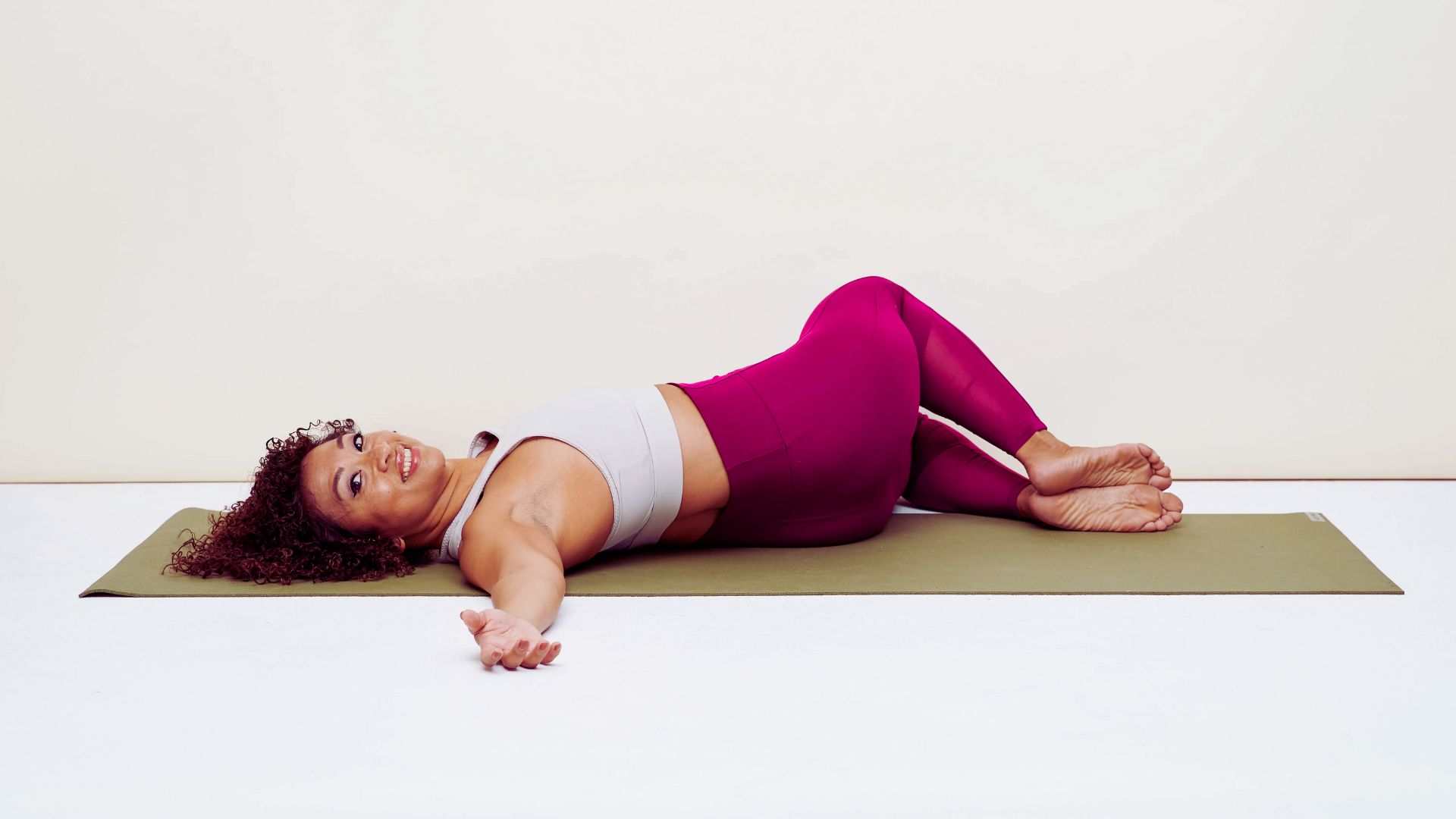
Passive stretching typically delivers quicker results.
Passive stretching typically improves range of motion faster. The external force safely pushes past your normal limits. You can relax completely, reducing muscle resistance.
Static stretching builds range of motion more gradually. It’s steadier but slower. For quick gains, passive stretching works better. For sustainable, long-term progress, combine both methods.
Stretching for Beginners

New to stretching? Start with static methods.
Beginners should start with static stretching. It’s safer to learn alone. You control every movement. Start with 15-second holds. Focus on major muscle groups like hamstrings, calves, and shoulders.
Do it three times per week. Once comfortable, add passive stretching with a friend or strap. Build your flexibility foundation first.
Stretching for Athletes and Active Individuals

Active people benefit from combining both techniques strategically.
Athletes need both techniques. Use static stretching after training for cool-downs. Save passive stretching for rest days or recovery sessions.
Don’t do deep stretching right before competition. Focus on sport-specific muscle groups. Combine methods for balanced flexibility. Work with a trainer for passive stretching sessions. This prevents overuse injuries.
Stretching for Injury Recovery and Rehabilitation

Recovering from injury requires professional guidance with passive methods.
Injury recovery requires passive stretching under professional guidance. Physical therapists use it to restore range of motion safely. Start very gently.
Never force movements. Progress slowly over weeks. Add static stretching as healing continues. The combination speeds recovery while preventing re-injury. Always follow medical advice first.
Stretching for Stress Relief and Relaxation
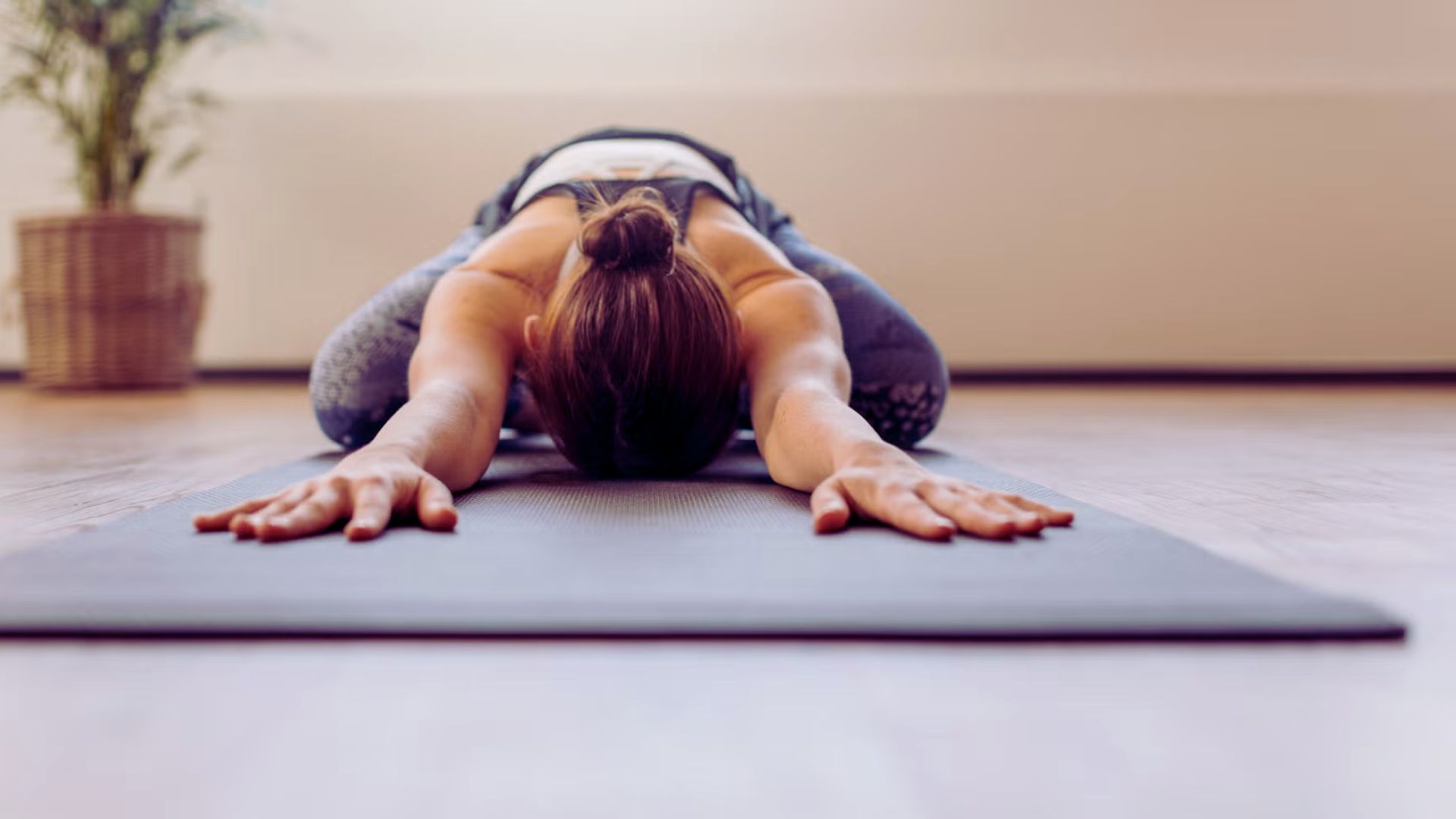
Both methods calm your mind and body effectively.
Both techniques reduce stress effectively. Static stretching works well for daily practice. Do it before bed for better sleep.
Hold stretches for 30 seconds while breathing deeply. Passive stretching provides deeper relaxation. Use it during yoga or meditation sessions.
Complete muscle relaxation calms your nervous system more. Choose based on available time and resources.
Safety Tips for Static and Passive Stretching
Following proper guidelines prevents injury and maximizes stretching benefits for both techniques.
- Hold static stretches for 15 to 60 seconds. Beginners start with 15 seconds. Repeat 2 to 4 times. Stop if you feel sharp pain.
- Communicate constantly during passive stretching. Use clear words like “more,” “hold,” or “stop.” Never push through sharp pain.
- Always warm up before stretching. Cold muscles tear easily. Move slowly into positions. Use quality tools and check equipment first.
- Skip static stretching before power activities. Avoid passive stretching with unstable joints. Don’t stretch injured areas without medical clearance.
- Never stretch with acute inflammation or swelling. Pregnant women should consult healthcare providers first.
Conclusion
Static and passive stretching both improve flexibility, but they work differently. Static gives you control and builds strength.
Passive goes deeper with outside help. Most people benefit from using both methods. Start with static if you’re new to stretching. Add passive techniques as you progress. Listen to your body always.
I’ve seen the best results combining both approaches throughout the week. Try one technique today and notice how your body responds.
Share your stretching experience in the comments below. What works best for you?
Frequently Asked Questions
Is passive stretching better than static stretching?
Neither is better overall. Choose based on your goals: passive reaches deeper, static offers more control and builds strength.
Can static stretching cause injury?
Rarely, when done correctly. Always warm up first, avoid bouncing, and stop if you feel sharp pain.
How often should you do static and passive stretching?
Do static stretching 3 to 7 times per week. Do passive stretching 2 to 3 times per week for recovery.
Is passive stretching good for tight muscles?
Yes, it works excellently for tight muscles. The external force allows deeper stretching, but increases intensity gradually.
Should I do static or passive stretching before exercise?
No, both can reduce muscle power temporarily. Do light dynamic movements for warm-ups and save stretching for after workouts.