

Looking to lose fat while building muscle? Body composition exercises are what you need. I’ve spent years helping people change their bodies, and I know these movements work.
In this guide, I’ll show you the best exercises to improve your body composition. You’ll learn which movements burn fat and build muscle at the same time.
I’ll cover beginner exercises, upper and lower body moves, core work, and how to structure your workouts. You’ll also get tips on avoiding mistakes and maximizing results.
Plus, I’ll share nutrition advice and recovery strategies. This isn’t theory, it’s what actually works in real life.
What Are Body Composition Exercises?

Body composition exercises help you lose fat and gain muscle simultaneously. These movements use resistance to build lean tissue while burning calories. They create lasting metabolic changes in your body.
Your body composition is the ratio of fat to muscle. It matters more than your weight. Fat takes up more space than muscle. That’s why someone with more muscle looks leaner at the same weight.
Strength training builds muscle that burns calories even at rest. Lifting weights creates micro-tears in your muscles. Your body repairs them and makes muscles stronger. This process burns calories for hours after your workout.
Resistance training preserves muscle during fat loss, strengthens bones, and keeps your metabolism high.
How Body Composition Exercises Support Fat Loss & Muscle Gain?

These exercises create the ideal environment for losing fat and building muscle at once. They trigger hormonal responses and metabolic changes that regular cardio can’t match.
Every pound of muscle burns calories at rest. Your resting metabolic rate increases with more muscle mass. You burn more calories while sleeping or working. The afterburn effect lasts up to two days after training as your body repairs muscle.
Muscle pulls sugar from your bloodstream and improves insulin sensitivity. Resistance training boosts growth hormone and testosterone naturally while lowering cortisol. This means better fat burning and less belly fat storage.
After 30, you lose muscle mass each decade. Strength training stops this loss and reverses it. People who lift weights maintain their fat loss better than those who only diet. It’s not just about losing fat but keeping it off.
Best Body Composition Exercises for Beginners
Master these foundational movements to build full-body strength safely and effectively while learning proper form.
Box Squat
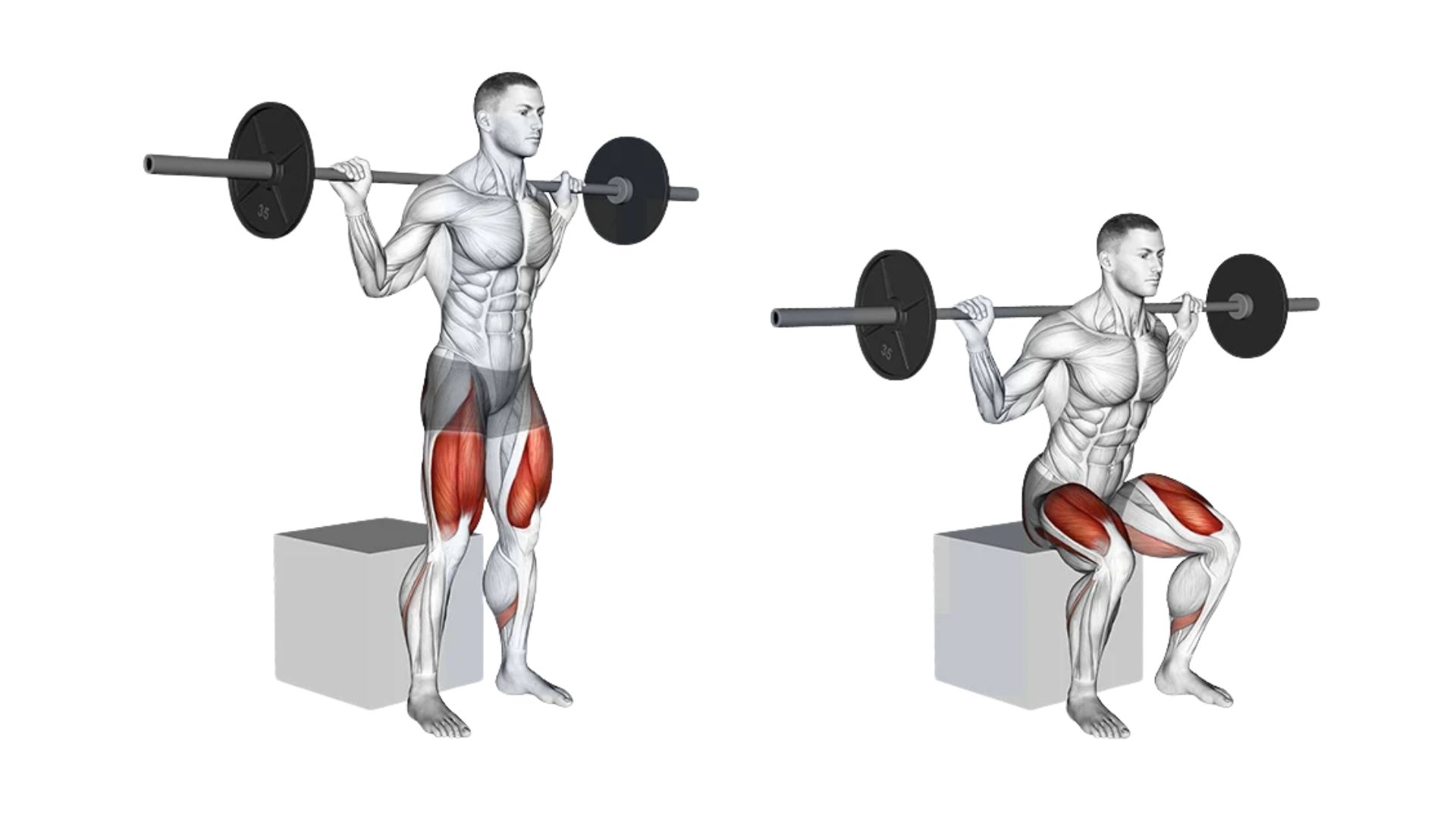
Lower yourself to a box or bench, tap it lightly, and stand back up. Start with a higher box and progress to lower heights.
Stand with feet shoulder-width apart, push your hips back, and touch the box gently. Keep your chest up and drive through your heels.
This builds quads, glutes, and hamstrings while teaching the hip hinge pattern.
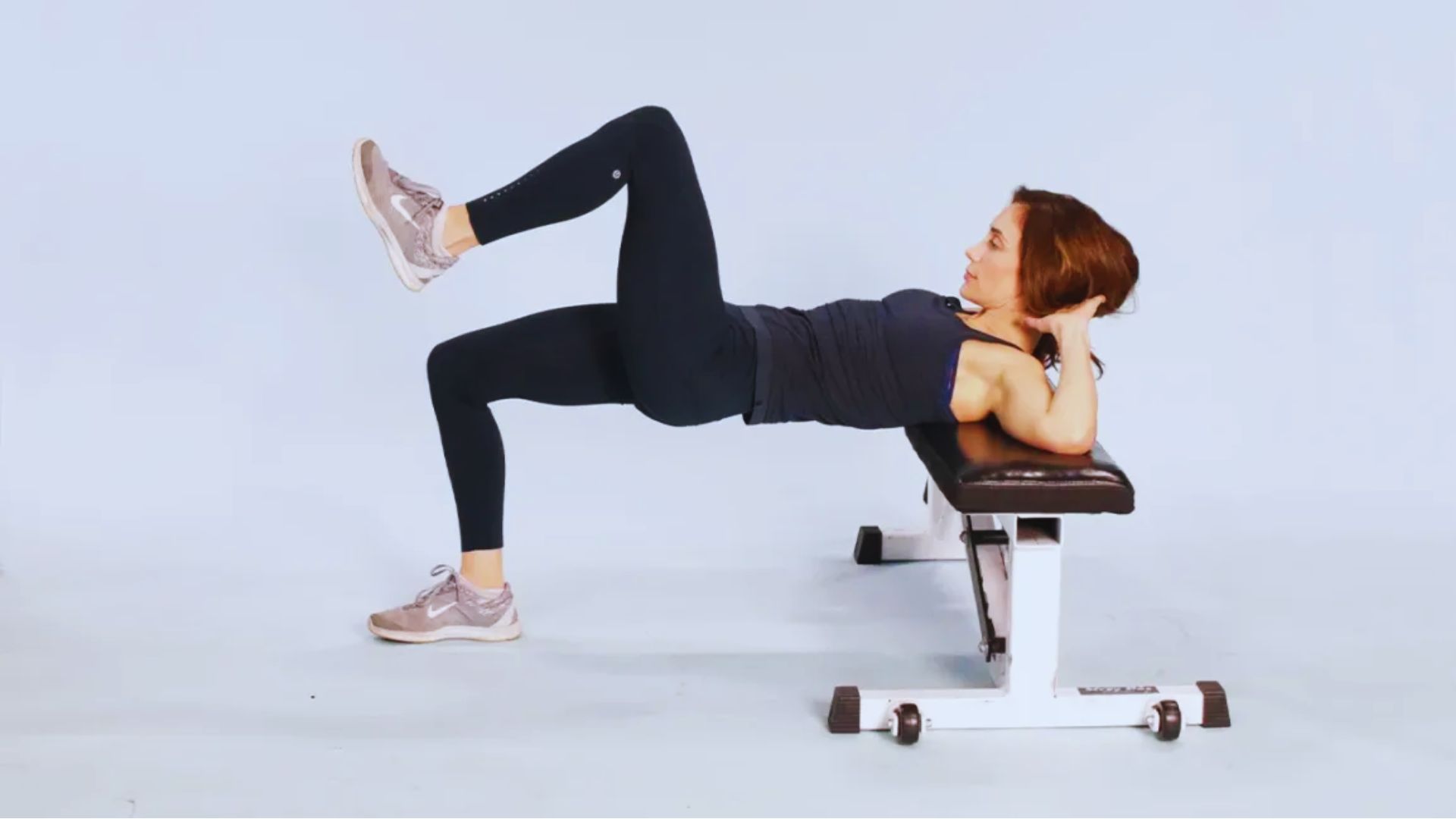
Glute Bridge
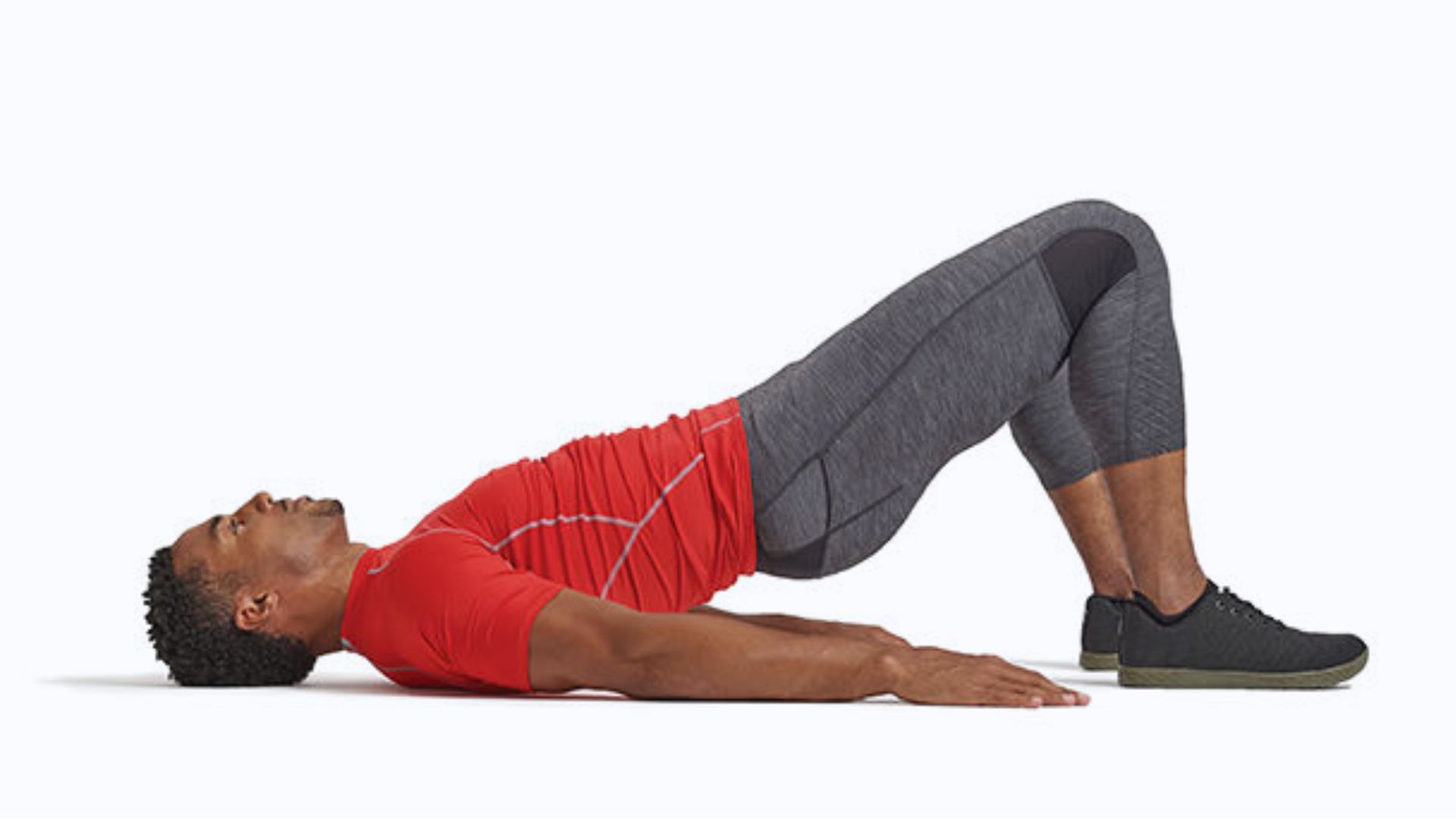
Lie on your back with knees bent and feet flat. Push through your heels to lift your hips up.
Your body should form a straight line from knees to shoulders. Squeeze your glutes hard at the top and hold for 1-2 seconds. This builds your backside and protects your lower back.
Dumbbell Overhead Press
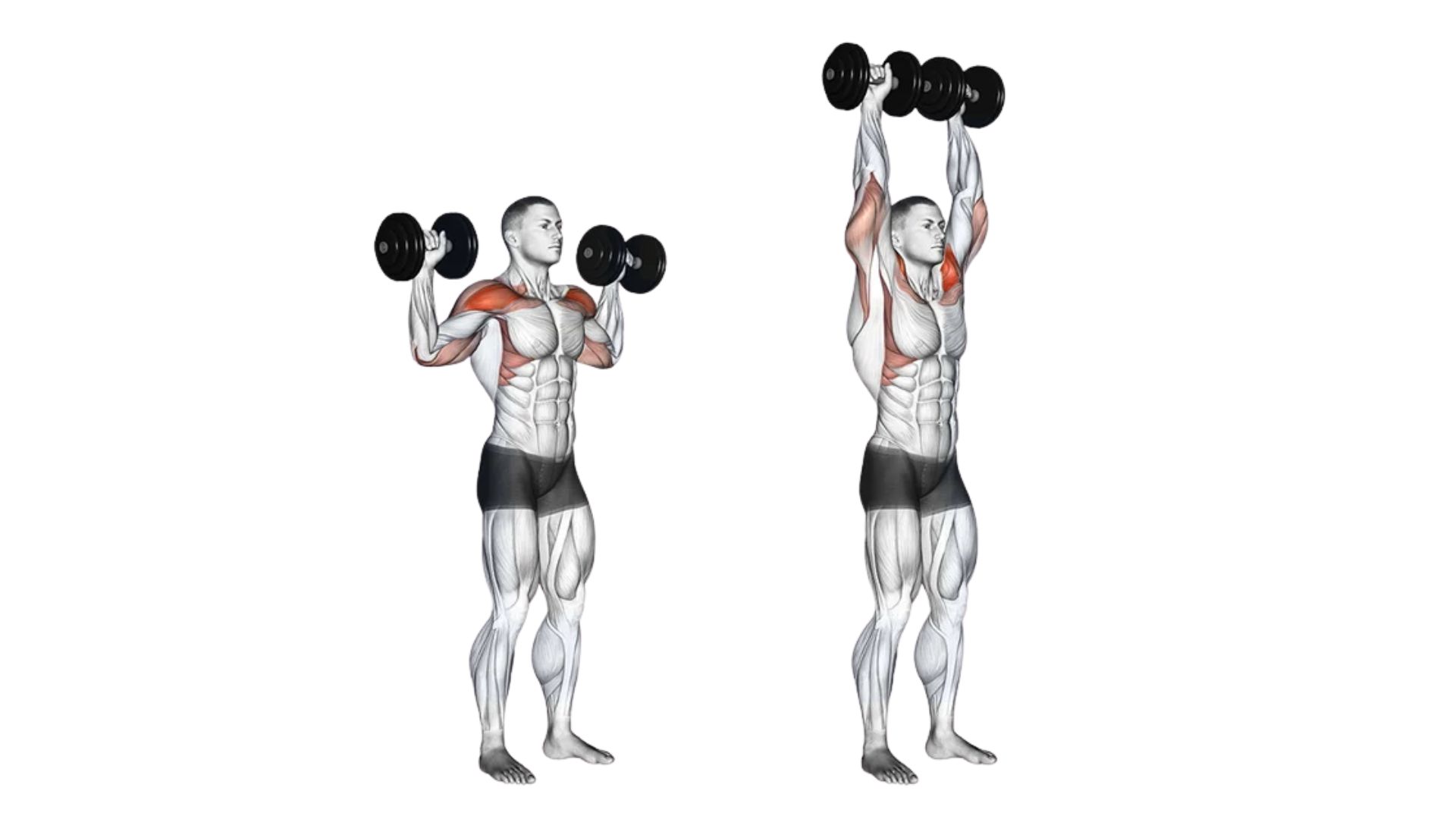
Stand holding dumbbells at shoulder height. Press the weights straight up until your arms are fully extended. Keep your core tight to protect your lower back. Don’t lean back as you press.
This builds shoulders, upper chest, and triceps.
Incline Plank
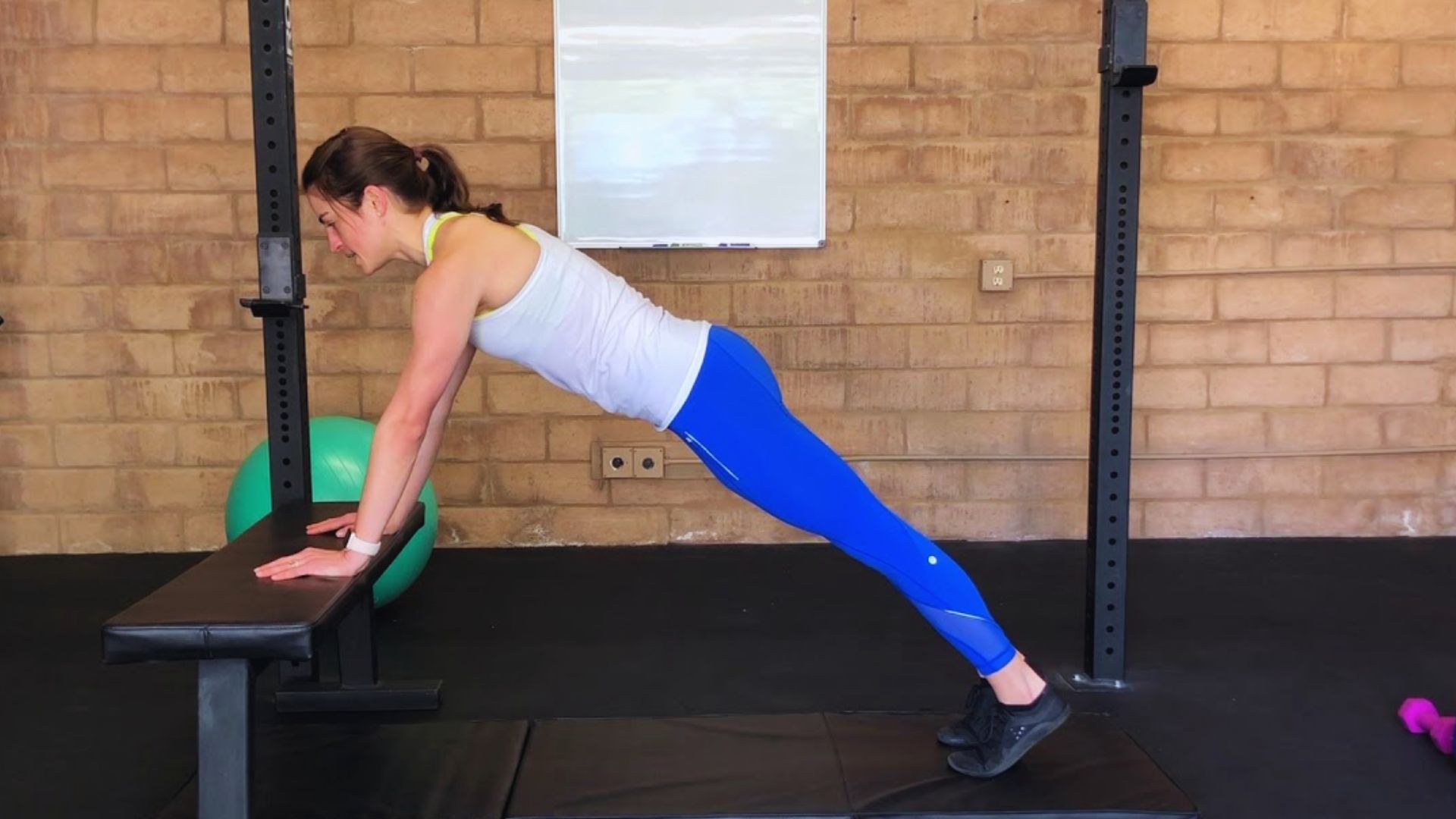
Place your hands on a bench or sturdy table. Step your feet back until your body forms a straight line.
The higher the surface, the easier the exercise. Keep your abs tight and don’t let your hips sag. Hold for 20-30 seconds at first, working up to 60 seconds or more.
Upper-Body Body Composition Exercises
Strengthen your chest, shoulders, and arms with movements that build athletic muscle and burn calories efficiently.
Wall Pushup
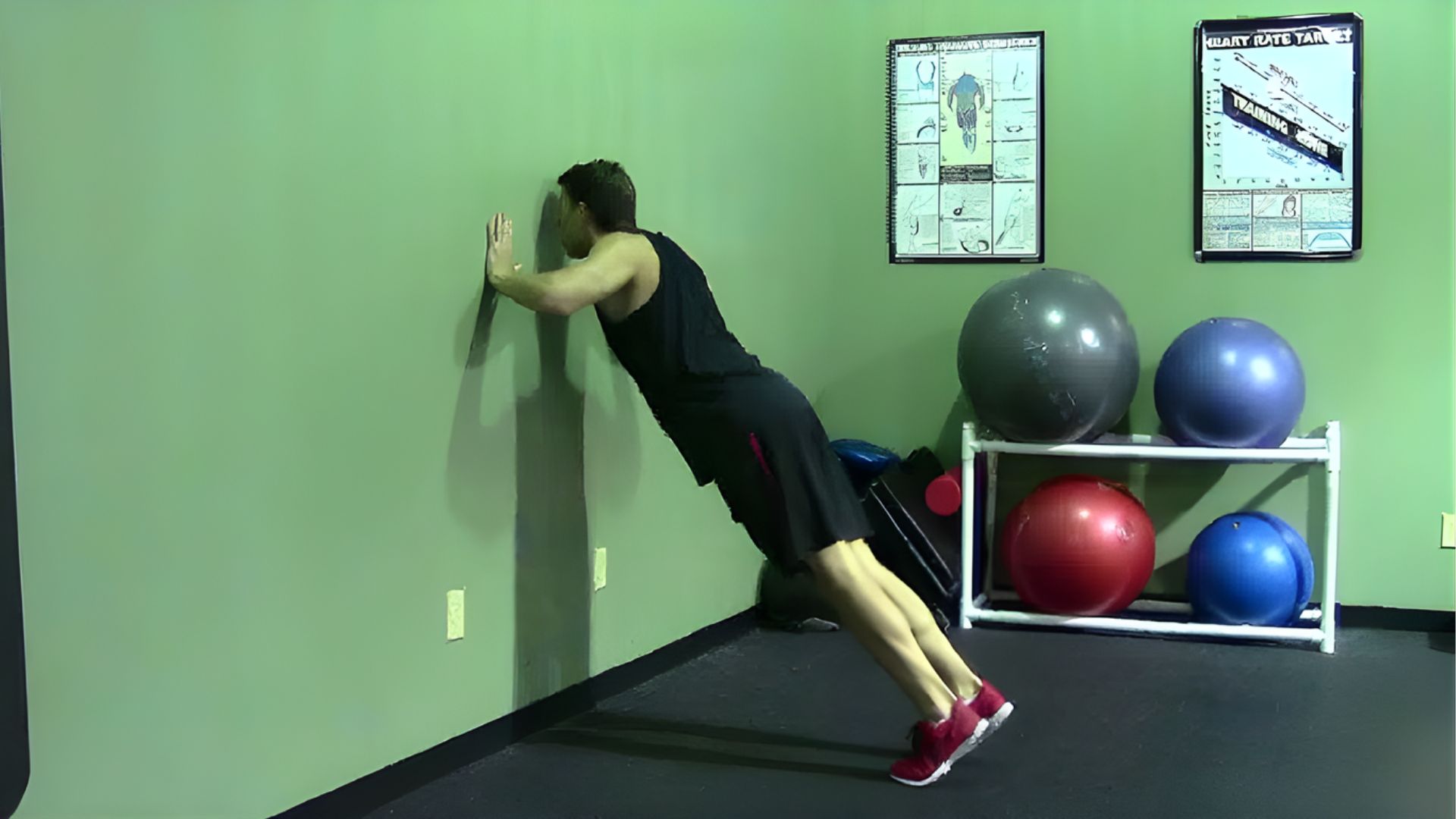
Stand facing a wall at arm’s length. Place your hands on the wall at chest height. Lean in and push back out.
This is the perfect starting point if regular pushups feel too hard. Keep your body straight from head to heels. Step your feet farther from the wall as you get stronger.
Dumbbell Bench Press
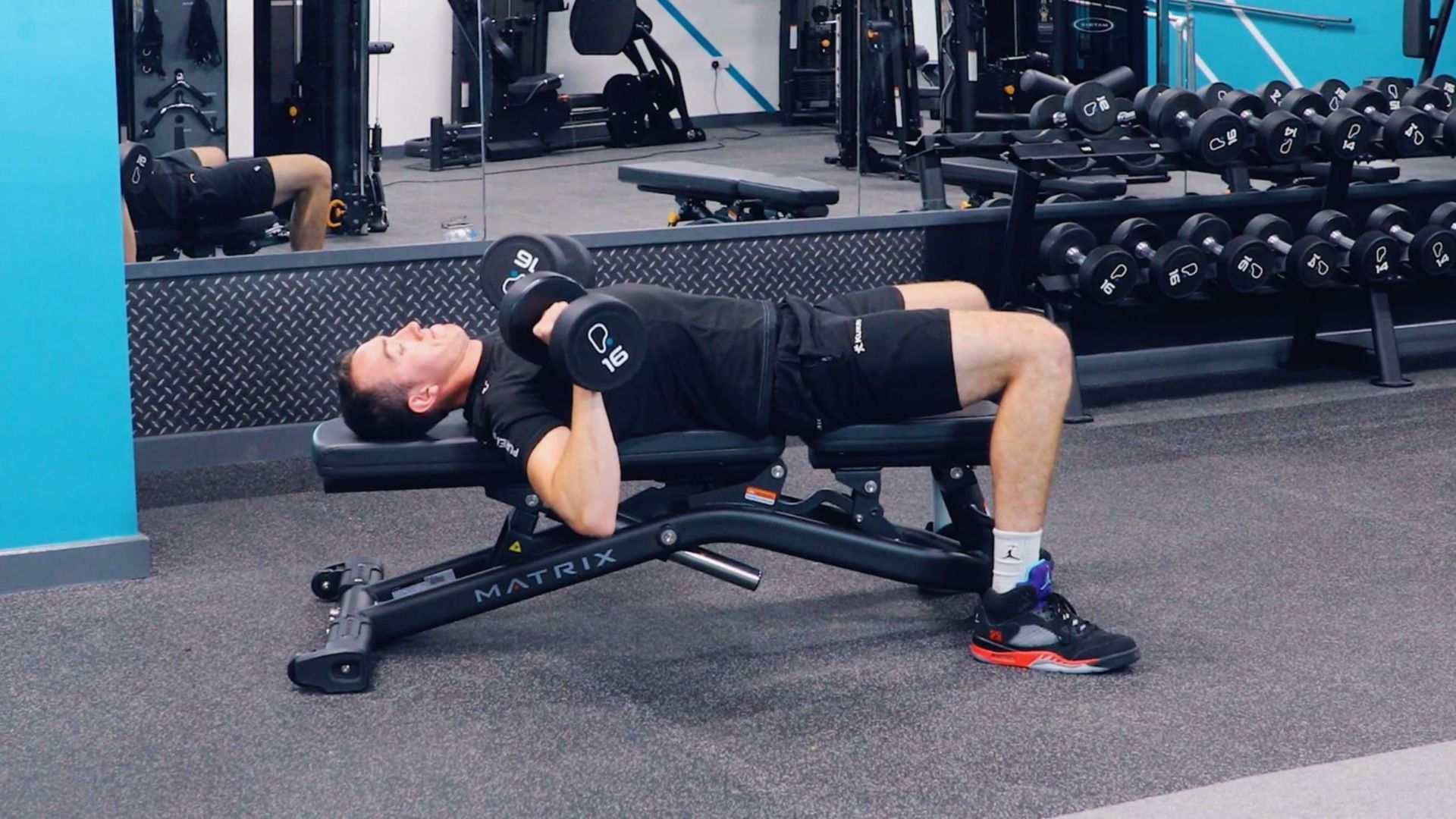
Lie on a bench holding dumbbells above your chest. Lower them slowly until they’re beside your chest, then press back up.
Your elbows should stay at about 45 degrees from your body. Keep your feet flat and shoulder blades squeezed together. Lower the weights slowly for 2-3 seconds to build more muscle.
Lower-Body Body Composition Exercises
Train the largest muscle groups in your body to maximize calorie burn and build serious metabolic power.
Reverse Lunge
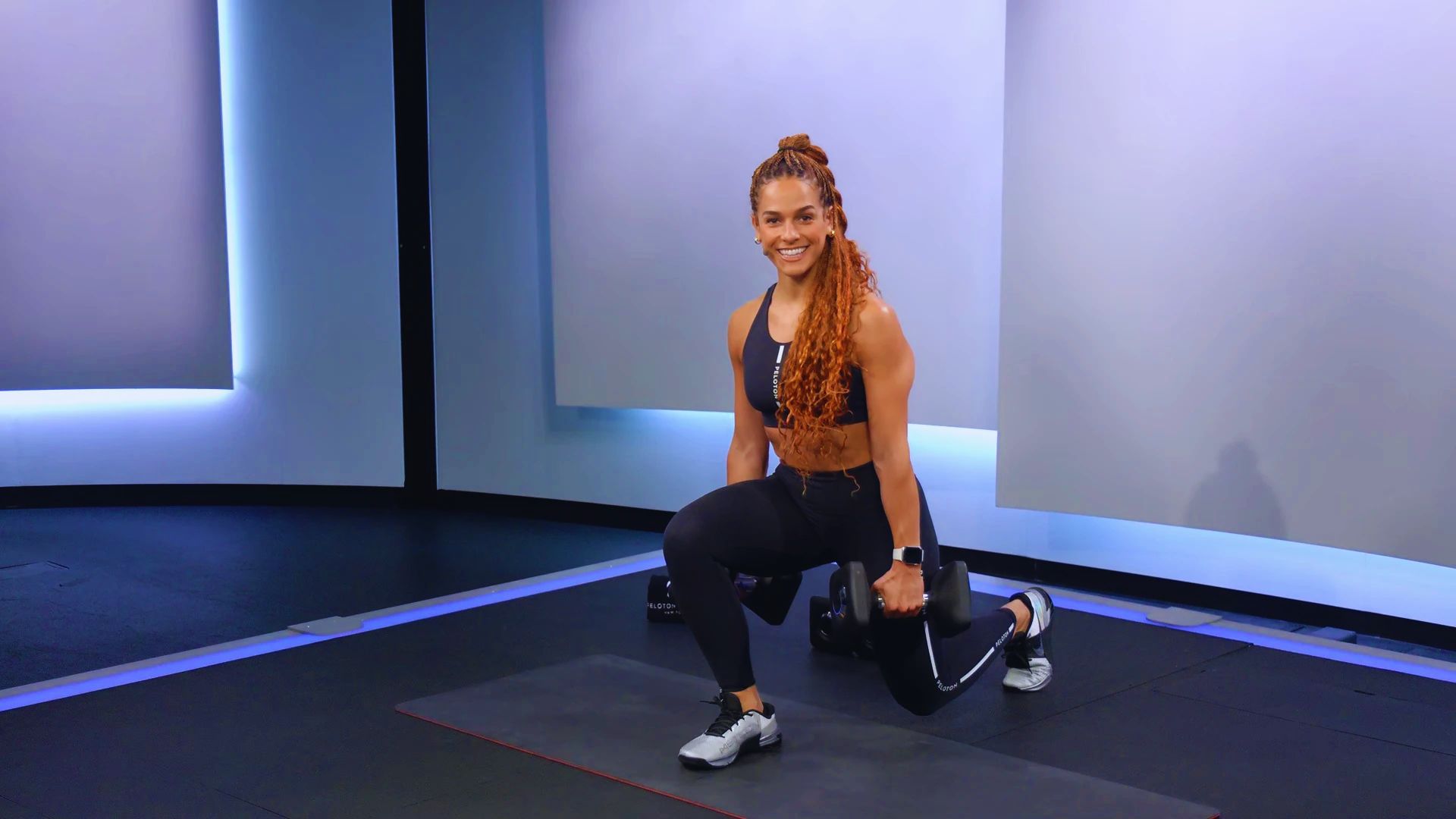
Step backward with one foot and lower your back knee toward the ground. Push through your front heel to return to standing.
The reverse lunge is easier on your knees than the forward lunge. Keep your torso upright and don’t let your front knee shoot forward. Lower until your back knee nearly touches the ground.
Glute-Focused & Leg-Strength Benefits
Strong glutes prevent knee pain and lower back pain. Leg exercises burn the most calories per session.
Working large muscle groups creates the afterburn effect for hours. Lower body training also boosts testosterone and growth hormone more than upper body work, helping burn fat everywhere.
Core & Stability Body Composition Exercises

A strong core supports every movement you make and protects your spine.
Pallof Press
Stand sideways to a cable machine or resistance band. Hold the handle at chest height with both hands and press it straight out.
Your body will want to rotate toward the resistance. Fight this rotation by keeping your shoulders square. Hold the extended position for 2-3 seconds, then pull back to your chest.
Why Anti-Rotation Training Matters for Fat Loss
Traditional crunches only work your abs in one direction. Anti-rotation exercises work your entire core as a unit. A strong, stable core lets you lift heavier weights safely.
Heavier weights mean more muscle growth and better body composition. These exercises also prevent twisting injuries and work your obliques and deep core muscles.
Common Mistakes to Avoid With Body Composition Exercises
Avoid these errors that derail progress and can lead to injury or burnout.
- Learn proper form first. Practice movements with just body weight or very light dumbbells before adding heavy weight. Film yourself and compare to instructional videos.
- Don’t ego lift. Progressive overload means gradual increases, not jumping 20 pounds overnight. Add 2.5-5 pounds each week for safe progress.
- Drop the weight if form breaks down. If you can’t complete your reps with good form, the weight is too heavy. There’s no shame in using lighter weights correctly.
- Get 7-9 hours of sleep every night. Muscles grow during recovery, not during workouts. Sleep is when growth hormone peaks for muscle building and fat loss.
- Take rest days and stretch daily. Take at least one full rest day per week. Add 5-10 minutes of stretching or mobility work daily to prevent injury.
Tips to Maximize Results From Body Composition Exercises
Apply these strategies consistently to achieve the best body composition outcomes.
- Add weight gradually. Increase by 2.5-5 pounds every week or two. If you can’t add weight, add reps or sets instead.
- Eat 0.7-1 gram of protein per pound of body weight daily. Protein builds and preserves muscle tissue for body composition changes.
- Avoid crash diets. Aim for a moderate 300-500 calorie deficit. Severe restriction causes muscle loss along with fat loss.
- Show up consistently. Results come from regular training, not occasional effort. Consistency beats intensity every time.
- Manage stress and hydrate. High cortisol promotes fat storage. Drink half your body weight in ounces of water daily.
Who Should Do Body Composition Exercises?
Almost everyone benefits from resistance training and body composition work. These exercises improve health markers, physical function, and appearance across all age groups.
Beginners see rapid progress in the first few months. You’ll gain strength and muscle faster than experienced lifters. These exercises teach proper form and prevent injuries down the road.
Dieters often lose muscle along with fat, tanking their metabolism. Resistance training keeps muscle during a calorie deficit. You get leaner without getting weaker, making weight maintenance easier long-term.
Aging causes muscle loss, bone loss, and metabolic decline. Building muscle in your 30s, 40s, and beyond prevents frailty later in life. Better body composition reduces your risk of diabetes and heart disease while improving daily function and independence.
Conclusion
Body composition exercises changed how I approach fitness, and they can do the same for you. I used to waste time on endless cardio, but strength training gave me the lean, strong body I actually wanted.
Start with the beginner exercises I shared and focus on progressive overload. Remember that building muscle and losing fat takes time, but every workout gets you closer. Your body will thank you for choosing resistance training over quick fixes.
Ready to start changing your body composition? Pick two or three exercises from this guide and try them this week. Drop a comment below telling me which exercises you’re most excited to try.
Frequently Asked Questions
How often should I do body composition exercises?
Train 3-4 times per week for best results. Each muscle group should be worked 2-3 times weekly for optimal growth and fat loss.
Can I lose fat and gain muscle at the same time?
Yes, especially if you’re a beginner or returning after a break. Eat enough protein, maintain a slight calorie deficit, and lift weights consistently.
How long before I see results from body composition exercises?
You’ll feel stronger within 2-3 weeks. Visible changes typically appear around 6-8 weeks with consistent training and proper nutrition.
Do I need a gym for body composition exercises?
Not necessarily. Many exercises work with dumbbells, resistance bands, or body weight at home. However, gym equipment gives you more options for progressive overload.
What’s more important for body composition: diet or exercise?
Both matter equally. Exercise builds muscle and creates the stimulus for change. Diet provides the fuel and building blocks your body needs.