

A lot of people ask: do pull ups work shoulders, or are they just a back exercise? It is a fair question, especially if you are trying to build a well-rounded upper body.
Pull-ups do more than most people think. Yes, they are known for building a wide back, but your shoulders play a real role in every single rep.
In this article, you will learn exactly which shoulder muscles pull-ups activate, how much they contribute, and how to get the most out of every set.
After working with this movement for years, one thing is clear: most people leave shoulder gains on the table simply because they do not understand how the movement works.
Do Pull Ups Work Shoulders? Here's the Short Answer
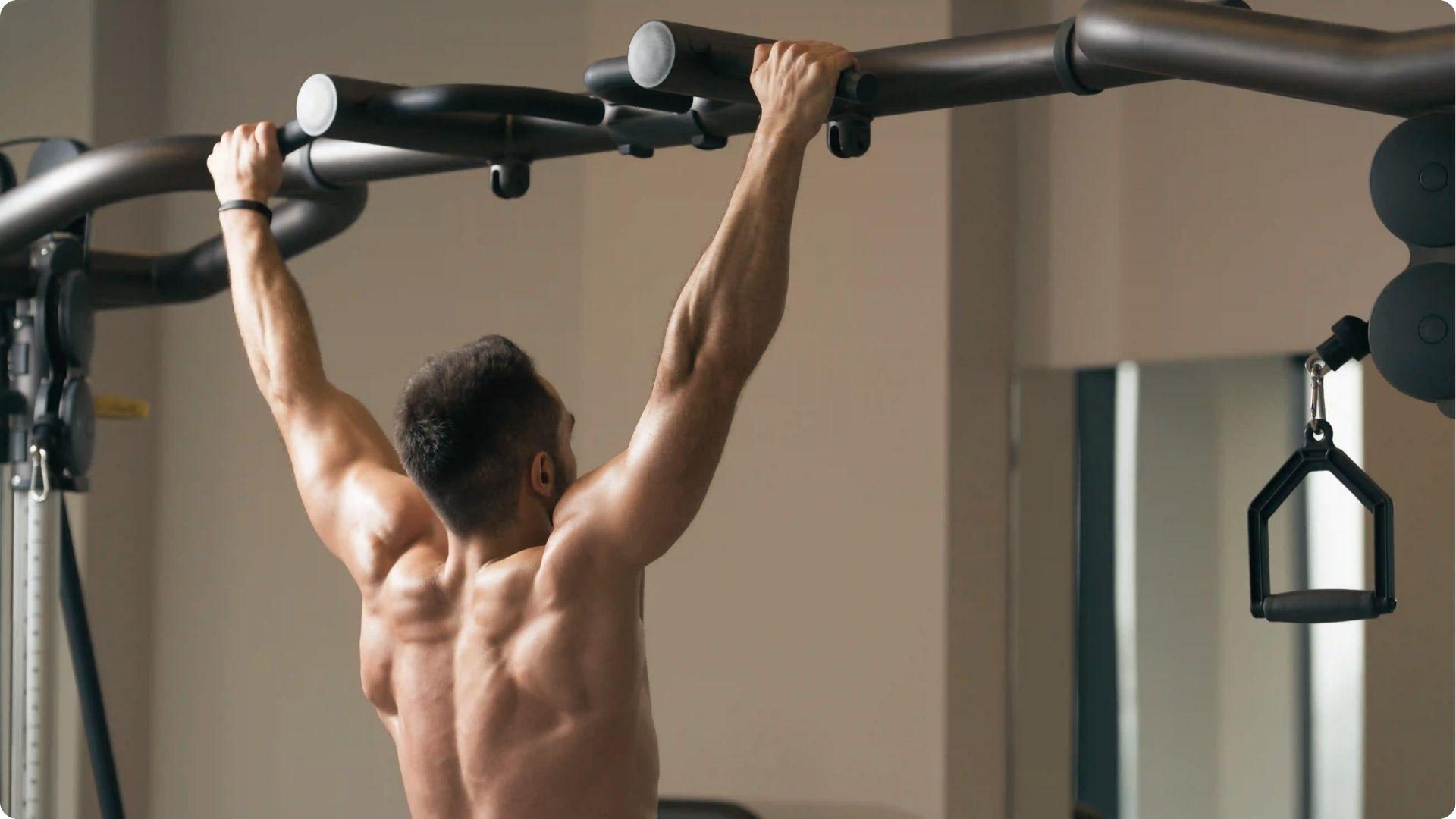
Yes, pull-ups do work your shoulders, but not in the way most people expect. Pull-ups are primarily a back exercise, with the latissimus dorsi doing the heavy lifting.
But your shoulder muscles are always active. The rear deltoids, rotator cuff, trapezius, rhomboids, and serratus anterior all engage to stabilize the joint and control the movement.
Think of it this way:your back leads, and your shoulders support. The front and side deltoids are involved minimally, which is why pressing and lateral work are still needed.
For rear delt strength and shoulder stability, pull-ups are one of the best compound movements you can do.
What Muscles Do Pull-Ups Work?
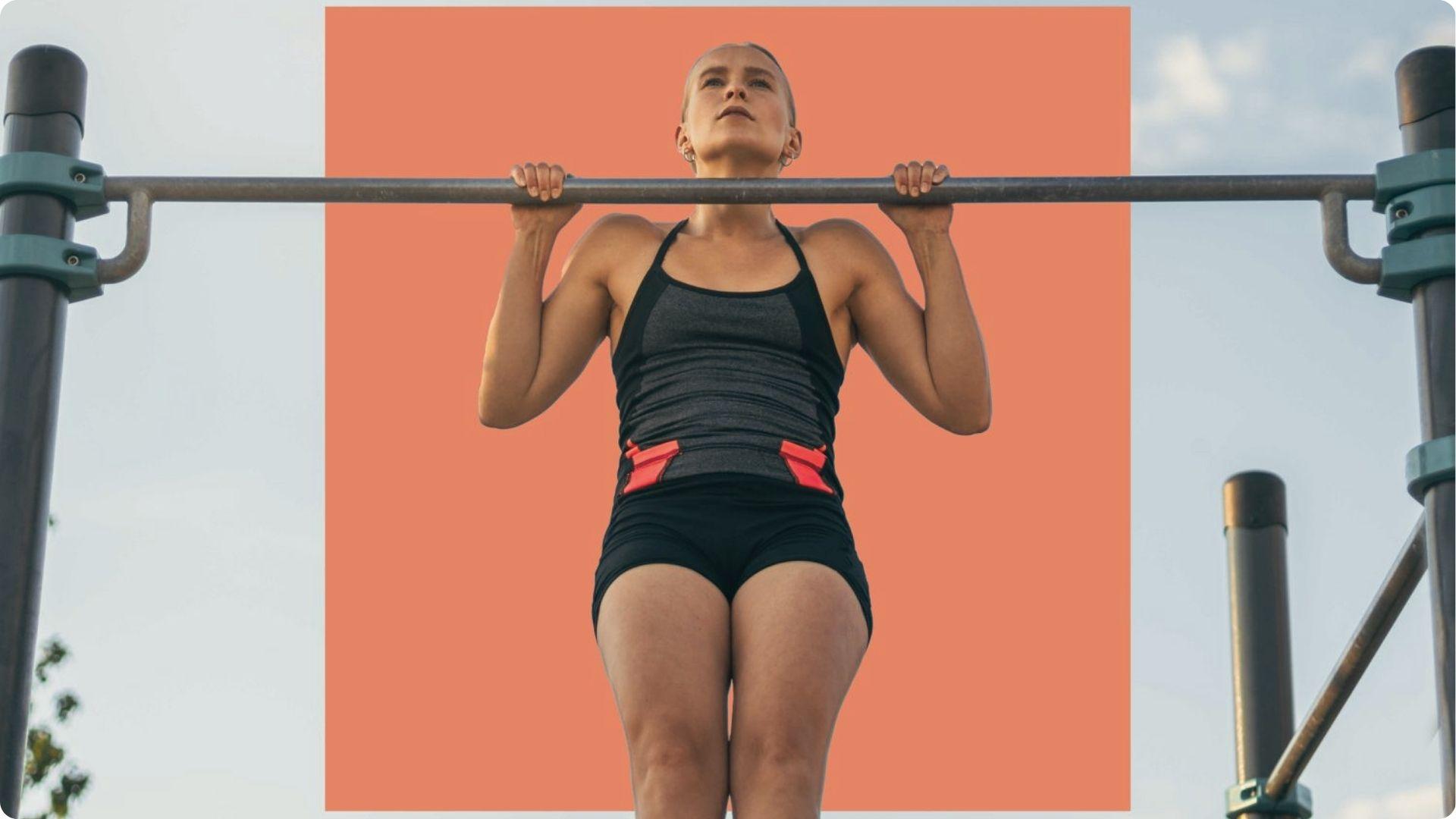
Pull-ups are one of the most complete upper body exercises available, working several muscle groups in one movement.
Primary Muscles Worked During Pull-Ups
The latissimus dorsi is the main muscle being trained. These are the large muscles on either side of your back that give you that wide, V-shaped look.
The lower fibers of the lats also help depress and retract the shoulder blades, which plays a direct role in shoulder positioning.
The biceps brachii also work hard as they flex the elbow during every rep.
Secondary Muscles That Assist the Movement
Your lower trapezius, rear deltoids, rotator cuff, and brachialis all assist the primary muscles.
These muscles do not lead the movement, but they are working the entire time. Over many sets and sessions, they grow stronger and more stable.
Shoulder Muscles Activated During Each Phase of the Pull-Up
At the bottom, your rotator cuff and serratus anterior are active just to hold the position safely. As you pull up, the rear delts and lower traps kick in to assist.
At the top, the rear delts help keep the shoulder joint from impinging. As you lower yourself back down, the rotator cuff controls the descent.
Muscle Activation From the Dead Hang to the Top Position
The dead hang requires serious shoulder stability. Your rotator cuff engages to keep the shoulder from shifting.
As you begin pulling, the lats take over while the rear delts assist.
At the top of the rep, your shoulder blades are fully retracted and depressed, which places significant demand on the trapezius and rhomboids.
Which Shoulder Muscles Do Pull-Ups Target?
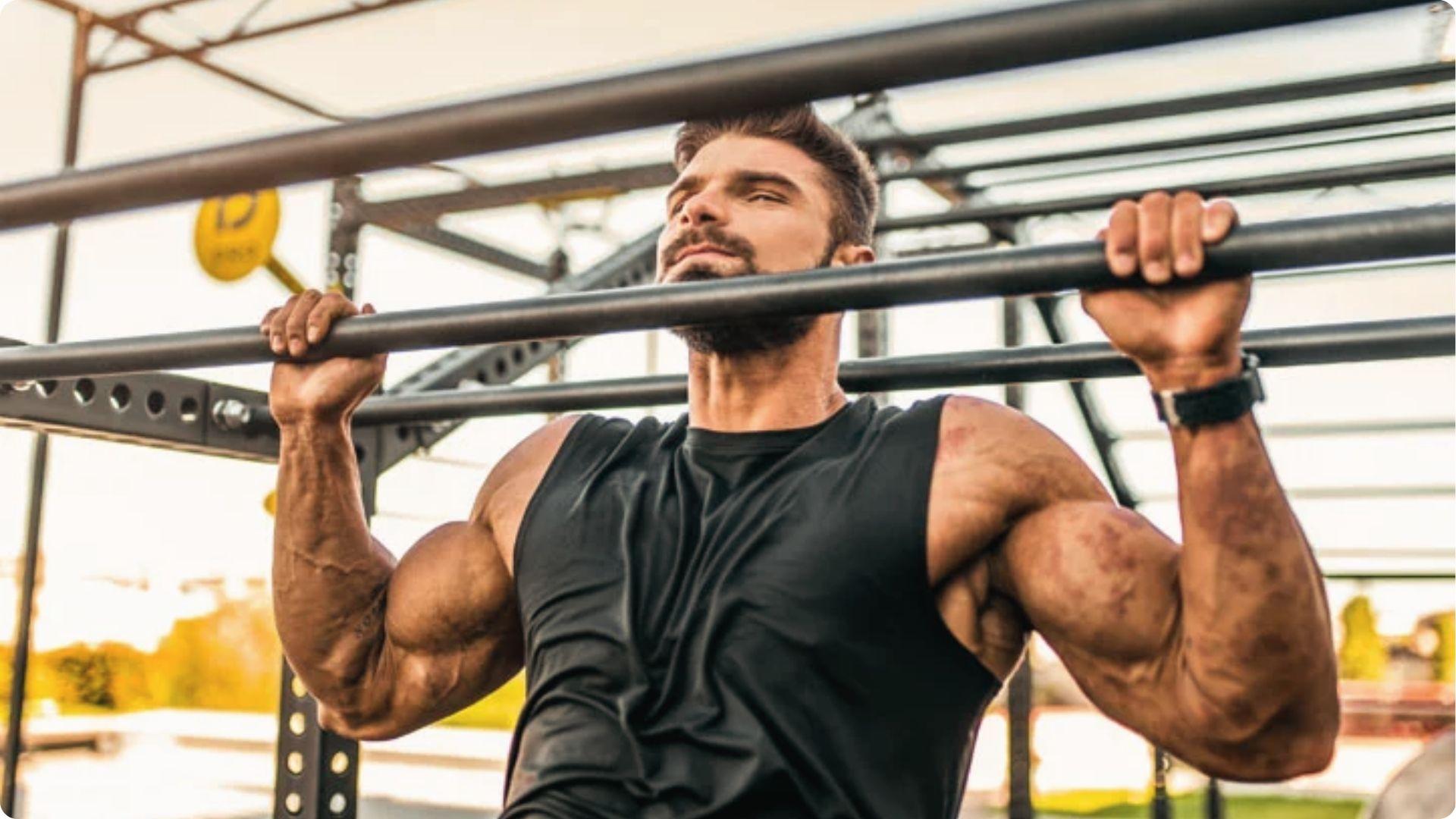
Pull-ups target the back of the shoulder complex more than the front, which makes them a great tool for balance and posture.
Posterior Deltoids (Rear Delts)
The rear delts are the most directly trained shoulder muscle during pull-ups.
They assist with shoulder extension and horizontal abduction, both of which happen during the pulling phase.
Most people have weak rear delts because pressing movements dominate their training. Pull-ups help correct that imbalance.
Rotator Cuff Muscles
The rotator cuff includes four muscles:supraspinatus, infraspinatus, teres minor, and subscapularis.
During pull-ups, these muscles stabilize the humeral head inside the shoulder socket. This is critical for protecting the joint under load.
Stronger rotator cuff muscles mean safer, pain-free pressing and pulling long term.
Trapezius Muscles
The lower and middle trapezius are heavily activated during pull-ups, especially in the top portion of the rep.
They help depress and retract the shoulder blades, which is necessary for proper form and injury prevention.
The upper traps are less involved unless you are shrugging, which is actually a common mistake.
Rhomboids
The rhomboids sit between your shoulder blades and help retract them during the pull.
They work alongside the lower traps to create the scapular movement needed for a full, clean rep.
Strong rhomboids also help with posture and reduce forward shoulder rounding.
Serratus Anterior and Scapular Stabilizers
The serratus anterior is often overlooked. It runs along the side of your ribcage and plays a key role in keeping the shoulder blade flush against the ribcage.
During pull-ups, it helps control the scapula throughout the movement. Weak serratus anterior muscles often lead to winging shoulder blades and poor pulling mechanics.
Do the Front and Side Delts Work During Pull-Ups?
Minimally. The anterior (front) and lateral (side) deltoids are not primary movers in a pull-up.
They do engage slightly for joint stability, but you will not build significant size or strength in these parts of the shoulder from pull-ups alone.
If shoulder development is a goal, you need to add overhead pressing and lateral raises alongside your pull-up training.
Pull-Ups vs Chin-Ups: Which Works the Shoulders Better?
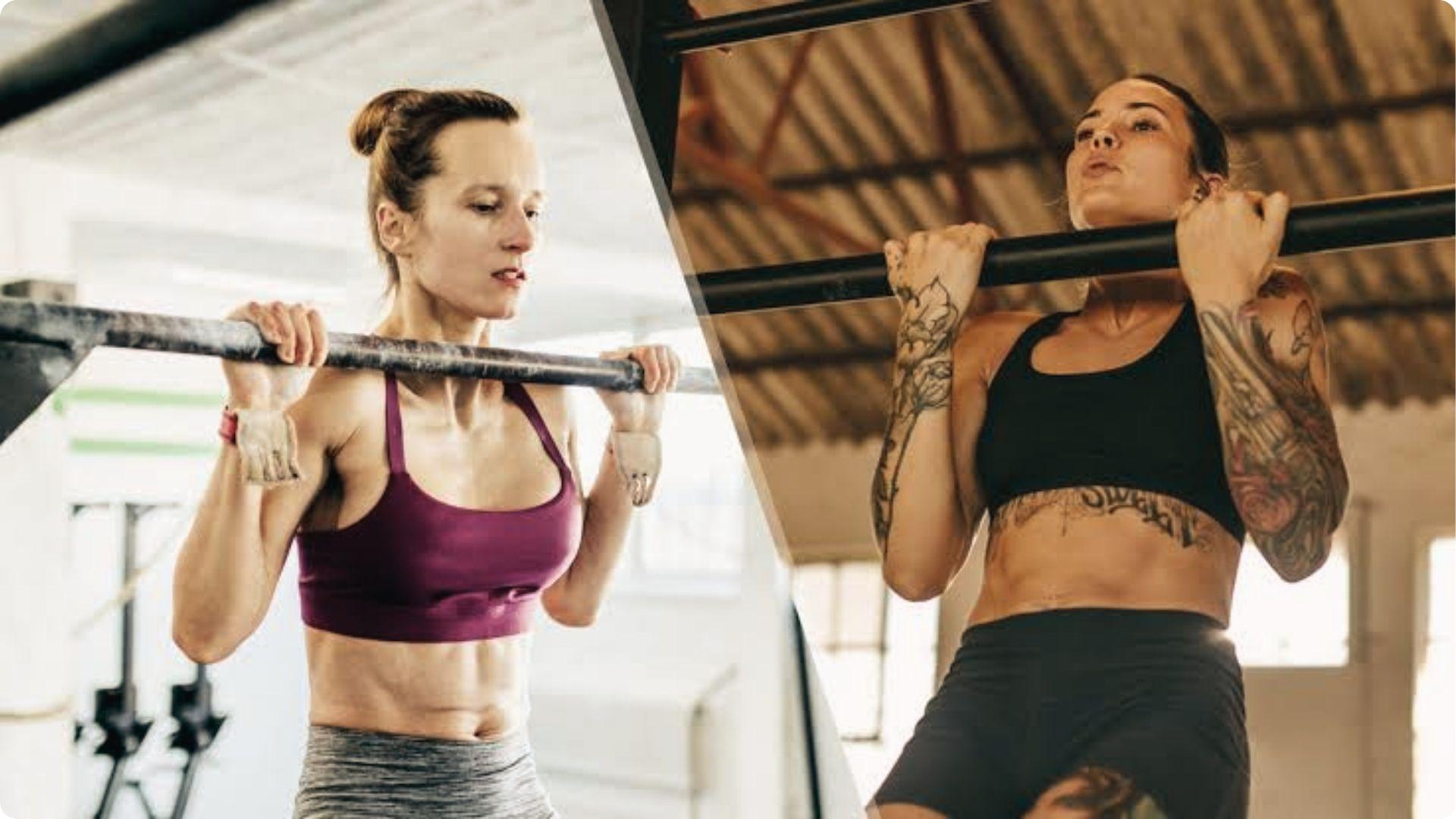
Both movements train the upper body well, but they feel different and target muscles slightly differently.
Grip Differences and Shoulder Positioning
Pull-ups use an overhand (pronated) grip with palms facing away. Chin-ups use an underhand (supinated) grip with palms facing you.
The overhand grip places the shoulder in more internal rotation at the bottom.
The underhand grip allows the shoulder to sit in a slightly different position, which changes which muscles are emphasized.
Muscle Activation Comparison
Chin-ups tend to recruit the biceps more due to the supinated grip.
Pull-ups demand more from the lower traps and rear delts because the grip puts the shoulder in a position where the back muscles need to work harder to initiate the movement.
For shoulder muscle activation specifically, pull-ups have a slight edge because the overhand grip better isolates the lats and rear delts without as much bicep assistance.
Which Exercise Is Better for Shoulder Development?
It depends on your goal. For rear delt and trapezius development, pull-ups are slightly better.
For overall upper body pulling strength, chin-ups can help beginners get stronger faster due to bicep involvement.
Neither exercise alone is enough for complete shoulder development.
Should You Include Both in Your Workout?
Yes. Rotating between pull-ups and chin-ups gives your muscles different stimuli and helps prevent overuse injuries.
Include both across the training week if your shoulders are healthy and your strength allows it.
Best Pull-Up Variations for Shoulder Strength and Stability
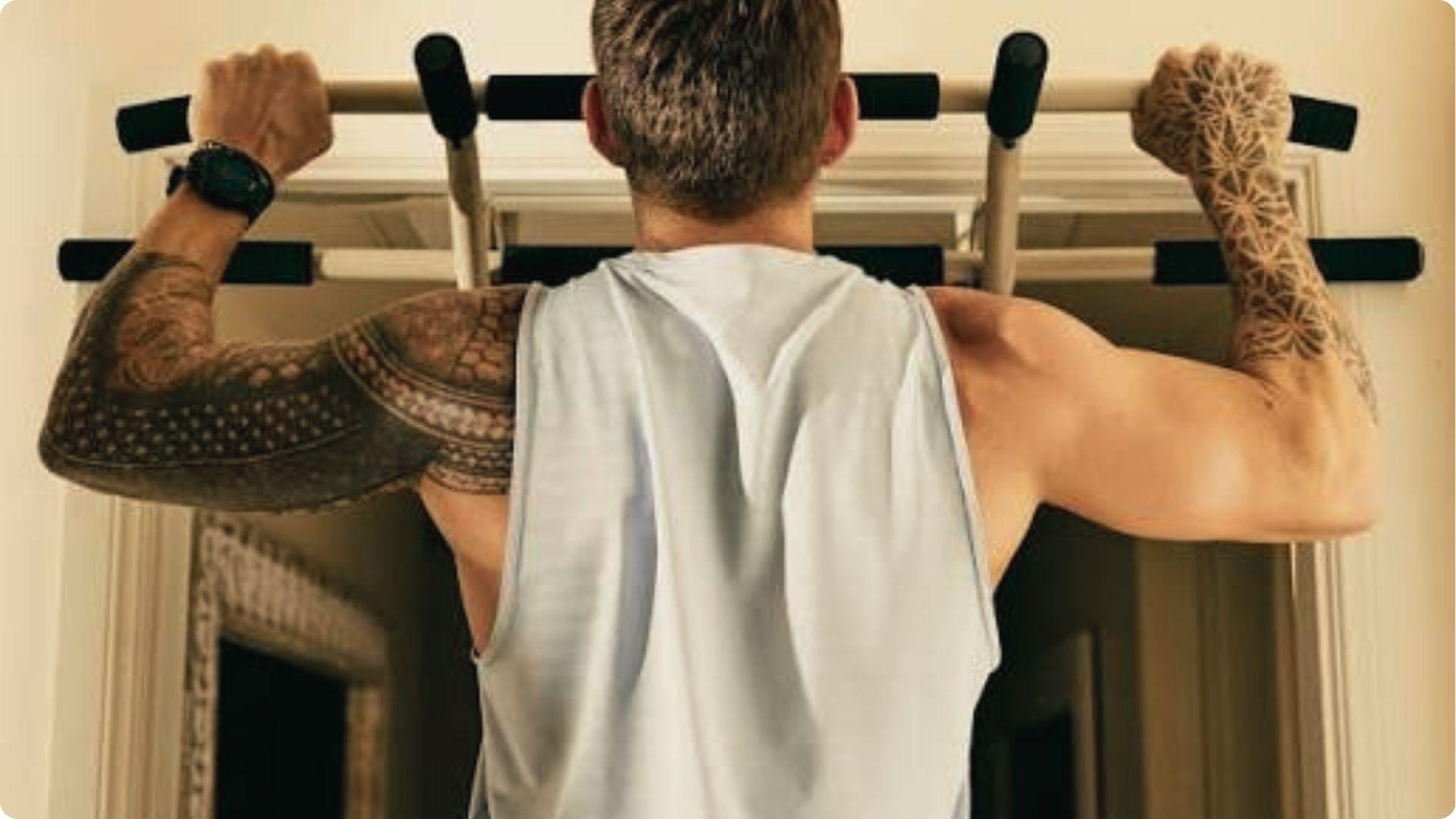
Not all pull-ups feel the same on your shoulders. Changing your grip and position changes which muscles are being challenged.
Standard Pull-Ups
The overhand, shoulder-width grip pull-up is the foundation.
It trains the lats, rear delts, and trapezius effectively. Master this before moving on to other variations.
Wide-Grip Pull-Ups
A wider grip shifts more demand to the outer lats and rear delts. It reduces the range of motion slightly but increases the challenge on the shoulder joint.
People with shoulder issues should be careful with this variation.
Neutral-Grip Pull-Ups
With palms facing each other, the neutral grip is the most shoulder-friendly option.
It reduces stress on the shoulder joint while still training the lats and rear delts well. Great for people recovering from shoulder discomfort.
Commando Pull-Ups
In this variation, you grab a bar with both hands side by side, one in front of the other, and alternate pulling toward each hand.
It challenges the shoulder in a slightly rotated position and adds variety to your training.
Archer Pull-Ups
One arm drives the pull while the other extends out to the side.
This increases unilateral shoulder demand and helps identify and correct strength imbalances between sides.
Scapular Pull-Ups
Start in a dead hang and pull your shoulder blades down and back without bending your elbows.
This movement directly trains the lower traps and teaches you to use scapular retraction and depression before the arms take over.
It is one of the best exercises for shoulder health and pull-up prep.
Assisted Pull-Ups for Beginners
Use a resistance band looped over the bar to reduce the load.
Assisted pull-ups let beginners practice the movement pattern with proper form before they have the strength to do full bodyweight reps.
A seated lat pull-down is another solid option during this stage, as it trains the same pulling muscles in a controlled setting.
Do Pull-Ups Build Bigger Shoulders?
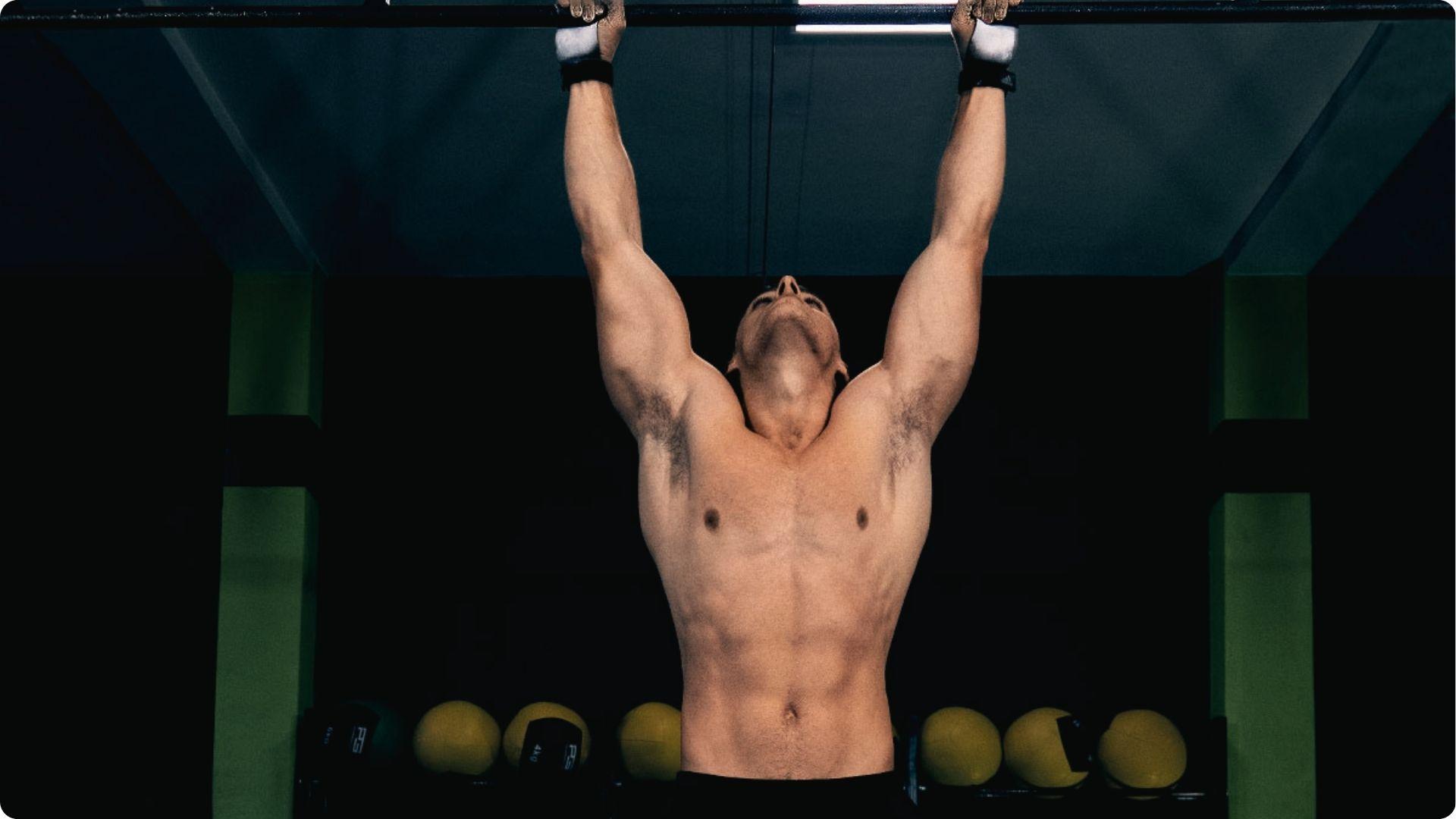
Pull-ups can contribute to shoulder development, but they are not a complete shoulder-building solution on their own.
Can Pull-Ups Increase Shoulder Muscle Size?
Yes, but mainly in the rear delts and the muscles around the shoulder blade. These muscles respond to the mechanical tension created during pulling movements.
Over time, consistent pull-up training with progressive overload will add size and definition to the back of the shoulder.
Why Rear Delts Benefit More Than Front Delts
Pull-ups involve shoulder extension and horizontal abduction, which are movements the rear deltoids are responsible for.
The front delts, on the other hand, are more active during pressing movements like the overhead press or push-up.
This is why front delts are often overdeveloped in people who press more than they pull.
Pull-Ups vs Shoulder Press for Muscle Growth
These two exercises are not competing. They target different parts of the shoulder. Pull-ups build the posterior muscles.
Shoulder presses build the anterior and lateral muscles. For full shoulder development, you need both.
Best Shoulder Exercises to Combine With Pull-Ups
To cover all parts of the shoulder, pair pull-ups with overhead pressing, lateral raises, face pulls, and rear delt flyes.
This combination hits the front, side, and back of the shoulder from multiple angles.
Are Pull-Ups Good for Shoulder Health?
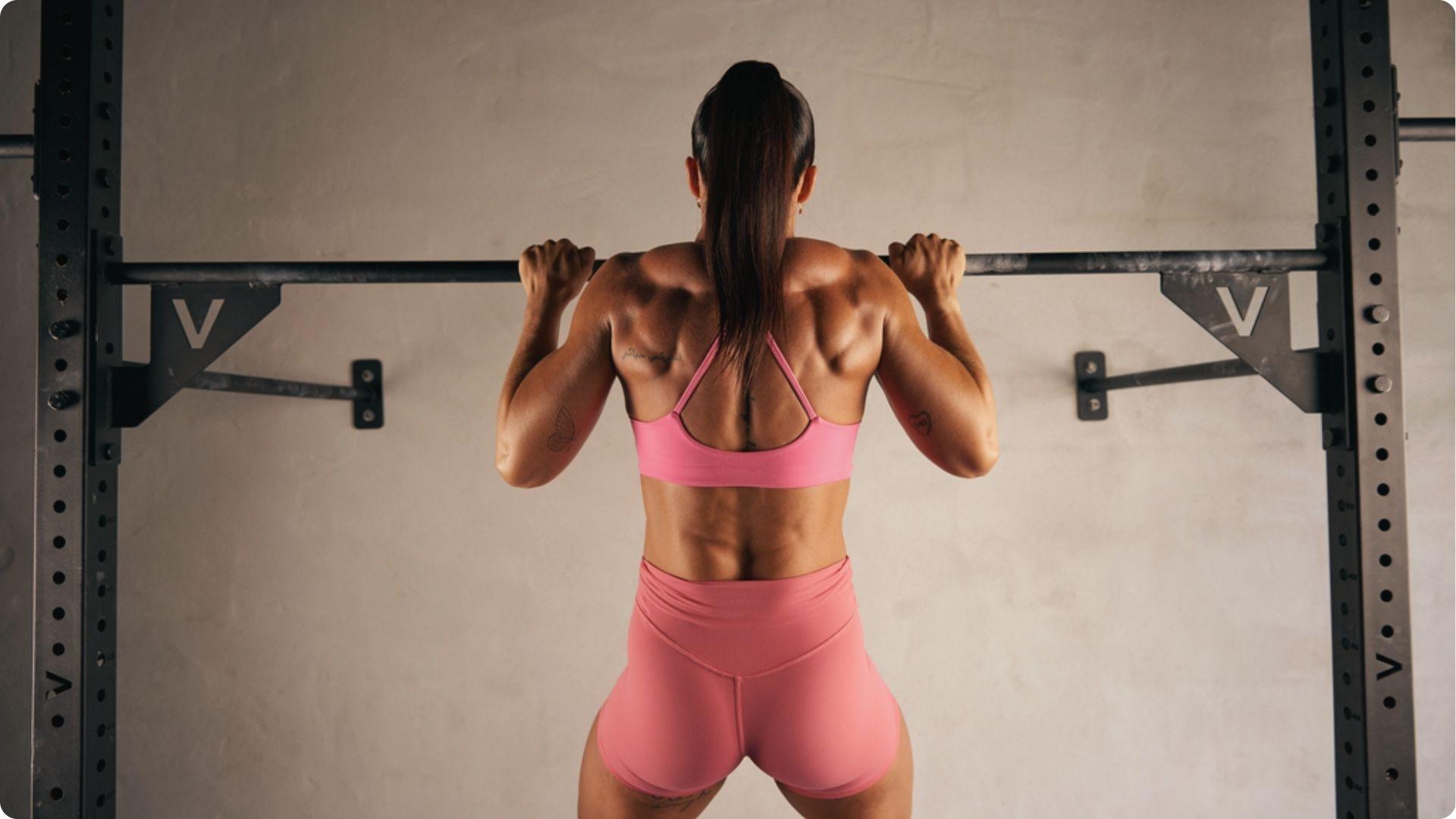
For most people, pull-ups are one of the best things you can do for your shoulders when done correctly.
How Pull-Ups Improve Shoulder Stability
Pull-ups train the muscles that support the shoulder joint from every direction. The rotator cuff, lower traps, rhomboids, and serratus anterior all get stronger with regular pull-up practice.
This leads to a more stable and resilient shoulder overall.
Can Pull-Ups Help Fix Rounded Shoulders?
Yes, to a degree.
Rounded shoulders are often part of a pattern called Upper Cross Syndrome, where the chest and upper traps become overactive and tight while the mid and lower traps and rhomboids become weak.
Pull-ups directly strengthen the muscles that pull the shoulders back into proper alignment.
They work best when combined with a daily doorway chest stretch to address the tightness on the front side, along with deliberate posture work throughout the day.
How Pull-Ups Strengthen the Rotator Cuff
Every time you hang from a bar, your rotator cuff is working to keep the shoulder joint aligned.
The controlled lowering phase in particular challenges the rotator cuff eccentrically, which is one of the most effective ways to build rotator cuff strength.
When Pull-Ups May Increase Shoulder Pain
Pull-ups can aggravate the shoulder if you have an existing rotator cuff tear, shoulder impingement, or labral issues.
Poor form, such as shrugging at the top or skipping the scapular engagement, can also increase pain and risk of injury.
Who Should Avoid Pull-Ups?
People with acute shoulder injuries, significant rotator cuff tears, or post-surgical shoulders should avoid pull-ups until cleared by a medical professional.
Those with mild discomfort should start with scapular pull-ups and work their way up gradually.
How to Do Pull-Ups Correctly for Maximum Shoulder Activation
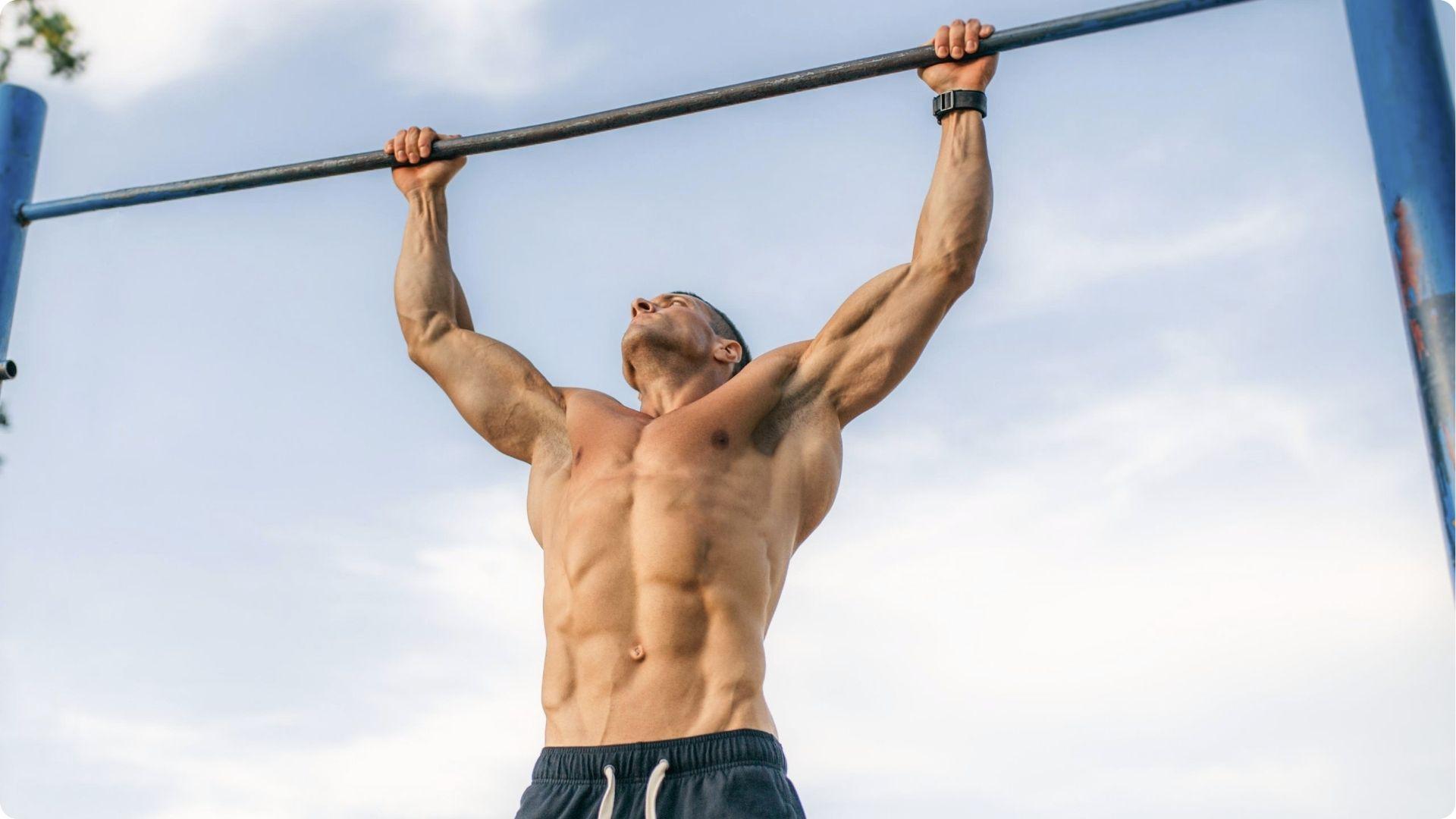
Proper technique is the difference between building strong shoulders and risking injury. Here is what to focus on.
Set Your Grip Correctly
Grab the bar with a shoulder-width overhand grip. Your knuckles should face away from you, with your thumbs wrapped fully around the bar for a secure hold.
Avoid gripping too wide, as this shortens the range of motion and can strain the shoulder.
Engage Your Shoulder Blades Before Pulling
Before bending your elbows, pull your shoulder blades down and back.
This scapular retraction and depression sets the shoulder into a stable position and activates the lower traps before the arms take over.
This step is what most beginners skip, and it makes a significant difference in both safety and muscle activation.
Keep Your Shoulders in the Right Position
As you pull, avoid shrugging your shoulders toward your ears. Keep them pulled down away from your neck throughout the rep.
This keeps the upper traps from taking over and ensures the rear delts and lower traps are doing their job.
Control the Lowering Phase
Do not drop back to the dead hang quickly. Lower yourself with control over two to three seconds.
This eccentric phase is where a lot of shoulder muscle work happens, and rushing through it wastes one of the most productive parts of the exercise.
Common Pull-Up Mistakes That Limit Shoulder Growth
Small errors in form can cost you results and increase your injury risk over time.
- Shrugging your shoulders brings the upper traps in and takes work away from the lower traps and rear delts, so keep your shoulders away from your ears throughout the entire movement.
- If your biceps fatigue before your back, you are using too much arm. Cue yourself to pull your elbows down, not your hands up.
- Swinging or kipping reduces time under tension and limits muscle activation. Strict pull-ups are far more effective for building shoulder and back muscle.
- Partial reps do not fully activate the rotator cuff or rear delts. Always start from a full dead hang and pull until your chin clears the bar.
- Pain during pull-ups is a signal, not something to push through. Stop, assess the cause, and get a professional evaluation if the pain continues.
Best Exercises to Pair With Pull-Ups for Complete Shoulder Development
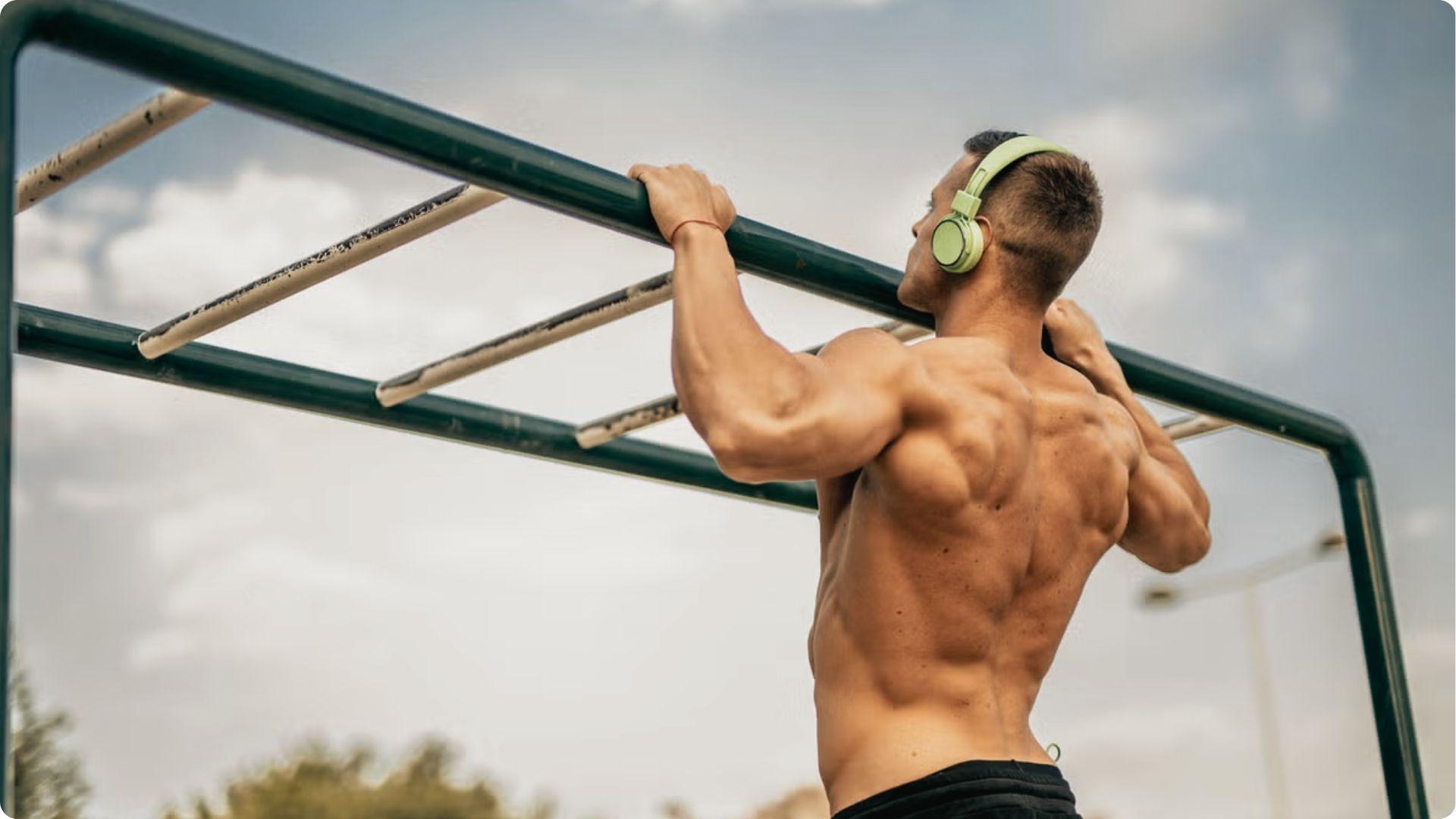
Pull-ups cover the back of the shoulder well. These exercises fill in the rest.
Overhead Press
The overhead press trains the anterior and lateral deltoids, which pull-ups do not directly target.
Use a barbell or dumbbells and press from shoulder height to overhead. This is the best complementary exercise for front shoulder development.
Lateral Raises
Lateral raises isolate the medial (side) deltoid, which gives the shoulder that wide, rounded look.
Pull-ups do almost nothing for the side delts, so lateral raises are a necessary addition to any shoulder training program.
Face Pulls
Face pulls target the rear delts and rotator cuff directly. They are performed with a cable machine or resistance band at face height.
Face pulls are excellent for shoulder health and work very well alongside pull-up training.
Rear Delt Flyes
Rear delt flyes isolate the posterior deltoid more directly than pull-ups do.
They can be done with dumbbells or cables and are a great finisher for a back and shoulder session.
Dumbbell Rows
Rows train similar muscles to pull-ups but in a horizontal pulling pattern.
Adding dumbbell rows to your program hits the rhomboids and rear delts from a different angle and adds more volume for muscle growth.
External Rotation Exercises
Banded or cable external rotation exercises directly target the infraspinatus and teres minor, two of the four rotator cuff muscles.
These movements are often ignored but are critical for long-term shoulder health, especially for heavy pressers and pullers.
Pull-Up Tips for Beginners
Starting from scratch is completely normal. Here is how to build toward your first full pull-up safely.
- Build shoulder strength first with dead hangs, scapular pull-ups, and inverted rows before attempting full pull-ups.
- Use resistance bands looped over the bar to offload bodyweight and practice proper form until you are strong enough to go unassisted.
- Work on shoulder mobility regularly by stretching the chest, lats, and anterior delts, and adding shoulder circles to your warm-up.
- Train two to three times per week and avoid going to failure every session. Leave one to two reps in the tank so you recover well.
- Track your reps, sets, and variations each session and aim to add one to two reps every one to two weeks to keep progressing safely.
Conclusion
So, do pull ups work shoulders? Absolutely. They are one of the most effective exercises for building rear deltoid strength, rotator cuff stability, and shoulder blade control.
They will not replace a dedicated shoulder workout, but they make every other shoulder exercise more effective by building a strong, stable foundation.
Now that you know what pull-ups do for your shoulders, fix your form, add the right variations, and pair them with the exercises covered above.
If this article helped you, share it with someone working on their pull-up game and drop a comment below with your biggest pull-up question.
Frequently Asked Questions
Can pull-ups replace shoulder day entirely?
No. Pull-ups build the rear delts and shoulder stabilizers well, but they do not train the front or side delts enough for complete shoulder development.
How many pull-ups do I need to do to see shoulder results?
Three to five sets of six to ten reps, done two to three times per week, is enough to build noticeable rear delt and shoulder stability improvements over time.
Do pull-ups cause shoulder impingement?
Poor form or training through pain can contribute to impingement. Proper scapular engagement and avoiding shrugging significantly lowers this risk.
Are pull-ups safe for people with previous shoulder injuries?
It depends on the injury. Mild issues may be fine with modified versions. Serious tears or post-surgical shoulders require medical clearance before starting.
Do weighted pull-ups build more shoulder muscle?
Yes. Adding weight increases mechanical tension, which drives more muscle growth in the rear delts, traps, and shoulder stabilizers over time.


