

Thinking about joining a gym but not sure if you're old enough? You're not alone.
This article covers gym age requirements, popular gym policies, and safety tips for teens and beginners.
I've gone through the rules at major fitness centers so you don't have to.
You'll find clear answers here whether you're 13, 15, or 17. We cover solo gym access, parental requirements, and what to check before signing up.
From personal experience, knowing the rules before you walk in makes everything less stressful and much easier.
By the end, you'll know exactly where you stand and what steps to take next.
How Old Do You Have to Be to Go to the Gym Alone?

Most gyms require teens to be at least 15 or 16 before working out without adult supervision. Some set the bar at 18.
It depends entirely on the gym's policy and your location. Many larger fitness chains also require parental consent and a signed waiver before a minor can train independently.
A few gyms go a step further and ask younger members to complete a basic orientation before solo access is granted.
These rules exist to keep young members safe, not to make things difficult. Always call or visit your gym directly to confirm their specific age policy before assuming you're cleared to go alone.
How Old Do You Have to Be to Go to the Gym Crunch?
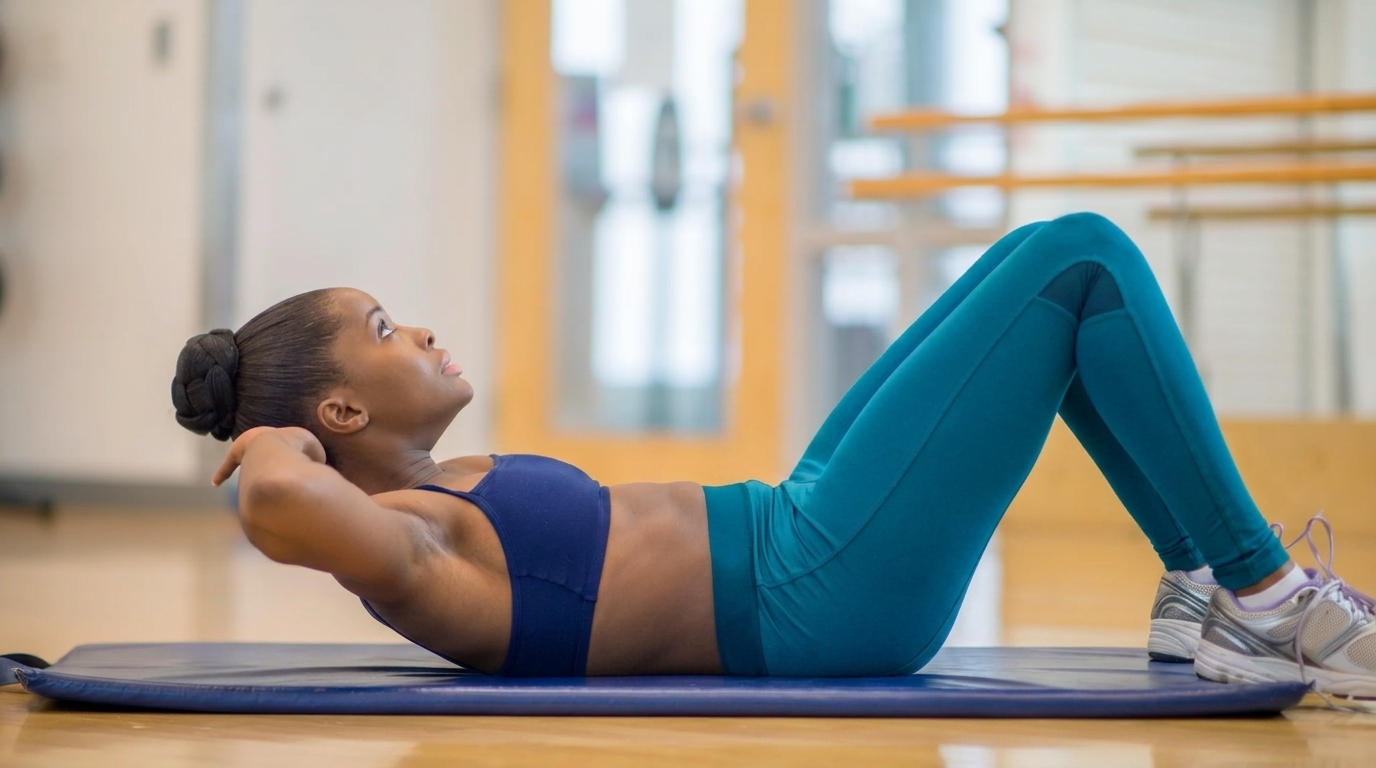
Crunch Fitness has specific age rules that depend on your age and whether a parent is with you.
Crunch Fitness Age Policy Overview
Crunch allows teens as young as 13 under certain conditions. Your access level depends on your age and whether a parent or guardian is present.
Rules for Ages 13–15 (Supervised Training Required)
If you're between 13 and 15, a parent or guardian must be present during your workout. You cannot train alone at this age range.
Rules for Age 16+ (Independent Access Allowed)
Once you turn 16, you can generally work out without a parent present. You still need parental consent to join as a member.
Membership Rules and Parental Consent
Anyone under 18 requires a parent to co-sign the membership agreement at Crunch. Some locations may also ask for a photo ID or birth certificate to confirm your age.
Gym Age Requirements by Popular Fitness Centers

Different gyms have different rules. Here is a quick breakdown of age policies at some well-known fitness centers.
YMCA Youth-Friendly Access Rules
The YMCA allows children as young as 8 to 10 in certain areas with a parent present. Solo gym access is generally available to teens aged 13 to 14 and older.
Planet Fitness Teen Membership Age Policies
Planet Fitness allows teens aged 14 to 21 to train free during summer months through their Teen Summer Challenge. Outside that program, the minimum age is typically 13 with parental consent.
Gold's Gym Supervision Requirements
Gold's Gym requires members to be at least 13, with a parent or guardian signing a waiver for anyone under 18. Some locations also require teens to complete a fitness orientation before using the gym floor.
24 Hour Fitness Minimum Age Guidelines
24 Hour Fitness sets the minimum age at 12 for supervised use, with a parent present or signed waiver required. Independent access typically starts at age 16 or 18 depending on the location.
Anytime Fitness Teen Access Rules
Anytime Fitness requires members to be at least 13, with parental consent for anyone under 18. Many locations prefer teens to be 16 or older for independent access due to limited on-site staff.
Safety Guidelines for Kids and Teens at the Gym

Starting at the gym young is exciting, but doing it safely makes all the difference in the long run.
Importance of Supervision and Proper Guidance
Having a trainer or experienced adult nearby when you first start helps you use equipment correctly and avoid mistakes.
Young people are more prone to injury when training without proper guidance.
Safe Exercises for Beginners
Bodyweight exercises like push-ups, squats, and lunges are the best place to start.
Light resistance machines and low-impact cardio like walking or cycling are also great beginner options.
Avoiding Heavy Weights Too Early
Heavy lifting puts serious strain on growth plates in younger bodies, which can affect long-term bone development.
Fitness experts recommend teens under 16 stick to light or moderate resistance with proper form.
Warm-Up, Form, and Injury Prevention
Always spend 5 to 10 minutes warming up before any workout and cool down with gentle stretching after.
Good form matters far more than how much weight you lift, especially when you're just starting out.
Legal and Parental Considerations Before Joining a Gym

Before signing up, there are some important legal and safety steps every parent and teen should go through first.
Waivers, Consent Forms, and Membership Rules
Most gyms require a signed waiver for members under 18, along with a parental consent form agreeing to the membership terms.
Some gyms also have additional rules like restricted equipment access or mandatory orientations for younger members.
What Parents Should Check Before Signing Up
Visit the gym in person to check equipment quality, cleanliness, and how attentive staff are to younger members.
Ask about supervision policies, trainer availability, and the gym's emergency procedures before committing.
Choosing Safe and Teen-Friendly Gyms
Look for gyms with youth programs, trained staff, and clearly posted age policies.
Staff should be approachable, and the environment should feel welcoming rather than intimidating for beginners.
Tips for Teens and Beginners at the Gym
Small habits done consistently will take you further than any intense workout ever will.
- Start with bodyweight exercises and light weights before moving to heavier resistance.
- Always focus on correct form rather than how much you can lift.
- Drink water regularly and never skip meals before training.
- Warm up before every session and stretch properly after.
- Take rest days seriously and ask a trainer whenever you're unsure.
Conclusion
Starting the gym young is something I genuinely wish more people felt confident doing.
The rules can feel confusing at first, but once you understand them, everything clicks. Now you know the age requirements, safety tips, and what to expect at major gyms.
You're more prepared than most people who just walk in without checking anything.
If this article helped you, share it with a friend or drop a comment below. And if you're still wondering how old you have to be to go to the gym, the answer is closer than you think.
Frequently Asked Questions
At what age can a child start going to the gym?
Most gyms allow children to start around age 10 to 13 with a parent present. Some facilities offer structured youth programs for even younger kids.
Can a 13-year-old go to the gym alone?
Most gyms do not allow 13-year-olds to train without adult supervision. A parent or guardian is usually required to be present during workouts at this age.
Is gym workout safe for teenagers?
Yes, gym workouts are safe for teens when done correctly with proper form and light weights. Avoiding heavy lifting and always warming up reduces the risk of injury significantly.
Do gyms require parental permission?
Yes, almost all gyms require a parent or guardian to sign a consent form for anyone under 18. This is a standard requirement before any minor can join as a member.
What is the minimum age to join most gyms?
The minimum age at most gyms is 13, though independent access often requires members to be 16 or older. Always check directly with your local gym to confirm their specific policy.