

I have been doing split squats for years. But the front foot elevated split squat? That one changed how my legs felt after every workout.
This guide covers everything you need. What the exercise is, how to do it right, which muscles it works, and the mistakes most people make.
If your squats feel off, or you want better leg strength and balance, I have you covered. I have tested this myself and researched it deeply.
We will go over what it is and why it works, the step-by-step form guide, variations and who should do it, and the common mistakes to avoid.
Let's get into it.
What Is a Front Foot Elevated Split Squat?
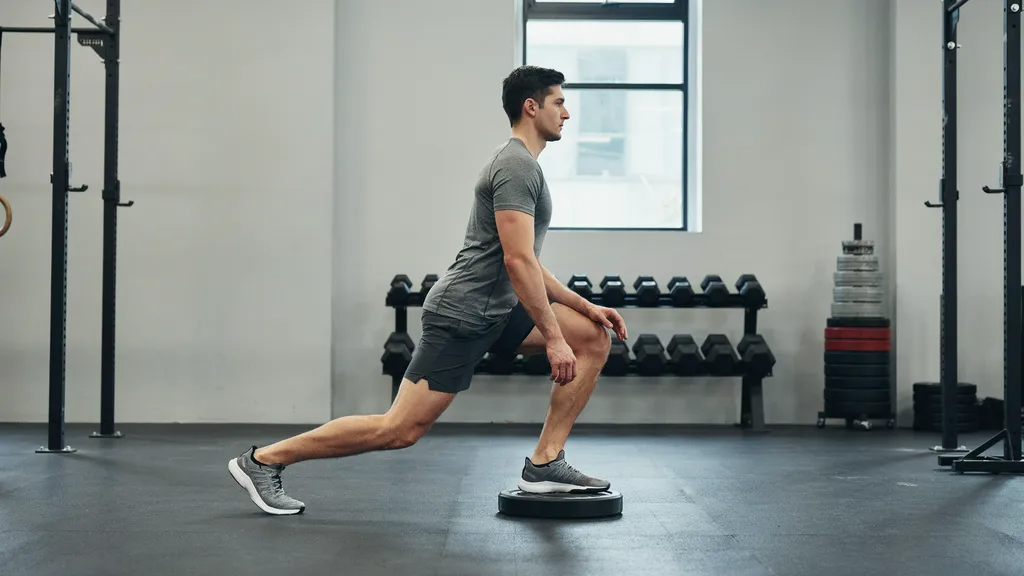
A front foot elevated split squat is a single-leg lower body exercise. You place your front foot on a raised surface, like a weight plate or a low step.
Your back foot stays flat on the floor.
This position changes the angle of your squat. It increases the range of motion at the knee. That means more work for your quads compared to a regular split squat.
It looks simple. But it hits your legs in a way that most exercises do not.
Benefits of Front Foot Elevated Split Squats
Here is why I keep coming back to this move:
- Builds quad strength more effectively than flat split squats
- Improves single-leg balance and stability
- Reduces stress on the lower back compared to barbell squats
- Corrects muscle imbalances between both legs
- Increases hip mobility over time
- Works well for beginners and advanced lifters
- Requires minimal equipment
Muscles Worked by the Front Foot Elevated Split Squat
This exercise is mostly quad-focused. But it does not stop there.
Primary muscles: The quadriceps take the most work here. The elevated front foot increases knee flexion, which loads the quads harder.
Secondary muscles: The glutes, hamstrings, and calves all assist during the movement. Your core stays active the whole time to keep you stable.
This makes it a full lower body exercise, even though it feels like a quad drill.
How to Do a Front Foot Elevated Split Squat Correctly
You do not need much. Here is what works:
A weight plate (25 lbs is a good start), a low step, or a yoga block. The surface should raise your front foot 2 to 4 inches. Anything higher can strain your knee.
Optional: dumbbells or a barbell for added resistance.
Step 1: Set Up Your Split Stance
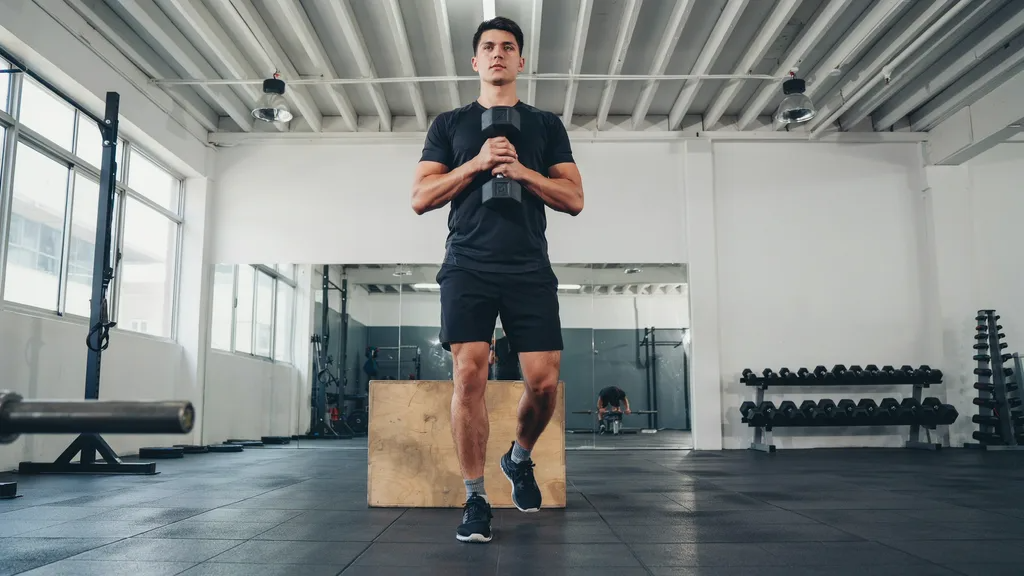
Place your front foot fully on the elevated surface. Your whole foot should be on it, not just the toes.
Step your back foot straight behind you. The distance should feel comfortable, not too wide and not too close.
Stand tall. Shoulders back. Core tight.
Step 2: Lower Your Body With Control

Bend both knees and lower slowly. Your back knee should drop toward the floor.
Keep your front knee tracking over your toes. Do not let it cave inward.
Go as low as you can while keeping good form. Ideally, your back knee should almost touch the ground.
Step 3 : Drive Through the Front Foot

Push through your front foot to come back up. Focus on pressing the floor away with your heel and mid-foot.
Do not rush this part. Control the movement on the way up just like on the way down.
Step 4 : Return to the Starting Position
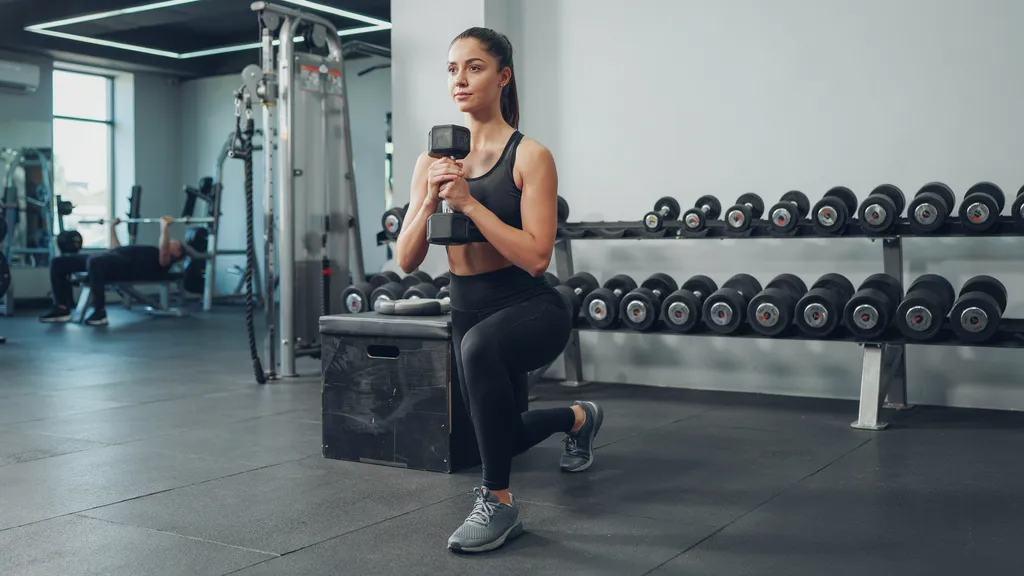
Stand fully upright at the top. Do not lock your knee aggressively.
Reset your balance before starting the next rep.
Complete all reps on one side before switching.
Front Foot Elevated Split Squat Form Tips
Good form makes all the difference.
Here are the key points to remember:
- Keep your chest up throughout the movement
- Do not lean too far forward at the torso
- Make sure your front foot is fully flat on the surface
- Keep the back foot relaxed but stable
- Move slow on the way down, 2 to 3 seconds works well
- Look straight ahead, not at the floor
- Start with bodyweight only and add load gradually
Front Foot Elevated Split Squat Variations
Once you are comfortable with the basic version, here are a few ways to change things up:
Dumbbell front foot elevated split squat: Hold a dumbbell in each hand. This adds resistance without loading your spine.
Barbell front foot elevated split squat: Place a barbell on your upper back. This is a more advanced version for experienced lifters.
Paused split squat: Hold the bottom position for 2 to 3 seconds. This builds strength at the hardest part of the movement.
Deficit split squat: Use a higher elevation. This increases the range of motion even more. Good for advanced quad development.
Common Front Foot Elevated Split Squat Mistakes to Avoid
These are the errors I see most often:
- Elevating the foot too high : This puts too much strain on the knee. Start low.
- Front knee caving inward : Push your knee out in line with your toes.
- Leaning too far forward : Stay upright. Forward lean shifts the load off your quads.
- Rushing the reps : Slow down. Fast reps mean less muscle work and worse control.
- Not going deep enough : A shallow rep limits the benefits. Aim for your back knee near the floor.
- Skipping the weaker leg : Always do both sides. Start with your weaker leg first.
- Using too much weight too soon : Build the pattern with bodyweight before adding load.
Conclusion
The front foot elevated split squat is one of the best quad exercises you can do. I say that from experience, not just from reading about it.
It is simple to set up. It works with body weight or added load. And it targets muscles that most people leave undertrained.
Start slow. Learn the form. Add weight only when the movement feels solid.
Your legs will feel the difference within a few sessions. The balance, the quad strength, and the control all carry over into other lifts and daily movement too.
Give it a real shot and stay consistent.
Have you tried the front foot elevated split squat yet, and what was the hardest part for you?
Frequently Asked Questions
Is the front foot elevated split squat good for beginners?
Yes, it is beginner-friendly when done with body weight. Start with a low elevation and focus on form before adding any load.
How high should I elevate my front foot?
A height of 2 to 4 inches works well for most people. Going too high can stress the knee and reduce control.
Can I do this exercise without equipment?
Yes. A low step, a sturdy book stack, or a weight plate all work. You do not need a gym to get started.
How is this different from a rear foot elevated split squat?
The rear foot elevation focuses more on the glutes and hip flexors. The front foot elevation shifts more load onto the quads.
How many reps should I do per set?
Three to four sets of 8 to 12 reps per leg is a solid starting point. Adjust based on your fitness level and goals.