

Flat feet can cause real discomfort. Pain in your heels, knees, or lower back often starts right at the arch.
The good news is that the right exercises can help. In this article, you will find proven flat feet exercises for fallen arches, along with a step-by-step guide, daily routine tips, and advice on staying consistent.
Simple movement really does make a difference for people dealing with flat feet.
Whether you are just starting out or looking to build on what you already do, this guide covers exercises for fallen arches, how to perform them safely, and practical tips for building a daily routine that sticks.
Why Flat Feet Need Proper Support and Exercise
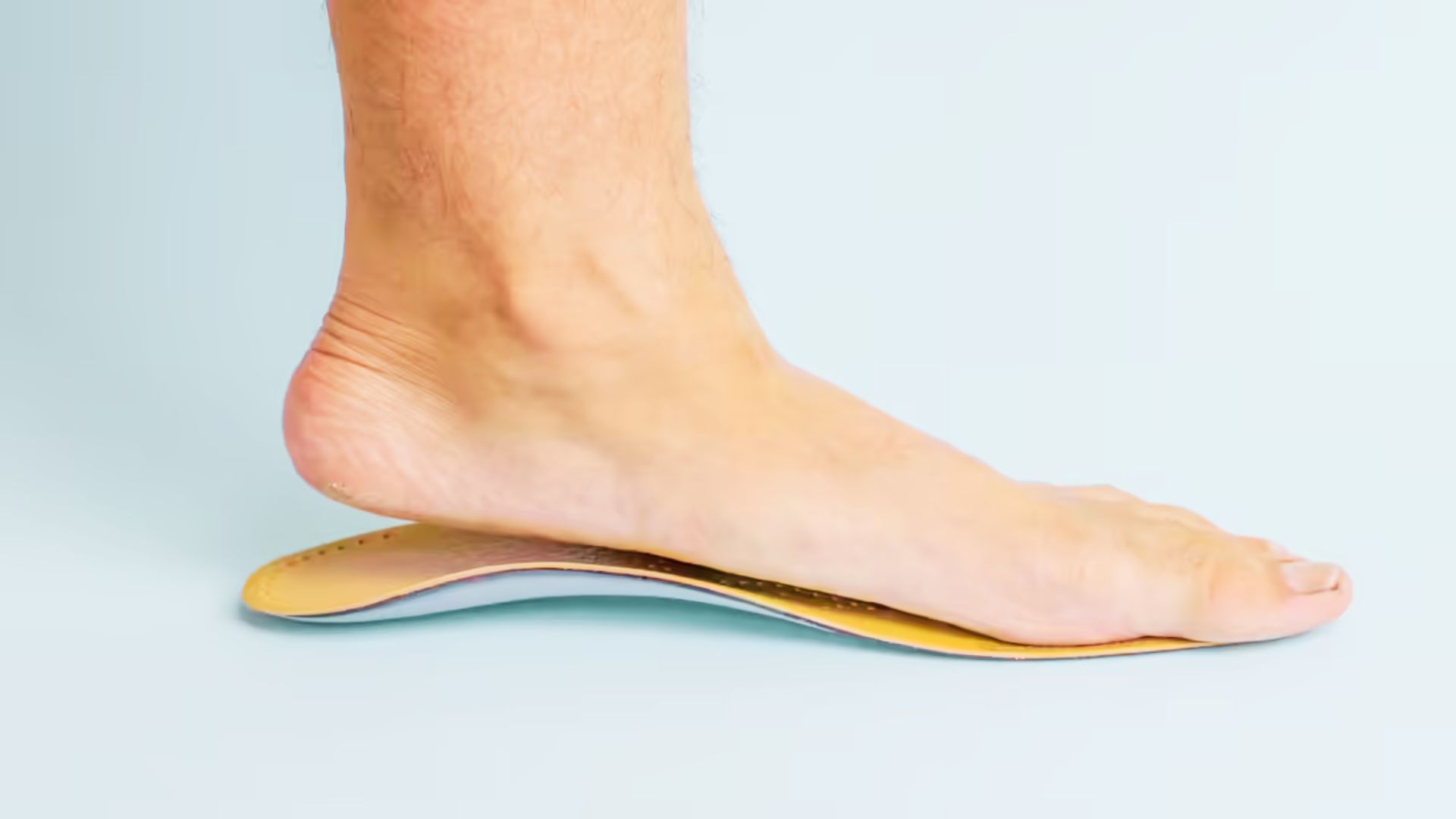
Flat feet lack the natural arch that absorbs shock and distributes body weight evenly, making proper support and exercise essential.
Without intervention, weak foot muscles strain surrounding tendons and ligaments, triggering pain in the heels, ankles, knees, and lower back.
Poor alignment travels up the kinetic chain, causing widespread discomfort. Targeted exercises rebuild muscular strength and arch stability, while supportive shoes and orthotics reduce overpronation and joint stress.
Beginning treatment early, at the first sign of pain or fatigue, prevents further structural decline and long-term complications, making proactive care the most effective approach for managing flat feet.
7 Best Flat Feet Exercises for Fallen Arches
These seven exercises are simple, effective, and safe for most people dealing with flat feet or fallen arches.
1. Arch Lifts for Better Foot Arch Activation
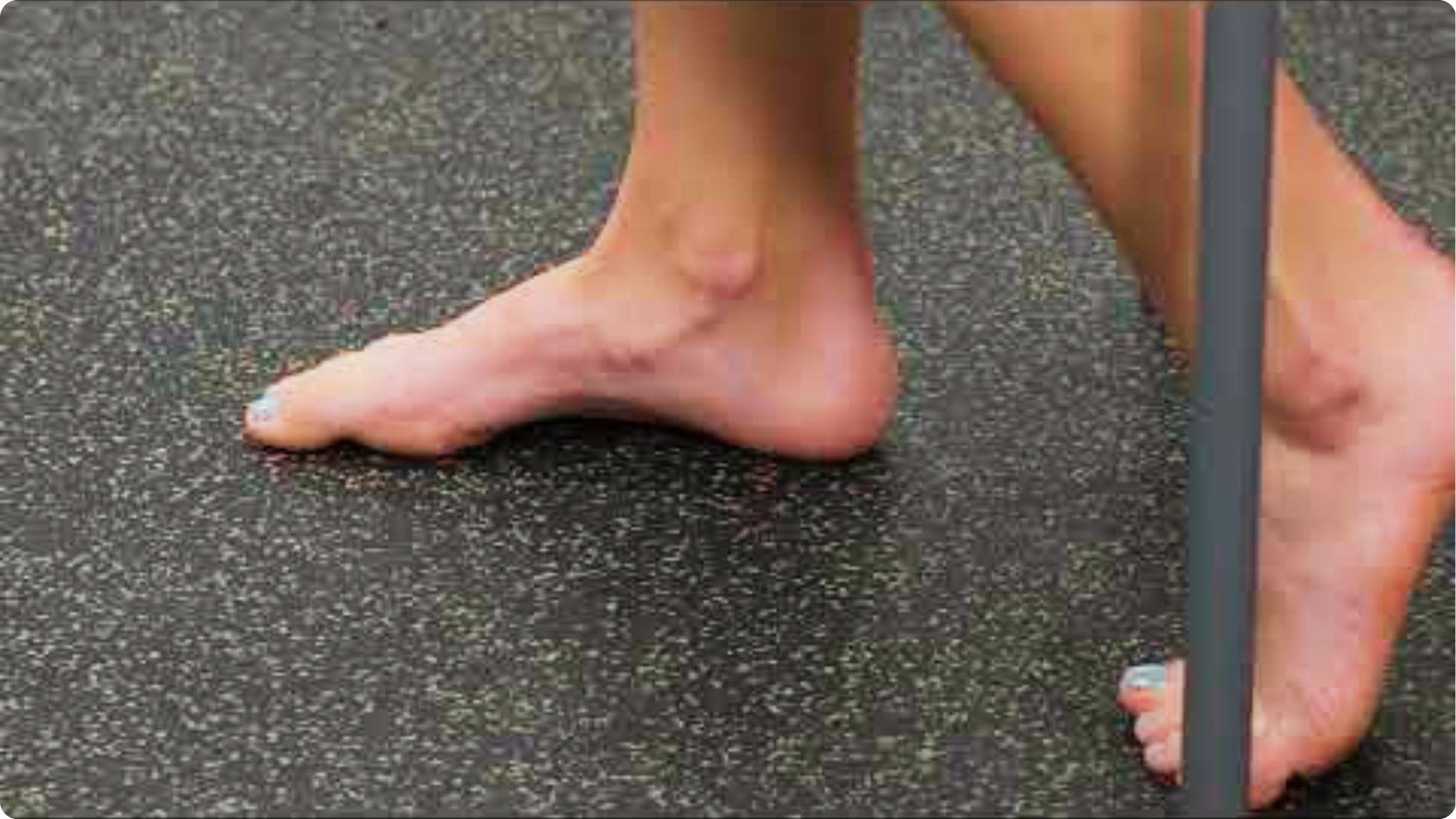
Sit in a chair with your feet flat on the floor. Keep your toes and heel down and slowly lift the arch upward. Hold for three to five seconds, lower, and repeat ten to fifteen times per foot.
2. Calf Raises to Strengthen Lower Leg Support
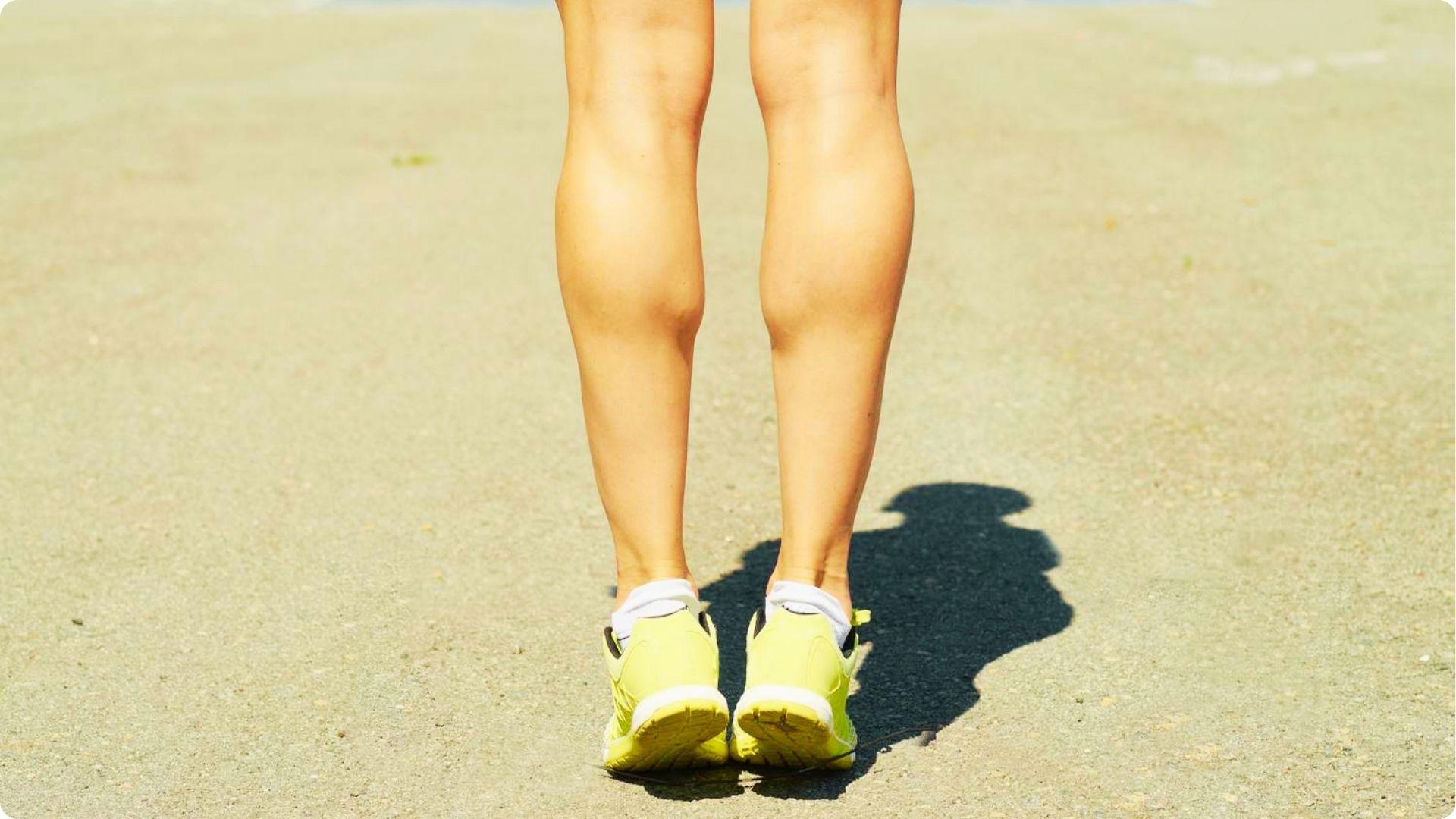
Stand near a wall for support and slowly rise onto the balls of your feet. Hold for two seconds at the top, then lower back down slowly. Do two to three sets of fifteen repetitions per foot.
3. Towel Curls for Toe and Foot Muscle Strength
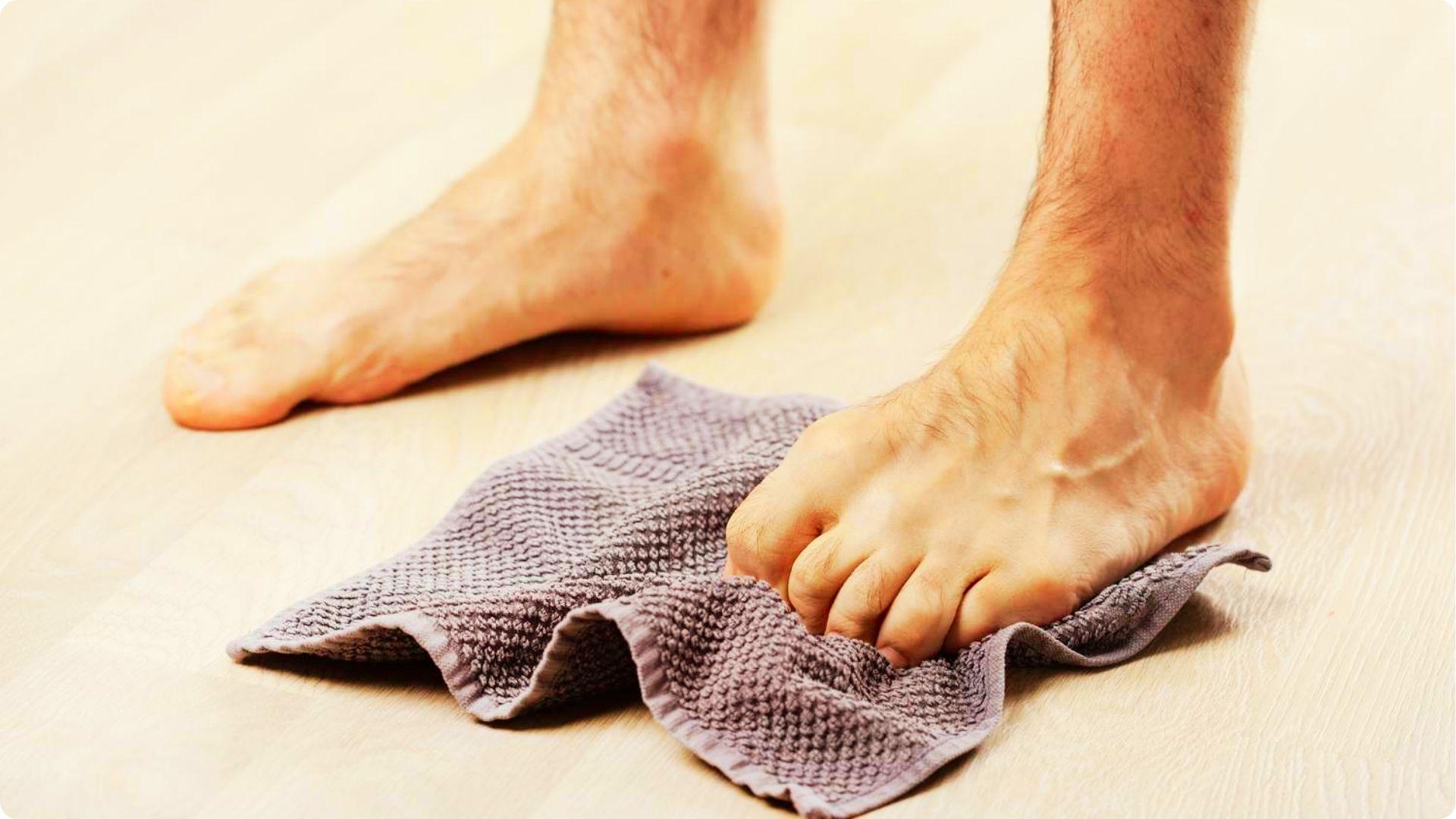
Place a small towel flat on the floor and use your toes to scrunch and pull it toward you. Release and repeat ten to twelve times per foot. This targets small muscles that support the arch directly.
4. Marble Pickups to Improve Foot Coordination
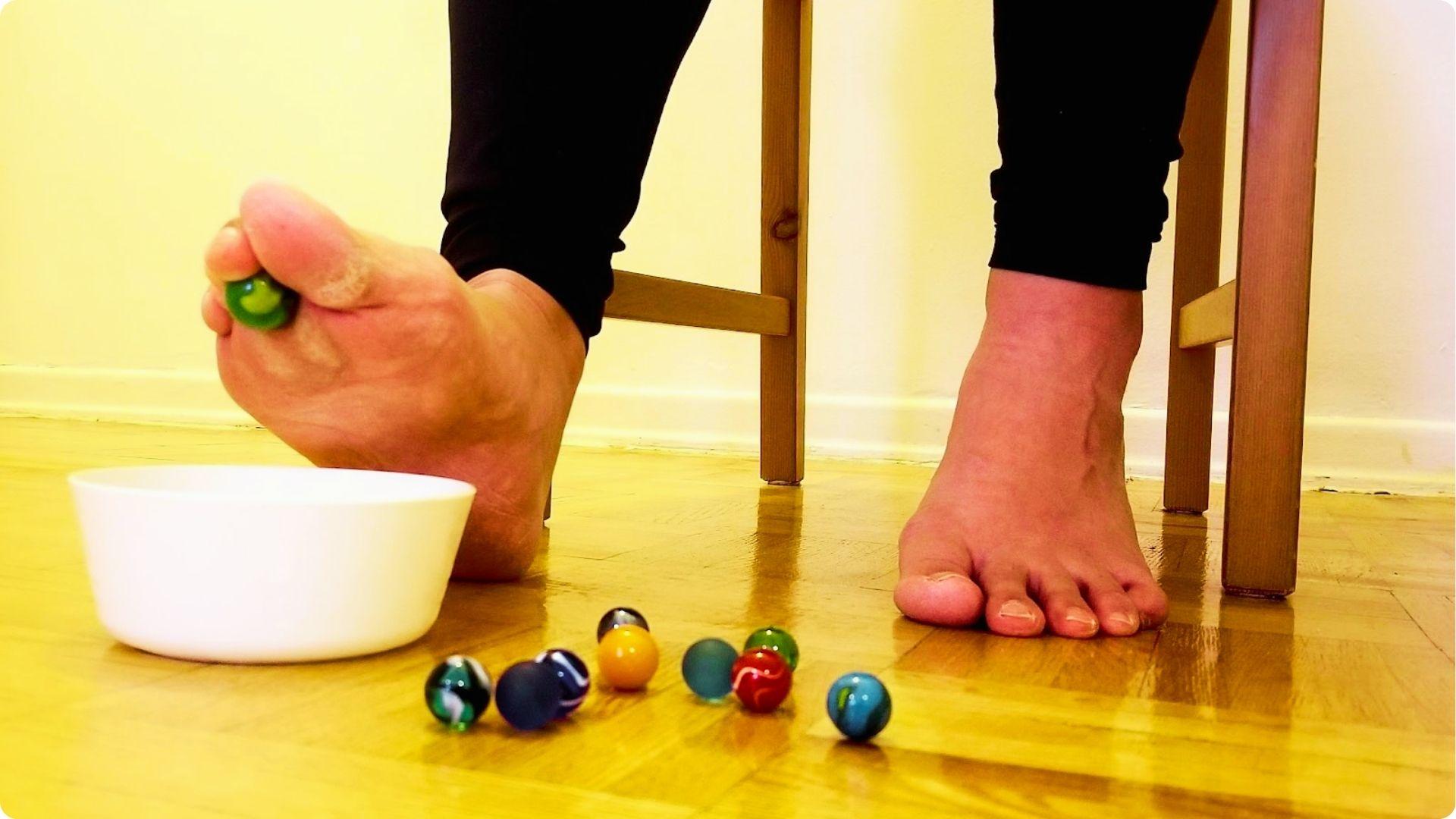
Place marbles on the floor and use your toes to pick them up one at a time into a bowl. Do this with both feet for ten repetitions each. It feels awkward at first but improves foot control quickly.
5. Toe Walking for Stronger Ankles and Arches
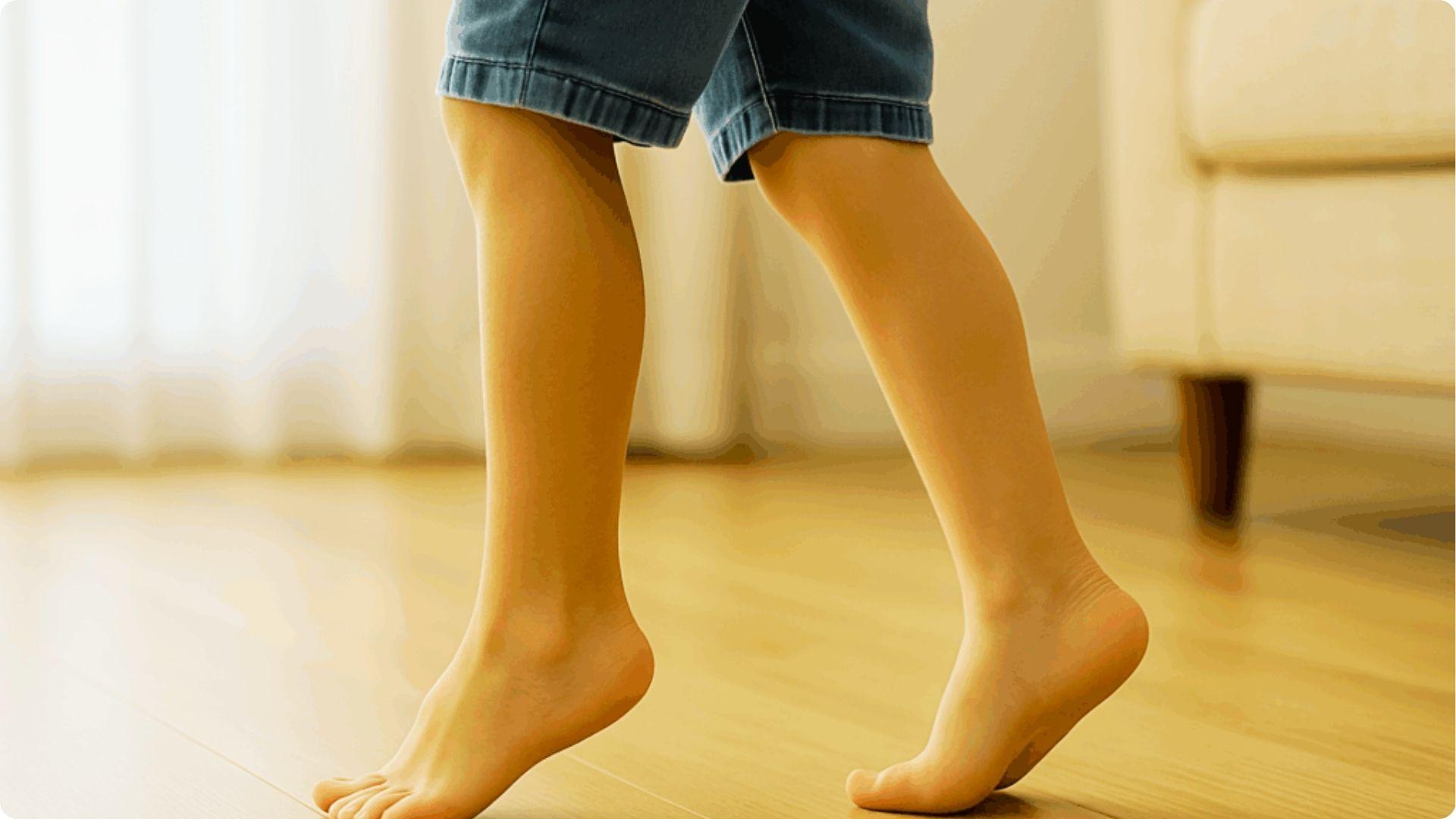
Rise onto the balls of your feet and walk forward for twenty to thirty steps while staying balanced. Rest and repeat two to three times. This builds strength in the ankles, calves, and arch together.
6. Heel Walking to Improve Stability and Balance
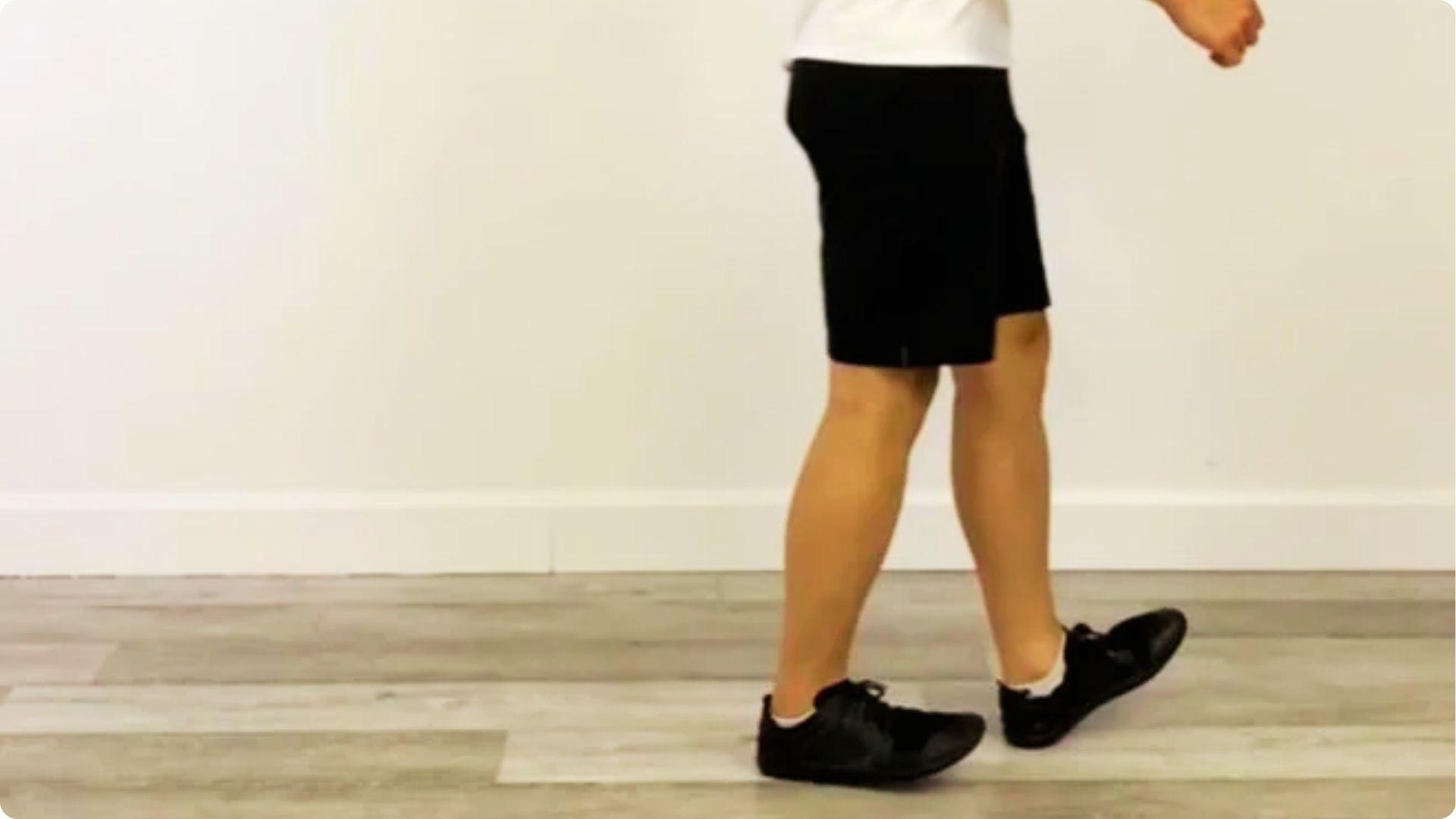
Lift your toes off the ground and walk forward on your heels for twenty to thirty steps. Keep your back straight and steps controlled. Start with shorter distances and build up gradually over time.
7. Achilles Tendon Stretch to Reduce Foot Strain
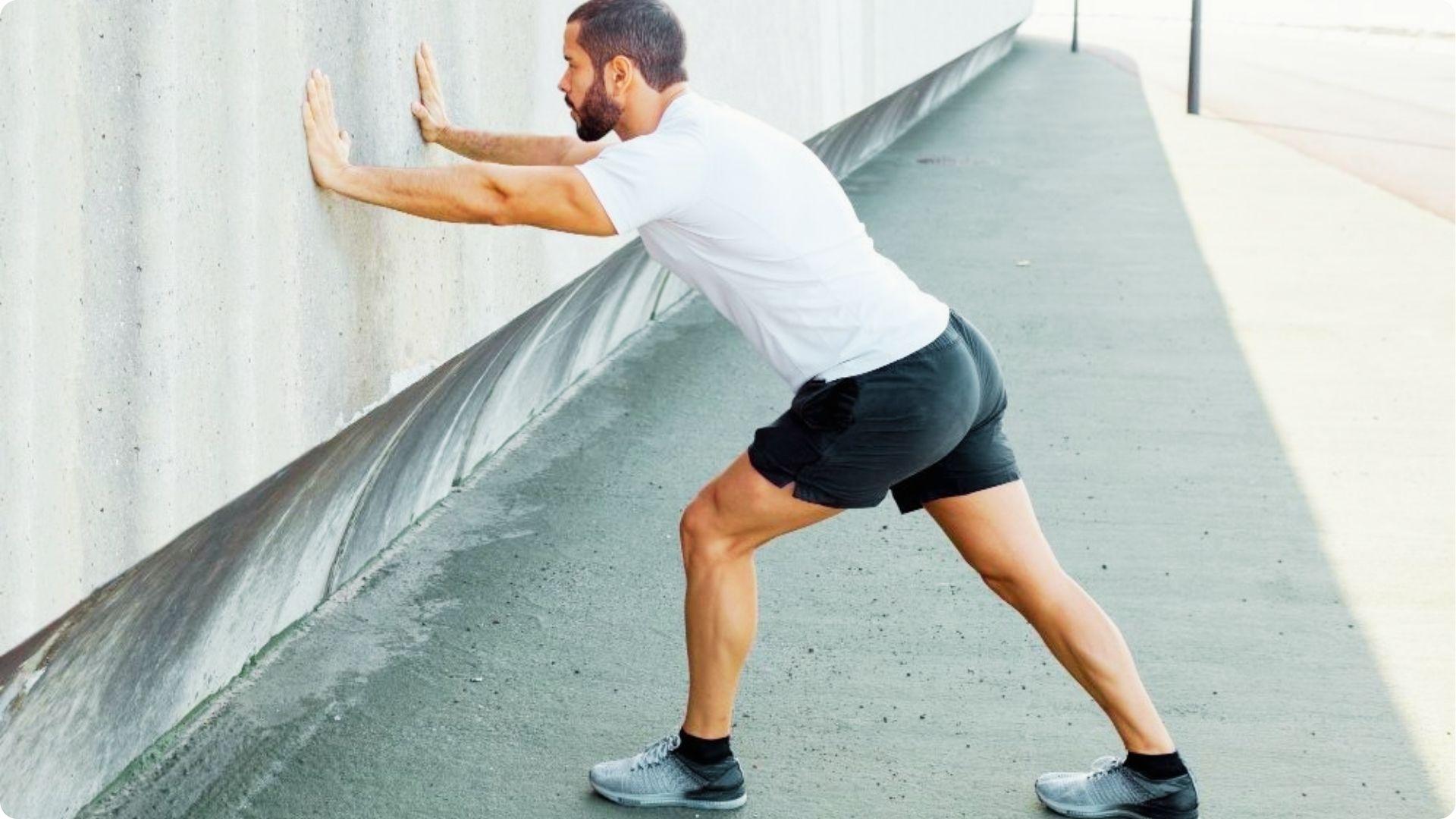
Stand facing a wall, step one foot back, and keep that heel flat on the floor. Lean forward gently until you feel a stretch in your calf and heel. Hold for twenty to thirty seconds and switch sides.
Step-by-Step Guide to Doing Flat Feet Exercises Safely
Follow this simple guide to build a safe and effective flat feet exercise routine that actually works over time.
Step 1: Warm Up Your Feet and Ankles Before Starting
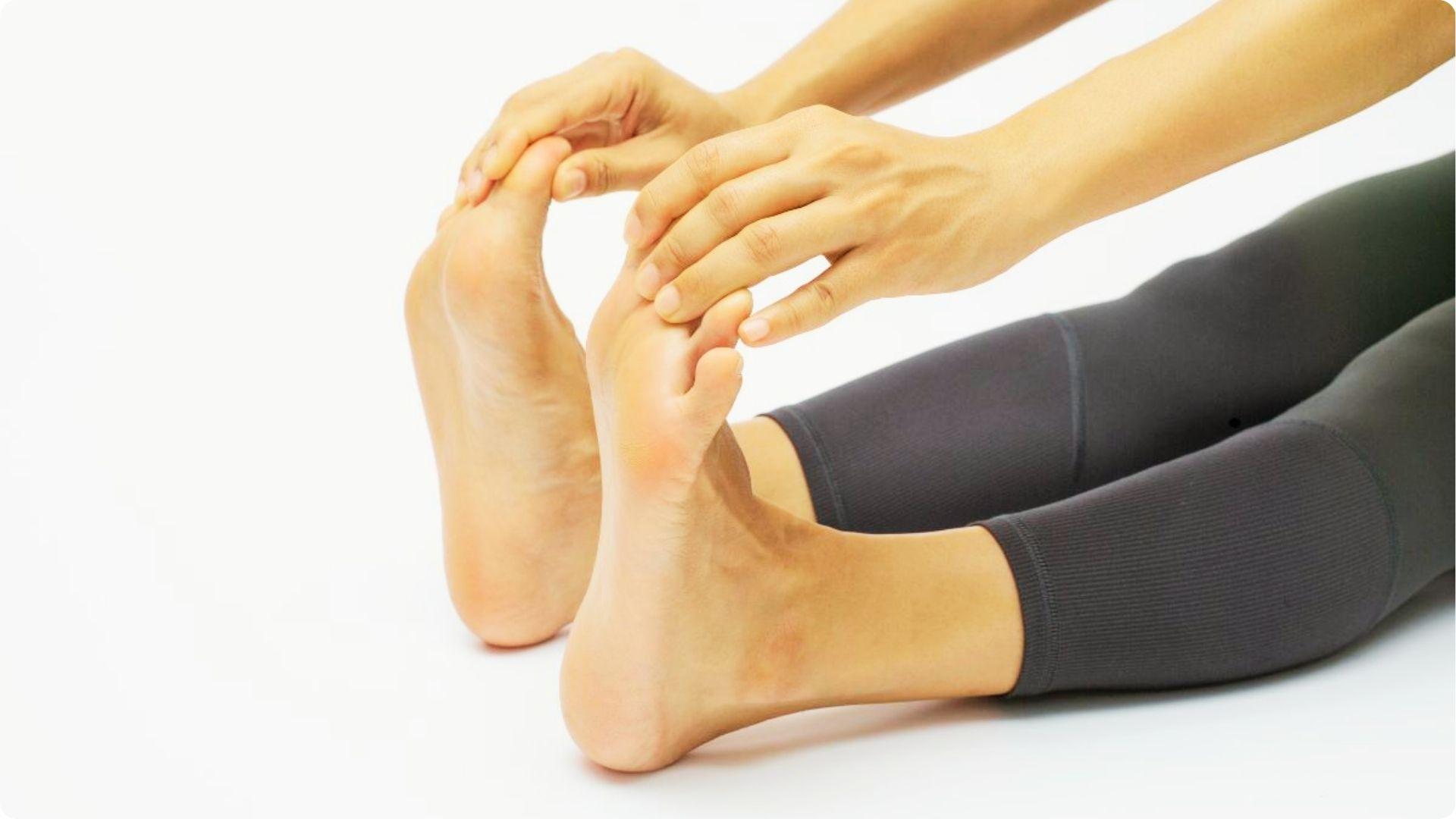
Spend three to five minutes walking in place or doing slow ankle circles before you begin. You can also roll a tennis ball under each foot for one minute to loosen the tissue.
A proper warm-up reduces discomfort and makes every exercise more effective.
Step 2: Begin With Basic Flat Feet Exercises for Support
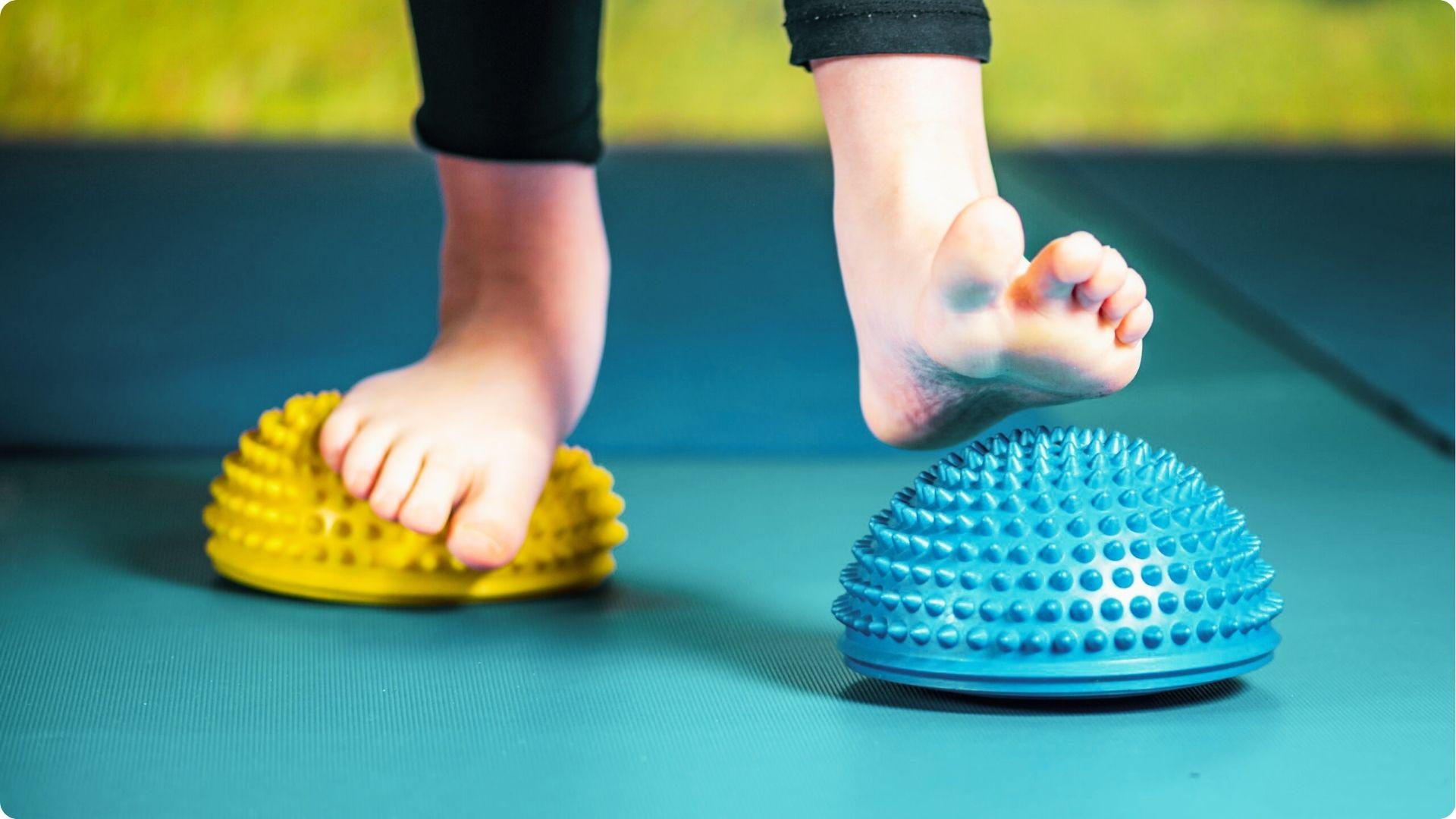
Start with easier exercises like arch lifts and towel curls before moving to harder movements. Spend the first one to two weeks mastering the basics to build a strong foundation.
Rushing into advanced exercises too soon can slow your progress.
Step 3: Follow Proper Form During Each Exercise
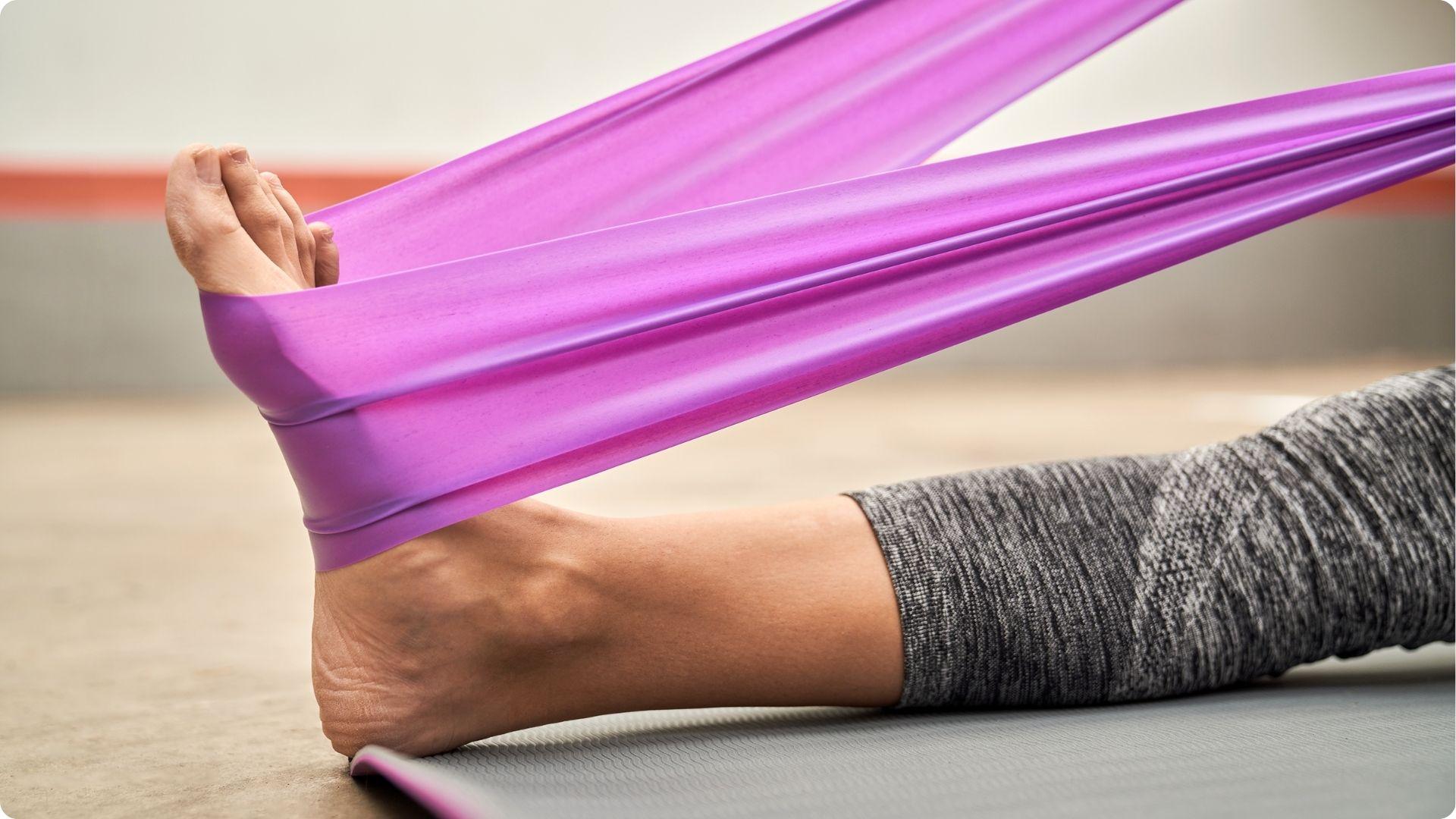
Move slowly and focus on the muscles you are supposed to be using during each exercise. If something feels sharp or painful, stop immediately and rest.
Mild muscle fatigue is normal, but sharp pain is always a sign to pause.
Step 4: Build Foot Strength With a Consistent Routine
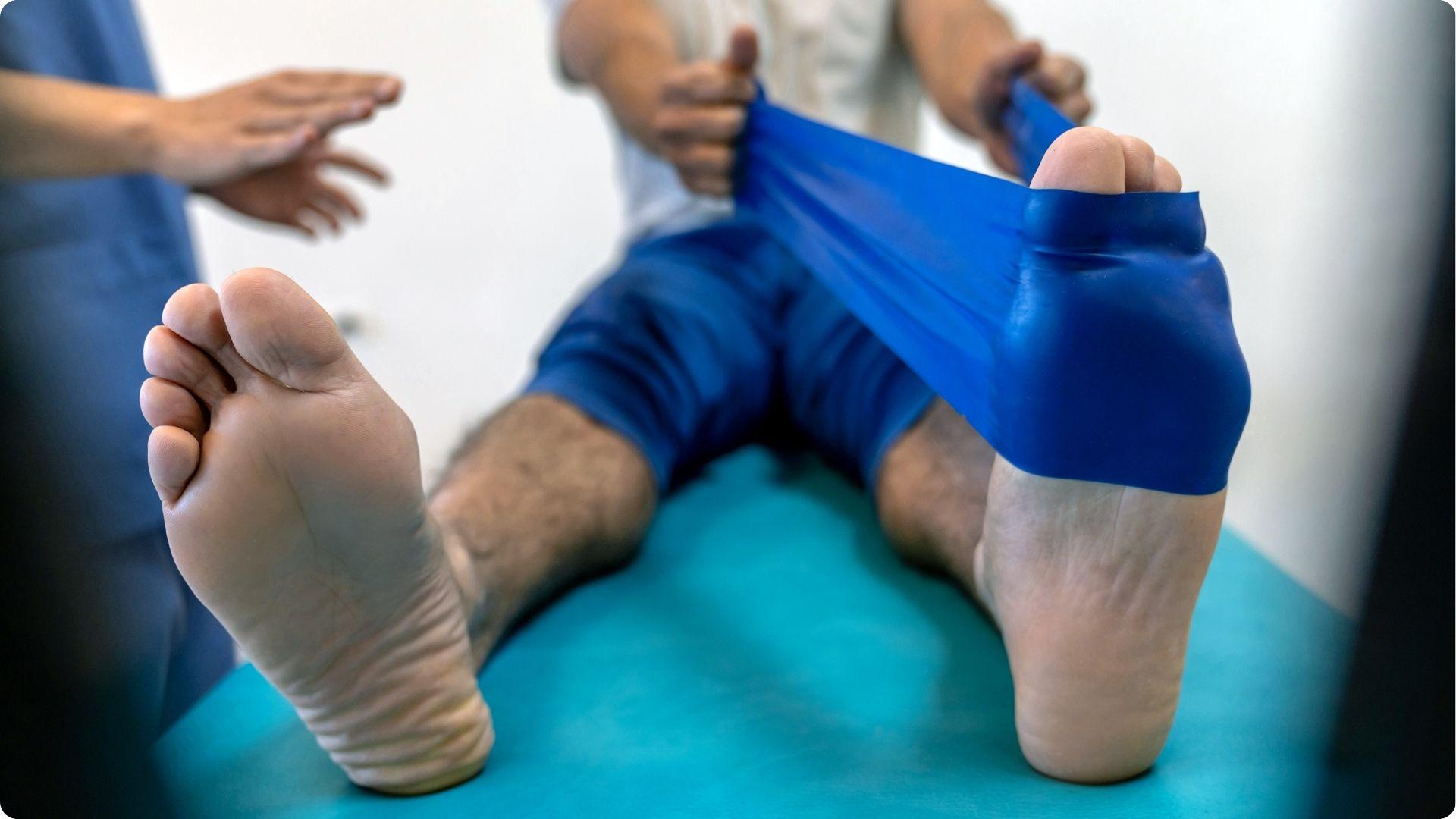
Do your exercises at least four days a week, keeping sessions around fifteen to twenty minutes. Gradually increase repetitions or hold times as your foot strength improves over time.
Consistency over weeks brings far better results than one intense session.
Step 5: Combine Exercises With Supportive Footwear and Rest

Wear shoes with proper arch support during the day to protect your progress between sessions. Give your feet enough rest and consider stretching before bed to reduce morning heel pain.
Exercise, footwear, and rest all work together for the best results.
Tips for a Flat Feet Exercises PDF and Daily Routine
A simple plan and the right resources make it easier to stick with your flat feet exercises every single day.
- Start with three days in the first week and add more days gradually as your feet adjust.
- Write your weekly plan down and check off each session to stay accountable and consistent.
- Search for a flat feet exercises PDF from a trusted health website and keep it somewhere visible.
- Pick a fixed time each day to exercise, whether morning or evening, and stick to it.
- Pair your foot exercises with a daily habit like watching TV to make consistency much easier.
Conclusion
Flat feet gave me real trouble for a long time. Sore heels, tired legs, and achy knees were part of my daily routine.
Once I started doing these exercises consistently, things slowly got better. You do not need fancy equipment or long sessions.
You just need to show up for your feet regularly. Start with one or two exercises and build from there. Your body will thank you.
Found this helpful? Leave a comment below, share it with someone who needs it, or check out our related articles on foot health.
Frequently Asked Questions
What are the best flat feet exercises for beginners?
Arch lifts and towel curls are great starting points. They are simple, low impact, and easy to do at home without any equipment.
Can flat feet exercises help fallen arches naturally?
Yes, regular exercise strengthens the muscles that support the arch. Many people see real improvement with consistent daily practice over several weeks.
How often should I do flat feet exercises?
Aim for four to five days a week for the best results. Short daily sessions of fifteen to twenty minutes work better than long, infrequent workouts.
Are flat feet exercises safe for kids?
Most exercises like arch lifts and marble pickups are gentle and safe for children. Always check with a pediatrician before starting any new routine for a child.
Can adults rebuild arches with exercise?
Adults can strengthen the muscles that support the arch and reduce pain over time. Most adults see meaningful improvement with regular exercise and proper footwear choices.


