

If you have L5-S1 disc problems, the wrong exercise can make things much worse. This article covers what exercises to avoid, why they cause harm, and what safer options you can try instead. You'll also find tips to stay active without flaring up your pain.
I've worked with people dealing with lower back disc issues, and I know how confusing this can be. One wrong move at the gym can set you back weeks.
We'll cover what the L5-S1 disc is, movements that increase disc pressure, safer exercises for recovery, and when to see a doctor. You're in the right place. Let's get into it.
Understanding the L5-S1 Disc
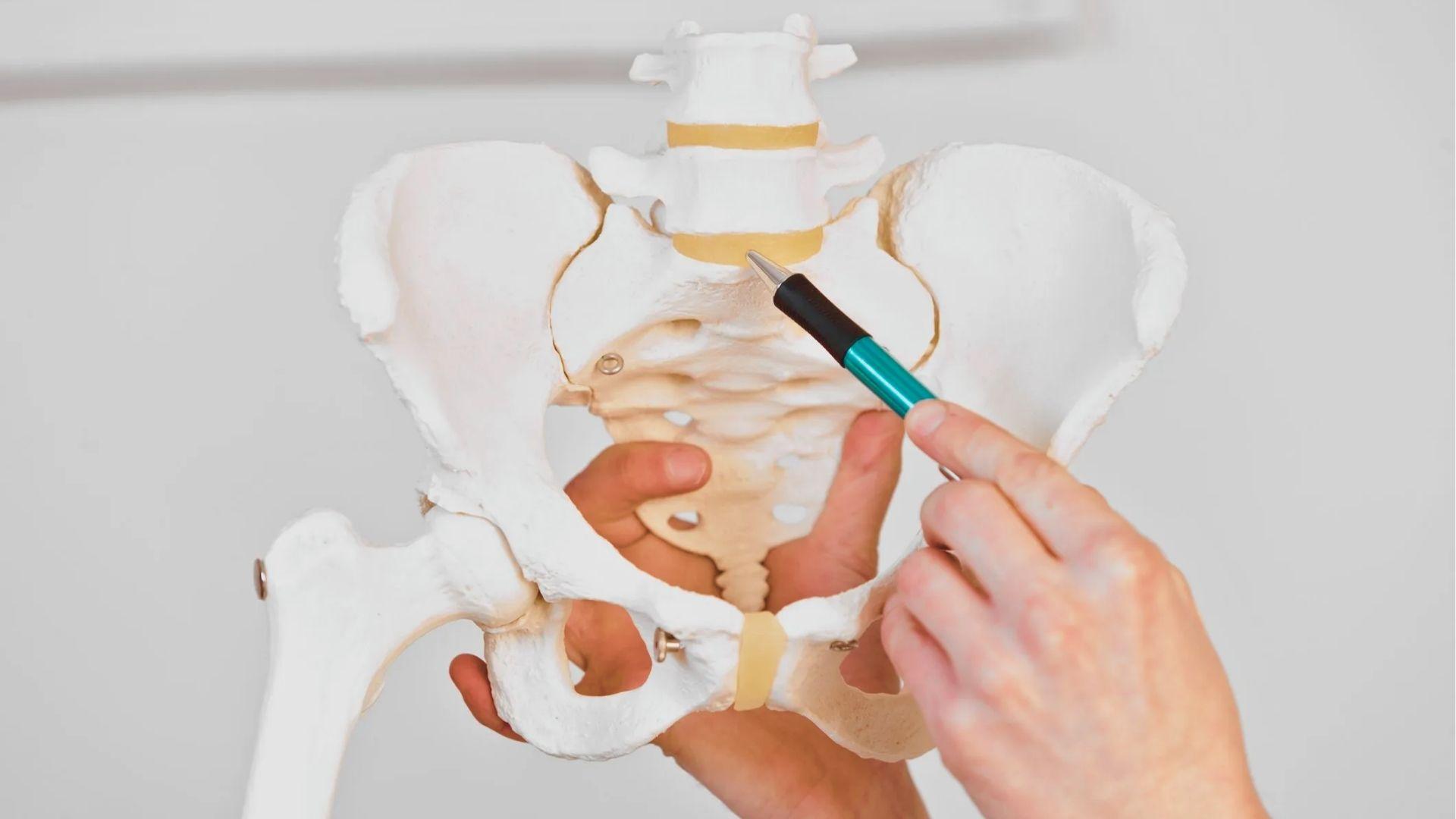
The L5-S1 segment sits at the very bottom of your spine. It connects the fifth lumbar vertebra to the first sacral vertebra, right where your lower back meets your pelvis.
This spot carries a huge amount of body weight every day. That constant load makes it one of the most injury-prone areas in the entire spine.
Every movement you make puts pressure on this disc. Sitting, bending, lifting, and even standing all add stress over time. Poor posture, weak core muscles, and aging speed up the wear. Eventually, the disc can bulge or herniate and press on nearby nerves.
Common symptoms include:
- Lower back pain that gets worse with sitting or bending
- Sharp or burning pain shooting down one leg
- Numbness or tingling in the leg, foot, or toes
- Muscle weakness in the leg or foot
Some people feel mild discomfort. Others deal with severe nerve pain that affects daily life. If any of these sound familiar, speak with a doctor before continuing exercise.
What Causes L5-S1 Disc Pain to Worsen
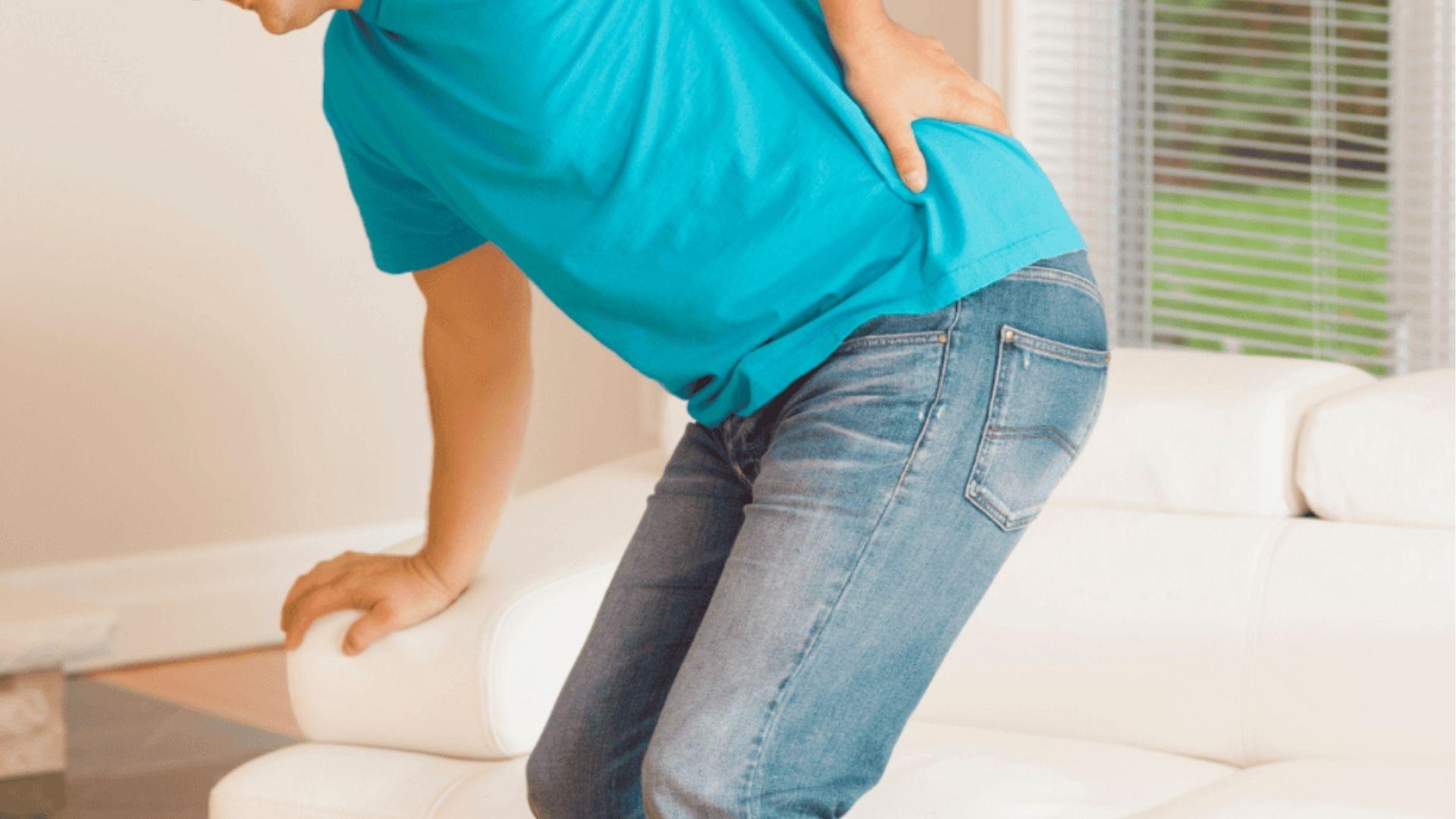
Certain movements and habits put extra stress on the L5-S1 disc. Understanding what makes pain worse helps you avoid costly setbacks during recovery.
Excessive Bending and Twisting
Repeated bending forward, especially under load, compresses the front of the disc. This pushes the disc material backward toward the nerves.
Twisting adds a different kind of stress. When you rotate your spine with force, it strains the disc and the surrounding ligaments. Doing both at the same time, like picking something up off the floor while turning, is especially risky.
Heavy Lifting and Poor Form
Lifting heavy objects is not automatically dangerous. But doing it with poor form absolutely is.
Rounding your lower back during a lift forces the L5-S1 disc to carry uneven pressure. This can worsen a bulge or cause a new injury. Even lighter loads can cause harm when your posture is off.
Prolonged Sitting and Poor Posture
Sitting for long periods increases pressure inside the spinal discs. Research shows that disc pressure is actually higher when sitting than when standing.
Slouching makes this worse. When you hunch forward, the lower back loses its natural curve. This puts the L5-S1 disc in a vulnerable position for hours at a time.
High-Impact Activities and Overtraining
Running, jumping, and high-impact sports all send shock through the spine. For a healthy disc, this is usually fine. For a damaged one, it can cause serious irritation.
Overtraining without enough rest also slows healing. Your body needs time to recover. Pushing through pain too often keeps the inflammation active and delays progress.
L5-S1 Exercises to Avoid
Not all exercises are safe when you have a disc problem at L5-S1. Some movements increase pressure on the disc and can irritate the nerve roots nearby.
Deadlifts and Heavy Squats

Both deadlifts and heavy squats load the spine significantly. Even with good form, these exercises put a large amount of compression on the lumbar discs.
For someone with an L5-S1 disc issue, this can worsen a herniation or cause a flare-up. Until your spine is stable and you've been cleared by a professional, avoid these entirely.
Sit-Ups and Crunches
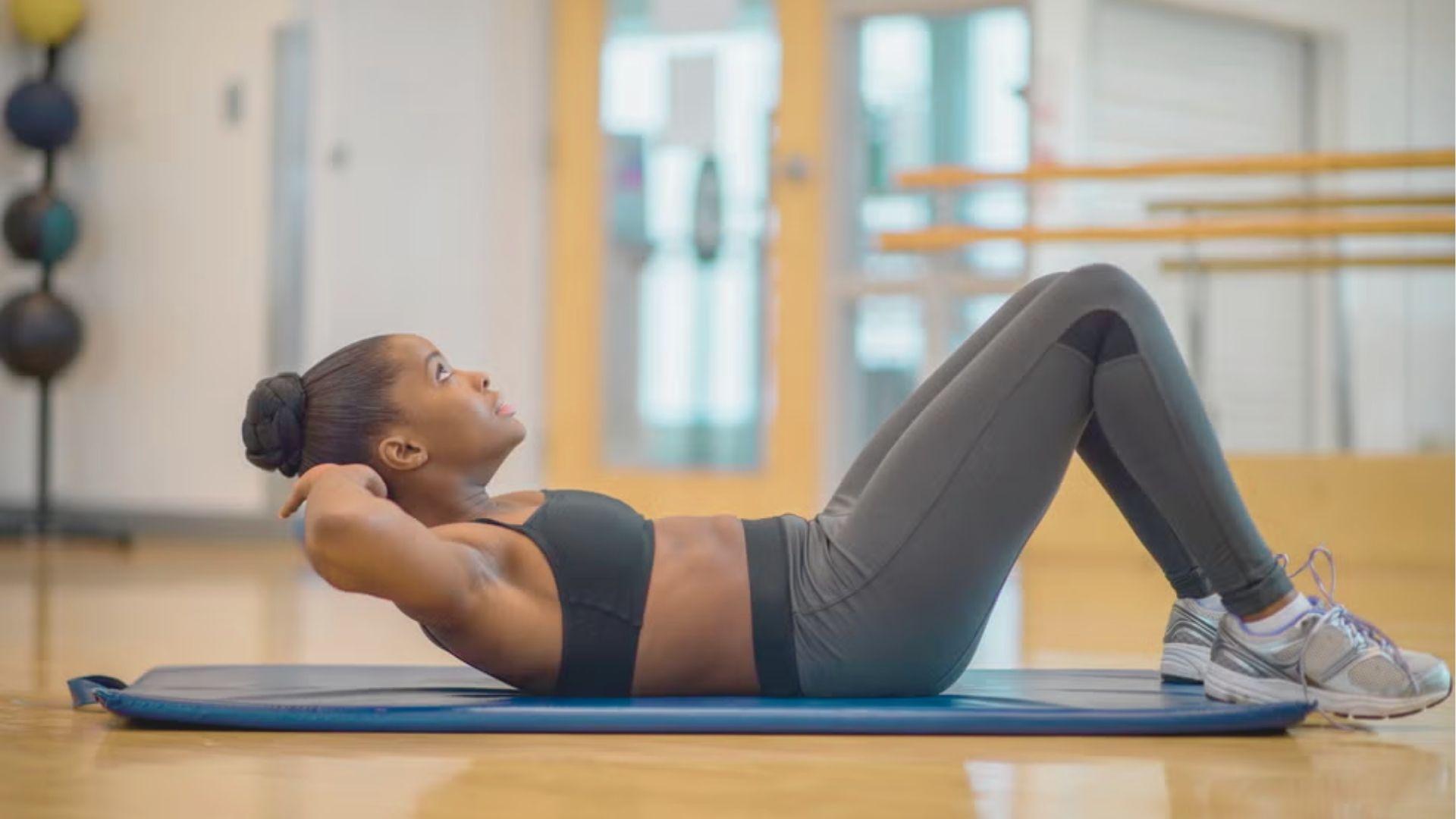
Sit-ups and crunches flex the spine repeatedly. Each rep pushes the L5-S1 disc toward the back of the spinal canal.
Studies by spine researcher Dr. Stuart McGill show that spinal flexion under load is one of the leading causes of disc injury. These exercises may feel like core training, but they create more harm than benefit for disc problems.
Toe Touches and Deep Forward Bends
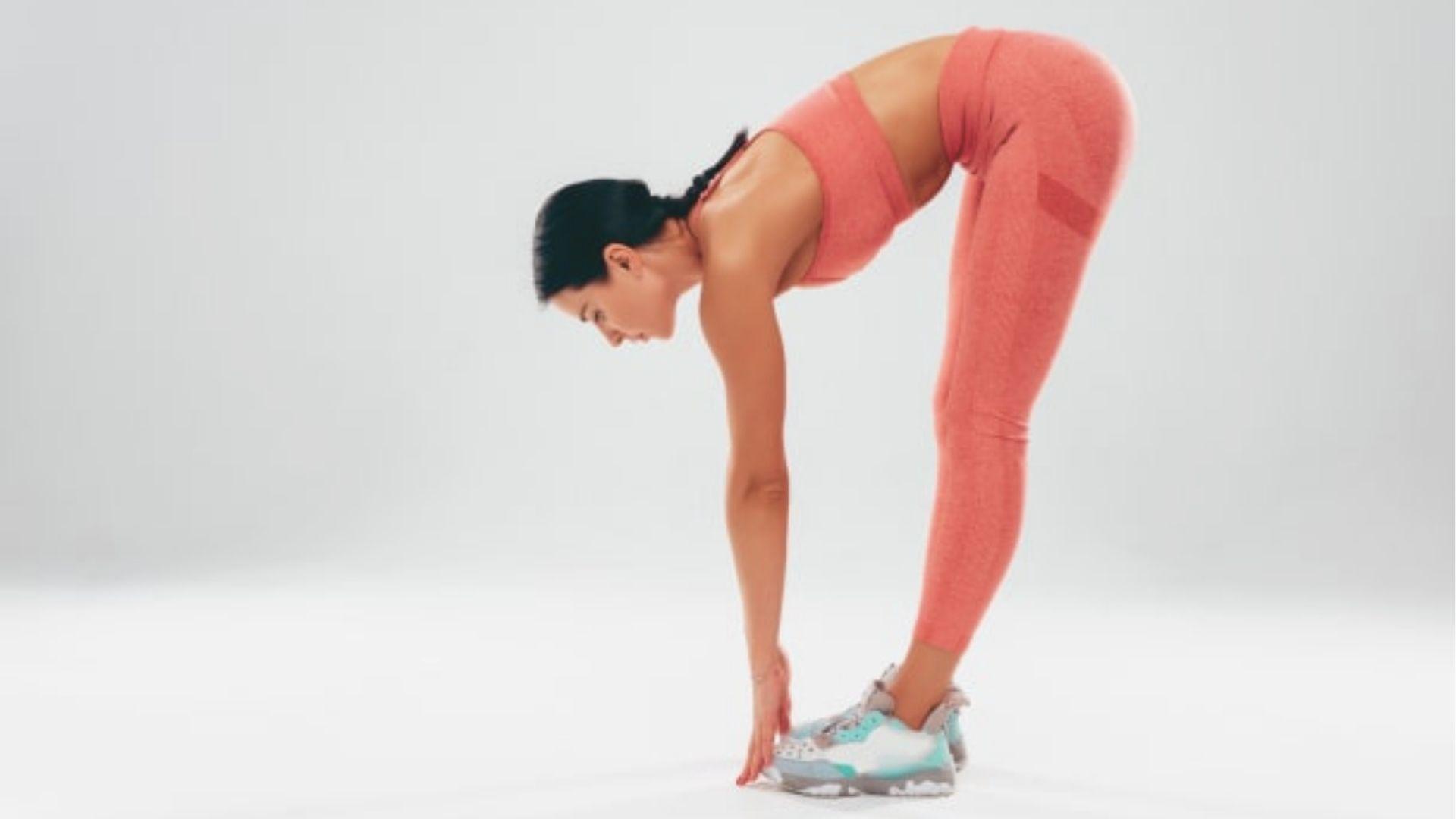
Standing toe touches stretch the hamstrings, but they also round the lower back completely. This fully loads the posterior disc at L5-S1.
Deep forward bends in yoga, such as a standing forward fold, carry the same risk. These moves look gentle but can significantly increase disc pressure and nerve irritation.
Leg Press Machine
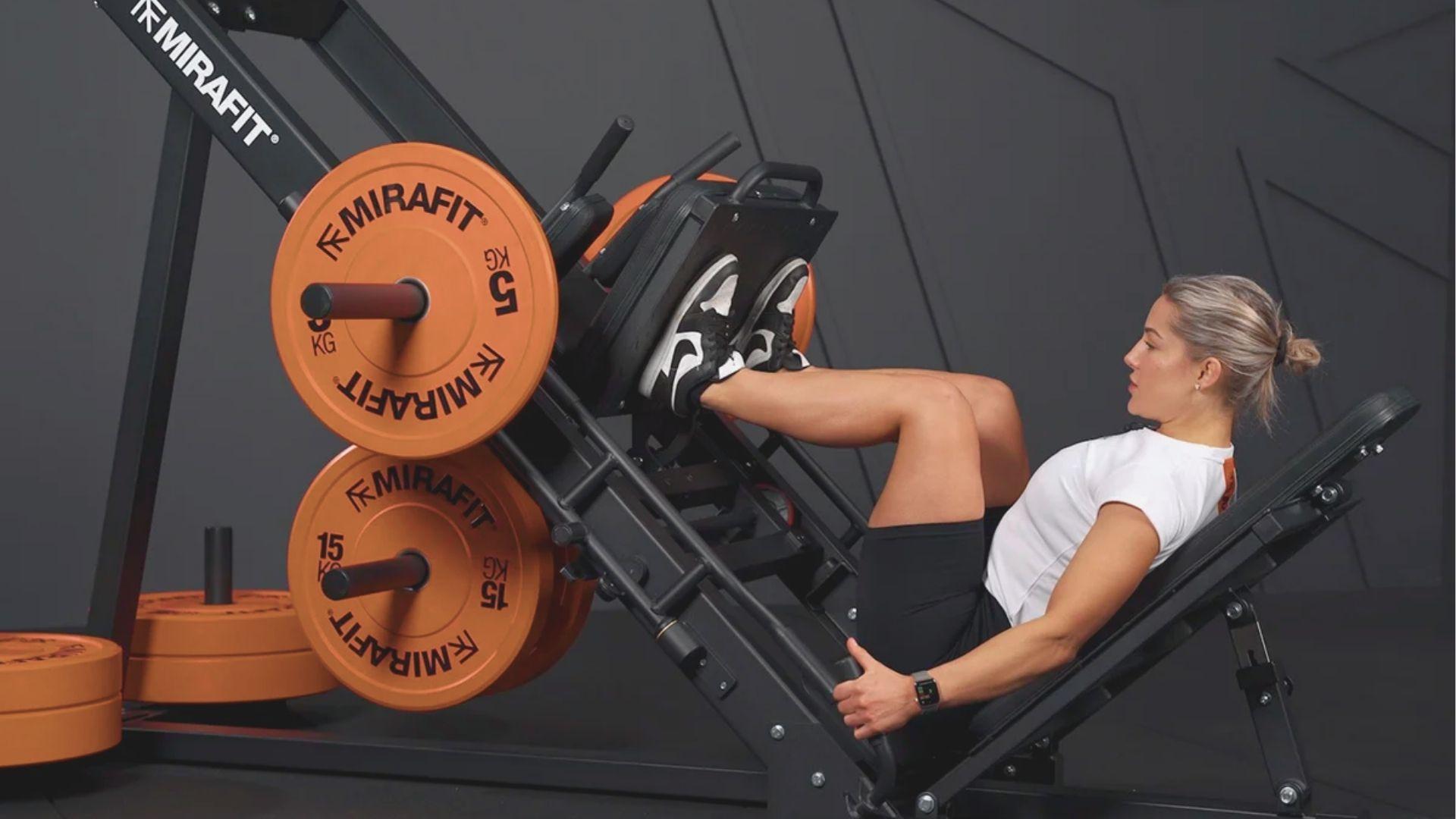
The leg press might seem like a safe alternative to squats, but it's not without risk. When you push the platform away, your lower back often rounds at the bottom of the movement.
This puts your L5-S1 disc under pressure in a flexed position, which is one of the worst positions for a disc injury. Many people don't realize this until the pain worsens.
Running and Jumping Exercises
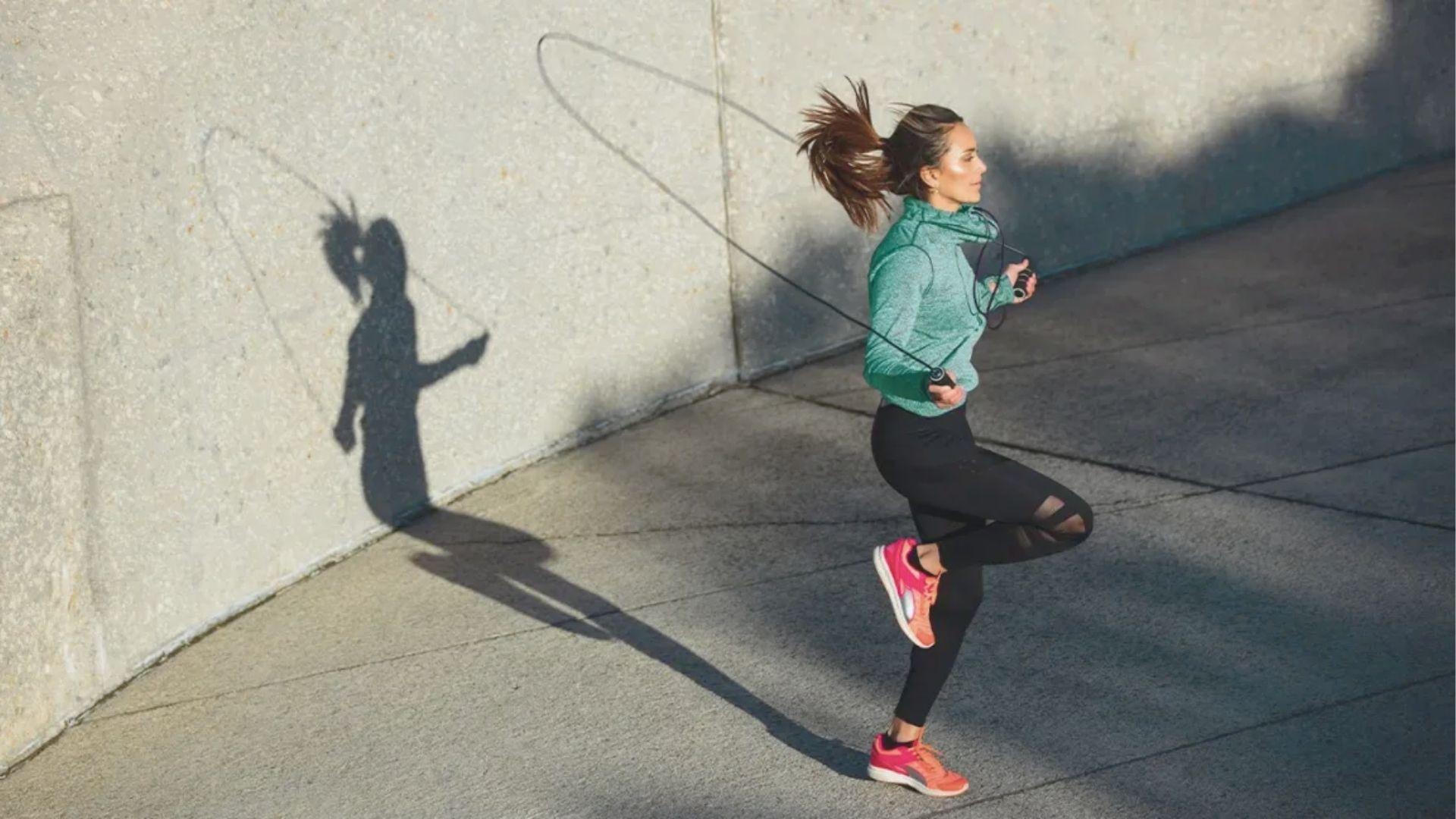
Running creates repeated impact through the spine. For healthy discs, this is manageable. For damaged discs, it can be too much.
Jumping adds even more force. Box jumps, jump squats, and burpees all send strong compression forces down through the lumbar spine. These should be avoided during the early stages of recovery.
Twisting Exercises Like Russian Twists

Russian twists involve rotating the spine while holding a flexed position. This combines two of the most damaging movements for disc health.
Rotation alone is not always harmful. But doing it under load, with poor control, or while sitting in spinal flexion greatly increases the risk of aggravating L5-S1 disc problems.
High-Intensity Workouts and Boot Camps

Boot camps and high-intensity interval training (HIIT) classes are popular. But they often include movements that are risky for disc injuries.
Burpees, kettlebell swings, box jumps, and fast-paced lifting all stress the spine under fatigue. When your muscles tire, your form breaks down. That's when injuries happen or get worse.
Why These Exercises Can Aggravate Disc Problems
The wrong exercises don't just cause pain in the moment. They can slow down healing and cause longer-term damage to the L5-S1 disc and nearby nerves.
Every time you flex, load, or compress the spine, pressure inside the disc rises. For a herniated or bulging disc, that pressure pushes disc material further out of place. This worsens the bulge, increases nerve contact, and intensifies pain.
The L5 and S1 nerve roots sit right next to the disc. When exercises repeatedly stress this area, they can trigger or worsen sciatica. The more you provoke nerve irritation, the longer recovery takes.
Poor mechanics make this worse. Rounding your back during a lift or doing crunches under load keeps the disc in a constant state of irritation. This creates a cycle of pain and setback that holds healing back.
Your body heals best when the injured area is stable and not repeatedly stressed.
Safer Exercises for L5-S1 Disc Problems
The good news is that you don't have to stop moving completely. These low-impact exercises protect your spine while keeping you active and helping your recovery.
Bird-Dog Exercise
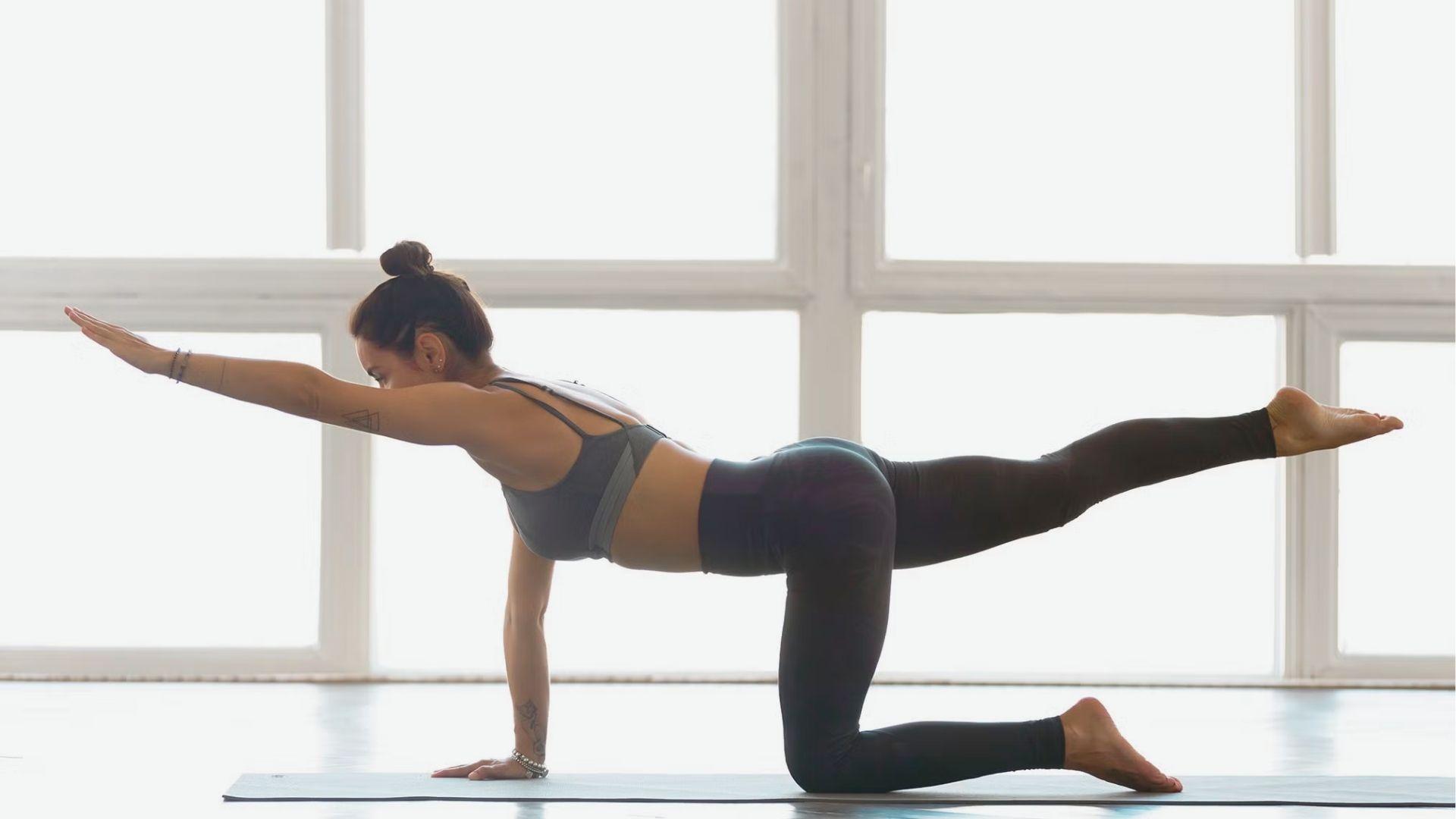
The bird-dog is one of the safest and most effective exercises for L5-S1 disc issues. It builds core stability without loading the spine.
How to do it:
- Start on all fours with your wrists under your shoulders and knees under your hips.
- Extend your right arm forward and your left leg back at the same time.
- Hold for 5 to 10 seconds, then return to the start.
- Switch sides and repeat.
Do 8 to 10 reps per side. Keep your lower back flat throughout the movement.
Glute Bridges

Glute bridges strengthen the glutes and hamstrings, which support the lower back. They also activate the core without putting the spine into harmful positions.
How to do it:
- Lie on your back with your knees bent and feet flat on the floor.
- Press through your heels and lift your hips off the ground.
- Hold at the top for 2 to 3 seconds, then lower slowly.
Do 10 to 15 reps. Keep your core tight and avoid arching your lower back at the top.
Modified Planks
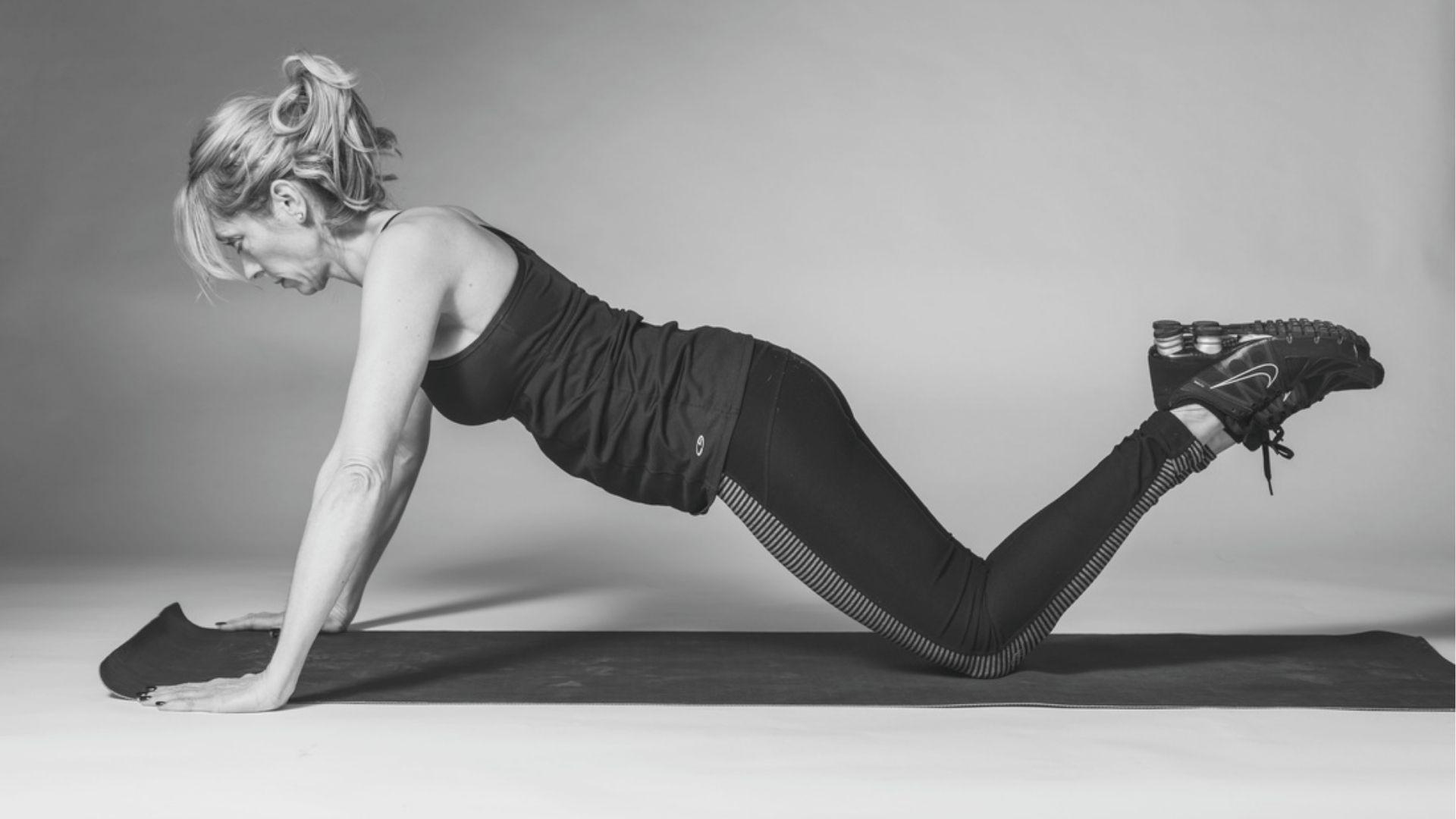
A standard plank builds core strength in a neutral spine position. If a full plank feels too intense, start with a knee plank.
How to do it:
- Place your forearms on the floor with your elbows under your shoulders.
- Drop to your knees if needed, or hold a full plank position.
- Keep your body in a straight line from head to hips.
- Hold for 15 to 30 seconds.
Avoid letting your hips sag or rise up. Keep your breathing steady.
Pelvic Tilts
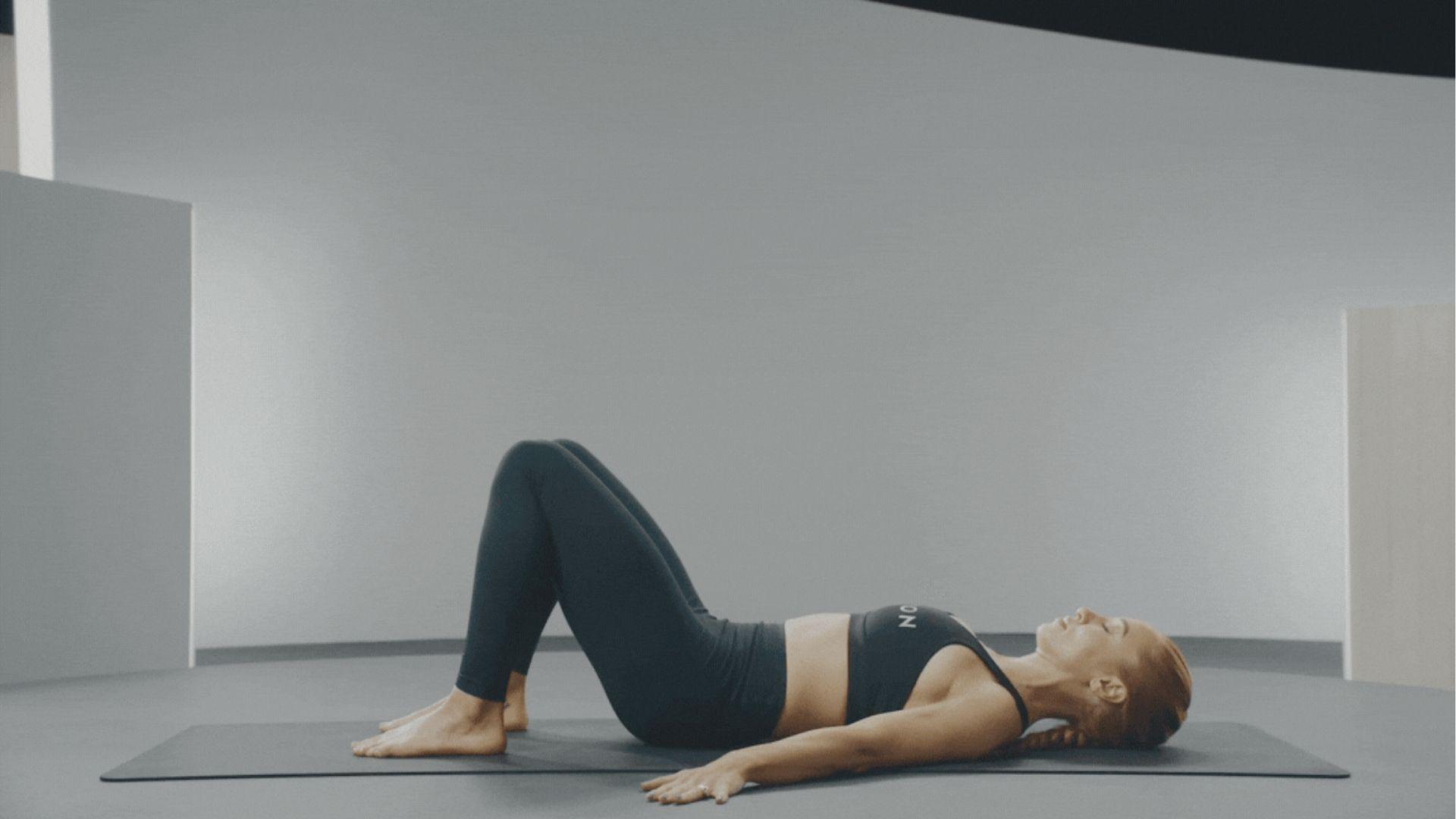
Pelvic tilts gently mobilize the lower back and reduce stiffness. They're safe for most disc conditions and feel good when done consistently.
How to do it:
- Lie on your back with your knees bent and feet flat.
- Gently flatten your lower back against the floor by tightening your abdominals.
- Hold for 5 seconds, then release.
Do 10 to 15 reps. This is a small movement. Don't force it or hold your breath.
Walking and Swimming
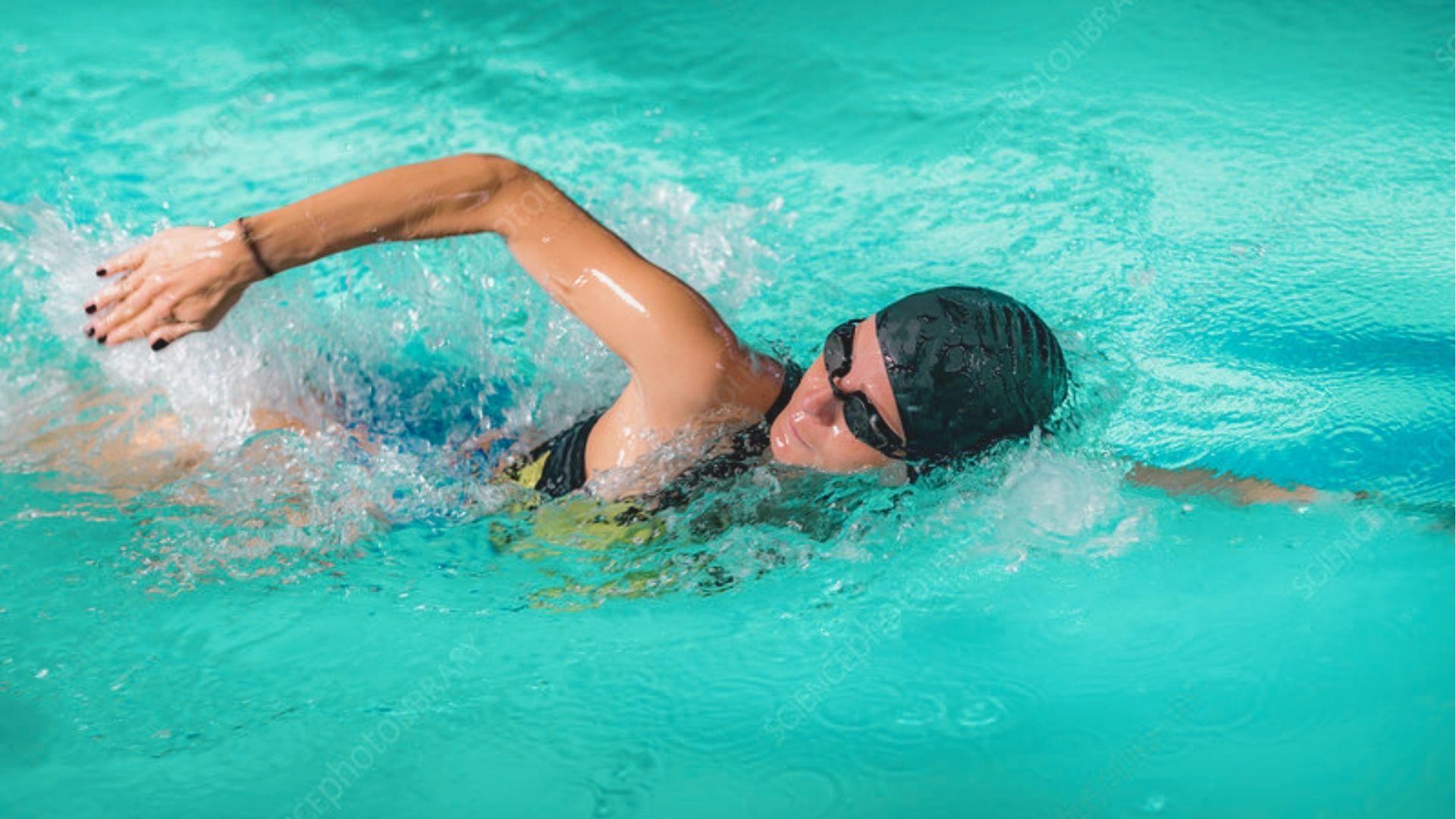
Walking is one of the best low-impact activities for disc recovery. It keeps blood flowing to the spine, reduces stiffness, and improves mood without overloading the discs.
Start with 10 to 15 minutes at a slow, comfortable pace. Build up gradually as your pain decreases.
Swimming and water walking are also excellent. The water reduces body weight stress on the spine, allowing you to move more freely with less pain.
Tips for Exercising Safely With an L5-S1 Injury
Smart movement habits protect your spine and keep your recovery on track.
- Focus on proper form before adding any weight or speed. A well-executed movement protects your spine, while a careless one puts it at serious risk.
- Start with low-impact movements and build slowly from there. Gentle exercises keep your body active while giving your disc the time it needs to recover.
- Stop immediately if any movement causes sharp or shooting pain. Pain traveling down your leg or increased numbness is your body telling you to back off.
- Increase your activity levels gradually, week by week. Small steps forward give your spine time to adapt without being pushed beyond its limit.
- Work with a physical therapist or trainer who understands spinal conditions. Professional guidance helps you move safely and avoid the common mistakes that cause setbacks.
Other Ways to Support L5-S1 Recovery
Exercise alone is not the full picture. These supporting strategies can speed up healing and reduce pain alongside your movement routine.
Physical Therapy and Core Stabilization
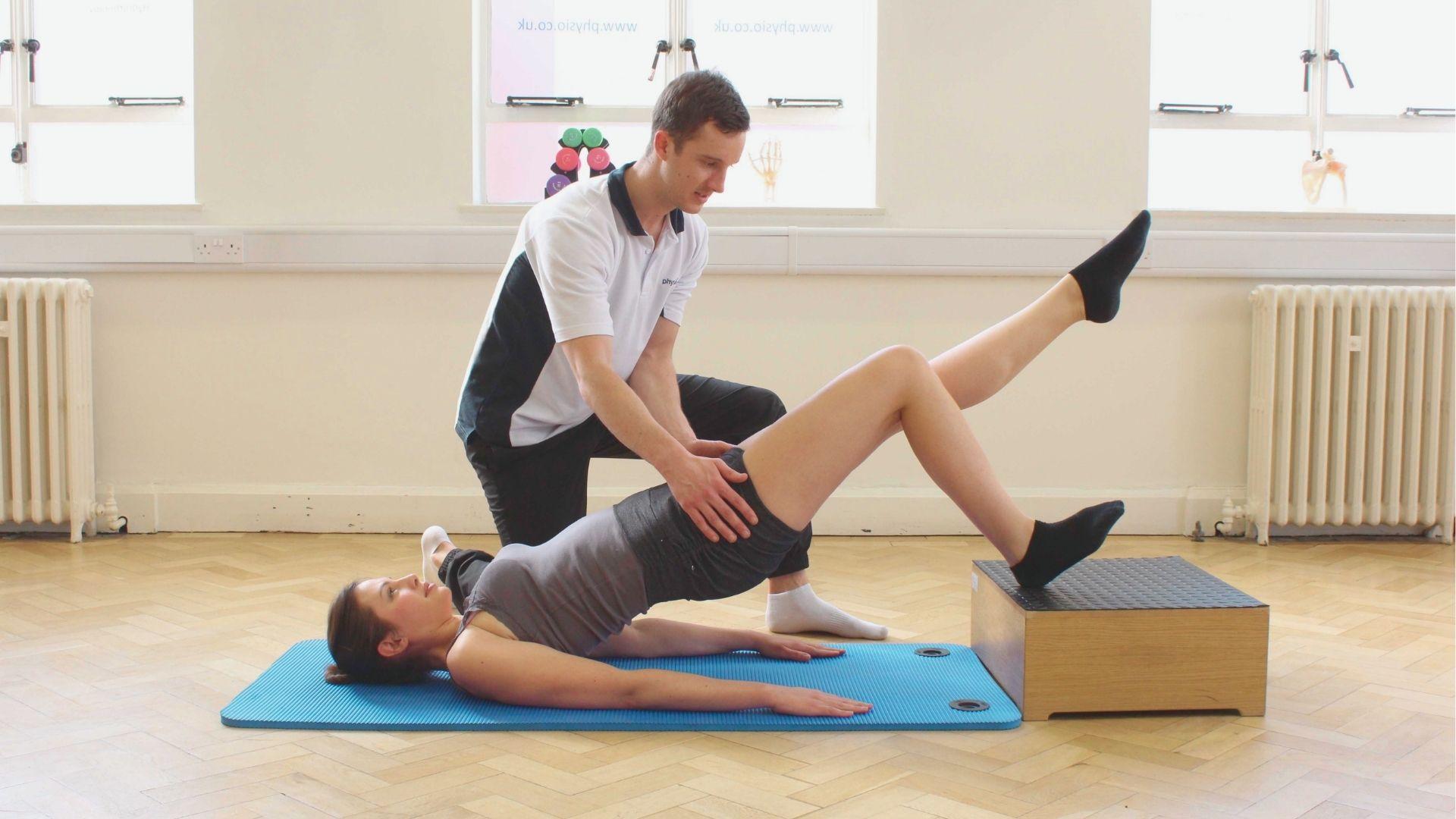
Working with a physical therapist is one of the smartest things you can do for L5-S1 disc problems. A qualified PT can assess your movement patterns, identify weaknesses, and design a program specific to your condition.
Core stabilization therapy focuses on building deep muscles around the spine. These muscles act as a natural brace for the lower back. Strengthening them reduces stress on the disc during everyday activities.
Improving Posture and Ergonomics
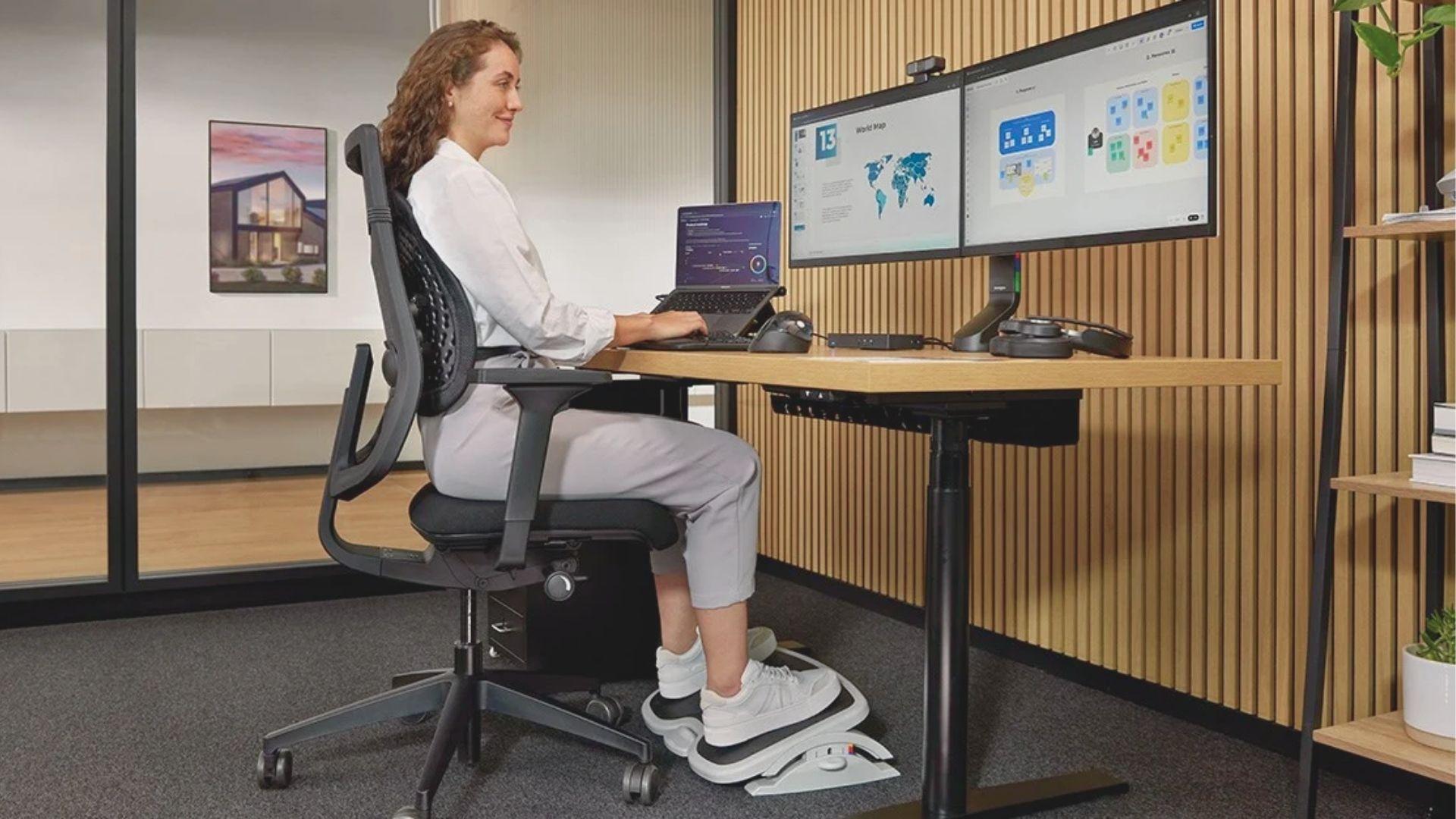
How you sit, stand, and move through the day has a big impact on L5-S1 recovery. Poor posture keeps the disc under constant low-level stress.
Adjust your workstation so your screen is at eye level and your lower back is supported. Avoid sitting for more than 30 to 45 minutes without taking a short break. A lumbar support cushion can also help.
Heat, Ice, and Recovery Strategies
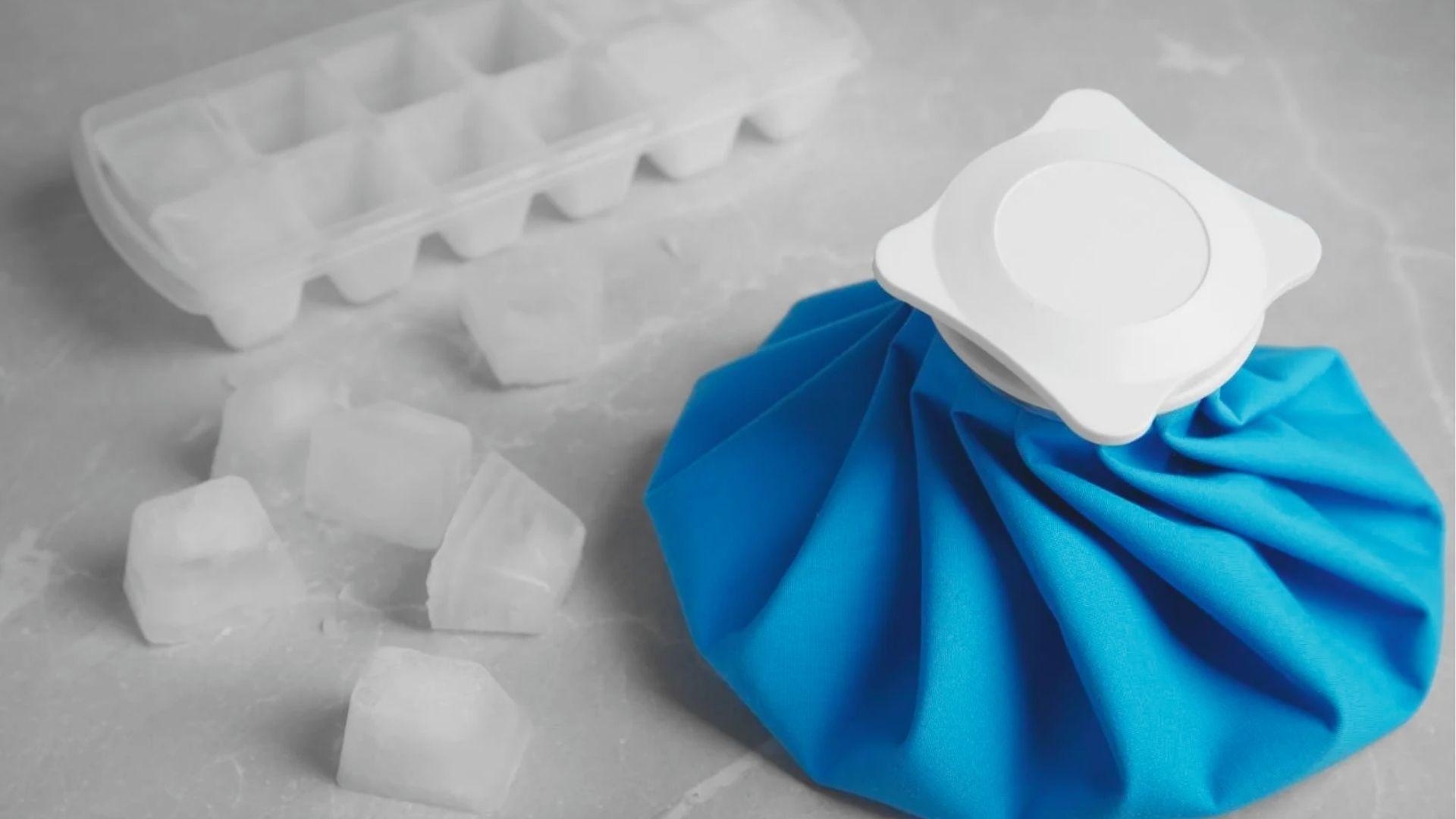
Both heat and ice can be helpful, depending on the stage of your injury.
Ice is most useful in the first 48 to 72 hours after a flare-up. It reduces swelling and numbs sharp pain. Apply for 15 to 20 minutes at a time.
Heat works better for chronic stiffness and muscle tightness. A heating pad on the lower back for 15 to 20 minutes can relax tight muscles and improve circulation.
Getting enough sleep is also critical. Your body does most of its healing during rest.
Maintaining a Healthy Weight

Extra body weight puts more pressure on the L5-S1 disc. Even a modest reduction in weight can meaningfully reduce load on the lower spine.
You don't need to go on a strict diet. Focus on eating whole foods, staying hydrated, and avoiding long periods of inactivity. These simple habits support both your weight and your spinal health.
When to Seek Medical Help for L5-S1 Pain
See a doctor if your pain keeps getting worse, wakes you at night, or comes with numbness, fever, or unexplained weight loss.
Get immediate help if you notice leg weakness, foot drop, or loss of bladder and bowel control. These are signs of serious nerve compression.
Most cases don't need surgery. Physical therapy, medication, or steroid injections usually work well. Surgery is only considered as a last resort.
Conclusion
Living with L5-S1 disc pain is genuinely tough. I've spoken with many people who feel frustrated because the exercises they love are the same ones making them worse.
But the good news is real. By avoiding the wrong movements and choosing safer ones, you can stay active and support your healing at the same time.
Start small. Be consistent. Listen to your body.
If this post helped you, share it with someone dealing with back pain, or drop a comment below telling me which tip was most useful. You've got this.
Frequently Asked Questions
Can I still exercise with an L5-S1 disc problem?
Yes, but you need to choose the right exercises. Low-impact movements like walking, glute bridges, and bird-dogs are generally safe and support recovery.
How long does it take for an L5-S1 disc to heal?
Recovery time varies. Mild disc issues can improve in a few weeks, while more severe herniations may take several months with consistent care and physical therapy.
Is it okay to stretch with an L5-S1 disc injury?
Gentle stretching can help, but deep forward bends and spinal twists should be avoided. Focus on hip flexor and glute stretches that don't load the lower back.
Should I use heat or ice for L5-S1 disc pain?
Use ice during the first 48 to 72 hours after a flare-up to reduce swelling. After that, heat works well for loosening tight muscles and relieving chronic stiffness.
When should I stop exercising and see a doctor?
Stop exercising and see a doctor if you notice leg weakness, numbness that won't go away, or any loss of bladder or bowel control. These are signs of serious nerve compression.


