
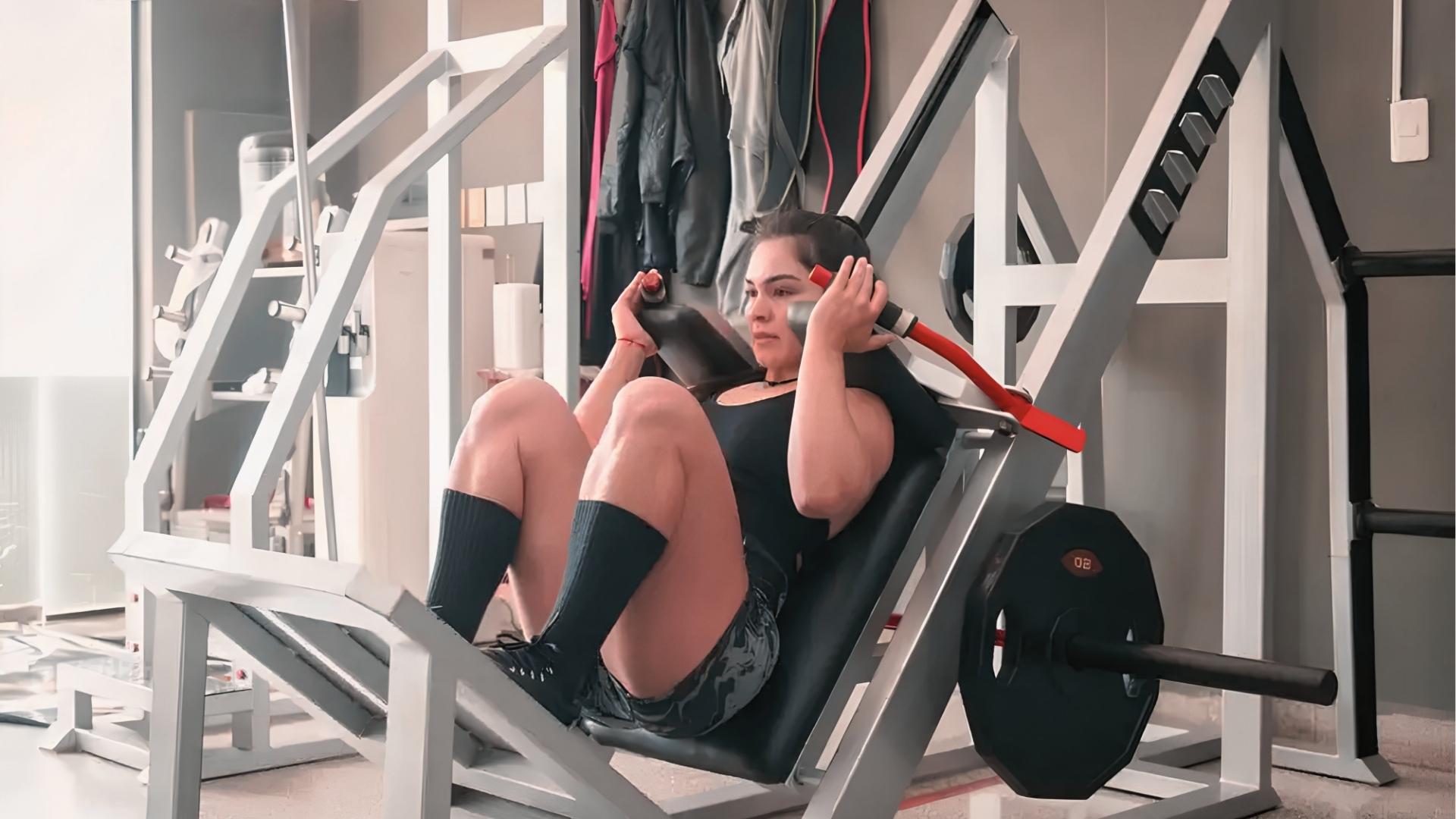
I've spent years training legs, and the hack squat changed how I think about quad development. If you've been wondering exactly which muscles the hack squat works, you're in the right place.
In this article, I'll break down the hack squat muscles worked, from the primary movers to the smaller stabilizers.
You'll learn what each muscle does, how foot placement changes activation, and how to get more from every single rep.
I'll also cover common mistakes that kill your results and simple fixes that actually work.
I've used this machine long enough to know what makes a difference. Trust the process. Let's get into it.
Understanding the Hack Squat Overview
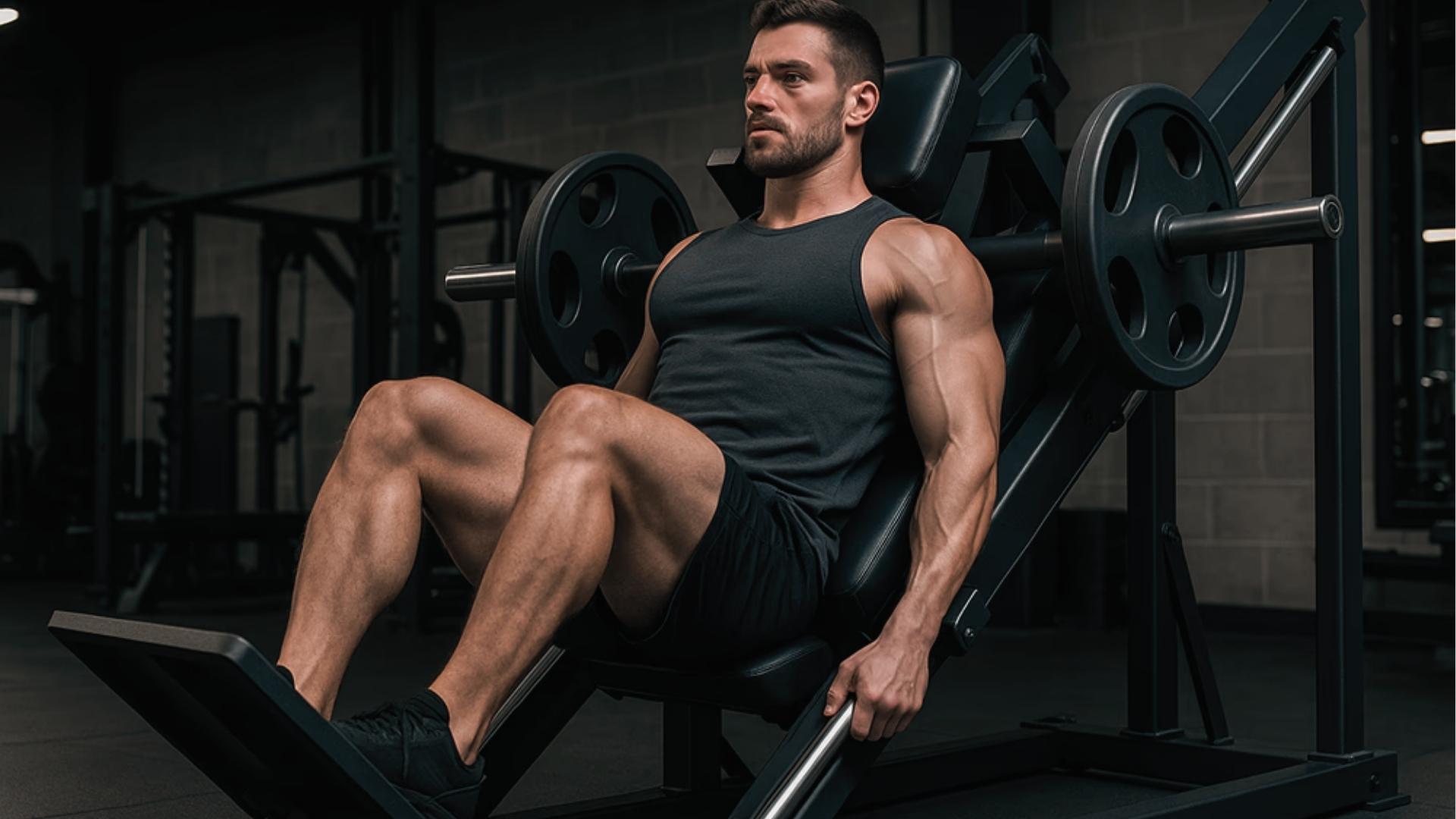
The hack squat machine holds your back at a fixed 45-degree angle while your feet rest on a platform in front of you. This guided path removes the need to balance the load, so your upper body stays out of the way.
All the work shifts to your quads, glutes, and hamstrings. Because the machine supports your torso, you don't need perfect squat form to train your legs hard.
The movement is simple. You bend your knees and hips on the way down, then push back up. This keeps joint stress low while your muscles handle the full load.
Primary Muscles Worked in the Hack Squat
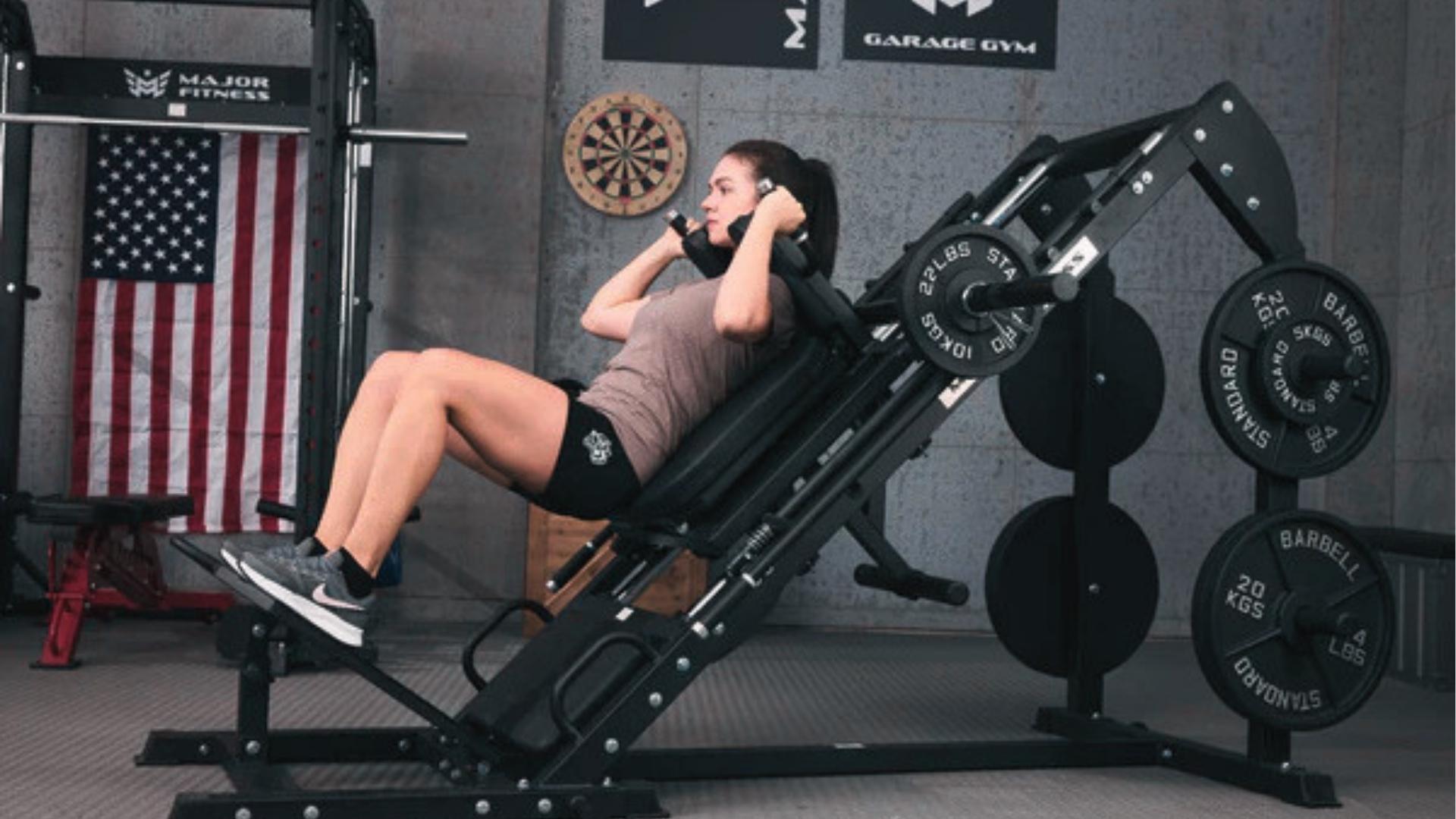
The main muscles driving every rep on the hack squat machine.
Quadriceps: The Main Mover
The quads are the biggest workers here. They cover the front of your thigh and are responsible for straightening your knee.
On the hack squat, they handle the most load.
The four quad muscles all get trained: vastus lateralis, vastus medialis, vastus intermedius, and rectus femoris.
If quad size is your goal, the hack squat is one of the best machines for it.
Glutes and Hip Extension
Your glutes kick in as you push back to the starting position. They help extend your hips during that final part of the rep. Deeper reps mean more glute work.
If you only do shallow reps, your glutes barely get involved. Go lower to make them work harder. Most people leave glute gains on the table just by not squatting deep enough.
How Depth Changes Things
Going deeper in the hack squat changes which muscles work hardest.
- Shallow depth: more quad focus near the top
- Mid depth: balanced quad and glute work
- Full depth:stronger glute and inner quad engagement
Depth is one of the most important variables to control.
Secondary Muscles Worked in the Hack Squat
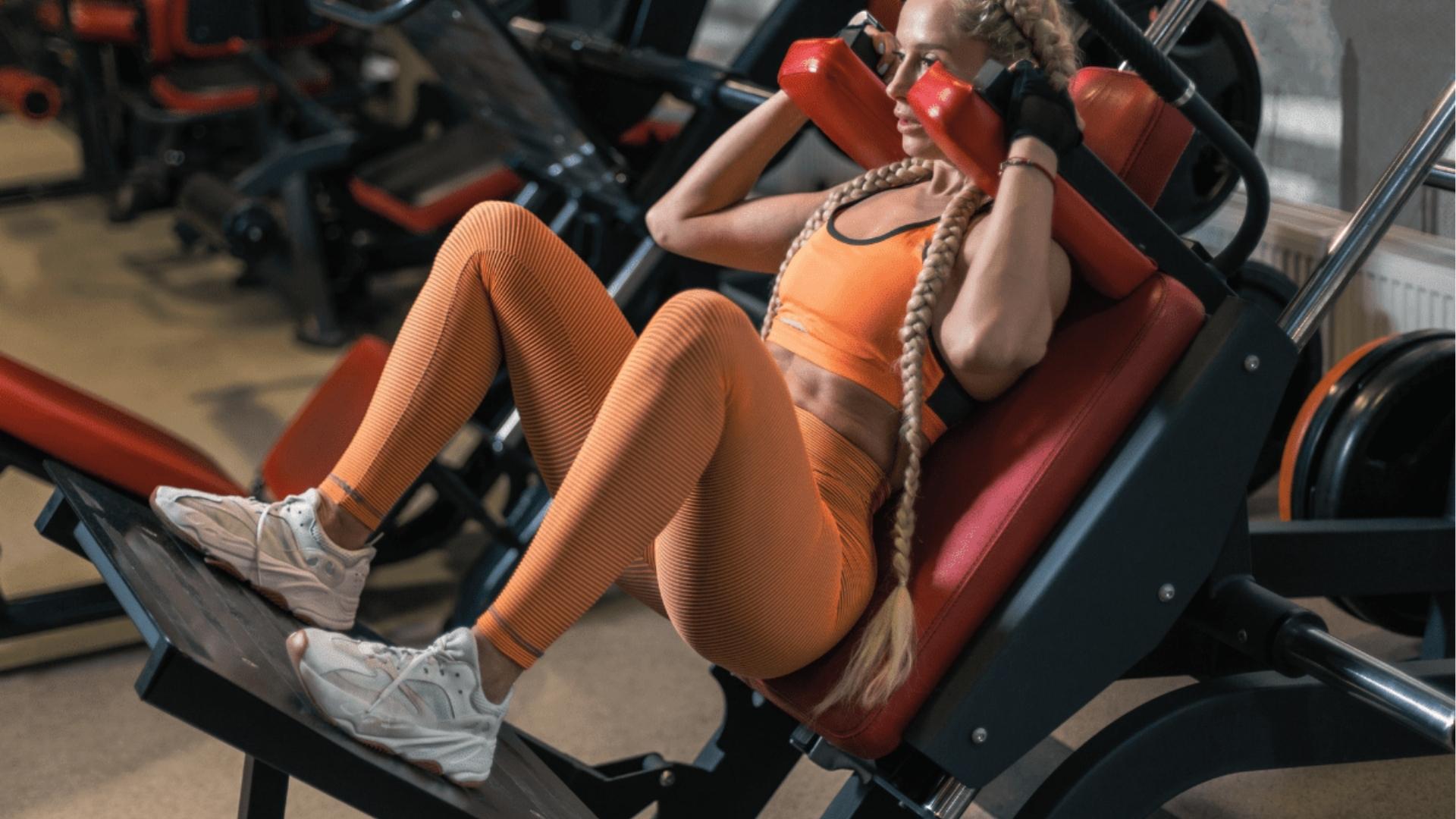
These muscles assist the primary movers and help keep every rep stable and controlled.
Hamstrings Helping with Stability
The hamstrings sit at the back of your thigh. On the hack squat, they don't drive the movement, but they help control the descent and stabilize the knee joint.
They work harder as you go deeper into the squat.
Calves Contributing to the Push
Your calves stay active throughout the movement. They help stabilize your ankle and contribute to the pushing force against the platform.
If your heels rise during the rep, it usually means your calves are tight or your foot placement needs adjustment.
Inner Thighs Supporting Alignment
The adductors, or inner thigh muscles, help keep your knees tracking correctly. They work to pull your legs in and support alignment during the full range of motion.
A wider stance activates them more.
Stabilizer Muscles Engaged During Hack Squat
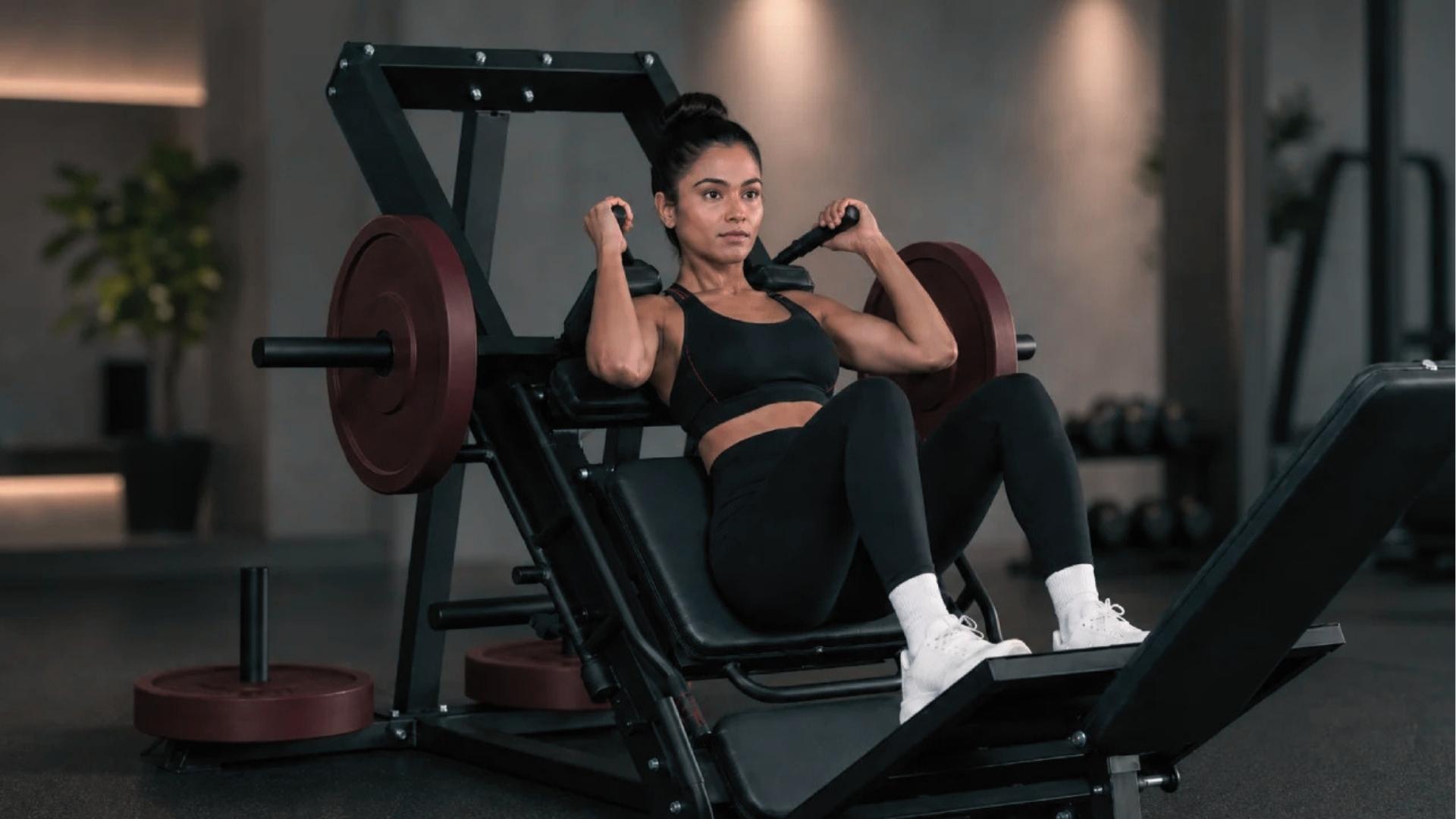
Supporting muscles that keep your body controlled and safe during each rep.
Core Keeps You Controlled
Even though the machine supports your back, your core still has to brace. It keeps your spine neutral and helps you stay stable during the push.
Think of it as keeping your midsection tight throughout the rep.
Lower Back Still Plays a Role
The lower back doesn't carry load the way it does in a barbell squat. But it still supports your posture during the movement.
Avoid rounding your lower back at the bottom. Keep a small natural curve.
Hip Flexors in the Descent
Your hip flexors help control the lowering phase. They manage how your hips move as you bend down into the squat.
If your hip flexors are tight, you may feel discomfort at the bottom of the rep.
How to Maximize Hack Squat Muscle Activation
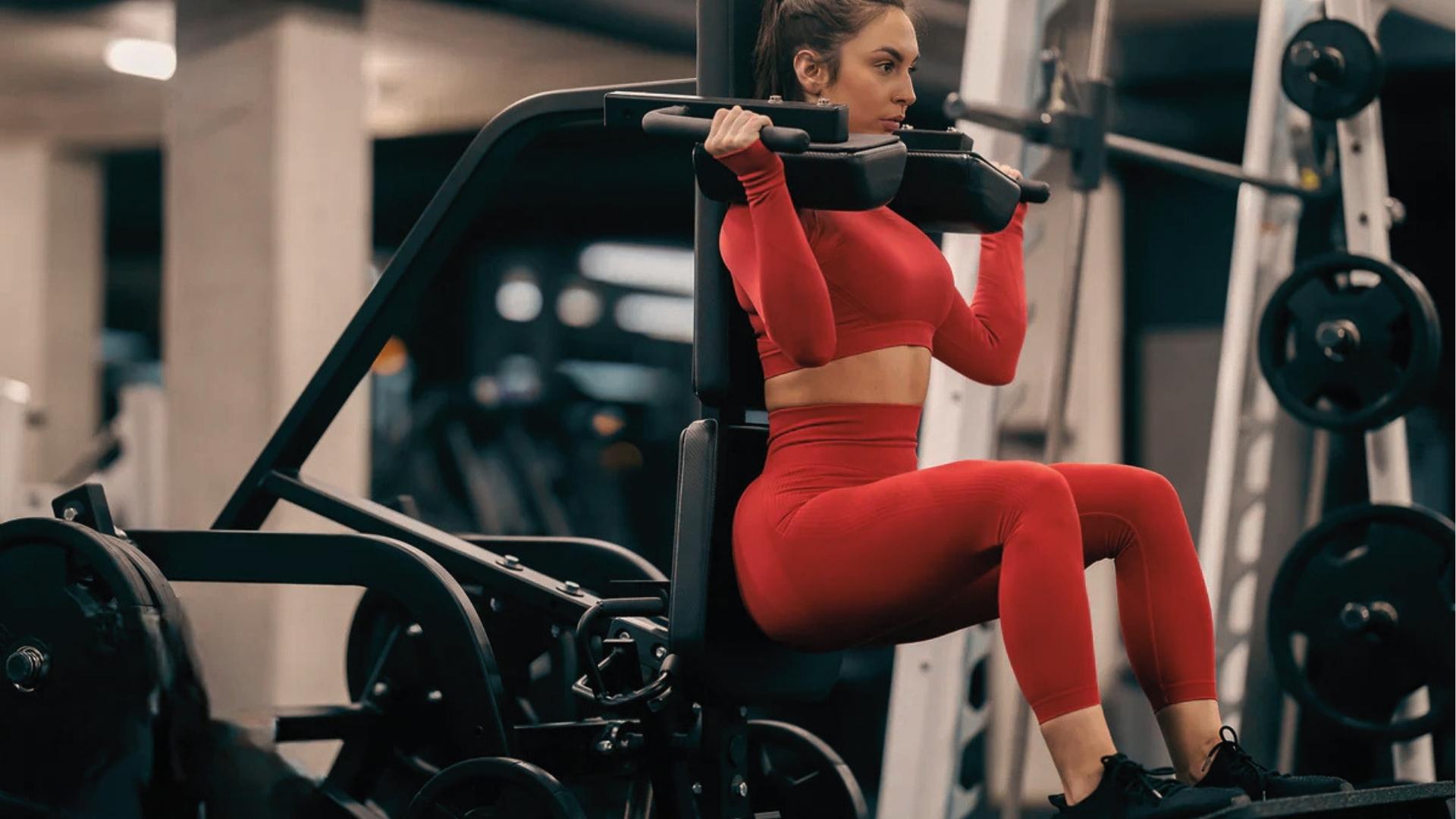
Simple adjustments that make a real difference in how your muscles respond.
Foot Placement for Different Muscles
Where you place your feet changes which muscles work hardest.
- Feet low on the platform: more quad stretch and activation
- Feet high on the platform: more glute and hamstring involvement
- Feet narrow: outer quad focus
- Feet wide: more inner thigh and glute work
Try small shifts and feel the difference.
Full Range of Motion Matters
Partial reps limit muscle growth. Going through the full range, from a deep bend to a full extension, gives your muscles more work to do.
Don't cut reps short to use heavier weight.
Controlled Tempo Builds More Muscle
Slow the rep down. A 3-second lowering phase and a 1-second pause at the bottom increases time under tension.
That tension is what drives muscle growth.
Common Mistakes That Reduce Muscle Engagement
Avoid these errors to get full value from every set.
Partial Reps
Stopping halfway up or barely bending your knees means your muscles don't go through their full range. You're leaving results behind.
Full reps are always better than heavier partial reps.
Wrong Foot Position
If your feet are too close together or too far back, your knees may cave or your heels may lift. This shifts stress to the wrong areas.
Set your feet shoulder-width apart as a starting point, then adjust.
Using Momentum
Bouncing out of the bottom or rushing through reps uses momentum, not muscle. Slow controlled reps are far more effective.
Let the muscle do the work, not the machine's spring or gravity.
Tips to Maximize Hack Squat Muscle Activation
Practical tips to get more from each session.
- Place your feet low and narrow for more quad work, high and wide for more glute focus.
- Go as deep as your mobility allows to keep more muscle fibers working through the full rep.
- Slow your reps down. A controlled tempo builds more muscle than rushing through sets.
- Start with a shoulder-width stance, go wider for more glute and inner thigh work, narrower for outer quads.
- Drive through your heels on the way up to keep your quads and glutes engaged and reduce knee strain.
Conclusion
Now you know exactly which muscles the hack squat works and how to train them better. I remember when I started adjusting my foot placement and slowed my reps down. The difference was noticeable within weeks.
The hack squat muscles worked include your quads, glutes, hamstrings, calves, and core. Each one plays a role.
Try these tips in your next leg session. If this helped, leave a comment or share it with someone who trains legs. I'd love to hear how it goes.
Frequently Asked Questions
Is the hack squat better than a regular squat for quads?
The hack squat puts more direct focus on the quads due to the fixed back position. It's a great choice if quad size is the main goal.
Can beginners use the hack squat machine?
Yes. The machine's guided path makes it easier to learn than a barbell squat. Start light and focus on form before adding weight.
How deep should I go on the hack squat?
Go as deep as your mobility allows without your lower back rounding. A 90-degree knee bend is a good starting point for most people.
Does the hack squat work glutes effectively?
It does, especially with a higher foot placement and deeper range of motion. Shallow reps reduce glute involvement significantly.
How often should I include hack squats in my leg workout?
Once or twice a week works well for most people. It pairs well with lunges, leg press, or Romanian deadlifts for a complete leg session.