
Do you ever feel the bar slipping just when you’re about to hit your heaviest lift? It all comes down to your deadlift grip.
The way you hold the bar can make or break your lift, affecting control, stability, and overall strength.
Over my years coaching athletes and training myself, I’ve seen how mastering grip types upgrades performance and prevents injuries.
In this blog, I’ll walk you through the best deadlift grip variations, how to choose the right one for your goals, and much more to keep your hands and arms safe, so every lift feels stronger and more confident.
Let’s get started.
What Is a Deadlift Grip?
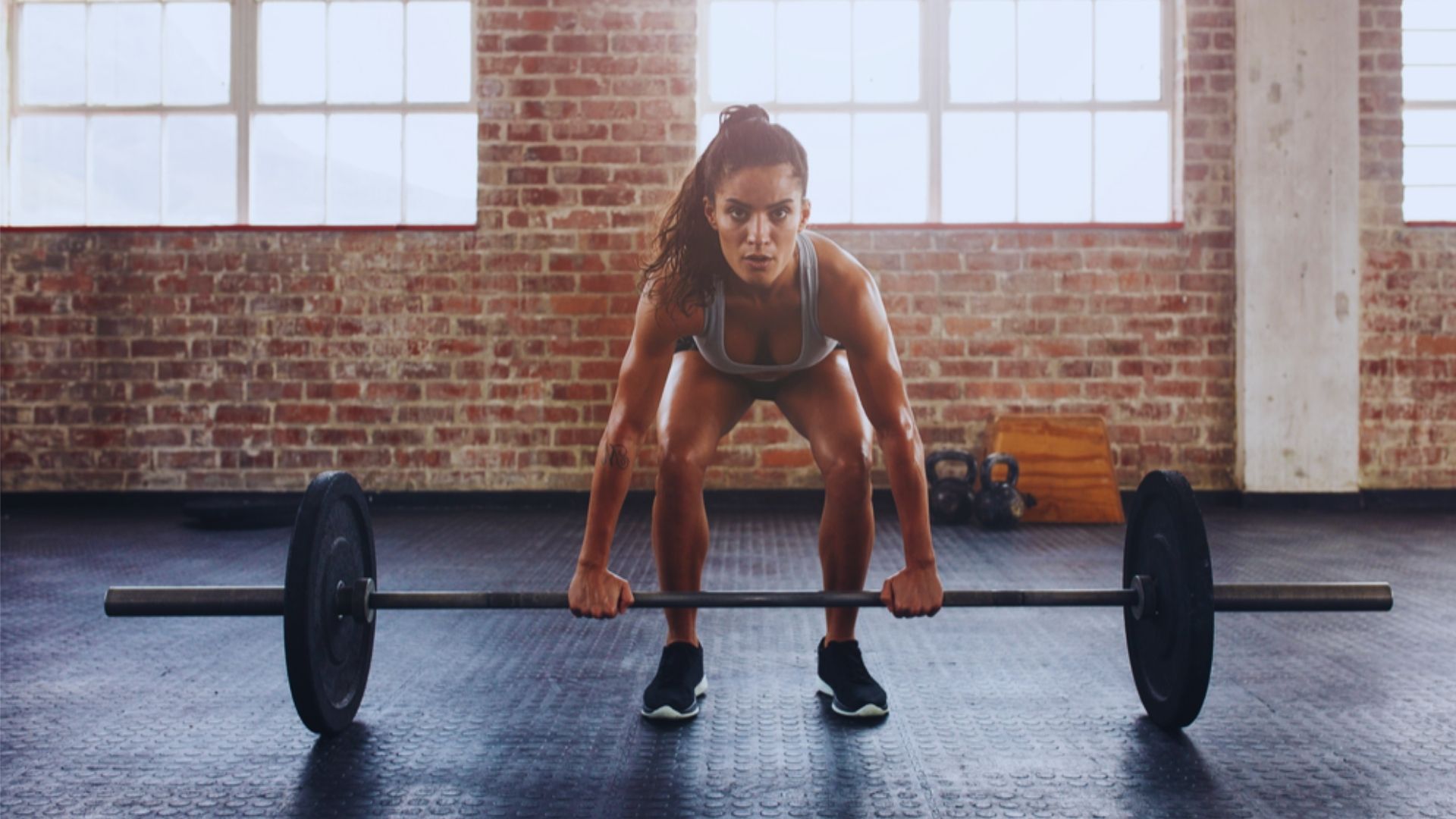
A deadlift grip is how you hold the bar during a deadlift. It plays a key role in your setup, affecting control, stability, and the transfer of force from your hands to your body.
A strong grip keeps the bar secure, helping you maintain proper form and complete the lift safely.
If your grip fails before your muscles do, it limits how much you can lift. Developing grip strength improves overall pulling power and makes heavy lifts more manageable.
Beginners and advanced lifters alike benefit from learning the right grip techniques.
Best Deadlift Grip Types
Choosing the right deadlift grip helps you lift safely and maintain control. Each grip has specific benefits, drawbacks, and uses for building strength.
1. Double Overhand Grip (Pronated Grip)
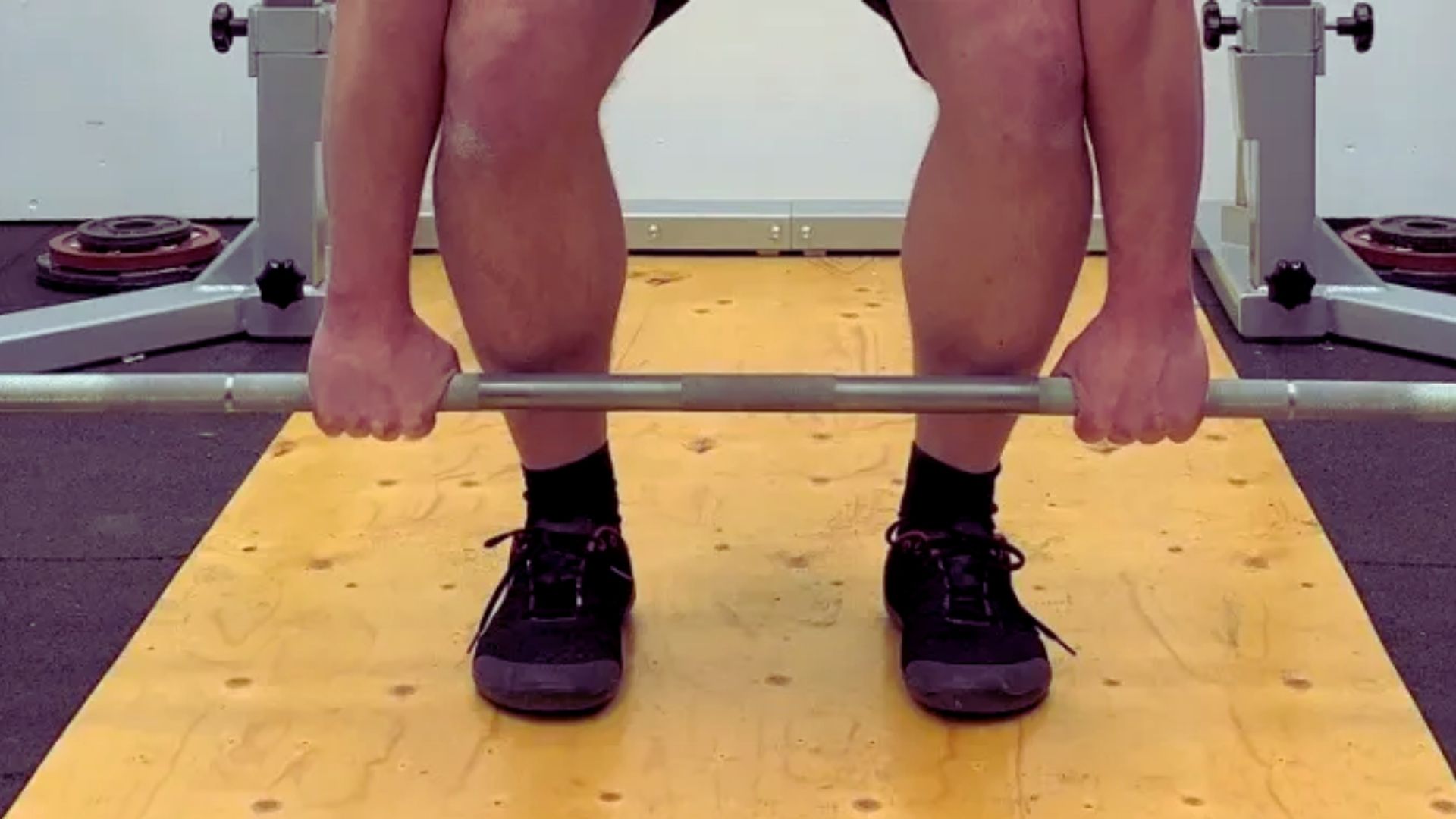
The double overhand grip is performed by holding the bar with both palms facing your body.
It is perfect for beginners and warm-ups because it builds natural grip strength and teaches proper hand placement.
Its downside is being weak for heavy lifts, as the bar can easily roll out of your hands.
2. Mixed Grip (Alternated Grip)
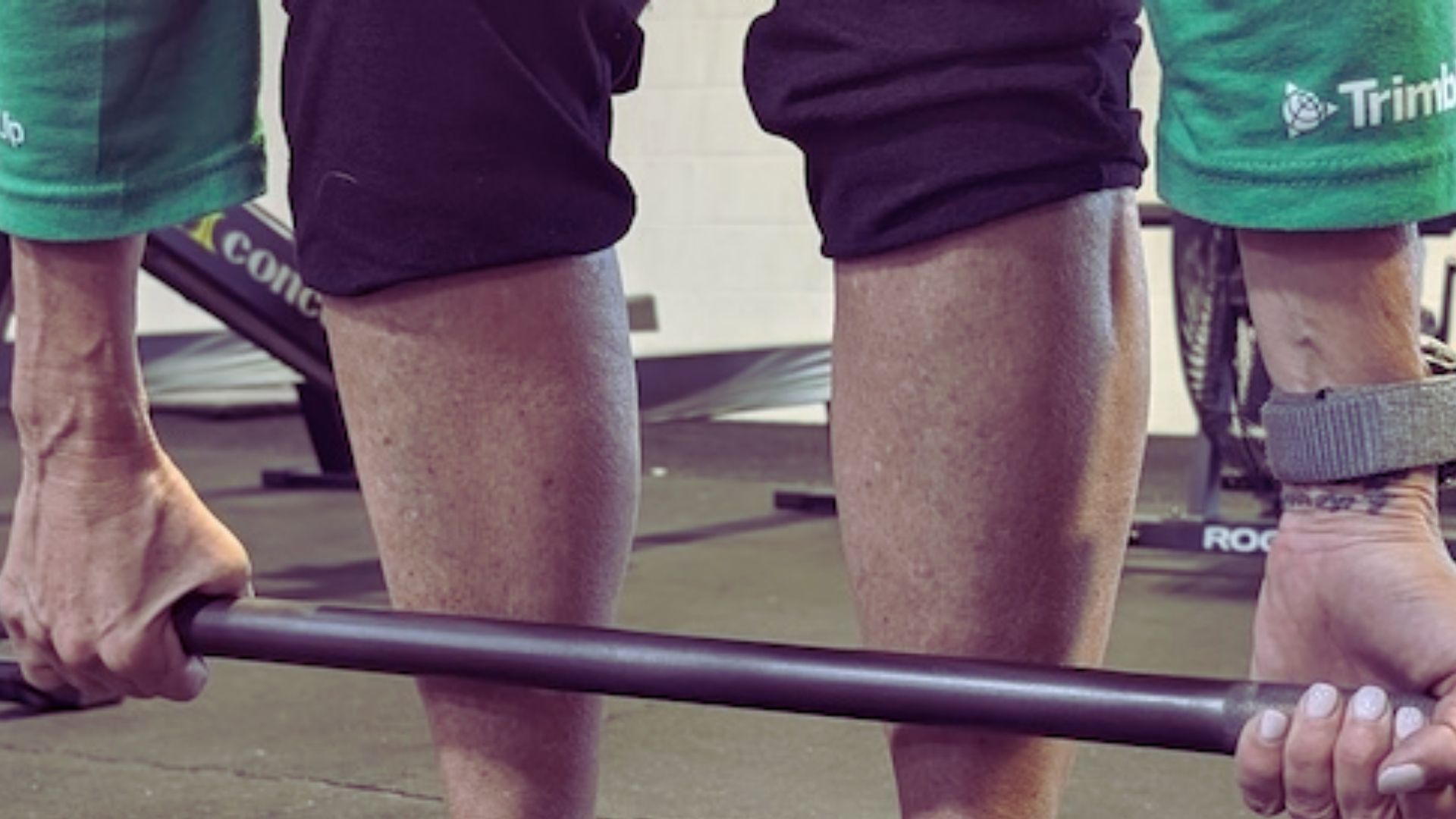
The mixed grip involves one palm facing forward and the other backward. It is very secure, making it ideal for heavy lifts and powerlifting sessions.
The grip allows better control and stability, but the supinated hand can be prone to biceps strain, and long-term use may cause minor muscular imbalances.
3. Hook Grip
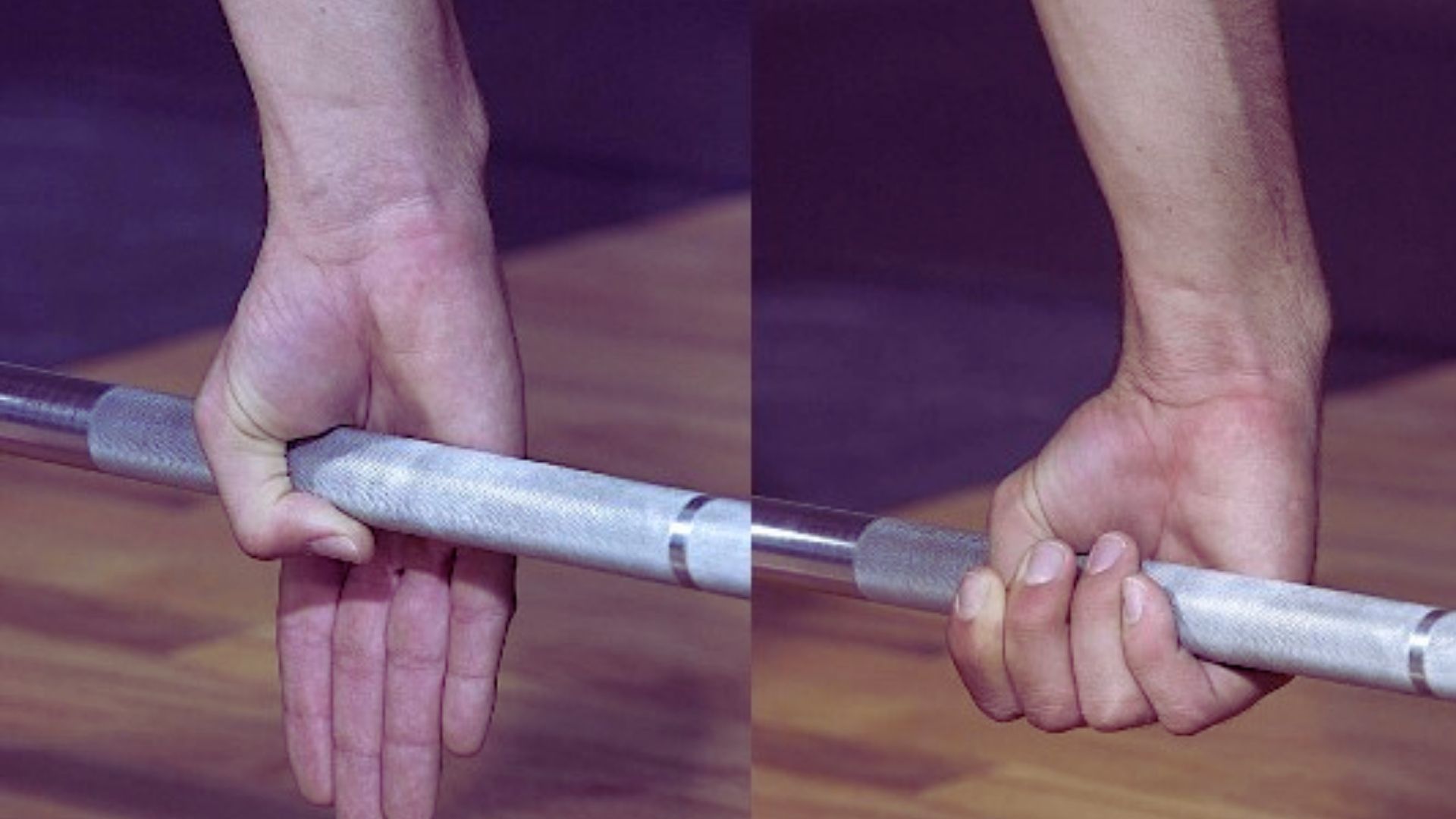
The hook grip wraps your thumb under your fingers while holding the bar. This grip is extremely secure and widely used by Olympic lifters for heavy lifts.
Initially, it can be painful, but with practice, it builds strong thumb strength and provides the most reliable raw grip without needing straps.
4. Double Underhand Grip (Supinated Grip)
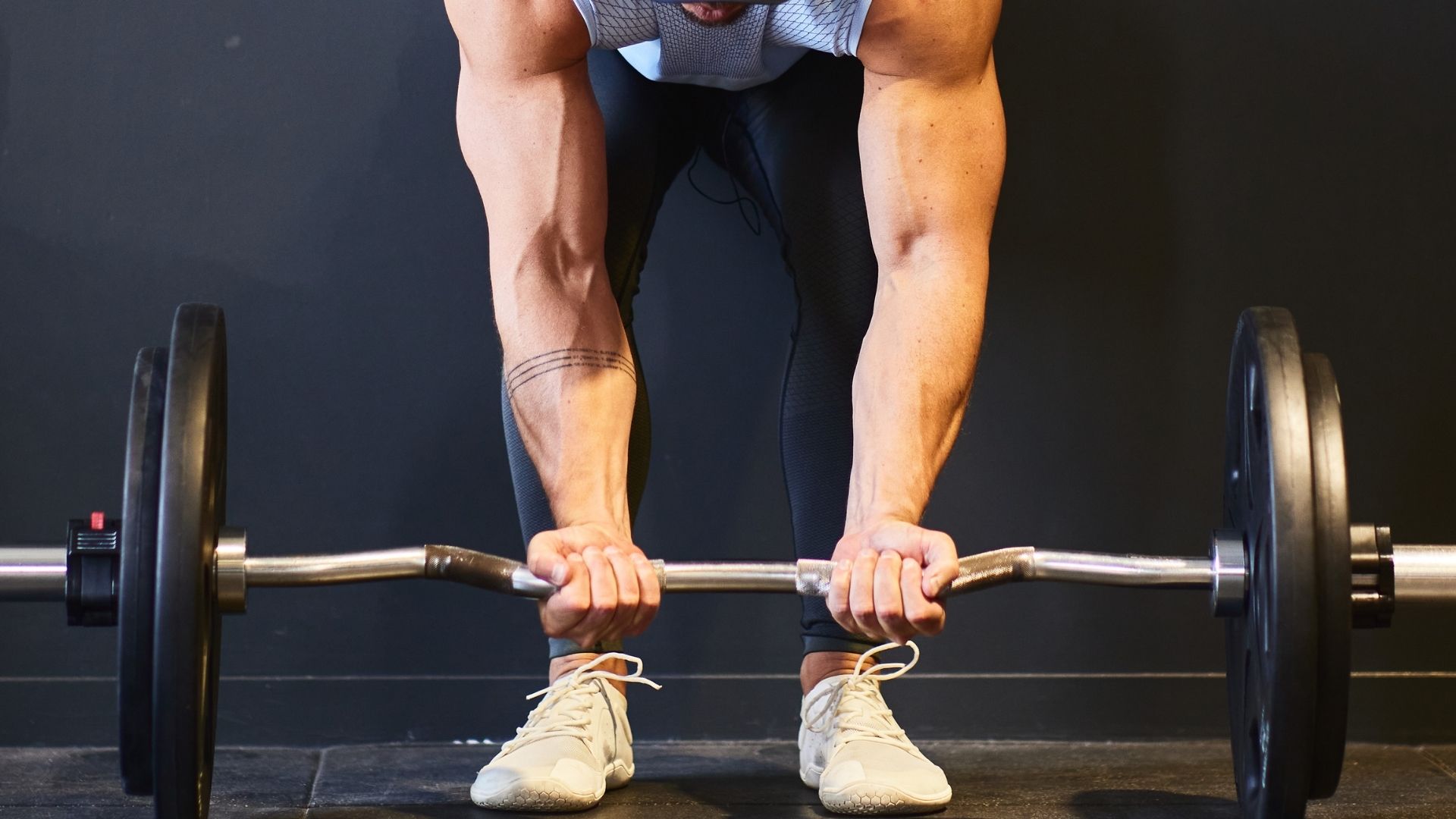
The double underhand grip has both palms facing forward. It is rarely used because it increases the risk of biceps tendon injury during heavy lifts.
While it may feel comfortable for light weights, it does not provide enough security for maximal pulls, making it unsuitable for most advanced deadlift training.
5. Snatch Grip Deadlift
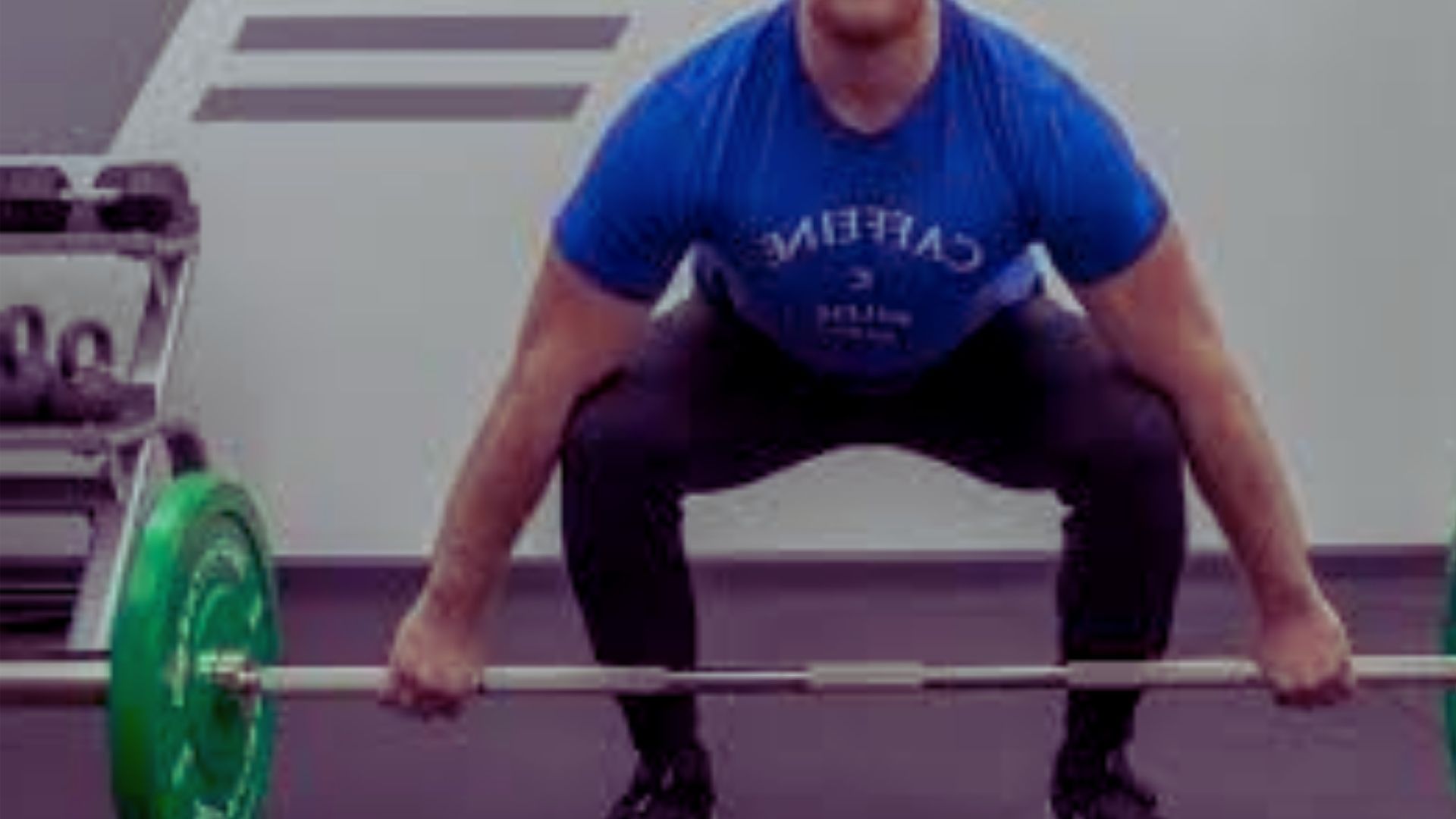
The snatch grip deadlift uses a very wide grip, wider than shoulder width. It increases upper back engagement and helps improve pulling strength off the floor.
While it develops back muscles and grip control, the wide hand placement can feel awkward and requires more shoulder and wrist flexibility than standard grips.
6. Clean Grip (Olympic Pull Width)

The clean grip is slightly wider than shoulder width and is used mainly for clean pulls in Olympic lifting.
It helps develop explosive power and improves pulling mechanics.
Its limitation is that lifters with limited shoulder mobility may find it uncomfortable, and maintaining proper form is essential to avoid strain.
7. Lifting Straps Grip
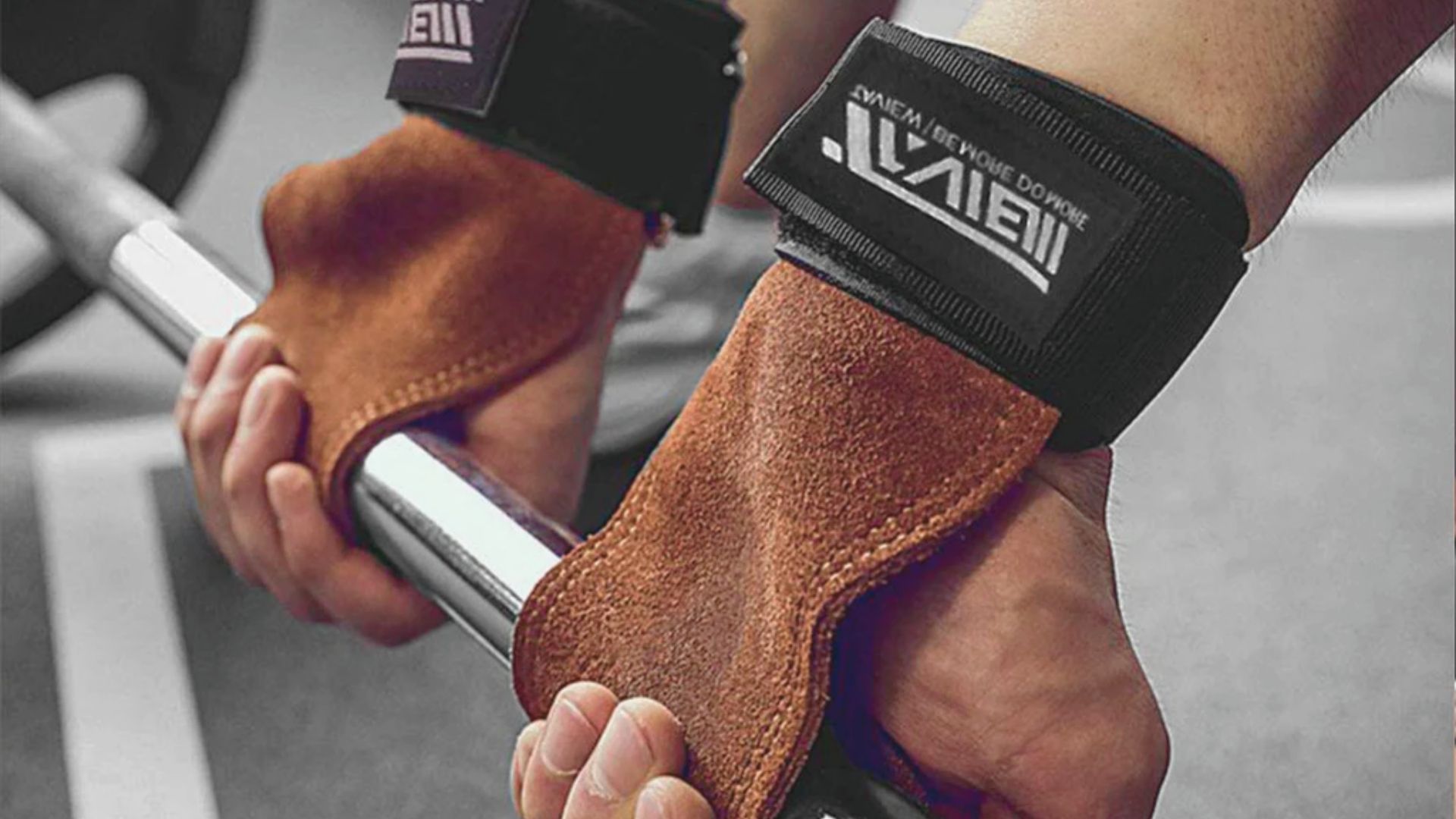
The lifting straps wrap the bar with straps, removing grip as a limiting factor.
It is popular in bodybuilding and high-volume training because it allows heavier pulls without fatiguing the forearms.
However, it is not allowed in powerlifting and can reduce grip strength development if overused.
8. Figure 8 Strap Grip
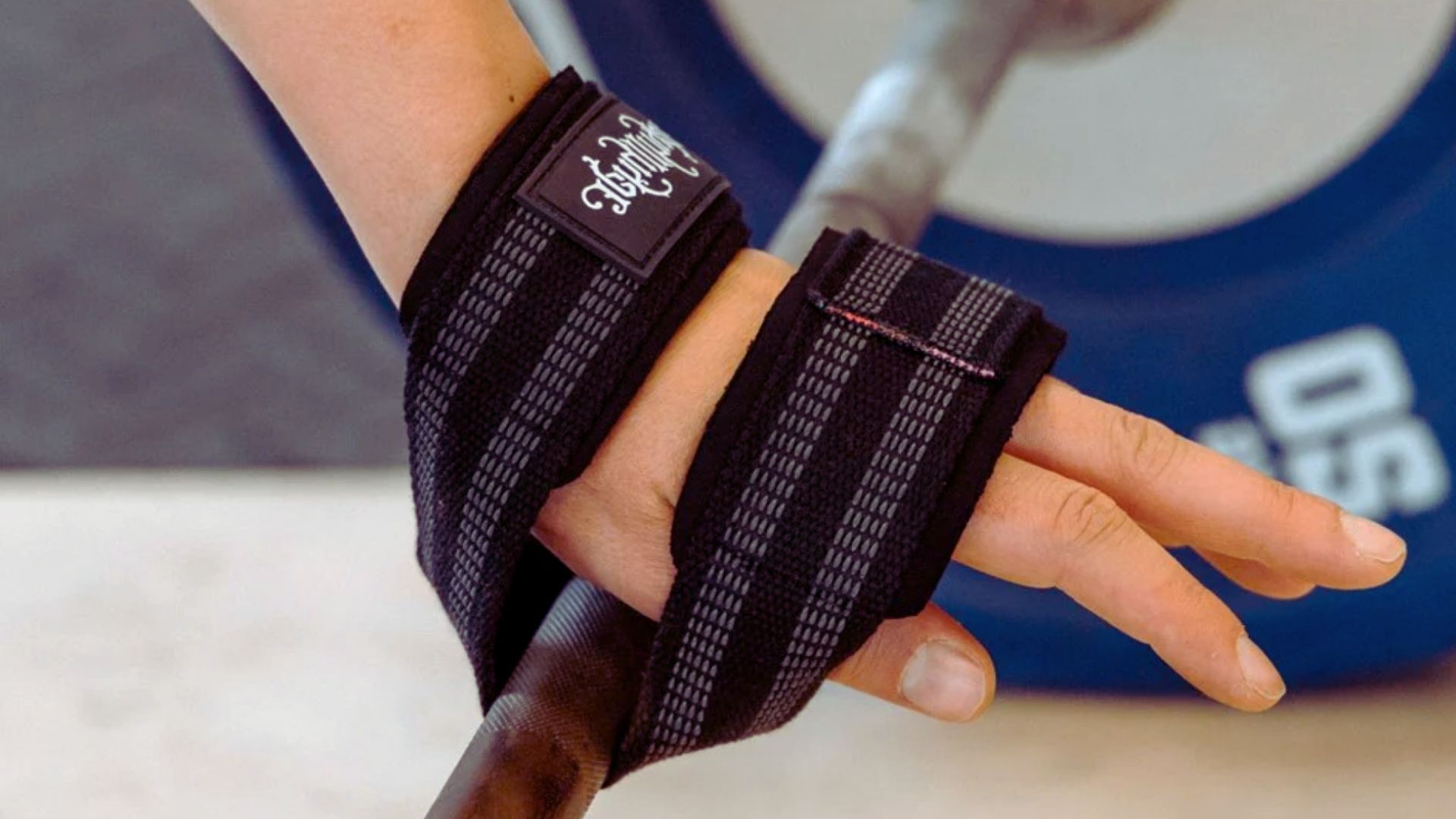
The figure 8 strap grip is an extremely secure system, commonly used in Strongman lifts. It is quick to set up and almost impossible to lose during a heavy pull.
While it allows maximal lifts safely, relying on it too often may prevent natural grip strength from improving over time.
9. Axle Bar Grip

The axle bar grip uses a thick bar that cannot rotate, making it harder to hold. This grip significantly challenges the forearms and builds crushing grip strength.
While excellent for grip development, it is more difficult than a standard bar and may be uncomfortable for beginners or those with smaller hands.
10. False Grip
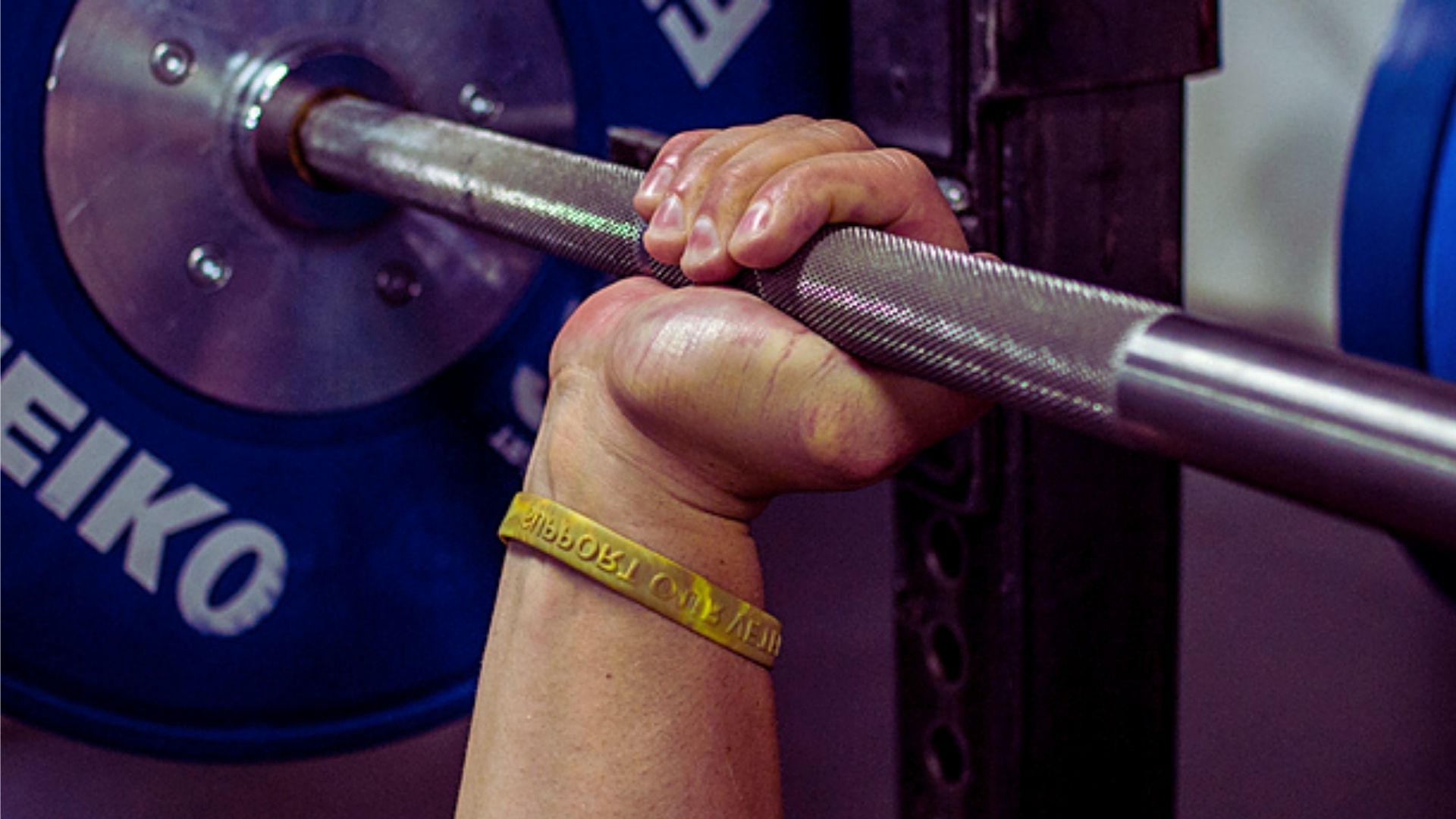
The false grip, also called the suicide grip, has the thumb not wrapped around the bar. It is rarely recommended because it is less secure and increases the risk of the bar slipping.
While it can be used for specialty training, it is not ideal for heavy lifts or general deadlift programming.
11. Towel Grip Deadlift
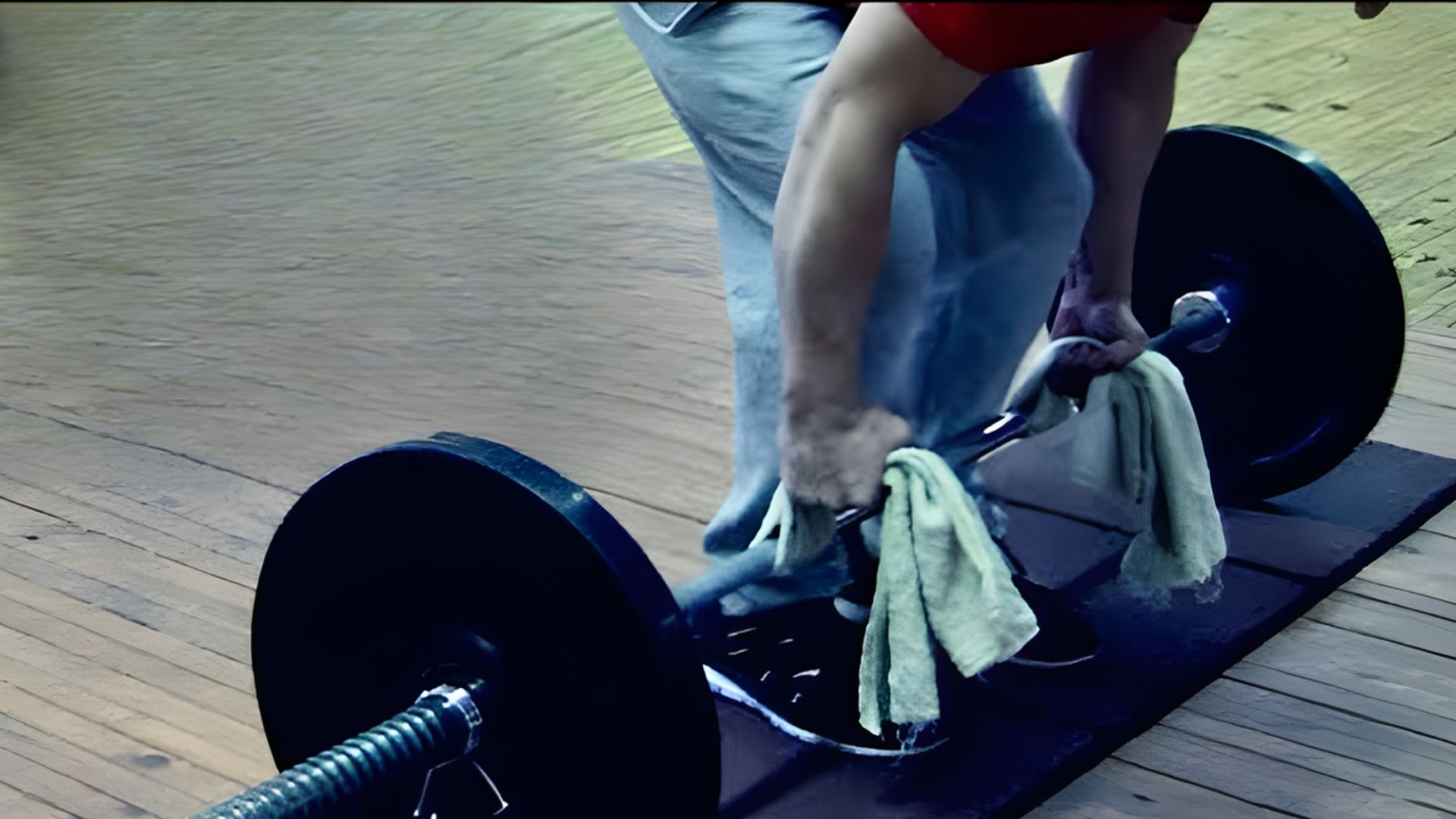
The towel grip deadlift involves wrapping a towel around the bar, increasing grip difficulty. This variation is used mainly for grip strength development and forearm training.
It challenges your hold on the bar, but it is not practical for heavy lifts and requires more focus on technique to avoid dropping the bar.
Use the grip that fits your strength and goal. Practicing different grips builds a stronger, safer deadlift.
How to Choose the Right Deadlift Grip for Your Goal
Choosing the right deadlift grip depends on your goals and experience. The right grip can make lifting safer and more effective.
For Beginners: Start with a double overhand grip to build grip strength naturally and learn proper hand placement.
For Strength & Powerlifting: Use a mixed or hook grip for heavy lifts. Consider which grip reduces biceps strain and follow competition rules.
For Hypertrophy & Muscle Growth: Straps can be used strategically to lift heavier weights while focusing on muscle development without grip fatigue.
For Injury Prevention: Avoid biceps tears by keeping proper hand alignment and bar placement, and choose grips that maintain safe wrist and elbow positions.
Injury Risks & How to Prevent Them
Knowing common deadlift injuries and how to prevent them keeps your lifts safe.
| Injury Risk | How to Prevent It |
|---|---|
|
Mixed Grip Biceps Tear Risk |
Keep the supinated arm straight and avoid elbow bending; switch hand positions. |
|
Thumb Strain in Hook Grip |
Gradually adapt thumbs; use chalk or tape for friction. |
|
Wrist Position Mistakes |
Maintain neutral wrist alignment; avoid over-flexing or bending during lifts. |
|
General Arm Safety |
Warm up properly, focus on grip technique, and lift within your limits. |
Proper technique and gradual progression help protect your arms and wrists.
When Should You Use Straps?
Straps can help lift heavier when your grip is the limiting factor.
If Grip Limits Posterior Chain Training: Use straps to lift heavier without your grip failing, allowing your back and hamstrings to work fully.
During High-Volume RDLs: Straps help maintain performance when doing multiple sets or reps without fatiguing your forearms.
For Bodybuilders: They allow focus on muscle growth rather than grip endurance.
Not Ideal for Beginners: Beginners should first build natural grip strength before relying on straps.
Use them strategically to focus on muscles, but build grip strength first.
Common Deadlift Grip Mistakes
Avoiding common grip mistakes helps keep your lifts safe and effective.
- Gripping too wide can reduce control and increase injury risk.
- Rolling the bar into your fingers instead of your palms weakens your hold.
- Flexing the supinated arm in a mixed grip can cause biceps strain.
- Avoiding the hook grip too early limits your ability to lift heavier safely.
Focus on proper technique to prevent injuries and improve performance.
Conclusion
Deadlift grip is more than just how you hold the bar. Over the years, I’ve seen how the right grip can make even heavy lifts feel smoother and safer.
Whether you’re starting with a double overhand or trying a hook or mixed grip, understanding each type helps you lift smarter and avoid unnecessary strain.
Finding what works for your body and style will make every session more effective and confident.
Next time you hit the bar, pay attention to your grip and see the difference. Also, let me know your upgraded grip in the comments!
Frequency Asked Questions
Why Reverse Hands-On Deadlift?
A mixed grip prevents the bar from rolling and allows a stronger hold during heavy lifts.
Is Hook Grip Stronger Than Mixed?
Hook grip is generally stronger and more secure for raw lifts compared to mixed grip.
How Do I Stop The Bar From Slipping?
Use chalk, keep the bar close to your palms, and wrap fingers securely around the bar.
Can Mixed Grip Cause Muscle Imbalances?
Yes, the supinated arm in a mixed grip can experience more stress, causing minor imbalances over time.
How Often Should I Train Grip?
Train grip 2-3 times per week using holds, farmer carries, or plate pinches for best results.