

If you have been stuck on the same routine and not seeing results, a 6 day push pull legs routine might be exactly what you need.
I have been through that frustration myself, and switching to this split was a turning point for me. In this article, I will walk you through the full schedule, workouts, sets, reps, and recovery tips.
You will know exactly what to do each day and why it works. With years of training experience behind this guide, you can trust the information here is practical and proven.
How the 6 Day Push Pull Legs Schedule Works

This routine splits your week into six training days with one rest day. Each muscle group gets worked twice a week, which is the right amount of stress for steady muscle growth.
The week looks like this:
Day 1: Push A
Day 2: Pull A
Day 3: Legs A
Day 4: Push B
Day 5: Pull B
Day 6: Legs B
Day 7: Rest
If a strict Monday to Sunday schedule does not work for you, there are a few ways to adjust. You can run a 3-on / 1-off rotation, where you train three days, rest one, and repeat.
You can also follow a 6-on / 1-off format if your week is consistent. And if you miss a day, do not skip it. Just shift everything forward by one day and keep the push, pull, legs order in place.
Push Day Workouts (Chest, Shoulders, Triceps)
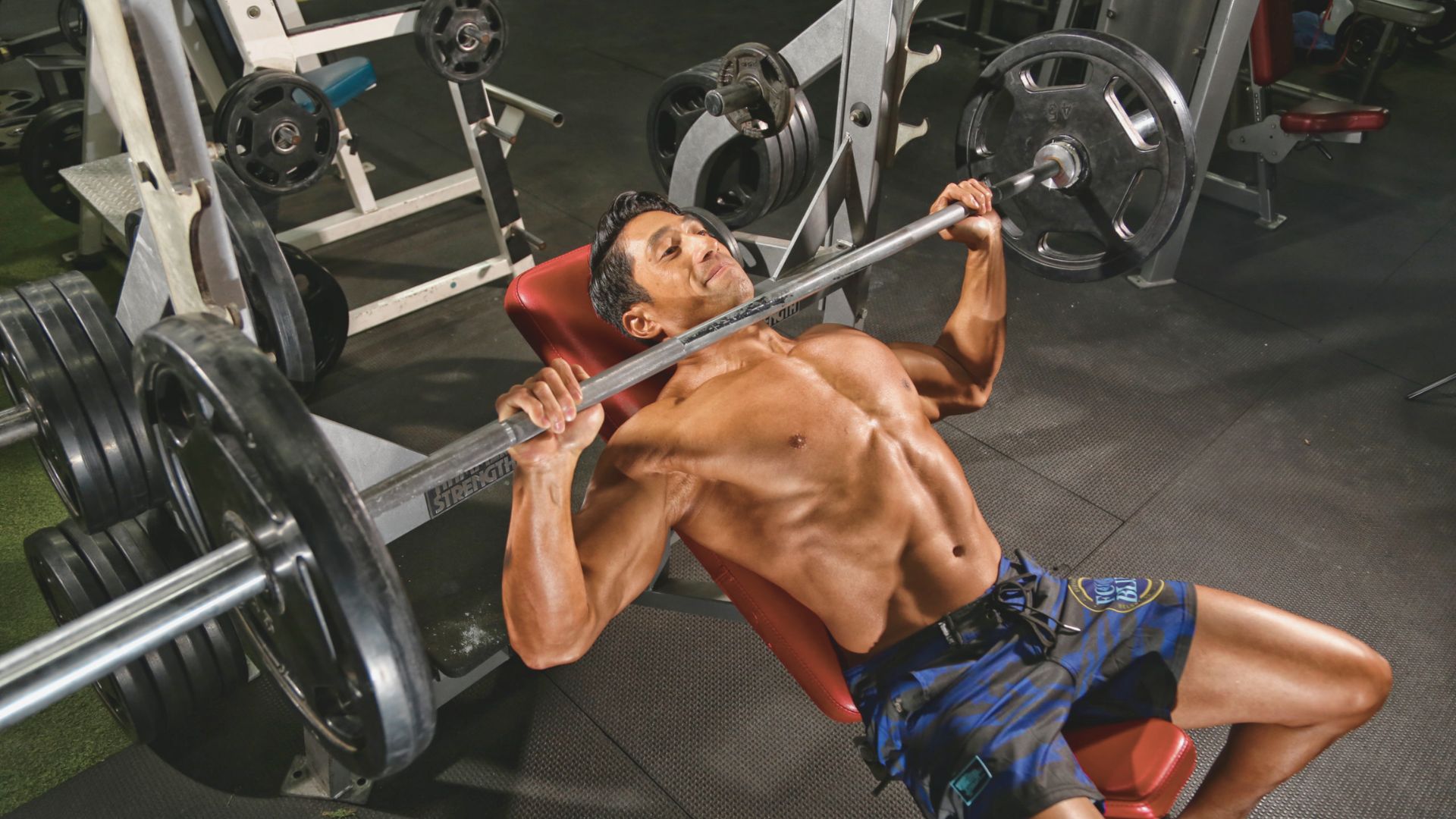
Push days target the chest, shoulders, and triceps with focused exercises that build both size and pressing strength.
Push Workout A (Strength Focus)
This session is built around heavy compound movements. The goal is to lift with intent and add weight over time.
Barbell Bench Press: 4 sets of 5–7 reps
Seated Dumbbell Shoulder Press: 3 sets of 6–8 reps
Incline Press Variation: 3 sets of 8–10 reps
Lateral Raises: 3 sets of 12–15 reps
Triceps Isolation Movement (Overhead Extension or Pushdown): 3 sets of 10–12 reps
Push Workout B (Volume and Variation)
This session uses more volume and slightly different exercises to hit the muscles from new angles.
Overhead Press: 4 sets of 6–8 reps
Close Grip Bench Press: 3 sets of 8–10 reps
Machine or Dumbbell Fly: 3 sets of 12–15 reps
Cable Lateral Raises: 3 sets of 15 reps
Triceps Extensions: 3 sets of 10–12 reps
Push Day Programming Tips
Rep ranges matter. Stay in the 5–12 rep range for most push exercises to build both strength and muscle.
Rest periods should be:
90–120 seconds for bench and overhead press
60–90 seconds for incline variations
45–60 seconds for lateral raises and triceps work
For progressive overload, add 2.5 to 5 pounds to your main lifts every week or two. If you cannot add weight, add one extra rep first.
Pull Day Workouts (Back, Traps, Biceps)

Pull days develop a thicker, wider back and stronger biceps through a mix of heavy and targeted pulling movements.
Pull Workout A (Heavy Pull Focus)
This session leads with the most demanding movements when you are freshest.
Deadlifts: 4 sets of 5 reps
Weighted Chin-Ups: 3 sets of 6–8 reps
Chest-Supported Rows: 3 sets of 8–10 reps
Shrugs: 3 sets of 12–15 reps
Barbell Curls: 3 sets of 8–10 reps
Pull Workout B (Back Thickness and Width)
This session focuses on variety and slightly higher volume for complete back development.
Snatch Grip Deadlift or Pendlay Row: 4 sets of 6–8 reps
Pull-Ups: 3 sets to near failure
One-Arm Dumbbell Rows: 3 sets of 10 reps per side
Reverse Fly Variations: 3 sets of 15 reps
Hammer or Incline Curls: 3 sets of 10–12 reps
Pull Day Programming Tips
Balance your pulling directions. Vertical pulls like chin-ups build width. Horizontal pulls like rows build thickness. You need both.
Do not go overboard on bicep work. The biceps already get a lot of indirect work from all the pulling. Two to three direct sets per session is enough.
If grip fatigue is an issue, use straps on heavier sets. Save your grip strength for the exercises that need it most.
Legs Day Workouts (Quads, Hamstrings, Calves, Abs)

Legs days cover the full lower body, from quads and hamstrings to calves and core, for balanced and powerful legs.
Legs Workout A (Squat Dominant)
This session is quad-heavy and built around the barbell squat.
Back Squats: 4 sets of 5–7 reps
Good Mornings: 3 sets of 8–10 reps
Leg Press: 3 sets of 10–12 reps
Leg Curl: 3 sets of 10–12 reps
Calf Raises: 4 sets of 15–20 reps
Legs Workout B (Posterior Chain Focus)
This session shifts more attention to the hamstrings, glutes, and lower back.
Front Squats: 3 sets of 6–8 reps
Romanian Deadlifts: 4 sets of 8–10 reps
Hip Thrusts: 3 sets of 10–12 reps
Lunges: 3 sets of 10 reps per leg
Hanging Leg Raises: 3 sets of 10–15 reps
Legs Day Programming Tips
Do not skip hamstrings in favor of quads. Muscle imbalances between the front and back of the leg can cause knee pain and injury over time.
Keep total volume manageable. Legs are a large muscle group and they take longer to recover. Six to eight working sets per muscle group per session is a good starting point.
Legs also need more recovery time than the upper body. Make sure you are sleeping enough and eating enough on leg days.
Sets, Reps, and Progression Strategy

A smart rep and progression plan ensures your muscles keep growing instead of hitting a plateau.
Strength vs Hypertrophy Rep Ranges
Different rep ranges serve different goals.
Here is a simple breakdown:
Heavy compound lifts like squats, deadlifts, and bench press: 5–7 reps
Moderate compound lifts like rows, shoulder press, and incline press: 6–10 reps
Isolation exercises like curls, lateral raises, and triceps work: 8–15 reps
Mixing these rep ranges across your sessions gives you the benefits of both strength and size.
Progressive Overload Explained
Without progressive overload, your muscles have no reason to grow.
Here is how to apply it:
Adding weight is the most straightforward method. Add a small amount once you can hit the top of your rep range with good form.
Increasing reps works when you are not ready to add weight yet. If your goal is 3 sets of 8 and you are hitting 3 sets of 6, work up to 8 first.
Improving form and control counts too. Better technique often means better muscle activation, which means better results over time.
Rest Period Guidelines
Rest periods affect training quality more than most people realize.
90–120 seconds for heavy compound lifts
60–90 seconds for accessory compound movements
30–60 seconds for isolation exercises
Do not rush rest periods on your heavy sets. You need to be recovered enough to perform well on each set.
Who Should (and Should Not) Follow a 6 Day Push Pull Legs Routine?
This program works best for intermediate and advanced lifters who already have a solid training base. If you have been lifting consistently for at least a year and want more volume and frequency to keep progressing, this routine is a strong fit.
It also works well for anyone focused on building both size and strength at the same time.
That said, it is not the right choice for everyone. Beginners should stick to a full-body program three days a week while their joints and nervous system adapt.
If your schedule only allows three or four days of training, a simpler split will serve you better than a program you cannot keep up with.
And if your recovery is already struggling due to stress, poor sleep, or health issues, adding more training days will do more harm than good.
Conclusion
The 6 day push pull legs routine is one of the most effective splits I have come across, and I say that from real experience.
When I first ran it, I was genuinely surprised by how much more progress I made just by adding that second weekly session per muscle group. If you have been spinning your wheels, this could be your turning point.
Give it an honest 8–12 weeks before judging the results. Drop a comment below and let me know how your first week goes. I would love to hear from you.
Frequently Asked Questions
Is a 6 day push pull legs routine good for beginners?
It is generally too much volume for beginners. Starting with a three-day full-body program will give you better results while your body adjusts to training.
How long should each workout session take?
Most sessions will take between 60 and 75 minutes. Keeping rest periods in check and staying focused will help you stay on track.
Can I do cardio while running this routine?
Yes, but keep it light. Two to three sessions of low-intensity cardio per week works well without interfering too much with recovery.
What if I miss a training day?
Do not skip the day, just delay it. Push everything forward by one day and keep the original order of push, pull, and legs intact.
How long should I run this program before switching?
Give it at least 8–12 weeks before making any major changes. That is enough time to see real progress and judge whether it is working for your body.