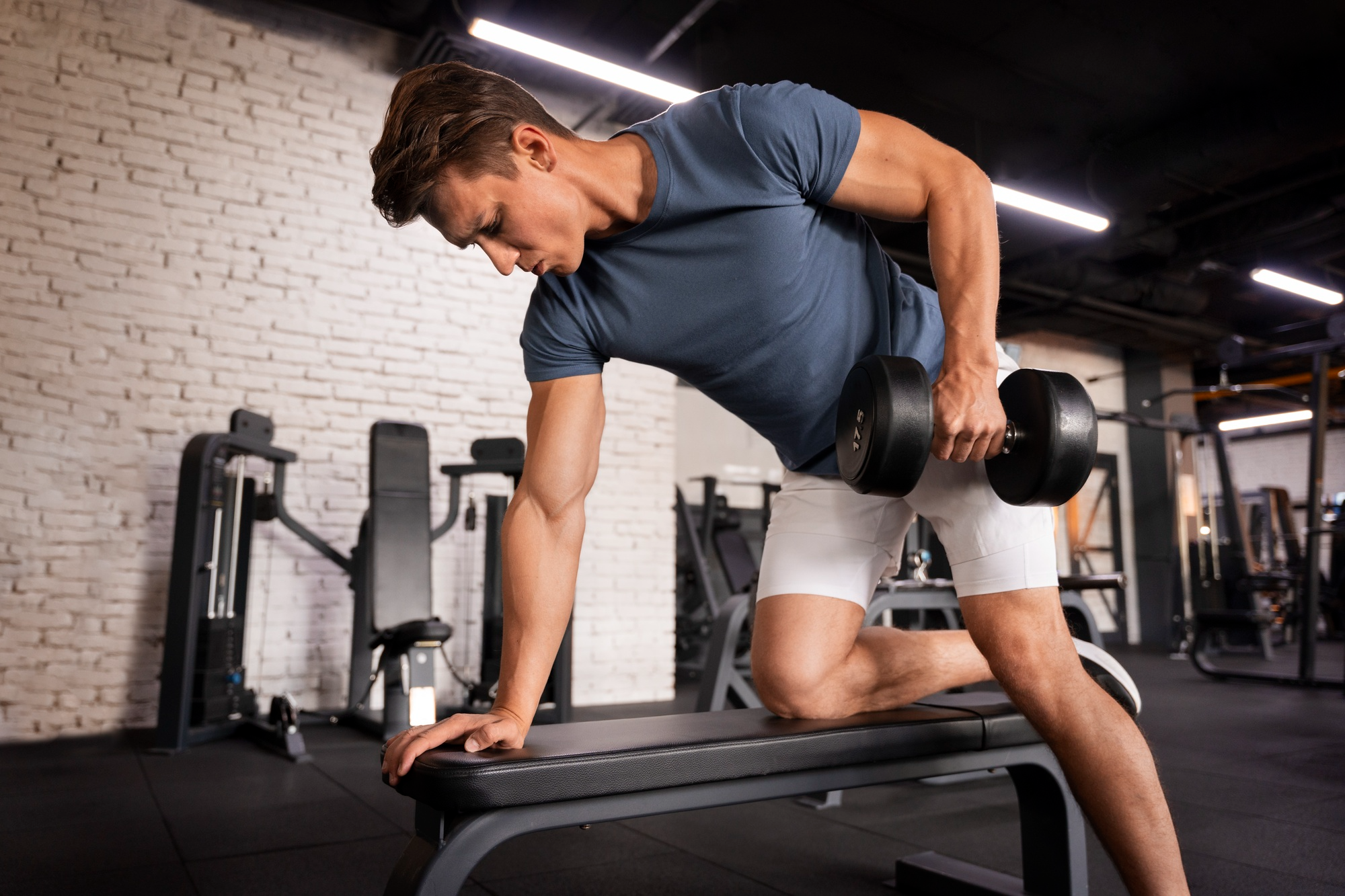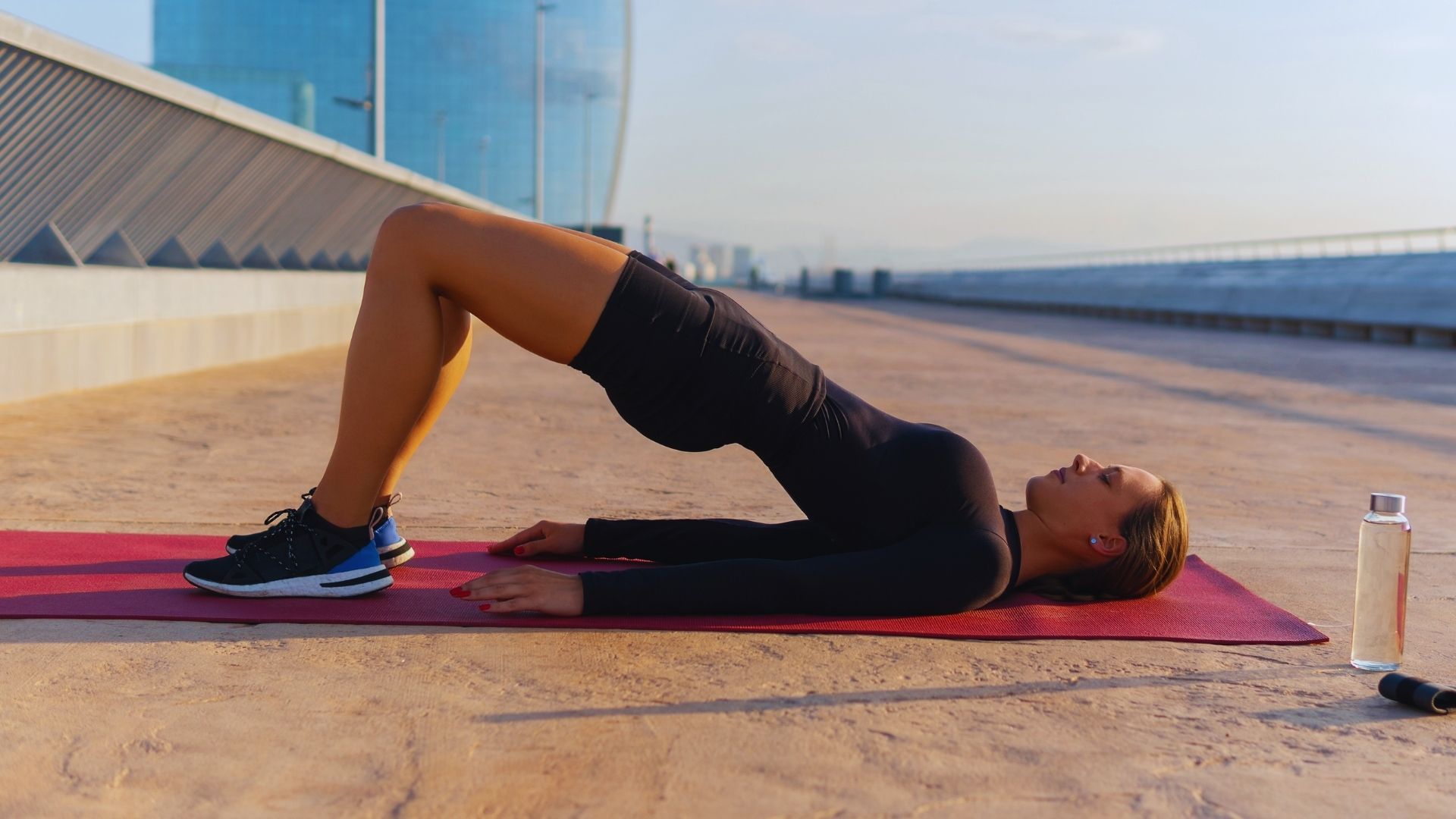
Are you struggling to shape your hips despite regular workouts?
If you’ve noticed the inward curves along your hips, you’re not alone, and understanding the muscles behind them is key.
In this guide, I’ll share proven workouts for hip dips that I’ve personally seen convert tone and shape over time.
Drawing from years of experience in fitness training, I’ll walk you through exercises that strengthen the glutes, outer hips, and thighs, while offering tips for proper form and consistency.
By the end, you’ll have actionable routines to help smooth your curves and feel confident.
Understanding Hip Dips

Hip dips are the natural inward curves along the sides of the hips that appear due to the structure of the hip bones.
The shape of these bones, combined with how muscles attach around them, determines how noticeable hip dips are.
The gluteus medius and gluteus minimus are two important muscles in the outer hips that influence the overall shape and help stabilize the pelvis.
The tensor fasciae latae also plays a role in supporting hip movement and maintaining balance.
While exercises cannot eliminate hip dips because bone structure is the main factor, strengthening these muscles can improve the tone and firmness of the surrounding area.
Working on the glutes and outer hips helps make the curves look smoother and more sculpted over time.
Glute and Outer Hip Isolation Workouts For Hip Dips
These exercises target the outer hips and glutes, helping tone the area and improve hip stability for smoother curves.
1. Side-Lying Leg Raises
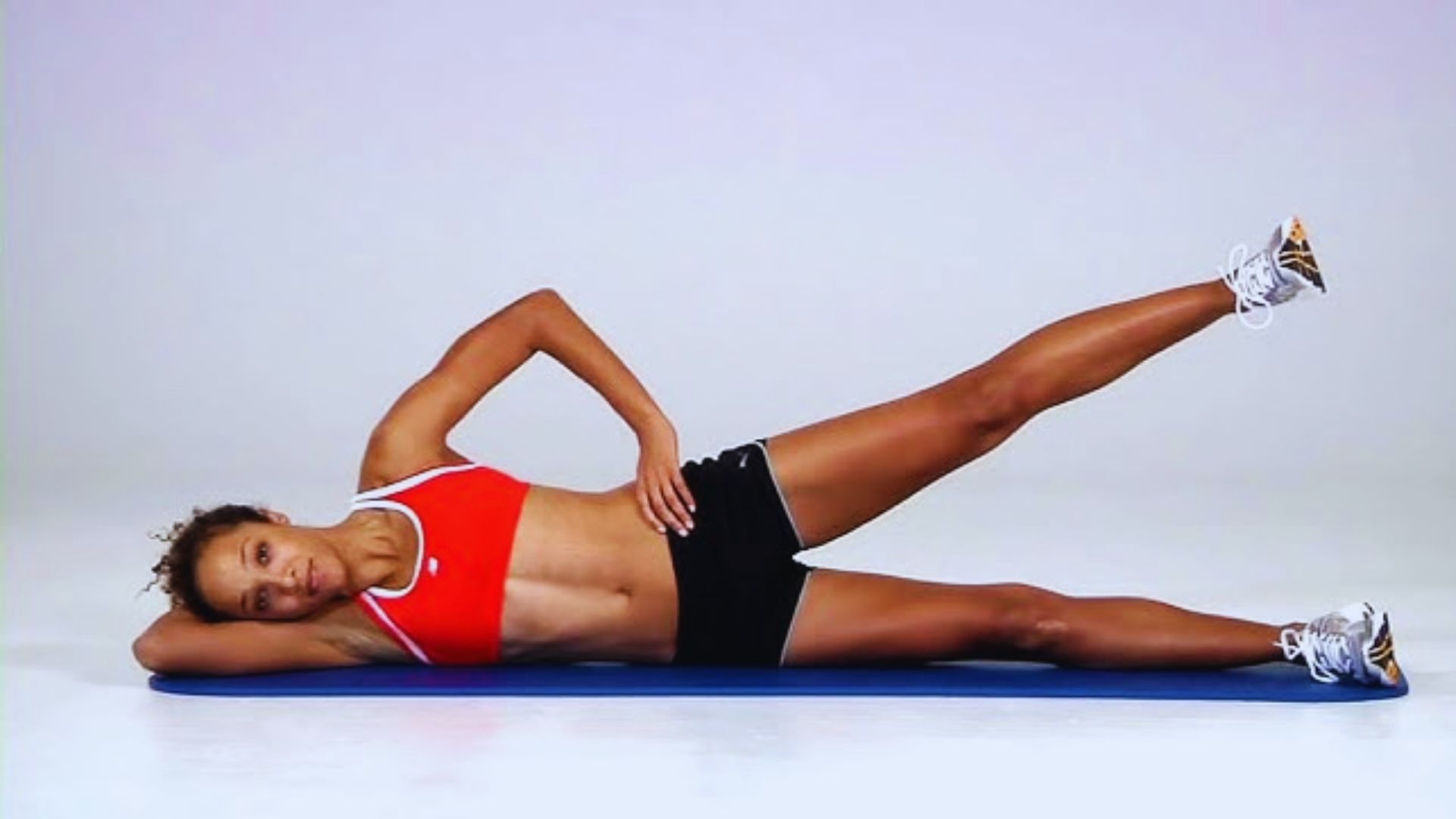
Lie on your side with legs stacked and straight. Slowly lift the top leg as high as comfortable, hold for a moment, then lower it back down with control.
This movement targets the outer glutes and hip muscles, helping improve strength and tone to make hip dips less noticeable.
2. Clamshells
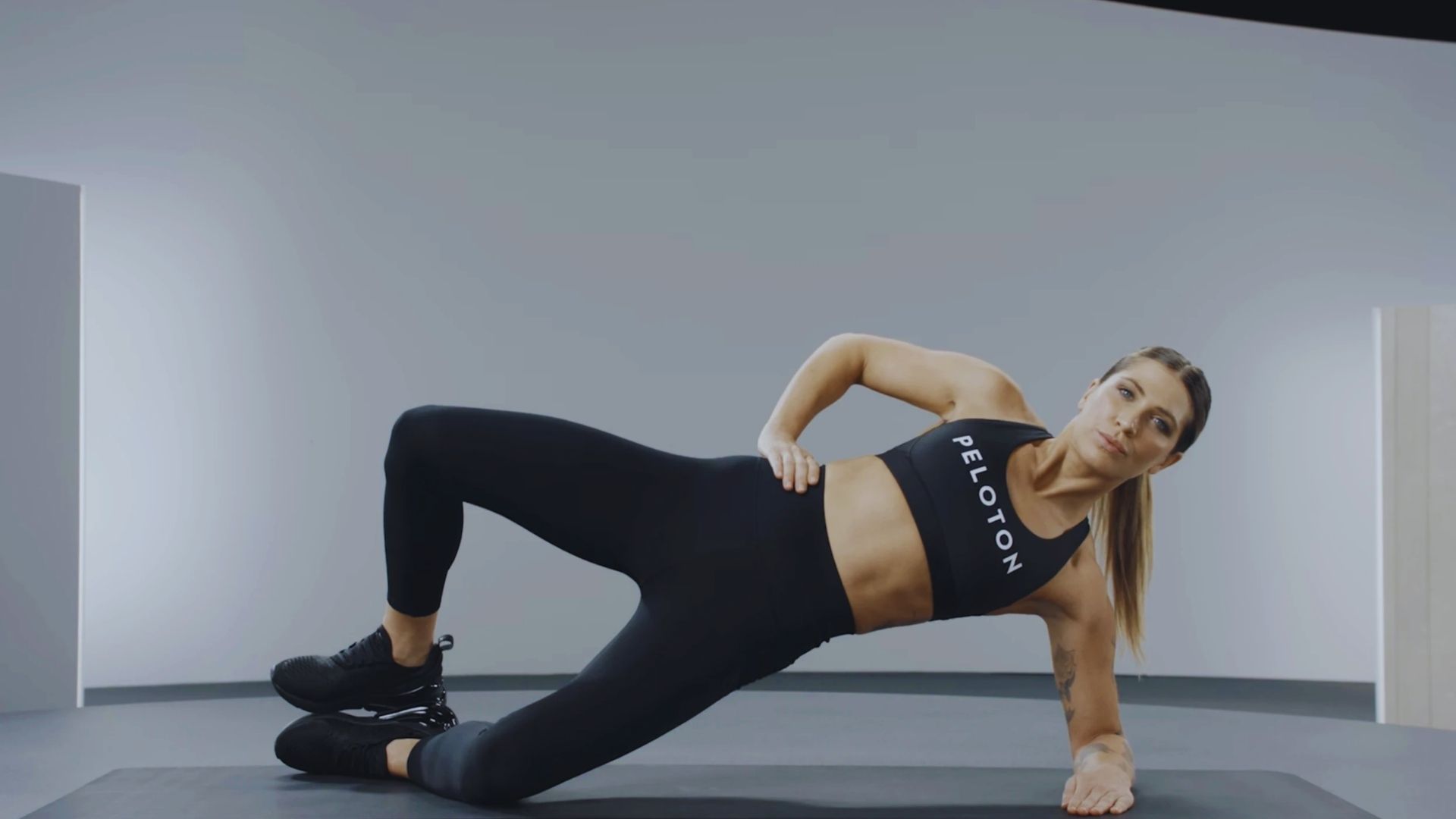
Lie on your side with knees bent at 90 degrees and feet together. Open the top knee upward while keeping your feet touching, then slowly close it.
Clamshells strengthen the gluteus medius and minimus, improving hip stability, building muscle around hip dips, and giving a smoother appearance to the outer hips.
3. Fire Hydrants
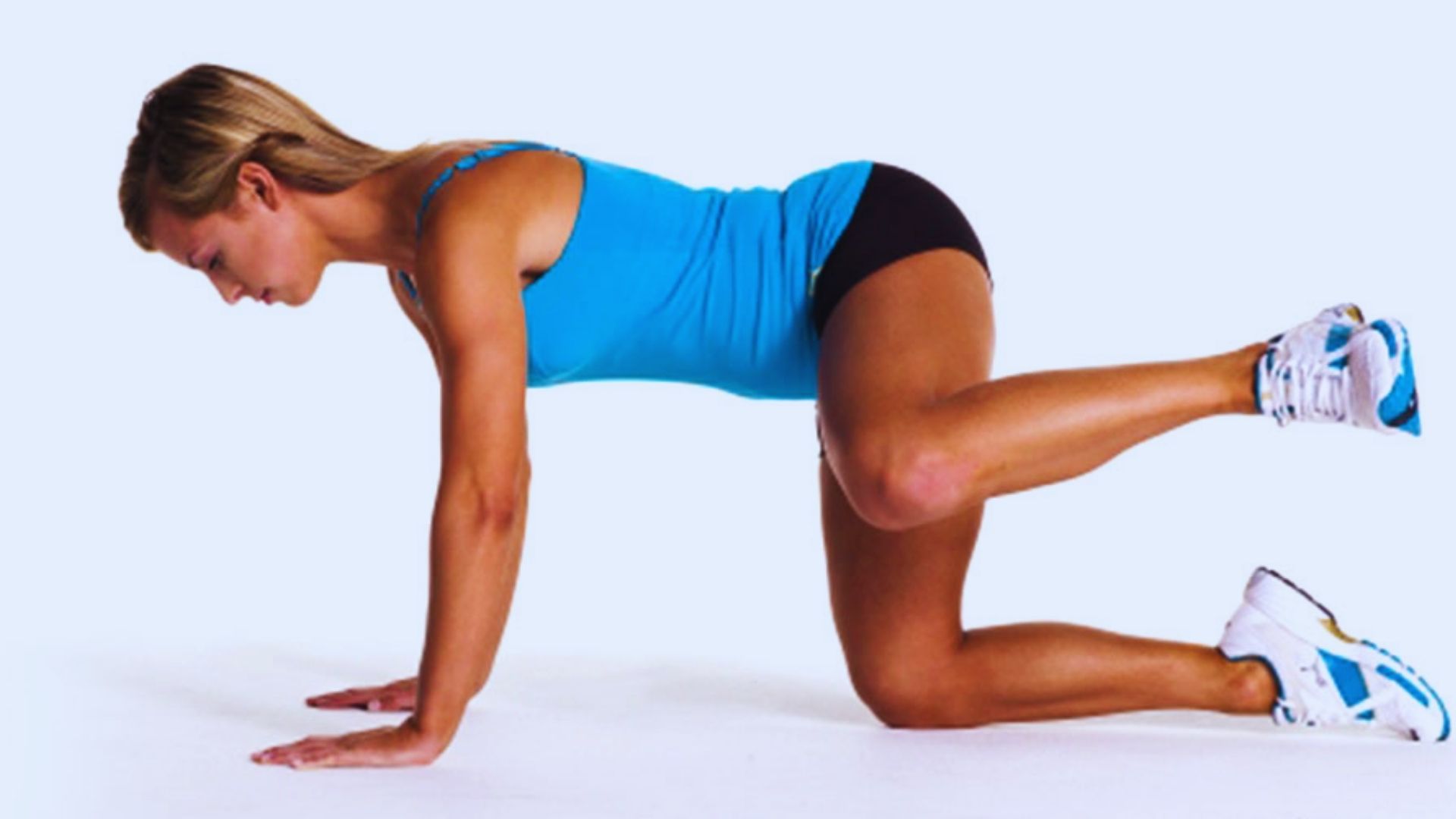
Start on hands and knees with your back flat and core engaged. Lift one knee out to the side while keeping it bent at 90 degrees, then lower it slowly.
Fire hydrants work the outer glutes and hip muscles, improving strength and tone while upgrading the natural curves of the hips over time.
Glute Bridges & Hip Thrusts Workouts for Hip Dips
These exercises strengthen the glutes, thighs, and hips while improving balance and helping tone the sides.
4. Basic Glute Bridge
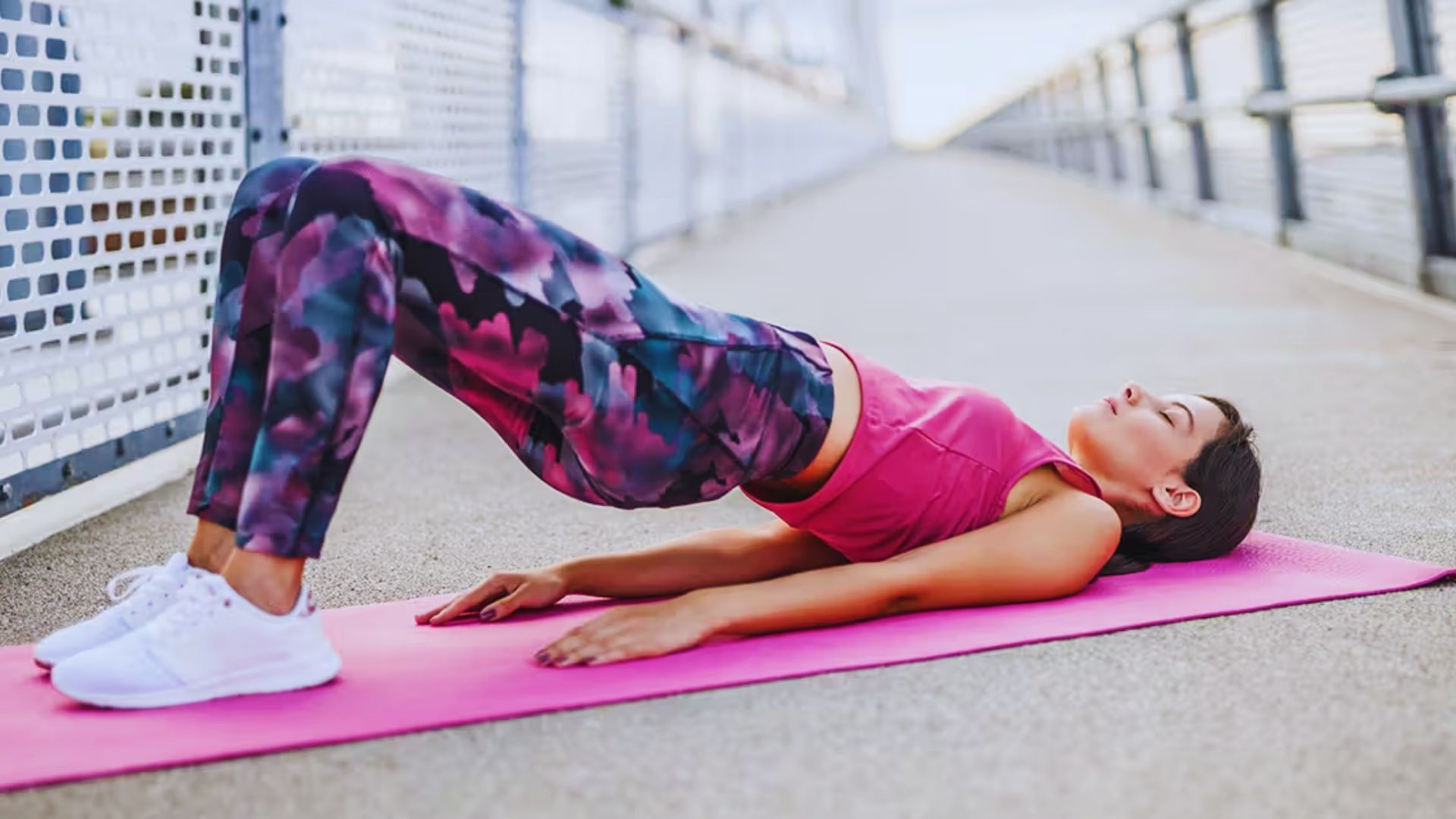
Lie on your back with knees bent and feet flat on the floor, hip-width apart. Press your hips upward while squeezing the glutes at the top, hold briefly, then lower slowly.
This exercise strengthens the glutes, engages the core, and helps improve the tone around hip dips for a smoother look.
5. Glute Bridge Abductions (with Band)
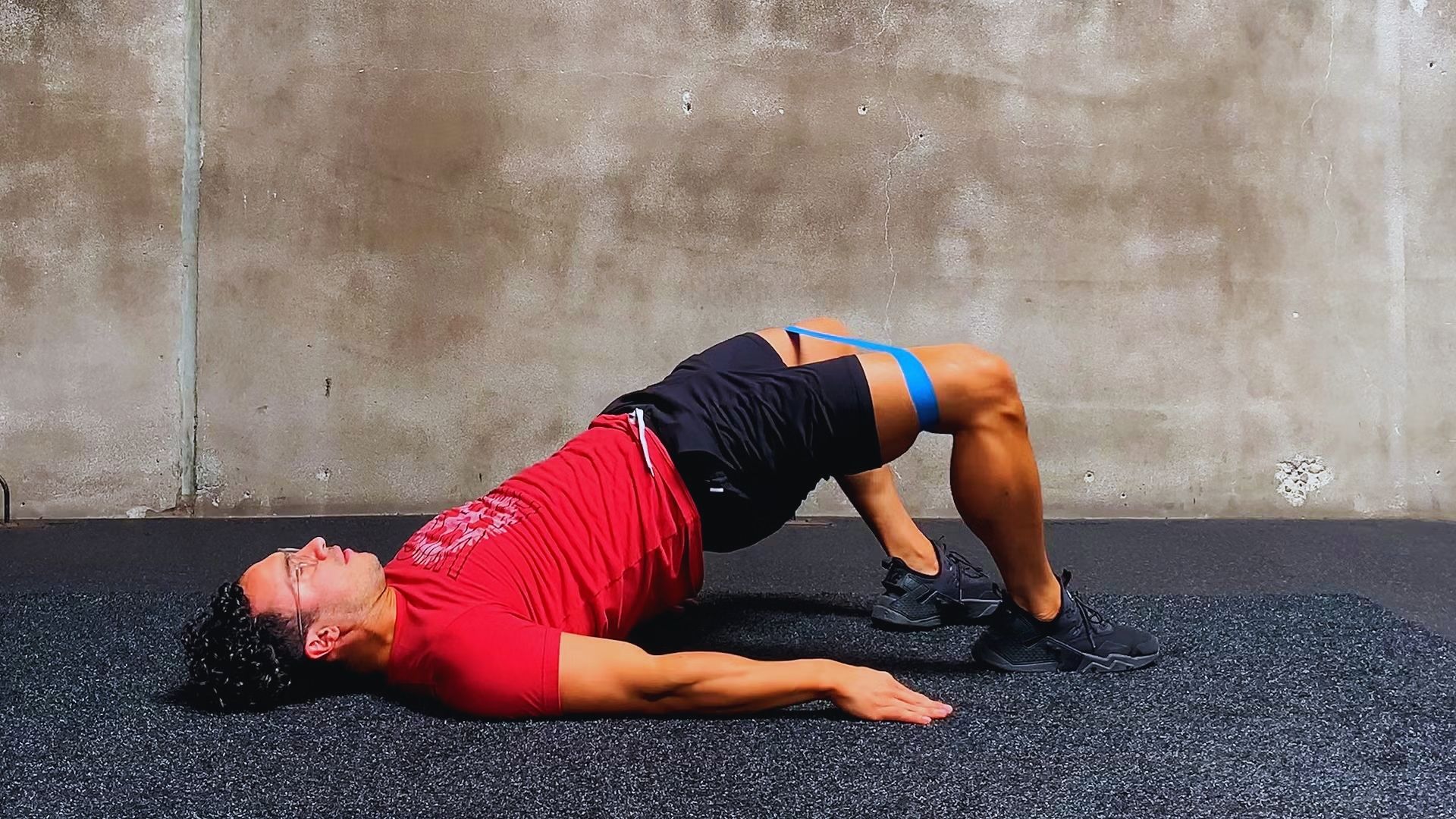
Lie on your back with knees bent and a resistance band around your thighs. Lift your hips into a bridge position, then push your knees outward against the band before returning to the start.
This move targets the outer glutes and hip muscles, shaping the sides and improving stability.
6. Barbell Hip Thrust (Gym Version)
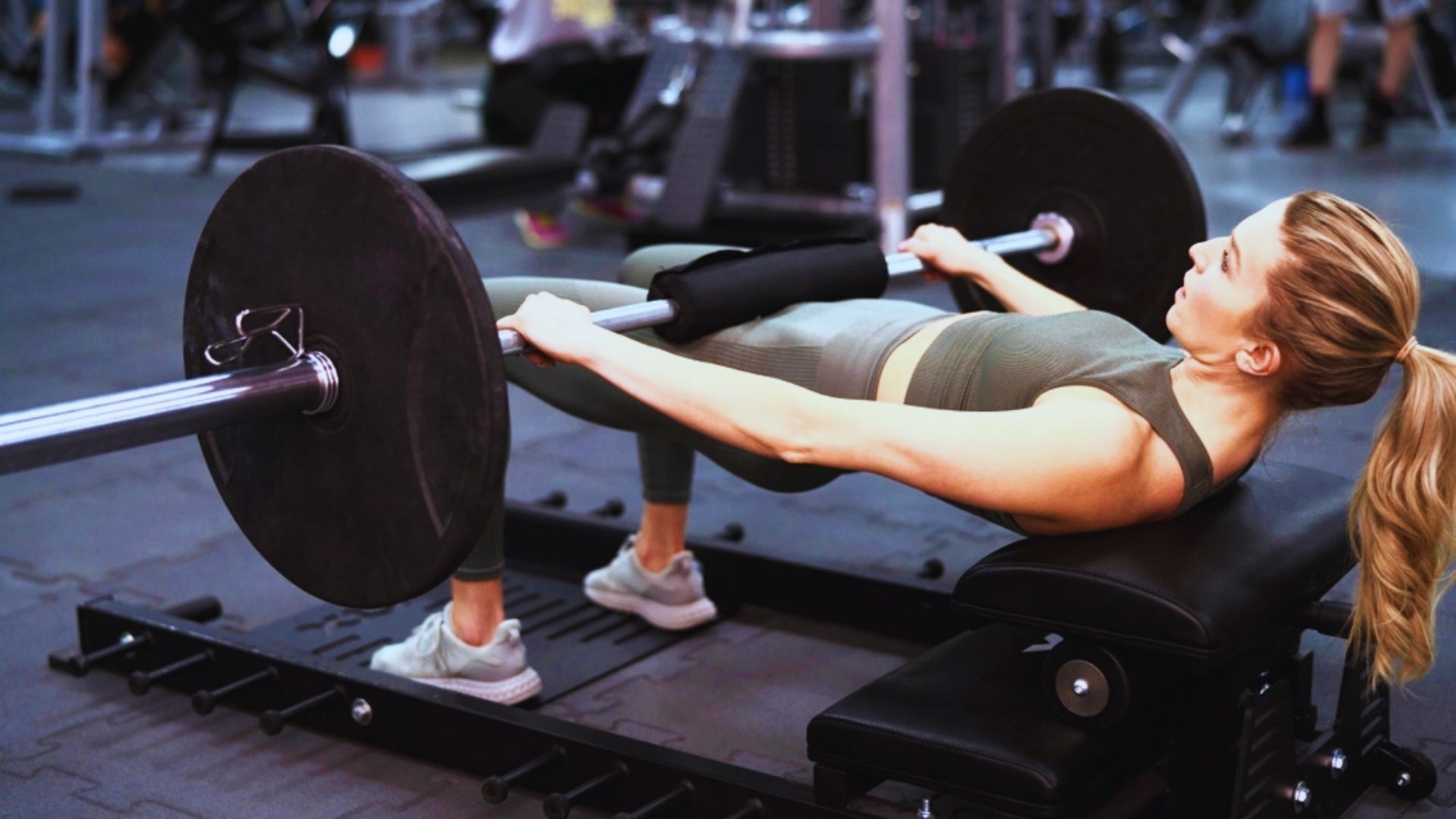
Sit on the floor with your upper back resting on a bench and a barbell over your hips. Drive your hips upward while squeezing your glutes at the top, then lower slowly.
This exercise builds glute strength, tones the hips, and adds firmness to the area around hip dips effectively.
Squat and Lunge Variations Workouts for Hip Dips
These exercises strengthen the glutes, thighs, and hips while improving balance, helping tone the sides, and making hip dips less noticeable.
7. Curtsy Lunges
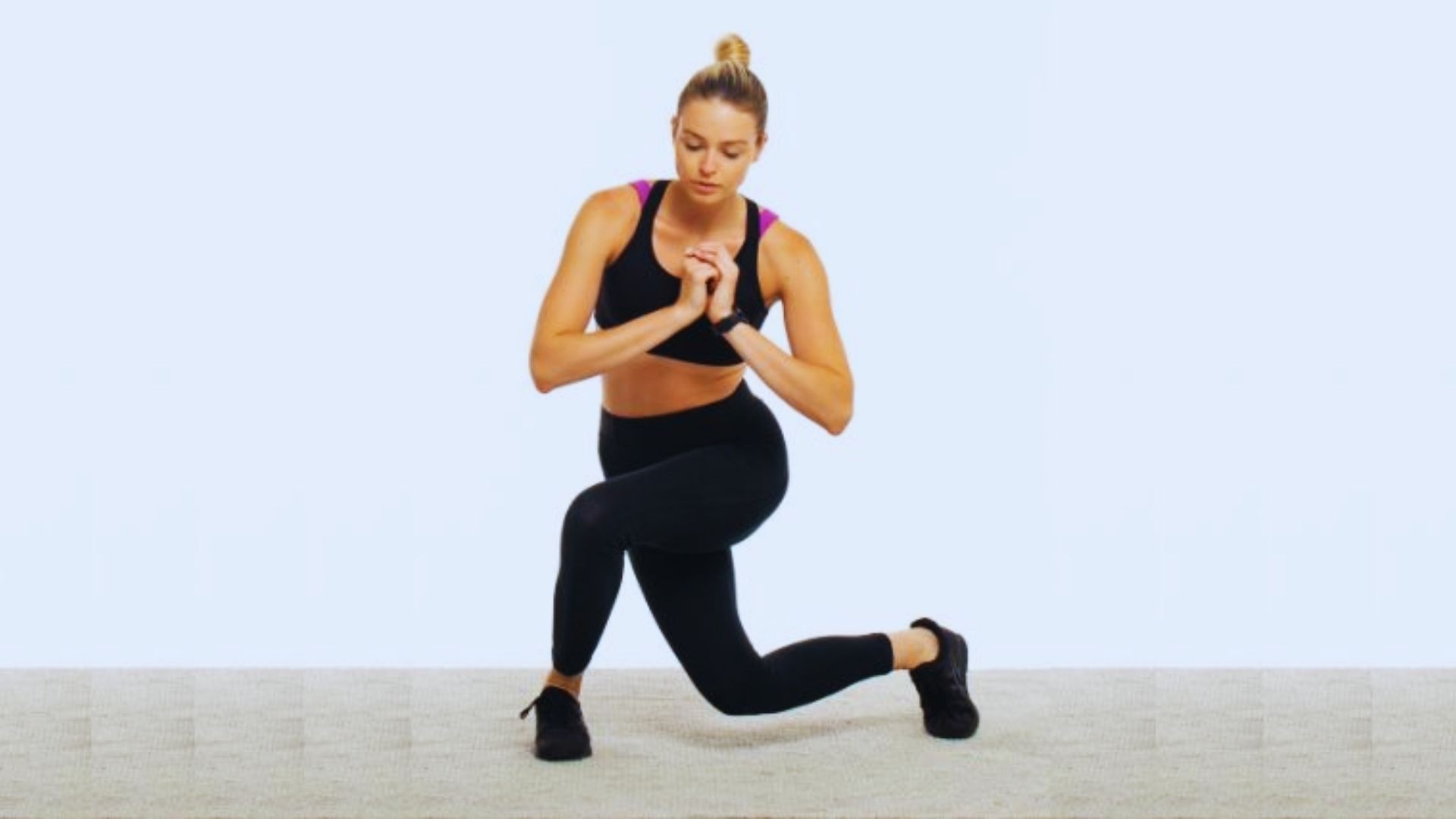
Stand with feet hip-width apart and step one leg diagonally behind the other, bending both knees as you lower your hips. Return to the starting position and repeat on the other side.
Curtsy lunges target the outer glutes and thighs, improving muscle tone and supporting the appearance of smoother hip curves.
8. Side Lunges / Side-to-Side Squats
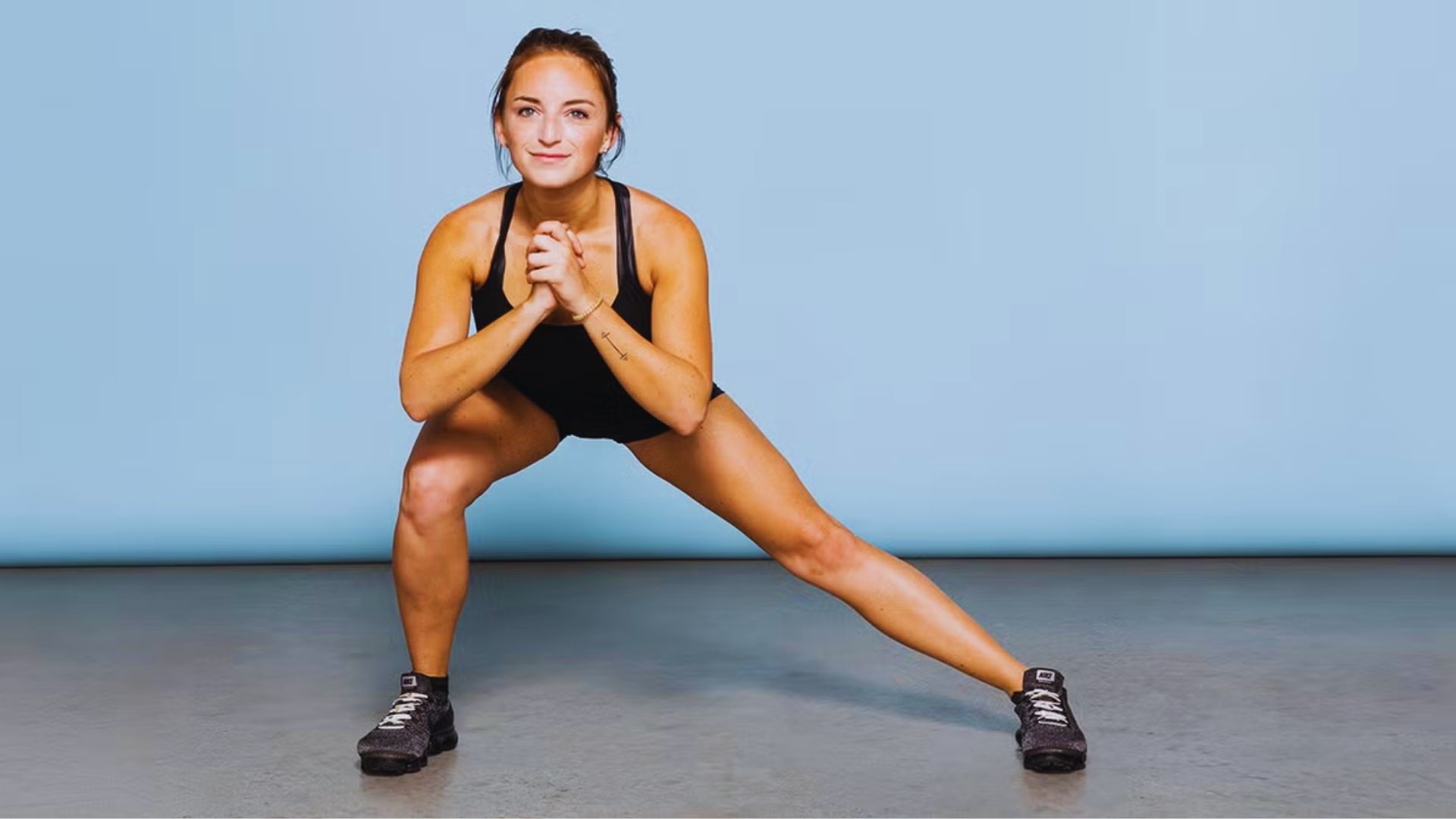
Step one leg out to the side while pushing your hips back and keeping your chest upright. Bend the knee of the stepping leg while keeping the other leg straight, then return to the starting position.
This movement strengthens the outer hips and thighs, helping shape and tone the hip area.
9. Regular Squats with Band
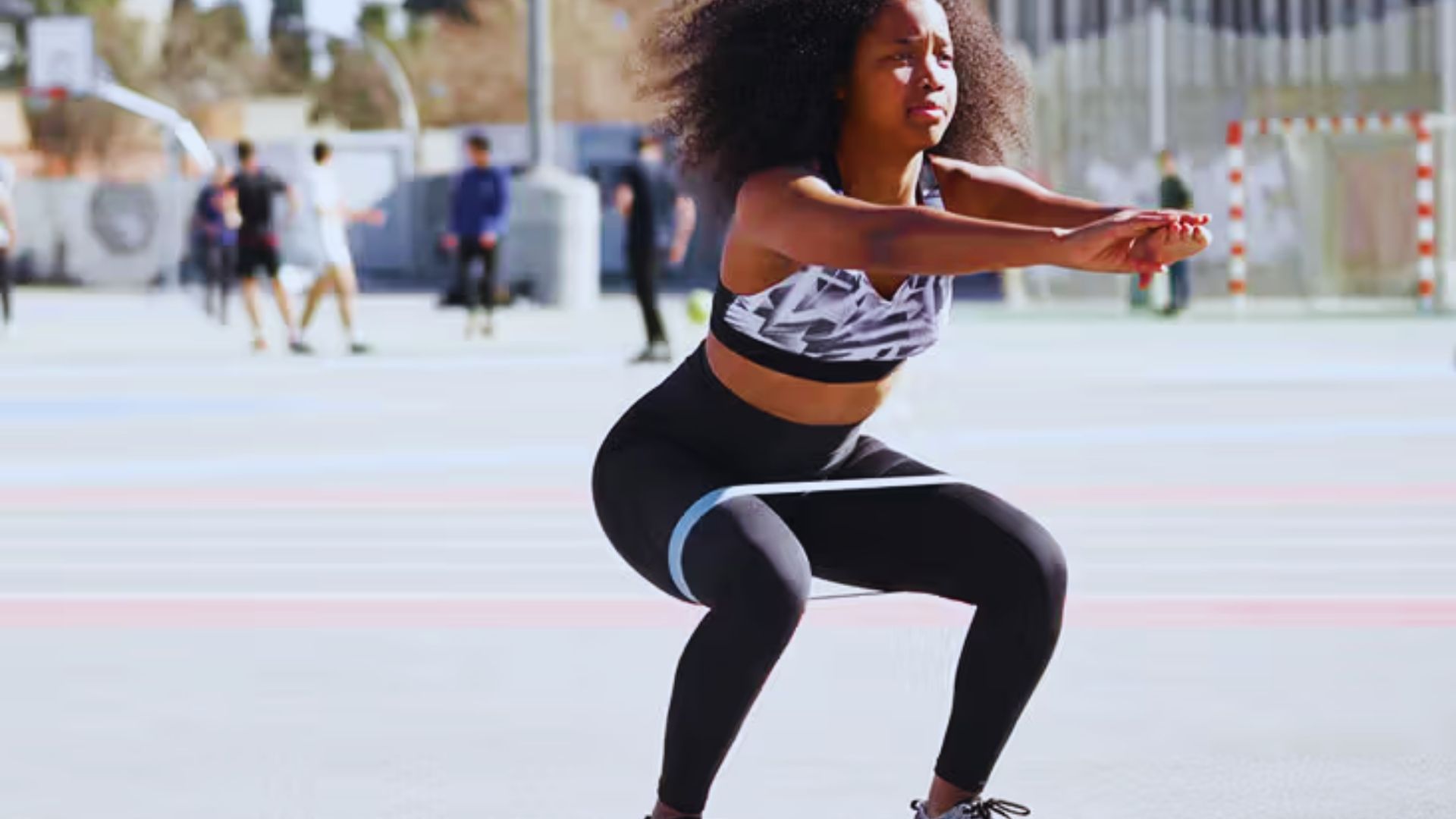
Place a resistance band around your thighs just above the knees. Stand with feet hip-width apart and squat down, pressing your knees outward against the band. Return to standing.
This exercise works the glutes, quads, and hip muscles, improving strength and firmness around the hips for a more toned look.
Standing Hip Abduction & Other Targeted Moves
These exercises target the outer hips, glutes, and thighs while improving balance. Regular practice strengthens muscles around the hip dips for smoother, firmer sides.
10. Standing Side Leg Lifts (with Band)
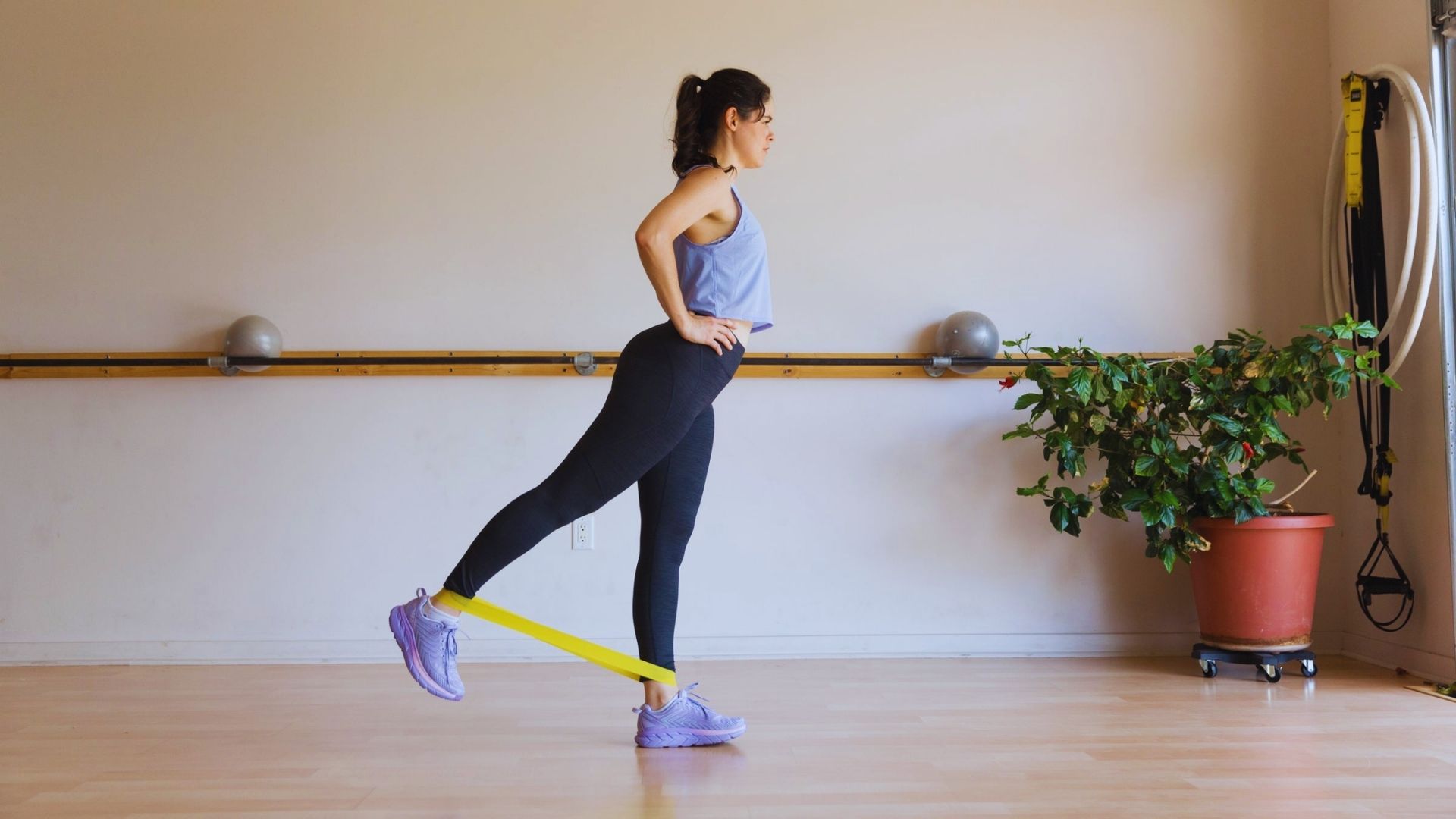
Stand upright with a resistance band around your thighs just above your knees. Slowly lift one leg to the side while keeping your core engaged and back straight.
Lower it carefully and repeat. This exercise targets the outer glutes and hips, improving strength, control, and the overall shape of the side hip area.
11. Donkey Kicks

Begin on hands and knees with a flat back and tight core. Lift one leg behind you while keeping the knee bent at 90 degrees, then lower it slowly.
Donkey kicks activate the glutes and outer hips, improving muscle tone and helping reduce the appearance of hip dips over time.
12. Step-Downs (on Bench or Platform)
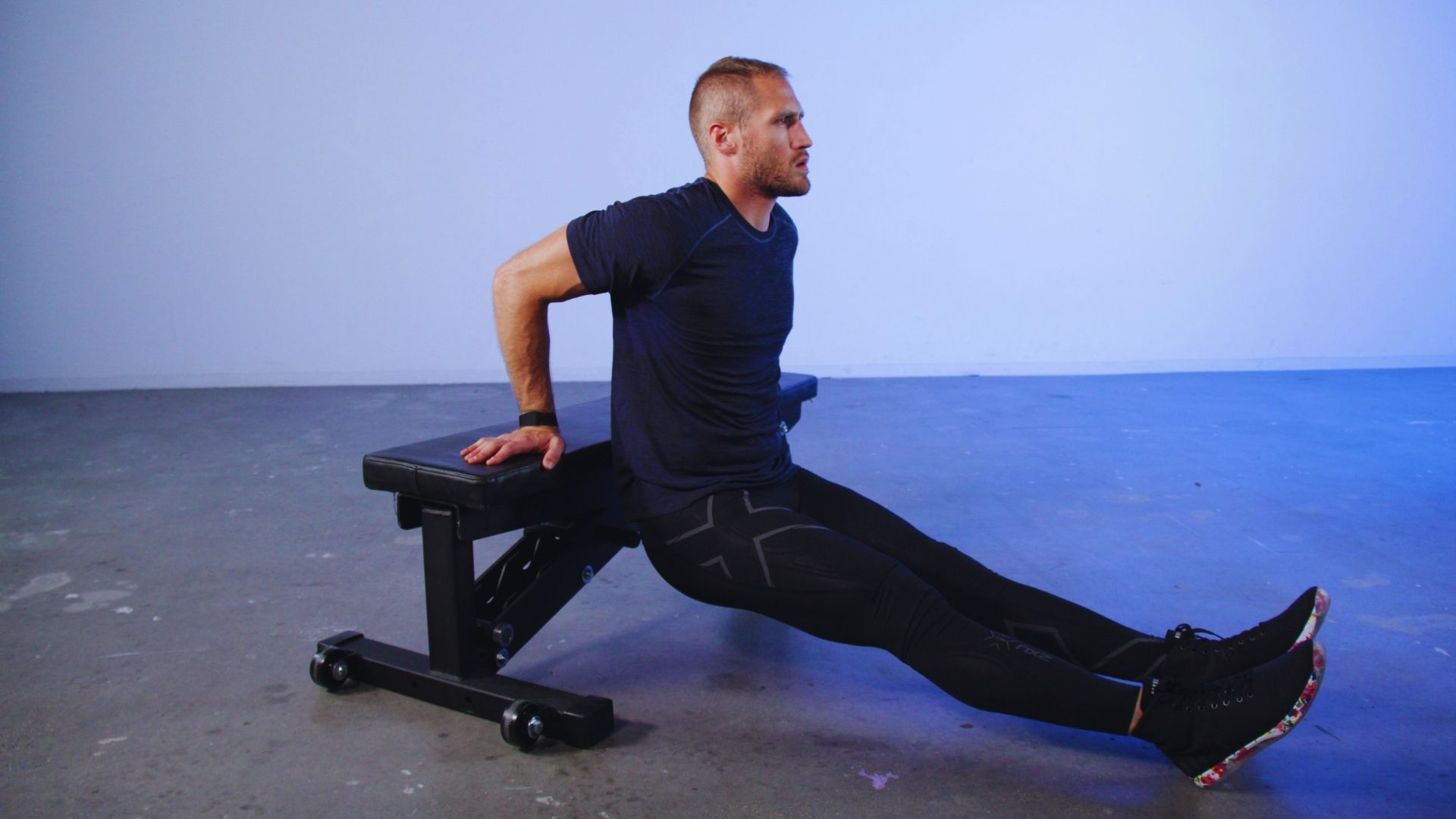
Stand on a bench or raised platform with one foot, then step down slowly with control, alternating legs. Keep your core tight and maintain balance.
Step-downs strengthen the outer thighs and glutes while improving stability, helping to tone the sides of the hips and create smoother curves.
13. Tight Rope Lunges (Advanced Variation)

Stand with feet hip-width apart and step diagonally forward as if walking a tightrope, bending knees to lower your hips. Return to the starting position and repeat on the other side.
This exercise targets the gluteus medius, outer thighs, and hips, improving strength, balance, and the overall contour of the hip area.
How Exercises Help Reduce the Appearance of Hip Dips
Hip dips can be improved by targeting the right muscles with proper exercises.
Muscle Strengthening: Strengthening the glute and outer hip muscles helps improve the shape of your hips. Stronger muscles fill out the area around hip dips, making the curves look smoother and more toned over time.
Form Focus: Paying attention to proper form ensures the right muscles are engaged during each exercise for maximum effectiveness.
Consistency and Resistance: Maintaining regular practice and gradually increasing resistance allows the muscles to grow stronger. This improves hip stability and firmness, making hip dips less noticeable while supporting better posture and balance.
Regular practice and focus on these key points can help tone the hips and improve overall shape.
Sample Workout Plans
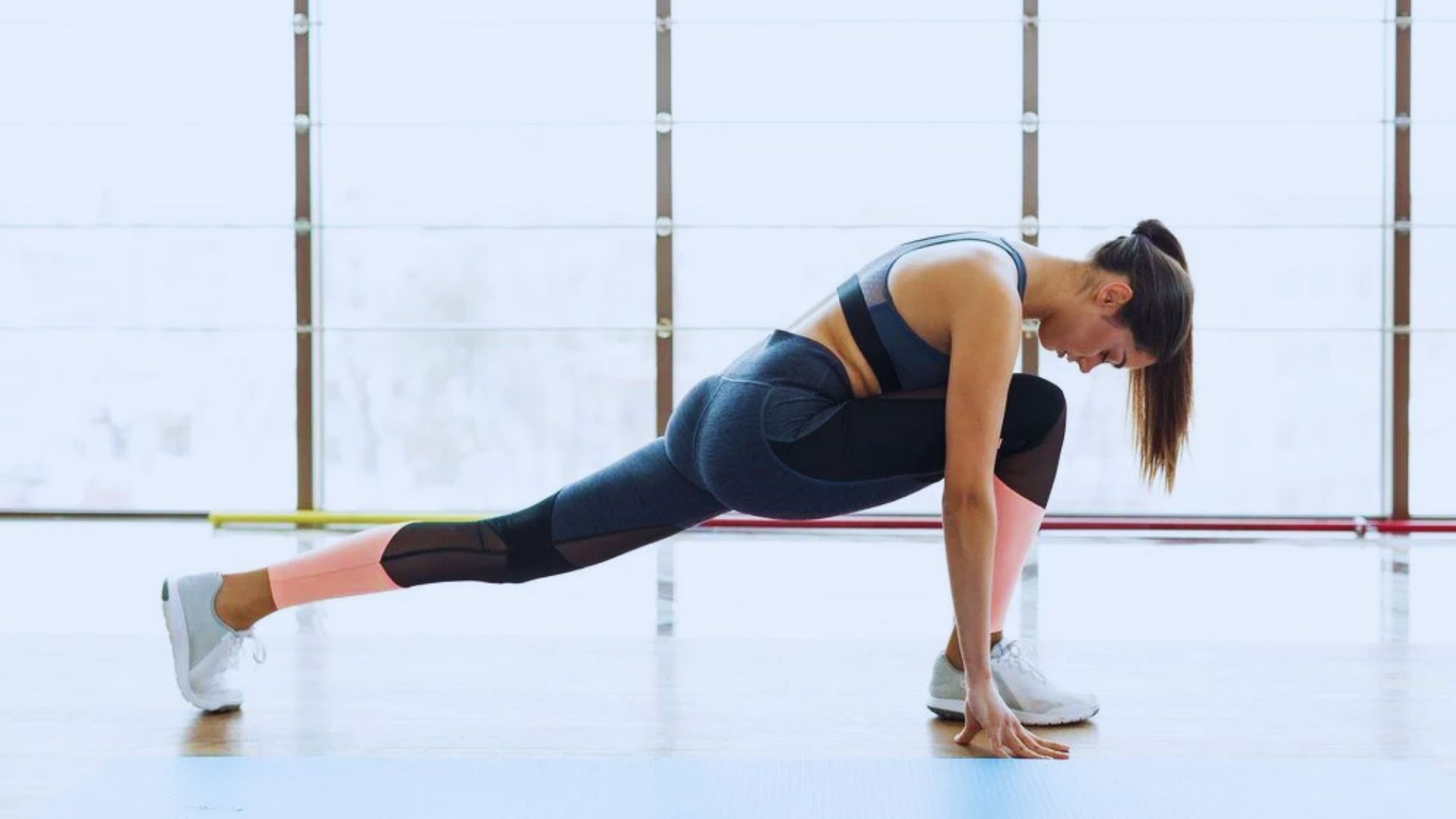
You can structure your workouts based on your fitness level and available equipment to get the best results.
Beginner (No Equipment): A 15-minute routine performed two to three times per week works well. Focus on bodyweight exercises like side-lying leg raises, clamshells, glute bridges, and curtsy lunges to build strength and tone the hips.
Intermediate (Bands or Weights): Workouts can last 20 to 30 minutes, three times per week. Include resistance band exercises and squats to increase intensity and further develop the glutes and outer hips.
Quick 10-Minute Home Routine: This daily routine uses five to six key exercises targeting the outer hips and glutes to maintain muscle engagement and improve tone.
Following a routine that suits your level helps strengthen the hips effectively and ensures steady progress over time.
Training Tips for Optimal Results
Consistent effort and proper technique are key to getting the best results from your hip dip workouts.
- Use resistance progressively with bands or ankle weights to challenge your muscles and improve strength over time.
- Focus on slow, controlled movements to ensure proper muscle engagement and prevent injury.
- Follow recommended reps, sets, and frequency for each exercise to maximize effectiveness and allow recovery.
- Track your progress using photos, notes on strength improvements, or performance logs to stay motivated and monitor results.
Following these tips regularly helps you build strength, improve tone, and see noticeable changes around your hips.
Common Mistakes to Avoid
Being aware of common mistakes can help you get the best results from your hip dip workouts.
| Common Mistakes | How to Fix Them |
|---|---|
|
Using momentum instead of muscle engagement |
Focus on slow, controlled movements and actively squeeze the glutes and hips during each exercise. |
|
Overtraining without recovery |
Allow 24-48 hours of rest between workouts targeting the same muscles to let them recover and grow. |
|
Expecting instant results |
Be patient and consistent, tracking progress over weeks to see gradual improvements in muscle tone and hip shape. |
Staying mindful of these points ensures safer workouts and better progress over time.
Conclusion
Strengthening your glutes, hips, and thighs consistently can improve how your hip dips appear.
Focusing on proper form, progressive resistance, and a balanced routine, these workouts for hip dips help tone the sides of your hips while improving stability.
From simple bodyweight moves to more advanced exercises, they build strength and shape the area naturally.
With patience and consistency, hip dips can look smoother, and you’ll feel more confident in your body.
Try dedicating just 10 minutes a day to see real results!
Frequently Asked Questions
Can Hip Dips Affect My Posture?
Hip dips themselves don’t cause posture issues, but strengthening glutes and hips can improve overall alignment and pelvic stability.
Are Hip Dips Hereditary?
Yes, the shape of your hip bones is largely determined by genetics, which is why hip dips vary from person to person.
Can Men Do These Hip Dip Workouts?
Absolutely. These exercises target the glutes and outer hips, and anyone can benefit from improved strength and hip stability.
Do I Need a Gym to Reduce Hip Dips?
No. Many effective exercises, such as side-lying leg raises and clamshells, can be done at home without equipment.
How Long Before I See Results?
With consistent workouts, noticeable improvements in tone and hip shape usually appear within 4-8 weeks, depending on effort and frequency.