

Strong legs keep you steady on your feet. They help you walk, climb stairs, and live on your own terms.
This guide shows you 9 safe leg exercises made for seniors. No gym needed. No fancy equipment.
I’ve worked with older adults for years. I’ve seen how the right moves rebuild strength and confidence. These exercises are tested and proven.
You’ll learn what works, what’s safe, and what to avoid. Falls don’t have to be part of aging. Weak legs don’t have to slow you down.
Let’s get your legs stronger starting today.
What Is Leg Stretching

Leg stretching moves your muscles through their full range of motion to keep them flexible and joints moving smoothly.
Think of muscles like rubber bands – they get stiff when unused.
Stretching is different from strengthening: touching your toes stretches muscles, while squats strengthen them. Both matter for healthy legs.
This guide focuses on strengthening exercises that build muscle for daily life. Strong legs mean fewer falls and more independence. ncorporating simple daily exercises into a routine can help seniors build strength, improve balance, and maintain independence over time.
You can add gentle stretches before or after by holding each for 20-30 seconds without bouncing.
9 Best Leg Strengthening Exercises for Seniors
These nine exercises are safe and simple. You can do most of them at home with just a chair. Start with the ones that feel comfortable. Add more as you get stronger.
1. Seated Leg Extension

Sit in a sturdy chair with your back straight. Your feet should rest flat on the floor.
Slowly straighten one leg until it’s parallel to the floor. Hold for 3 seconds.Lower your foot back down with control. Do 10 times on each leg.
This move builds quadriceps strength. These are the big muscles on the front of your thigh. They help you stand up and walk.
Start with no weight. Add ankle weights later if you want more challenge.
2. Chair Squats
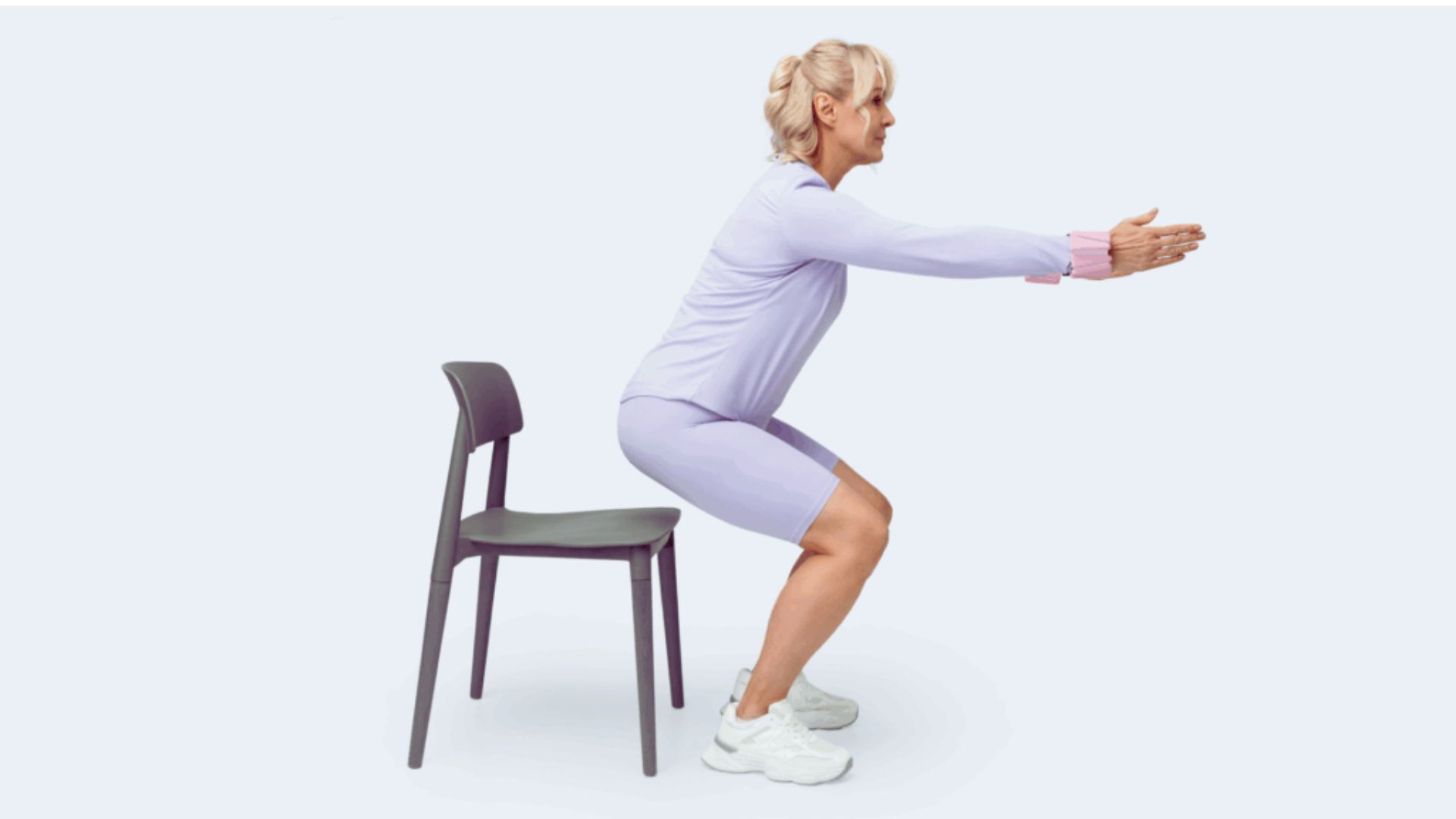
Stand in front of a chair. Your feet should be hip-width apart.
Lower yourself slowly like you’re going to sit down. Stop just before you touch the seat.
Stand back up using your leg muscles. Do 8 to 12 times.
This exercise works your thighs, hips, and buttocks. It mimics the movement you use dozens of times each day.
Keep your knees behind your toes. Don’t lean too far forward.
3. Calf Raises

Stand behind a sturdy chair. Hold the back for balance.
Lift up onto your toes as high as you can. Hold for 2 seconds.Lower back down slowly. Repeat 10 to 15 times.
Strong calves help you walk, climb stairs, and push off with each step. They also improve ankle stability.
Try this on one leg at a time once it gets easier.
4. Standing Knee Lifts
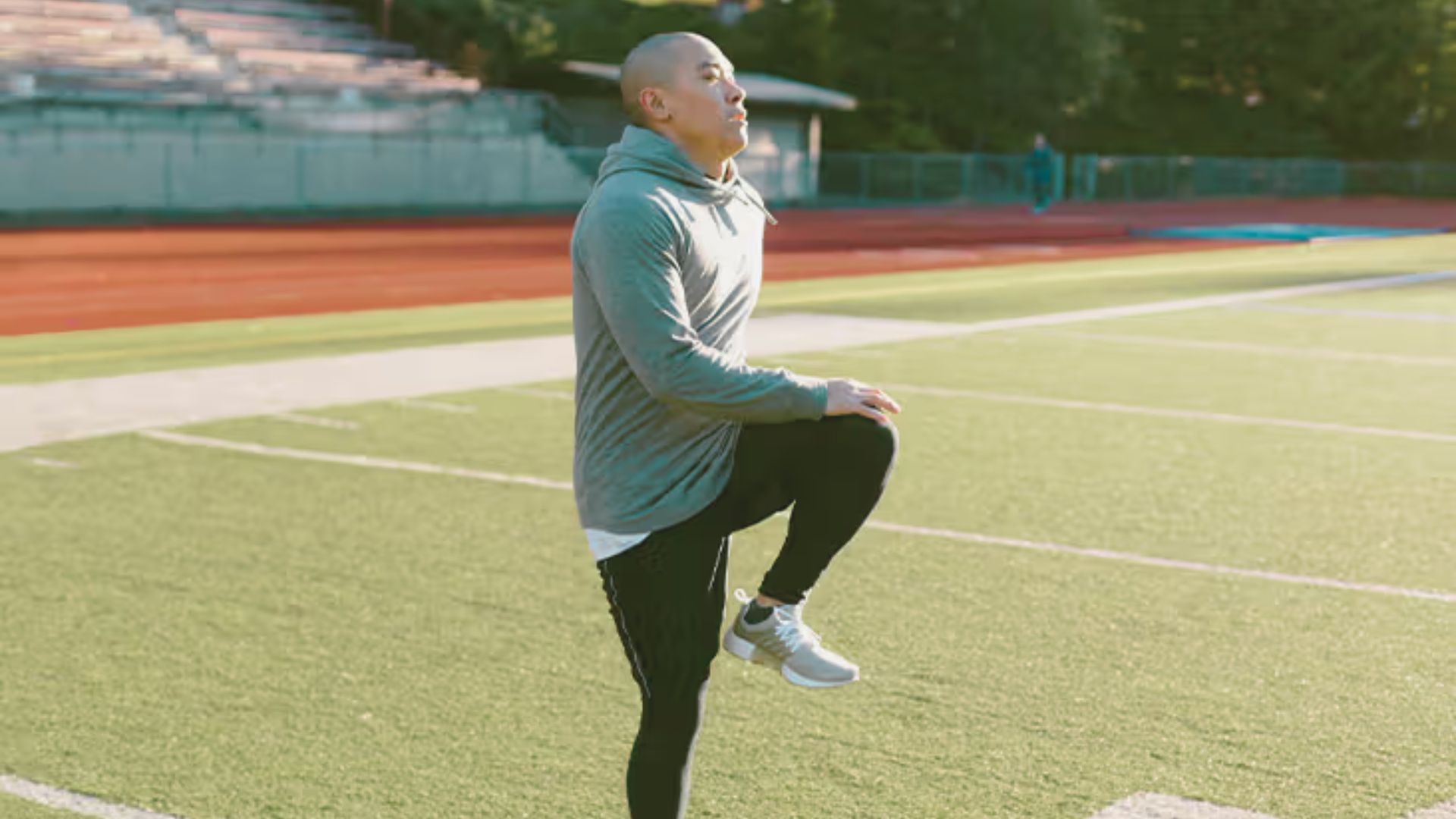
Stand next to a counter or wall for light support if needed.
Lift one knee up toward your chest. Keep your back straight.Hold for 2 seconds. Lower slowly. Do 10 times on each leg.
This builds hip flexors and improves balance. It’s similar to the motion you use when climbing stairs.
Don’t lean to the side when you lift.
5. Side Leg Raises
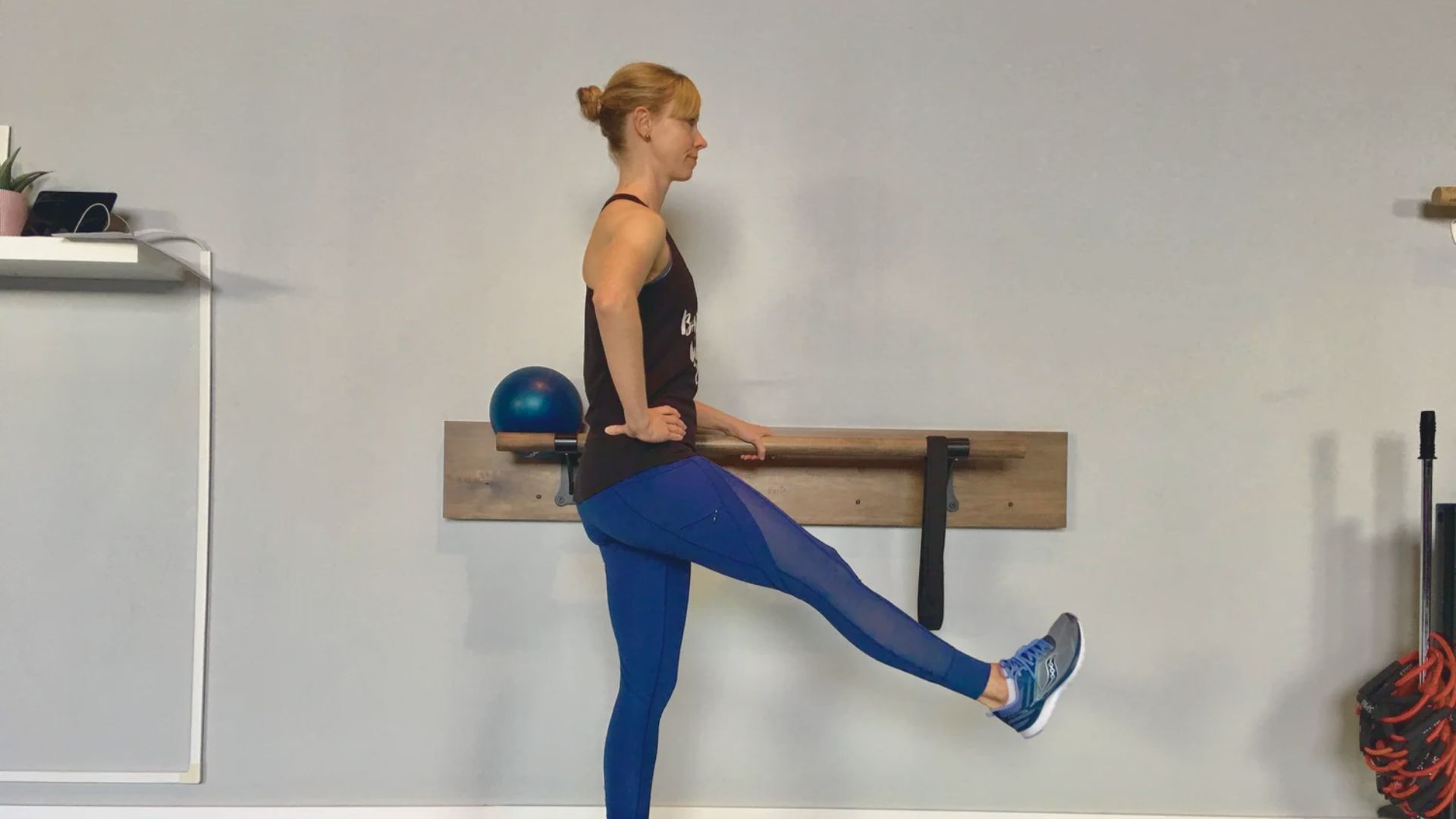
Stand behind a chair with both hands resting on the back.
Lift one leg out to the side about 6 to 12 inches. Keep your leg straight.Lower it back down with control. Do 10 times on each side.
This strengthens hip muscles that stabilize you when you walk. It helps prevent side-to-side wobbling.
Keep your toes pointing forward, not turned out.
6. Seated Toe Taps
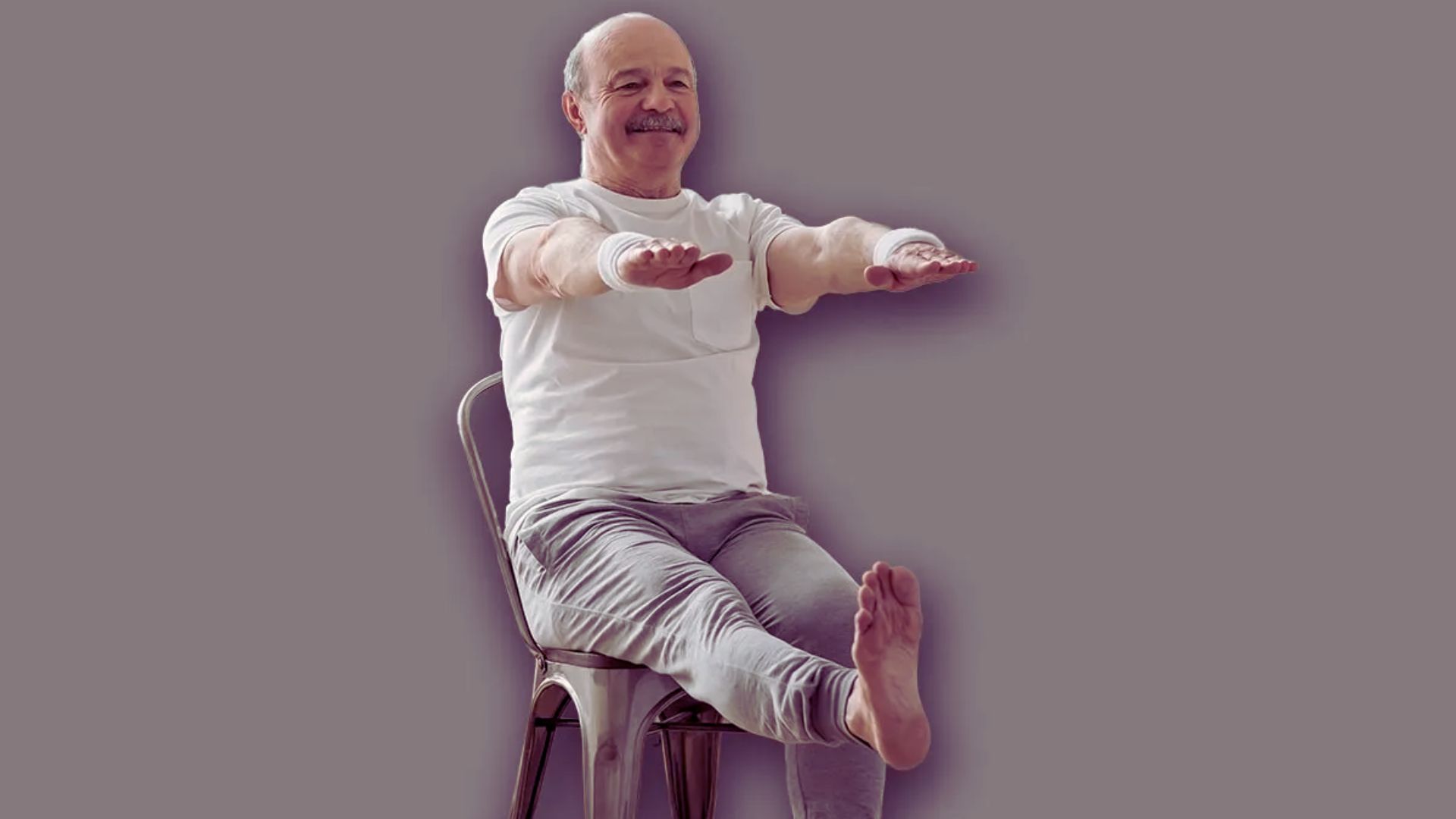
Sit in a chair with good posture. Place your feet flat on the floor.
Lift just your toes while keeping your heels down. Tap your toes up and down.
Do this 20 times at a comfortable pace.
This simple move works the muscles in your shins. It improves circulation in your lower legs.
You can do this while watching TV or reading.
7. Marching in Place

Stand tall with good posture. Hold onto something sturdy if you need support.
Lift one knee, then the other in a marching motion. Keep your back straight.March for 30 seconds to 1 minute.
This gets your heart rate up slightly while working your hip flexors and legs. It’s a good warm-up exercise too.
Lift your knees as high as you comfortably can.
8. Leg Curls
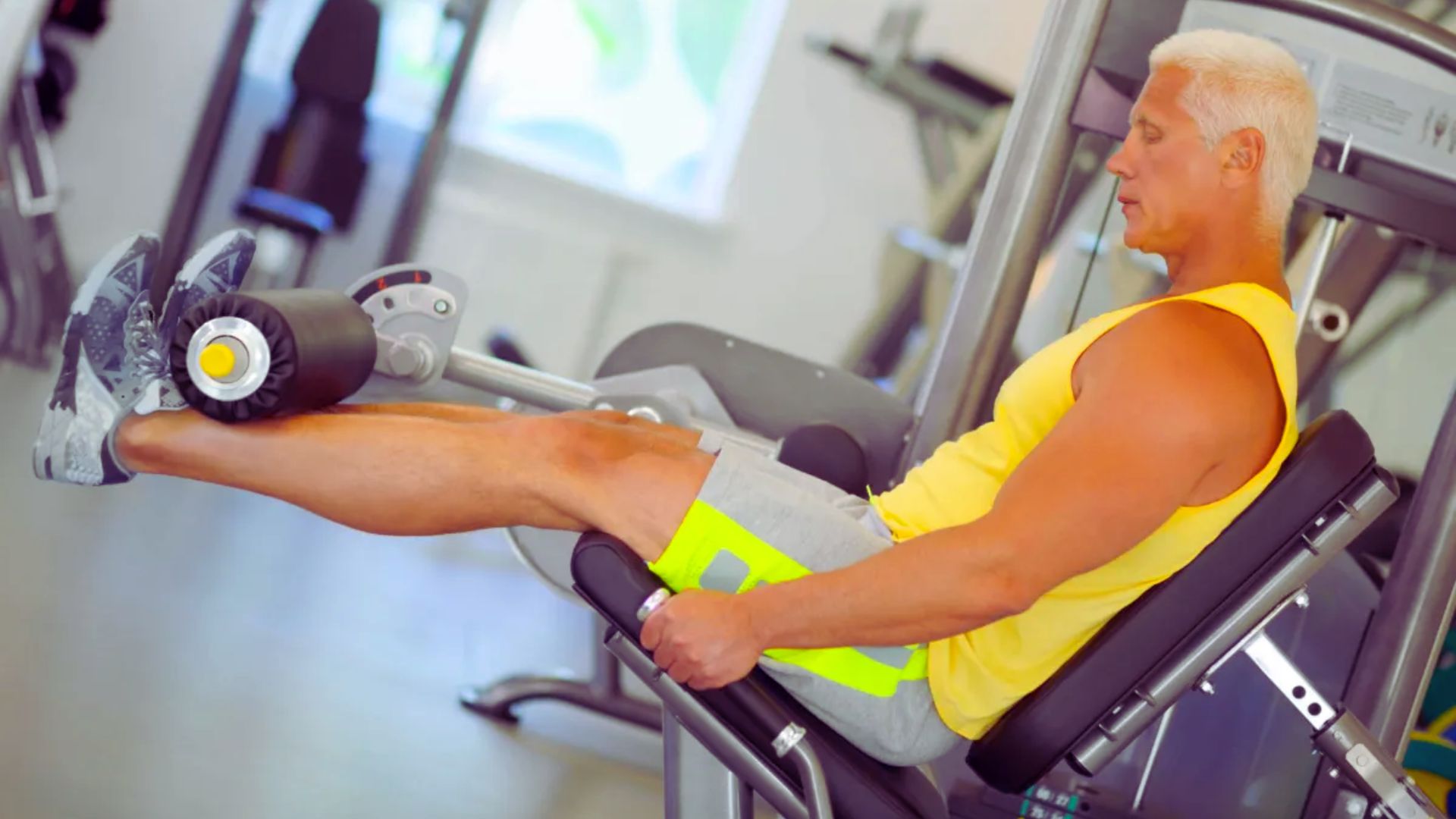
Stand behind a chair for support.
Bend one knee and bring your heel toward your buttocks. Keep your thigh pointing down.
Hold for 2 seconds. Lower slowly. Do 10 times per leg.
This targets your hamstrings, the muscles on the back of your thigh. They help you walk and protect your knees.
Don’t arch your back when you curl your leg.
9. Ankle Circles
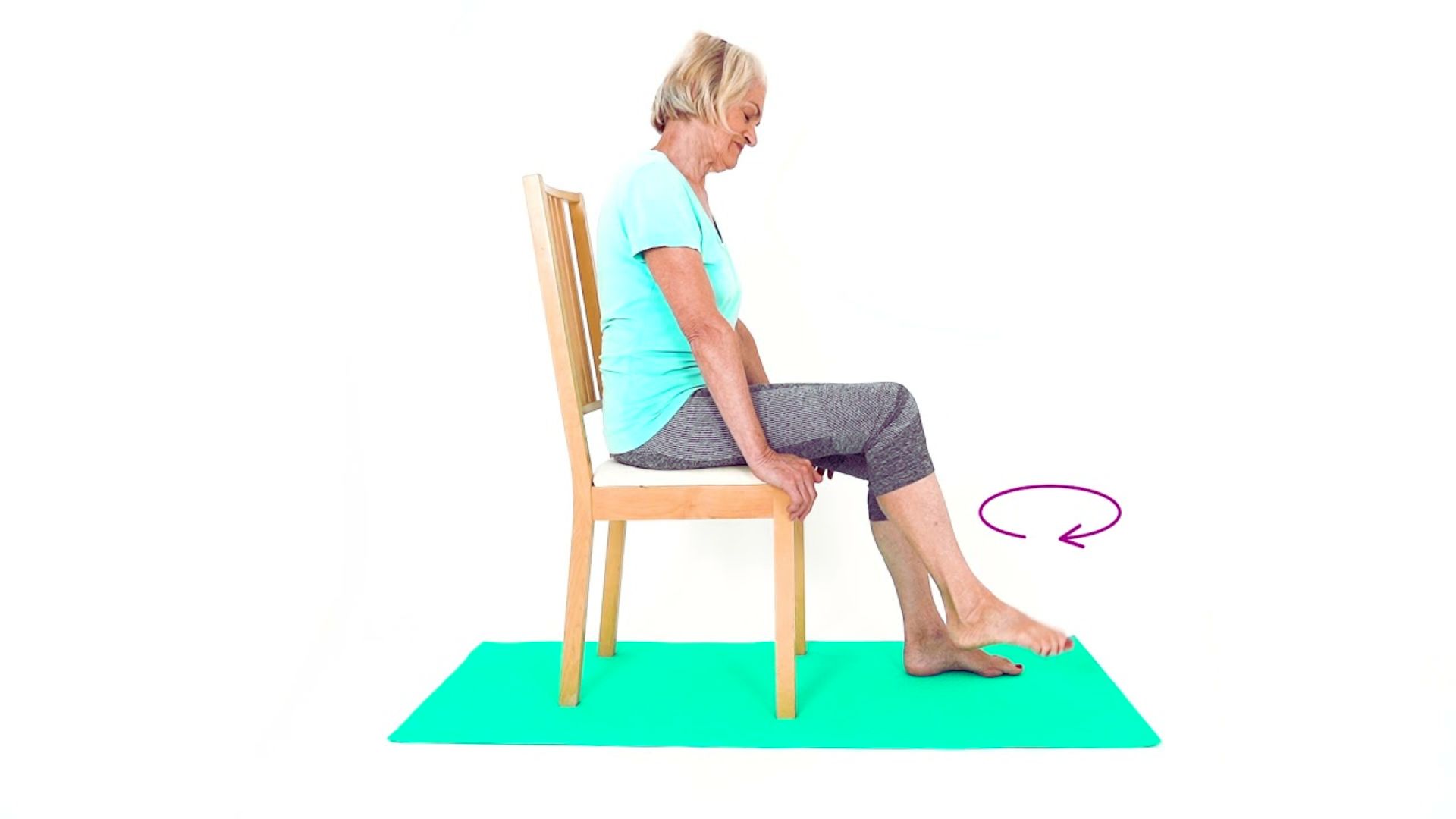
Sit in a chair or lie down on your back.
Lift one foot slightly off the ground. Rotate your ankle in slow circles.Do 10 circles clockwise, then 10 counterclockwise. Switch feet.
Strong, flexible ankles prevent trips and falls. This exercise also reduces stiffness and improves circulation.
Make the circles as large as you can without pain.
Safety Tips Before Starting Leg Strengthening Exercises
- Talk to your doctor first if you have heart problems, severe arthritis, recent surgery, or frequent falls. A physical therapist can check your form and create a safe plan for you.
- Always warm up for 5 minutes before exercising. Walk in place or do gentle leg swings. Cool down afterward with slow walking and light stretches for 20 to 30 seconds each.
- Breathe normally during each exercise. Don’t hold your breath. Avoid jerky or fast movements that can strain your muscles.
- Stop if you feel sharp pain. Some muscle tiredness is normal, but pain is a warning sign. Listen to your body and rest when needed.
- Give your muscles a day off between sessions. Don’t exercise the same muscles every single day. Start with fewer repetitions and build up slowly over time.
Conclusion
Your legs carry you through life. They deserve your attention and care.
I’ve seen countless seniors regain their strength with these simple exercises. Some start barely able to stand from a chair. Within weeks, they’re walking with more confidence.
You can do this too.Start with just a few exercises. Do them two or three times a week. Listen to your body as you build strength.
Share this guide with a friend who needs it. Leave a comment below about which exercise you’ll try first. Your stronger legs are waiting.
Frequently Asked Questions
How often should seniors do leg strengthening exercises?
Aim for 2 to 3 times per week. Give your muscles at least one day of rest between sessions. This allows time for recovery and strength building.
Can I do these exercises if I have arthritis?
Yes, but start slowly and avoid movements that cause sharp pain. Gentle strengthening actually helps reduce arthritis symptoms by supporting your joints better.
Do I need special equipment for leg exercises?
No. Most of these exercises use just a sturdy chair. You can add ankle weights later if you want more resistance.
How long before I see results from leg exercises?
Most people notice improved balance and strength within 3 to 4 weeks. Keep going for at least 8 weeks for bigger changes.
What should I do if exercise causes pain?
Stop immediately. Some muscle tiredness is normal, but pain is not. Check your form or try an easier version. Talk to your doctor if pain continues.