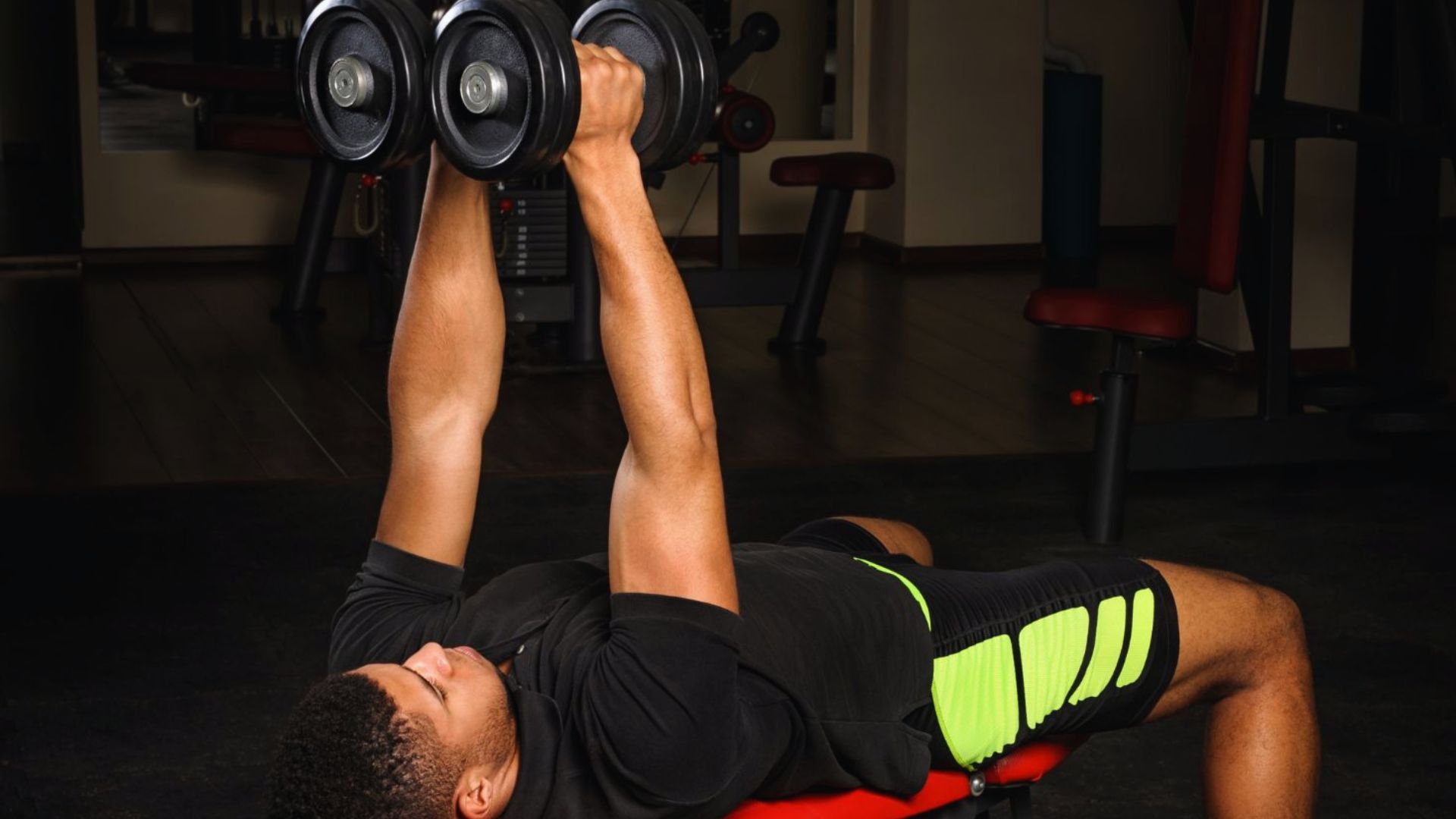
For the longest time, I avoided fitted shirts because one side of my chest sat noticeably lower than the other.
It knocked my confidence badly. I tried everything before I finally figured out what actually works.
This blog breaks down what unilateral chest exercises are, why your chest gets uneven in the first place, the best 9 exercises to fix it, and how to use them the right way.
I’ve done the work so you don’t have to. Stick with me and you’ll have a clear plan by the end.
What Are Unilateral Chest Exercises?

Unilateral chest exercises are movements where you train one side of your chest at a time. Instead of pressing or flying with both arms together, you work each side on its own.
This matters because your stronger side can’t cover for the weaker one. Every rep forces the lagging side to do its fair share of the work.
Over time, this closes the gap between both sides. It’s one of the most direct ways to fix a muscle imbalance, and it works.
Why Chest Muscles Become Uneven

Your chest becomes uneven for a few key reasons. Your dominant side is stronger, so it naturally takes more of the load during pressing movements.
Poor form makes this worse, letting one side do most of the work without you even noticing.
If you’ve had a shoulder or chest injury on one side, that side likely fell behind during recovery. A weak mind-muscle connection also plays a role.
When you can’t feel both sides working equally, the stronger side always wins. These four issues together create visible imbalances over time.
Best 9 Unilateral Chest Exercises to Fix Uneven Chest
Training one side at a time is the fastest way to correct chest imbalances and build real, balanced strength.
1. Single-Arm Cable Chest Press

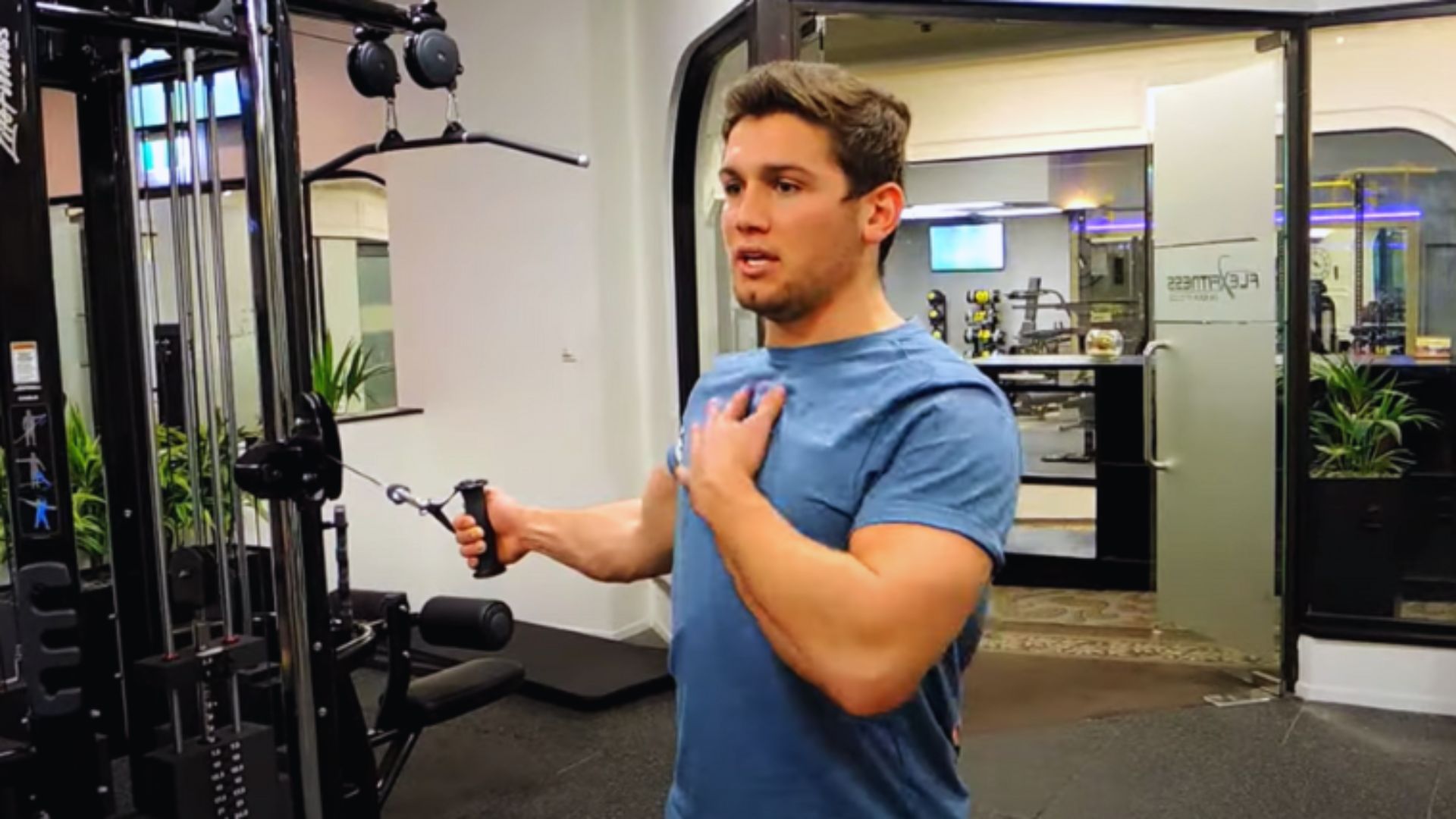
Set the cable at chest height and press one arm straight out in front of you. The cable keeps tension on your chest through the full movement.
This is great because it mimics a natural pressing motion while isolating one side completely. Start with your weaker side first.
Keep your core tight and don’t let your body rotate. Three to four sets of 10 to 12 reps per side works well here.
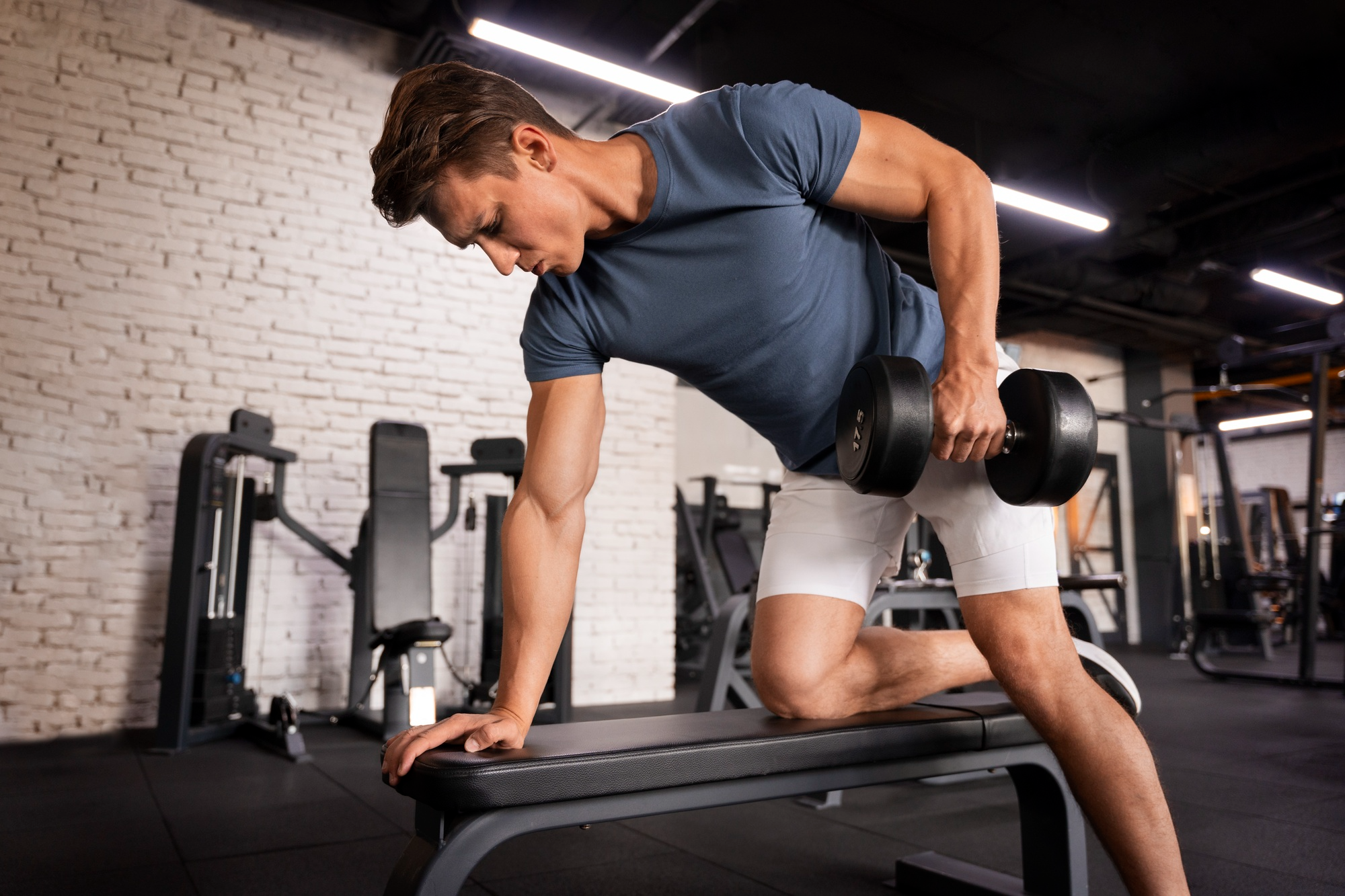
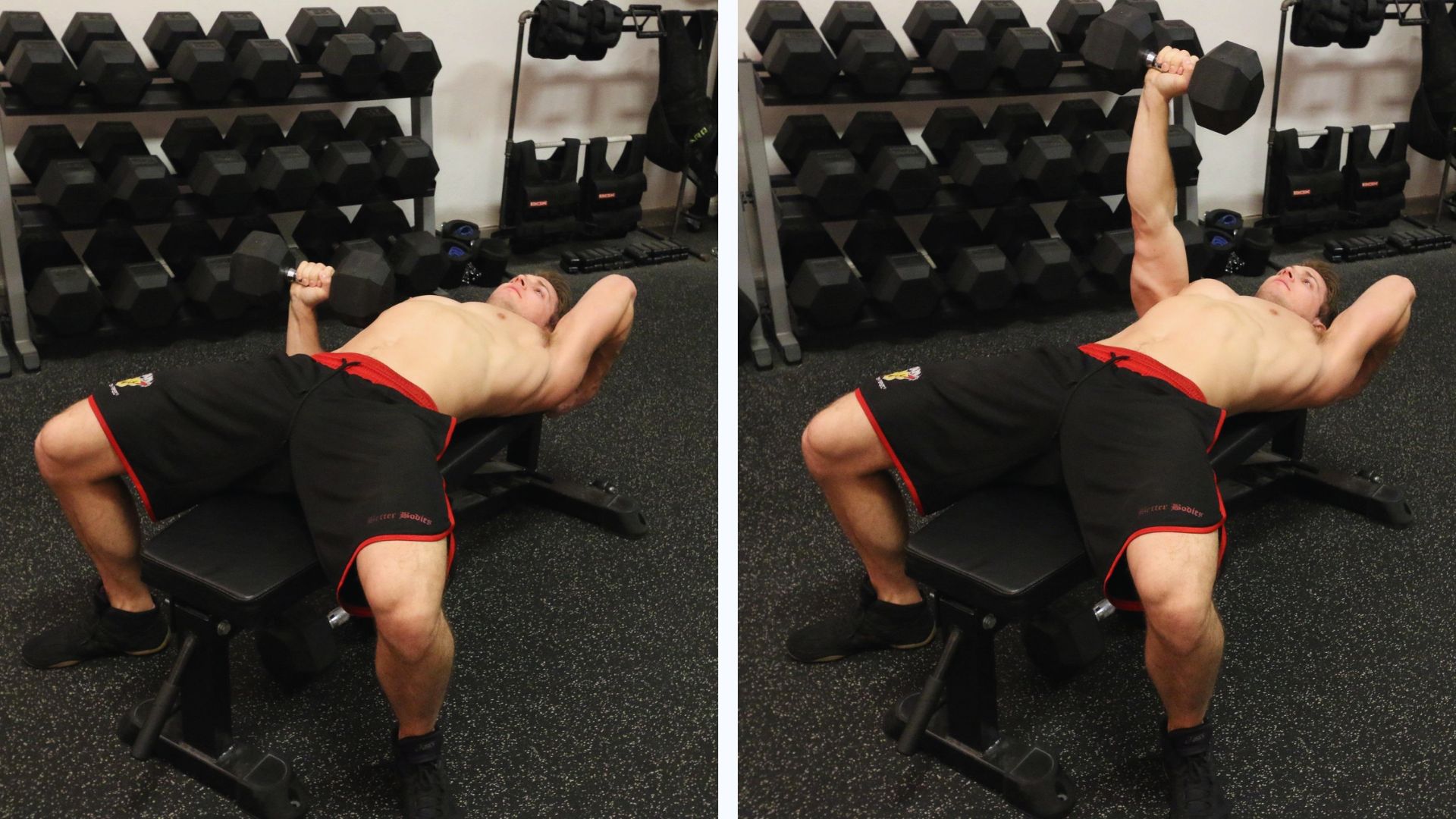
2. Single-Arm Dumbbell Bench Press
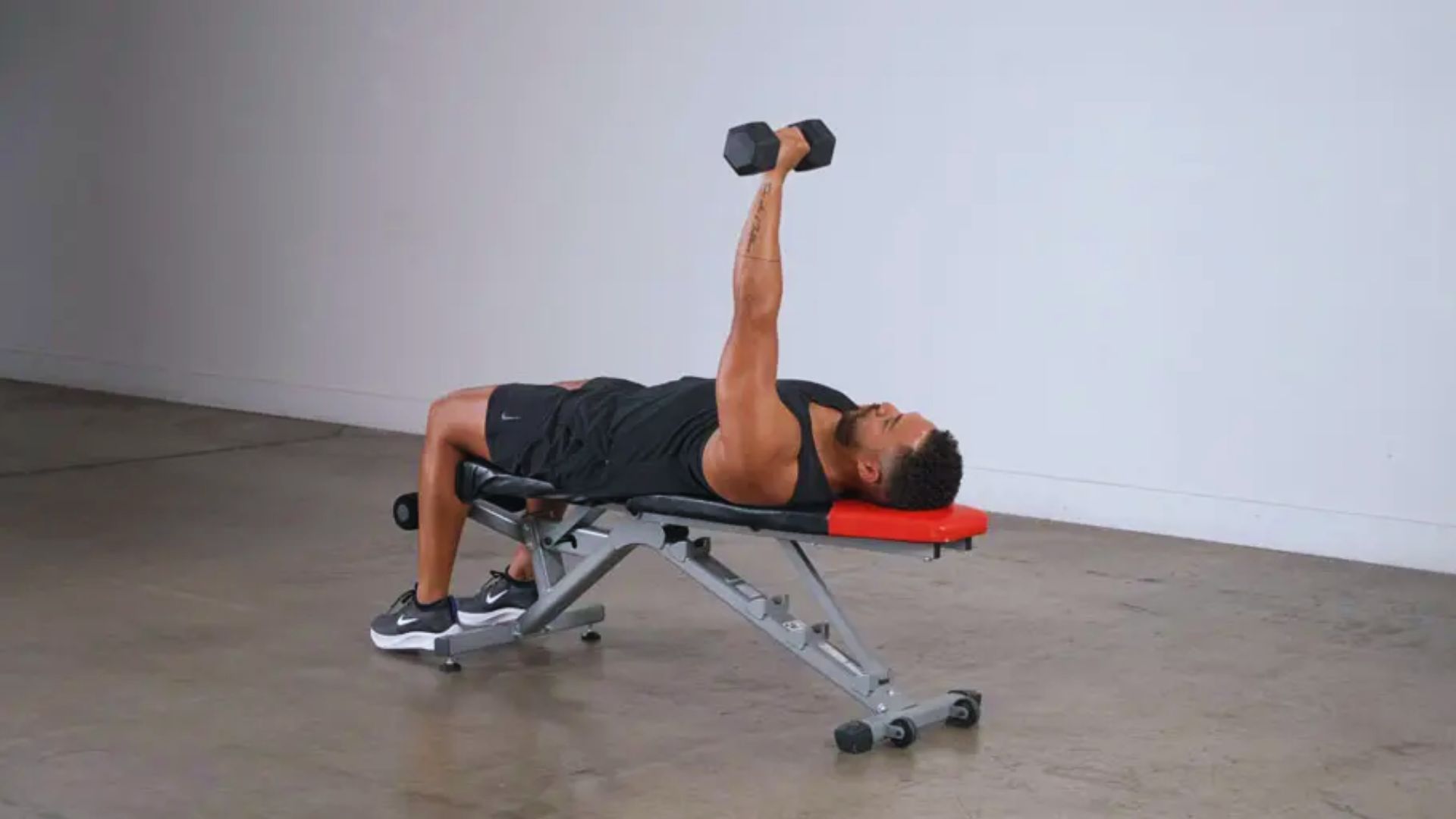
Lie flat on a bench and press one dumbbell at a time. Your body has to work extra hard to stay stable, which activates your core too.
The free weight forces your chest, shoulder, and tricep to coordinate without any help from the other side. Go lighter than you think you need to.
Control the descent. This exercise is simple, effective, and one of the best for fixing a lagging side.
3. Single-Arm Chest Fly
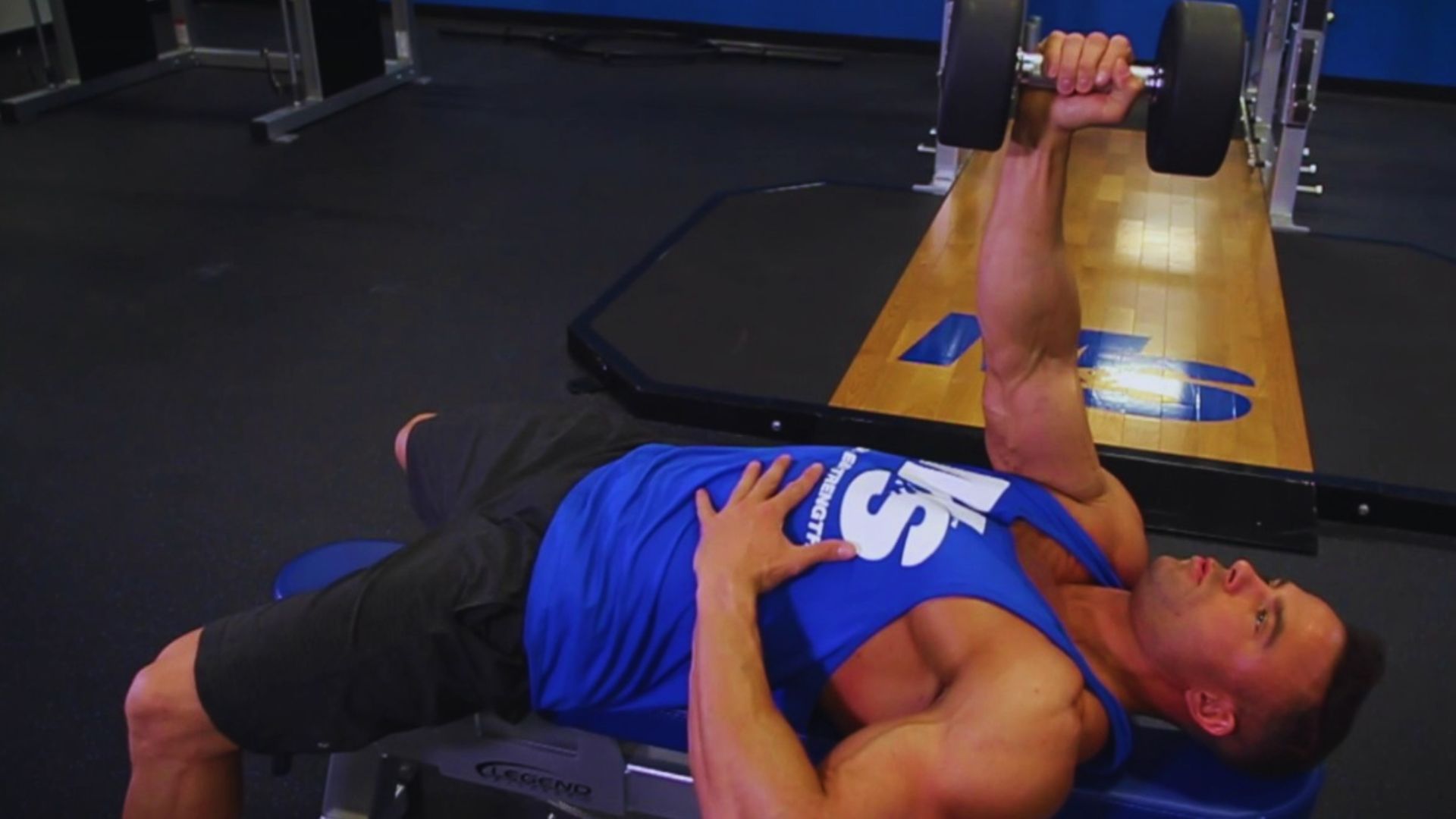
Lie on a flat bench with one dumbbell. Lower your arm out to the side in a wide arc, then bring it back over your chest.
Keep a soft bend in your elbow the whole time. This move stretches the chest muscle fully, which builds both strength and size.
It’s perfect for the weaker side because the isolation is complete. Go slow. Feel every inch of the movement. Two to three sets of 12 reps per side is enough.
4. Single-Arm Machine Chest Press
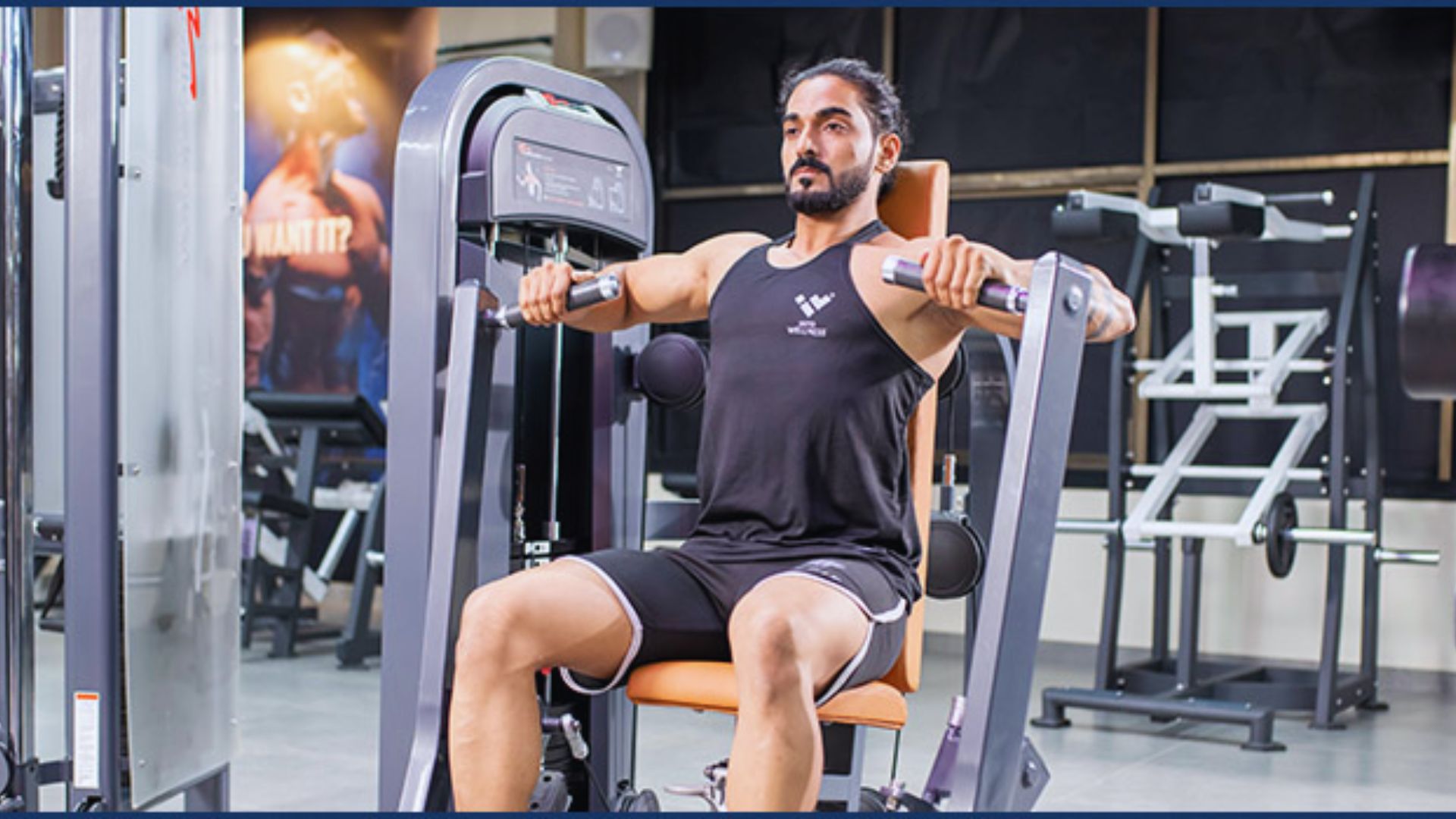
The machine version removes the balance challenge and lets you focus purely on the muscle. Adjust the seat so the handle lines up with your mid-chest.
Press one arm out and bring it back in slowly. Machines are useful when you want to build the lagging side without worrying about form breaking down under fatigue.
They’re also a good starting point if you’re new to unilateral training and still building coordination.
5. Single-Arm Cable Crossover

Set the cable high and pull one arm down and across your body toward the opposite hip. This targets the lower and inner chest.
The crossover motion gives your chest a strong squeeze at the end of each rep. That squeeze is what makes this move effective for fixing imbalances.
It’s not about heavy weight here. Light to moderate resistance with full control is what gets results. Do 12 to 15 reps per side.
6. Alternating Dumbbell Bench Press
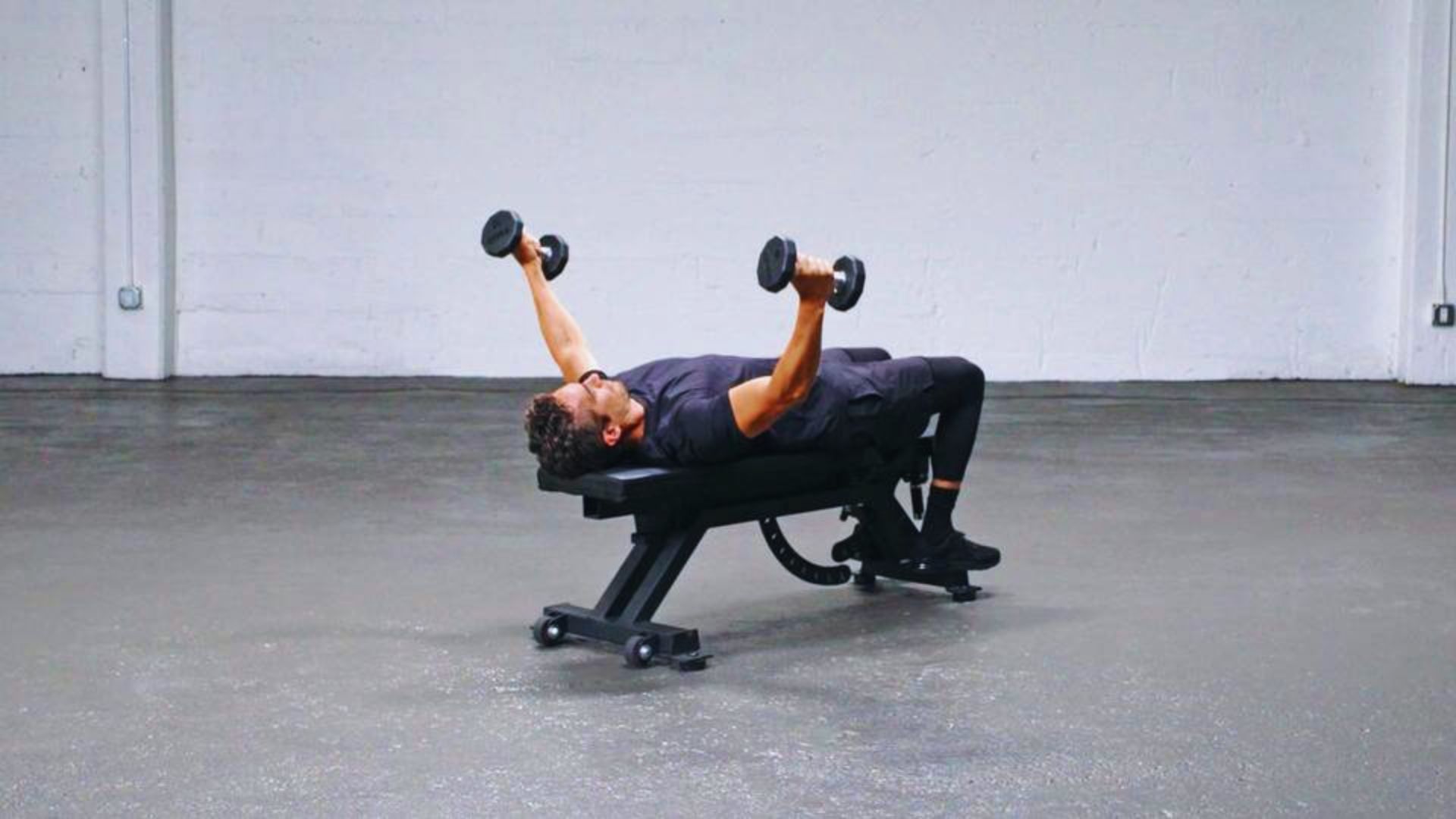
Press both dumbbells up, then lower one at a time while the other stays at the top. This keeps tension on both sides but forces each one to work independently through the lowering phase.
It’s a smart way to add unilateral work into a standard press movement.
The alternating pattern also sharpens your focus since you have to pay attention to each side separately. Use moderate weight and keep reps clean.
7. Single-Arm Incline Dumbbell Press

Set the bench to a 30 to 45 degree angle. Press one dumbbell at a time from shoulder height up toward the ceiling.
The incline targets the upper chest, which is often the part most visibly uneven. Starting with the weaker side means it gets your full energy when you’re fresh.
Keep your back flat on the bench and your feet on the floor. This one builds upper chest thickness fast when done consistently.
8. Single-Arm Low Cable Fly

Set the cable at the lowest point and pull your arm up and across your body in an arc. This targets the upper chest and inner chest.
The low-to-high path puts your chest fibers under tension in a way most exercises don’t. It feels very different from a regular fly, and that’s a good thing.
Keep your arm slightly bent and move slowly. Three sets of 12 per side with a pause at the top gives great results.
9. Single-Arm Pec Deck Fly
Sit at the pec deck machine and use only one arm at a time. Bring the handle across your chest, squeeze, then return slowly.
This is a great finishing move because it fully isolates the pec without shoulder or tricep involvement. It’s controlled, smooth, and easy to feel.
This makes it excellent for building the mind-muscle connection in your weaker side. Add it at the end of your chest workout for two to three focused sets.
How to Fix Uneven Chest Using Unilateral Exercises

The way you apply these exercises matters as much as the exercises themselves. Here’s a simple method that works.
Start With the Weaker Side
Always train your weaker side first. When you’re fresh, your form is better and your focus is sharper. This gives your lagging chest more quality work.
If you start with the stronger side, you end up giving the weaker side leftover energy. That just keeps the gap the same.
A small change like this adds up over weeks and months. Lead with your weak side every single session.
Match Reps on Both Sides
Do the same number of reps on both sides. Don’t add extra reps to the weaker side during a set. Instead, keep the reps equal and let the weaker side catch up naturally through consistent training.
If your strong side can do 12 reps but your weak side can only do 10 clean reps, stop at 10 on both sides.
Quality reps beat quantity every time. Matching reps keeps the approach balanced and safe.
Use Controlled Movements
Slow down. Fast reps let momentum do the work instead of your muscles. Lower the weight in two to three seconds and press it back in one to two seconds.
This tempo keeps your chest under tension longer. That tension is what signals your muscles to grow.
Controlled movement also reduces injury risk. When you’re trying to fix an imbalance, the last thing you need is a setback from rushing reps.
Focus on Mind-Muscle Connection
Think about your chest muscles while you press or fly. Don’t just move the weight from A to B. Feel the chest stretch at the bottom and squeeze at the top.
This mental focus makes each rep more effective. Research backs this up. People who actively think about the muscle they’re training get more activation from the same movement.
For the weaker side especially, this connection is what turns a mediocre set into a productive one.
Additional Strategies to Fix Uneven Chest
Unilateral exercises help the most, but these extra strategies speed up your progress significantly.
Add Extra Volume for the Weak Side
Give your weaker side one or two extra sets per workout. Not extra reps within a set, but full additional sets after you’ve matched both sides.
This small addition increases total work for the lagging chest without overloading your joints. Over time, more volume means more growth.
Be patient. Don’t jump to four extra sets right away. Start with one, track your progress, and adjust from there.
Improve Exercise Form
Bad form is often the root cause of chest imbalances. If one shoulder rolls forward or your elbow flares too wide, one side ends up doing more work.
Record yourself from the front and side. Watch for asymmetries. Small form fixes can have a big impact on how evenly your chest gets trained.
Working with a trainer for even one or two sessions to check your form is worth it if the imbalance is significant.
Use Full Range of Motion
A shortened range of motion leaves muscle fibers untrained. Lower the weight all the way down on presses and flys. Let your chest stretch fully at the bottom.
Press all the way up and squeeze at the top. This full stretch and contraction is what builds complete muscle development.
Partial reps might feel harder in the moment, but they don’t produce the same results. Go through the full range on every rep, every set.
Train Consistently
One good workout won’t fix an uneven chest. Two months of consistent training will. Show up three to four times a week.
Apply the same approach each session. The weaker side needs repeated stimulation over time to grow. Skipping sessions or changing your plan every week slows everything down.
Pick a routine, follow it, and give your body time to respond. Progress happens in weeks, not days. Stay consistent and it will come.
How Long Does It Take to Fix Uneven Chest
This depends on how big the imbalance is and how consistently you train.
For most people, small differences become less noticeable within four to six weeks of focused unilateral training.
More visible imbalances can take three to six months of consistent work. The key is patience. You won’t see change overnight, but you will see it.
Stick with the weaker-side-first approach, keep your form clean, and train at least three times per week.
Progress is steady when the effort is consistent.
Conclusion
Fixing an uneven chest takes time, but it’s very doable. I’ve been through it myself.
Once I started leading with my weaker side and slowing down my reps, the difference came faster than I expected.
You now have the exercises and the plan. Start this week. Pick two or three moves from this list and stay consistent.
Did this help you? Drop a comment below, share it with a gym buddy, or check out our other chest training guides.
Frequently Asked Questions
Can unilateral exercises fix a visibly uneven chest?
Yes, training one side at a time targets the weaker muscle and closes the gap over time.
How often should I do unilateral chest exercises?
Two to three times per week is enough to see steady progress.
Should I use the same weight on both sides?
Use whatever weight lets your weaker side complete clean reps.
Is an uneven chest permanent without surgery?
No, consistent training and good form can fix most imbalances naturally.
Can poor posture cause an uneven chest?
Yes, uneven posture shifts load to one side during pressing, causing imbalance over time.