

Your shoulders take a beating during workouts. I’ve seen too many lifters skip their rotator cuff warm up and end up with injuries that could have been prevented.
This article will show you exactly how to protect your shoulders before you train. You’ll learn the best warm-up exercises using bands, dumbbells, cables, and even no equipment at all.
I’ll cover why warming up matters, which exercises work best, and how to build a routine that keeps you lifting pain-free.
As a trainer for over a decade, I’ve helped hundreds avoid shoulder problems with these exact strategies. We’ll also look at sport-specific warm-ups for bench press and bodybuilding.
Let’s keep your shoulders healthy.
Why You Need a Rotator Cuff Warm Up
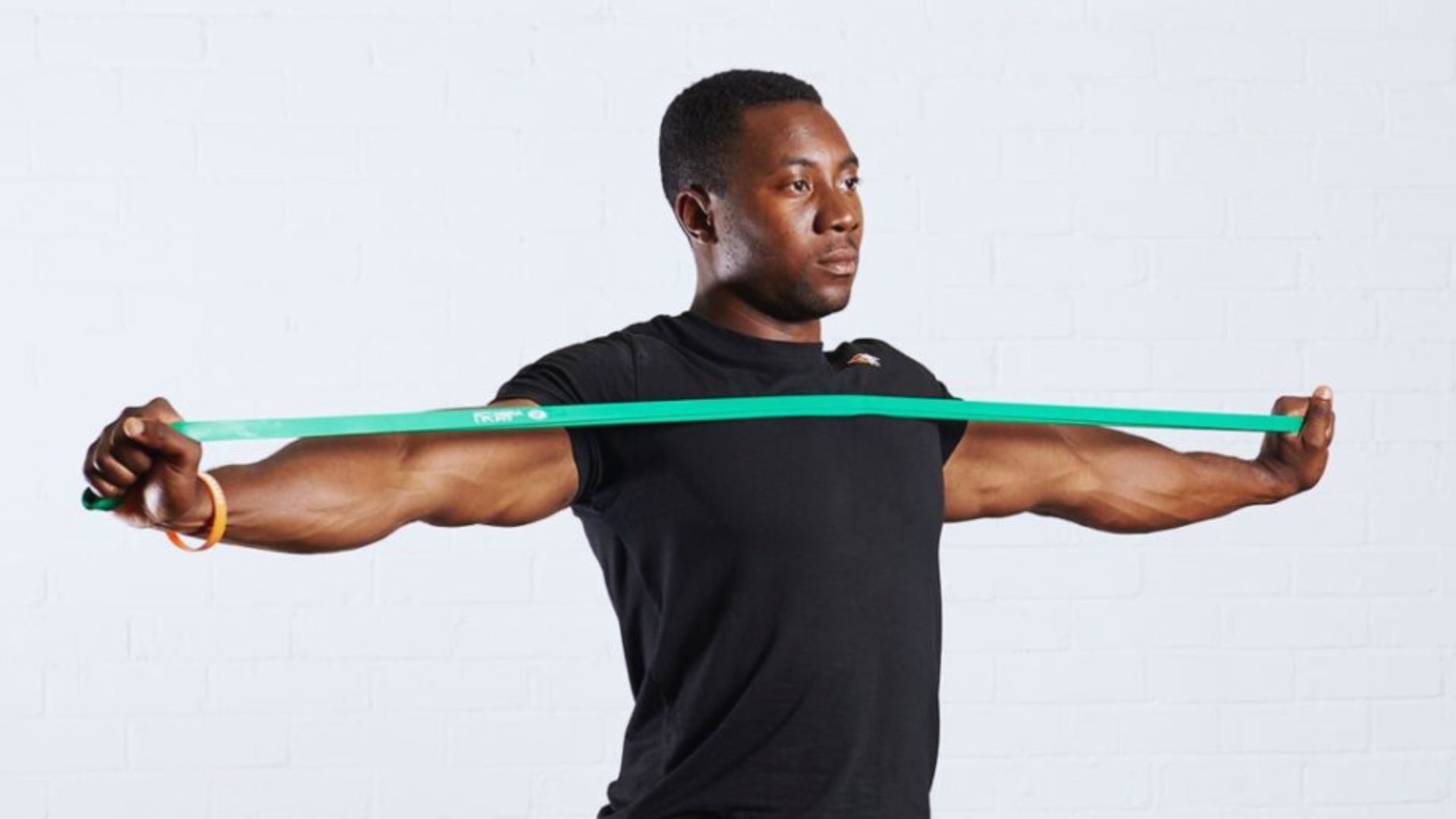
Warming up your rotator cuff muscles prepares your shoulders for heavy work and reduces injury risk significantly. Your rotator cuff consists of four small muscles that stabilize your shoulder joint. When these muscles are cold, they’re vulnerable to tears and strains.
A proper warm-up improves shoulder mobility and range of motion. You’ll move more freely during presses, pulls, and throws. Your stabilizers work better, which means you can lift heavier and perform more efficiently. Sports like baseball, swimming, and tennis demand a lot from your shoulders, making warm-ups critical.
Skipping your warm-up invites serious problems. Rotator cuff tears often require surgery and happen when muscles or tendons rip under stress. Shoulder impingement occurs when tendons get pinched between bones, causing pain and limited movement.
Muscle strains can sideline you for weeks. Athletes face even higher risks from repetitive movements. A consistent warm-up routine prevents all of these issues.
Best Rotator Cuff Warm Up Exercises
These exercises target your rotator cuff muscles directly. Pick what works for your situation and equipment.
Rotator Cuff Warm Up with Bands

Resistance bands are my favorite tool for warming up shoulders. They’re portable, cheap, and highly effective.
External rotations are the foundation move. Stand with a band anchored at elbow height. Hold the band with your elbow bent 90 degrees and tucked to your side. Rotate your forearm outward, keeping your elbow still. Do 15-20 reps per side.
Shoulder abduction works the middle part of your rotator cuff. Stand on the band and lift your arms out to the sides. Stop at shoulder height. Perform 12-15 reps.
Bands provide constant tension throughout each movement. Start with light bands. You’re warming up, not maxing out.
Dumbbell Rotator Cuff Warm Up
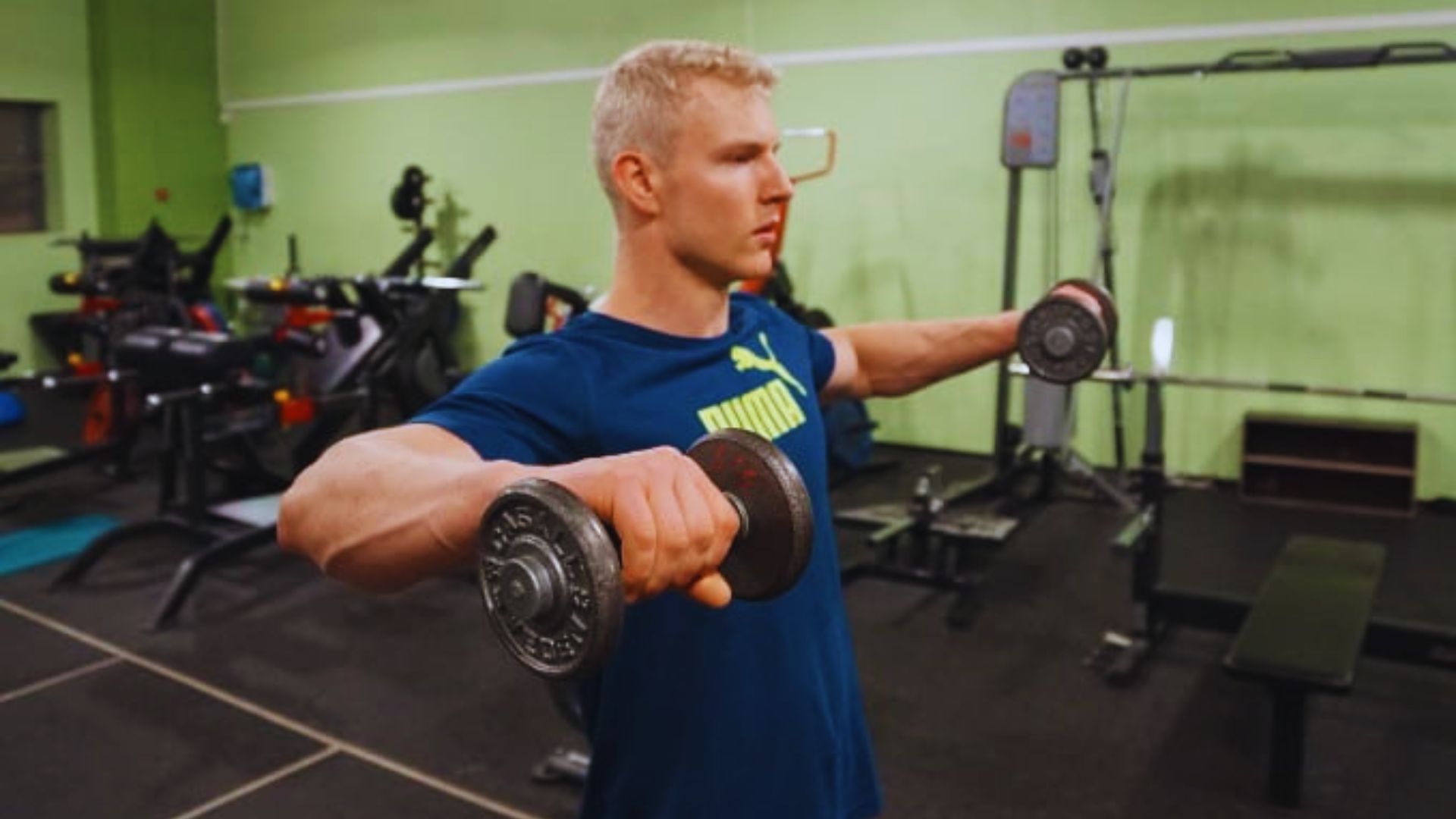
Dumbbells work great when you’re already in the gym. They add variety to your routine.
Side-lying external rotation is highly effective. Lie on your side with your working arm on top. Hold a light dumbbell with your elbow bent 90 degrees. Rotate your forearm upward as far as comfortable. Do 12-15 reps per side.
Use dumbbells that feel almost too light. We’re talking 5-10 pounds for most people. Your rotator cuff muscles are small and don’t need heavy weight to activate.
The key is control. Move slowly and focus on feeling the right muscles work.
Cable Rotator Cuff Warm Up

Cable machines offer smooth, adjustable resistance. They’re perfect for progressive warm-ups.
Cable external rotations mirror the band version but with more control. Set the cable at elbow height. Stand sideways to the machine and rotate outward. Do 15 reps per side.
Cable face pulls warm up your rear deltoids and rotator cuff together. Set the cable high and pull the rope toward your face. Keep your elbows high. Perform 15-20 reps.
Start light for the first set, then add weight gradually. This prepares your shoulders for heavier loads.
Rotator Cuff Warm Up No Equipment
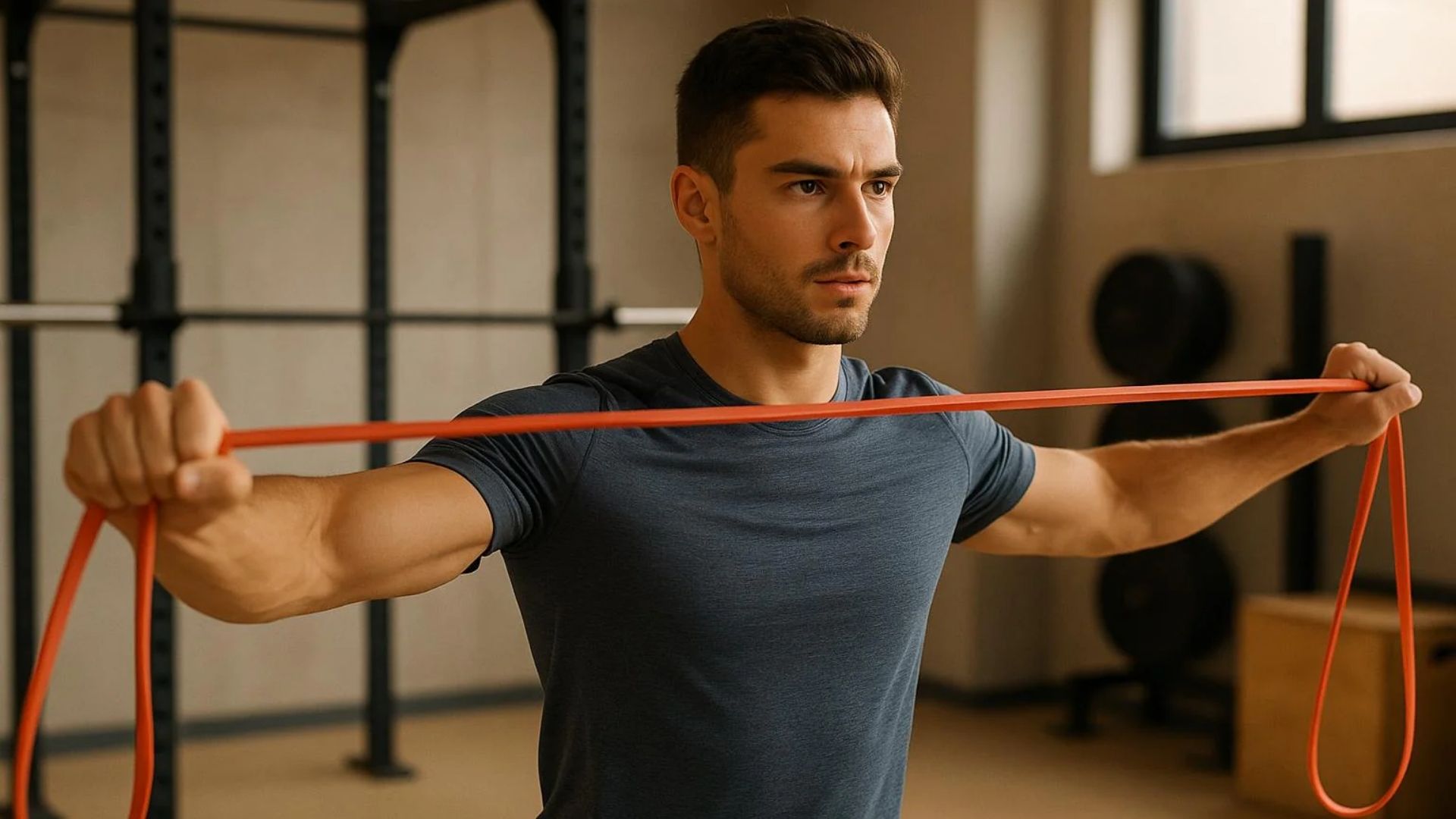
Sometimes you don’t have bands, weights, or cables. No problem.
Arm circles are simple but effective. Extend your arms straight out and make circles. Start small, then gradually increase the size. Do 20 circles forward, then 20 backward.
Shoulder rolls loosen up the entire shoulder girdle. Roll your shoulders backward 10 times, then forward 10 times.
Cross-body swings get blood flowing. Swing one arm across your body, then back out. Do 15 swings per arm.
These exercises work great at home or when traveling. You can also do these before playing sports outdoors.
Sport-Specific Rotator Cuff Warm Up

Different activities stress your shoulders differently. Adjust your warm-up to match.
Rotator Cuff Warm Up Before Bench Press
Bench pressing puts serious demands on your shoulder stabilizers. Prepare them properly.
Band pull-aparts are my go-to before pressing. Hold a band with both hands at chest height. Pull it apart by moving your hands outward. Squeeze your shoulder blades together. Do 15-20 reps.
External rotations activate the stabilizers that protect your shoulder during the press. Do 2 sets of 15 reps per side with a band.
I never bench press without these exercises first. They take five minutes and save you from months of pain. Your pressing strength will also improve when your stabilizers are ready.
Rotator Cuff Warm Up for Bodybuilding & Strength Training
Heavy training requires thorough preparation. Take your warm-ups seriously.
Dumbbell external rotations with 5-10 pounds work well before shoulder or chest day. Do 2-3 sets of 12-15 reps per side.
Band exercises complement the dumbbells. Combine external rotations and pull-aparts for complete coverage.
For bodybuilders, shoulder health directly impacts training volume. Healthy shoulders mean more sets and more growth.
Don’t rush this process. Ten minutes now prevents weeks of missed training later.
How to Structure Your Rotator Cuff Warm Up Routine
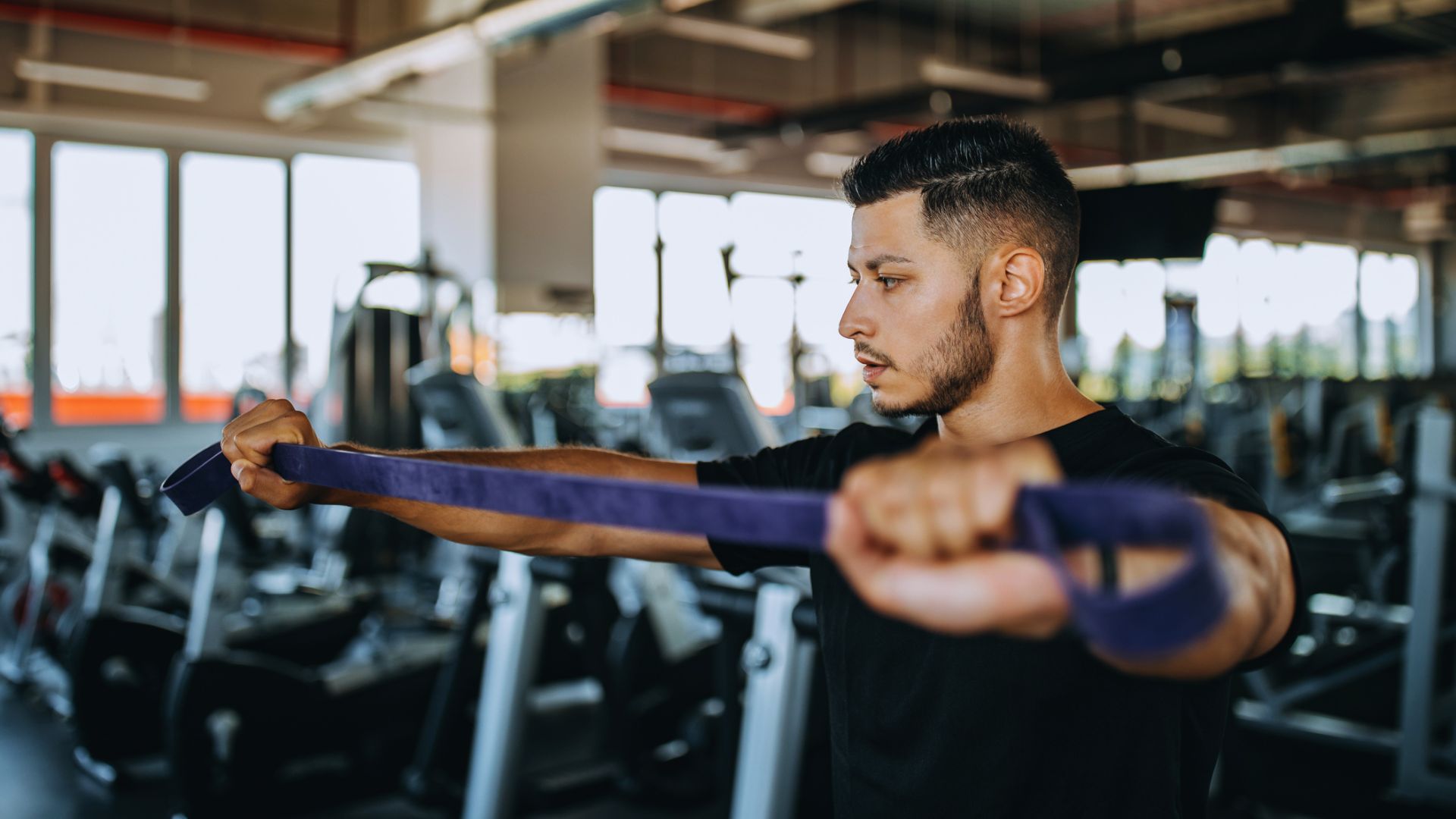
Warm up before every upper body workout. If you train full body, do rotator cuff work 2-3 times per week minimum. Your shoulders are involved in most exercises, so keep them ready.
Combine different exercises for complete coverage. Pick one band exercise, one dumbbell movement, and one bodyweight drill. This variety hits different angles and movement patterns. Your warm-up should take 5-10 minutes total. You want to activate your muscles, not fatigue them.
Start with light resistance and progress slowly. After a few weeks, move up slightly in weight or band tension. Listen to your body and avoid overuse. If your shoulders feel sore from warm-ups alone, scale back the volume. Rest 30 seconds between warm-up sets.
Tips for Shoulder Health & Injury Prevention
Keeping your shoulders healthy long-term requires attention beyond just warming up before workouts.
- Fix your posture. Sit up straight and pull your shoulder blades back throughout the day to reduce rotator cuff stress.
- Stretch regularly. Doorway pec stretches and sleeper stretches improve flexibility. Hold for 30 seconds per side.
- Add mobility work. Use bands or broomsticks for shoulder dislocations and wall slides to improve range of motion.
- Strengthen your shoulder blades. Rows, face pulls, and Y-raises build scapular stability for healthier rotator cuffs.
- Get help when needed. See a physical therapist if pain lasts more than two weeks or you feel sharp pains and weakness.
Conclusion
I’ve dealt with shoulder issues myself from years of heavy lifting. Taking 5-10 minutes for a rotator cuff warm up completely changed my training.
My shoulders feel better, I lift heavier, and I haven’t had any injuries in years. You can have the same results. Start using these exercises before your next workout. Your future self will thank you for protecting these hardworking joints.
Drop a comment below and tell me which warm-up exercise you’ll try first. For more shoulder health tips, check out my other articles on proper pressing technique.
Frequently Asked Questions
How long should a rotator cuff warm up take?
Your warm-up should take 5-10 minutes before training. This gives you enough time to activate the muscles without causing fatigue. Quality matters more than duration.
Can I warm up my rotator cuff without equipment?
Yes, arm circles, shoulder rolls, and cross-body swings all work without equipment. These exercises are perfect for home workouts or when traveling. They get blood flowing and activate the muscles.
Should I warm up my rotator cuff every workout?
Warm up before every upper body workout at minimum. If you train full body or do sports that use your shoulders, do rotator cuff exercises 2-3 times per week. Consistency prevents injuries.
What weight should I use for rotator cuff warm-ups?
Use very light weights, typically 5-10 pounds for dumbbells. Resistance bands should provide light tension. You’re activating muscles, not building strength. If you feel strain, go lighter.
How do I know if my rotator cuff warm up is working?
Your shoulders should feel warm and ready to move. You’ll notice better range of motion and no pain during your workout. If you experience less soreness after training, your warm-up is effective.