I have been doing pull-ups for years, and the overhand grip changed everything for my back.
Most people skip it because it feels harder. But that difficulty is exactly why it works so well.
Overhand pull-ups build your lats, upper back, biceps, forearms, and core all in one move. No machine needed. Just a bar and your bodyweight.
In this blog, I am breaking down the muscles worked, the real benefits, and how overhand pull-ups compare to underhand.
By the end, you will know exactly which grip fits your goals.
What Are Overhand Pull-Ups?
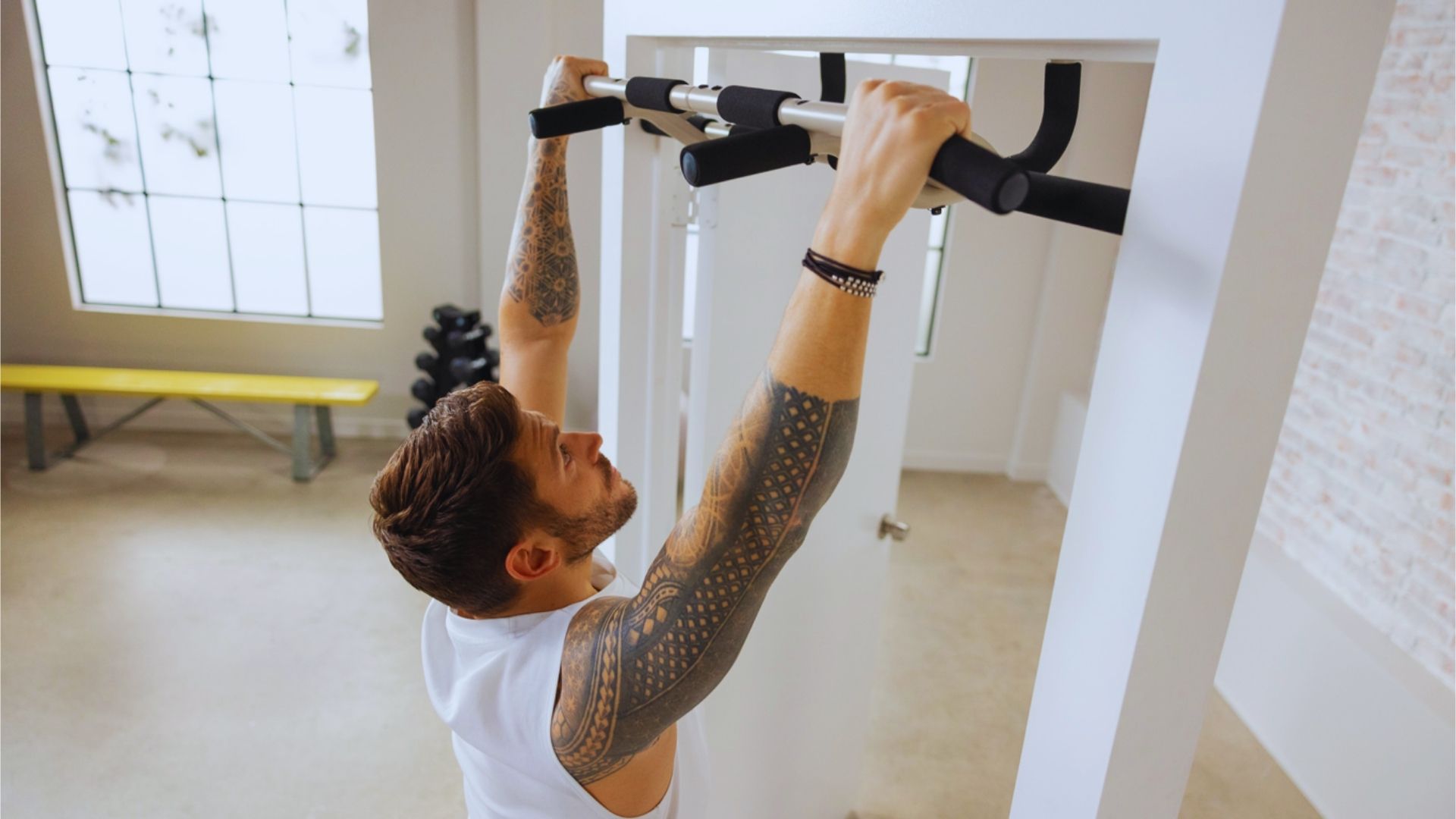
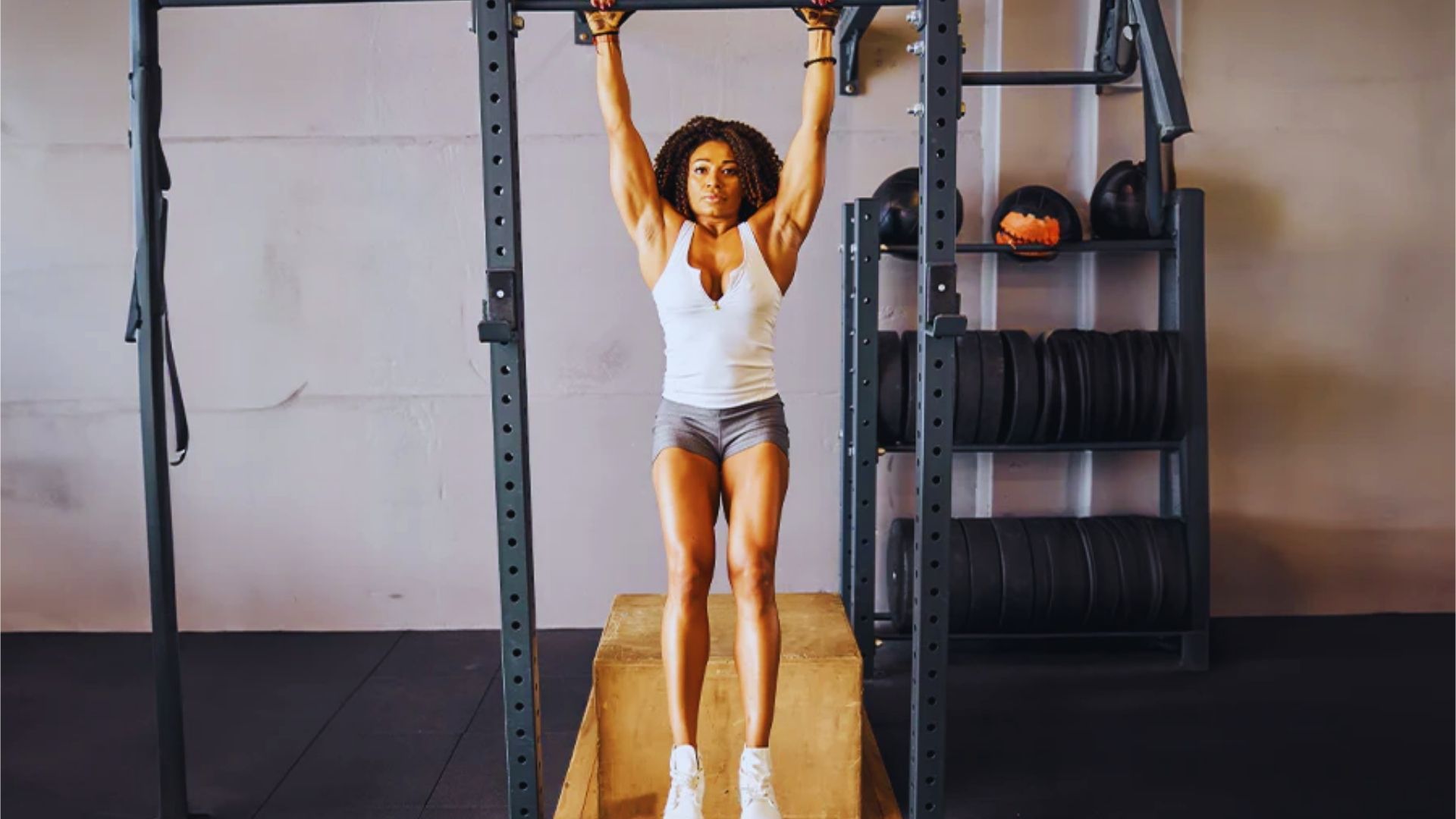
Overhand pull-ups use a pronated grip, meaning your palms face away from you. You grab the bar slightly wider than shoulder-width, hang fully, then pull your chest up toward the bar.
That’s one rep.
The big difference between pull-ups and chin-ups is the grip. Pull-ups use an overhand grip.
Chin-ups use an underhand grip, palms facing you. That small change shifts the muscle focus quite a bit.
Overhand Pull-Ups vs Underhand Pull-Ups

Same bar. Two grips. Very different results. Here is how overhand and underhand pull-ups differ in muscles, difficulty, and focus.
| Feature | Overhand Pull-Ups | Underhand Pull-Ups (Chin-Ups) |
|---|---|---|
|
Grip Type |
Pronated (palms away) |
Supinated (palms toward you) |
|
Primary Muscles |
Lats, rhomboids, rear delts |
Biceps, lower lats |
|
Secondary Muscles |
Biceps, core, traps |
Core, traps, chest |
|
Main Focus |
Back |
Arms |
|
Difficulty |
Harder |
Easier |
|
Why Harder? |
Less bicep involvement, more lat-dependent |
Biceps assist more, making the pull easier |
|
Best For |
Building a wide, strong back |
Building bigger biceps and arm strength |
|
Grip Width |
Slightly wider than shoulders |
Shoulder-width or narrower |
What Muscles Do Overhand Pull-Ups Work?
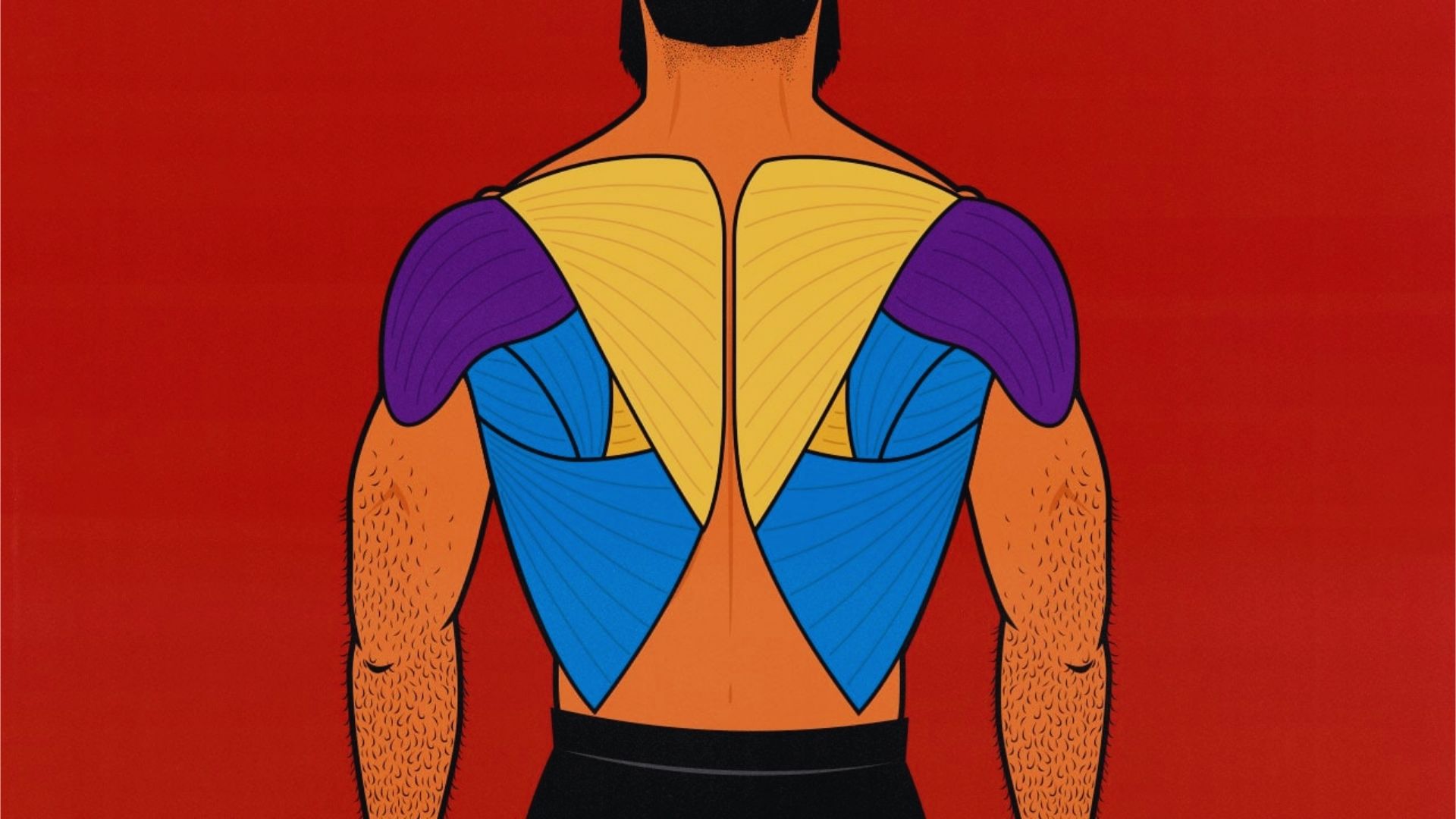
Overhand pull-ups hit more muscles than most people realize, from your lats and upper back to your biceps, forearms, and core.
Lats (Latissimus Dorsi)
The lats are the main muscles doing the work here. They run down both sides of your back and are what give you that wide, V-shaped look. Every time you pull yourself up, your lats are firing hard.
Upper Back: Traps and Rhomboids
Your traps and rhomboids kick in to pull your shoulder blades together as you rise. This builds thickness in your upper back and improves your overall posture over time.
Secondary Muscles: Biceps and Forearms
Your biceps help with the pulling motion, though they play a supporting role here. Your forearms work the whole time just to keep your grip on the bar. Over time, this adds real grip strength.
Core Engagement and Stability
Your core tightens up automatically during every rep to stop your body from swinging. This keeps the movement controlled and makes your abs and lower back work without any extra effort.
Benefits of Overhand Pull-Ups
- Overhand pull-ups are one of the best moves for building a wider back. Over time, they give you that V-taper look by targeting your lats directly.
- They build serious upper body strength without any equipment. Your back, arms, and shoulders all get stronger with every rep.
- Regular pull-ups help fix rounded shoulders and poor posture. Stronger back muscles naturally pull your shoulders into a better position.
- Your shoulder joints get more stable the more you train this movement. This reduces the risk of injury during other lifts and daily activities.
- The strength you build here carries over into real life. Pulling, lifting, and climbing all become easier when your back and arms are strong.
Are Overhand Pull-Ups Better Than Underhand?
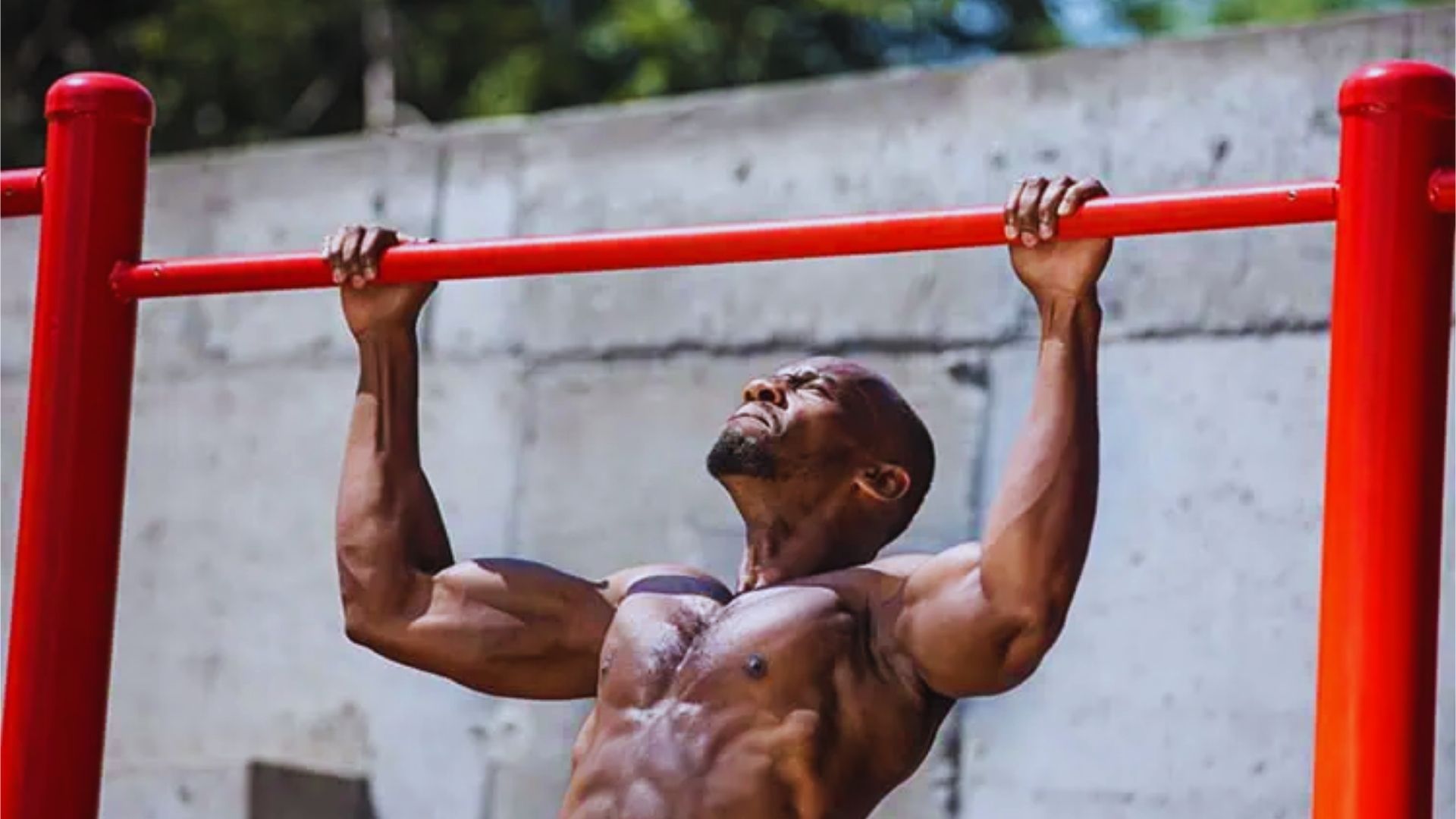
For back growth, overhand wins. For bigger arms, underhand is better. Neither is superior overall. They just serve different goals.
Beginners often find underhand pull-ups easier to start with. Once you build some pulling strength, adding overhand pull-ups makes a lot of sense.
Prioritize overhand when your goal is a wider, stronger back. Use both variations together for balanced upper body development. Skipping one means leaving real gains on the table.
How to Do Overhand Pull-Ups Correctly
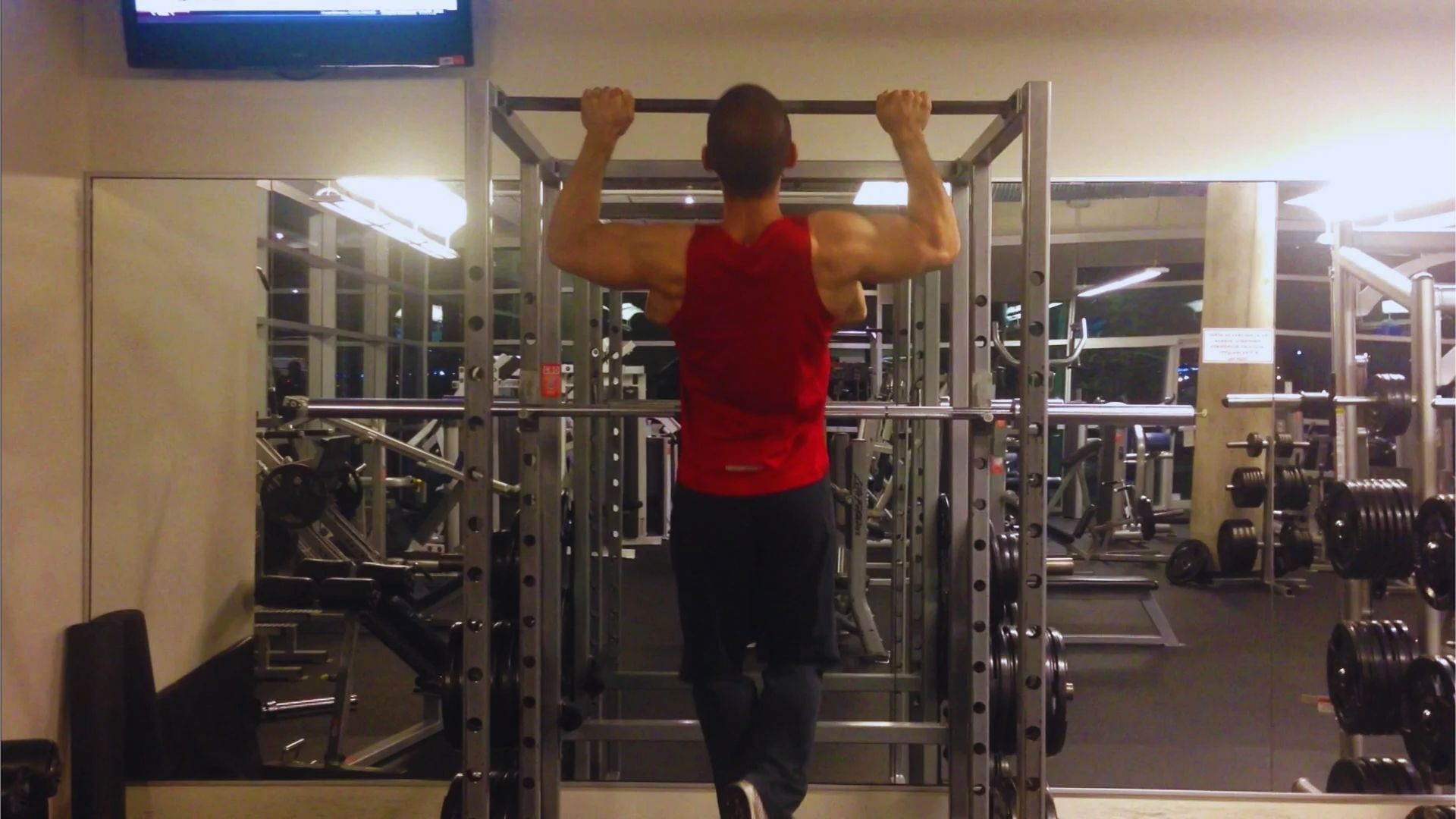
Good form makes every rep count. Here is exactly how to do overhand pull-ups the right way.
Step-by-Step Proper Form
Grab the bar with your palms facing away. Hands should be just outside shoulder-width. Hang fully with arms straight. Pull your chest toward the bar by driving your elbows down. Pause briefly at the top, then lower yourself slowly back down. That is one clean rep.
Ideal Grip Width and Hand Placement
Go slightly wider than shoulder-width. Too narrow shifts the work to your arms. Too wide limits your range of motion. Keep your wrists straight and your grip firm throughout every rep.
Breathing Technique
Breathe in at the bottom before you pull. Breathe out as you pull yourself up. Never hold your breath through the whole rep. Good breathing keeps you steady and gives you more control over the movement.
Common Form Mistakes to Avoid
- Do not shrug your shoulders. Keep them pulled down and back the whole time.
- No swinging. Every rep should be controlled and muscle-driven.
- Do not rush the lowering phase. Slow reps build more strength.
- Always go full range of motion. Partial reps limit your results.
- Do not hold your breath. Breathe out on the way up, breathe in on the way down..
Should You Do Both Overhand and Underhand Pull-Ups?
Yes, doing both is the smart move. Each grip hits your muscles differently. Mixing them gives you a stronger, more balanced upper body overall.
Sticking to just one grip for too long can create muscle imbalances. Overhand builds your back. Underhand builds your arms. You need both to grow evenly.
A simple weekly plan: do overhand pull-ups on back day and underhand on arm day. Two to three sets of each, twice a week, works well for most people.
Tips to Maximize Results from Overhand Pull-Ups
- Focus on feeling your lats pull you up, not just your arms. That mind-muscle connection makes every rep more effective.
- Do not train pull-ups in isolation. Pair them with rows and lat pulldowns for a stronger, fuller back.
- Add reps or weight over time. Progressive overload is what keeps your muscles growing past the beginner stage.
- Rest matters as much as training. Give your back at least 48 hours to recover before hitting pull-ups again.
- Stay consistent above everything else. Three solid sessions a week over months will get you further than any short-term push.
Conclusion
Overhand pull-ups are hands down one of the best moves for building a strong, wide back.
If your goal is back growth, make them a regular part of your routine. If you want bigger arms too, add underhand pull-ups alongside them.
Both grips together give you the most balanced upper body results.
Start with what you can do today and build from there. Your back will thank you later. Try overhand pull-ups this week and see the difference for yourself.
Frequently Asked Questions
What muscles do overhand pull-ups work?
Overhand pull-ups mainly target your lats and upper back. Your biceps, forearms, and core also work hard to support every rep.
Are overhand pull-ups harder than chin-ups?
Yes, overhand pull-ups are generally harder. Your biceps assist less in this grip, so your back muscles have to do more of the work.
How many overhand pull-ups should a beginner do?
Start with 2 to 3 sets of 3 to 5 reps. Focus on good form first and add more reps gradually as you get stronger.
Can overhand pull-ups build a V-taper physique?
Yes, they are one of the most effective moves for that. Consistently training your lats with this grip widens your back over time.
How often should I do overhand pull-ups in a week?
Two to three times a week is enough for most people. Make sure you give your muscles at least 48 hours to recover between sessions.