

If you’ve been dealing with a weak lower back or want to build real muscle there, lower back cable exercises are worth your time.
I’ve tried many approaches, and cable machines gave me the most consistent results.
In this article, I’ll cover 13 effective exercises, workout plans, common mistakes, and growth tips all in simple steps.
You’ll get clear, practical advice you can use right away. No fluff, no complicated steps. Just what works. I’ve been training for years, and this guide is built on real experience.
Why Choose Cable Machines for Lower Back Workouts
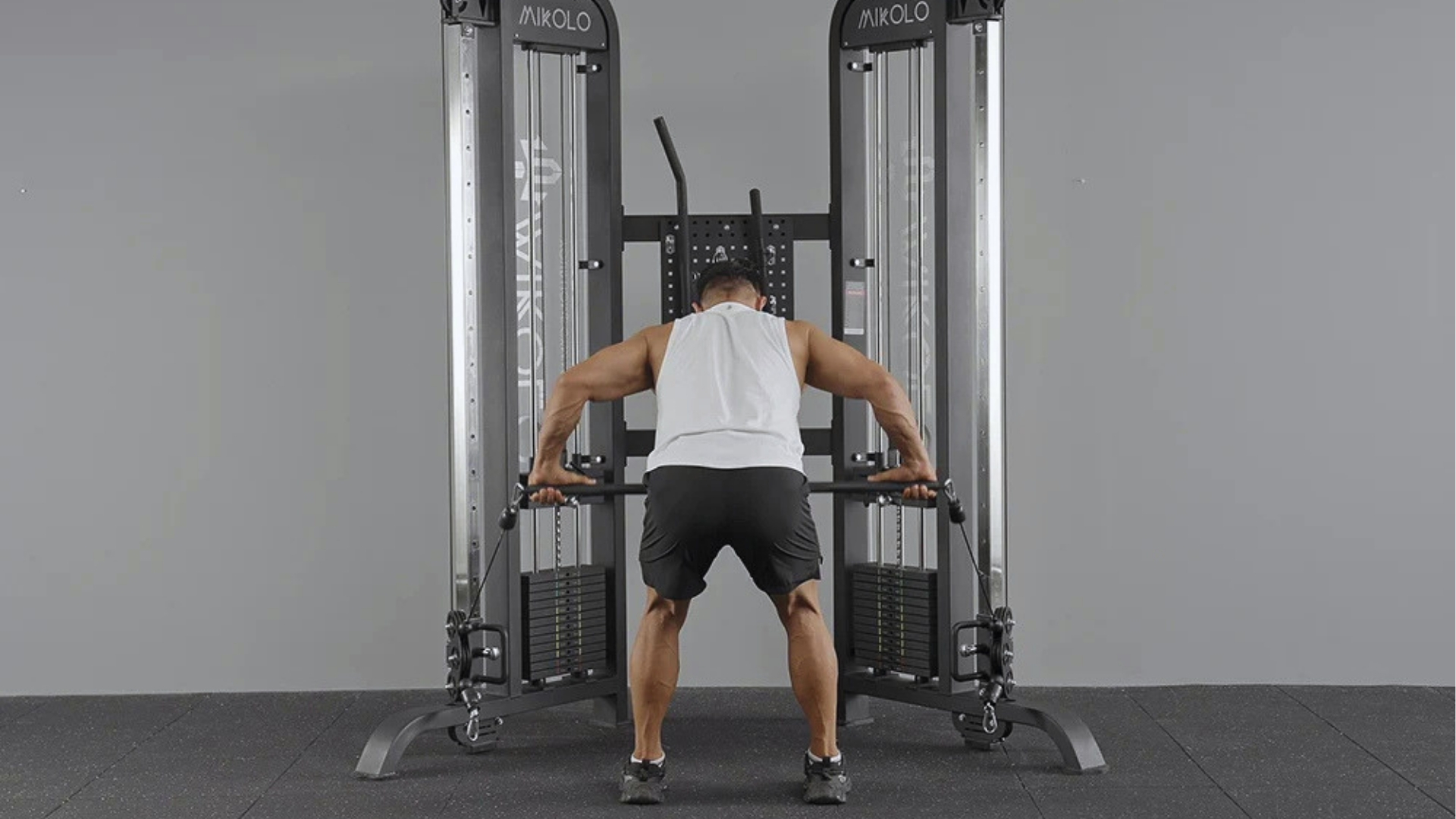
Cable machines offer a smarter, safer way to train your lower back with consistent resistance throughout every movement.
Unlike free weights, cables keep tension on your muscles through the full range of motion, which leads to better activation and faster growth.
You can start light and increase weight gradually, making them great for all fitness levels. They also force your core to stabilize during every rep, building functional strength you’ll use daily.
And compared to heavy barbell lifts, cables put far less pressure on your spine. You still train hard, but with much better control and a lower injury risk.
Best Lower Back Cable Exercises for Muscle Growth
These 13 exercises target your lower back directly or support it through hip and glute movements.
1. Cable Pull-Throughs
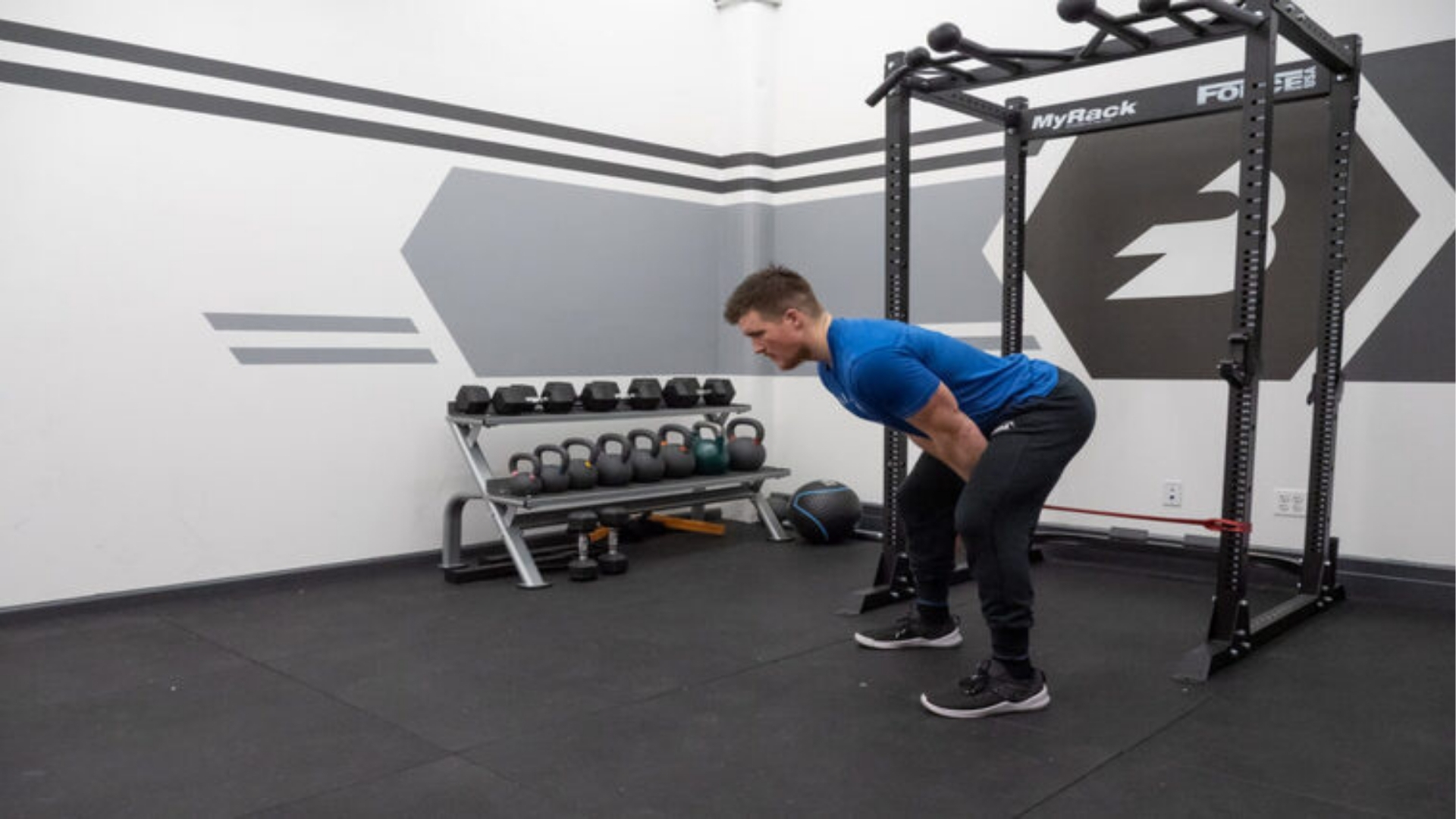
Stand facing away from the cable machine. Pull the rope attachment between your legs using a hip hinge.
This works your glutes, hamstrings, and lower back together. Keep your back flat throughout.
Sets: 3 | Reps: 12-15 | Rest: 60 sec
2. Cable Deadlifts
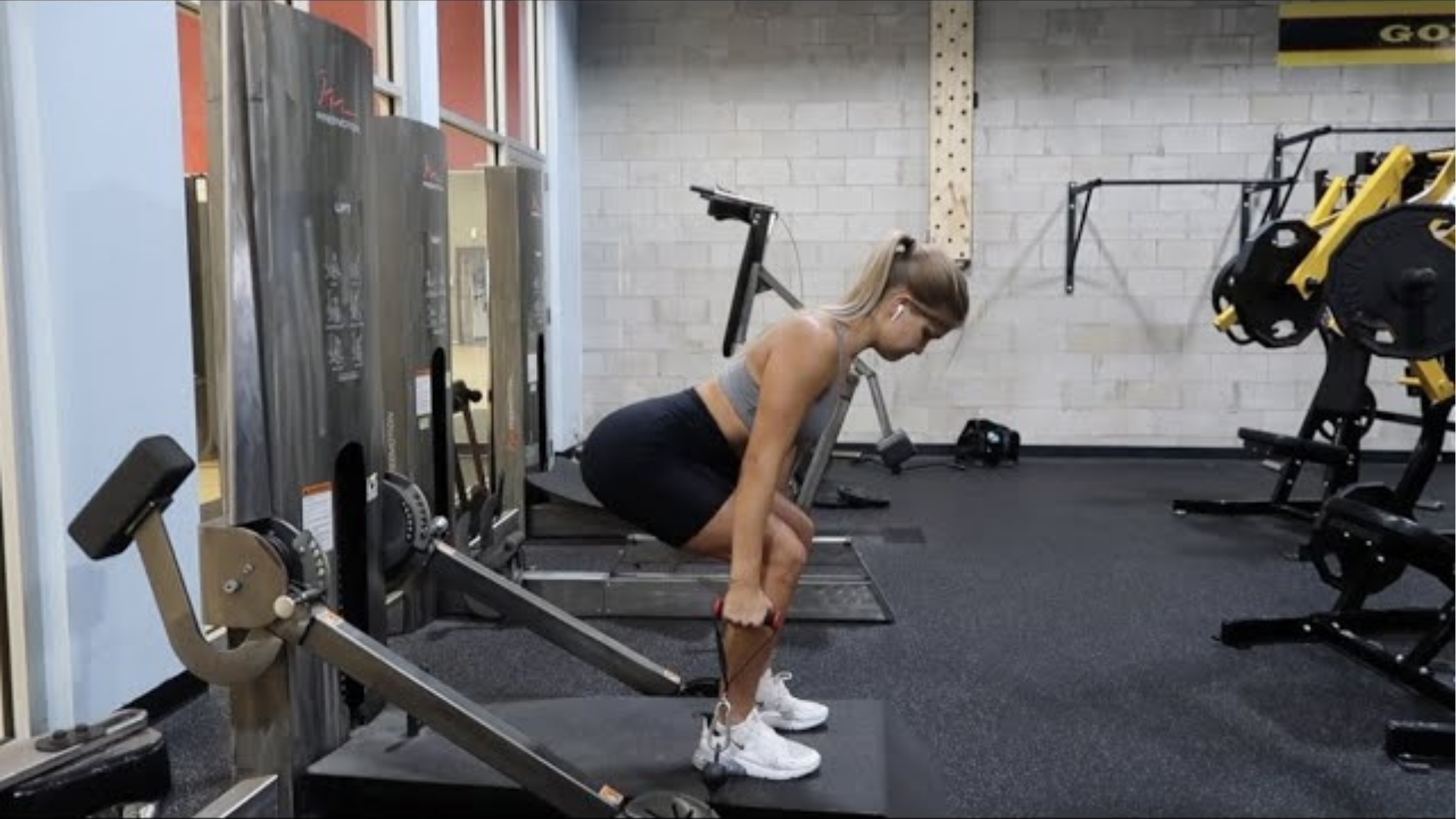
Set the cable at the lowest point. Use a straight bar and hinge at your hips like a regular deadlift. Cables add constant resistance that challenges your lower back more than you’d expect.
Sets: 3-4 | Reps: 10-12 | Rest: 75 sec
3. Cable Reverse Hyperextensions
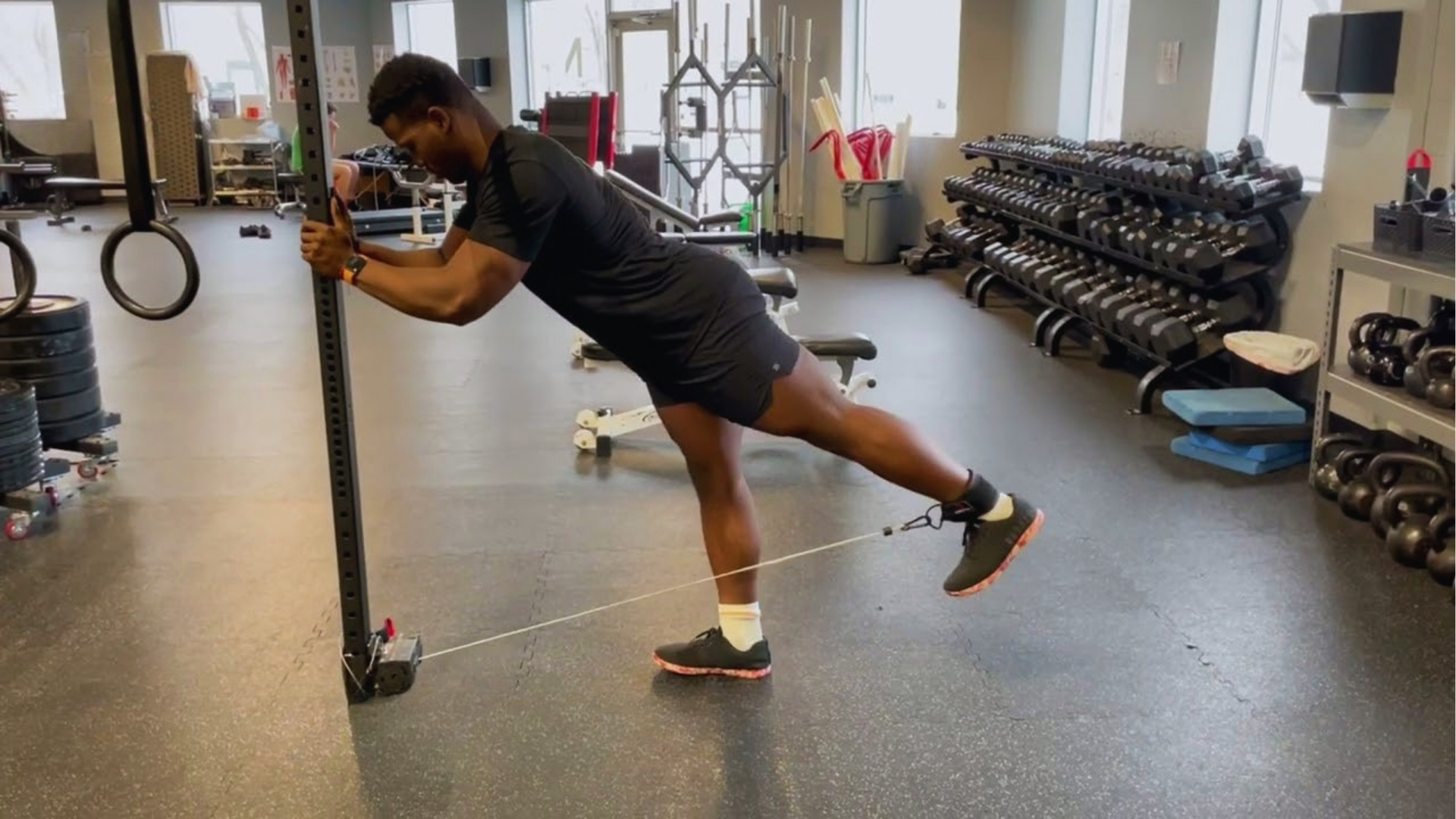
Attach an ankle strap and lie face down on a bench. Lift your legs backward against the cable resistance. This directly targets the lower back and glutes with minimal spinal compression.
Sets: 3 | Reps: 12-15 | Rest: 60 sec
4. Cable Woodchoppers
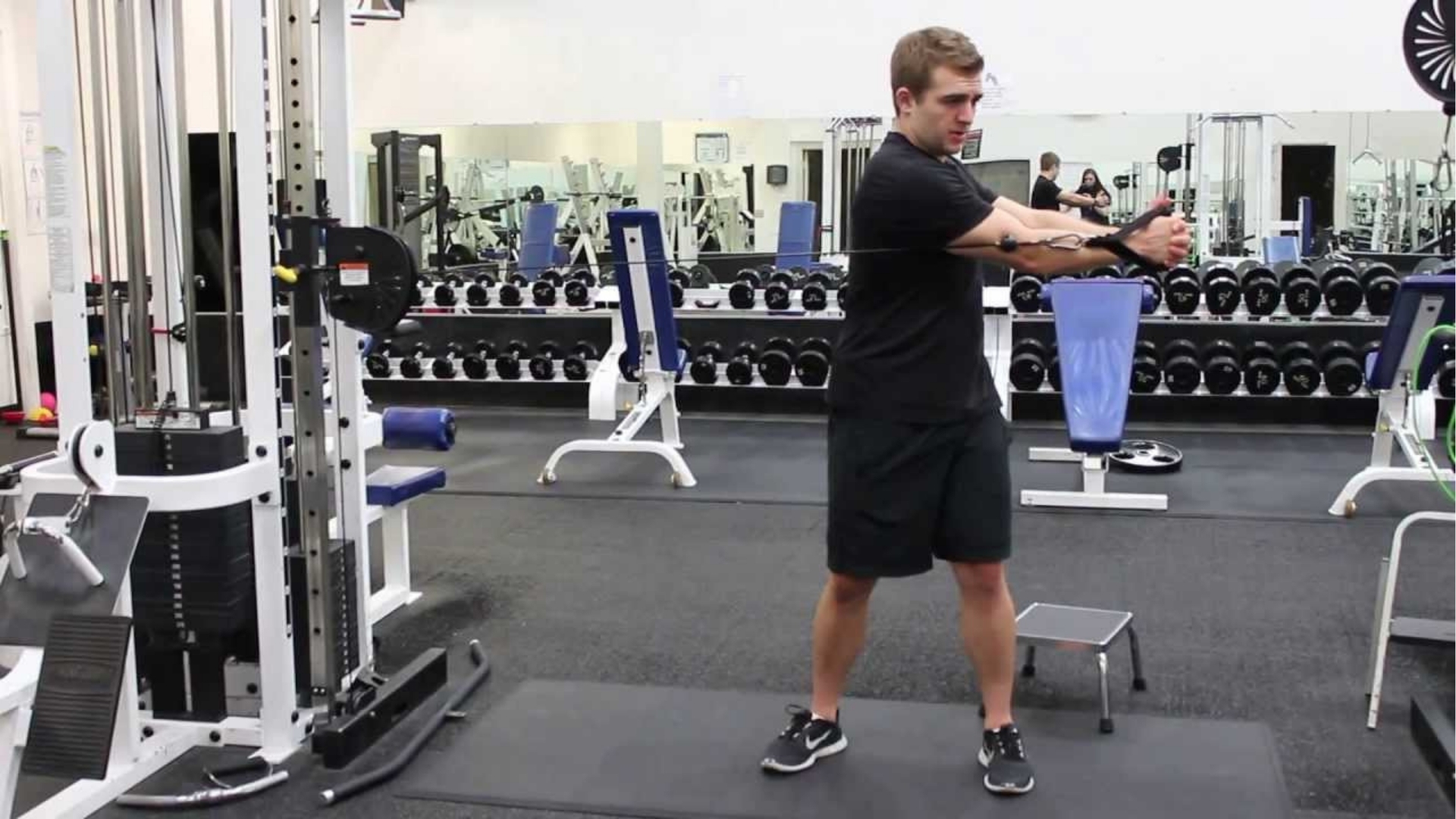
Set the cable high. Pull it diagonally across your body in a chopping motion. This builds rotational strength in your core and supports lower back stability through all planes of movement.
Sets: 3 | Reps: 12 each side | Rest: 60 sec
5. Cable Back Extensions

Use a rope or strap attached at a low cable. Hold the rope at your chest and bend forward slowly, then extend back. This isolates your spinal erectors very well.
Sets: 3 | Reps: 12-15 | Rest: 60 sec
6. Cable Romanian Deadlifts
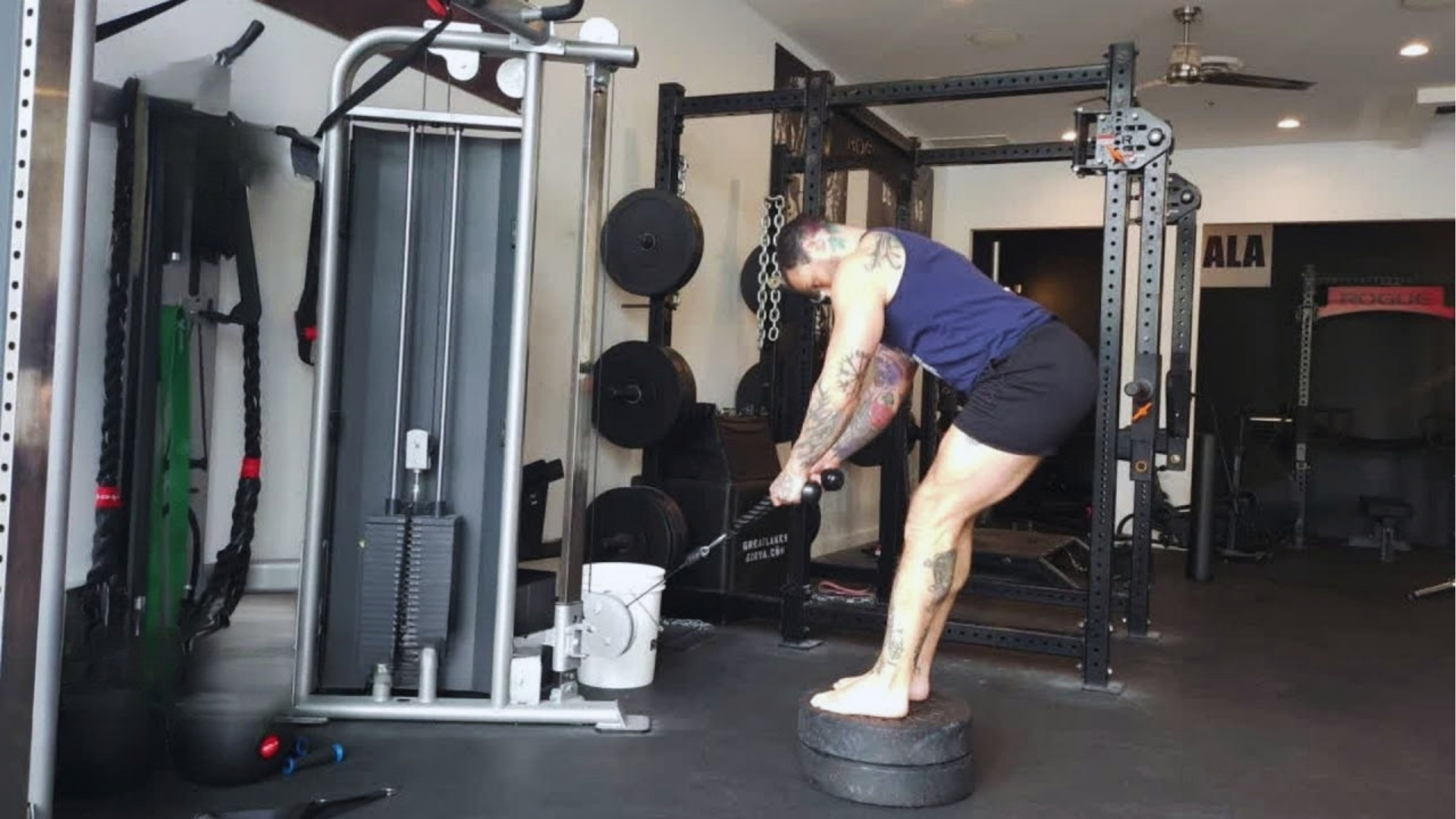
Stand upright, hold the bar with a slight bend in your knees, and hinge forward slowly. Keep your back straight. You’ll feel a deep stretch in your hamstrings and strong engagement in your lower back.
Sets: 3-4 | Reps: 10-12 | Rest: 75 sec
7. Single-Leg Cable Deadlifts

Balance on one leg and hinge forward while reaching toward the floor. This trains balance, hip stability, and lower back strength all at once. Go light and focus on control.
Sets: 3 | Reps: 10 each leg | Rest: 60 sec
8. Cable Good Mornings
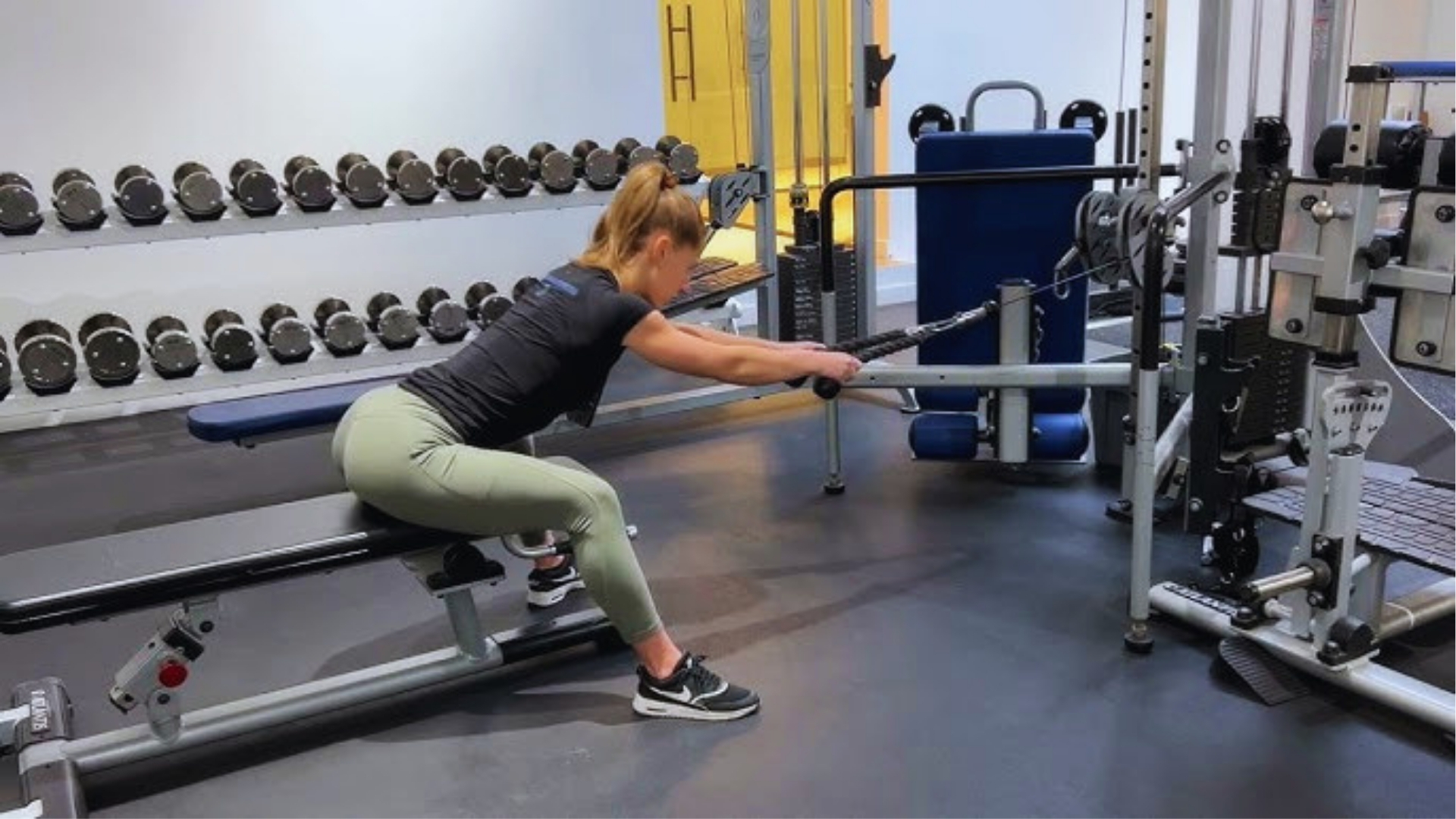
Attach the rope at a low pulley and hold it at your chest. Hinge forward at the hips with a straight back. This builds your erector spinae without loading your spine heavily.
Sets: 3 | Reps: 12-15 | Rest: 60 sec
9. Kneeling Cable Crunch (Lower Back Stability)

Kneel in front of the cable machine. Use a rope attachment and crunch downward. While this targets abs, it also trains your lower back to stay braced, which supports spinal health.
Sets: 3 | Reps: 15-20 | Rest: 45 sec
10. Cable Hip Extensions
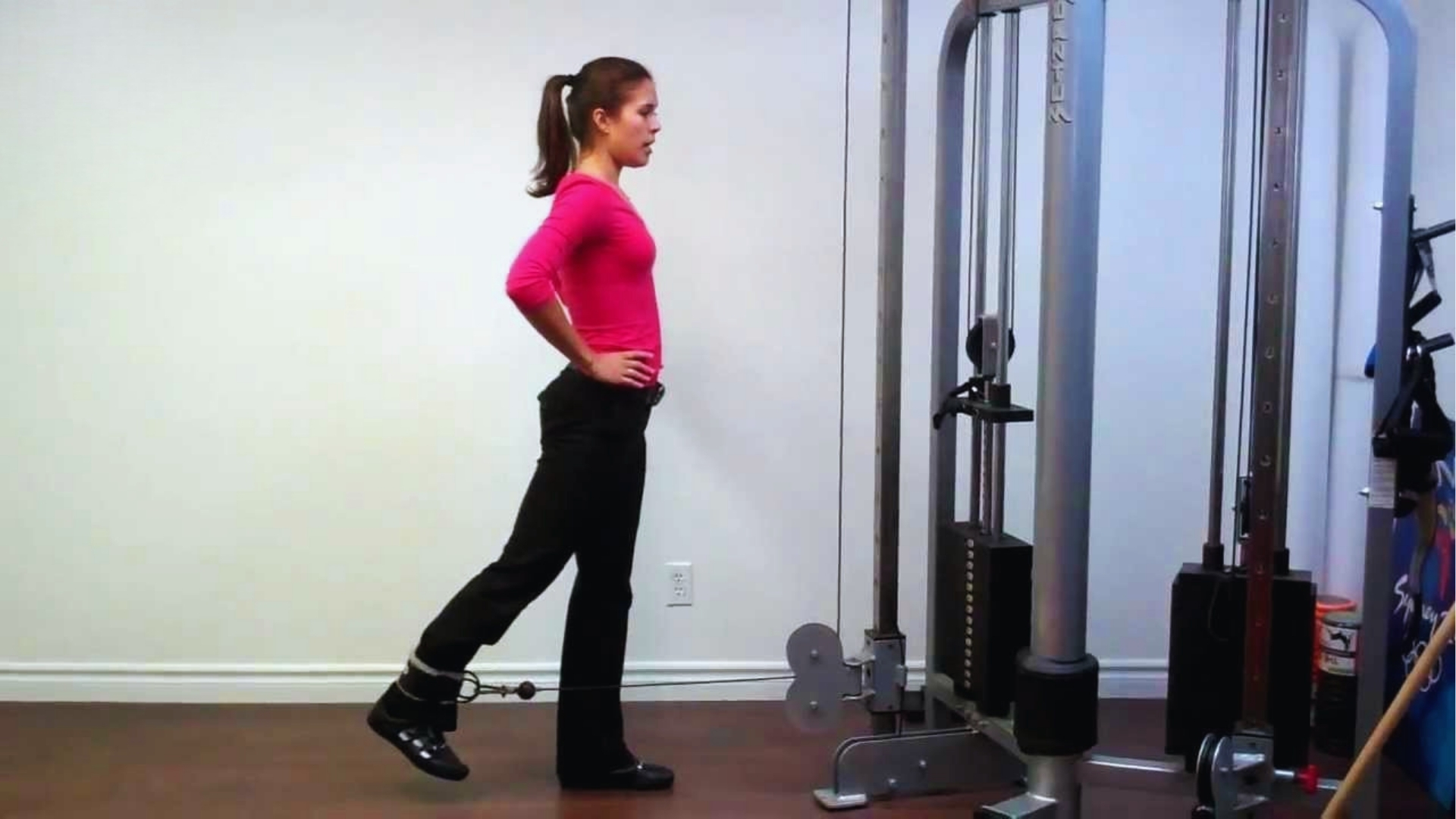
Stand facing the cable machine with an ankle strap. Kick one leg back and squeeze your glute at the top. Strong glutes reduce lower back strain and support posture.
Sets: 3 | Reps: 12-15 each leg | Rest: 60 sec
11. Cable Glute Kickbacks

Similar to hip extensions but with a greater range of motion. Keep your core tight throughout. Well-developed glutes take pressure off the lower back during heavy lifts.
Sets: 3 | Reps: 15 each leg | Rest: 60 sec
12. Standing Cable Rows (Lower Back Support)

Stand and row the cable toward your midsection. Keep your lower back straight and core tight. This builds overall back thickness and teaches you to protect your spine under load.
Sets: 3-4 | Reps: 10-12 | Rest: 75 sec
13. Cable Squat to Row
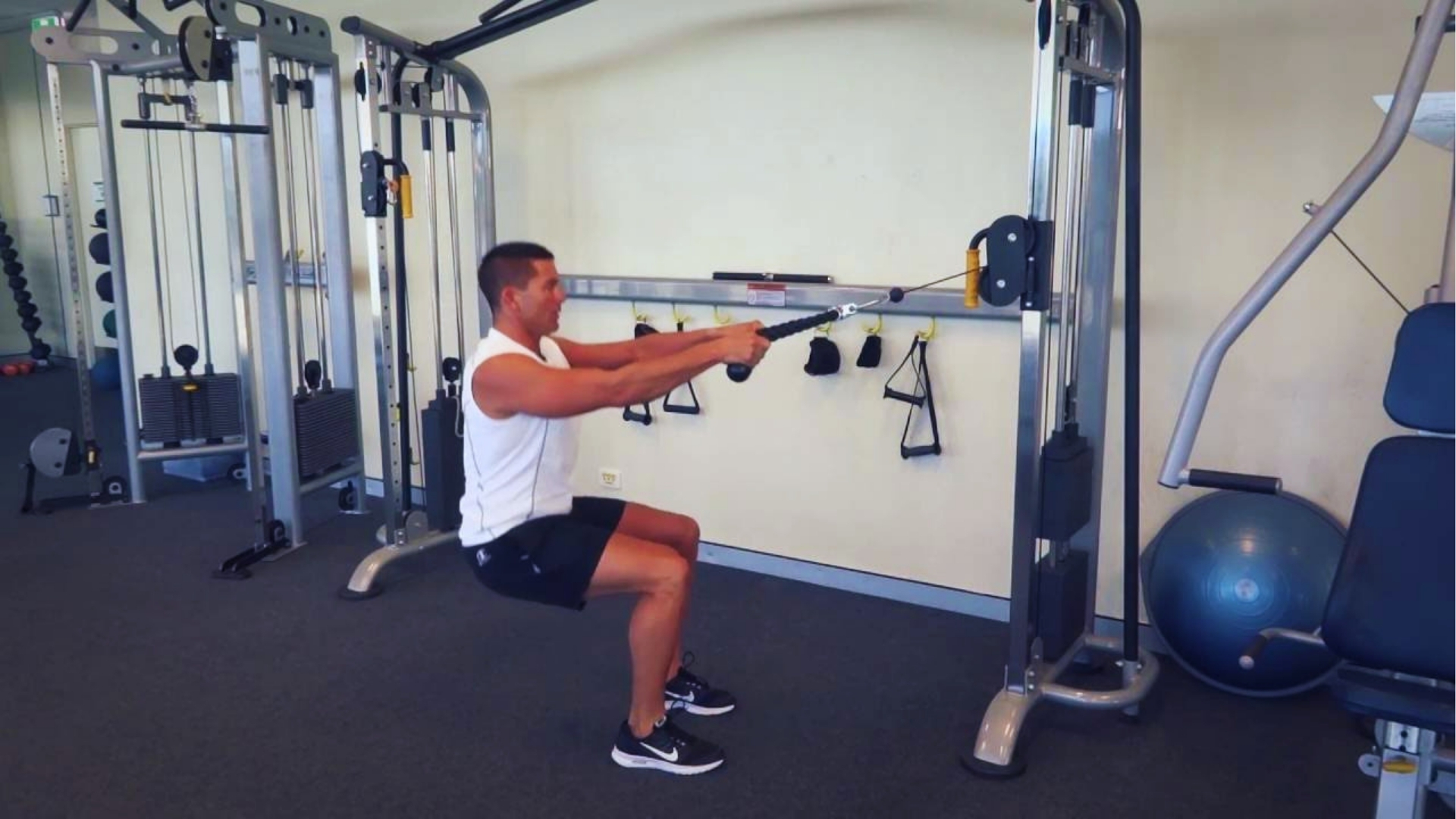
Squat down, then stand and row the cable in one fluid movement. This combines lower body and back training. It builds full-body coordination and lower back endurance.
Sets: 3 | Reps: 10-12 | Rest: 75 sec
How to Structure a Lower Back Cable Workout for Muscle Growth
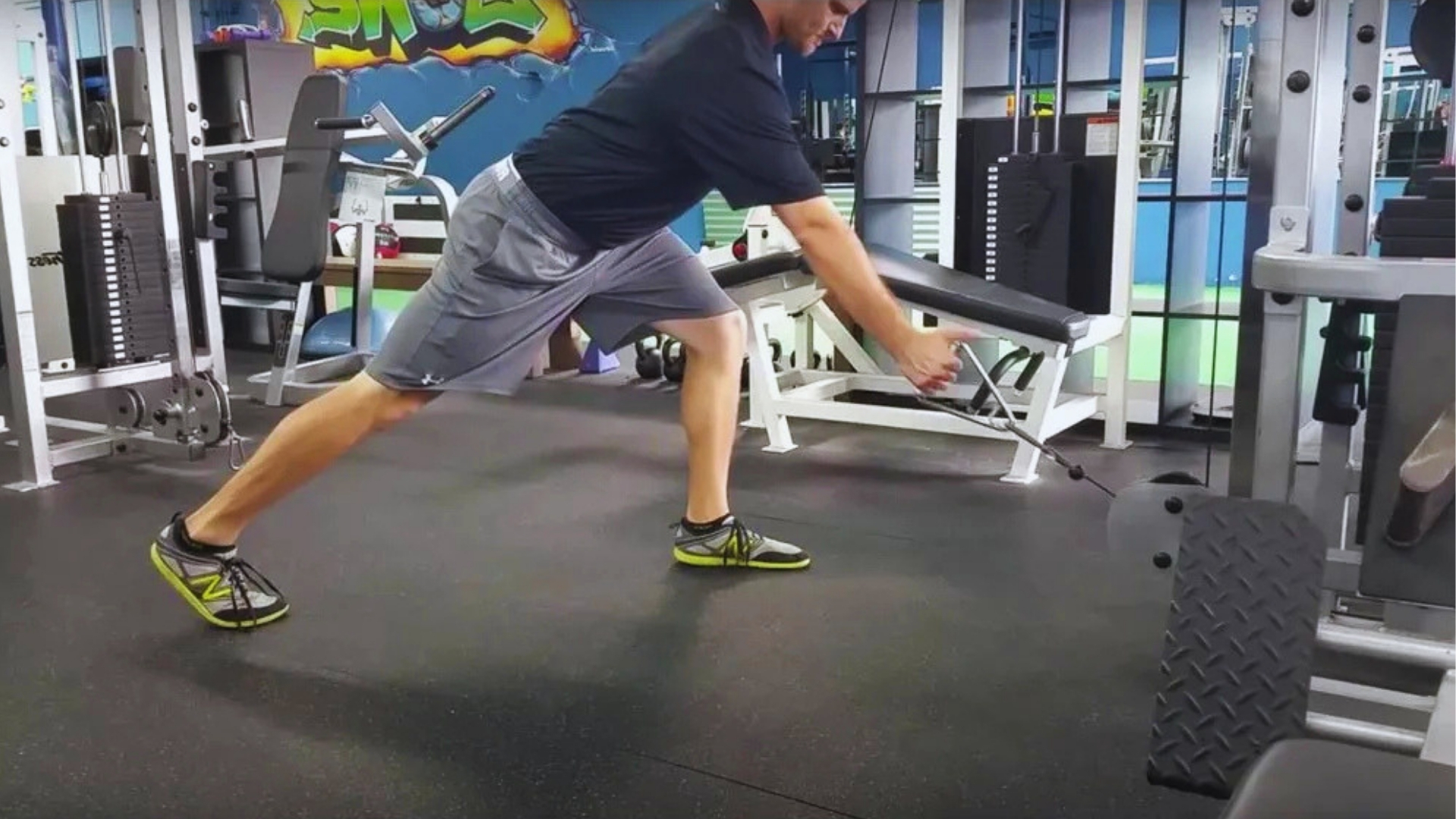
A smart workout structure helps you train harder and recover better for consistent muscle gains.
Beginner-Friendly Routine
Pick 3 exercises from the list above. Do 3 sets of 12 reps each. Focus on form over weight. Rest 60 seconds between sets. Train this way twice a week.
Intermediate Hypertrophy Workout Plan
Choose 5 to 6 exercises. Do 4 sets of 10 to 12 reps. Add moderate weight. Include pull-throughs, Romanian deadlifts, and reverse hyperextensions as your base.
Ideal Sets, Reps, and Rest Time
For muscle growth, aim for 3 to 4 sets of 8 to 15 reps per exercise. Rest 60 to 90 seconds between sets. Shorter rest keeps tension on the muscles.
Weekly Training Frequency
Train your lower back directly 2 times per week. Leave at least 48 hours between sessions. This gives your muscles enough time to repair and grow stronger.
Common Mistakes to Avoid in Lower Back Cable Training
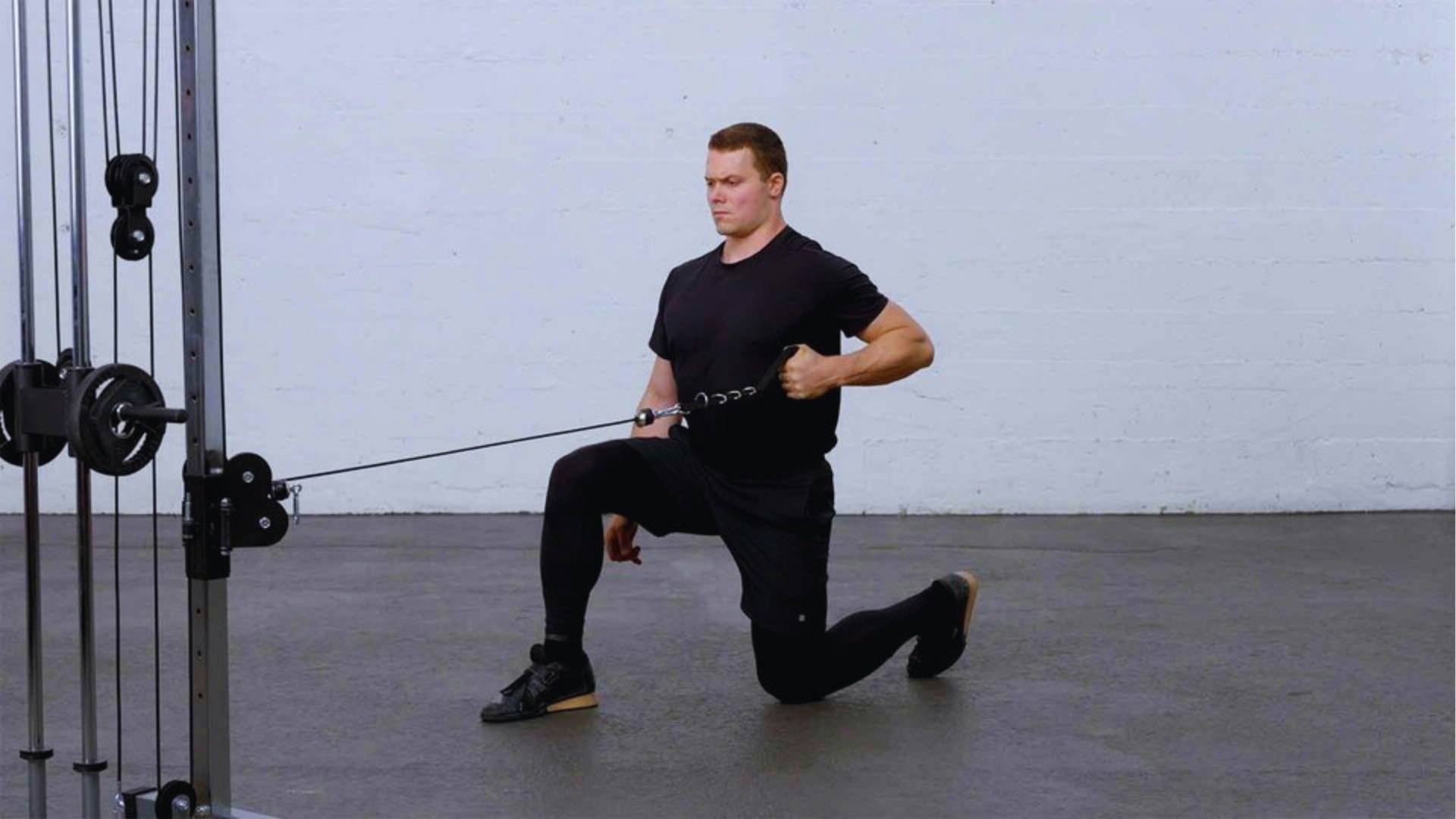
Avoiding these errors will protect your spine and help you see better results faster.
Lifting Too Heavy Too Soon
Going heavy before your form is solid leads to injury. Start with a manageable weight. Build up slowly. Your lower back needs time to adapt.
Poor Form and Rounded Lower Back
A rounded lower back during cable exercises puts harmful stress on your discs. Always keep a neutral spine. If your back rounds, lower the weight.
Lack of Core Engagement
A loose core puts all the load on your spine. Before every rep, brace your core like you’re about to take a punch. This protects your lower back on every movement.
Incorrect Cable Setup and Angles
Wrong cable height changes the muscles being targeted. Always match the cable position to the exercise. Read instructions or watch a demonstration before you start a new movement.
Tips to Maximize Muscle Growth with Lower Back Cable Exercises
Small adjustments to how you train can make a big difference in results over time.
- Slow down your reps and use a 3-second lowering phase to increase time under tension and signal muscle growth.
- Focus on the muscle you’re working during each rep to get more out of every set.
- Add weight gradually by increasing load or reps every 1 to 2 weeks to keep making progress.
- Train your full back and pair lower back work with upper back and lat exercises to avoid imbalances.
- Rest and recover well by sleeping 7 to 8 hours, eating enough protein, and avoiding training sore muscles back to back.
Conclusion
I hope this guide on lower back cable exercises gives you a clear and practical starting point. I know how frustrating it is to train hard and not see the results you want.
These 13 exercises helped me build real strength in my lower back, and with consistency, they can do the same for you. Focus on good form, start light, and trust the process.
Small efforts add up over time. If you found this helpful, drop a comment below or share it with someone who needs it. You’ve got this!
Frequently Asked Questions
Are cable exercises good for lower back muscle growth?
Yes, cable machines provide constant tension throughout each movement. This makes them very effective for building lower back muscle compared to many free weight alternatives.
How often should I do lower back cable exercises?
Train your lower back 2 times per week with at least one rest day between sessions. This frequency supports muscle growth while giving your spine enough recovery time.
Can beginners do lower back cable exercises safely?
Yes, beginners can start with light weights and simple movements like cable pull-throughs. Focus on form first. Increase weight only after you feel confident with each exercise.
What cable exercise is best for lower back pain relief?
Cable reverse hyperextensions and cable hip extensions are gentle options. They strengthen the lower back and glutes without compressing the spine. Always consult a doctor if you have an existing injury.
How long does it take to see results from lower back cable training?
Most people notice improved strength within 3 to 4 weeks. Visible muscle growth typically takes 8 to 12 weeks of consistent training, proper nutrition, and adequate sleep.